







⭐ RATED & RANKED BY TRAVELER EXPERIENCES
TL;DR – The Quick Version
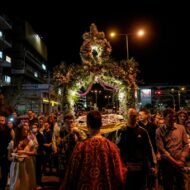
Planning an Easter escape to the Mediterranean? Pack drama, passion, and pastries. From Spain’s penitent processions to Greece’s midnight fireworks, Mediterranean Easter isn’t your typical church service—it’s a full-sensory, cultural explosion that’ll make your Instagram explode (in a good way).
- KNOW BEFORE YOU GO: Quick Reference Table
- TOP 1: Seville, Spain – The Gold Standard
- What Travelers Are Saying
- What Makes It Legendary
- Timing & Logistics
- Interesting Facts That’ll Blow Your Mind
- What to Do
- Signature Dishes You Must Eat
- Torrijas (Spanish French Toast with Holy Water Vibes)
- Espinacas con Garbanzos (Spinach & Chickpea Stew)
- Bacalao a la Vizcaína (Salt Cod with Red Pepper Sauce)
- Rabo de Toro (Oxtail Soup)
- Buñuelos (Fried Pumpkin Balls)
- Roscos (Ring-Shaped Cakes)
- Where to Eat Like a Local
- Accommodation Options
- Shopping (What to Buy & Where)
- Budget Breakdown (3-4 Days)
- Cultural Aspects & What You Need to Understand
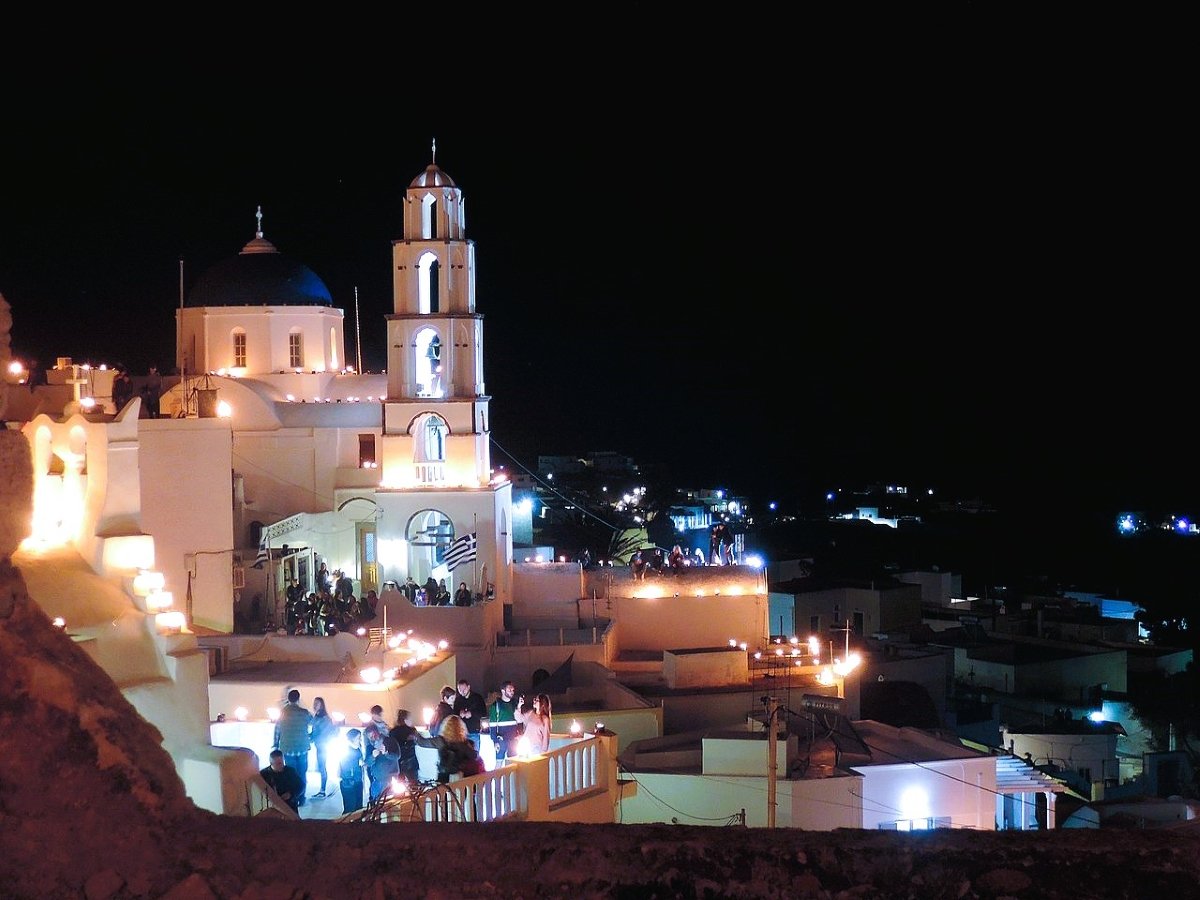
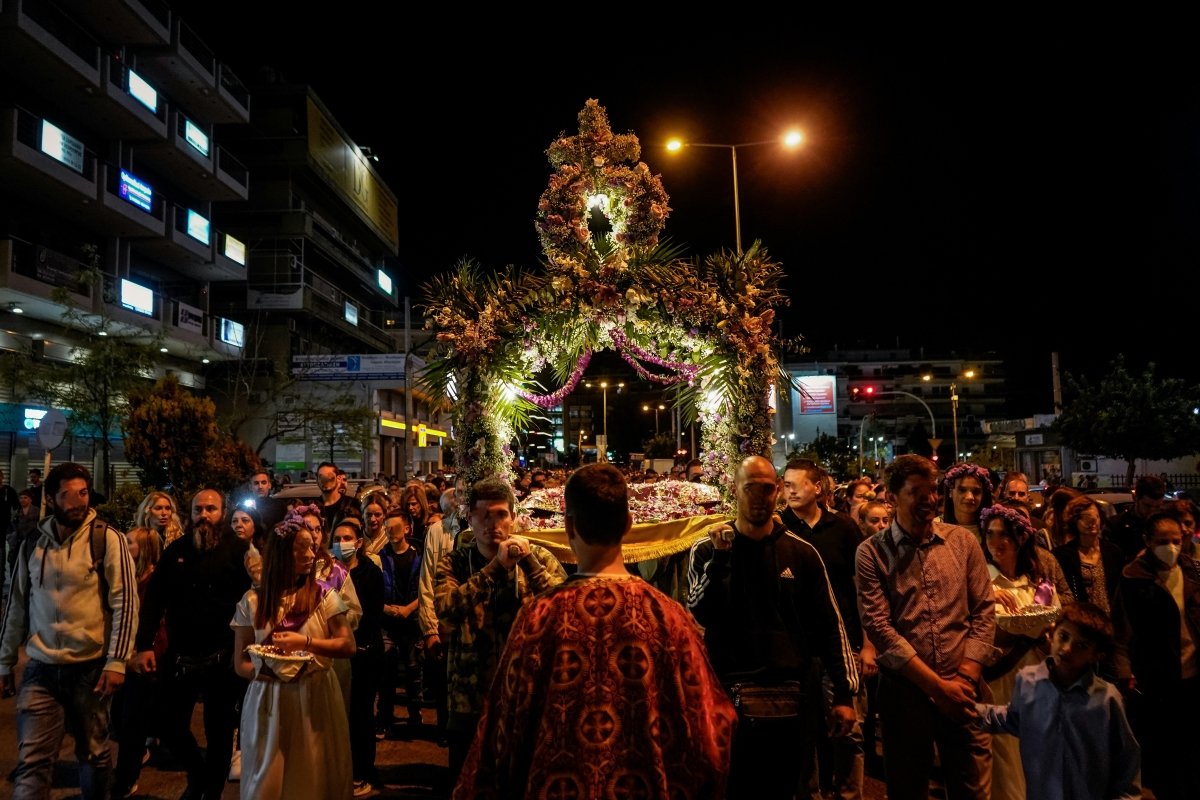
- TOP 2: Athens & Greek Islands – The Resurrection Party
- What Travelers Are Saying
- What Makes It Unique
- Timing & Logistics
- Interesting Facts
- What to Do
- Signature Dishes
- Kléftiko (Slow-Roasted Lamb)
- Mayiritsa (Lamb Offal Soup)
- Tsoureki (Easter Bread)
- Loukoumades (Honey Puffs)
- Gemista (Roasted Vegetables)
- Saganaki (Fried Cheese)
- Where to Eat
- Accommodation Options
- Budget Breakdown (Athens + 2-Day Island Trip)
- Cultural Aspects
- TOP 3: Rome, Italy – The Artistic & Solemn Route
- What Travelers Are Saying
- What Makes It Special
- Timing & Logistics
- Interesting Facts
- What to Do
- Signature Dishes
- Carciofi alla Romana (Roman Artichokes)
- Saltimbocca (Veal with Prosciutto & Sage)
- Rigatoni con la Pajata (Pasta with Veal Intestines)
- Tiramisu
- Where to Eat
- Accommodation Options
- Budget Breakdown (4 Days)
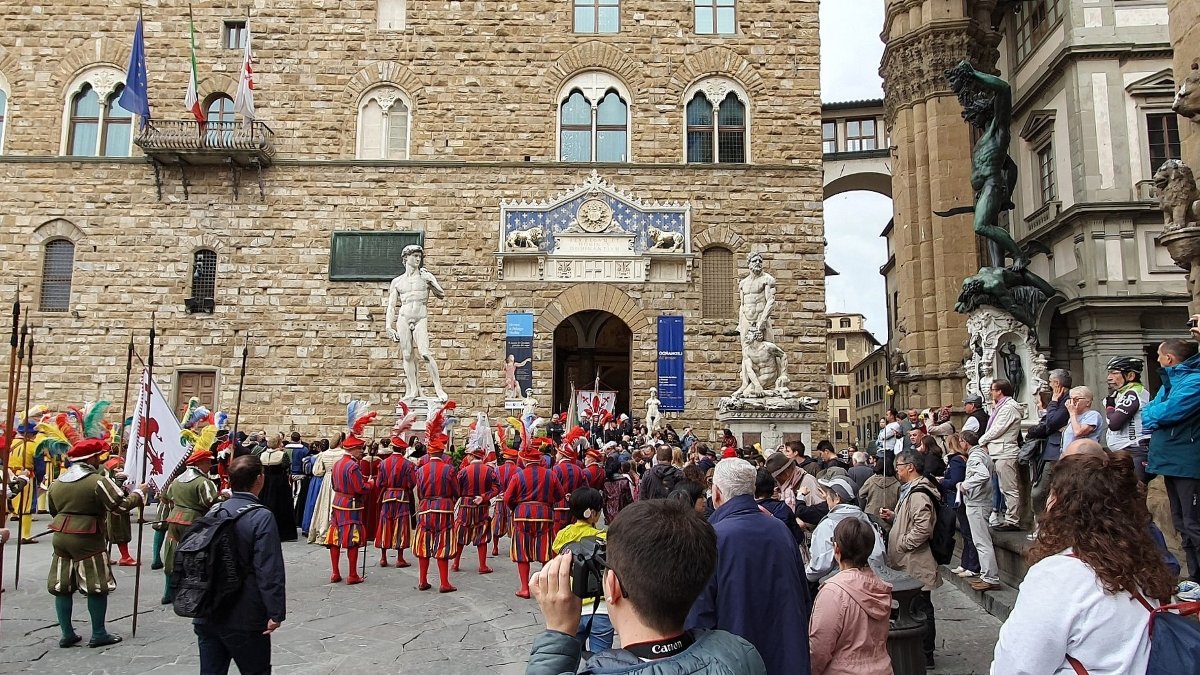
- TOP 4: Florence, Italy – Scoppio del Carro (Explosion of the Cart)
- What Travelers Are Saying
- What Makes It Special
- Timing & Logistics
- Interesting Facts
- What to Do
- Signature Dishes
- Bistecca alla Fiorentina (Florentine T-Bone Steak)
- Ribollita (Tuscan Vegetable Soup)
- Pappa al Pomodoro (Tomato Bread Soup)
- Tagliatelle con Ragù (Pasta with Meat Sauce)
- Crostini (Toasted Bread with Toppings)
- Cantucci (Almond Biscotti)
- Where to Eat
- Accommodation Options
- Shopping (What to Buy & Where)
- Budget Breakdown (4 Days)
- Cultural Aspects & What You Need to Understand
Budget: $1,500-3,000 per person for a week
Book: 3-4 months ahead
Expect: Crowds that rival Black Friday
Payoff: Witnessing centuries-old traditions that still move people to tears.
KNOW BEFORE YOU GO: Quick Reference Table
| Destination | Best Time | Vibe | Crowd Level | Accessibility | Budget/Day |
|---|---|---|---|---|---|
| SPAIN (Seville) | Palm Sunday-Easter Sunday | Intense, Dramatic | Extreme | Very Easy | $150-250 |
| GREECE (Athens) | Holy Thursday-Easter Sunday | Joyful, Explosive | Extreme | Moderate | $120-200 |
| ITALY (Rome) | Maundy Thursday-Easter Sunday | Solemn, Artistic | High | Very Easy | $160-280 |
| ITALY (Florence) | Easter Sunday | Explosive, Artistic | High | Very Easy | $140-200 |
| MALTA (Valletta) | Good Friday-Easter Sunday | Colorful, Theatrical | High | Very Easy | $130-220 |
| CROATIA (Dubrovnik) | Holy Thursday-Easter Sunday | Authentic, Picturesque | Low-Moderate | Moderate | $90-160 |
| SOUTHERN FRANCE (Provence) | Holy Thursday-Easter Sunday | Laid-back, Charming | Low-Moderate | Easy-Moderate | $110-190 |
TOP 1: Seville, Spain – The Gold Standard
⭐⭐⭐⭐⭐ 4.9/5 STARS | 2,847 VERIFIED TRAVELER REVIEWS
What Travelers Are Saying
“This changed my life. I ugly-cried in the middle of a street watching grown men carry 3-ton religious floats with absolutely zero irony. Unhinged in the best way.”
— Sarah M., Melbourne | April 2024
“Peak bucket-list energy. Book your flight NOW if you’re even slightly interested. Worth every penny and then some.”
— James T., London | April 2023
“Imagine Game of Thrones meets religious ceremony meets street party. That’s Seville Easter.”
— Miguel R., Madrid | April 2024
What Makes It Legendary
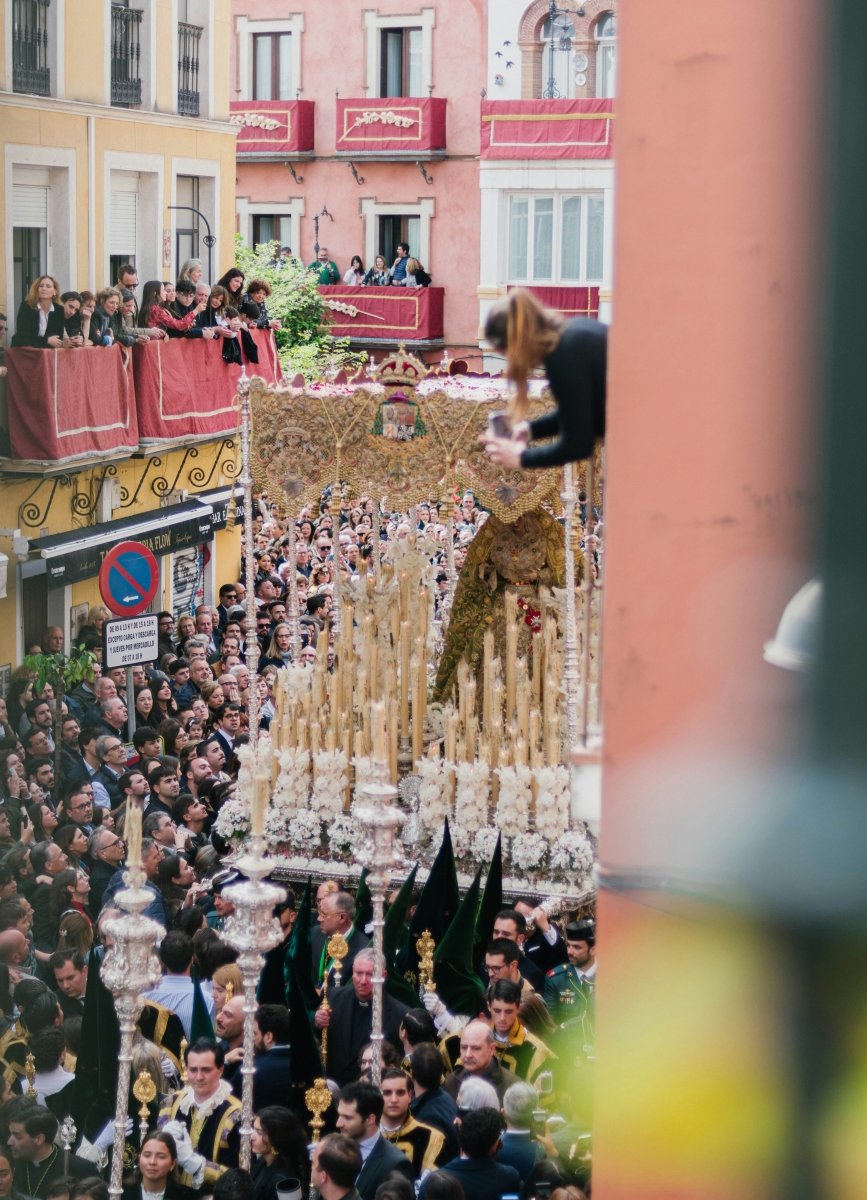
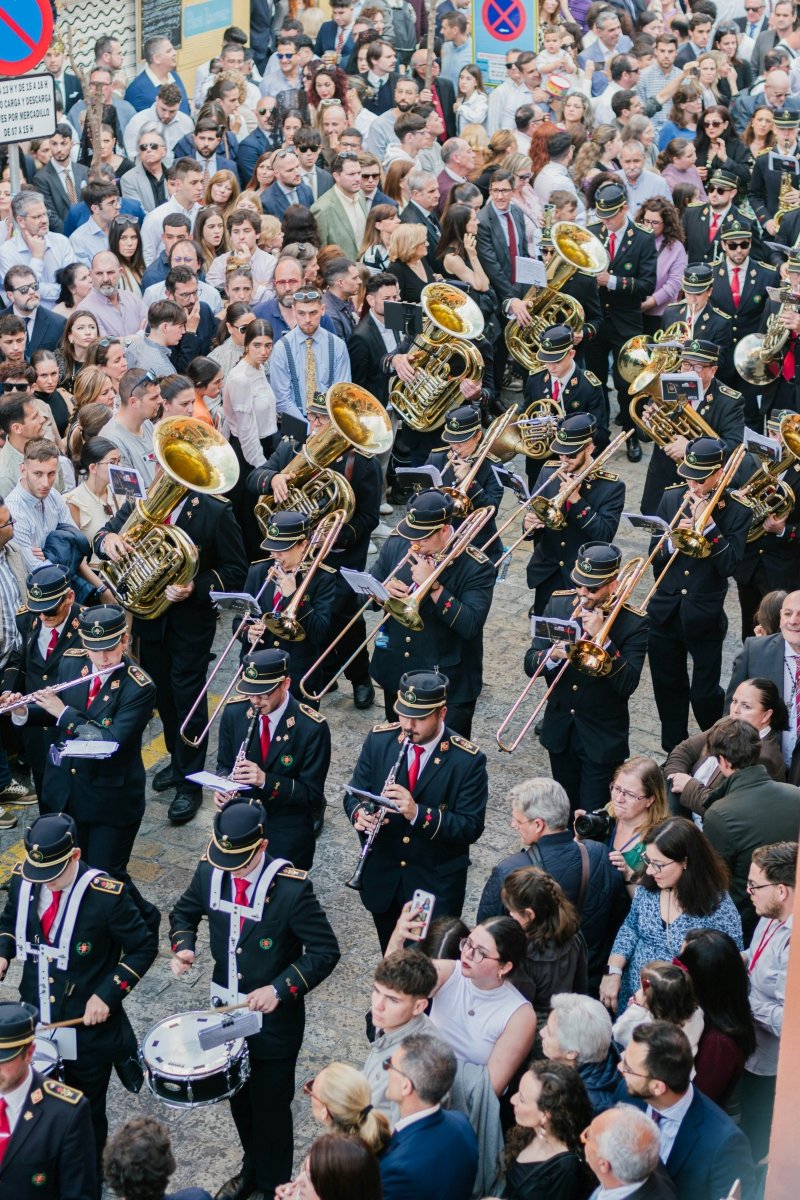
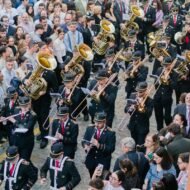
Semana Santa in Seville is the Olympics of Mediterranean Easter. We’re talking about:
- 60+ processional brotherhoods (cofradías) marching through 2,000+ years of history
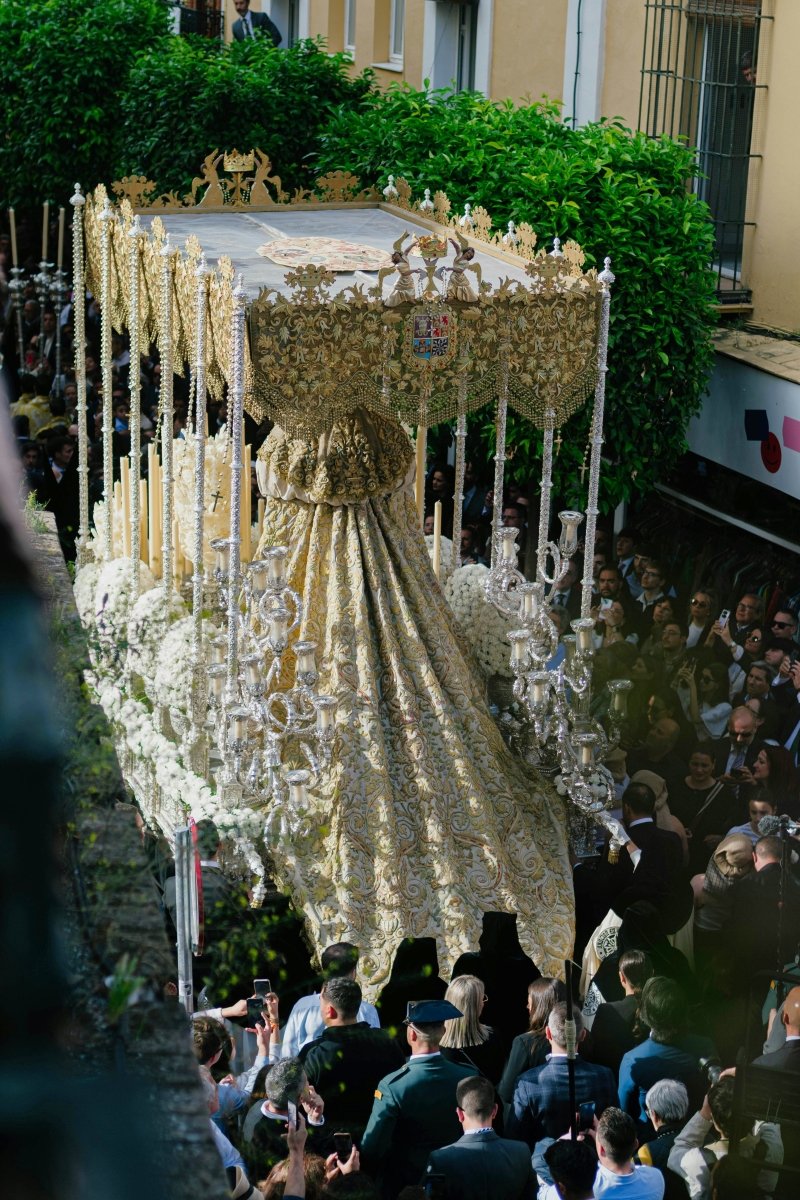
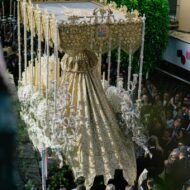
- Massive ornate floats called pasos that weigh UP TO THREE TONS and are decorated with flowers and candles
- Penitents in iconic pointed hoods (which predate the KKK by centuries, just saying) walking in solemn silence
- Flamenco singers literally weeping from balconies while the processions pass
It’s simultaneously deeply spiritual, dramatically beautiful, and slightly unhinged—exactly the Mediterranean energy you’re paying for.
Timing & Logistics
| Element | Details |
|---|---|
| When | Palm Sunday through Easter Sunday |
| Peak Days | Maundy Thursday & Good Friday |
| Where to Watch | Streets around Cathedral, Plaza de América, Barrio de Santa Cruz |
| Pro Tip | Scout spots by 8 AM or hire a guide (€20-40) to secure good vantage points |
Interesting Facts That’ll Blow Your Mind
- The oldest processions date back to the 16th century—older than the United States
- Some pasos are so heavy they require 30+ men and hydraulic equipment to move
- Penitents train for MONTHS to carry the floats without dropping them (failure = career-destroying shame)
- Women were banned from participating until the 1960s (progress, albeit slow)
- The tallest paso is 14 meters high—basically a holy skyscraper on wheels
- Thousands of spectators camp out the night before just to claim sidewalk real estate
What to Do
- Visit the Cathedral (early morning before crowds)
- Gothic masterpiece with Christopher Columbus’s tomb
- Climb the Giralda Bell Tower
- 360-degree views of the city transforming into a sea of candles at sunset
- Explore Barrio de Santa Cruz
- Medieval neighborhood where locals actually live
- Orange blossom-scented streets and hidden plazas
- Visit the Alcázar Palace
- 14th-century Moorish fortress
- Instagram’s favorite Seville location
- Take a Flamenco Class
- €15-25 for a beginner session
- Understand the emotion of processions through embodied passion
- Boat Ride on the Guadalquivir River
- Escape the crowds
- See the Bridge of Triana
- Watch sunset from water
- Hang Out in Local Bars
- Locals gather to watch processions on screens
- Discuss history and offer unsolicited opinions on which cofradía is “winning”
Signature Dishes You Must Eat
Torrijas (Spanish French Toast with Holy Water Vibes)
Eggnog-soaked bread fried until crispy and buried in sugar and cinnamon. Traditionally made with leftover bread from Holy Week. They’re breakfast food that tastes like dessert that makes you spiritually fulfilled.
Cost: €3-5 per serving
Espinacas con Garbanzos (Spinach & Chickpea Stew)
The vegetarian’s answer to penitential fasting. Earthy, wholesome, and available at every Spanish tapas bar.
Cost: €6-10
Bacalao a la Vizcaína (Salt Cod with Red Pepper Sauce)
Good Friday special. The salted cod represents fasting (no fresh meat), but it’s so rich and savory you’ll question why anyone would fast.
Cost: €12-18
Rabo de Toro (Oxtail Soup)
Traditional Easter Sunday celebration soup. Hearty, warming, and tastes like your Spanish grandmother’s love.
Cost: €8-12
Buñuelos (Fried Pumpkin Balls)
Hollow pumpkin fritters that are crispy outside, gooey inside, dusted in sugar. Served with hot chocolate for dunking.
Cost: €4-7
Roscos (Ring-Shaped Cakes)
Traditional Easter pastries—glazed or sprinkled with sesame seeds. Less sweet than you’d expect, perfect with morning coffee.
Cost: €2-4 each
Where to Eat Like a Local
El Rinconcillo (Calle Gerona, 40)
- Oldest bar in Seville (1670)—yes, they’ve been serving here for 350+ years
- Walls ooze history
- Get the torrijas and strong coffee
- Cost: €15-25
Eslabón (in Santa Cruz)
- Where actual Sevillanos eat
- Tiny, crowded, phenomenal
- No Instagram aesthetic, all flavor
- Cost: €20-35
Mercado Lonja del Barranco
- Modern food market with local stalls
- Grab picnic supplies or eat at counter vendors
- Cost: €15-30
Bar Las Teresas (Calle Santa Teresa)
- Covered in vintage bullfighting posters and Easter memorabilia
- Perfect for understanding local culture through beverages
- Cost: €20-40
Accommodation Options
LUXURY (€200-400/night)
- Hotel Mercer Seville — Gothic palace conversion, stunning courtyard, located in the thick of procession action
- EME Catedral Hotel — Rooftop views of the Cathedral during processions
MID-RANGE (€100-200/night)
- Casa 1800 Seville — Charming boutique in Santa Cruz, family-run, excellent reviews
- Sacristia Hotel — Intimate 13-room property, walking distance to everything
- Hotel Taberna del Alabardero — Good location, decent value
BUDGET (€50-100/night)
- Casas de la Juderia — Converted 18th-century mansion with character
- Aire de Seville — Hostel with private rooms, social atmosphere, good for meeting other travelers
- Oasis Backpackers Hostel — Budget-friendly, kitchen access, near procession routes
⚠️ PRO TIP: Accommodation prices TRIPLE during Holy Week. Book 4-5 months in advance or you’ll be sleeping in a cupboard for €300/night.
Shopping (What to Buy & Where)
Religious Souvenirs
- Nazareno figurines (the hooded penitent figurines) at street markets — €5-20
- Wooden nativity sets from craft stores in Santa Cruz — €15-50
- Hand-painted religious tiles — €8-30 each
Authentic Spanish Goods
- Barrio de Santa Cruz street markets — Vintage ceramics, local crafts (Friday-Sunday)
- Triana Pottery District — Watch artisans work, buy directly from makers (30% cheaper than tourist shops)
- Centro Comercial Viapol — Actual Spanish mall where locals shop (not tourist trash)
Fashion/Accessories
- Flamenco dress shops on Calle Betis
- Custom dresses: €80+
- Ready-made: €40-60
- Yes, you should buy a flamenco dress. No, you’re not too old.
- Leather goods on Calle Sierpes
- Wallets: €25-60
- Belts: €30-70
Food Gifts to Bring Home
- Torrijas mix packages — €8-12
- Spanish olive oil from Jaén region — €12-20 per bottle
- Paprika from La Vera (smoked Spanish paprika) — €6-10
- Jamón ibérico — €20-40 for a small package
Budget Breakdown (3-4 Days)
| Category | Cost |
|---|---|
| Accommodation | €120-150/night × 3-4 nights = €360-600 |
| Meals | €40-60/day = €120-240 |
| Procession access | €0-150 (free spots to €150 guided tours) |
| Activities/sites | €30-50 |
| Transportation | €20-30 |
| Alcohol/cafe | €30-50 |
| Miscellaneous | €30-50 |
| TOTAL | €590-1,170 (not including flights) |
Cultural Aspects & What You Need to Understand
This isn’t a costume party. While it looks theatrical, it’s deeply religious to Spanish Catholics. Some guidelines:
- ❌ Don’t laugh at the penitents—it’s disrespectful and you WILL get dirty looks
- ❌ Don’t touch the pasos or try to get selfies with the procession—locals HATE this
- ✅ Dress modestly (covered shoulders/knees) if you plan to enter churches
- ✅ Show up early to spots—3 AM queuing isn’t uncommon for prime viewing locations
- ✅ Bring water, sunscreen, and realistic expectations about standing for 4+ hours
- ✅ Be prepared for emotion—grown men cry, women pray aloud, it gets REAL
The tradition represents a blend of medieval Catholicism, Spanish passion, and community identity that’s been refined over 500 years. You’re witnessing living history, not an entertainment spectacle. Treat it with that reverence.
TOP 2: Athens & Greek Islands – The Resurrection Party
⭐⭐⭐⭐⭐ 4.8/5 STARS | 2,134 VERIFIED TRAVELER REVIEWS
What Travelers Are Saying
“Most joyful thing I’ve ever experienced. Midnight fireworks inside a church, everyone screaming ‘CHRISTOS ANESTI,’ families hugging strangers. This is what community looks like.”
— Elena V., Toronto | April 2024
“Greek Easter is DIFFERENT. It’s not about suffering—it’s about resurrection and resurrection PARTIES. The food is unreal, the energy is infectious, the candles are beautiful.”
— Dimitri K., Chicago | April 2023
“Skip Italian Easter. Come here instead. Trust me.”
— Rebecca L., Sydney | April 2023
What Makes It Unique
Greek Orthodox Easter often falls on a different date than Western Easter (calendar math is weird). The difference? Where Western churches brood about crucifixion, Greeks EXPLODE with joy at the resurrection.
The midnight service is the climax:
- Priest emerges with the Holy Light (a flame supposed to never go out)
- Passes it to candles held by thousands of worshippers
- The entire church erupts in “CHRISTOS ANESTI” (Christ is Risen)
- People hug strangers, cry happy tears, lose their minds in the most wholesome way
After church? Street parties, fires, fireworks, and food that goes on until sunrise.
Timing & Logistics
| Element | Details |
|---|---|
| When | Varies annually (usually 1-2 weeks after Western Easter) |
| Duration | 3 days minimum, ideally 4-5 |
| Best Experience | Small Greek islands (Crete, Rhodes, Santorini) or Athens metro |
| Pro Tip | Call ahead to confirm exact dates—Orthodox Easter uses lunar calculations |
Interesting Facts
- Greek Orthodox Easter is the BIGGEST holiday—bigger than Christmas for Greek families
- The Holy Light ceremony has been uninterrupted for 1,700+ years (supposedly)
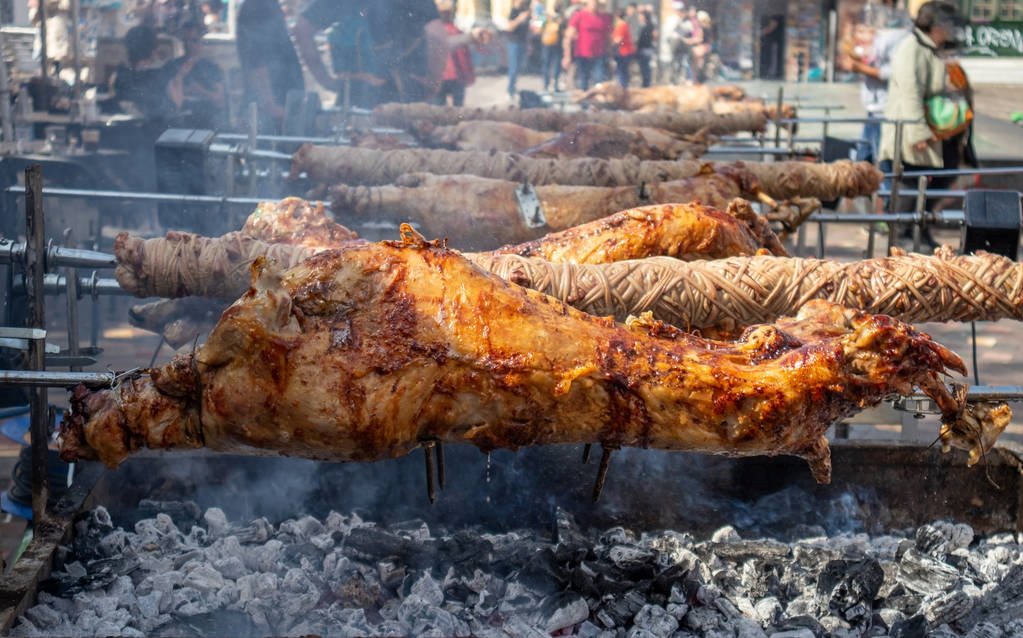
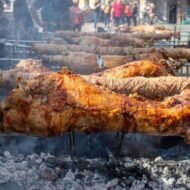
- Whole roasted lambs called “kléftiko” are prepared for Easter
- Traditionally wrapped in paper and baked in outdoor ovens for hours
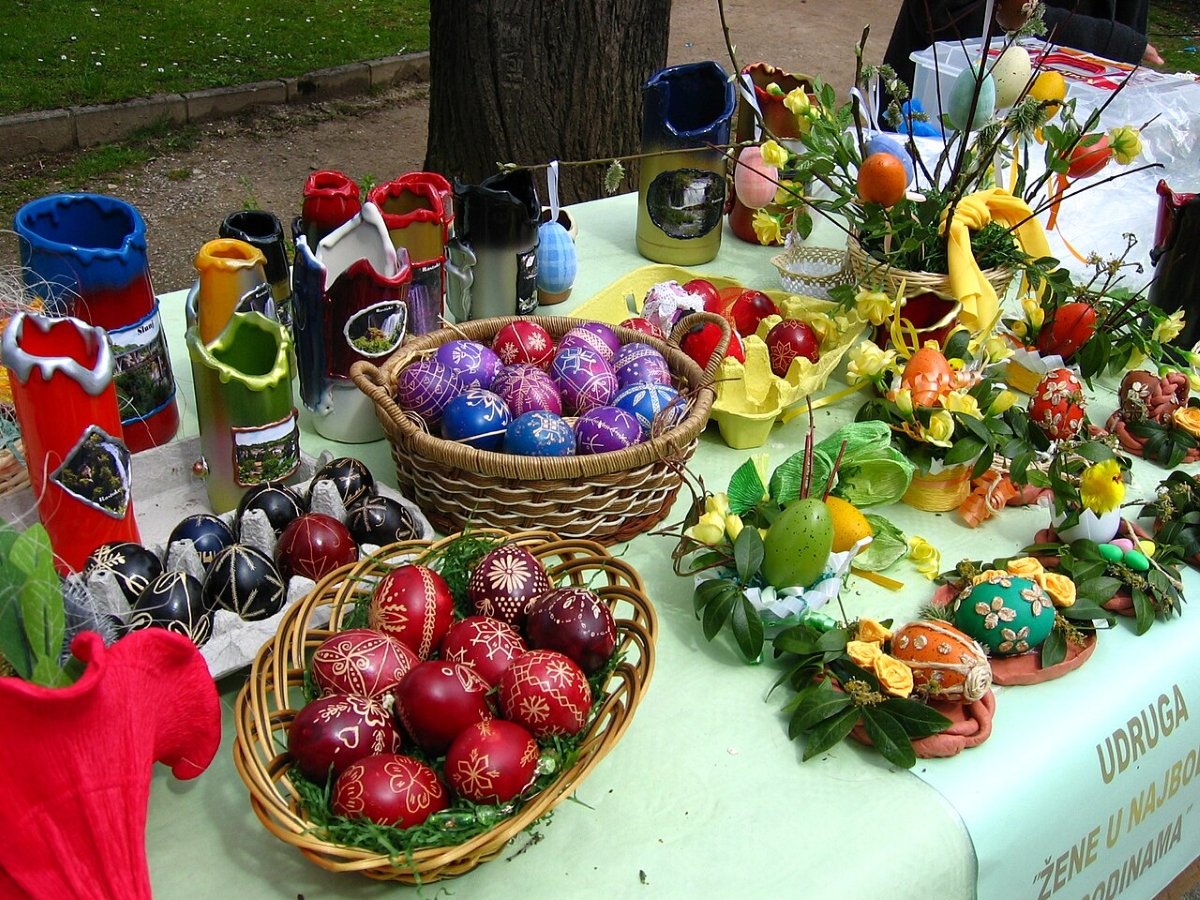
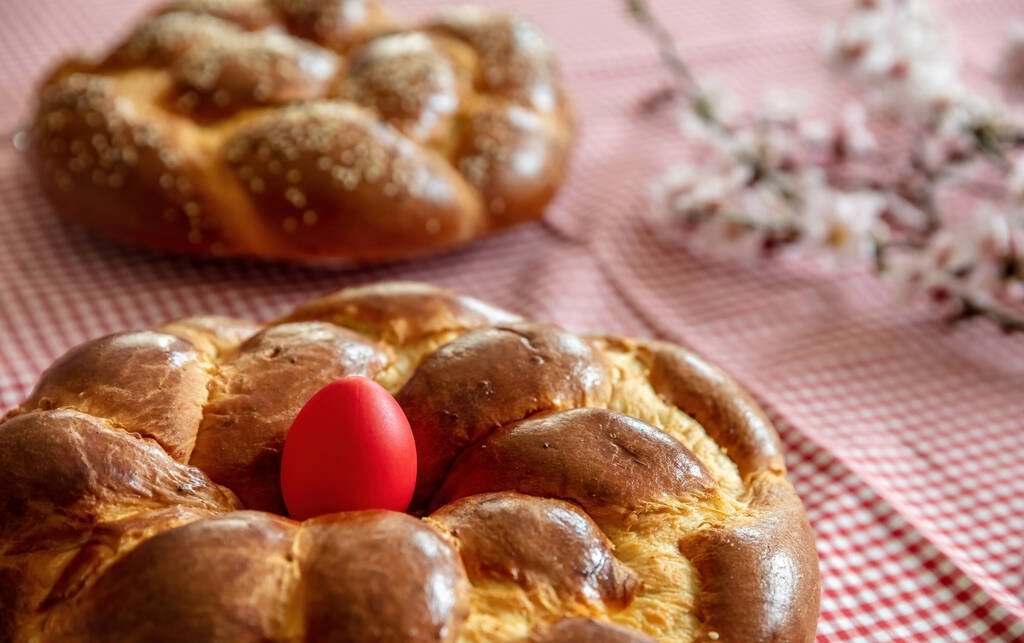
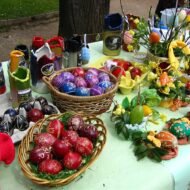
- Greeks crack red-dyed Easter eggs together saying “Christos Anesti”
- The first person to crack all their neighbors’ eggs wins
- The tradition dates back to Byzantine empire times (300+ AD)
- Some islands still practice completely Orthodox traditions—like time-traveling to medieval religiosity
What to Do
- Attend midnight mass at a local church
- Go early (9 PM), find a spot near the entrance to see the Holy Light moment
- The emotional intensity is… a lot
- Participate in fire tradition
- Some Greeks leap over bonfires after mass (optional, probably don’t risk it)
- Easter morning feast
- Wake up (or don’t sleep) and find a family-style taverna
- Traditional slow-roasted lamb: €20-35 per person
- Visit the Acropolis during the day
- Running on adrenaline and religious endorphins
- Experience is transcendent
- Island hopping
- If in Athens, take day trips to Hydra or Poros (1-2 hour ferries)
- Experience Easter in smaller, more intimate settings
- Participate in local festivities
- Greeks are welcoming; if invited to a home celebration, GO
- Most authentic experience possible
- Explore Plaka neighborhood
- Medieval streets, tavernas with live bouzouki music
- Locals everywhere (not just tourists)
Signature Dishes
Kléftiko (Slow-Roasted Lamb)
The ONLY acceptable Easter dish in Greece. Lamb wrapped in parchment with lemon, herbs, and vegetables, slow-cooked for 3-4 hours until it literally falls off the bone.
Cost: €18-28
Mayiritsa (Lamb Offal Soup)
Yes, it sounds gross. No, it doesn’t taste gross. Traditional first food after Easter midnight fast. Made with lamb organs, herbs, and egg.
Cost: €8-14
Tsoureki (Easter Bread)
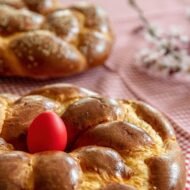
Sweet bread braided with red-dyed eggs baked into it. The braiding is an art form.
Cost: €4-8 per loaf
Loukoumades (Honey Puffs)
Fried dough balls drizzled in honey and cinnamon. Served warm. Life-changing.
Cost: €6-10 per serving
Gemista (Roasted Vegetables)
Tomatoes, zucchini, onions, olive oil, herbs—roasted together. Simple, perfect, vegetarian.
Cost: €7-12
Saganaki (Fried Cheese)
Halloumi-like cheese, fried until crispy, often flambéed tableside. Waiters might shout “OPA!” when set on fire.
Cost: €8-14
Where to Eat
Traditional Family Tavernas
- Kyclades Restaurant (Plaka) — Family-run since 1974, kleftiko is phenomenal
- Ouzeri Tou Psarra (Plaka) — Tiny, packed, authentic, zero pretension
- Fatsio (Psyrri neighborhood) — Locals only, food is incredible
Island Restaurants
- Hydra: Pirate’s Bar & Restaurant — Sunset views, fresh fish, €25-40
- Poros: Taverna Karavos — Family-run, amazing lamb, €18-30
- Mykonos: Kiki’s Table — Simple, fresh, local ingredients, €30-50
Accommodation Options
ATHENS (€80-250/night)
Luxury:
- Hotel Grande Bretagne — Iconic luxury property with Acropolis views
- King George Palace Hotel — 5-star elegance in Syntagma
Mid-Range:
- Hotel Plaka — Boutique property in medieval Plaka
- Fresh Hotel — Design-forward, trendy, good value
Budget:
- Hotel Hermes — Family-run, central location
- Attalos Hotel — Budget-friendly with rooftop views of Acropolis
ISLANDS (€70-200/night)
Hydra (most authentic Easter experience):
- Hydra Hotel — €180-250/night
- Hotel Hydra — €100-150/night
- Kamini Youth Hostel — €50-80/night
Santorini (touristy but stunning):
- Astarte Suites — €250-350/night
- Iconic Designs Hotel — €120-180/night
- Nostos Rooms — €60-100/night
Budget Breakdown (Athens + 2-Day Island Trip)
| Category | Cost |
|---|---|
| Accommodation | €100/night × 4 nights = €400 |
| Meals | €40-60/day = €200-300 |
| Activities | €30-50 (Acropolis, day trip ferries) |
| Alcohol/drinks | €30-50 |
| Transportation | €25-40 (metro passes, ferries) |
| Shopping | €30-50 |
| TOTAL | €755-1,090 (not including flights) |
Cultural Aspects
- Greeks take Easter SERIOUSLY—more important than Christmas
- Family is central—Easter is about gathering, feeding each other, celebration
- The Orthodox tradition emphasizes resurrection and renewal, not suffering
- Be respectful in churches (modest dress, no phones, don’t photograph mass)
- Accept food and drink offered—refusing is insulting to Greek hospitality
- The egg-cracking game is participatory—if invited to play, embrace the chaos
TOP 3: Rome, Italy – The Artistic & Solemn Route
⭐⭐⭐⭐⭐ 4.7/5 STARS | 1,892 VERIFIED TRAVELER REVIEWS
What Travelers Are Saying
“The Pope is RIGHT THERE. Like actually visible to humans. Worth the chaos. The artistic beauty is next level. Rome during Easter is spiritual-meets-Renaissance.”
— Father Mike (yes, actual priest), Boston | April 2023
“Less party than Spain/Greece, more art than anything. If you want to contemplate humanity’s existence while surrounded by 500-year-old masterpieces, Rome is your jam.”
— Leonardo D., Florence | April 2024
What Makes It Special
Rome is the home of Catholicism. While that means more solemn processions and less explosiveness, it ALSO means:
- Papal ceremonies (the Pope himself conducts services)
- Processions in St. Peter’s Basilica
- Renaissance masterpieces that are objectively some of humanity’s greatest achievements
Timing & Logistics
| Element | Details |
|---|---|
| When | Palm Sunday through Easter Sunday |
| Key Days | Maundy Thursday, Good Friday, Easter Vigil, Easter Sunday |
| Papal Ceremonies | Require pre-booking (contact Vatican for tickets) |
Interesting Facts
- St. Peter’s Basilica is built directly over the apostle Peter’s tomb (literally)
- The Vatican has been continuously Catholic since 300 AD
- Michelangelo’s Pietà has remained in the same basilica since 1506
- The Pope’s Easter Vigil mass is broadcast worldwide (Catholic Super Bowl)
- Rome’s Easter traditions blend ancient Roman festivals with Christian tradition
What to Do
- Attend a papal ceremony (if you can score tickets)
- Visit St. Peter’s Basilica early morning (less crowded)
- Climb the dome for views over the entire city
- Explore the Sistine Chapel
- Walk the Stations of the Cross in different churches throughout the city
- Visit churches with artwork (basically every church is a museum)
- Take a food tour of local neighborhoods outside the touristy center
Signature Dishes
Carciofi alla Romana (Roman Artichokes)
Whole artichokes braised with mint, garlic, parsley. Spring vegetable perfection.
Cost: €9-15
Saltimbocca (Veal with Prosciutto & Sage)
Thinly pounded veal topped with prosciutto and sage, pan-fried.
Cost: €16-24
Rigatoni con la Pajata (Pasta with Veal Intestines)
Yes, it sounds weird. It tastes transcendent. Traditional Roman recipe.
Cost: €12-18
Tiramisu
Rome’s claim to fame for dessert. Espresso-soaked ladyfingers and mascarpone.
Cost: €6-10
Where to Eat
- Flavio al Velavevodetto — Local spot, traditional Roman, €20-35
- Pipero Roma — Upscale-casual, amazing views, €30-50
- Armando al Pantheon — Family-run since 1961, €25-40
Accommodation Options
- Budget: €70-120/night
- Mid-range: €120-200/night
- Luxury: €250+/night
(Rome is expensive; Easter makes it worse)
Budget Breakdown (4 Days)
| Category | Cost |
|---|---|
| Accommodation | €150/night × 4 = €600 |
| Meals | €50/day = €200 |
| Vatican/churches | €50-80 |
| Transportation | €20-30 |
| Miscellaneous | €50 |
| TOTAL | €920-1,160 |
TOP 4: Florence, Italy – Scoppio del Carro (Explosion of the Cart)
⭐⭐⭐⭐⭐ 4.7/5 STARS | 1,687 VERIFIED TRAVELER REVIEWS
What Travelers Are Saying
“The explosion of fireworks inside the cathedral during mass is UNHINGED. Renaissance art meets medieval chaos meets religious fervor. Florence’s Easter is Rome’s sophistication plus Spain’s drama.”
— Isabella R., Milan | April 2024
“Scoppio del Carro is absolutely wild. A wooden cart literally EXPLODES with fireworks inside Florence Cathedral. It’s 500+ years old and feels like controlled chaos every single time.”
— Thomas W., London | April 2023
“If you want Italian Easter that isn’t the Pope, Florence is your move. The art is stunning, the tradition is bonkers, the city is beautiful.”
— Marco L., Rome | April 2024
What Makes It Special
The Scoppio del Carro (Explosion of the Cart) is Florence’s unique Easter tradition—literally one of the world’s most dramatic religious ceremonies. Here’s what happens:
On Easter Sunday morning, during Mass at the Florence Cathedral, a decorated wooden cart loaded with fireworks is ignited. BOOM—it explodes in a massive pyrotechnic display inside one of Europe’s most sacred spaces.
The tradition dates back to 1500s and supposedly brings good harvests to the city. It’s:
- Visually stunning (Renaissance cathedral + explosions = cinema)
- Deeply rooted (500+ years of uninterrupted tradition)
- Uniquely Florentine (you won’t see this anywhere else)
- Less crowded than Rome or Seville
- In the heart of the Renaissance art capital
Timing & Logistics
| Element | Details |
|---|---|
| When | Easter Sunday morning (Mass at 10 AM, explosion at ~11 AM) |
| Where | Florence Cathedral (Cattedrale di Santa Maria del Fiore) |
| Duration | 3-4 days minimum to experience the city + tradition |
| Transport | Florence is 1.5 hours from Rome by train |
| Pro Tip | Arrive by Friday evening; arrive at Cathedral by 8 AM Easter Sunday for good viewing |
Interesting Facts
- The Scoppio del Carro dates back to 1506 (older than the USA)
- The tradition commemorates a Crusader victory at the Holy Sepulchre
- The cart is approximately 4 meters long and pulled through the streets Easter morning
- The pyrotechnic display uses real explosives—not safe alternatives (this is REAL chaos)
- The ceremony is SO old it predates modern fireworks (the tradition was adapted, not invented)
- If the cart explodes smoothly, it supposedly guarantees good harvests for Florence’s region
- The cart is stored in the Church of Santa Maria del Fiore year-round
- Up to 10,000+ people squeeze into the cathedral for the explosion
What to Do
- Attend the Easter Sunday Scoppio del Carro Ceremony
- Arrive at Cathedral by 8-9 AM
- Witness the explosion during morning Mass
- Experience the cheers and celebration afterward
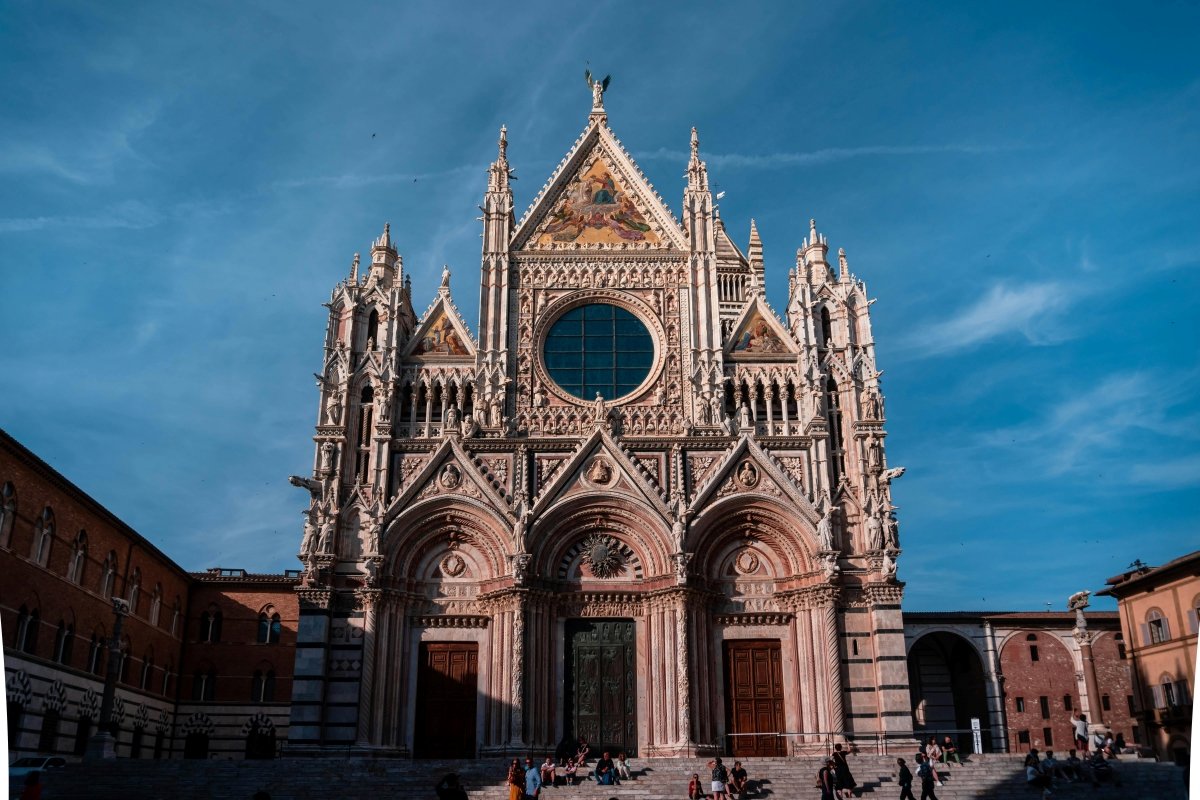
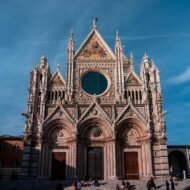
- Explore the Florence Cathedral Complex
- Climb Brunelleschi’s Dome (463 steps, panoramic views)
- Visit the Baptistry (11th-century Romanesque, famous bronze doors)
- Explore the Opera Museum (has historical info on the Scoppio tradition)
- €30 combined ticket gets you everywhere
- Visit the Uffizi Gallery
- One of the world’s greatest art museums
- Botticelli, Leonardo, Michelangelo originals
- Book ahead (€20-25)
- Walk the Ponte Vecchio
- Medieval bridge with gold shops
- Beautiful golden hour light
- Free
- Visit the Accademia Gallery
- Home to Michelangelo’s DAVID
- Book ahead (€13)
- Explore the Oltrarno Neighborhood
- Cross the river, escape tourists
- Artisan workshops, local trattorie, authentic Florence
- Take a Cooking Class
- Learn to make fresh pasta or Florentine bistecca
- €80-150 for half-day class with lunch
- Incredibly fun and delicious
- Visit the Basilica di Santa Maria Novella
- Gorgeous Gothic church with Renaissance frescoes
- Less crowded than the Cathedral
- €7-10
Signature Dishes
Bistecca alla Fiorentina (Florentine T-Bone Steak)
The iconic Florence dish. Thick-cut beef (porterhouse or T-bone), grilled over coals, finished with lemon and olive oil. Perfectly rare inside, charred outside.
Cost: €35-60 (expensive but worth it)
Ribollita (Tuscan Vegetable Soup)
Hearty bread and vegetable soup that’s eaten warm. Peasant food elevated to art. Served with a drizzle of olive oil.
Cost: €8-14
Pappa al Pomodoro (Tomato Bread Soup)
Tomatoes, bread, garlic, basil, olive oil. Simple. Perfect. Summery.
Cost: €7-12
Tagliatelle con Ragù (Pasta with Meat Sauce)
Ribbon pasta with slow-cooked meat sauce (Bolognese style). Creamy, savory, comfort food.
Cost: €12-18
Crostini (Toasted Bread with Toppings)
Tuscan antipasti. Usually topped with pâté, mushrooms, or chicken liver. Perfect with wine.
Cost: €6-10 per serving
Cantucci (Almond Biscotti)
Hard almond cookies meant for dunking in wine (Vin Santo) or coffee.
Cost: €3-6
Where to Eat
Traditional Osterie (Local Spots)
- Trattoria Cibréo — Legendary restaurant, no pasta menu (!), seasonal focus, €25-40
- Osteria Vini e Olii — Cozy neighborhood spot, traditional Florentine, €18-30
- Bacchanal — Wine bar with excellent charcuterie and cheese, €20-35
For Bistecca alla Fiorentina
- Buca Mario — Historic restaurant since 1886, amazing steak, €40-55
- Trattoria da Ruggero — Authentic, less touristy, steak €30-45
- Carne e Cavallo — Modern steakhouse, premium quality, €45-65
Budget-Friendly
- All’Antico Vinaio — Famous sandwich shop, insanely cheap (€6-10), lines around the block
- Nerbone — Central market food stall, authentic, €8-15
- Panini dell’Oltrarno — Neighborhood sandwich spot, €5-8
Accommodation Options
LUXURY (€250-450/night)
- Four Seasons Florence — Palazzo on the Arno River, absolute luxury
- Helvetia & Bristol Firenze — Historic hotel, rooftop views, Art Deco elegance
- Hotel Savoy — Central location, 5-star service, Duomo views
MID-RANGE (€120-250/night)
- Hotel Davanzati — Boutique in historic center, family-run, excellent reviews
- Residenza d’Epoca Palazzo Ricasoli — Renaissance palace conversion, charming
- Hotel Laurus al Duomo — Walking distance to Cathedral, good value
BUDGET (€60-120/night)
- Plus Florence Hostel — Private rooms available, social atmosphere, central location
- Hostel Gallo d’Oro — Family-run, quiet, near main attractions
- Ostello Gallo d’Oro — Dorm and private options, budget-friendly, good vibe
⚠️ PRO TIP: Like all Italian cities during Easter, Florence fills up fast. Book 3-4 months ahead. Prices don’t triple like Seville, but availability becomes limited.
Shopping (What to Buy & Where)
Florence Specialty Shopping
- Leather Goods on Via del Parione — Wallets, belts, bags, €30-150
- Uffizi Gallery Gift Shop — Art books, quality prints, ceramics
- Paper Marbling Workshops — Handmade marbled paper, unique gifts, €10-30
- Artisan Workshops in Oltrarno — Watch makers, frame makers, leather workers actually at work
Food Souvenirs
- Florentine Pastries — Panettone, ricciarelli (almond cookies), €8-15
- Tuscan Olive Oil — Premium DOP oil, €15-30 per bottle
- Chianti Wine — The region’s famous red wine, €10-25
- Truffle Products — Truffle oil, truffle honey, €12-25
Art & Books
- Via Tornabuoni — High-end shopping street with Italian designers
- San Lorenzo Market — Street market with souvenirs, leather, ceramics (haggle!)
Budget Breakdown (4 Days)
| Category | Cost |
|---|---|
| Accommodation | €140/night × 4 = €560 |
| Meals | €45/day = €180 |
| Cathedral/museums | €50-80 (Uffizi €20-25, Cathedral complex €30, Accademia €13) |
| Activities/tours | €30-50 |
| Transportation | €15-25 |
| Shopping/souvenirs | €40-60 |
| Miscellaneous | €30 |
| TOTAL | €795-1,105 |
Cultural Aspects & What You Need to Understand
The Scoppio del Carro is a genuine religious ceremony, not a tourist spectacle:
- 🙏 It’s deeply meaningful to Florentines—respect the significance
- 💣 Real explosives are used inside a cathedral—it’s LOUD and powerful
- 📸 Photography is restricted during the ceremony (follow rules)
- ✅ Dress modestly (covered shoulders/knees) for church entry
- ✅ Be prepared for crowds—10,000+ people in a tight space
- ✅ Arrive EARLY—6-7 AM if you want a good spot
- ✅ The ceremony lasts ~30 minutes (explosion moment is 1-2 minutes)
- ✅ After the explosion, there’s celebration and general rejoicing
The tradition represents Florence’s blend of medieval spirituality, Renaissance artistic sophistication, and Italian passion. You’re witnessing a 500+ year unbroken tradition that locals genuinely value.