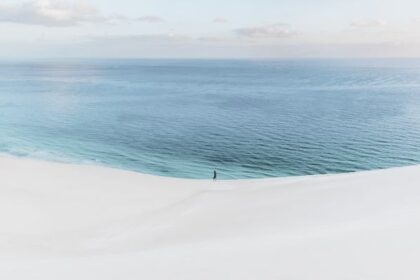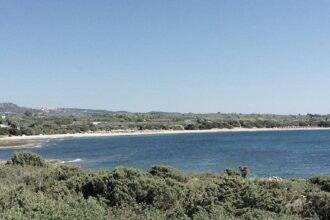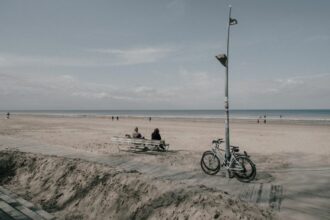













Think Nordic beaches are all about freezing waters and rocky coastlines? Think again! The Nordic region boasts some of Europe’s most breathtaking and surprisingly exotic beaches that’ll make your Instagram followers question whether you’ve secretly teleported to the Caribbean. From Norway’s dramatic Lofoten shores to Iceland’s otherworldly black sand beaches, these Nordic coastal paradises offer experiences you won’t find anywhere else on Earth.
- Norway: Where Mountains Meet the Sea
- Haukland Beach, Lofoten Islands
- Uttakleiv Beach, Lofoten Islands
- Kvalvika Beach, Lofoten Islands
- Ramberg Beach, Lofoten Islands
- Sweden: Scandinavian Beach Paradise
- Denmark: Hygge Meets Beach Life
- Finland: Arctic Beach Adventures
- Iceland: Otherworldly Coastal Wonders
- Budget-Friendly Nordic Beach Tips
- Final Thoughts
Let’s dive into the most visually stunning Nordic beaches that deserve a spot on every traveler’s bucket list.
Norway: Where Mountains Meet the Sea
Haukland Beach, Lofoten Islands
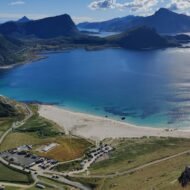
Visual Aspect: Picture this: pristine white sand stretching beneath towering mountain peaks that seem to pierce the sky. Haukland Beach looks like someone photoshopped a tropical paradise into an Alpine landscape. The contrast between the emerald waters and snow-capped mountains creates one of Norway’s most photographed scenes.
Visitor Rank: This beach consistently ranks among Norway’s top 3 beaches and attracts around 200,000+ visitors annually, with peak crowds during the midnight sun season (May-July).
Accessibility & Family-Friendly Features: Located just 3km from Leknes, the beach is easily accessible by car with decent parking facilities. It’s family-friendly with gentle waves and relatively shallow waters during summer. Entry is completely free, though parking might cost around 20-30 NOK ($2-3).
Amenities & Tourist Infrastructure: Basic facilities include restrooms and a small café. The nearby village of Leknes offers restaurants, grocery stores, and accommodations. Tourist infrastructure is well-developed but maintains its rustic charm.
Accommodation & Budget: Budget hostels start from 400-600 NOK ($40-60) per night, mid-range hotels cost 800-1200 NOK ($80-120), while luxury options range from 1500-2500 NOK ($150-250). A typical meal costs 150-250 NOK ($15-25).
Emotional Triggers & Local Attractions: Swimming here feels like diving into liquid emerald while surrounded by giants of stone. Visit the nearby Lofotr Viking Museum or take a midnight sun photography tour. The Northern Lights dance overhead during winter months.
Uttakleiv Beach, Lofoten Islands
Visual Aspect: Known as the “heart-shaped beach” due to its unique rock formations, Uttakleiv offers dramatic black cliffs contrasting with golden sand. It’s arguably the most romantic beach in Norway, especially during golden hour.
Visitor Rank: Slightly less crowded than Haukland, receiving about 150,000 visitors yearly. It’s a photographer’s paradise and ranks #1 for sunset viewing in the Lofotens.
Accessibility & Features: 10km from Leknes, accessible by car. The beach requires a short 10-minute walk from the parking area. Free access, but bring everything you need – facilities are minimal.
Budget Range: Similar pricing to Haukland area. Wild camping is possible (free) but requires following local regulations.
Top Attractions: Unstad Beach (surfing) is nearby, plus excellent hiking trails leading to Mannen peak for panoramic views.
Kvalvika Beach, Lofoten Islands
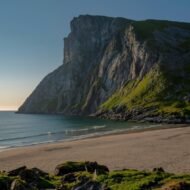
Visual Aspect: This secluded gem requires a 3-hour hike but rewards visitors with untouched white sand beach surrounded by 1000-meter cliffs. It’s like discovering a secret world.
Visitor Rank: Limited to serious hikers – about 15,000-20,000 visitors annually. It’s Norway’s most exclusive beach experience.
Accessibility: Challenging 6km round-trip hike. Not suitable for small children or those with mobility issues. Completely free but requires good hiking gear.
Accommodation: Wild camping only – bring your own tent. Nearest accommodations in Reine village (20km away).
Emotional Impact: The isolation and pristine nature create an almost spiritual experience. Many visitors describe it as life-changing.
Ramberg Beach, Lofoten Islands
Visual Aspect: A 2km stretch of white sand beach with turquoise waters that rival tropical destinations. The backdrop of red fishermen’s cabins (rorbuer) adds authentic Nordic charm.
Visitor Rank: Popular family destination with approximately 180,000 annual visitors. Ranks high for accessibility and amenities.
Family-Friendly Features: Excellent for families with shallow waters and gentle waves. Free parking and beach access. Public restrooms available.
Budget & Accommodations: Ramberg Gjestegård offers rooms from 900-1400 NOK ($90-140). Traditional rorbu rentals cost 800-1500 NOK ($80-150) per night.
Sweden: Scandinavian Beach Paradise
Sandhammaren, Skåne
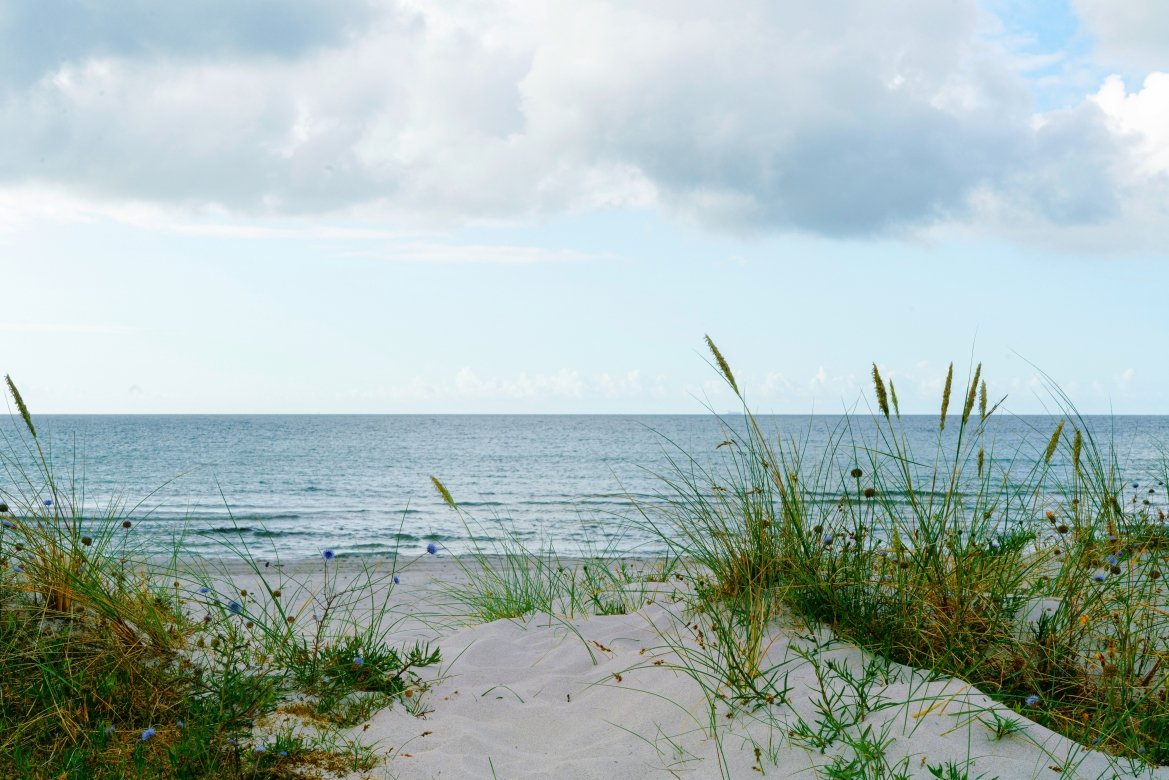
Visual Aspect: Sweden’s longest sandy beach stretches for 5km along the Baltic Sea. The fine white sand and clear blue waters create a surprisingly Mediterranean feel.
Visitor Rank: Sweden’s most popular beach with over 500,000 annual visitors. It’s consistently rated as Sweden’s #1 beach destination.
Accessibility & Amenities: Easily accessible by car with large parking areas (50 SEK/$5 per day). Excellent facilities including restaurants, shops, and rental equipment for water sports.
Budget Range: Nearby camping costs 200-300 SEK ($20-30) per night. Hotels in Ystad range from 800-1500 SEK ($80-150). Beach access is free.
Local Attractions: Historic Ystad town, Ales Stenar (Sweden’s Stonehenge), and excellent cycling routes along the coast.
Tylösand Beach, Halmstad
Visual Aspect: This 7km stretch of golden sand backed by dunes and pine forests offers classic Scandinavian coastal beauty. The wide beach provides plenty of space even during peak season.
Visitor Rank: Attracts around 400,000 visitors annually, ranking among Sweden’s top 5 beaches for family vacations.
Family Features: Extremely family-friendly with lifeguards, playgrounds, and shallow waters perfect for children. Free beach access with paid parking (40 SEK/$4 per day).
Accommodation Options: From budget camping (250 SEK/$25) to luxury Tylösand Hotel (1200-2000 SEK/$120-200 per night).
Activities: Beach volleyball, kitesurfing, and the famous Tylösand summer music festival.
Äspet Beach, Åhus
Visual Aspect: Located in the charming medieval town of Åhus, this beach combines fine white sand with Sweden’s longest continuous sandy shoreline. The beach stretches endlessly along the Baltic Sea, creating a sense of infinite horizon that’s both peaceful and exhilarating.
Visitor Rank: A hidden gem attracting around 100,000 visitors annually, mostly Swedish locals who’ve kept this secret well-guarded. It’s gaining recognition as one of Sweden’s most underrated coastal destinations.
Accessibility & Family Features: Easily accessible from the historic town center of Åhus, just a 5-minute walk from parking areas. The gentle slope and calm Baltic waters make it perfect for families with young children. Beach access is completely free.
Amenities & Infrastructure: The nearby town of Åhus offers excellent restaurants, particularly famous for its Absolut Vodka distillery tours. Beach facilities include restrooms and seasonal food stands.
Budget & Accommodation: Åhus offers charming guesthouses from 600-1000 SEK ($60-100) per night. The town’s restaurants serve fresh seafood at reasonable prices (120-200 SEK/$12-20 per meal).
Emotional Triggers & Attractions: Walking this endless beach feels like having your own private piece of the Baltic Sea. Visit the Absolut Vodka Museum, explore medieval Åhus town center, or enjoy the annual Åhus Beach Handball Festival.
Öland Island Beaches
Visual Aspect: Sweden’s second-largest island offers diverse coastal experiences from dramatic limestone cliffs at Byxelkrok to the endless sandy beaches of Böda. The island’s unique landscape combines windswept beaches with ancient Viking sites and traditional windmills.
Visitor Rank: Öland receives approximately 2 million visitors annually, with many coming specifically for its varied beach experiences. It’s considered Sweden’s premier island destination.
Accessibility & Features: Connected to mainland Sweden by the impressive Öland Bridge. The island offers over 30 different beaches, each with its own character. Most beaches have free access with affordable parking (30-50 SEK/$3-5 per day).
Family-Friendly Options: Böda Beach is particularly popular with families due to its shallow, warm waters and extensive sandy shoreline. Facilities include restaurants, mini-golf, and camping areas.
Budget Range: Accommodation ranges from camping (200-300 SEK/$20-30) to luxury hotels (1000-2000 SEK/$100-200). Many visitors rent traditional Swedish summer houses (800-1500 SEK/$80-150 per night).
Emotional Impact & Attractions: The island feels like stepping back in time while enjoying modern beach amenities. Visit Borgholm Castle ruins, explore the UNESCO World Heritage agricultural landscape, or hunt for fossils along the limestone shores.
Denmark: Hygge Meets Beach Life
Dueodde Beach, Bornholm
Visual Aspect: Known for having the finest sand in Denmark, this beach stretches for kilometers with pristine white sand that’s so fine it was once exported for hourglasses. The sand squeaks when you walk on it!
Visitor Rank: Bornholm’s most popular beach with 300,000+ annual visitors. It’s consistently ranked Denmark’s #1 beach.
Accessibility: Well-connected by public transport from Rønne. Free beach access with affordable parking (30 DKK/$4.50 per day).
Budget Considerations: Camping starts from 150-250 DKK ($22-38), hotels range 600-1200 DKK ($90-180). Restaurant meals cost 100-200 DKK ($15-30).
Local Attractions: Hammershus castle ruins, round churches, and excellent local pottery workshops.
Blokhus Beach, Jutland
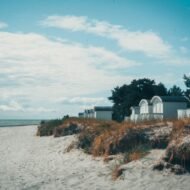
Visual Aspect: This expansive beach allows car driving directly on the sand – a unique European experience. The wide sandy expanse backed by charming beach huts creates a distinctly Danish atmosphere.
Visitor Rank: Popular family destination with approximately 400,000 annual visitors, especially beloved by Danish families.
Unique Features: You can literally drive and park on the beach (50 DKK/$7.50 per day). It’s one of the few beaches in Europe where this is allowed.
Accommodation: Family-friendly holiday homes rent for 800-1500 DKK ($120-225) per night. Camping options available from 200 DKK ($30).
Finland: Arctic Beach Adventures
Yyteri Beach, Pori
Visual Aspect: Finland’s longest sandy beach (6km) offers golden dunes and surprisingly warm waters during summer. The contrast with Finland’s forest-covered landscape is striking.
Visitor Rank: Finland’s most popular beach with 250,000+ annual visitors. It hosts major events including beach volleyball championships.
Amenities: Excellent tourist infrastructure with restaurants, hotels, and activity centers. Beach access is free with paid parking (5-10 EUR per day).
Budget Range: Accommodation ranges from camping (20-30 EUR) to resort hotels (80-150 EUR per night).
Nallikari Beach, Oulu
Visual Aspect: Located just south of the Arctic Circle, this beach offers the unique experience of midnight sun beach activities. The sandy beach stretches alongside a popular camping area.
Visitor Rank: Receives about 100,000 visitors during the short but intense summer season. It’s ranked as Finland’s best northern beach.
Arctic Experience: Swimming under the midnight sun is an unforgettable experience available from late May to mid-July.
Iceland: Otherworldly Coastal Wonders
Reynisfjara (Black Sand Beach), Vík
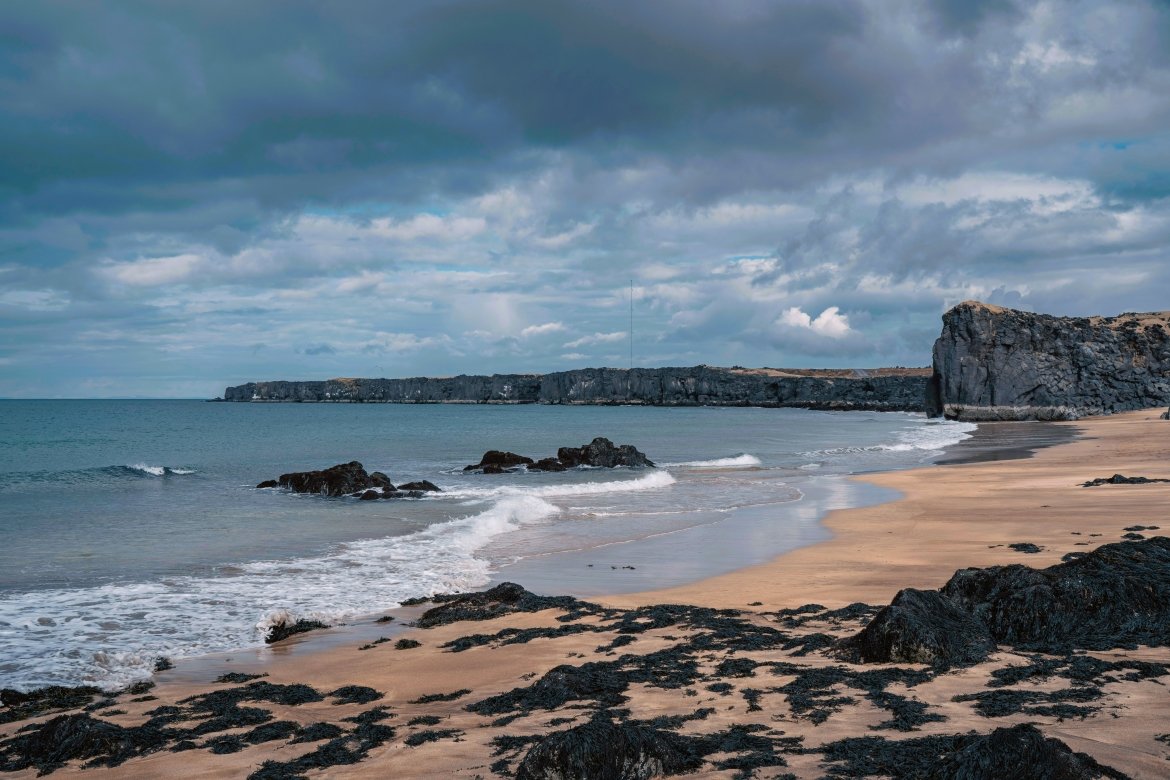
Visual Aspect: This isn’t your typical beach – dramatic black volcanic sand meets towering basalt columns and crashing Atlantic waves. It looks like an alien planet and has appeared in countless films including Game of Thrones.
Visitor Rank: Iceland’s most visited beach with over 1 million tourists annually. It’s consistently rated among the world’s most beautiful non-tropical beaches.
Safety & Accessibility: Easily accessible but dangerous due to “sneaker waves.” Stay well back from the water. Free access with parking available.
Budget Considerations: Nearby Vík offers accommodations from 8,000-25,000 ISK ($60-190) per night. Meals cost 2,000-4,000 ISK ($15-30).
Emotional Impact: The otherworldly landscape creates an almost supernatural atmosphere that many visitors describe as humbling and awe-inspiring.
Diamond Beach (Jökulsárlón)
Visual Aspect: Icebergs from a nearby glacier lagoon wash up on black volcanic sand, creating nature’s own jewelry display. The contrast between crystal-clear ice and black sand is absolutely stunning.
Visitor Rank: Attracts 800,000+ visitors annually as part of the famous Ring Road route.
Photography Paradise: This location is considered one of the world’s most photogenic beaches, especially during sunrise and sunset.
Budget Tips: Part of the Ring Road circuit – budget 3-5 days for the full experience. Accommodations in nearby Höfn range from 10,000-30,000 ISK ($75-225).
Budget-Friendly Nordic Beach Tips
Transportation: Consider rental cars for maximum flexibility, especially in Norway and Iceland. Ferry passes in Denmark can save money for island hopping.
Accommodation: Wild camping is legal in Norway and Sweden (with restrictions). Hostels and guesthouses offer good value, while Airbnb provides local experiences.
Food: Pack picnics and shop at local supermarkets. Fish and seafood are often cheaper than imported foods.
Timing: Visit during shoulder seasons (May-June, September) for lower prices and fewer crowds while still enjoying decent weather.
Free Activities: Most beaches have free access. Hiking, photography, and nature watching cost nothing but provide incredible experiences.
Final Thoughts
Nordic beaches prove that paradise isn’t always tropical. These coastal gems offer experiences you simply cannot find anywhere else – from swimming under the midnight sun to walking on beaches where icebergs meet volcanic sand. While visiting Nordic countries requires a higher budget than some destinations, the unique experiences and stunning natural beauty provide memories that last a lifetime.
Disclaimer: Prices mentioned are approximate and can vary significantly based on season, exchange rates, and current market conditions. Weather in Nordic regions can change rapidly – always check local conditions and pack accordingly. Some locations have limited seasonal accessibility, particularly in winter months. Always prioritize safety, especially at beaches with strong currents or unpredictable weather conditions./Photo credit: Sandhammaren Strand Blick nach Norden