





















Ever wanted to step back in time without actually inventing a time machine? Open air museums across Europe offer exactly that – immersive experiences where history comes alive through reconstructed villages, working demonstrations, and authentic period buildings. These aren’t your typical dusty museum halls; they’re living, breathing snapshots of the past that’ll have you questioning whether you’ve accidentally wandered into a historical drama.
- 1. Skansen (Stockholm, Sweden)
- 2. Beamish Museum (County Durham, England)
- 3. Archeon (Alphen aan den Rijn, Netherlands)
- 4. Welsh Folk Museum at St Fagans (Cardiff, Wales)
- 5. Roscheider Hof (Konz, Germany)
- 6. Bunratty Castle & Folk Park (County Clare, Ireland)
- 7. Zuiderzee Museum (Enkhuizen, Netherlands)
- 8. Maihaugen (Lillehammer, Norway)
- 9. Colonial Williamsburg (Virginia, USA) – Wait, that’s not Europe!
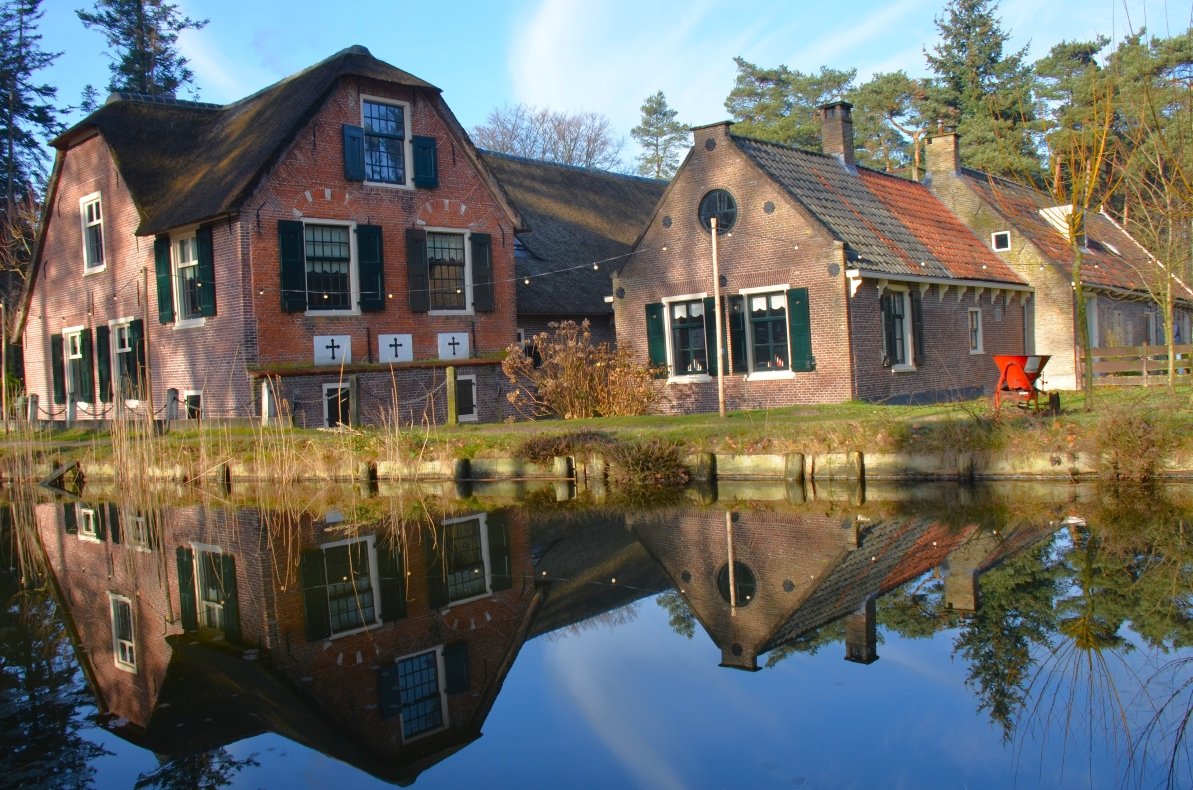
- 10. Arnhem Open Air Museum (Netherlands)
- Planning Your Open Air Museum Adventure
- Disclaimer
From Viking settlements to medieval villages, Europe’s open air museums showcase centuries of cultural heritage in stunning outdoor settings. Whether you’re traveling solo, with family, or planning the ultimate European road trip, these destinations offer something special for everyone.
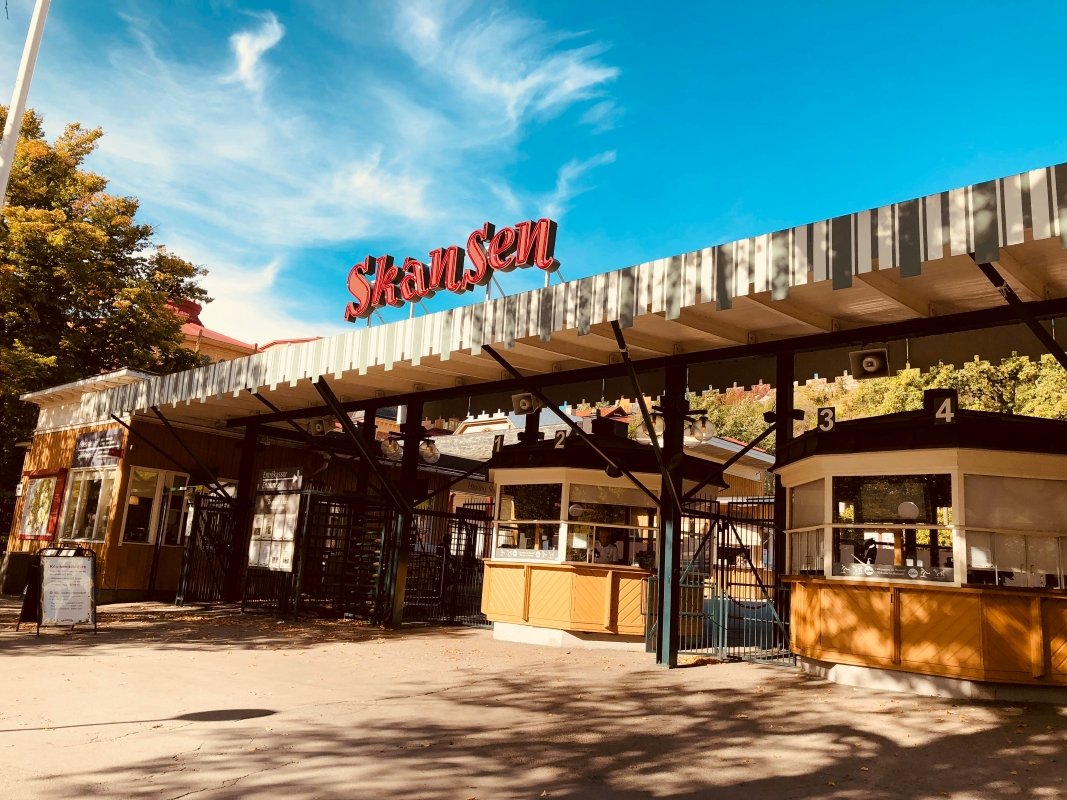
1. Skansen (Stockholm, Sweden)
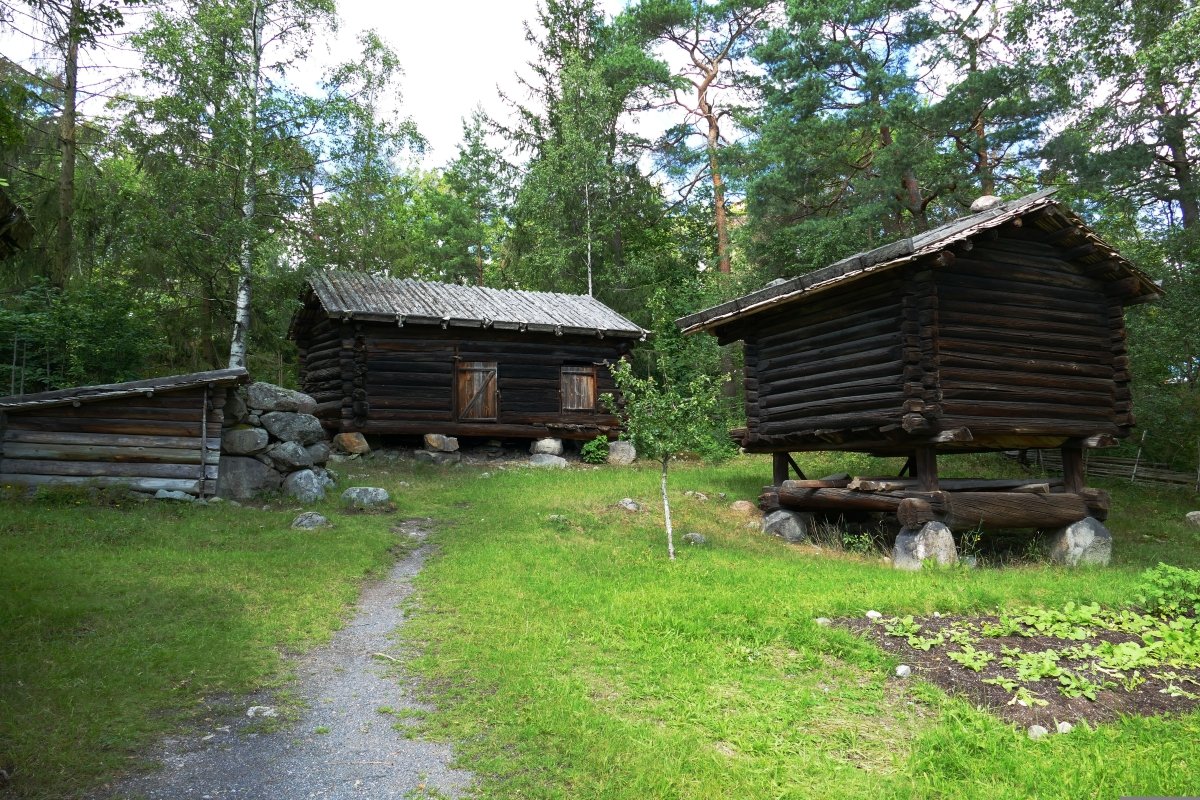
The granddaddy of all open air museums, Skansen opened in 1891 and set the standard for every other outdoor museum that followed. This 75-acre wonderland on Djurgården island houses over 150 historical buildings from across Sweden, creating a miniature version of the entire country’s architectural heritage.
Historical Significance: Skansen pioneered the concept of preserving entire buildings rather than just artifacts, literally moving historic structures from their original locations. The museum showcases Swedish life from the 16th century onwards, including traditional Sami culture and Nordic wildlife.
Budget Considerations:
- Adult admission: €15-20 (seasonal pricing)
- Stockholm Pass included
- Free for children under 4
- On-site dining ranges from €8-25
Accommodation & Campervan Options: Stockholm offers excellent public transport, so stay anywhere in the city. For campervans, Ängby Camping (20km away) provides easy access via metro. Wild camping isn’t permitted in Stockholm, but several campsites accommodate larger vehicles.
Seasonal Activities:
- Summer: Traditional Midsummer celebrations, craft demonstrations, folk dancing
- Winter: Christmas markets, traditional Lucia celebrations, cross-country skiing nearby
Popularity: Attracts 1.3 million visitors annually – visit weekday mornings for smaller crowds.
2. Beamish Museum (County Durham, England)
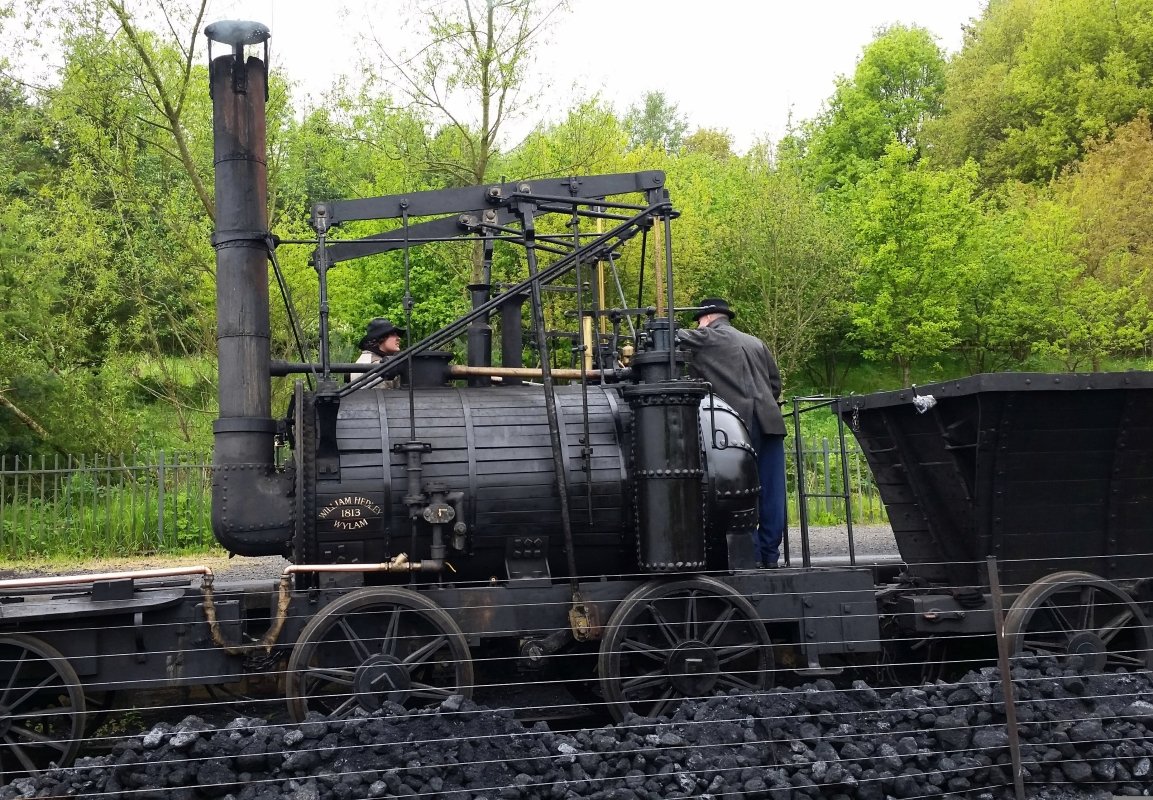
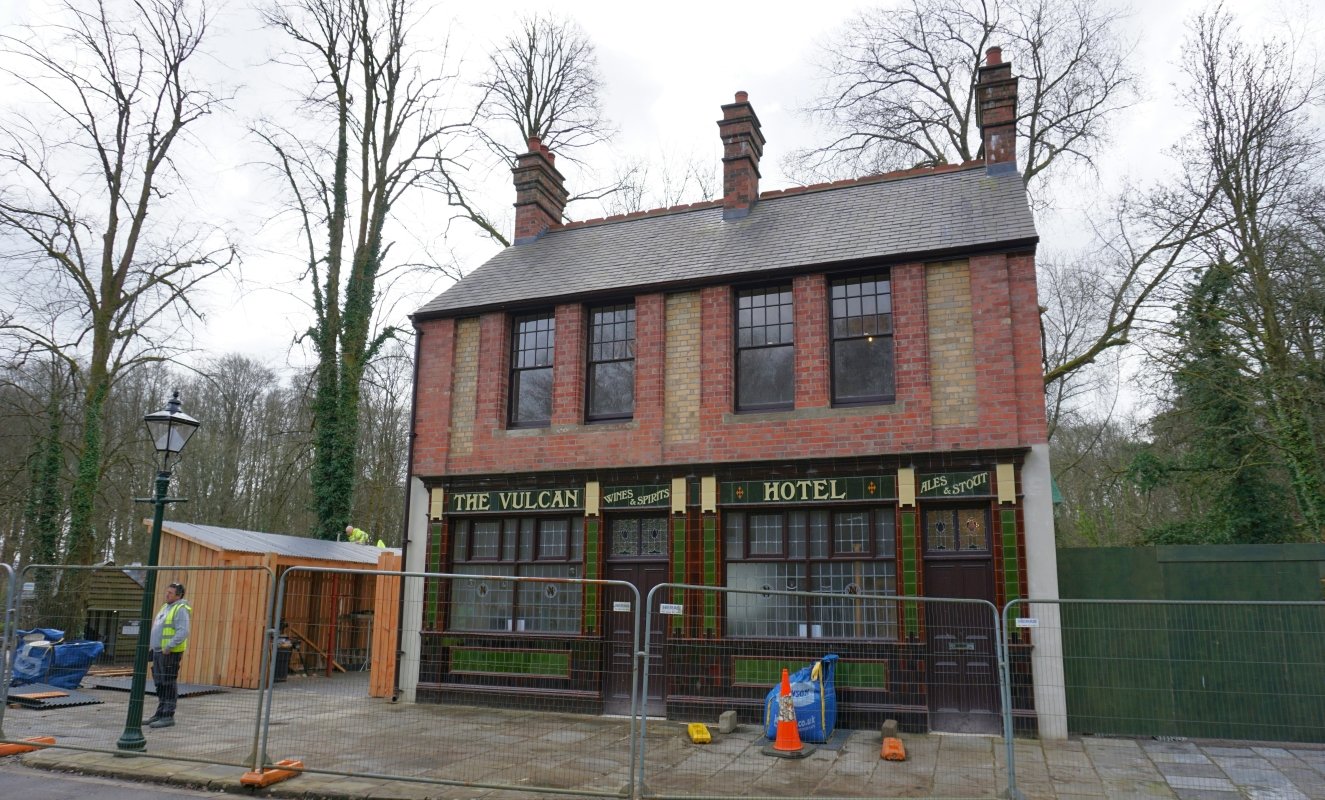
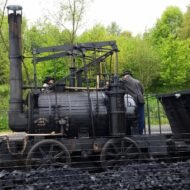
Step into the gritty reality of Industrial Revolution England at this award-winning museum that brings the 1820s, 1900s, and 1940s to life. Beamish doesn’t just show you history – it immerses you in it with working trams, a functional Victorian pub, and costumed interpreters who never break character.
Historical Significance: This museum tells the story of ordinary people during Britain’s industrial transformation. The reconstructed colliery village, Victorian town, and 1940s farm showcase how technological advancement reshaped society.
Budget Considerations:
- Unlimited annual pass: €25 (incredible value)
- Day tickets: €20 adults, €15 children
- Free parking
- Period-authentic pub meals: €12-18
Accommodation & Campervan Options: Durham city center offers various accommodations. For campervans, Strawberry Hill Farm (15 minutes away) welcomes motorhomes. The museum’s large car park can accommodate most vehicle sizes.
Seasonal Activities:
- Summer: Steam train rides, Victorian fairground, outdoor demonstrations
- Winter: Christmas at Beamish, Georgian Christmas pudding making, candlelit tours
Popularity: Less crowded than London attractions but equally impressive – weekends get busy during school holidays.
3. Archeon (Alphen aan den Rijn, Netherlands)
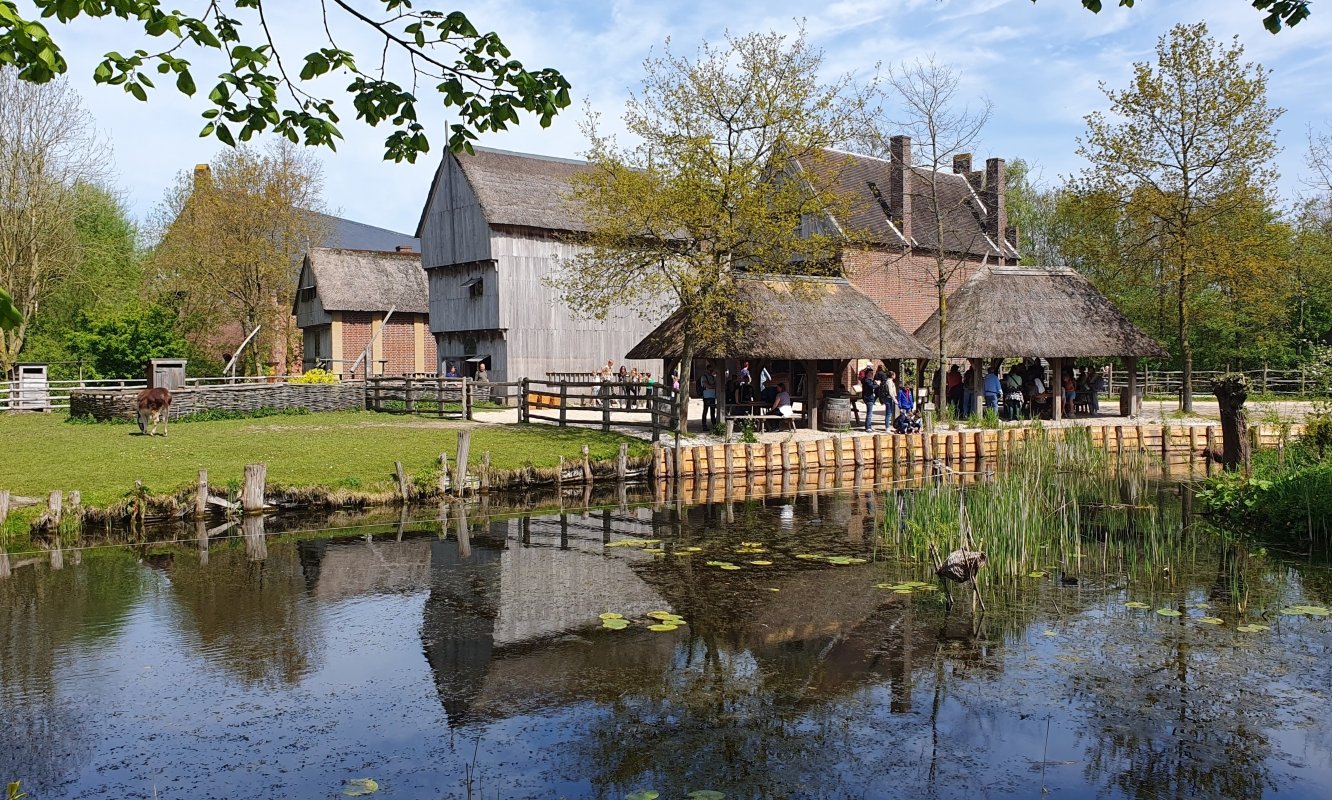
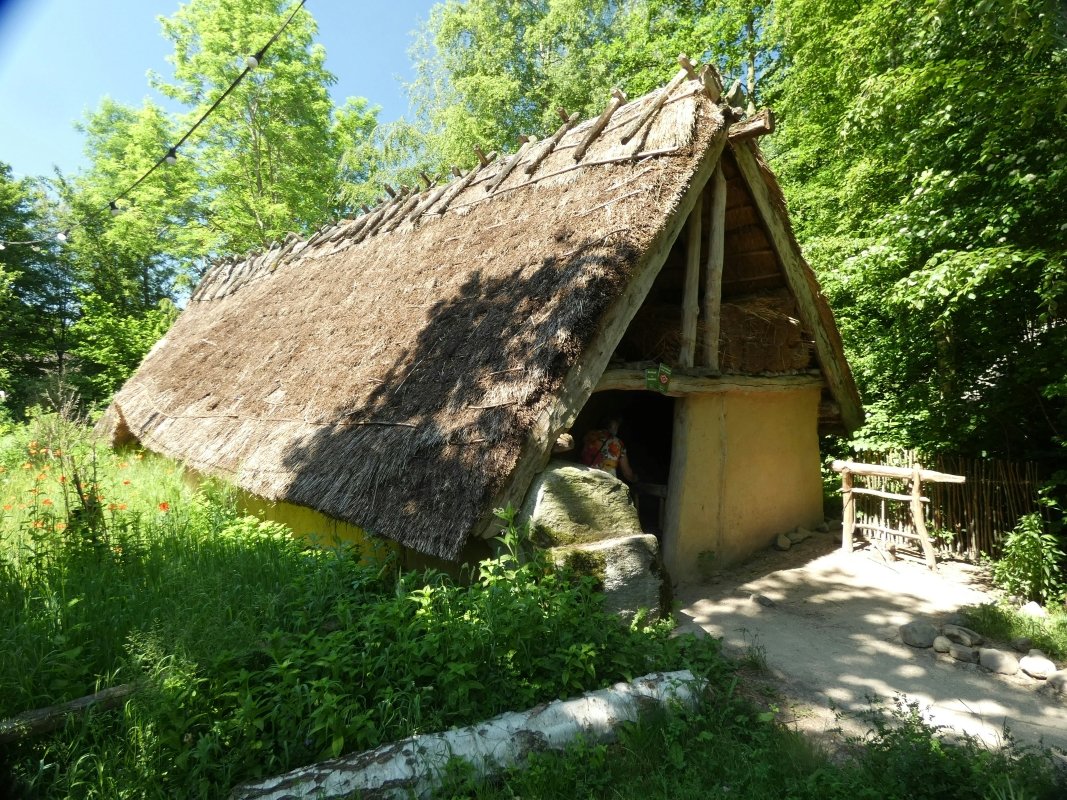
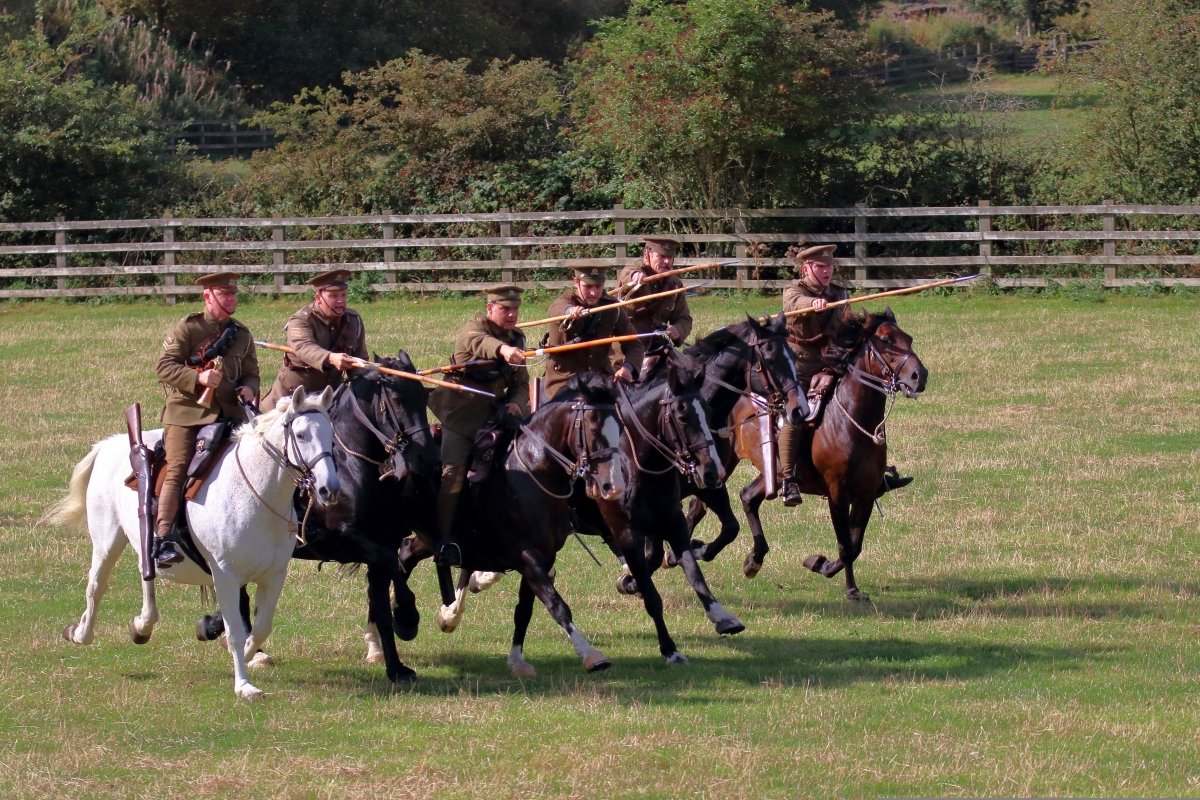
Three historical periods under one ticket – Roman times, medieval era, and 19th century Netherlands. Archeon excels at interactive experiences where visitors can try blacksmithing, Roman cooking, or medieval archery. It’s particularly fantastic for families with kids who get bored reading information plaques.
Historical Significance: Showcases 2,000 years of Dutch history through meticulously researched reconstructions. The Roman villa and medieval village are based on actual archaeological finds from the region.
Budget Considerations:
- Entry: €19 adults, €17 children
- Family tickets available
- Picnic areas reduce food costs
- Free parking
Accommodation & Campervan Options: Alphen aan den Rijn sits perfectly between Amsterdam and Rotterdam. Camping De Oude Rijn offers campervan facilities nearby. The area has excellent train connections if you prefer staying in major cities.
Seasonal Activities:
- Summer: Roman gladiator shows, medieval tournaments, living history camps
- Winter: Limited winter opening but atmospheric Christmas markets
Popularity: Moderate crowds – very manageable even during peak season.
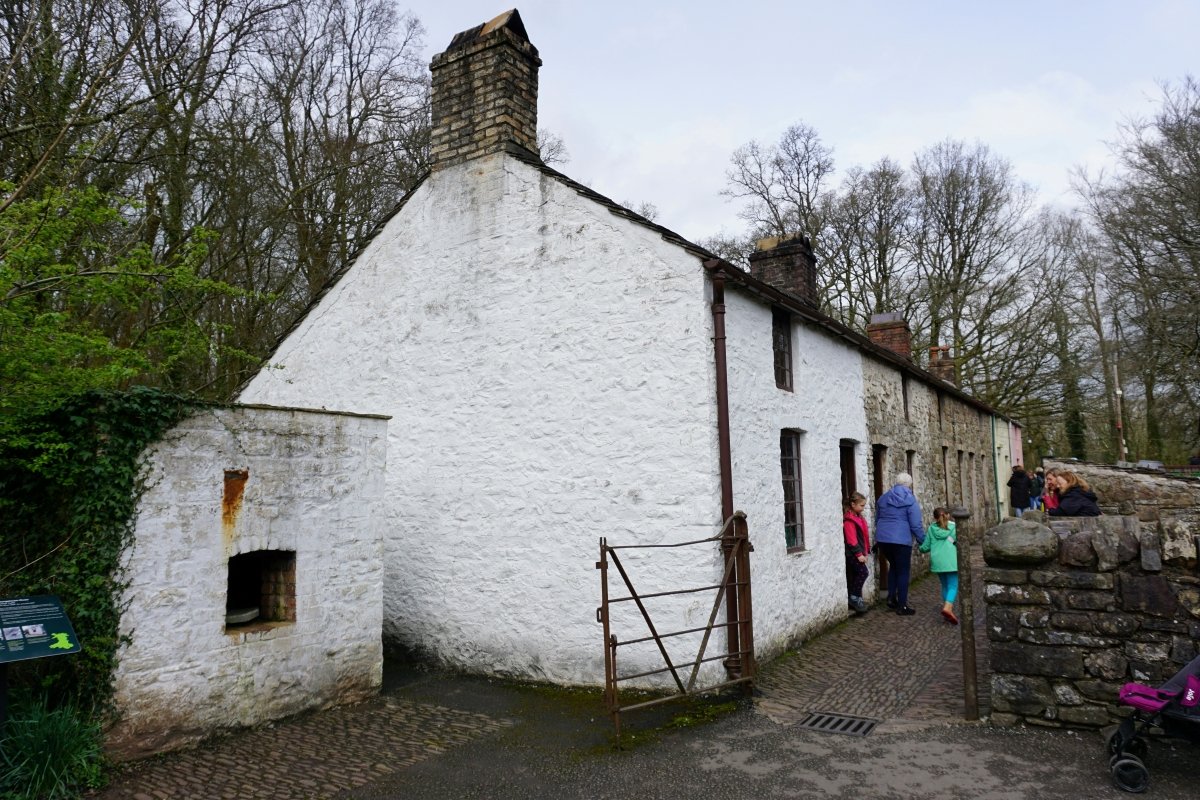
4. Welsh Folk Museum at St Fagans (Cardiff, Wales)
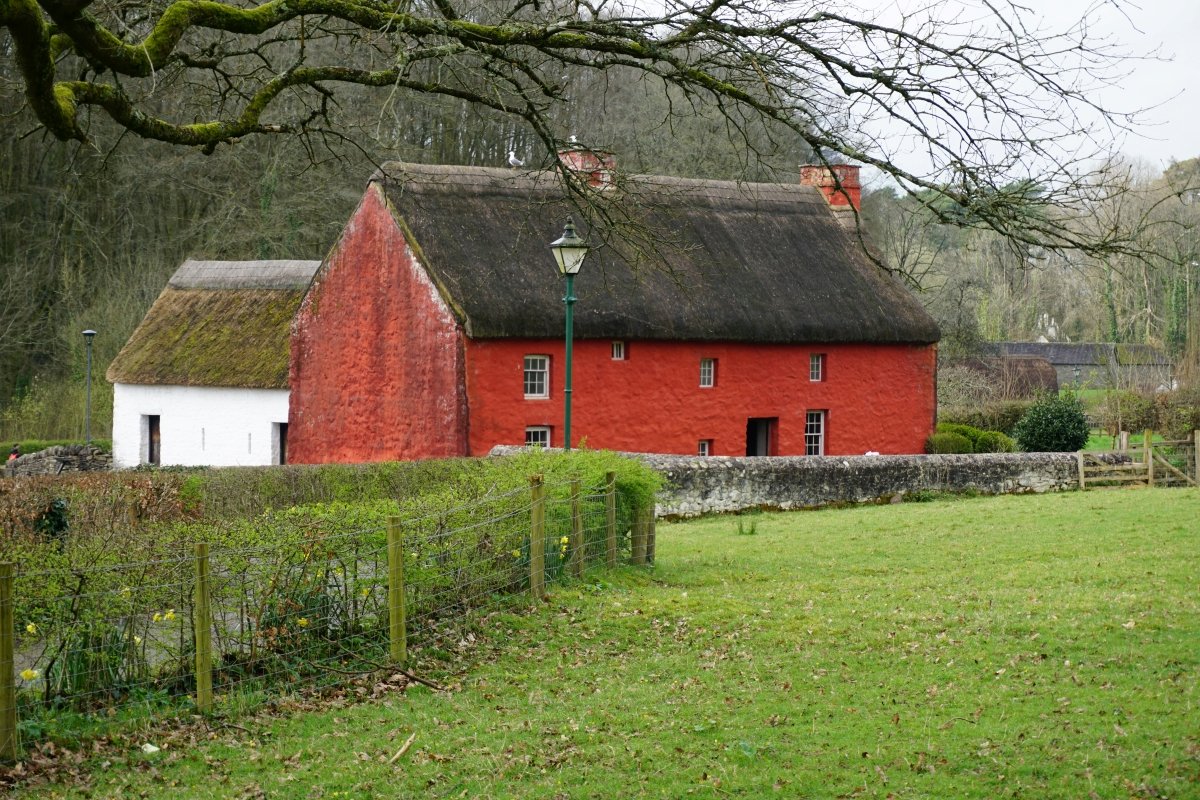
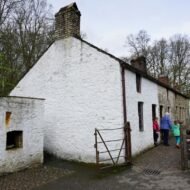
Spread across 100 acres of beautiful Welsh countryside, this museum houses over 50 re-erected buildings from different periods of Welsh history. What makes St Fagans special is its commitment to working crafts – you’ll find active blacksmiths, potters, and weavers creating items using traditional methods.
Historical Significance: Preserves Welsh cultural identity through architecture spanning from Celtic roundhouses to 1980s housing estates. The museum actively documents disappearing ways of life and traditional Welsh crafts.
Budget Considerations:
- Completely free entry (donations welcomed)
- Excellent value on-site café
- Free parking
- One of the best museum bargains in Europe
Accommodation & Campervan Options: Cardiff offers abundant accommodation options. For campervans, Acorn Camping & Caravan Site provides easy access. The museum’s parking area handles large vehicles comfortably.
Seasonal Activities:
- Summer: Traditional Welsh festivals, sheepdog trials, harvest demonstrations
- Winter: Celtic celebrations, traditional Christmas preparations, indoor craft workshops
Popularity: Popular with locals and tourists alike – mornings are quieter.
5. Roscheider Hof (Konz, Germany)
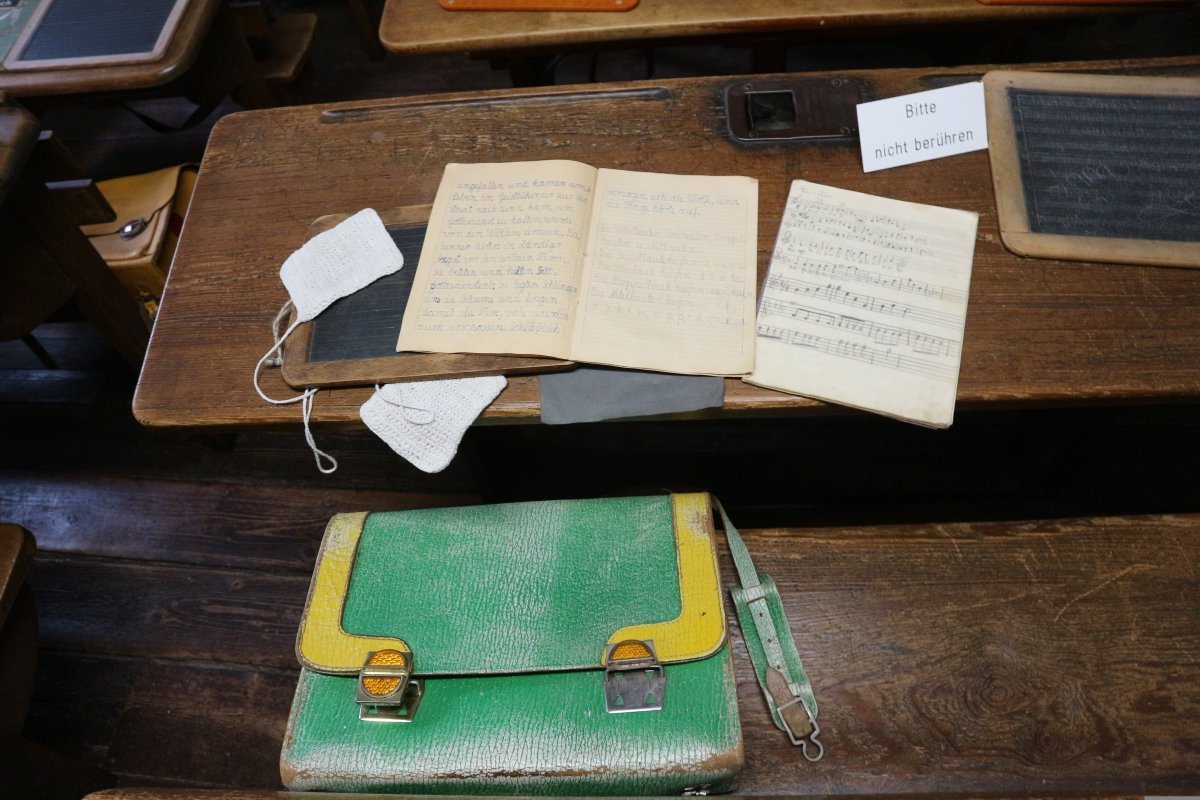
This hidden gem near the Luxembourg border focuses on rural life in the Saar-Lor-Lux region from 1800-1960. Roscheider Hof excels at showing how ordinary people lived, with authentic farmhouses, workshops, and even a functioning village school where kids can experience 1950s classroom discipline.
Historical Significance: Documents the dramatic changes in rural German life during industrialization and two world wars. The museum preserves disappearing regional dialects and traditions specific to this tri-border area.
Budget Considerations:
- Entry: €6 adults, €3 children
- Extremely budget-friendly
- Traditional German restaurant on-site: €8-15
- Free parking
Accommodation & Campervan Options: Trier (20 minutes) offers various accommodations. Camping Trier Stadt provides campervan facilities. The museum welcomes motorhomes in their spacious parking area.
Seasonal Activities:
- Summer: Traditional village festivals, historic vehicle rallies, outdoor theater
- Winter: Christmas markets with regional specialties, winter craft demonstrations
Popularity: Relatively undiscovered by international tourists – a peaceful experience.
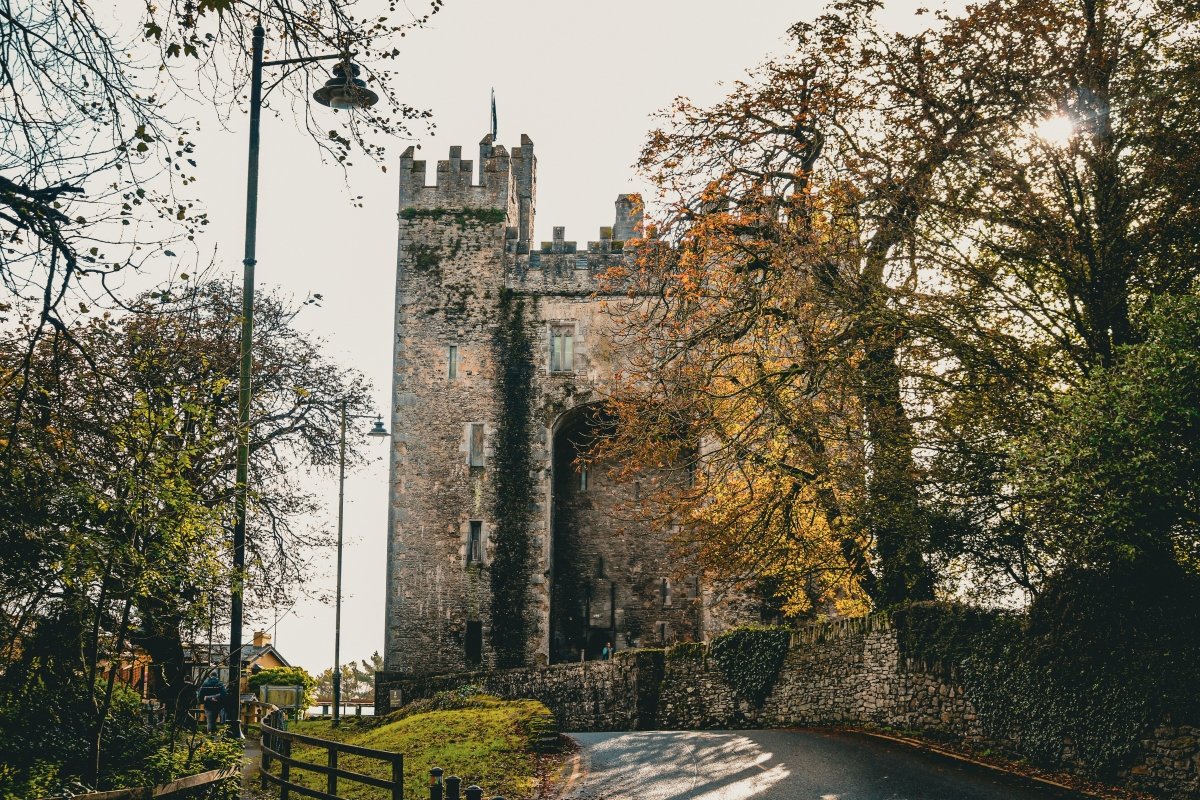
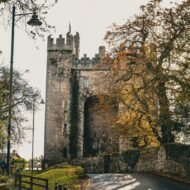
6. Bunratty Castle & Folk Park (County Clare, Ireland)
Ireland’s most complete medieval castle paired with a 19th-century village creates an irresistible combination. Bunratty offers everything from medieval banquets to traditional Irish music sessions, making it one of Ireland’s most atmospheric heritage sites.
Historical Significance: The 15th-century castle represents Norman influence in Ireland, while the folk park preserves pre-famine Irish rural life. Together, they tell the story of Irish resilience through centuries of change.
Budget Considerations:
- Entry: €16 adults, €11 children
- Medieval banquet (optional): €65-75
- Traditional Irish coffee on-site: €5
- Parking: €5
Accommodation & Campervan Options: Ennis provides various accommodations nearby. Shannon Holiday Village offers campervan facilities. Large vehicles can park at the site with advance notice.
Seasonal Activities:
- Summer: Traditional Irish music, céilí dancing, craft demonstrations
- Winter: Atmospheric castle tours, Christmas celebrations, storytelling by firelight
Popularity: Very popular with tour groups – early morning or late afternoon visits recommended.
7. Zuiderzee Museum (Enkhuizen, Netherlands)
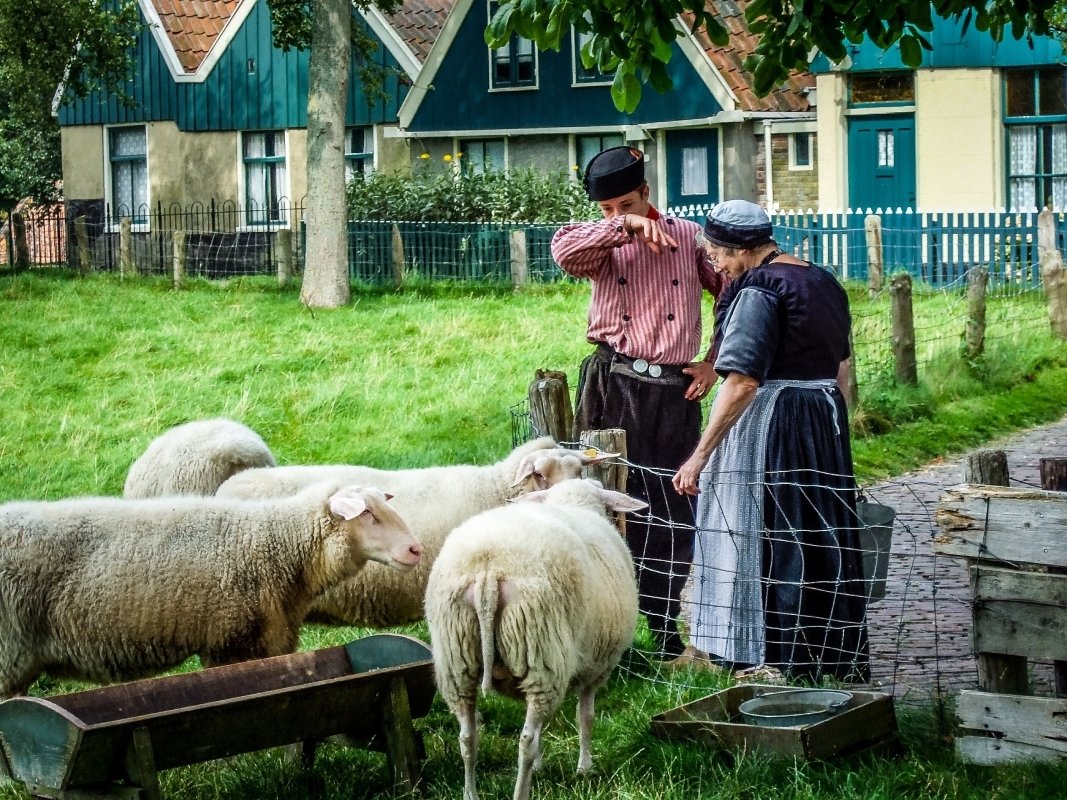
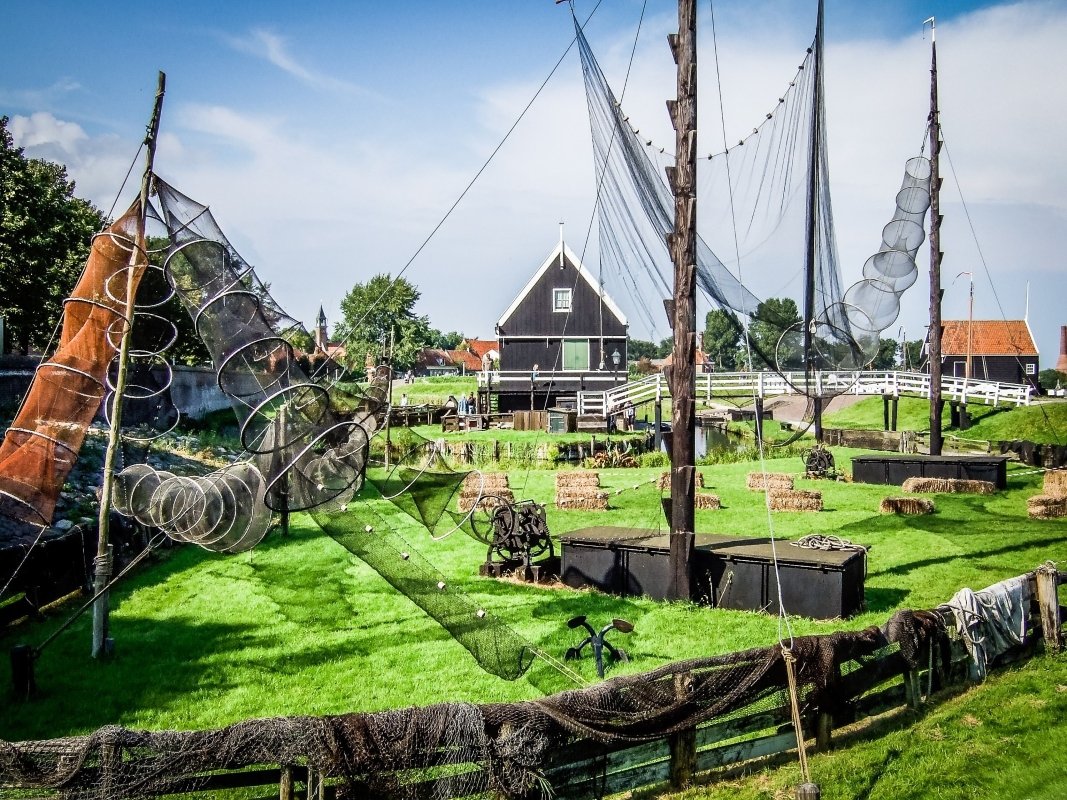
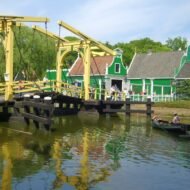
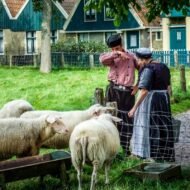
This waterside museum recreates a typical Dutch fishing village from around 1932, complete with working harbor, traditional boats, and costumed interpreters who demonstrate everything from fishing techniques to domestic life. The maritime focus makes this unique among European open air museums.
Historical Significance: Preserves the culture of former Zuiderzee fishing communities before the creation of the IJsselmeer. The museum documents how the Dutch relationship with water shaped their entire civilization.
Budget Considerations:
- Entry: €18 adults, €12 children
- Combined tickets with boat transport available
- Waterside dining: €12-20
- Parking: €5
Accommodation & Campervan Options: Enkhuizen offers charming historic accommodations. De Vest camping accommodates campervans with harbor views. The museum parking handles large vehicles.
Seasonal Activities:
- Summer: Traditional sailing demonstrations, fishing competitions, maritime festivals
- Winter: Limited winter opening, focus on indoor exhibits and traditional crafts
Popularity: Moderate crowds, busiest during Dutch school holidays.
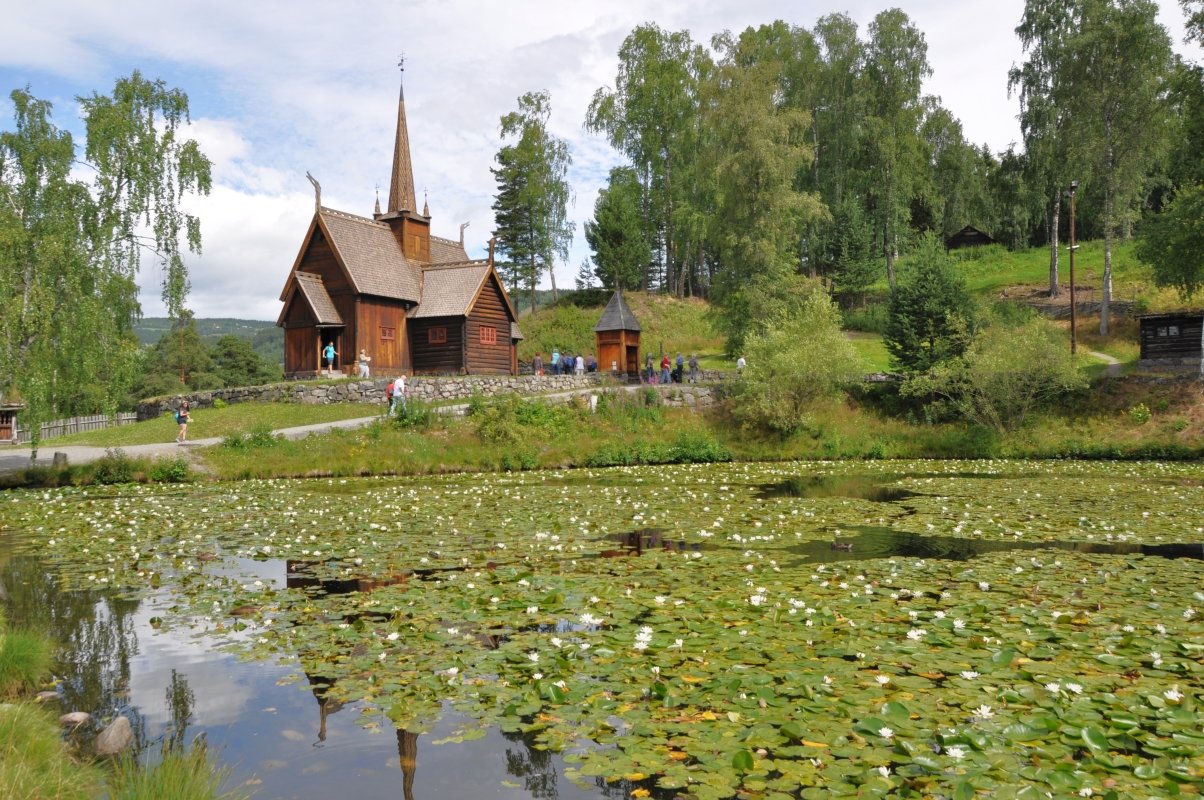
8. Maihaugen (Lillehammer, Norway)
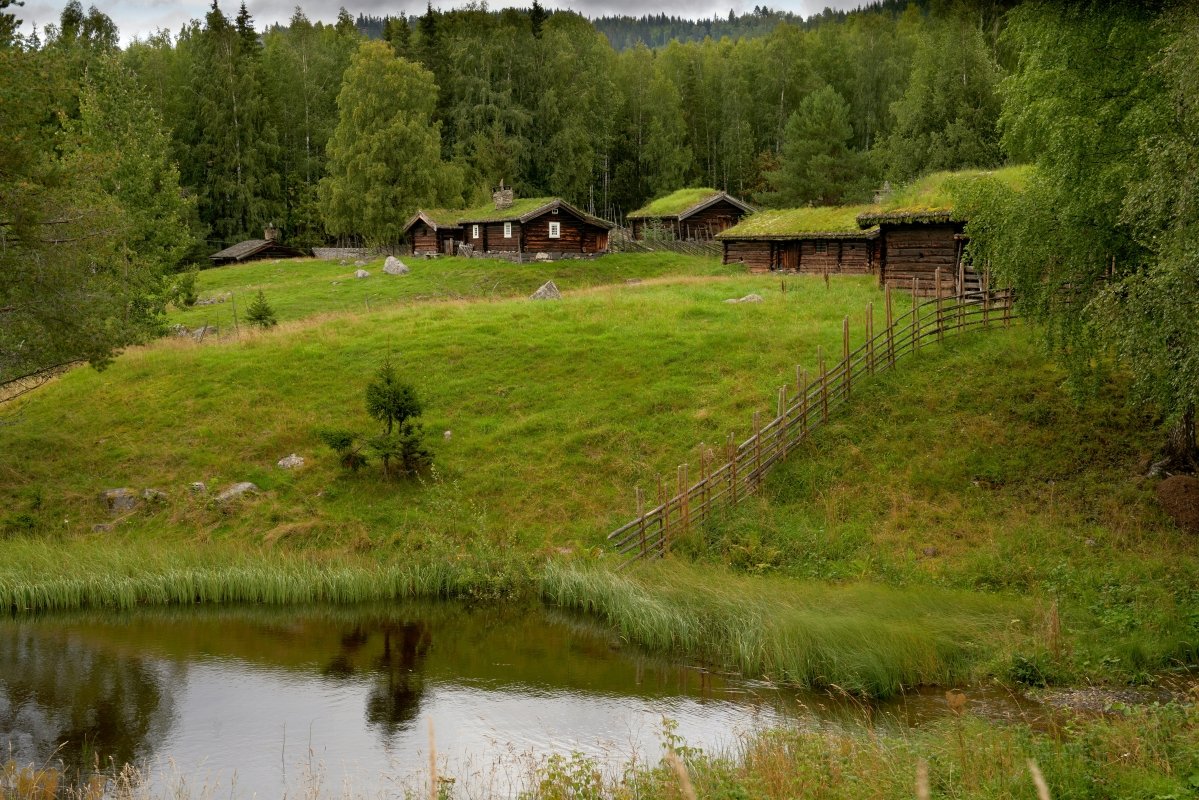
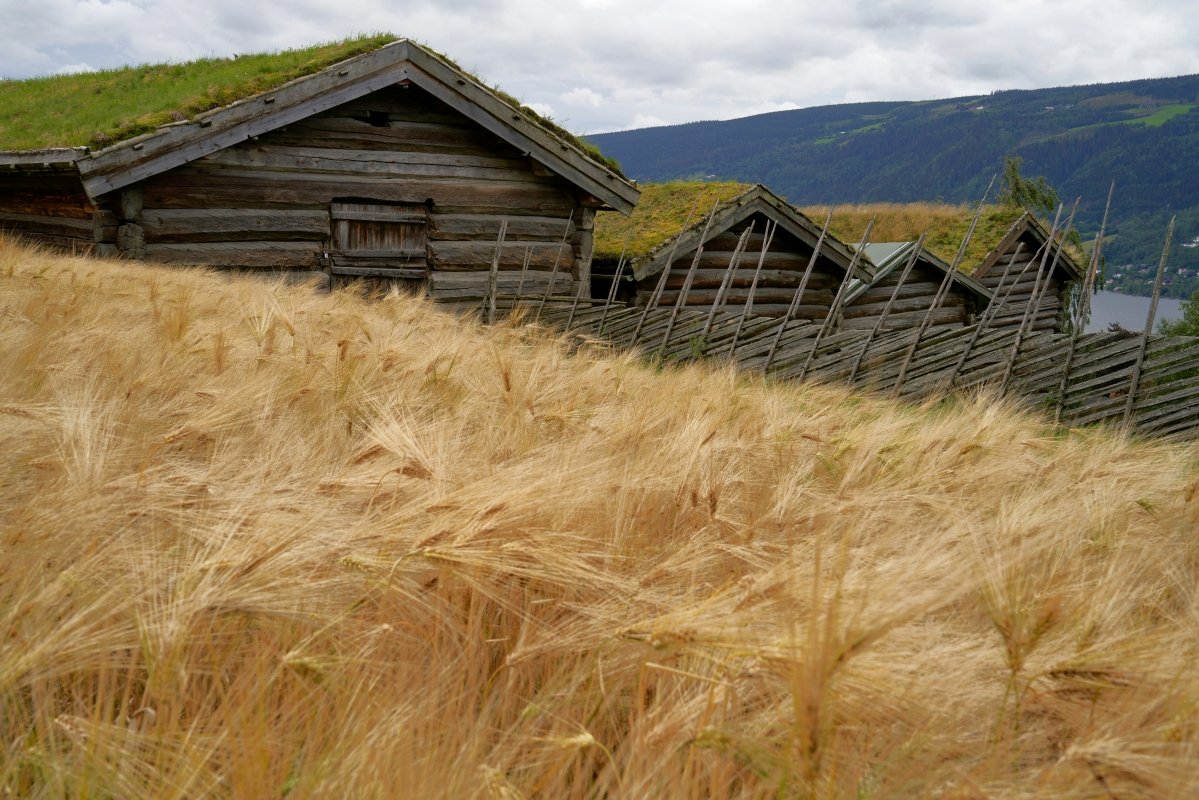
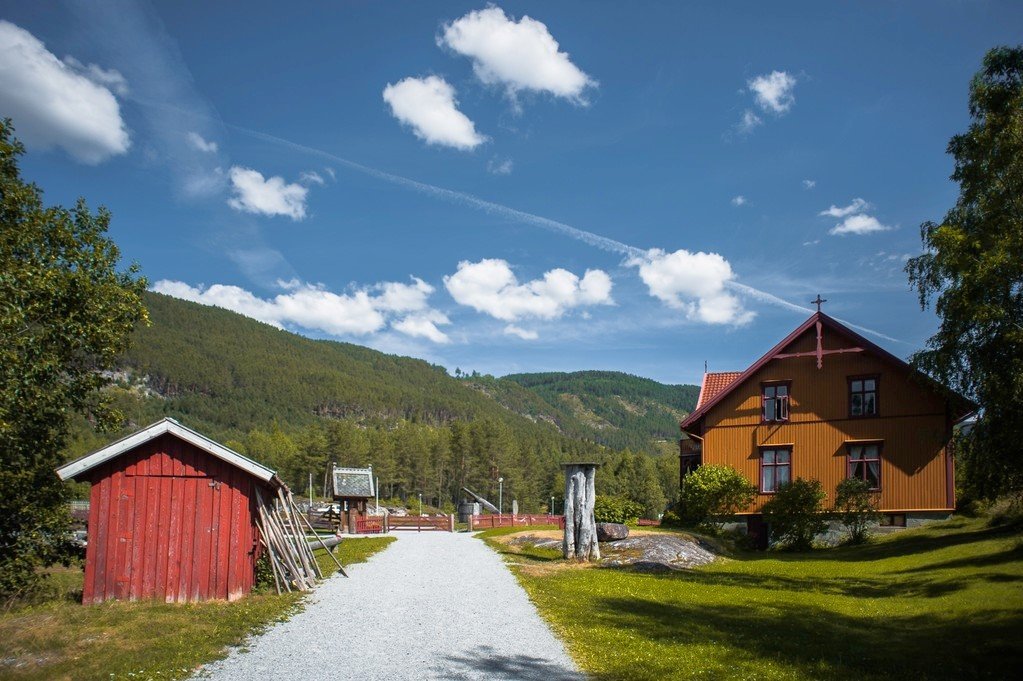
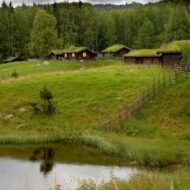
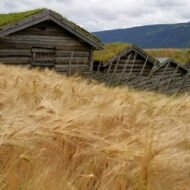
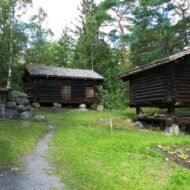
Norway’s largest open air museum spreads across a hillside overlooking Olympic Lillehammer, featuring over 200 buildings from different regions and time periods. The crown jewel is the 13th-century Garmo Stave Church, one of Norway’s architectural treasures.
Historical Significance: Chronicles Norwegian rural life from medieval times through the 20th century. The museum played a crucial role in preserving traditional Norwegian building techniques and cultural practices during rapid modernization.
Budget Considerations:
- Entry: €18-22 adults (seasonal pricing)
- Children free with adults
- On-site café with traditional Norwegian food: €15-25
- Free parking
Accommodation & Campervan Options: Lillehammer offers Olympic-legacy accommodations. Lillehammer Camping provides excellent campervan facilities. Mountain roads require careful driving with larger vehicles.
Seasonal Activities:
- Summer: Traditional Norwegian crafts, folk music, Midsummer celebrations
- Winter: Cross-country skiing, traditional Christmas markets, winter storytelling
Popularity: International tourists often skip this for more famous Norwegian attractions – their loss!
9. Colonial Williamsburg (Virginia, USA) – Wait, that’s not Europe!
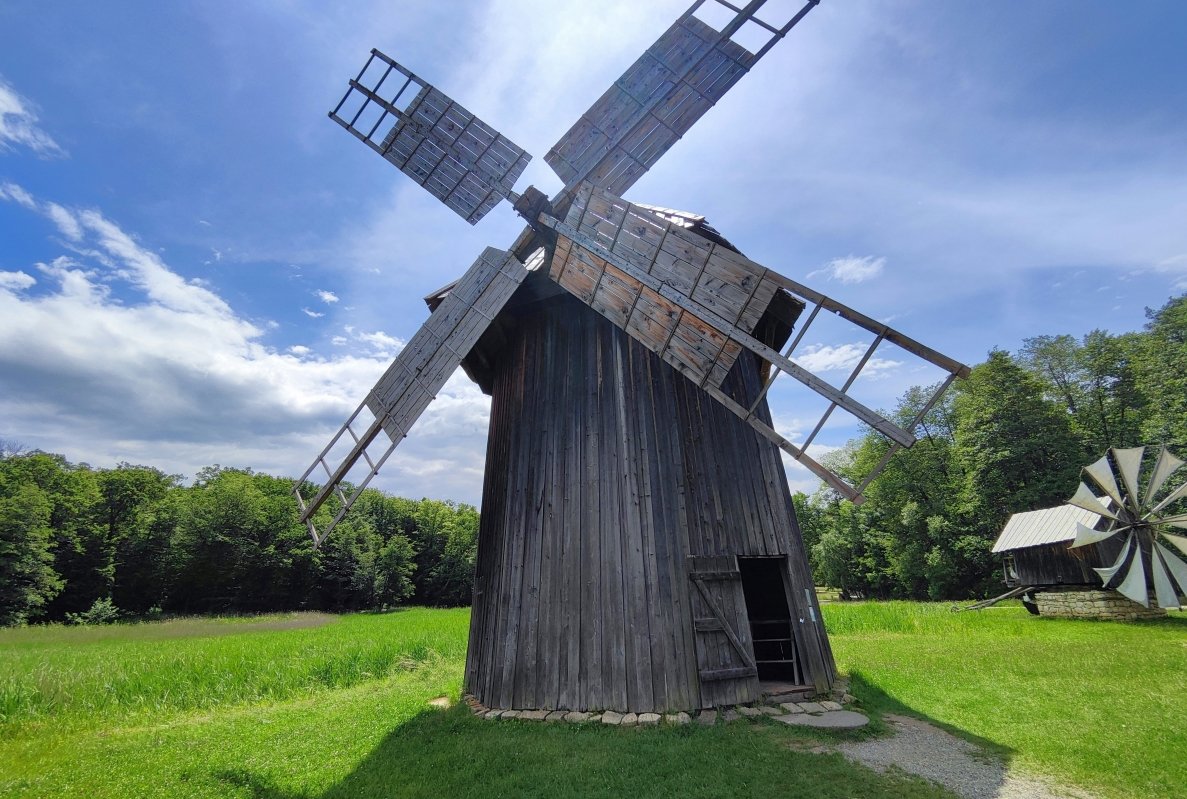
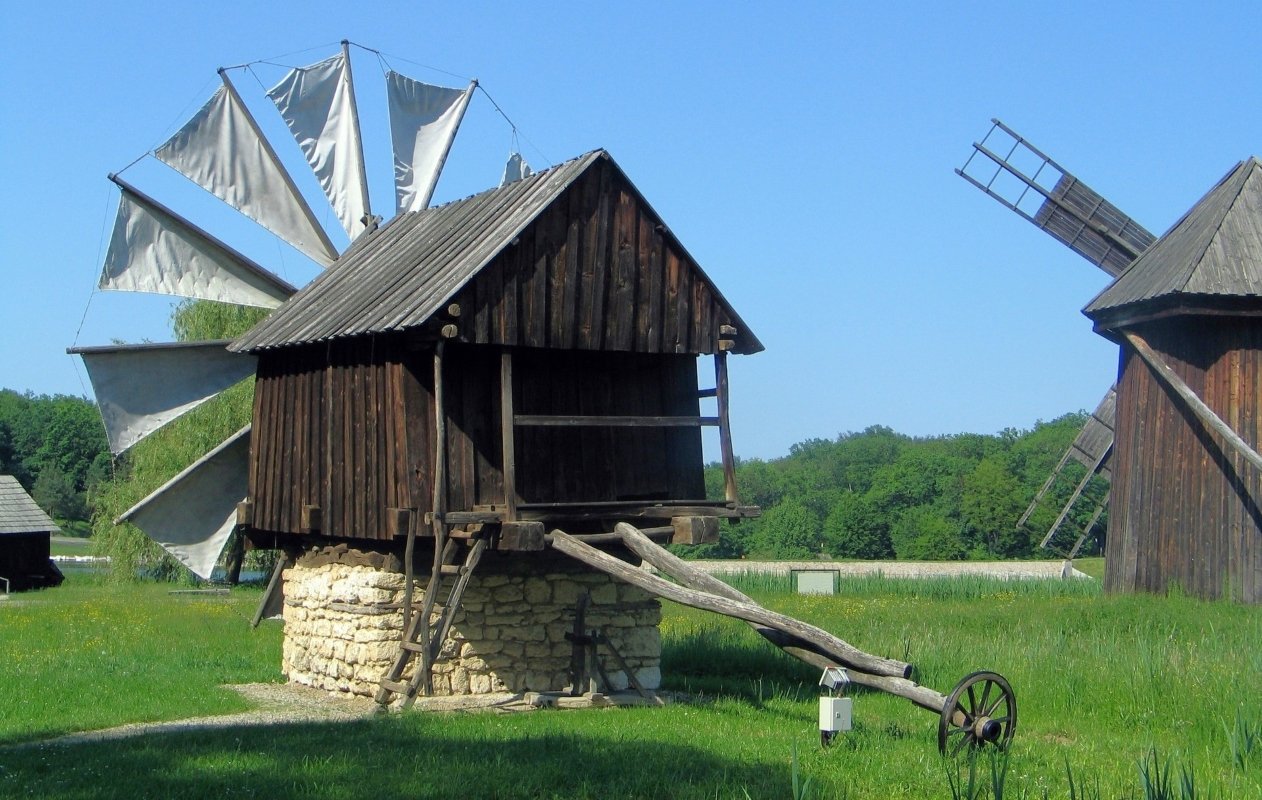
Actually, let’s talk about Astra Museum (Sibiu, Romania) instead – one of Eastern Europe’s most impressive open air museums showcasing traditional Romanian rural architecture and customs.
Historical Significance: Preserves vanishing Romanian rural traditions from various regions, including unique architecture like wooden churches and traditional mills. The museum documents folk customs that survived centuries of foreign rule.
Budget Considerations:
- Entry: €3-5 (exceptional value)
- Traditional Romanian restaurant: €6-12
- Very budget-friendly destination
- Free parking
Accommodation & Campervan Options: Sibiu’s historic center offers various accommodations. Several camping areas near the city accept campervans. The museum accommodates larger vehicles easily.
Seasonal Activities:
- Summer: Traditional festivals, folk dancing, craft demonstrations
- Winter: Christmas traditions, winter crafts, folk storytelling
Popularity: Growing international recognition but still relatively uncrowded.
10. Arnhem Open Air Museum (Netherlands)
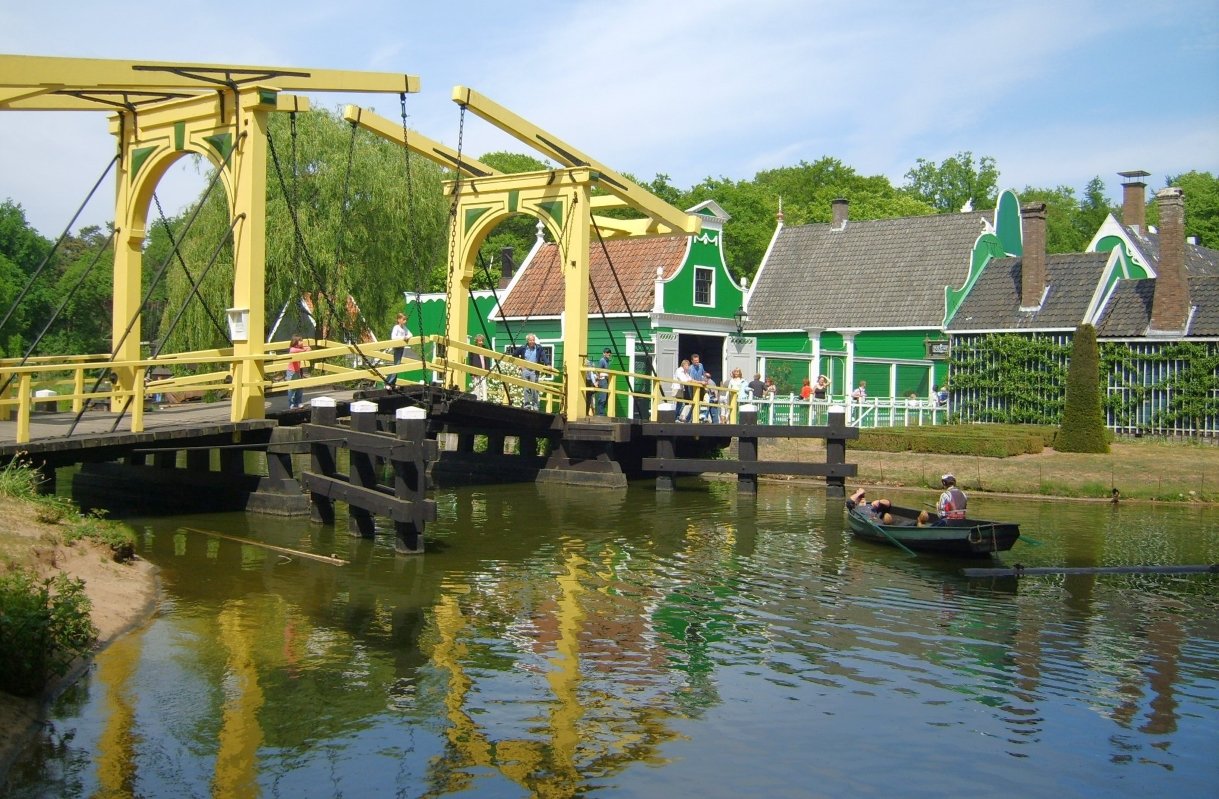
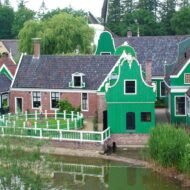
The Netherlands’ premier historical park spans 44 hectares and showcases Dutch life from 1700-1970. What sets Arnhem apart is its focus on social history – how different social classes lived, worked, and entertained themselves across nearly three centuries.
Historical Significance: Demonstrates how industrialization and social change transformed Dutch society. The museum includes everything from wealthy merchant houses to working-class neighborhoods, providing comprehensive social context.
Budget Considerations:
- Entry: €18 adults, €14 children
- Annual pass: €35 (excellent value for repeat visits)
- Historic tram rides included
- Restaurant with period menus: €12-20
Accommodation & Campervan Options: Arnhem offers varied accommodations. Camping de Rimboe provides campervan facilities. The museum’s parking area handles large vehicles comfortably.
Seasonal Activities:
- Summer: Historical festivals, vintage vehicle shows, traditional crafts
- Winter: Christmas celebrations, winter workshops, cozy indoor exhibits
Popularity: Popular with Dutch families but manageable crowds most times.
Planning Your Open Air Museum Adventure
Best Time to Visit: Late spring through early fall offers the fullest experience with all outdoor activities operational. However, winter visits provide unique atmospheric experiences and smaller crowds.
Transportation Tips: Most museums offer excellent parking for campervans and larger vehicles. Public transportation often provides convenient access, especially in Scandinavia and the Netherlands.
Budget Strategy: Many museums offer annual passes that pay for themselves with just two visits. Consider combining multiple museums in the same region for better value.
Family Considerations: These museums excel at engaging children through interactive experiences rather than passive observation. Most offer family-friendly facilities and activities specifically designed for young visitors.
Cultural Sensitivity: These sites preserve living heritage – respect local customs, participate respectfully in demonstrations, and remember that costumed interpreters are skilled professionals bringing history to life.
Europe’s open air museums offer something you can’t get from books or documentaries – the chance to experience history through all your senses. Whether you’re watching a blacksmith forge iron using medieval techniques or sharing traditional food with costumed interpreters, these destinations create memories that last far longer than any photograph.
Pack comfortable walking shoes, bring your curiosity, and prepare to see Europe’s rich cultural heritage come alive in ways you never expected. These museums prove that the best way to understand the past is to step right into it.
Disclaimer
Please note: All pricing, opening hours, and activity information was accurate at the time of writing but may change without notice. We strongly recommend checking official museum websites or contacting venues directly before visiting to confirm current admission prices, seasonal schedules, and available activities.
Accommodation availability and campervan facilities can vary seasonally. Some museums may have limited winter operations or require advance booking for certain experiences. Travel restrictions, renovation projects, or special events may affect normal operations.
While we strive to provide accurate and helpful information, individual travel experiences may vary. Always verify current COVID-19 protocols, accessibility requirements, and any specific travel advisories for your intended destinations.
This article contains general travel advice and personal recommendations. Please exercise normal travel precautions and research current local conditions before your trip.
Photo credit: Openluchtmuseum ,Arnhem,Openma04,Archeon,Garmo Stabkirche,Astra Museum