

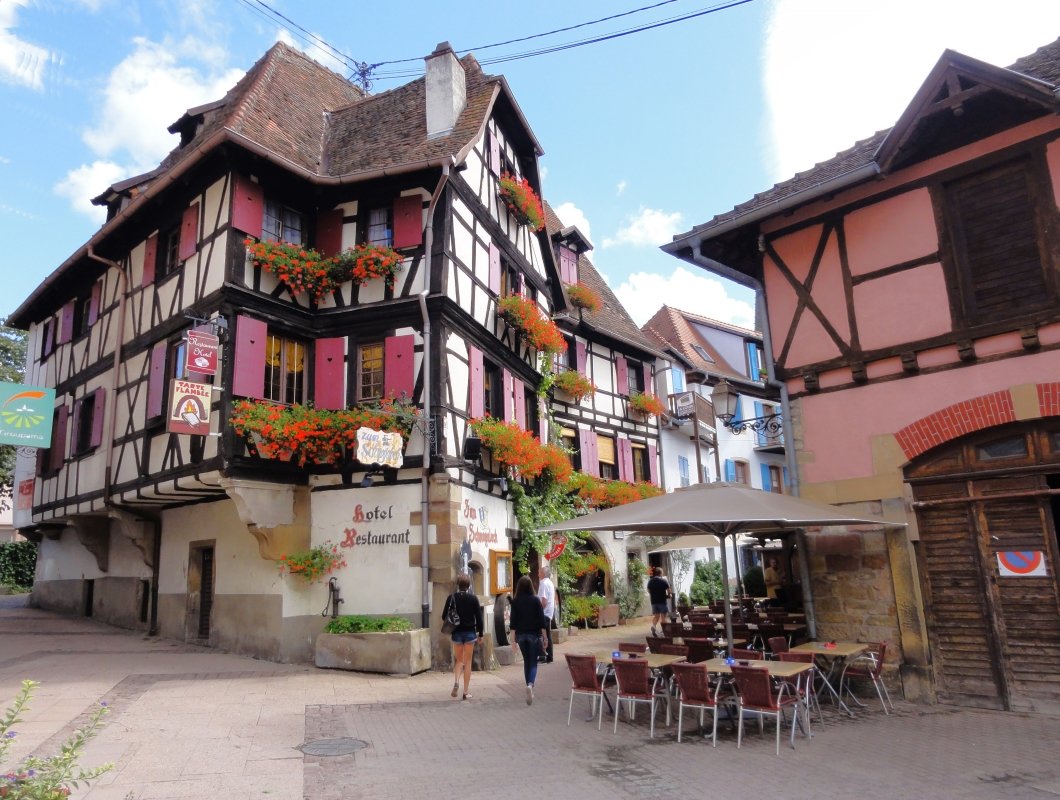


TL;DR: Obernai is Alsace’s best-kept secret – a fairy-tale medieval town with killer wine, Instagram-worthy half-timbered houses, and zero tourist crowds. Perfect for wine lovers, history buffs, and anyone who wants to feel like they’ve stepped into a Disney movie.
- Why Obernai Should Be on Your Radar
- Getting There (Easier Than You Think)
- Where to Stay: From Budget to Splurge
- What to See (The Instagram Spots and Hidden Gems)
- Wine Country Paradise
- Food Scene: More Than Just Sauerkraut
- Day Trips and Nearby Attractions
- Shopping and Souvenirs
- Practical Tips for Your Visit
- Hidden Local Secrets
- Budget Breakdown
- The Bottom Line
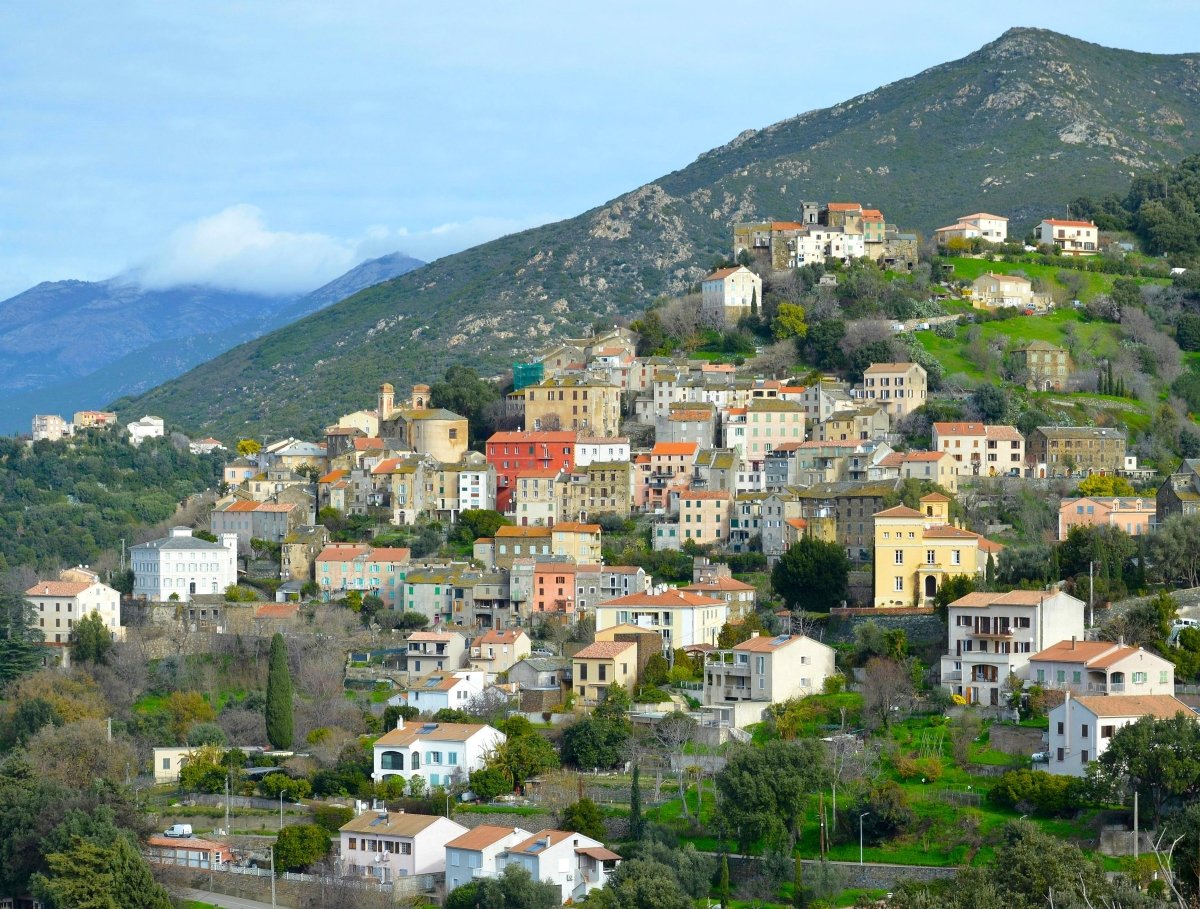
Looking for that picture-perfect French village experience without fighting through crowds of selfie sticks? Welcome to Obernai, where cobblestone streets wind past candy-colored houses and the wine flows as freely as the Alsatian hospitality.
Why Obernai Should Be on Your Radar
This isn’t just another “quaint French village” – though it absolutely is that. Obernai sits pretty in the heart of Alsace’s wine country, perfectly positioned between Strasbourg and Colmar. What makes it special? It’s managed to preserve its medieval charm while offering modern comforts, and somehow stayed under the tourist radar that’s made other Alsatian towns feel like theme parks.
The bottom line: If you love wine, history, and places that make your Instagram followers seriously jealous, Obernai delivers.
Getting There (Easier Than You Think)
By Train: Hop on a regional train from Strasbourg (30 minutes) or Colmar (45 minutes). The station is a pleasant 10-minute walk to the old town center.
By Car: Perfect for wine route road trips. Free parking available at Place du Marché and near the ramparts.
By Plane: Strasbourg Airport is your closest bet, about 45 minutes away. Basel-Mulhouse and Frankfurt are also doable options.
Where to Stay: From Budget to Splurge
Budget-Friendly:
- Hotel des Vosges – Clean, central, and breakfast includes local pastries
- Local chambres d’hôtes (B&Bs) – Often run by winemaking families who’ll hook you up with insider tips
Mid-Range Comfort:
- Le Parc Hotel – Modern amenities in a historic building, plus they speak excellent English
- Hostellerie des Châteaux – Slightly outside town but worth it for the vineyard views
Splurge-Worthy:
- La Cour de Lise – Boutique hotel in a renovated 16th-century building
- Consider day-tripping from luxury hotels in nearby Strasbourg
What to See (The Instagram Spots and Hidden Gems)
The Old Town Center
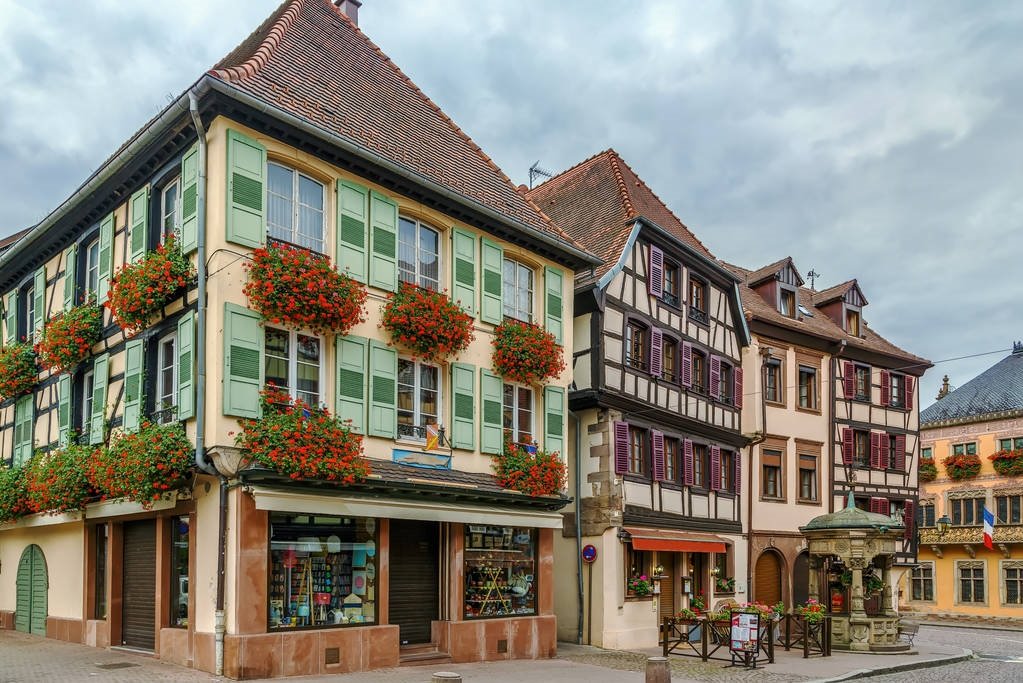
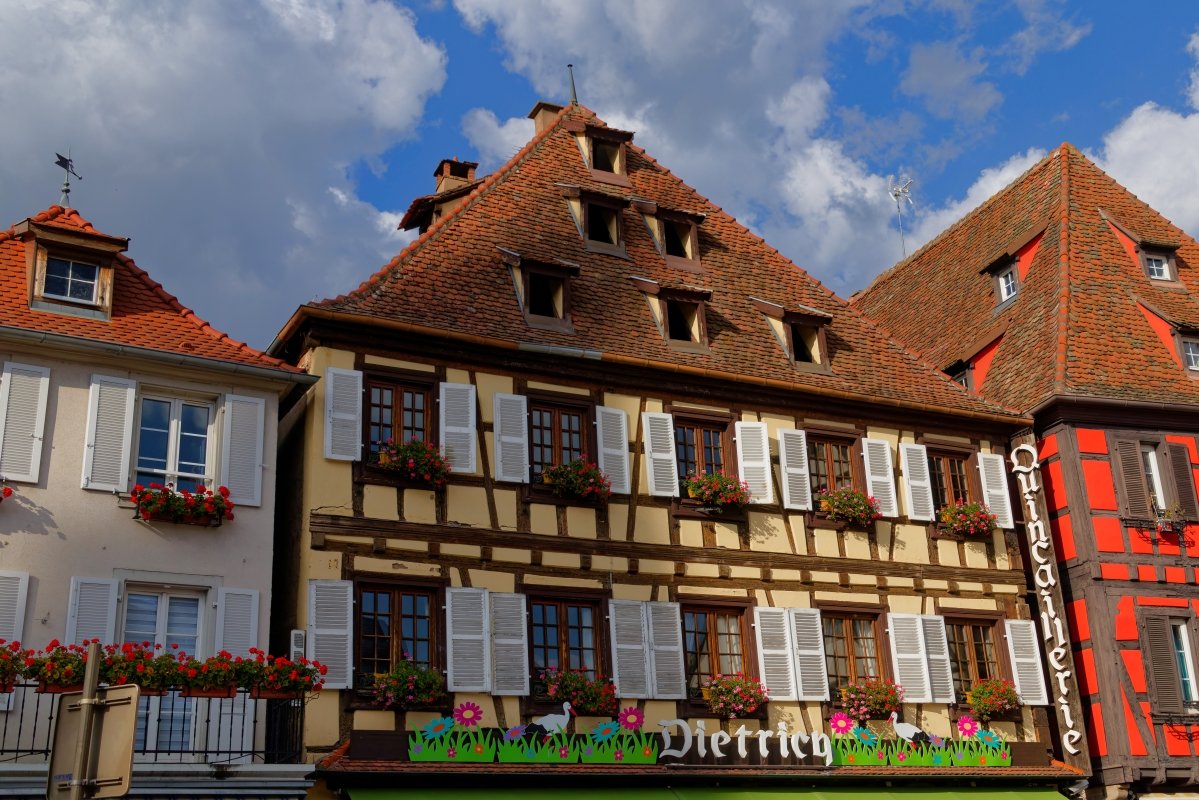
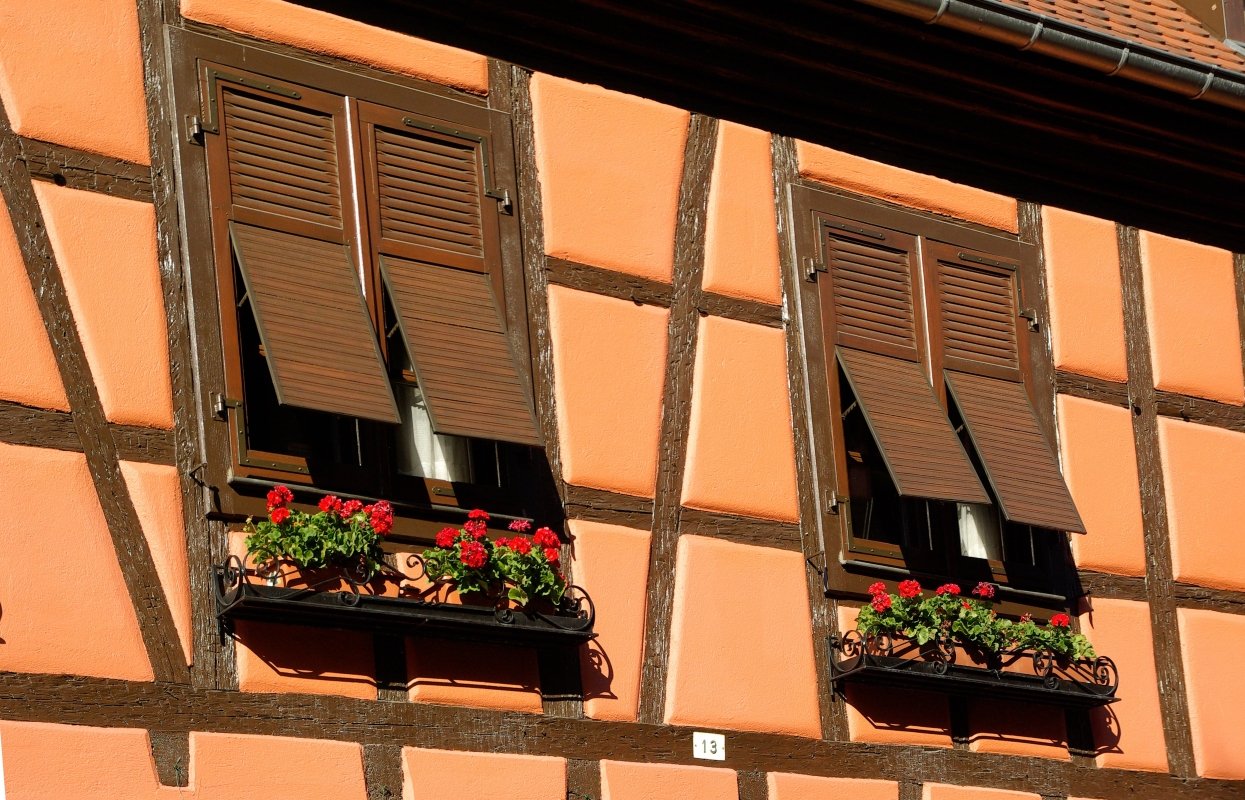
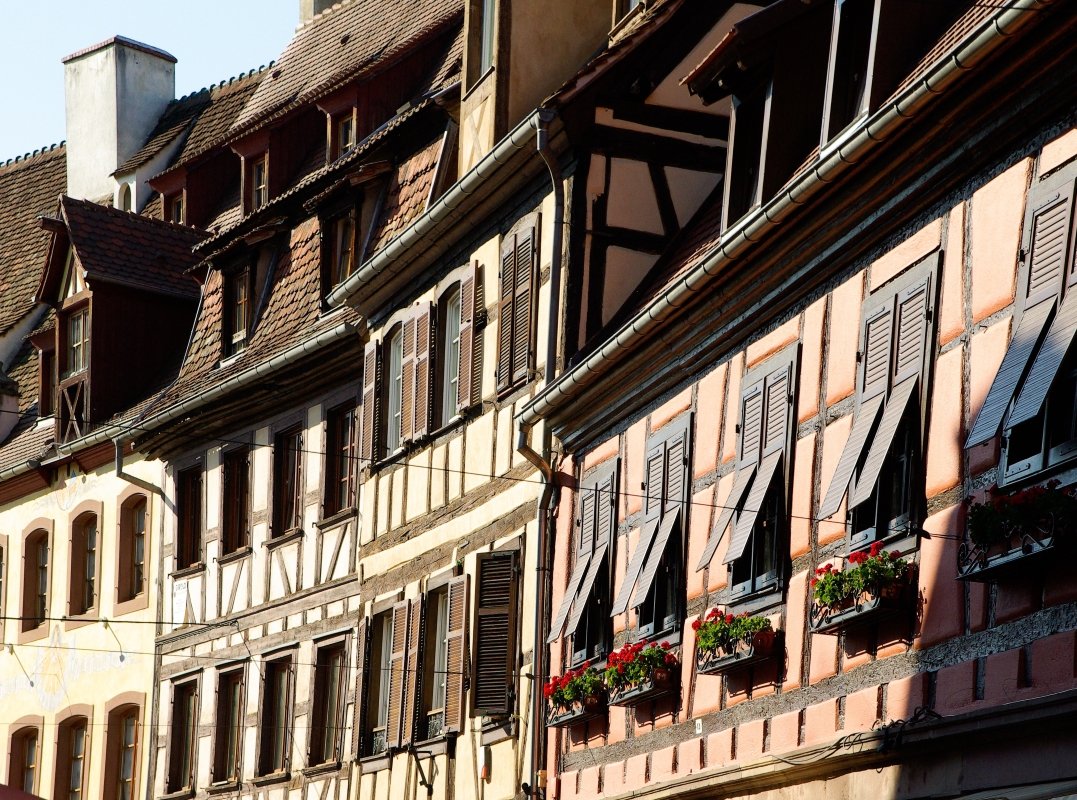
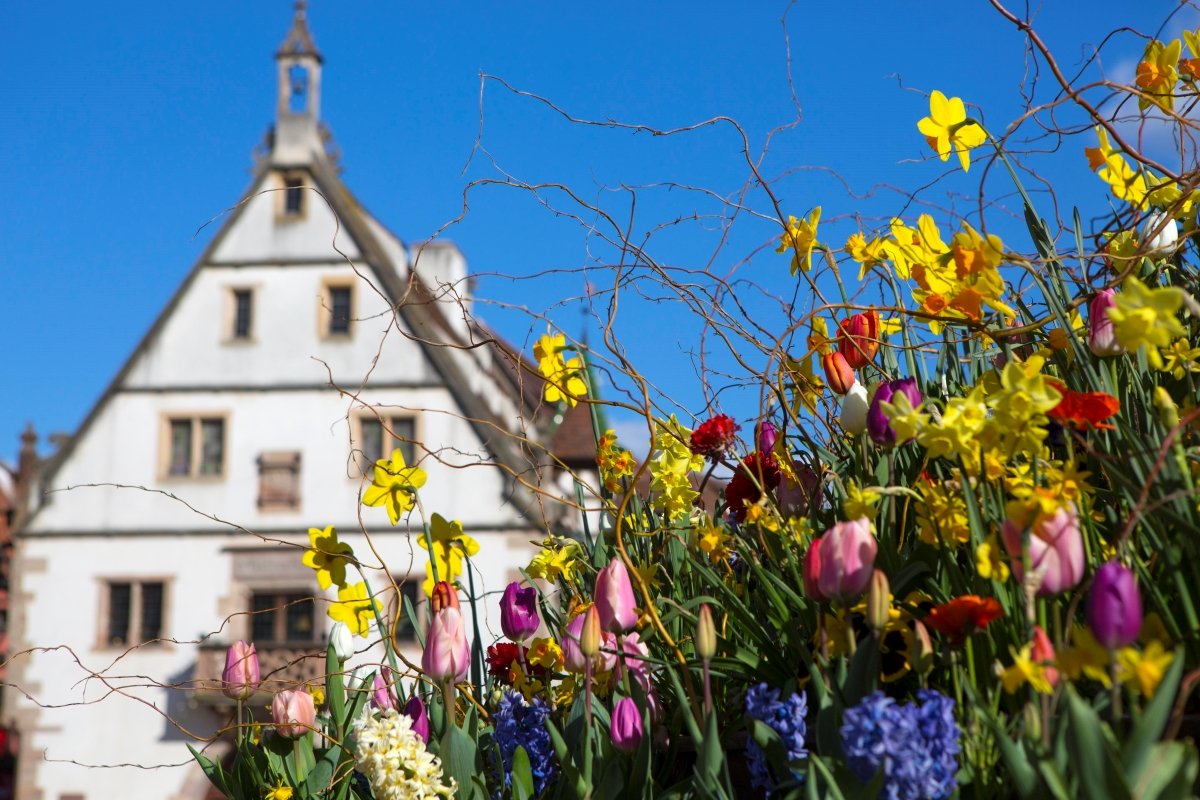
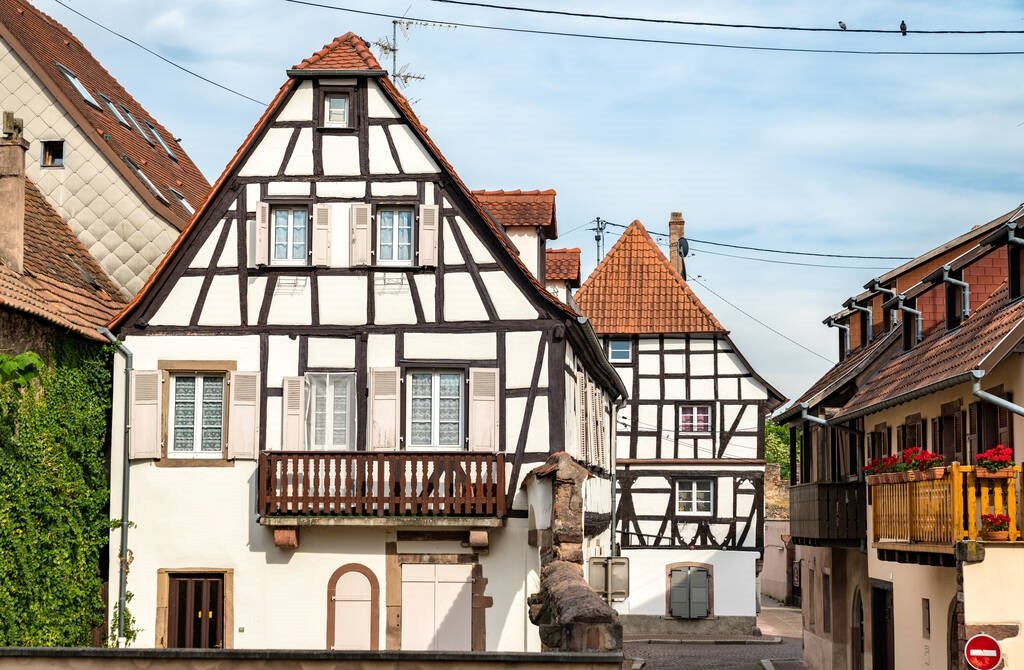
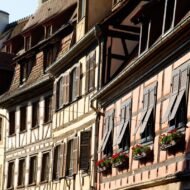
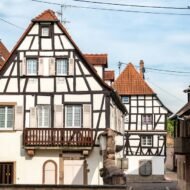
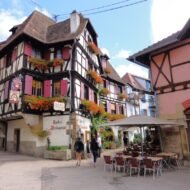
The Place du Marché is where the magic happens. Those half-timbered houses aren’t just pretty facades – many date back to the 15th century. The Halle aux Blés (old corn exchange) now hosts markets and events, but the architecture alone is worth the visit.
Pro tip: Visit during the Thursday morning market for the full sensory experience – local cheeses, seasonal produce, and the chance to practice your French with friendly vendors.
Saint-Pierre-et-Saint-Paul Church
This 13th-century Gothic beauty houses some seriously impressive stained glass and a organ that’ll give you chills during Sunday services. The mix of Romanesque and Gothic architecture tells the story of the town’s evolution over centuries.
The Medieval Ramparts
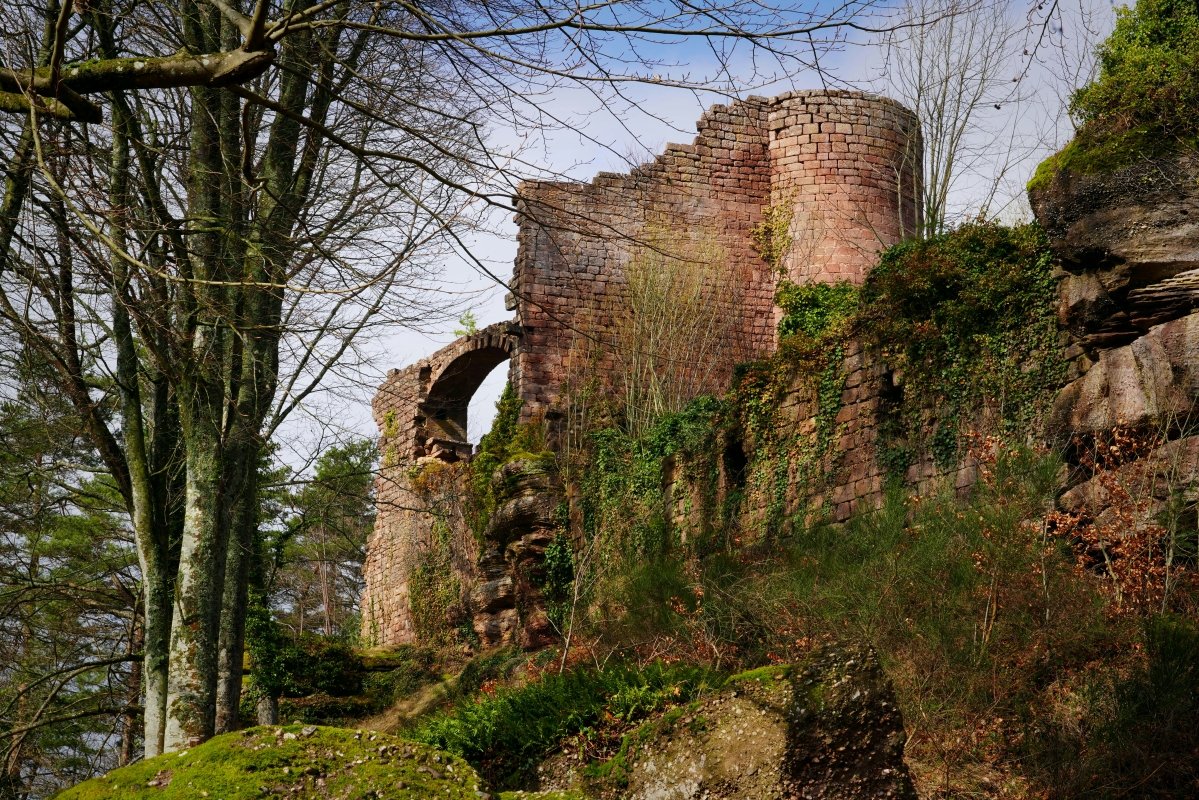
Take a stroll along what remains of the 13th-century city walls. The Tour de la Chapelle offers great photo ops and a dose of medieval atmosphere without the entrance fees you’ll pay elsewhere.
Wine Country Paradise
Let’s be real – you’re probably here for the wine, and Obernai won’t disappoint. The town sits on the Route des Vins d’Alsace, surrounded by vineyards producing some of France’s most distinctive wines.
Must-Try Local Wineries
Domaine Seilly – Family-run operation known for exceptional Gewürztraminer and Riesling. They offer tastings in English and their cellar tours are genuinely educational, not just sales pitches.
Cave de Ribeauvillé – Cooperative representing multiple local growers. Great for comparing different styles and price points.
Domaine Barmes-Buecher – Biodynamic wines that wine nerds rave about. Book ahead for their vineyard walks.
Wine Tasting Tips
- Many wineries offer free tastings if you’re genuinely interested (not just looking for free drinks)
- Learn the basics: Riesling (dry, mineral), Gewürztraminer (aromatic, slightly sweet), Pinot Gris (full-bodied)
- Alsatian wines pair beautifully with the local cuisine
Food Scene: More Than Just Sauerkraut
Alsatian cuisine is comfort food with a French twist, and Obernai’s restaurants serve it up with pride.
Where to Eat
Le Bistrot des Saveurs – Elevated Alsatian classics in a cozy setting. Their choucroute garnie (sauerkraut with various meats) is legendary, but they also cater to vegetarian and plant-based diets.
Wistub La Dime – Traditional winstub (wine bar/restaurant) atmosphere. Try the tarte flambée – think ultra-thin pizza with cream, onions, and bacon.
Restaurant A l’Ami Fritz – Higher-end dining with seasonal menus featuring local ingredients. They’re excellent with dietary restrictions if you call ahead.
Local Specialties to Try
- Kougelhopf – Sweet bread that’s perfect with morning coffee
- Munster cheese – Pungent but delicious local cheese
- Mirabelle plums – In season from late summer, used in everything from tarts to eau-de-vie
Day Trips and Nearby Attractions
Mont Sainte-Odile
A 30-minute drive takes you to this mountaintop monastery with panoramic views over the Rhine plain. The site has been a pilgrimage destination for over 1,300 years, and the hiking trails are accessible for most fitness levels.
Strasbourg
The European capital is worth a full day. The cathedral, Petite France district, and European Parliament tours offer a nice contrast to village life.
Haut-Koenigsbourg Castle
This restored medieval castle provides serious fairy-tale vibes and history lessons about medieval life in Alsace.
Shopping and Souvenirs
Skip the tourist trap souvenir shops and go for local products that actually matter:
- Local wines – Obviously. Many shops will ship internationally
- Alsatian pottery – Distinctive blue and gray ceramics from local artisans
- Artisanal mustards and preserves – Made with local ingredients
- Handmade textiles – Some shops still sell traditional Alsatian linens
Practical Tips for Your Visit
Best Time to Visit: May through October for weather, but December for Christmas markets. Spring (April-May) offers fewer crowds and blooming vineyards.
Language: Most tourism professionals speak English, but locals appreciate basic French greetings. German is also widely understood due to the region’s history.
Money: Credit cards accepted most places, but carry some cash for small vendors and markets.
Accessibility: The old town’s cobblestone streets can be challenging for mobility aids, but most restaurants and attractions are working to improve accessibility.
Hidden Local Secrets
- The Sentier Viticole (vineyard trail) offers self-guided walks through working vineyards with information panels in multiple languages
- Local families often sell produce and flowers from roadside stands using honor-system payment
- The Bibliothèque Humaniste in nearby Sélestat houses one of Europe’s most important collections of medieval manuscripts
Budget Breakdown
Budget traveler (per day): €50-70
- Accommodation: €25-40
- Meals: €15-25
- Activities/wine tasting: €10-15
Comfortable budget (per day): €80-120
- Accommodation: €50-70
- Meals: €25-35
- Activities/wine tasting: €15-25
Luxury experience (per day): €150+
- High-end accommodation: €100+
- Fine dining: €40+
- Private wine tours: €30+
The Bottom Line
Obernai offers everything people love about Alsace – stunning architecture, world-class wine, incredible food, and genuine French village atmosphere – without the crowds that can make other destinations feel overwhelming. Whether you’re planning a romantic getaway, a solo wine adventure, or a cultural deep-dive with friends, this medieval gem delivers experiences that feel authentic rather than performed for tourists.
The best part? You’ll leave with stories that your friends haven’t heard a dozen times before, a deeper appreciation for Alsatian culture, and probably a few bottles of wine that you’ll never find at home. In a world of over-touristed destinations, Obernai feels like discovering a secret – one that locals are genuinely happy to share.
Ready to go? Start planning your visit during harvest season (September-October) for the full wine country experience, or time it for the Christmas markets if you want to see the town dressed up in its holiday finest. Either way, Obernai won’t disappoint.