











TL;DR: Pasaia is a jaw-droppingly beautiful fishing village 5km from San Sebastián where narrow channels meet colorful houses, Michelin-starred dining comes without the San Sebastián price tag, and you can walk in Victor Hugo’s footsteps without fighting tourist crowds. Perfect for 1-2 days, easily combined with a Basque Country road trip.
- What Makes Pasaia Special (Spoiler: It’s Not Just the Views)
- Getting There (It’s Easier Than You Think)
- Where to Actually Go: Breaking Down the Districts
- What to Do (Beyond Just Eating—Though We’ll Get to That)
- The Food Situation (AKA Why You’ll Gain 5 Pounds and Not Care)
- Where to Stay
- Best Time to Visit
- Money-Saving Tips (Because Basque Country Isn’t Cheap)
- Practical Stuff You Need to Know
- Sample Itineraries
- Day Trips from Pasaia
- Why Pasaia Instead of ?
- Common Mistakes to Avoid
- Is Pasaia Worth Visiting?
- Final Thoughts
- Quick Recap: Pasaia at a Glance
Look, I’m going to level with you. When I first heard about Pasaia, I thought it was just another “charming fishing village” that travel blogs obsess over. You know the type—pretty for Instagram, nothing much to do, packed with tourists taking the same photo.
I was so wrong it’s almost embarrassing.
Pasaia (sometimes spelled Pasajes—more on that later) is what happens when authentic Basque culture, serious maritime history, and absolutely killer seafood come together in one compact, walkable package. And the best part? Most travelers zoom right past it on their way to San Sebastián, which means more pintxos and harborside tables for you.
What Makes Pasaia Special (Spoiler: It’s Not Just the Views)
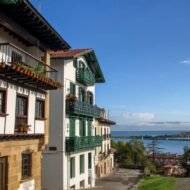
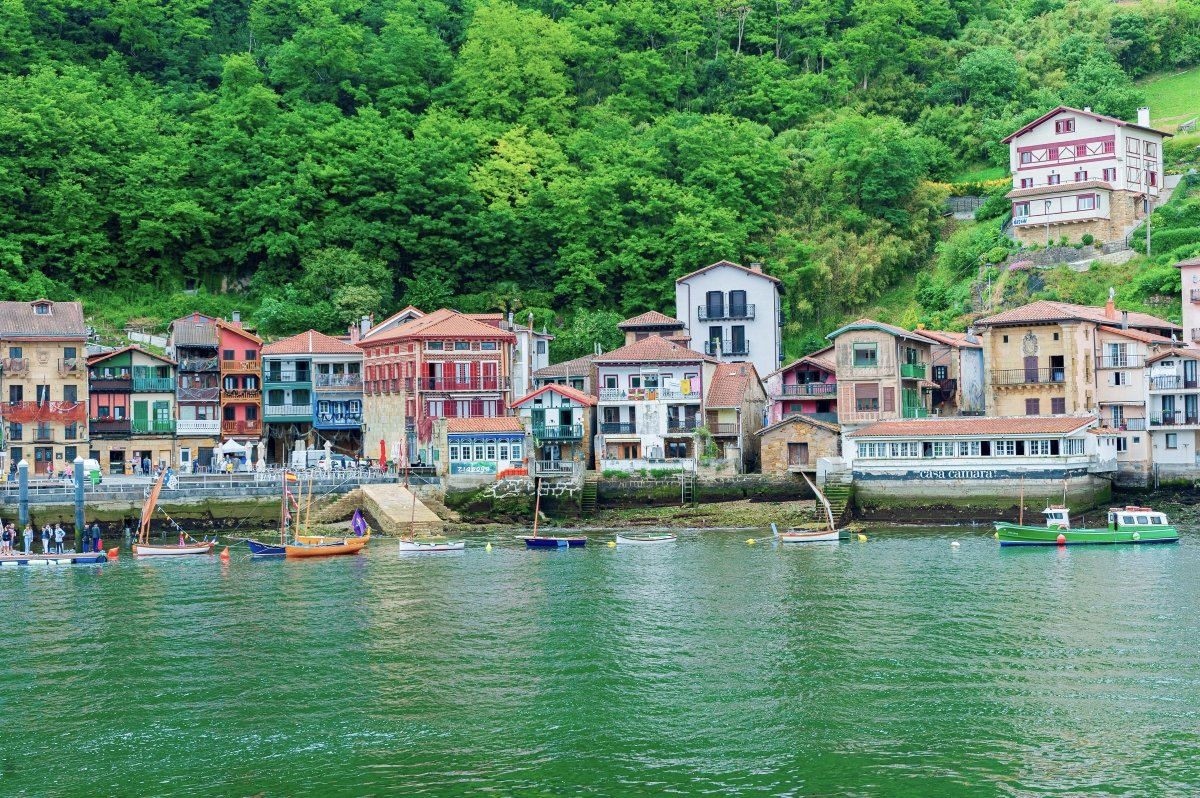
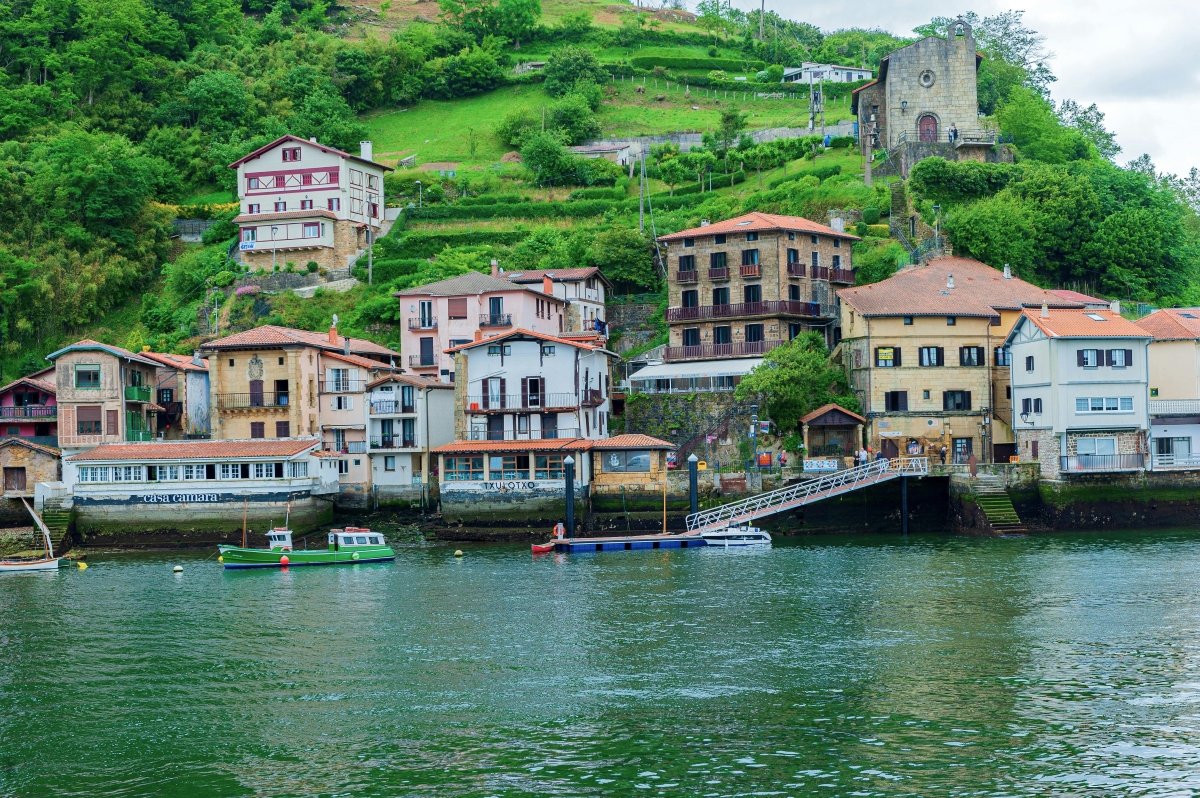
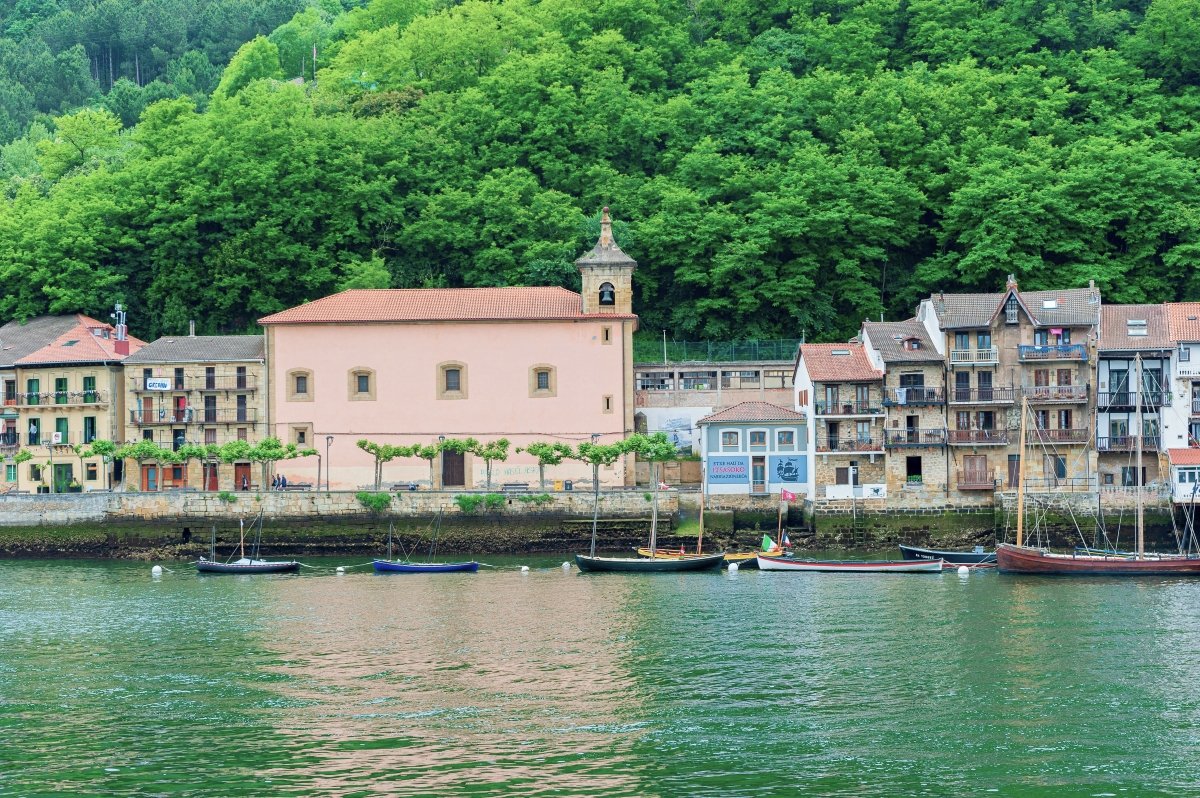
Pasaia isn’t one town—it’s actually four districts hugging a narrow natural harbor that’s been sheltering ships since Roman times. The setup is almost theatrical: steep hills plunge into a channel so narrow you could probably throw a stone across it (don’t try this), with colorful houses stacked up the hillsides like they’re trying to get the best view of the show.
The Marquis de Lafayette sailed from here to fight in the American Revolution. Victor Hugo lived here and was so obsessed with the place he wrote about it constantly. This isn’t some manufactured tourist destination—Pasaia has been important for centuries, and it shows in every weathered stone and family-run restaurant.
Getting There (It’s Easier Than You Think)
From San Sebastián: Take the E09 bus from Boulevard stop—it runs every 20-30 minutes, costs around €2, and takes about 15 minutes. Seriously, it’s easier than finding parking in Donostia.
By Car: A-8 motorway, take exit 10 or 11 depending on which district you’re visiting. Parking can be tight in Pasai Donibane (the main tourist area), so arrive early or use the parking in Pasai San Pedro and take the adorable passenger boat across.
From Bilbao Airport: About 1 hour by car via A-8. Rental cars start around €25-40/day if you book ahead.
Where to Actually Go: Breaking Down the Districts
Pasai Donibane (San Juan)
This is the money shot—the postcard-perfect district with narrow cobblestone streets where cars literally can’t fit. Houses in every shade of blue, green, and ochre lean toward each other like old friends sharing secrets.
Must-see: Victor Hugo’s house (now a museum, €3 entry), the San Juan Bautista church, and just… wandering. Getting lost here is half the fun.
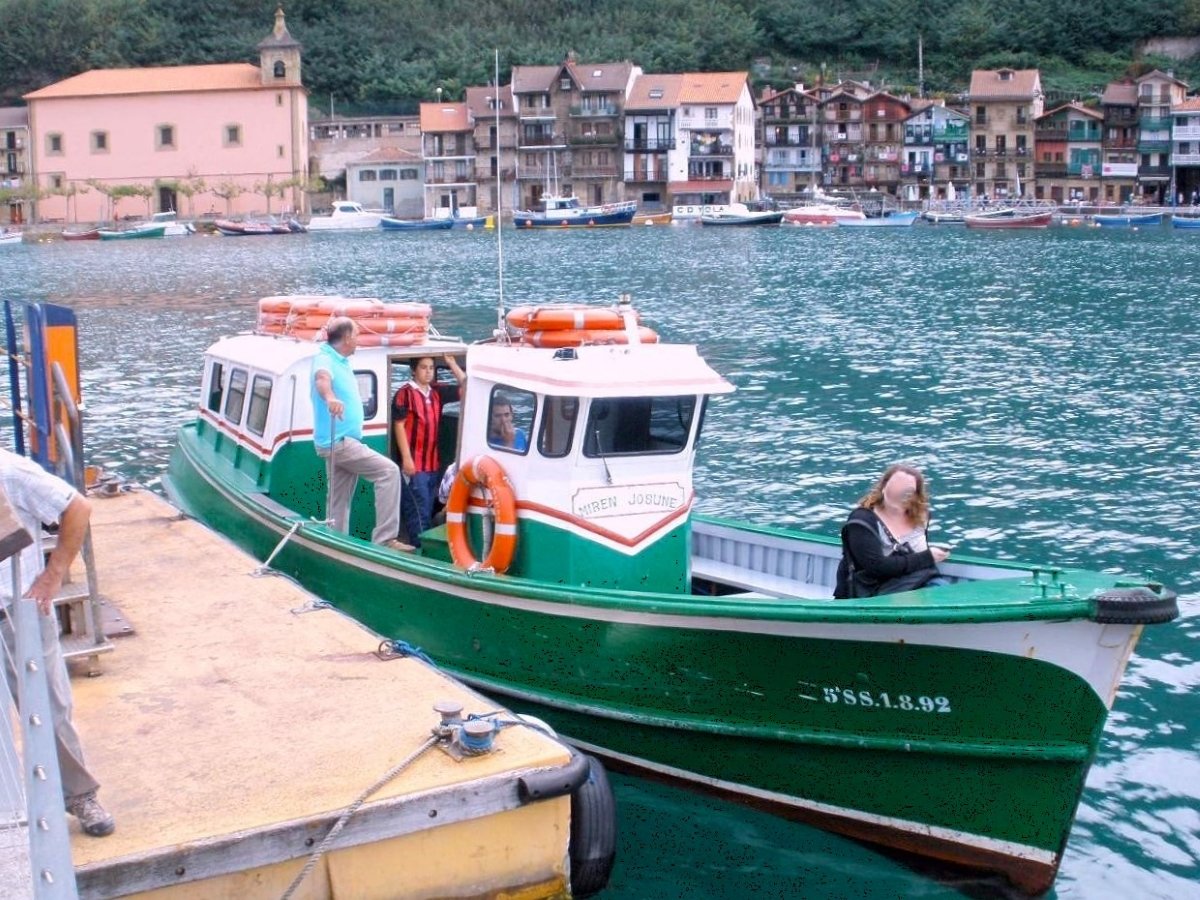
Pro tip: The passenger boat (€1, runs every 15 minutes) from Pasai San Pedro is an experience in itself. It’s been ferrying people across the channel since forever, and the 2-minute ride gives you incredible photo ops.
Pasai San Pedro
The working port side with actual fishing boats, shipyards, and zero pretense. If you want to see how Basque maritime life actually works rather than its Instagram face, this is your spot.
Don’t miss: The morning fish market (when boats come in), the maritime museum, and the waterfront walk with views across to Donibane.
Antxo and Trintxerpe
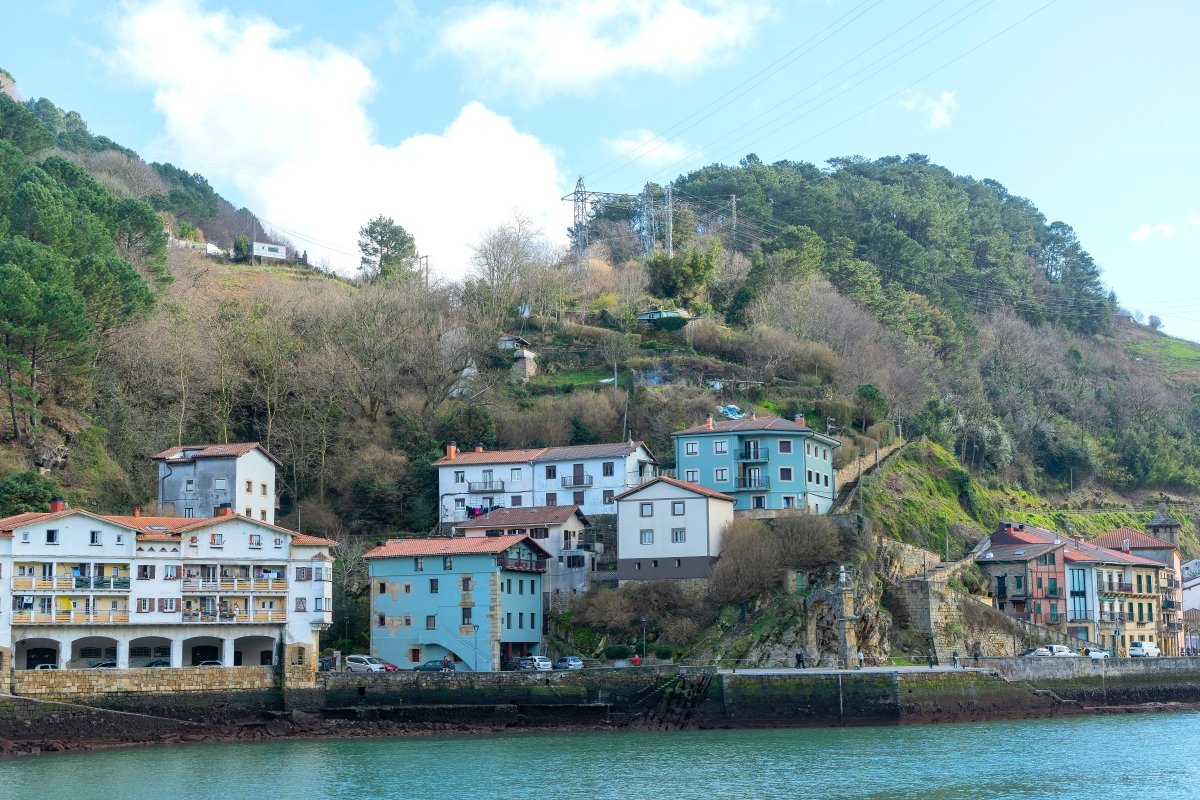
The modern residential areas. Unless you’re staying here or really into industrial port architecture, you’ll probably skip these.
What to Do (Beyond Just Eating—Though We’ll Get to That)
Hike Monte Ulia
This coastal mountain trail connecting Pasaia to San Sebastián is chef’s kiss. The full walk takes about 2-3 hours and delivers panoramic views of the Bay of Biscay that’ll make your Instagram followers deeply jealous.
Start early to avoid afternoon heat, bring water, and wear actual hiking shoes—this isn’t a flip-flop situation.
Walk the Waterfront Promenade
The Batzokia promenade in Pasai San Pedro is perfect for sunset strolls. Grab a beer from a local bar, find a bench, and watch fishing boats navigate the narrow harbor entrance. It’s free entertainment that beats most things you’ll pay for elsewhere.
Explore the Albaola Sea Factory
This is basically a working museum where they build traditional Basque ships using 16th-century techniques. Currently, they’re constructing a replica of a Basque whaling ship. Watching actual craftspeople work with traditional tools is mesmerizing, and the €6 entry fee supports their preservation work.
Hours: Tuesday-Saturday 10am-2pm and 4pm-7pm (shorter winter hours)
Take a Harbor Boat Tour
Several operators run guided tours of the harbor and bay (€15-20, about 1 hour). You’ll learn about the port’s history, see the harbor entrance up close, and maybe spot some marine life. Book through the tourist office or your accommodation.
The Food Situation (AKA Why You’ll Gain 5 Pounds and Not Care)
Let’s be real: Basque Country is a food pilgrimage destination, and Pasaia punches way above its weight.
Where to Eat
Casa Cámara – The Michelin-starred restaurant everyone talks about, and for good reason. Fresh fish that was probably swimming that morning, prepared with zero fuss and maximum flavor. Expect €50-80 per person with wine. Reserve ahead.
Txulotxo – Traditional Basque tavern vibes with pintxos that’ll ruin bar snacks for you everywhere else. The grilled octopus and anchovy pintxos are mandatory. Budget €25-35 per person.
Restaurante Itsasoa – Right on the water in Pasai Donibane, serving traditional Basque seafood at slightly friendlier prices than Casa Cámara (€35-50/person). The kokotxas (hake throat—trust me, it’s incredible) are worth the menu confusion.
Bar Txiki – Local hangout where fishermen actually drink. Cheap beer, honest pintxos, zero pretense. Perfect for lunch or afternoon break.
What to Order
- Marmitako – Basque tuna stew that’s somehow both hearty and refined
- Chipirones en su tinta – Baby squid in ink sauce (looks scary, tastes amazing)
- Anchoas de Santoña – These anchovies bear no resemblance to pizza toppings
- Txakoli – Local white wine, slightly sparkling, perfect with seafood
- Idiazabal cheese – Smoky sheep’s milk cheese from the Basque mountains
Budget tip: Eat your main meal at lunch when many restaurants offer menú del día (fixed menu) for €15-25, then do pintxos for dinner.
Where to Stay
Pasaia has limited accommodation, which keeps it authentic but means booking ahead is smart.
Casa Camara Boutique Hotel – Attached to the Michelin restaurant, gorgeous rooms with harbor views. €120-180/night. Book direct for best rates.
Pension Txiki – Basic but clean rooms in Pasai Donibane, family-run, unbeatable location. €60-80/night.
Airbnb apartments – Several waterfront apartments in Donibane, €80-150/night depending on size and season.
Staying in San Sebastián? Totally viable—you’re 15 minutes away by bus. This gives you more accommodation options and nightlife access.
Best Time to Visit
Summer (June-September): Warmest weather, liveliest atmosphere, but also most crowded (by Pasaia standards, which means manageable). Sea temperature hits 20-22°C if you’re swimming.
Spring & Fall (April-May, October): My personal favorite. Fewer visitors, still pleasant weather, better accommodation prices. October can be rainy—pack layers.
Winter (November-March): Quiet, sometimes stormy, but atmospheric AF. Some restaurants close or reduce hours. Best for budget travelers who don’t mind moody weather.
Events to consider:
- June 24: San Juan festivities with bonfires and traditional celebrations
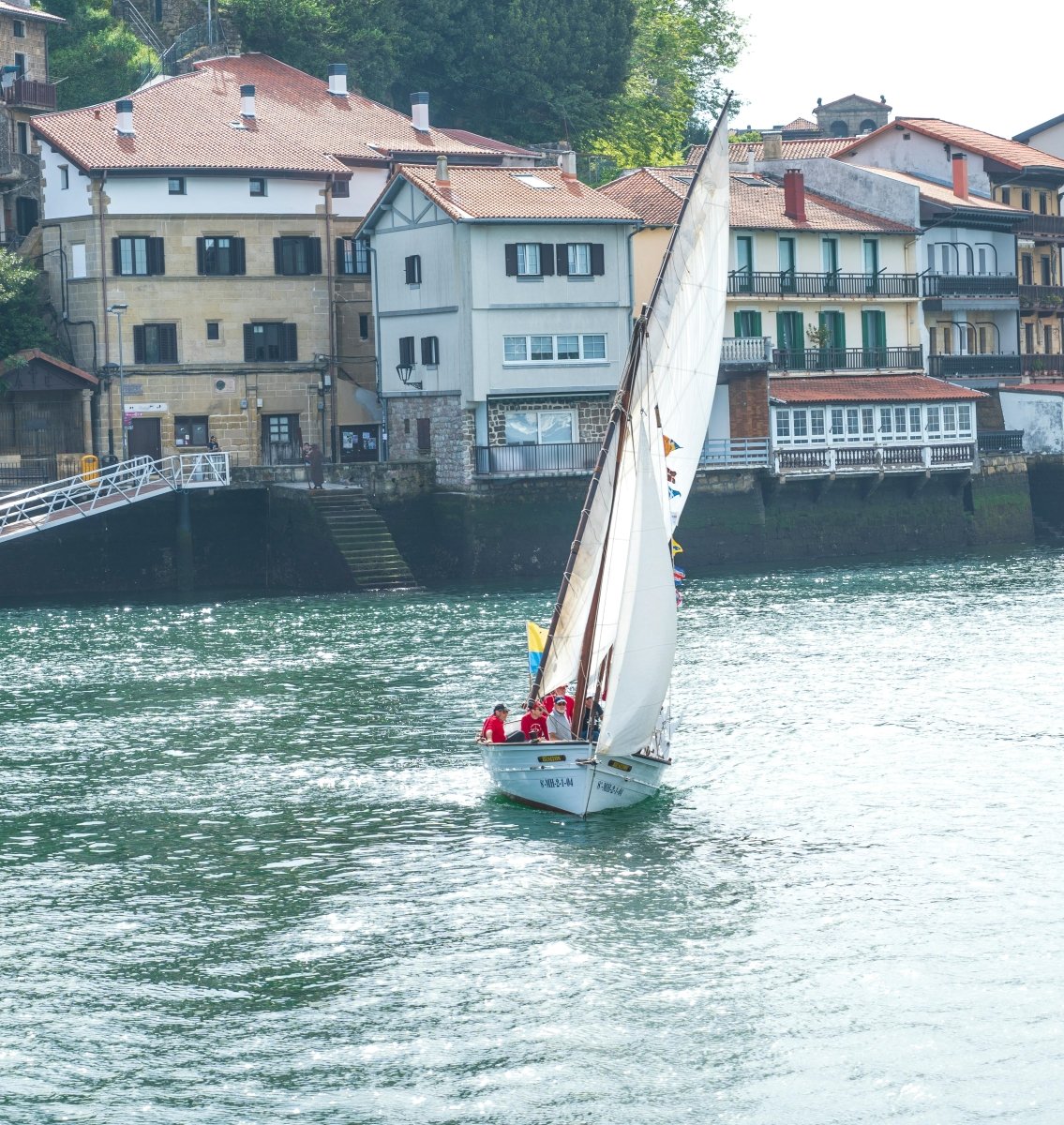
- Mid-July: Pasai Donibane annual regatta
- September: Various harvest festivals throughout Basque Country
Money-Saving Tips (Because Basque Country Isn’t Cheap)
- Eat lunch as your main meal – Menú del día deals save 30-50% vs dinner prices
- Take the bus – Skip expensive taxis from San Sebastián
- Buy picnic supplies at local markets – Bread, cheese, wine for harbor picnics
- Visit free sites – Harbor walks, hiking trails, waterfront all cost zero euros
- Drink local – Txakoli and local beers cost half what imported stuff does
- Stay in San Sebastián – Often cheaper accommodation with easy bus access
Practical Stuff You Need to Know
Language: Basque (Euskara) and Spanish are official. Signs are in both. Most tourism workers speak English, but learning basic Spanish phrases helps everywhere else.
Pasaia vs. Pasajes: Same place, two languages. Basque name is Pasaia, Spanish is Pasajes. Both are correct—use whatever your GPS recognizes.
ATMs: Limited in Pasaia proper—get cash in San Sebastián or Pasai San Pedro before heading to Donibane.
Cell service: Generally good, but some dead spots in tunnels and valleys.
Accessibility: Pasai Donibane’s narrow cobblestone streets aren’t wheelchair-friendly, unfortunately. Pasai San Pedro is more accessible.
Weather: Bring a rain jacket even in summer. This is the Basque coast—weather changes fast.
Sample Itineraries
One Day in Pasaia
- Morning: Take early bus from San Sebastián, boat to Pasai Donibane, explore old quarter
- Lunch: Menú del día at Restaurante Itsasoa
- Afternoon: Visit Albaola Sea Factory, walk waterfront promenade
- Sunset: Drinks overlooking harbor in San Pedro
- Dinner: Pintxos at Txulotxo before bus back
Two Days in Pasaia
- Day 1: Same as above, but stay overnight in Pasai Donibane
- Day 2: Morning hike up Monte Ulia to San Sebastián, afternoon beach time, dinner at Casa Cámara (reserved ahead), evening harbor stroll
Pasaia as Day Trip from San Sebastián
- 10am: Bus to Pasaia
- 10:30am: Boat to Donibane, coffee and exploring
- 1pm: Lunch at Txulotxo
- 3pm: Albaola visit or coastal walk
- 5pm: Drinks with harbor views
- 7pm: Bus back to San Sebastián for dinner
Day Trips from Pasaia
- San Sebastián (5km): Obviously. World-class beaches, food scene, nightlife
- Hondarribia (20km): Medieval walled town on French border, fantastic pintxos scene
- French Basque Coast (30km+): Biarritz, Saint-Jean-de-Luz for different vibes
- Getaria (25km): Birthplace of txakoli wine, more excellent seafood
- Bilbao (100km): Guggenheim Museum, modern Basque city life
Why Pasaia Instead of [Insert Famous Place]?
vs. San Sebastián: Less crowded, more authentic, better value, same quality food. Plus you can visit both easily.
vs. Hondarribia: Pasaia feels more working-class real, less polished tourist town.
vs. Getaria: Similar vibe, but Pasaia’s harbor geography is more dramatic.
Real talk: You don’t have to choose. Pasaia works brilliantly as part of a Basque Coast itinerary, not instead of other destinations.
Common Mistakes to Avoid
- Skipping Pasaia entirely – Biggest mistake tourists make in the region
- Only visiting Donibane – San Pedro has its own charm and better prices
- Not booking Casa Cámara ahead – They fill up weeks in advance
- Wearing nice shoes – Cobblestones will destroy them
- Rushing – This place rewards slow exploration
- Missing the boat ride – It’s €1 and absolutely worth it
- Visiting on Monday – Many restaurants closed
Is Pasaia Worth Visiting?
If you want authentic Basque coastal culture without San Sebastián crowds, if you geek out over maritime history, if you believe the best travel experiences happen in places most tourists skip—then absolutely yes.
If you need resort amenities, nightclubs, or extensive English signage—maybe San Sebastián is better for you, and that’s totally fine.
Pasaia rewards curious travelers who value substance over Instagram ops (though you’ll get plenty of those too). It’s not trying to be anything other than what it is: a working port town that happens to be stunning and serves food that’ll ruin you for lesser seafood forever.
Final Thoughts
I’ve traveled through a lot of Spain, and Pasaia hit differently. Maybe it’s the way morning light bounces off the harbor water. Maybe it’s watching fishing boats return with the day’s catch while drinking coffee on a wall built before your great-great-grandparents were born. Maybe it’s just really good octopus.
Whatever it is, Pasaia has this quality that makes you want to tell everyone about it while simultaneously keeping it secret. Since I’m clearly failing at the secret part, at least I can tell you this: go before everyone else figures it out.
The narrow channel, the colorful houses, the boats, the food—they’ll still be there when you visit. But the quiet, uncrowded authenticity? That’s on borrowed time in our increasingly discovered world.
Quick Recap: Pasaia at a Glance
- Location: 5km from San Sebastián, northern Spain
- Best for: Foodies, maritime history buffs, authentic culture seekers
- Time needed: 1-2 days (or half-day from San Sebastián)
- Budget: €50-100/day (budget) to €150-250/day (comfortable)
- Must-do: Harbor boat ride, Casa Cámara dinner, Monte Ulia hike
- Skip if: You need English everywhere, require accessible streets, want resort amenities
Disclaimer: Travel information including prices, hours, and availability was accurate at time of writing but can change. Always verify current details directly with businesses and service providers before your trip. Restaurant reservations, especially for Casa Cámara, should be made well in advance. Weather in the Basque Coast can be unpredictable—pack accordingly. While we aim for accuracy, we’re not responsible for changes to services, closures, or your travel experience. Bus schedules and fees may vary by season. Some businesses close Mondays or have reduced winter hours.
This guide reflects personal experiences and opinions. Your Pasaia experience may differ, and that’s part of the adventure. Travel safely, respect local communities, and consider travel insurance for longer trips.