






TL;DR: Pesariis is a tiny mountain village in northeastern Italy where giant sundials cover buildings, artisan clockmakers preserve centuries-old traditions, and Alpine trails lead to waterfalls and authentic agriturismo meals. It’s the perfect off-the-beaten-path escape for travelers seeking Italian mountain culture without the crowds.
- Why You’ve Never Heard of Italy’s Most Creative Village
- The Clock Village: More Than Just Telling Time
- Getting There: The Journey is Part of the Adventure
- Where to Stay: Authentic Alpine Hospitality
- What to Eat: Carnic Cuisine That Sticks to Your Ribs
- Things to Do: Beyond the Clocks
- Practical Travel Tips
- Why Pesariis Matters (And Why You Should Visit)
- Planning Your Visit: Sample Itinerary
- The Bottom Line
Why You’ve Never Heard of Italy’s Most Creative Village
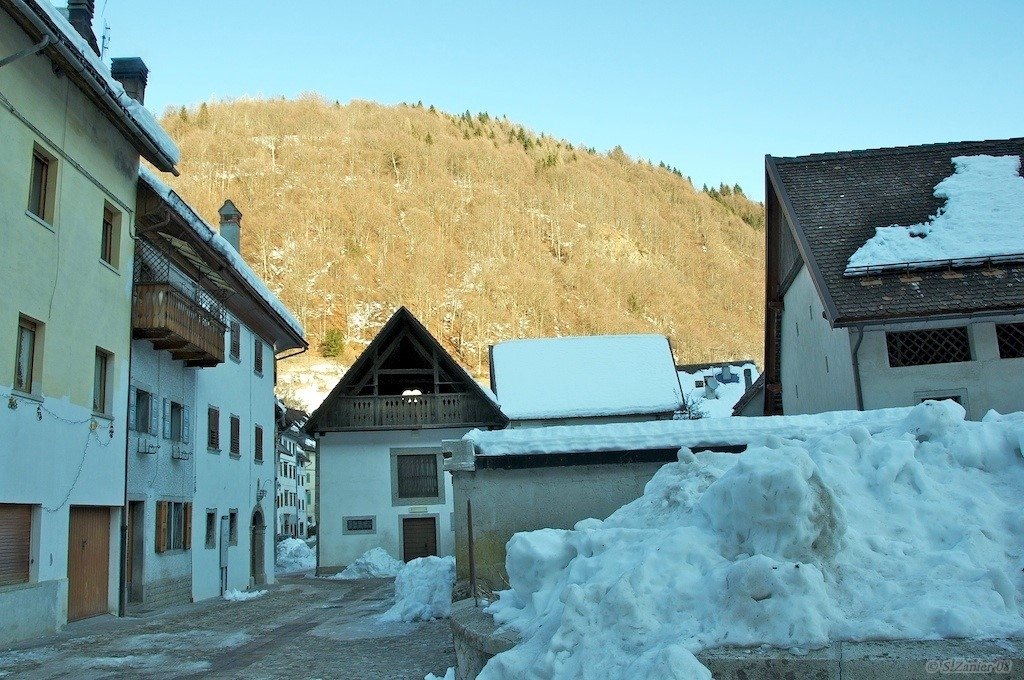
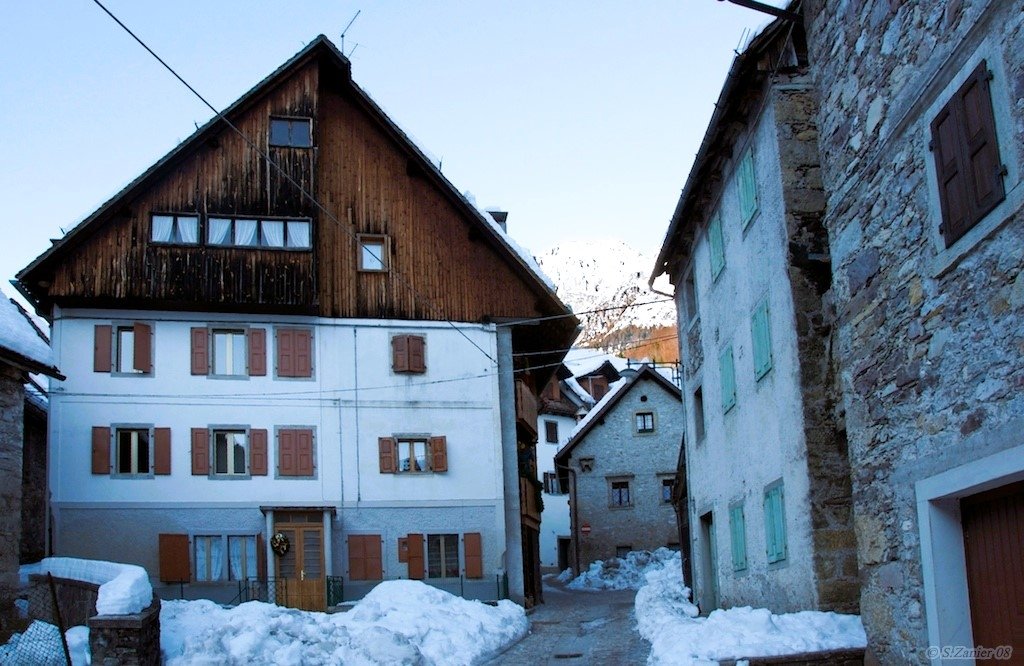
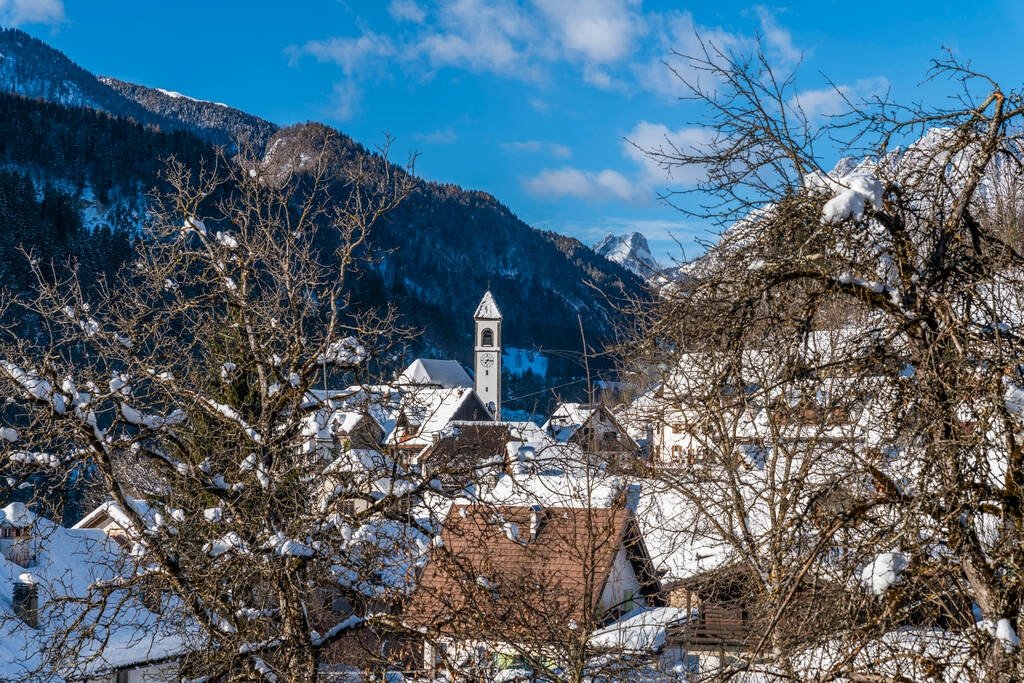
Tucked into Val Pesarina in the Carnic Alps, Pesariis feels like the Italy you thought only existed in your grandmother’s stories. This frazione (hamlet) of Prato Carnico has fewer than 200 permanent residents, but what it lacks in population, it makes up for in personality—specifically, an obsession with measuring time that borders on the artistic.
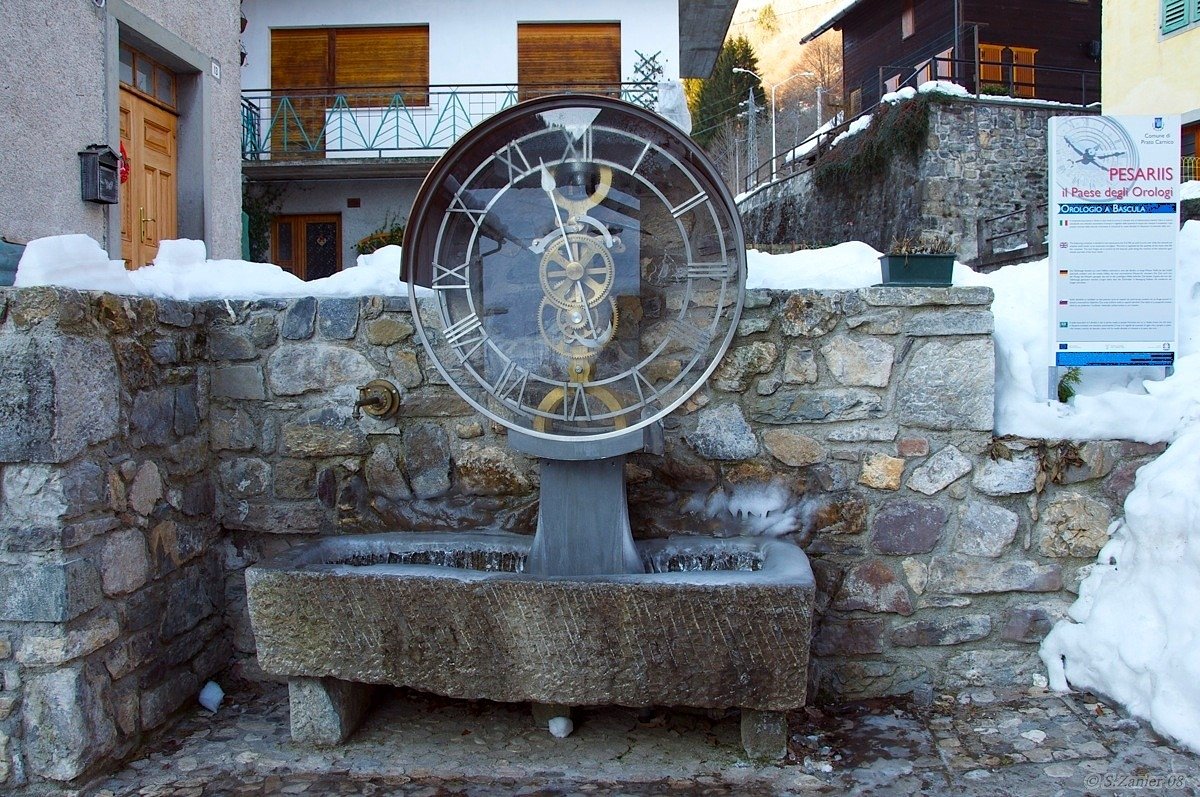
Walking through Pesariis is like stepping into an open-air museum where every building tells time differently. We’re talking massive sundials painted on house facades, water clocks gurgling in the town square, and mechanical timepieces that would make any steampunk enthusiast weak in the knees.
The Clock Village: More Than Just Telling Time
Pesariis earned its nickname “Il Paese degli Orologi” (The Village of Clocks) honestly. Since the 1700s, families here have been crafting timepieces, and that heritage is everywhere you look.
The village boasts over a dozen monumental sundials, each one a work of art designed by contemporary sundial master Giovanni Batista Barzan. These aren’t your standard garden-variety sundials—they’re architectural marvels that transform entire building facades into functioning timepieces. The analemmatic sundial in the main square even uses visitors as the gnomon (the shadow-casting part), turning you into a human clock hand.
Don’t miss the Museum of the Clockmaking Art (Museo dell’Orologeria Pesarina), housed in the former elementary school. It showcases the village’s clockmaking heritage with antique tools, historical timepieces, and exhibits explaining how Pesariis clockmakers once traveled across Europe selling their craft. Entry is typically around €3-5, and it’s absolutely worth your time (pun intended).
Getting There: The Journey is Part of the Adventure
Let’s be honest—Pesariis isn’t easy to reach, and that’s exactly why it’s special. The village sits in the province of Udine in the Friuli-Venezia Giulia region, about 120km north of Udine city.
By Car: This is your best bet. From Udine, take the SS13 north toward Tolmezzo, then follow signs for Val Pesarina/Prato Carnico. The drive takes roughly 1.5-2 hours through increasingly dramatic mountain scenery. GPS coordinates: 46.5447°N, 12.8781°E.
By Public Transport: It’s doable but requires patience. Take a train to Carnia station (on the Udine-Carnia line), then catch a local bus toward Prato Carnico. Services are limited, especially on weekends, so check SAF Autoservizi schedules in advance.
Nearest Airport: Trieste Airport (100km) or Venice Marco Polo (180km). Renting a car from either airport gives you the freedom to explore the wider Carnia region.
Where to Stay: Authentic Alpine Hospitality
Accommodation options in Pesariis itself are limited but charming. You’ll mostly find alberghi diffusi (distributed hotels where rooms are scattered across historic village buildings) and family-run guesthouses.
Nearby Options:
- Prato Carnico (2km away): Several small hotels and B&Bs with rates around €50-80/night
- Tolmezzo (20km): More variety including budget options and modern hotels
- Agriturismi: Working farms offering rooms and home-cooked meals dot the valley—these provide the most authentic experience, with rates from €40-70/night including breakfast
Pro tip: Book well ahead if visiting in July-August or during local festivals. Many places close November-April outside of ski season.
What to Eat: Carnic Cuisine That Sticks to Your Ribs
Mountain food here isn’t about delicate plating—it’s about warming your soul after a day hiking. Val Pesarina cuisine blends Italian, Austrian, and Slovenian influences into something uniquely Friulian.
Must-try dishes:
- Frico: Crispy melted Montasio cheese pancakes, sometimes with potatoes. Life-changing.
- Cjarsòns: Sweet-and-savory filled pasta with raisins, chocolate, cinnamon, and ricotta (trust the process)
- Pitina: Smoked meatballs made from wild game, a protected IGP product
- Polenta: Served with everything from mushroom ragù to local sausages
- Gubana: Spiral pastry filled with nuts, raisins, and grappa-soaked fruit for dessert
Wash it down with local Friulian wines (the region produces excellent whites) or a grappa from a local distillery.
Small trattorias in Prato Carnico and nearby villages serve these specialties. Expect to pay €25-40 for a full meal with wine. Many agriturismi offer set menus featuring their own produce.
Things to Do: Beyond the Clocks
Hiking and Nature
The Carnic Alps surrounding Pesariis offer trails for every ability level:
- Sentiero delle Sorgenti: An easy family-friendly path following mountain springs
- Monte Coglians (2,780m): The highest peak in Friuli—a challenging full-day hike for experienced trekkers
- Cascata Radime: A beautiful waterfall about 30 minutes’ walk from the village
- Via delle Malghe: A multi-day hiking route connecting mountain pastures (June-September)
Summer hiking season runs June-October. Winter brings opportunities for snowshoeing and backcountry skiing.
Cultural Experiences
- Clockmaking Workshops: Some local artisans offer demonstrations—inquire at the museum
- Festivals: The Festa degli Orologi in August celebrates timekeeping with music, food, and special sundial illuminations
- Church of San Michele: Simple mountain church with beautiful frescoes worth a quick visit
Day Trips from Pesariis
- Tolmezzo (20km): Carnia’s main town with the excellent Carnic Museum of Popular Arts and Traditions
- Sauris (35km): Another gorgeous mountain village famous for smoked ham and a unique German dialect
- Piancavallo (60km): Ski resort offering summer hiking and winter sports
- Tarvisio (70km): Triple-border area touching Italy, Austria, and Slovenia
Practical Travel Tips
Best Time to Visit: June-September for hiking; July-August for festivals (but more crowds); late May or early October for fewer visitors and beautiful light. Many facilities close November-April.
Language: Italian is standard, but older residents speak Friulian. English isn’t widely spoken, so a translation app helps. Learning basic Italian greetings goes a long way.
Money: Bring cash. There’s no ATM in Pesariis itself, and many small businesses don’t accept cards. The nearest banks are in Tolmezzo.
What to Pack: Comfortable hiking shoes (even for village wandering—it’s hilly), layers (mountain weather changes quickly), sun protection, and a reusable water bottle (mountain spring water is safe and delicious).
Accessibility: The village has steep cobblestone streets that may challenge wheelchair users or people with mobility issues. Some sundials and the museum have step-free access—call ahead to confirm.
Why Pesariis Matters (And Why You Should Visit)
In an Italy increasingly dominated by cruise ship crowds and Instagram hotspots, Pesariis represents something increasingly rare: authenticity that isn’t performed for tourists. People actually live here, making cheese, tending gardens, and yes, still crafting clocks.
This is slow travel at its finest. There’s no rush, no must-see checklist, no lines to skip. You wander, you discover a sundial you missed yesterday, you chat with someone’s nonna on her doorstep, you eat pasta that’s been made the same way for generations.
The village also represents the resilience of Italy’s mountain communities. While many Alpine villages empty out as young people leave for cities, Pesariis has found ways to honor its heritage while welcoming thoughtful visitors. Your tourism euros directly support this preservation.
Planning Your Visit: Sample Itinerary
Half-Day Visit:
- Morning: Museum of Clockmaking Art + village sundial hunt
- Lunch: Trattoria in Prato Carnico
- Afternoon: Short walk to Cascata Radime
Full Day:
- Add a longer hike and dinner at an agriturismo
Weekend:
- Day 1: Pesariis exploration + local hiking
- Day 2: Day trip to Sauris or Lake Cavazzo (40km south)
Week-Long Carnia Immersion:
- Use Pesariis or Tolmezzo as a base for exploring the entire Carnic Alps region, including Austria just across the border
The Bottom Line
Pesariis won’t give you Renaissance art or Mediterranean beaches. What it offers is something equally valuable: a glimpse of mountain Italy where traditions still matter, where people measure success in craftsmanship rather than speed, and where the rhythms of life still sync with seasons and sundials.
It’s not for everyone. If you need luxury hotels, nightlife, or constant entertainment, look elsewhere. But if you want to understand the Italy that exists beyond the postcards—the one where old skills survive, where food connects you to the land, and where travelers are still guests rather than consumers—Pesariis is absolutely worth the winding mountain drive.
Just don’t forget to check what time it is on at least five different sundials while you’re there.
Getting More Information:
- PromoTurismoFVG (Friuli-Venezia Giulia tourism board): www.turismofvg.it
- Carnia tourism: www.carnia.it
- Museum inquiries: Contact Prato Carnico municipal office
Have you visited Pesariis or other hidden mountain villages in Italy? The magic of these places multiplies when thoughtful travelers help preserve them while respecting local life. Travel slowly, spend locally, and leave only footprints (except maybe on that analemmatic sundial—that’s what it’s for).