

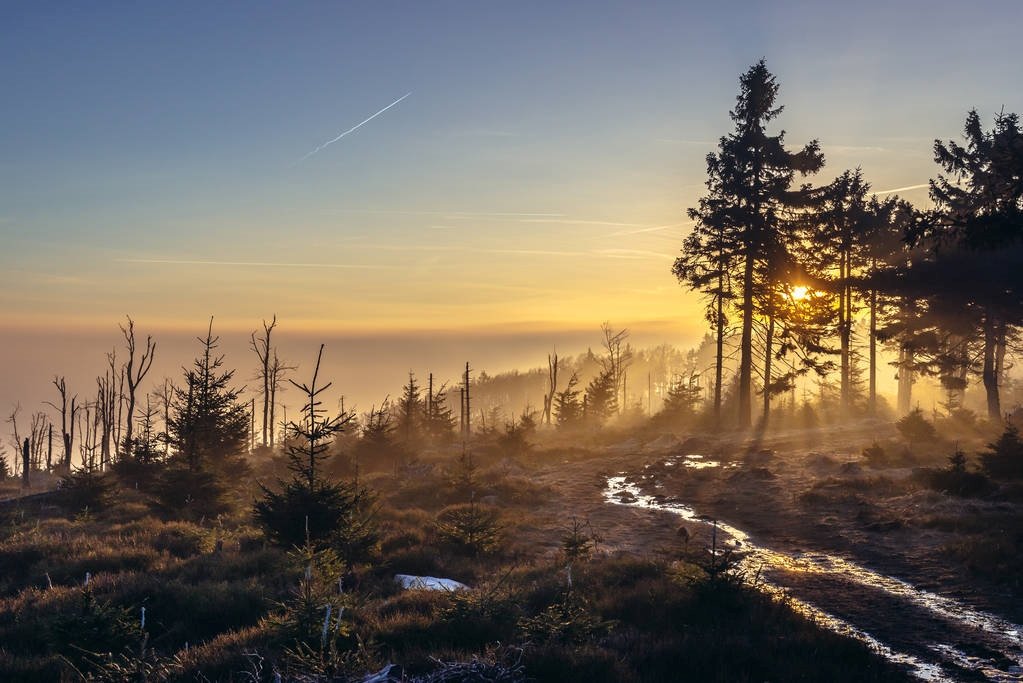
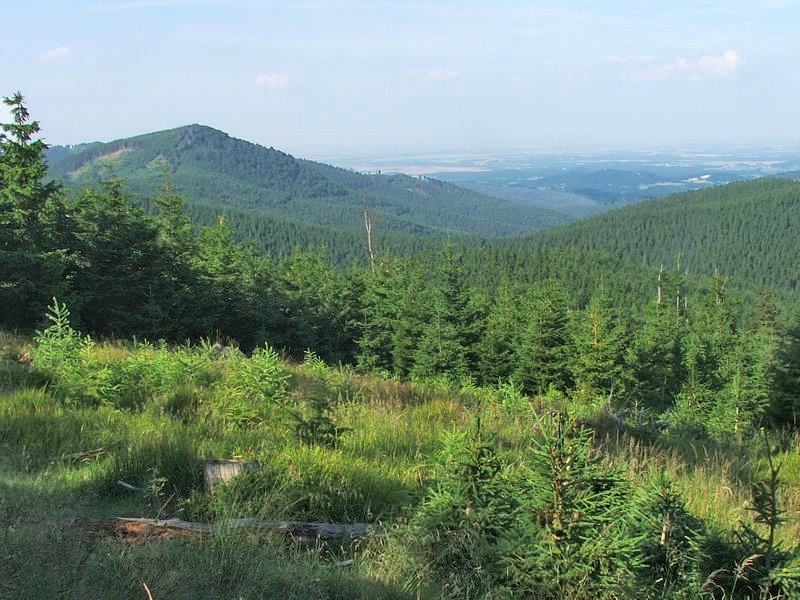
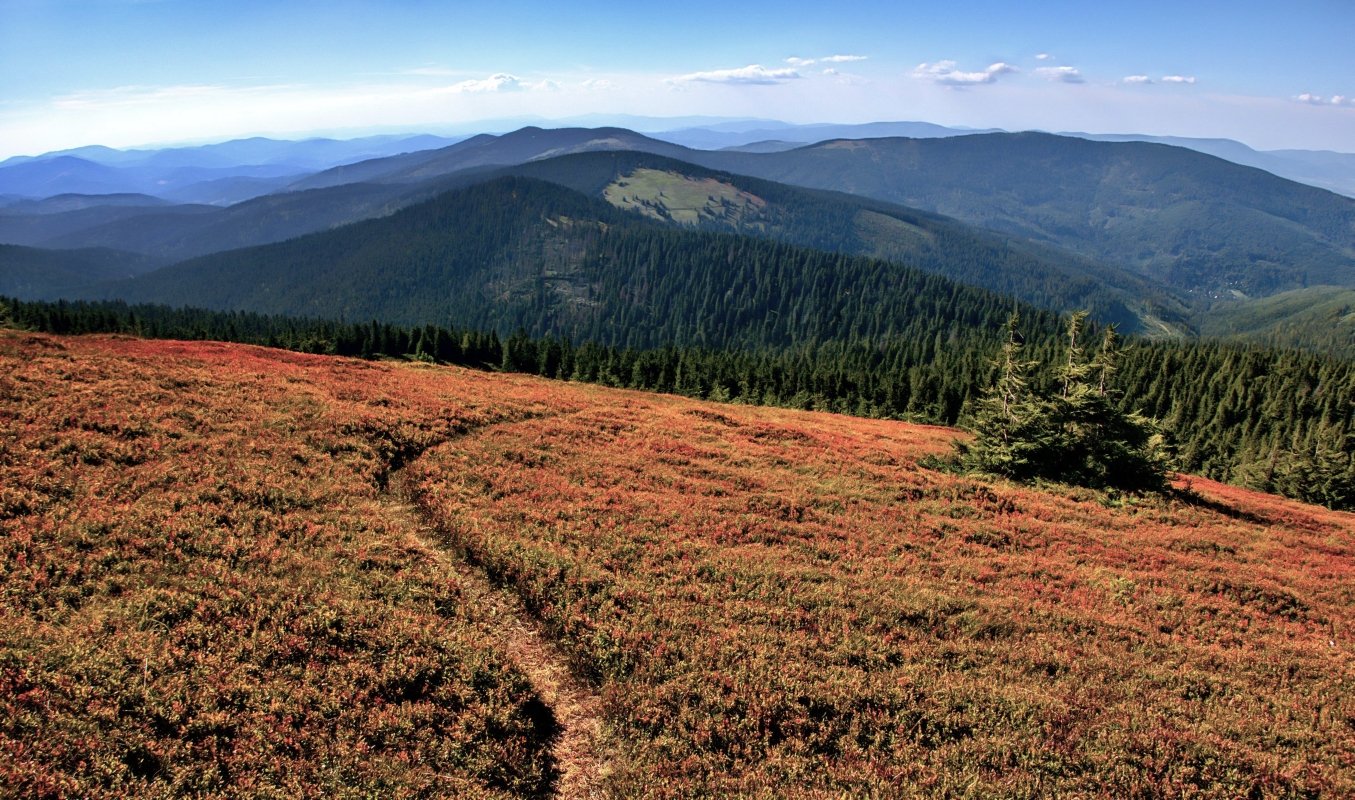
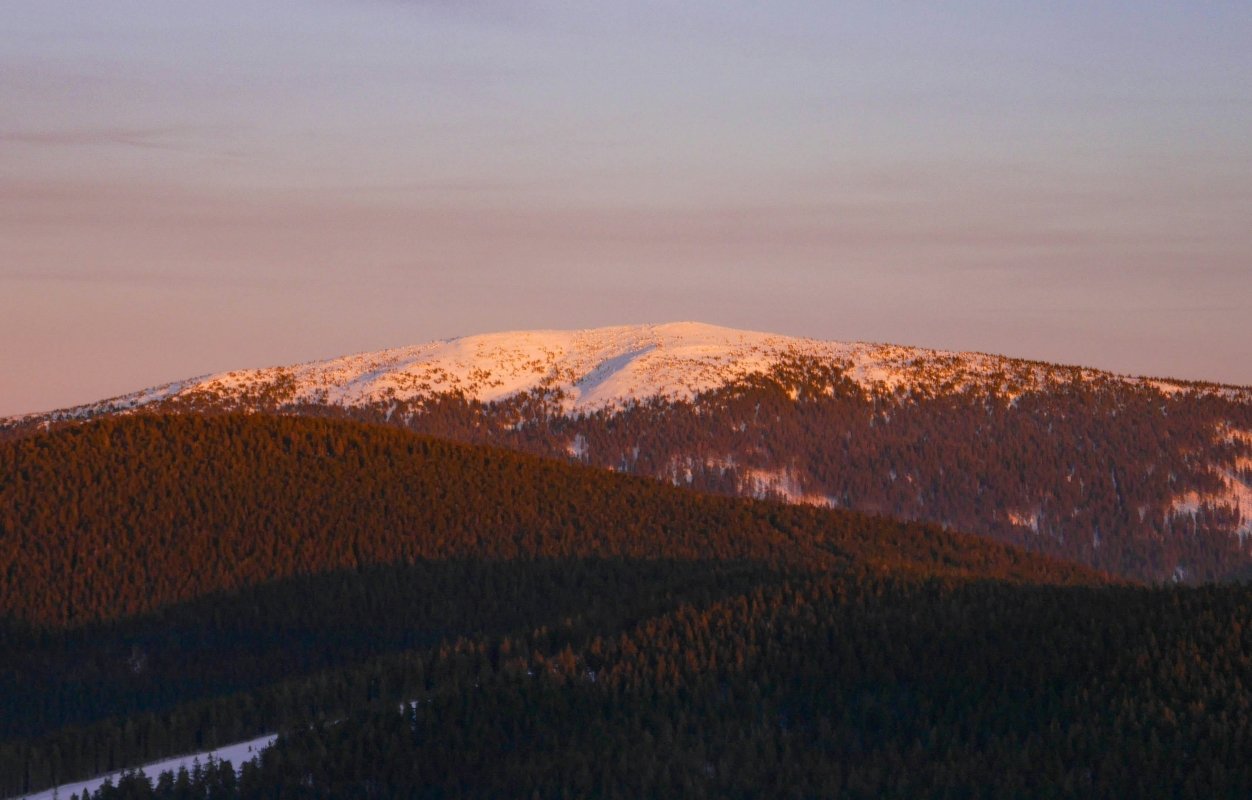
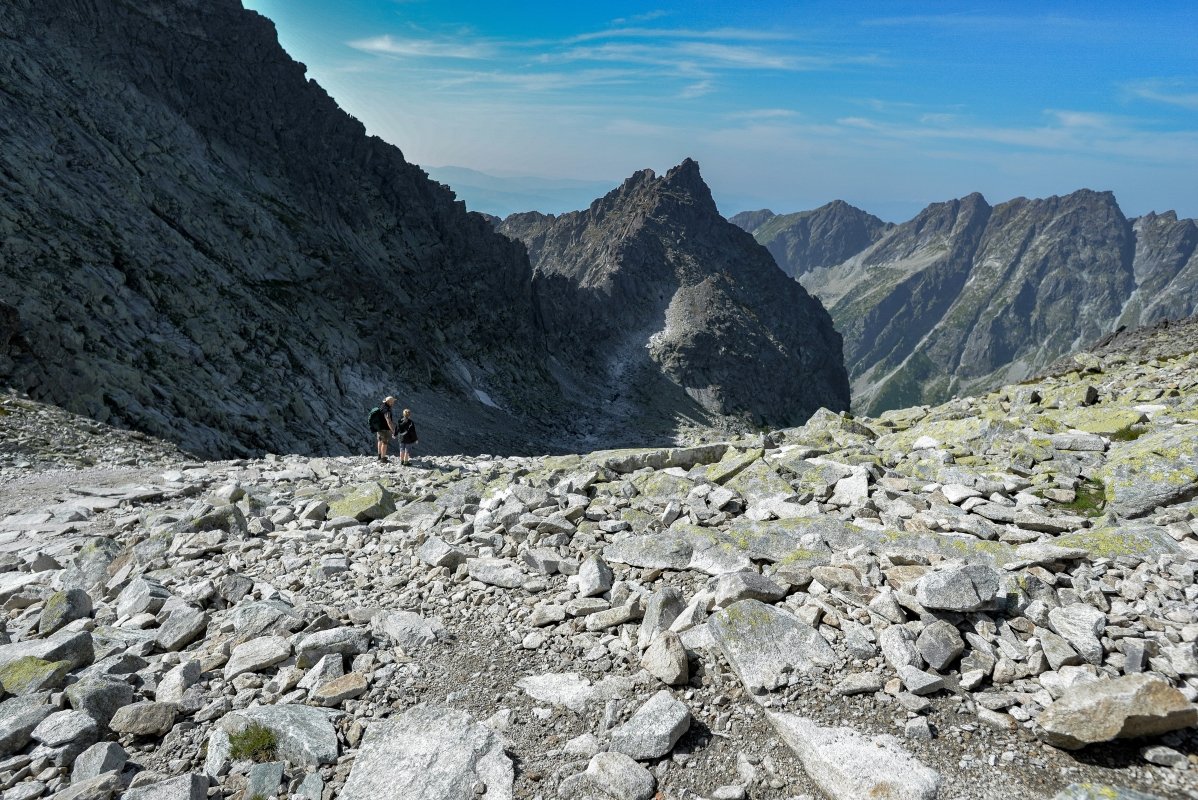
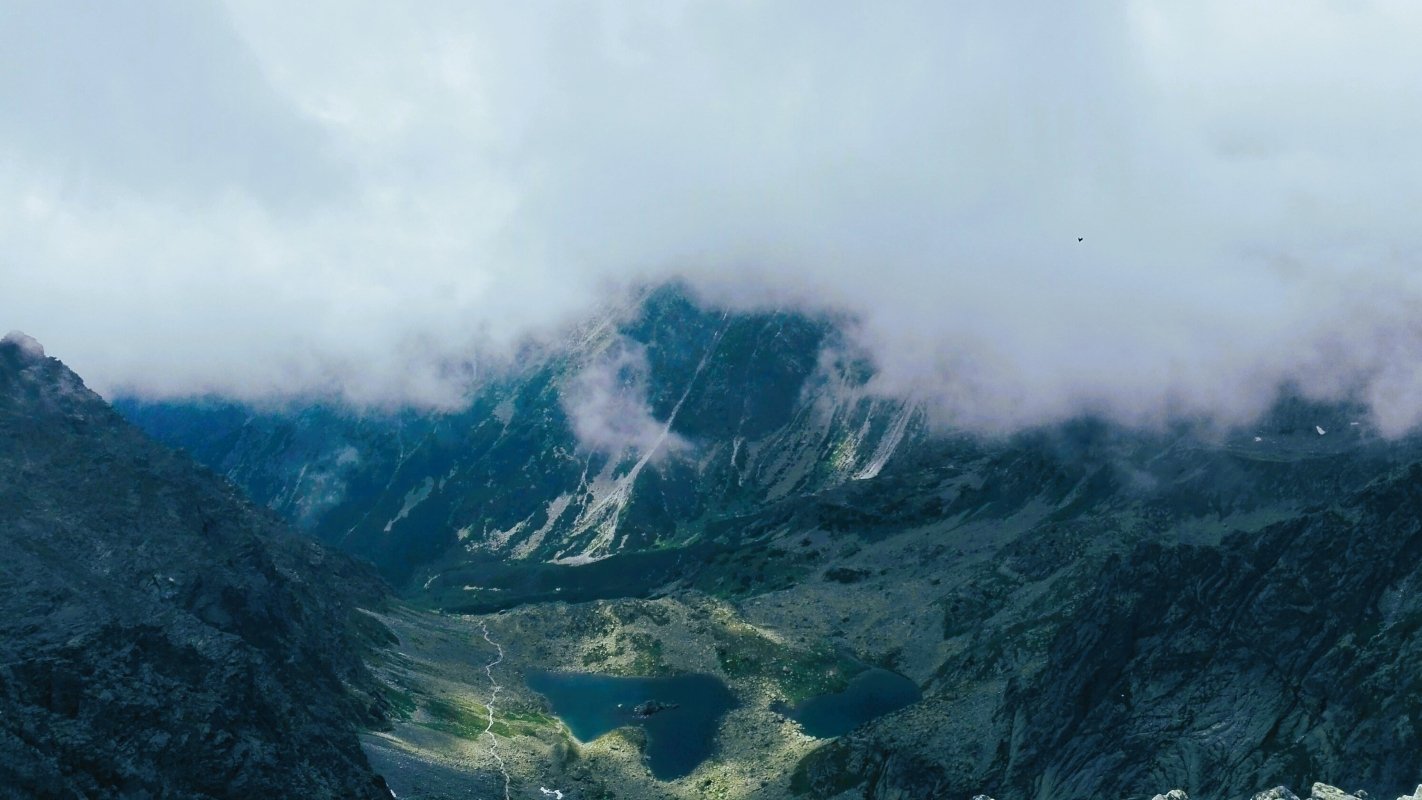
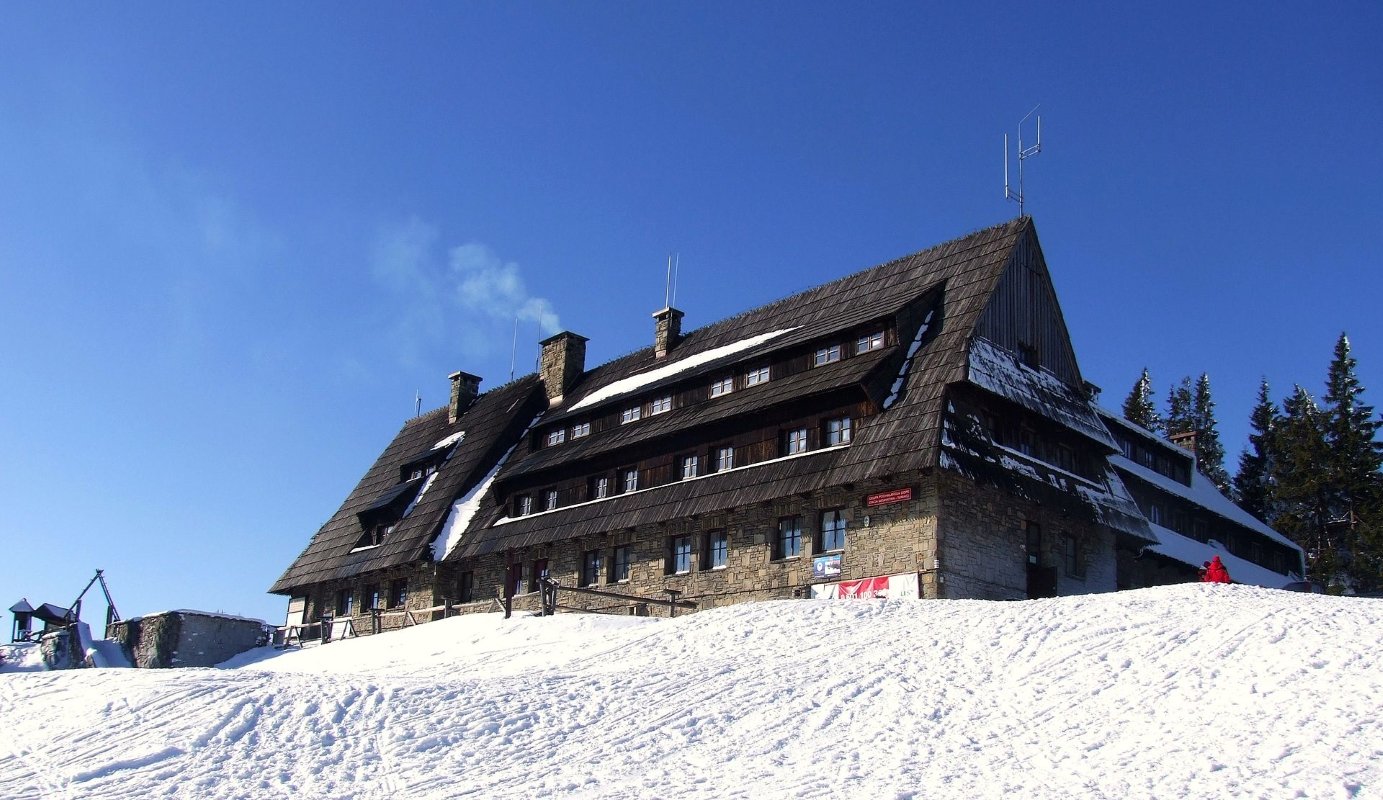
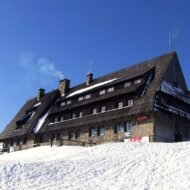
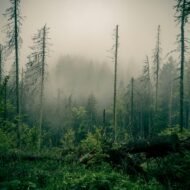
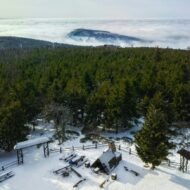
Poland might not be the first country that pops into your head when you think “hiking paradise,” but trust me – you’re missing out big time. This Central European gem packs some seriously stunning trails that’ll have you questioning why you’ve been paying premium prices for overcrowded Alpine routes. From the dramatic peaks of the Tatras to the mystical forests of the Białowieża, Poland serves up hiking experiences that are both wallet-friendly and soul-stirring.
- 1. Rysy Peak, Tatra Mountains – The Ultimate Polish Summit Challenge
- 2. Dunajec River Gorge, Pieniny Mountains – Family-Friendly Adventure
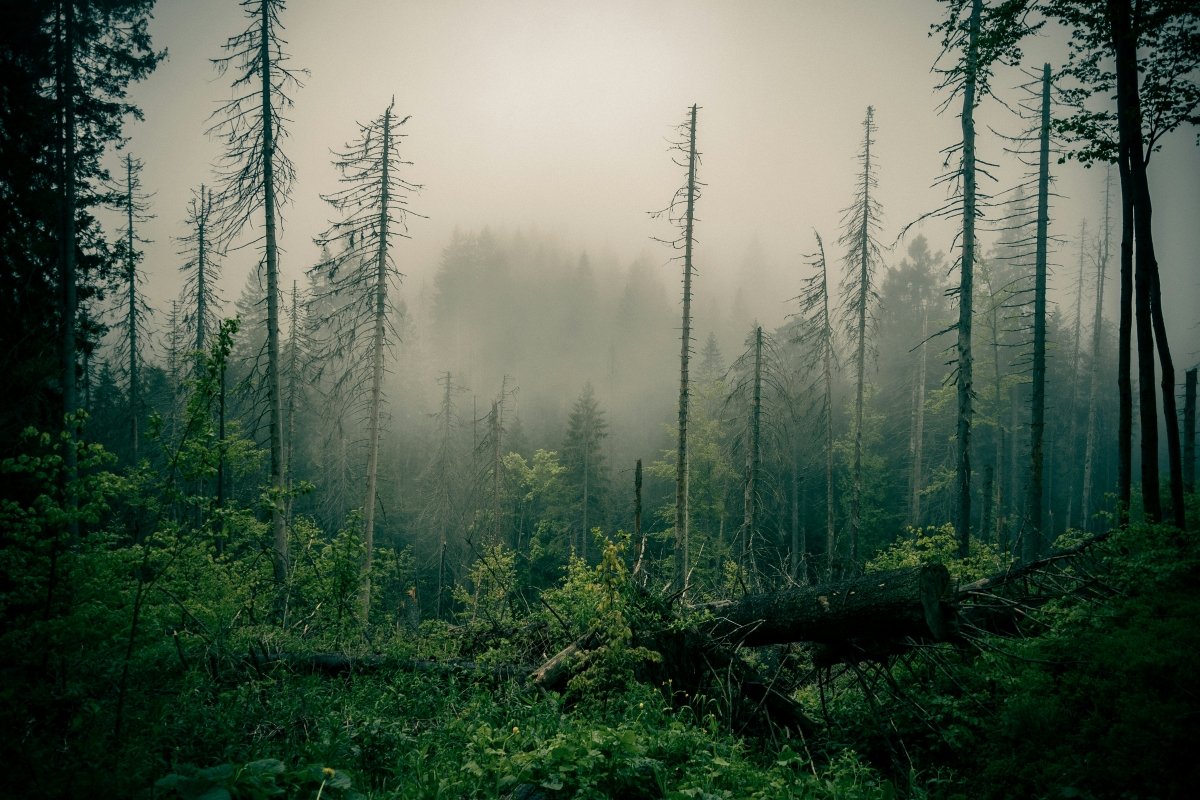
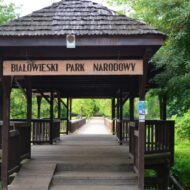
- 3. Białowieża Forest – Walking Through Europe’s Last Primeval Forest
- 4. Babia Góra – The “Queen of the Beskids”
- 5. Wielka Sowa, Sudeten Mountains – Hidden Gem of Lower Silesia
- 6. Czarna Góra, Sudeten Mountains – Family Adventure with a Twist
- 7. Śnieżka Peak, Krkonoše Mountains – Cross-Border Adventure
- 8. Turbacz, Gorce Mountains – The Perfect Training Peak
- 9. Pilsko, Beskid Żywiecki – Panoramic Views for Everyone
- 10. Kowadło, Beskid Sądecki – The Hidden Training Ground
- Planning Your Polish Hiking Adventure
- Essential Hiking Tips for Poland
- Getting Around Poland for Hikers
- What to Pack for Polish Hiking
- Cultural Experiences Along the Trails
- Budget-Friendly Hiking in Poland
- Best Photography Spots
- Sustainable Hiking Practices
- Hidden Gems and Local Secrets
- Conclusion
Whether you’re a weekend warrior looking for your next adrenaline fix or a family seeking gentle adventures that won’t leave the kids whining, Poland’s got something special waiting for you. Let’s dive into ten incredible hikes that showcase the best of what this underrated hiking destination has to offer.
1. Rysy Peak, Tatra Mountains – The Ultimate Polish Summit Challenge
Difficulty: Extreme
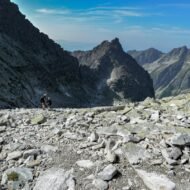
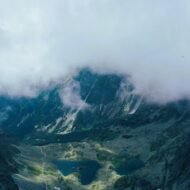
Standing at 2,499 meters, Rysy is Poland’s highest accessible peak and the crown jewel of the Tatra Mountains. This beast of a hike isn’t for the faint-hearted – you’re looking at a solid 8-10 hour round trip that’ll test every muscle in your legs. The trail winds through alpine meadows, scrambles over rocky sections, and finally deposits you at a summit with views that’ll make your Instagram followers weep with envy.
The route starts from Morskie Oko (Sea Eye), Poland’s most photographed lake, and follows a well-marked but challenging path. You’ll encounter chains and fixed ropes on the steeper sections, making this feel more like mountaineering than casual hiking. The final push to the summit involves some proper scrambling, but the 360-degree views of the Tatra range make every grunt and groan worthwhile.
Historical Significance: The Tatras have been drawing adventurers since the 19th century, when Polish mountaineering pioneers first began exploring these peaks. The region played a crucial role in Polish national identity, inspiring countless artists and writers.
Popularity: Very high – expect crowds, especially in summer. Start early to beat the masses.
Accommodation: Zakopane offers everything from budget hostels to luxury mountain lodges. The charming highland town sits at the base of the Tatras and serves as the perfect base camp.
Campervan Spots: Camping Pod Krokwią in Zakopane welcomes campervans and offers stunning mountain views. Several other campsites dot the area.
Summer Activities: Rock climbing, paragliding, and mountain biking. The annual Highlander Culture Festival in August celebrates local traditions.
Winter Activities: World-class skiing, snowboarding, and ice climbing. The FIS Ski Jumping World Cup takes place here annually.
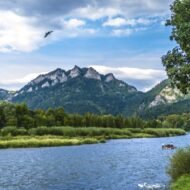
2. Dunajec River Gorge, Pieniny Mountains – Family-Friendly Adventure
Difficulty: Beginner to Intermediate
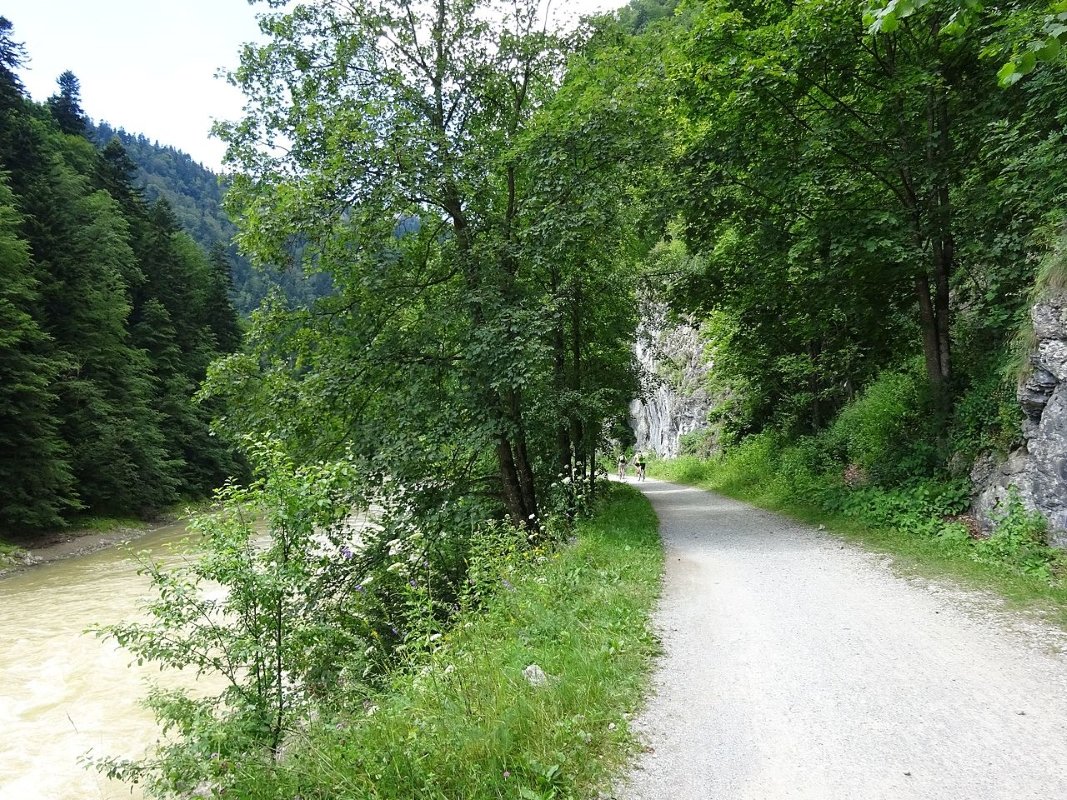
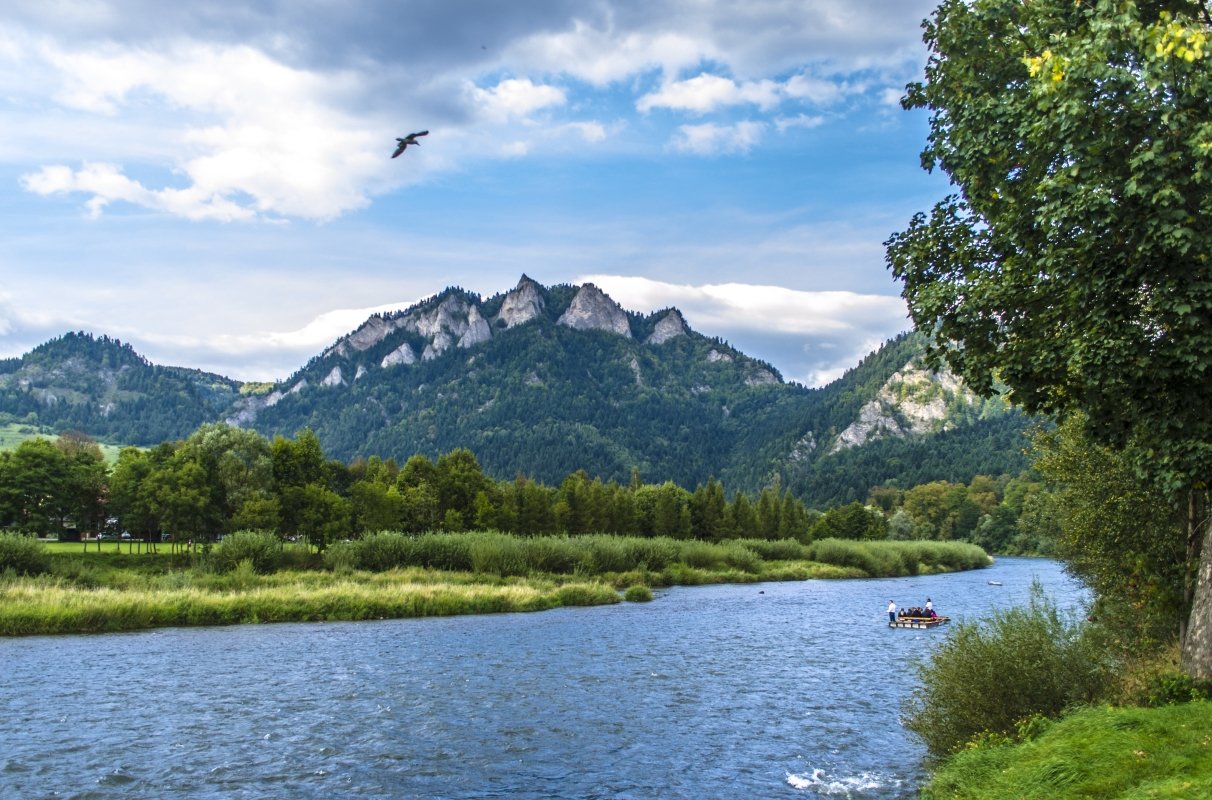
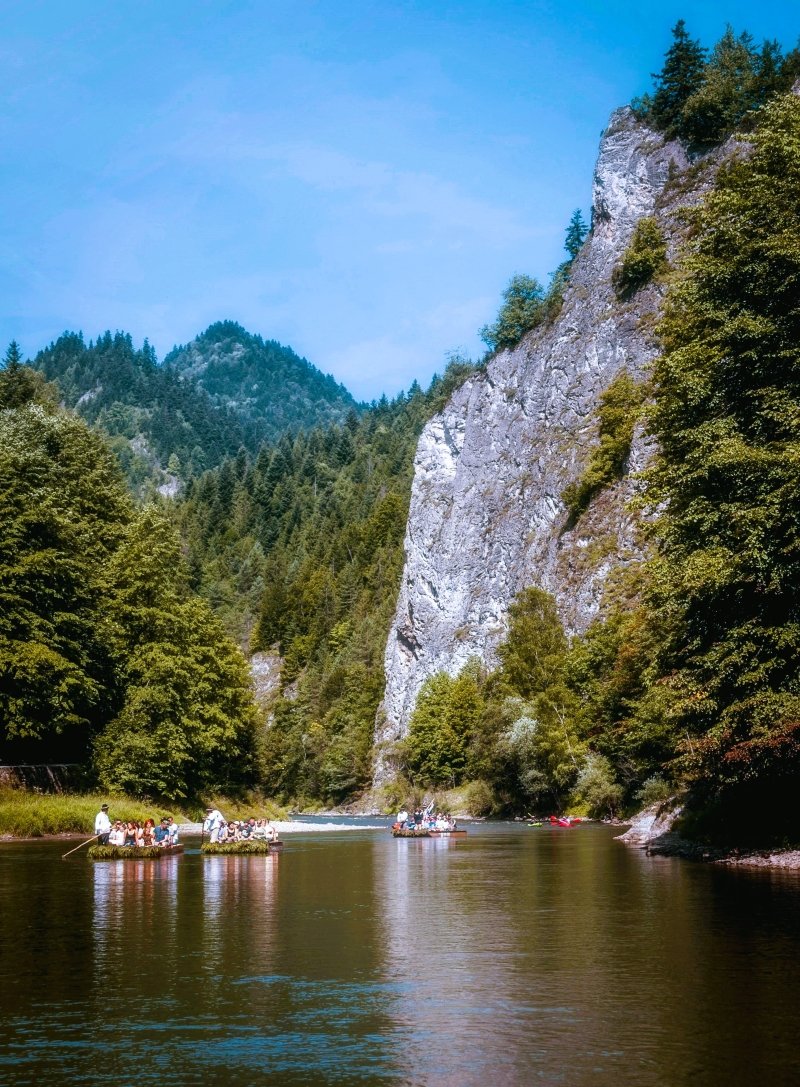
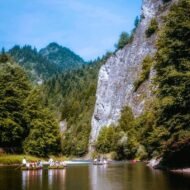
The Dunajec River Gorge offers one of Europe’s most scenic easy hikes, perfect for families with kids who appreciate jaw-dropping beauty without the lung-busting climbs. The main trail follows the river through limestone cliffs that tower 300 meters above the water, creating a natural corridor that feels almost magical.
Start your adventure with the famous Dunajec rafting experience – traditional wooden rafts navigated by skilled highlanders in folk costumes. The 18-kilometer float takes about 2-3 hours and provides a unique perspective of the gorge’s towering walls. Afterward, several hiking trails of varying difficulty branch off from the river, including the popular route to Sokolica Peak (747m) for those wanting a bit more challenge.
Historical Significance: This borderland between Poland and Slovakia has been a natural highway for centuries. The traditional rafting has been operating since the 1930s, preserving ancient techniques passed down through generations.
Popularity: High, especially during summer weekends. The rafting experience is particularly popular with tour groups.
Accommodation: Szczawnica and Krościenko offer cozy guesthouses and small hotels. Many feature traditional highland architecture and local cuisine.
Campervan Spots: Camping Biały Dunajec provides excellent facilities for campervans, with the river practically at your doorstep.
Summer Activities: Thermal pools in nearby Szczawnica, cycling paths, and outdoor concerts during the summer festival season.
Winter Activities: Cross-country skiing, winter hiking, and thermal spa treatments. The gorge takes on a mystical quality when dusted with snow.
3. Białowieża Forest – Walking Through Europe’s Last Primeval Forest
Difficulty: Beginner to Intermediate
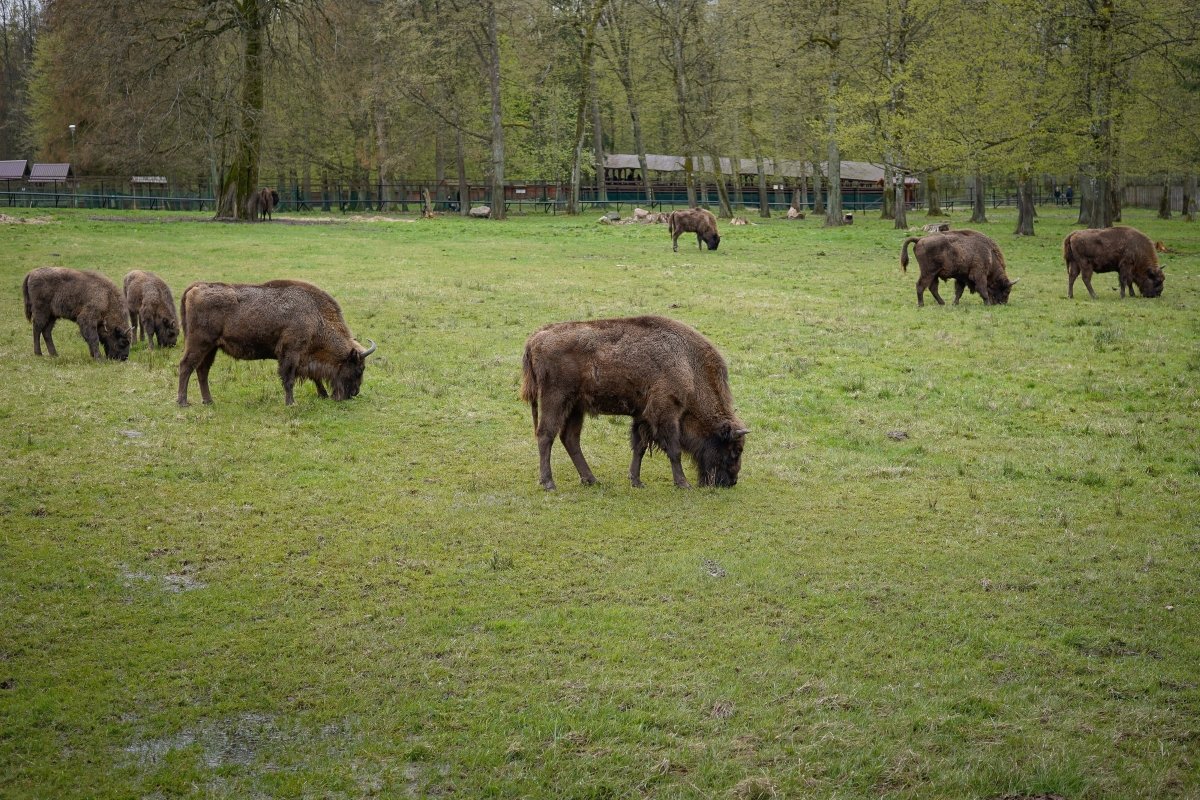
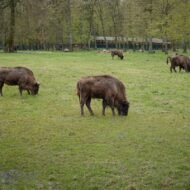
Step into a real-life fairy tale at Białowieża, Europe’s last remaining primeval forest. This UNESCO World Heritage site feels like stepping back in time – massive oak trees older than many European cities, wild boars snuffling through the underbrush, and if you’re incredibly lucky, a glimpse of the mighty European bison.
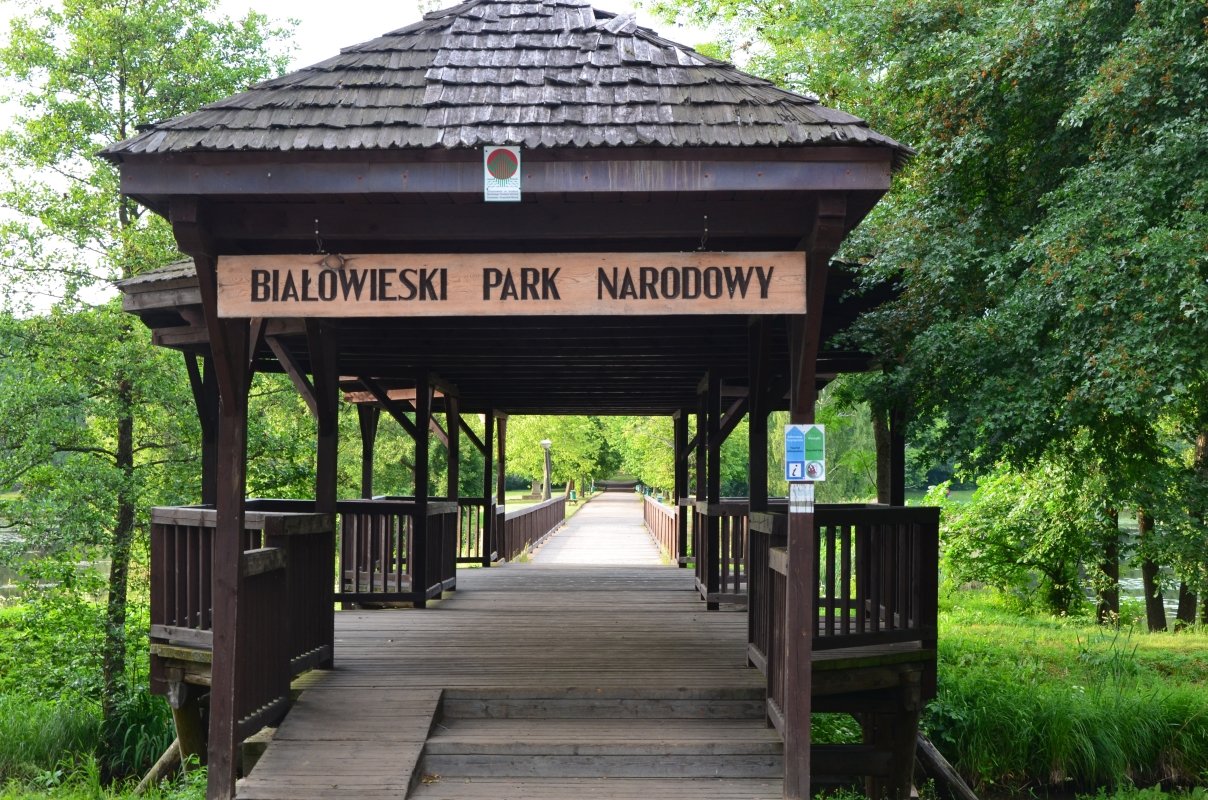
The forest offers multiple trail options, from easy 2-hour nature walks to full-day expeditions. The most popular route takes you through the strict reserve (guided tours only), where 600-year-old trees create a cathedral-like canopy. The contrast between the managed forest areas and the untouched wilderness is striking – you’ll quickly understand why conservationists fight so hard to protect this place.
Historical Significance: Once a hunting ground for Polish kings and Russian tsars, Białowieża has been protected for over 600 years. It’s home to the largest free-roaming European bison population, saved from extinction through careful conservation efforts.
Popularity: Moderate to high. The bison viewing tours are particularly popular and should be booked in advance.
Accommodation: The village of Białowieża offers charming wooden guesthouses and small hotels. Many hosts are passionate about the forest and provide insider knowledge.
Campervan Spots: Camping Żubrówka welcomes campervans and offers bike rentals for exploring the forest roads.
Summer Activities: Bison watching tours, cycling through forest paths, and evening wildlife spotting sessions.
Winter Activities: Cross-country skiing, snowshoeing, and winter wildlife tracking. The forest’s mystical quality intensifies under snow.
4. Babia Góra – The “Queen of the Beskids”
Difficulty: Intermediate to Advanced
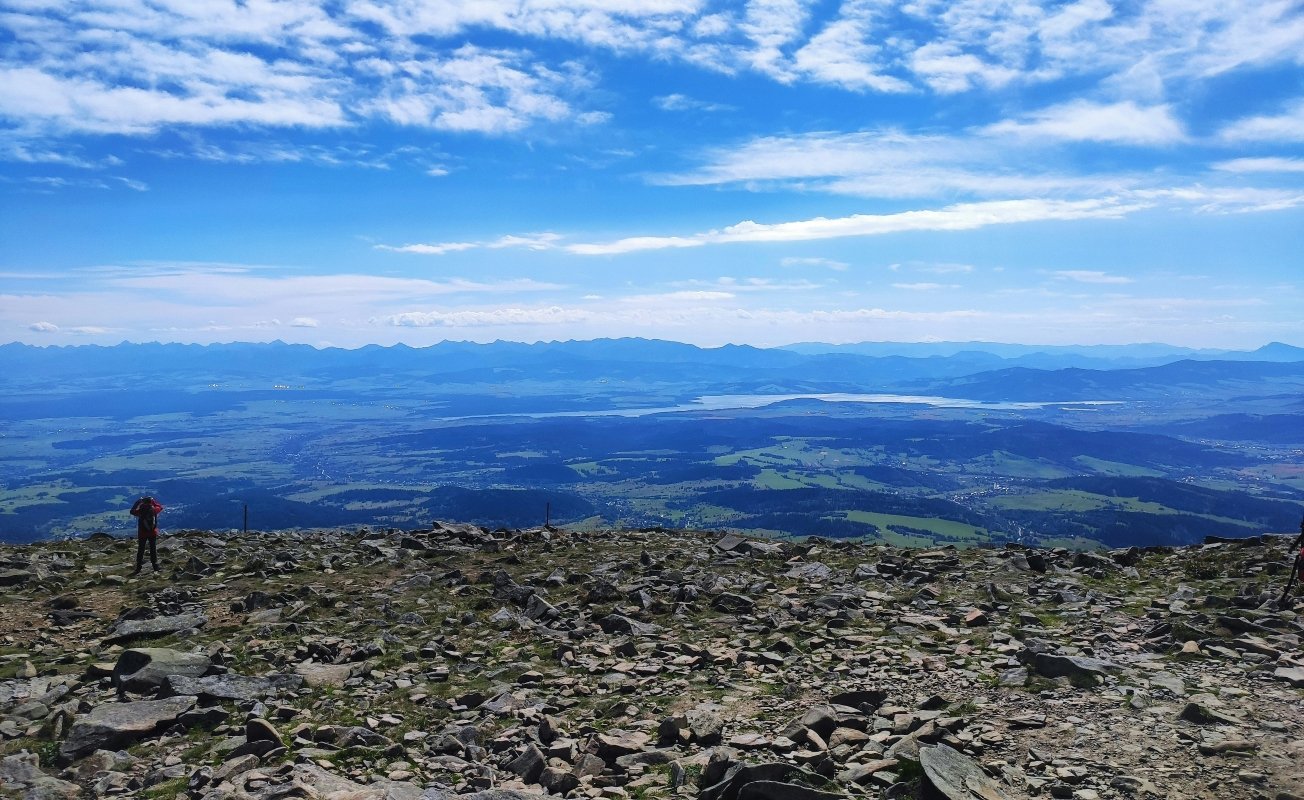
Babia Góra, nicknamed the “Queen of the Beskids,” serves up some of the most dramatic hiking in southern Poland. At 1,725 meters, it’s the highest peak in the Beskid range and offers a challenging but rewarding climb through diverse ecosystems – from dense beech forests to alpine meadows to rocky summit terrain.
The most popular route starts from Zawoja and follows the red trail markers through increasingly spectacular scenery. The final approach involves some scrambling over rocks, but the summit views stretch across three countries on clear days. The mountain’s isolated position means weather can change rapidly, adding an element of adventure to every expedition.
Historical Significance: Local legends speak of witches gathering on Babia Góra’s summit, giving it a mystical reputation that persists today. The mountain has been inspiring Polish poets and painters for centuries.
Popularity: Moderate. Less crowded than the Tatras but gaining popularity among serious hikers.
Accommodation: Zawoja village offers mountain lodges and guesthouses with traditional highland hospitality. The local cuisine features hearty mountain dishes perfect for refueling.
Campervan Spots: Camping Babia provides basic facilities for campervans, with easy access to trailheads.
Summer Activities: Paragliding, mountain biking, and folklore festivals celebrating highland culture.
Winter Activities: Backcountry skiing, snowshoeing, and winter mountaineering. The mountain’s exposed position creates challenging but rewarding winter conditions.
5. Wielka Sowa, Sudeten Mountains – Hidden Gem of Lower Silesia
Difficulty: Intermediate
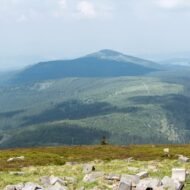
Wielka Sowa (Great Owl) might not have the name recognition of Poland’s more famous peaks, but this 1,015-meter summit in the Sudeten Mountains delivers big-time satisfaction. The granite dome creates unique rock formations and offers panoramic views across the Czech border that’ll have you planning your next visit before you’ve even descended.
The hike combines forest paths, rocky scrambles, and open meadows. The final approach involves some basic rock climbing over granite slabs – nothing too technical, but enough to get your heart pumping. The summit’s distinctive shape is visible from kilometers away, making navigation straightforward even for less experienced hikers.
Historical Significance: The Sudeten region has a complex multicultural history, with German, Czech, and Polish influences all leaving their mark. WWII bunkers and mining remnants dot the landscape, creating an intriguing historical dimension to your hike.
Popularity: Low to moderate. This relative obscurity is part of its charm – you’ll often have the trails to yourself.
Accommodation: Nearby Wałbrzych offers urban amenities, while smaller villages provide authentic rural experiences in family-run guesthouses.
Campervan Spots: Wild camping is possible in designated areas, though facilities are basic. Check local regulations before setting up.
Summer Activities: Rock climbing, mountain biking, and exploring abandoned mining sites. The region’s thermal springs provide perfect post-hike relaxation.
Winter Activities: Skiing at nearby resorts, winter hiking, and exploring the region’s Christmas markets.
6. Czarna Góra, Sudeten Mountains – Family Adventure with a Twist
Difficulty: Beginner to Intermediate
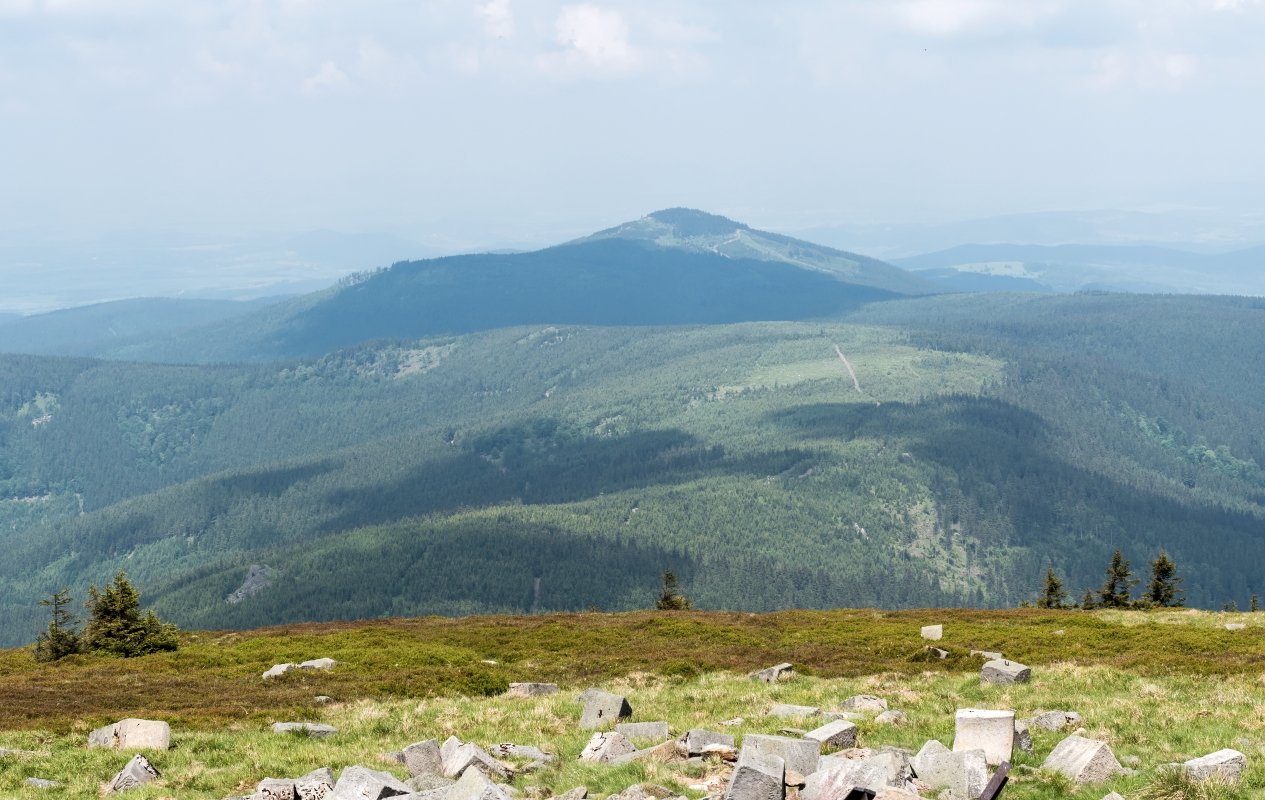
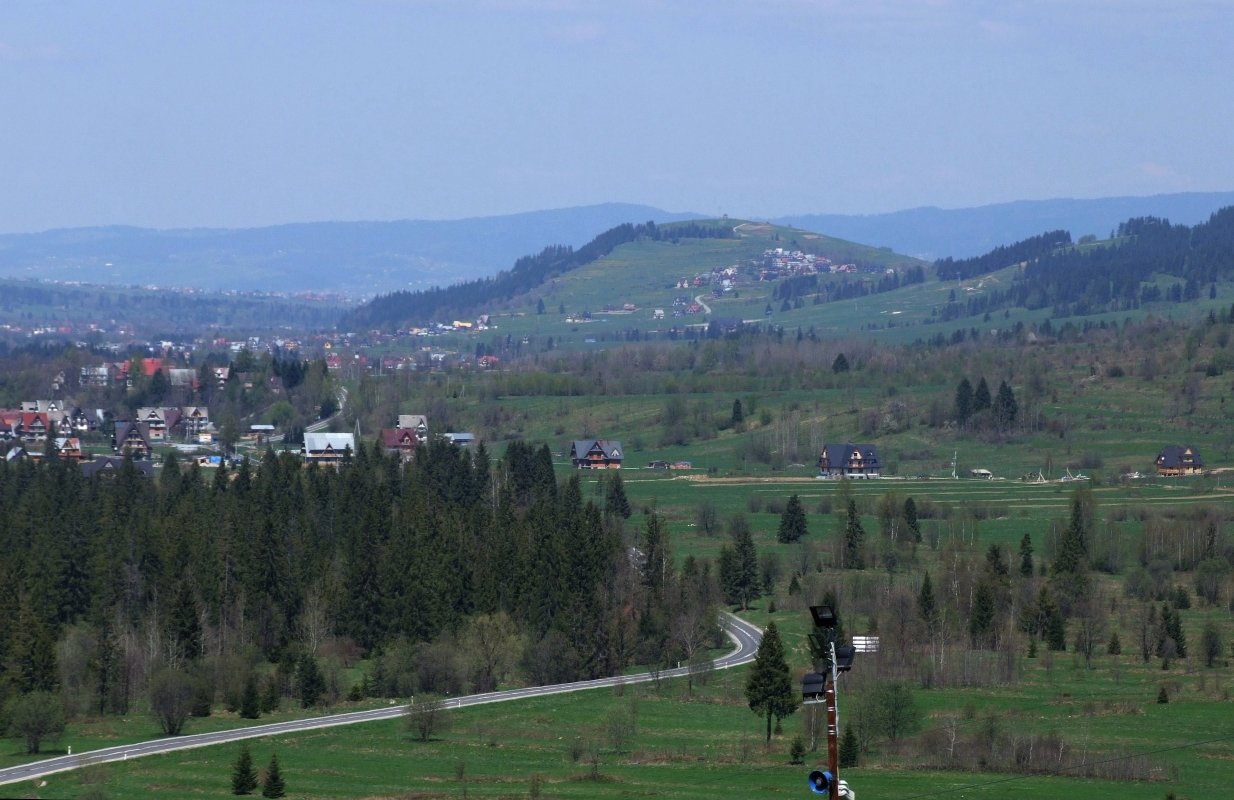
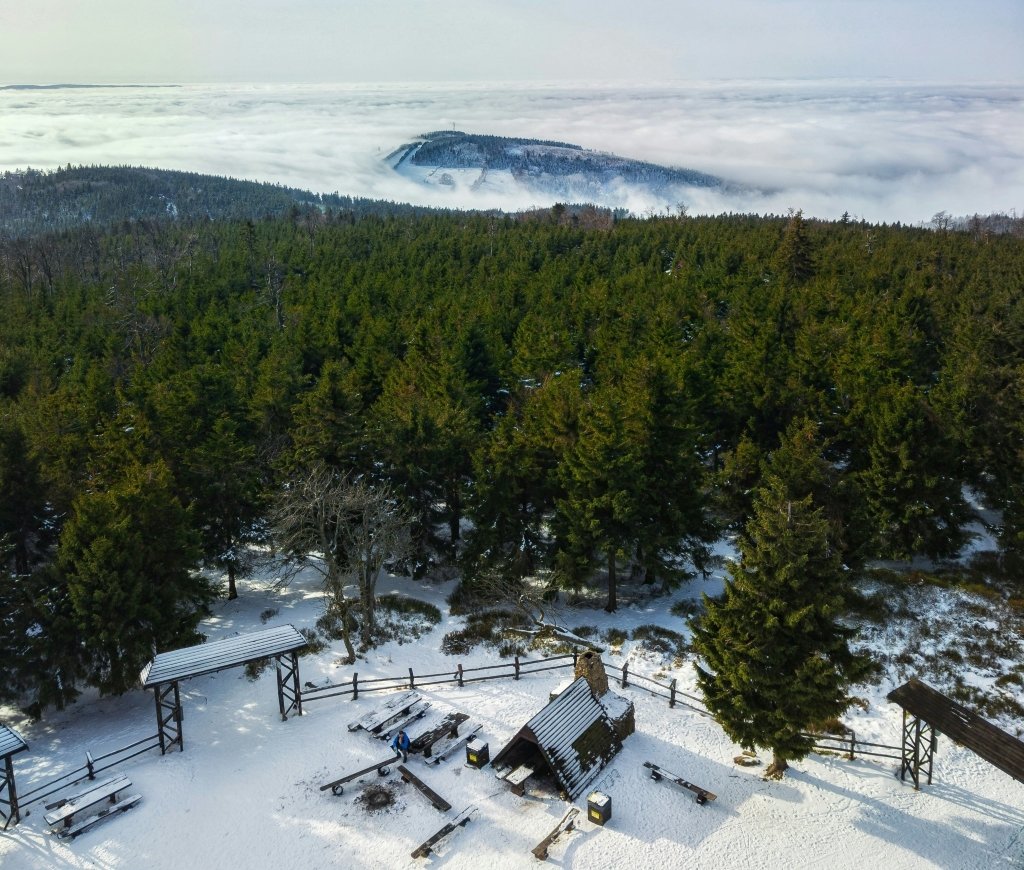
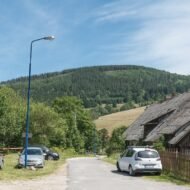
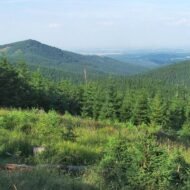
Czarna Góra (Black Mountain) offers something for everyone – easy forest trails for families, challenging single-track for mountain bikers, and a chairlift for those who prefer their mountain views without the sweat. The 1,205-meter summit provides stunning views of the Sudeten range and Czech Republic beyond.
Multiple trail options mean you can customize your adventure based on fitness levels and time constraints. The gentle nature trail works perfectly for families with young children, while the direct summit assault will challenge experienced hikers. The mountain’s year-round resort facilities make it an excellent choice for multi-day adventures.
Historical Significance: The area’s mining heritage is evident throughout, with old mining equipment and tunnels creating an industrial archaeology element to your hike.
Popularity: Moderate to high, especially during peak season when the resort operates at full capacity.
Accommodation: On-mountain hotels and lodges offer ski-in, ski-out convenience. Valley locations provide more budget-friendly options.
Campervan Spots: The resort area includes campervan facilities, though advance booking is recommended during peak seasons.
Summer Activities: Mountain biking, chairlift rides, adventure parks, and summer festivals featuring local music and food.
Winter Activities: Downhill skiing, snowboarding, cross-country skiing, and winter hiking with mountain rescue services available.
7. Śnieżka Peak, Krkonoše Mountains – Cross-Border Adventure
Difficulty: Intermediate
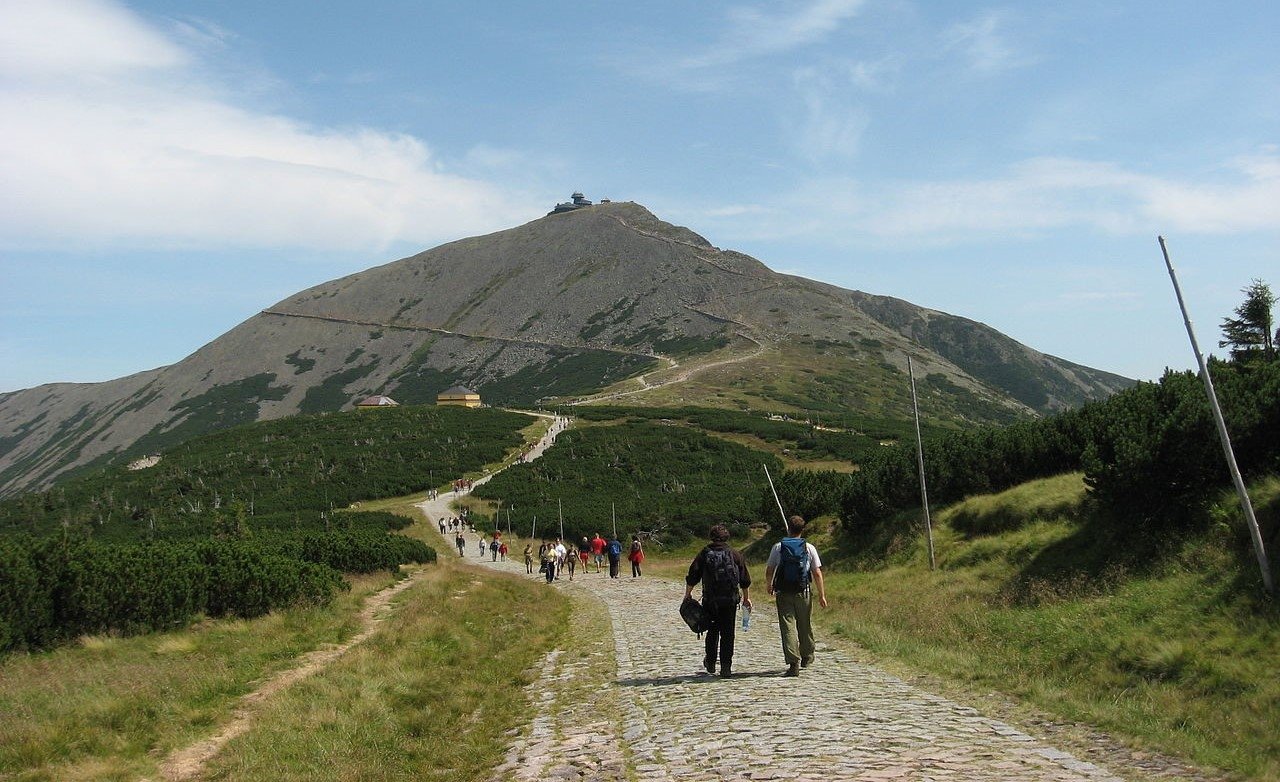
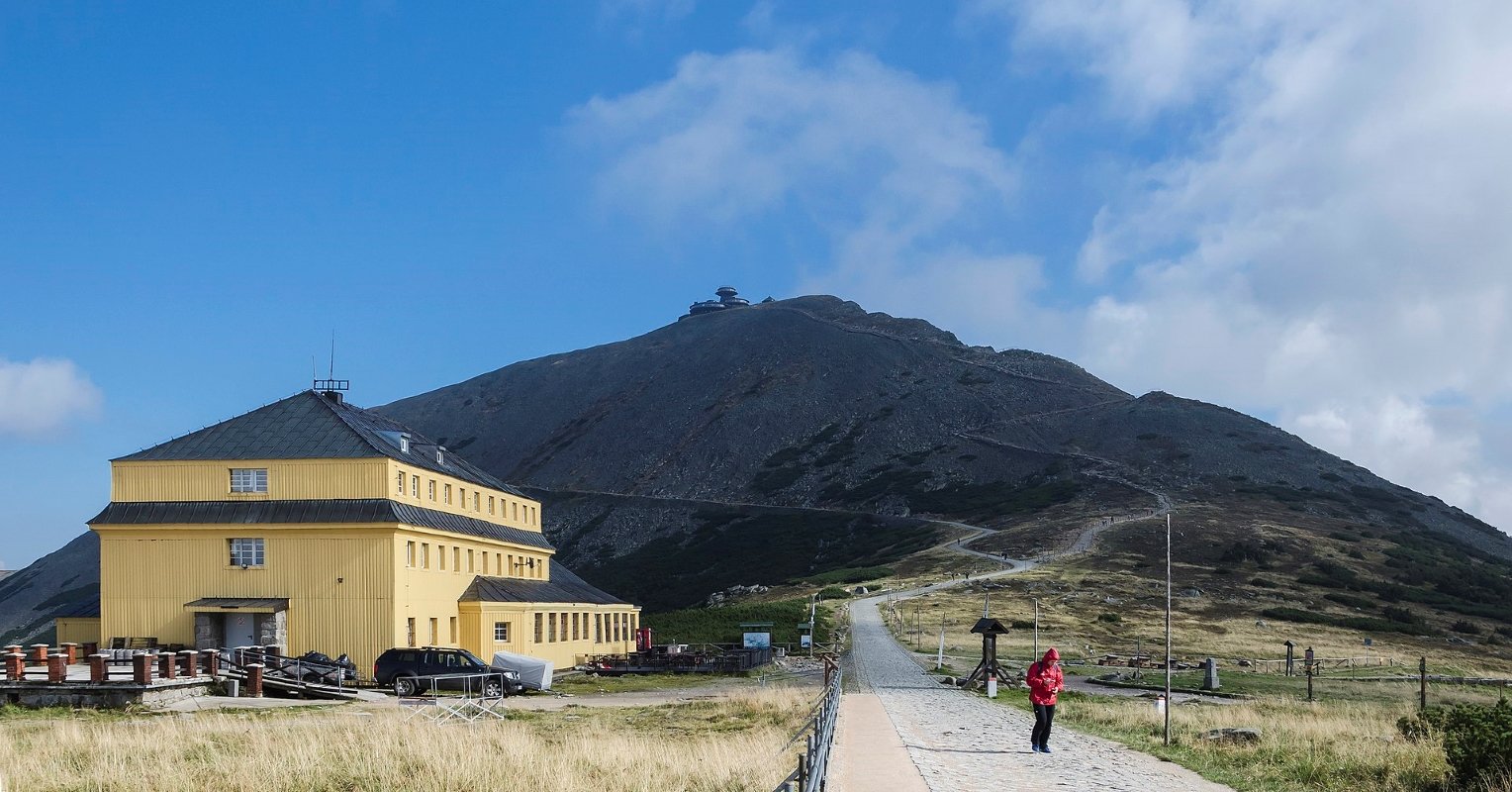
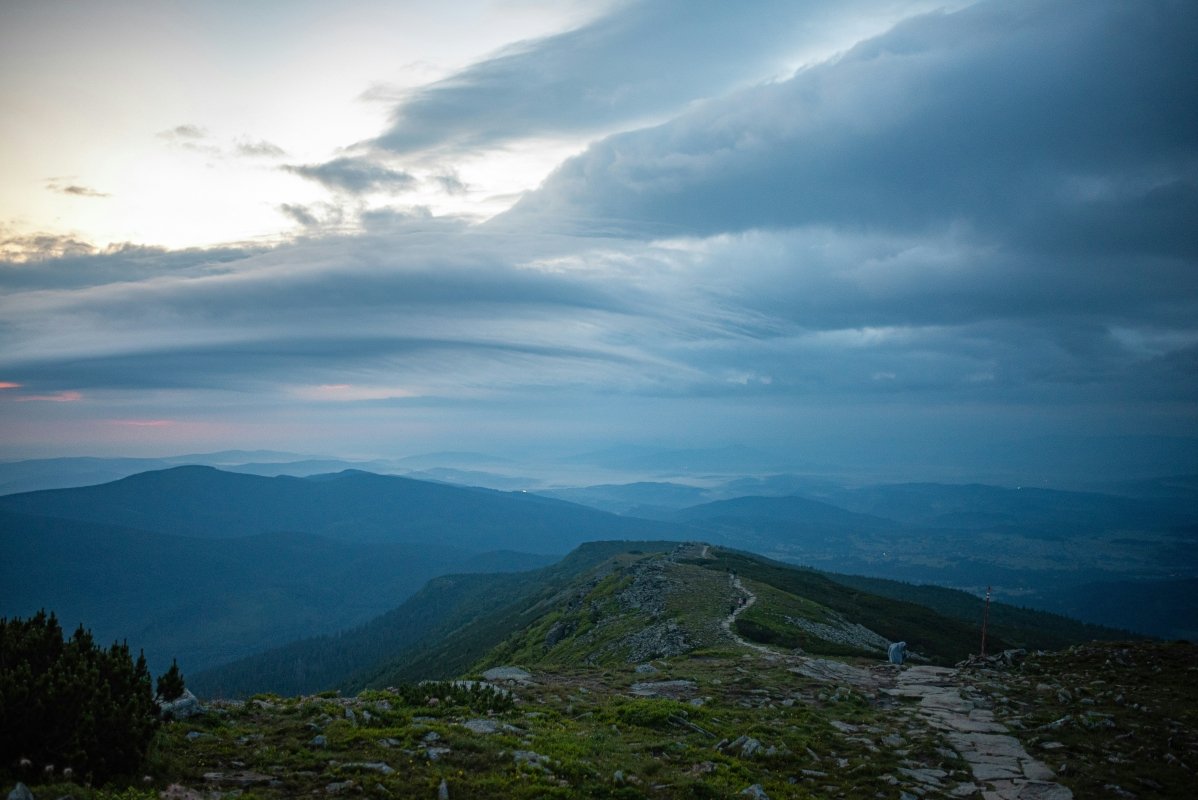
Śnieżka, the highest peak in the Krkonoše Mountains at 1,603 meters, offers a unique cross-border hiking experience. The summit sits on the Polish-Czech border, meaning you can literally walk between countries during your hike. The journey combines alpine meadows, ancient forests, and fascinating high-altitude ecosystems.
The most popular route starts from Karpacz and follows well-marked trails through the Krkonoše National Park. The final section involves some steep climbing, but the reward is a summit weather station that looks like something from a sci-fi movie and views that stretch across Central Europe.
Historical Significance: The Krkonoše region has been attracting hikers and scientists for centuries. The unique high-altitude ecosystem has been studied extensively, contributing to our understanding of mountain environments.
Popularity: High, especially from the Czech side. The Polish routes tend to be less crowded but equally spectacular.
Accommodation: Karpacz offers mountain hotels and guesthouses, many featuring traditional architecture and local cuisine.
Campervan Spots: Camping sites around Karpacz cater to campervans, with some offering mountain views and easy trail access.
Summer Activities: The region’s unique flora creates spectacular wildflower displays. Mountain biking and educational nature walks are popular.
Winter Activities: Cross-country skiing, downhill skiing, and winter hiking. The area’s reliable snow cover makes it a winter sports destination.
8. Turbacz, Gorce Mountains – The Perfect Training Peak
Difficulty: Intermediate
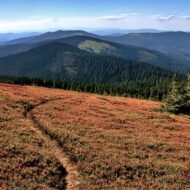
Turbacz (1,310m) serves as the perfect stepping stone between easy hiking and serious mountaineering. The highest peak in the Gorce Mountains offers a substantial workout without requiring technical climbing skills. The trail winds through dense forests before opening onto alpine meadows that provide stunning views of the Tatra Mountains.
The route from Turbacz village combines forest paths with some steep sections that’ll get your heart rate up. The final push to the summit involves crossing characteristic Gorce meadows – rolling highland pastures that feel like the Scottish Highlands transplanted to Central Europe.
Historical Significance: The Gorce region has a rich tradition of highland culture, with traditional shepherding practices still maintained on the high meadows.
Popularity: Moderate. Popular with Polish hikers but relatively unknown to international visitors.
Accommodation: Mountain huts and small guesthouses provide authentic highland hospitality. The local cuisine features traditional shepherd’s dishes.
Campervan Spots: Several camping areas accommodate campervans, though facilities are basic. The peaceful setting compensates for any lack of amenities.
Summer Activities: Traditional folk festivals, photography workshops focusing on highland landscapes, and botanical tours.
Winter Activities: Backcountry skiing, snowshoeing, and winter photography. The area’s relative isolation creates excellent winter wilderness experiences.
9. Pilsko, Beskid Żywiecki – Panoramic Views for Everyone
Difficulty: Beginner to Intermediate
Pilsko (1,557m) democratizes mountain views by offering a chairlift to within striking distance of the summit. This accessibility makes it perfect for families or anyone wanting spectacular alpine scenery without the extreme physical demands. The final summit push involves only a gentle 30-minute walk from the chairlift station.
For those seeking more challenge, multiple hiking trails wind up from the valleys below. The diverse route options mean you can customize your adventure based on fitness levels and time constraints. The summit’s 360-degree views encompass the entire Beskid range and extend into Slovakia.
Historical Significance: The area’s traditional highland culture remains strong, with local festivals celebrating centuries-old customs and crafts.
Popularity: High during peak season due to chairlift access. Hiking trails are less crowded than the summit itself.
Accommodation: Zwardoń and surrounding villages offer mountain lodges and guesthouses. Many feature traditional architecture and local cuisine.
Campervan Spots: Camping facilities near the chairlift base provide convenient access. Additional sites in nearby valleys offer more peaceful settings.
Summer Activities: Mountain biking, paragliding, and cultural festivals celebrating highland traditions.
Winter Activities: Downhill skiing, snowboarding, and winter hiking. The chairlift operates year-round, making winter access easy.
10. Kowadło, Beskid Sądecki – The Hidden Training Ground
Difficulty: Intermediate
Kowadło (1,285m) flies under the radar of most international hikers, making it perfect for those seeking authentic Polish mountain experiences without the crowds. The name means “anvil,” and the summit’s distinctive shape lives up to its moniker. The hike combines forest paths, meadow crossings, and some short rocky sections.
The route from Krynica-Zdrój passes through traditional highland villages where time seems to have stood still. Local shepherds still graze their flocks on the high meadows, and traditional wooden architecture dominates the landscape. The summit views encompass the entire Beskid Sądecki range and extend into Slovakia.
Historical Significance: The region’s spa heritage dates back centuries, with Krynica-Zdrój earning the nickname “Pearl of Polish Spas.” The combination of mountain hiking and spa treatments creates a unique wellness experience.
Popularity: Low to moderate. This relative obscurity is part of its appeal for discerning hikers.
Accommodation: Krynica-Zdrój offers spa hotels and wellness resorts. Traditional mountain lodges provide more rustic experiences.
Campervan Spots: Camping areas around Krynica-Zdrój cater to campervans, with some offering spa access and mountain views.
Summer Activities: Spa treatments, mountain biking, and traditional craft workshops. The region’s mineral springs provide unique wellness experiences.
Winter Activities: Cross-country skiing, winter hiking, and spa treatments. The combination of mountain activities and wellness makes it perfect for winter recovery.
Planning Your Polish Hiking Adventure
Poland’s hiking scene offers incredible value compared to its Alpine neighbors. Accommodation costs a fraction of what you’d pay in Switzerland or Austria, and the trails are generally less crowded while offering equally stunning scenery. Most areas provide excellent infrastructure for international visitors, with well-marked trails and mountain rescue services.
The best hiking months are May through October, with July and August being peak season. Spring and autumn offer cooler temperatures and fewer crowds, though weather can be unpredictable. Winter hiking is possible but requires proper equipment and experience.
Most trailheads are accessible by public transport, making car-free adventures possible. However, a rental car or campervan provides maximum flexibility for exploring multiple regions. Poland’s highway system makes traveling between hiking areas straightforward.
Essential Hiking Tips for Poland
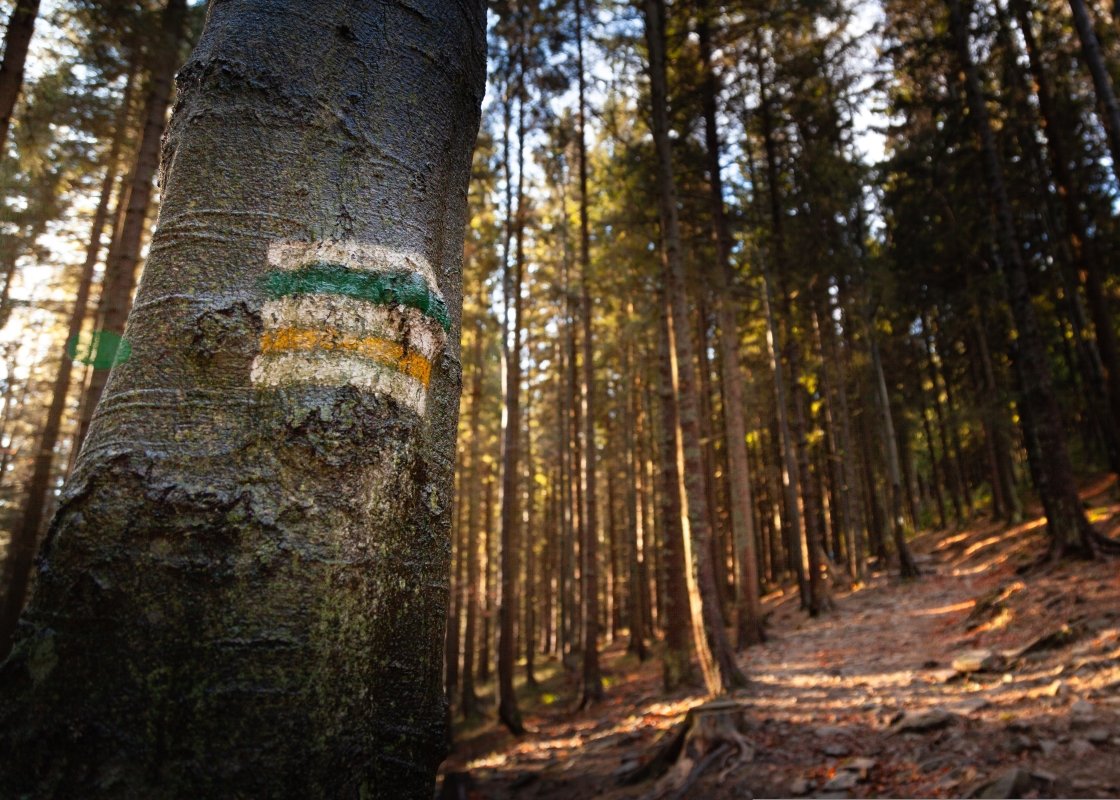
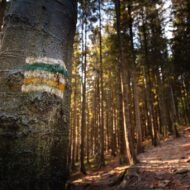
Trail Marking: Polish trails follow a color-coded system with painted blazes on trees and rocks. Red typically indicates main ridge routes, blue for connecting trails, and green for nature paths. Yellow often marks local circuits.
Weather Considerations: Mountain weather can change rapidly, especially in the Tatras. Always pack layers, waterproof gear, and check forecasts before heading out. Afternoon thunderstorms are common in summer.
Permits and Regulations: Some areas like Białowieża’s strict reserve require guided tours. Most national parks charge small entrance fees. Wild camping is generally prohibited, but designated camping areas are available.
Language: While English is increasingly common in tourist areas, learning basic Polish phrases helps with local interactions. Trail signs are typically in Polish, so having a good map or GPS device is essential.
Safety: Mountain rescue services operate in all major hiking areas. Emergency number 112 works throughout Poland. Consider travel insurance that covers mountain activities.
Getting Around Poland for Hikers
By Train: Poland’s rail network connects major cities efficiently. Regional trains reach most hiking areas, though connections to remote trailheads may require buses or taxis.
By Bus: Regional bus services fill gaps where trains don’t reach. Many hiking areas have dedicated shuttle services during peak season.
By Car: Rental cars offer maximum flexibility for accessing remote trailheads and exploring multiple regions. International driving permits are required for most visitors.
By Campervan: Growing campervan infrastructure makes mobile adventures increasingly popular. Most camping areas welcome campervans, and wild camping is permitted in designated areas.
What to Pack for Polish Hiking
Essential Gear: Sturdy hiking boots, weather-appropriate clothing, rain gear, basic first aid kit, map and compass/GPS, headlamp, and plenty of water.
Seasonal Considerations: Summer requires sun protection and insect repellent. Winter demands proper insulation, crampons for icy conditions, and emergency bivvy gear.
Food and Water: Mountain huts and villages provide meals and supplies, but carrying emergency food is wise. Water sources are generally safe, but purification tablets provide peace of mind.
Cultural Experiences Along the Trails
Polish hiking isn’t just about reaching summits – it’s about connecting with centuries of highland culture. Traditional wooden architecture dots the mountain villages, and local cuisine reflects generations of mountain living. Don’t miss trying oscypek (smoked sheep cheese), kielbasa (sausage), and zurek (sour rye soup) after long days on the trails.
Many regions host traditional festivals throughout the hiking season, featuring folk music, dancing, and local crafts. These events provide authentic cultural experiences that commercial tourist attractions can’t match.
Budget-Friendly Hiking in Poland
Poland offers exceptional value for hiking enthusiasts. Mountain hut accommodation typically costs €10-20 per night, while guesthouses range from €20-50. Meals at mountain restaurants are significantly cheaper than Alpine equivalents, with hearty traditional dishes costing €5-15.
Public transport to trailheads is affordable and efficient. Regional day passes often cover multiple transport modes. For longer stays, weekly or monthly passes provide excellent value.
Equipment rental is available in major hiking centers, making it unnecessary to transport bulky gear internationally. Quality is generally high, and prices are reasonable compared to Western European standards.
Best Photography Spots
Each hiking area offers unique photographic opportunities. The Tatras provide dramatic alpine scenery, while Białowieża offers intimate forest compositions. The Sudeten Mountains combine rocky formations with pastoral landscapes.
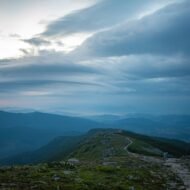
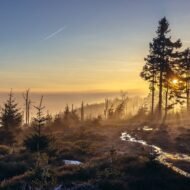
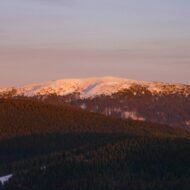
Golden hour light is particularly spectacular in the Beskid ranges, where rolling hills create layered mountain silhouettes. Wildlife photography opportunities abound, from the European bison of Białowieża to the marmots of the Tatras.
Consider bringing a wide-angle lens for landscape shots and a telephoto for wildlife. Weather can change quickly, so protecting equipment is essential.
Sustainable Hiking Practices
Poland’s hiking areas face increasing pressure from growing tourism. Following Leave No Trace principles helps preserve these landscapes for future generations. Stay on marked trails, pack out all trash, and respect wildlife viewing distances.
Support local communities by choosing locally-owned accommodation and dining establishments. Many mountain villages depend on tourism income, and your choices can make a significant impact.
Consider off-season visits to reduce crowding and environmental impact. Spring and autumn offer excellent hiking conditions with fewer visitors and often better wildlife viewing opportunities.
Hidden Gems and Local Secrets
Beyond the main hiking areas, Poland hides numerous lesser-known treasures. The Roztocze region offers gentle hills and pristine forests perfect for peaceful hiking. The Carpathian foothills provide challenging terrain without the crowds of the main ranges.
Local hiking clubs often know secret viewpoints and quiet trails that guidebooks miss. Connecting with Polish hiking communities through social media or local mountaineering clubs can unlock these hidden experiences.
Many regions offer themed hiking routes following historical events, geological formations, or cultural sites. These specialized trails provide deeper connections to local heritage and natural history.
Conclusion
Poland’s hiking scene represents one of Europe’s best-kept secrets. From the challenging peaks of the Tatras to the mystical forests of Białowieża, this diverse country offers adventures that rival any Alpine destination at a fraction of the cost. The combination of stunning natural beauty, rich cultural heritage, and genuine hospitality creates hiking experiences that extend far beyond simply reaching summits.
Whether you’re seeking extreme mountain challenges, family-friendly nature walks, or cultural immersion through highland traditions, Poland delivers authentic experiences that commercial tourism can’t replicate. The relatively undiscovered nature of many areas means you’ll often have trails to yourself, creating intimate connections with some of Europe’s most beautiful landscapes.
Start planning your Polish hiking adventure today – your boots, your wallet, and your Instagram feed will thank you. Just remember to pack layers, learn a few Polish phrases, and prepare for hiking experiences that’ll have you planning your return visit before you’ve even left.
Disclaimer: This article is for informational purposes only and should not be considered as professional hiking or travel advice. Always check current trail conditions, weather forecasts, and local regulations before embarking on any hike. Ensure you have appropriate equipment, fitness levels, and insurance coverage for your chosen activities. Trail conditions, facilities, and accessibility can change without notice. Some trails may require permits or have seasonal closures. The author and publisher accept no responsibility for any injury, loss, or damage that may occur while following the suggestions in this article. Always prioritize safety and consider hiring local guides for unfamiliar terrain or challenging routes.
Photo credit: SkałkiIDunajec-SVK , Czarna Góra , Czarna Góra MS1 , Kowadło , Schronisko PTTK , Równia pod Śnieżką