




TL;DR
Ponte da Barca is a charming riverside town in northern Portugal’s Minho region, perfect for travelers seeking authentic Portuguese culture, stunning nature, and outdoor adventures. Located under an hour from Peneda-Gerês National Park and surrounded by the Lima Valley’s lush landscapes, this hidden gem offers medieval architecture, incredible hiking, delicious local cuisine, and that rare thing in Europe: peaceful solitude. Best visited April-October. Budget-friendly, accessible from Porto, and ideal for everyone from history buffs to adventure seekers.
- TL;DR
- Why Ponte da Barca Should Be Your Next Portuguese Adventure
- Getting There (Because Geography Matters)
- When to Visit: Timing is Everything
- What to Actually Do Here
- 1. The Medieval Bridge (Your Instagram Moment)
- 2. Wander the Historic Core
- 3. Market Day Magic
- 4. Day Trip to Bravães
- 5. Explore Peneda-Gerês National Park
- 6. Activities for Every Type of Traveler
- Where to Eat: From Petiscos to Perfection
- Where to Stay
- Practical Tips for Real Travelers
- Beyond Ponte da Barca: Day Trip Options
- The Real Deal: What Nobody Tells You
- Sample Itineraries
- Why This Place Matters
- Final Thoughts: Should You Go?
- Quick Reference Links
Why Ponte da Barca Should Be Your Next Portuguese Adventure
Let’s be real: Portugal’s getting crowded. Lisbon’s packed, the Algarve feels like a never-ending beach party, and even Porto’s postcard-perfect streets are shoulder-to-shoulder these days. But here’s your secret weapon: Ponte da Barca.
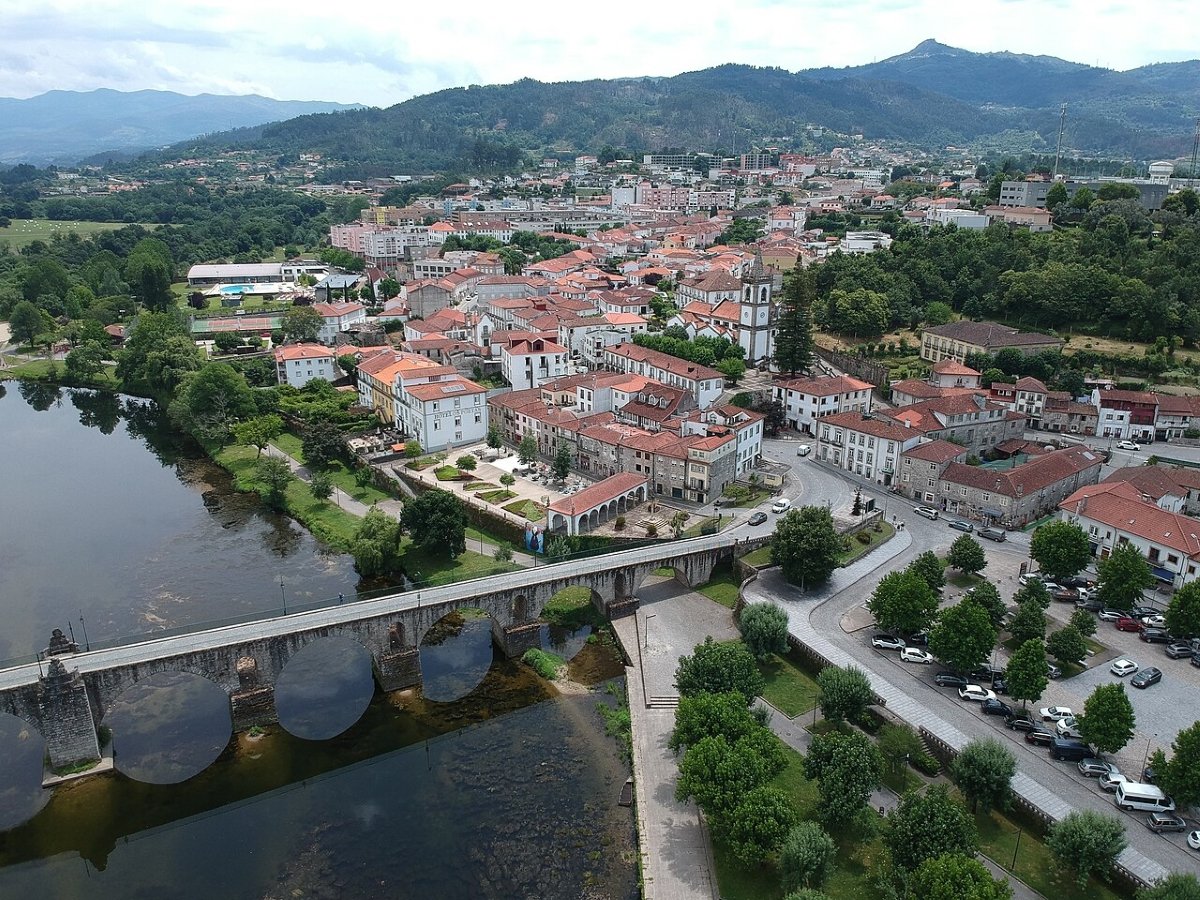
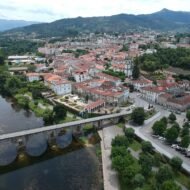
This riverside town spreads along the River Lima in northern Portugal’s Minho region, and honestly? It’s the kind of place travel influencers will probably ruin in five years, so get there now. With fewer than 3,000 residents in the town center, Ponte da Barca offers something increasingly rare in European travel: the chance to actually breathe.
The Name Game
The town’s name literally means “Bridge of the Boat,” and there’s a story behind it. Before the medieval bridge was constructed, boats ferried pilgrims across the river on their way to Santiago de Compostela. Those pilgrims were onto something – this stretch of the Lima Valley is absolutely gorgeous.
Getting There (Because Geography Matters)
By Air
Flying into Porto Airport (Francisco Sá Carneiro) is your best bet. From there, you’ve got options:
Drive: Rent a car and it’s about 90 minutes to Ponte da Barca. The route through the Minho countryside is scenic enough to justify the drive itself. Plus, having wheels gives you serious freedom to explore the region.
Train + Bus: Take the train from Porto to Braga, then catch a regional bus (Rede Expressos) to Ponte da Barca. It’s budget-friendly and gives you a taste of Portuguese public transport.
Taxi/Transfer: Expect to pay €45-65 from nearby cities like Braga or Viana do Castelo. Pricey but convenient if you’re traveling with a group or lots of luggage.
Location Context
Ponte da Barca sits 17 km upstream on the River Lima from Ponte de Lima, and about 42 km from the Atlantic at Viana do Castelo. You’re perfectly positioned between the coast and the mountains – the best of both worlds.
When to Visit: Timing is Everything
The Sweet Spots
Spring (April-June): This is primo hiking season. May and June are considered the best months for walking in Peneda-Gerês National Park. The countryside is ridiculously green, waterfalls are flowing strong, and temperatures hover in the pleasant 18-25°C range.
Early Autumn (September-October): The hills turn golden in autumn, making it a dream for photographers and hikers. Plus, you’ll catch the grape harvest season in the vinho verde region.
Summer (July-August)
Peak season means warmer weather (25-30°C) and more visitors, though “crowded” here is still nothing compared to southern Portugal. Perfect for swimming in natural pools and rivers.
Winter
Off-season and quieter, but you might see snow-capped mountains in winter. Some hiking trails become challenging, but the town retains its charm.
What to Actually Do Here
1. The Medieval Bridge (Your Instagram Moment)
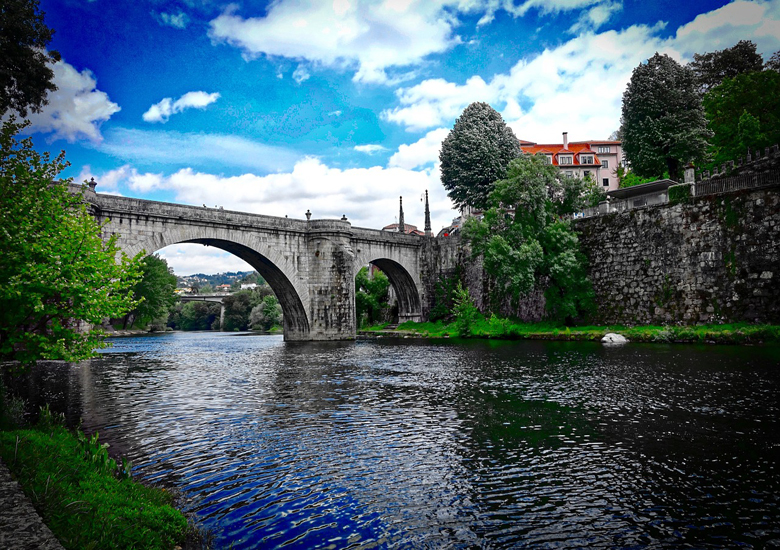
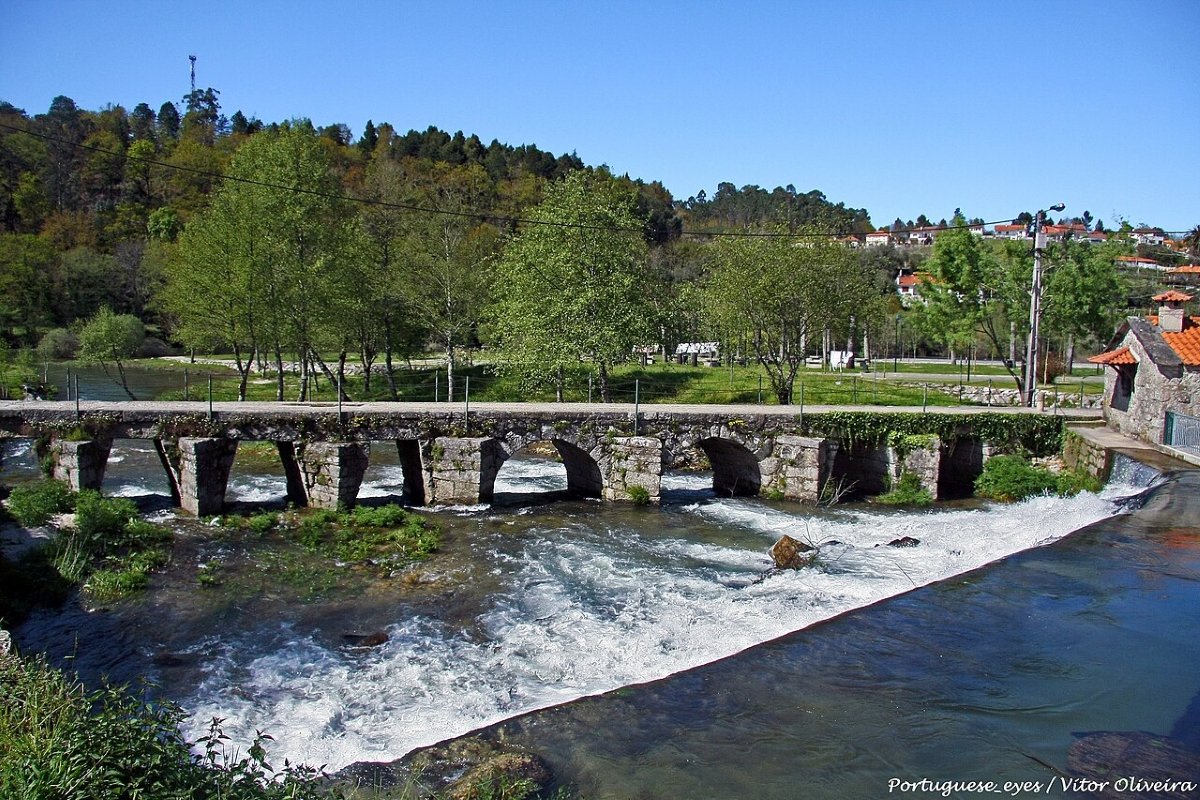
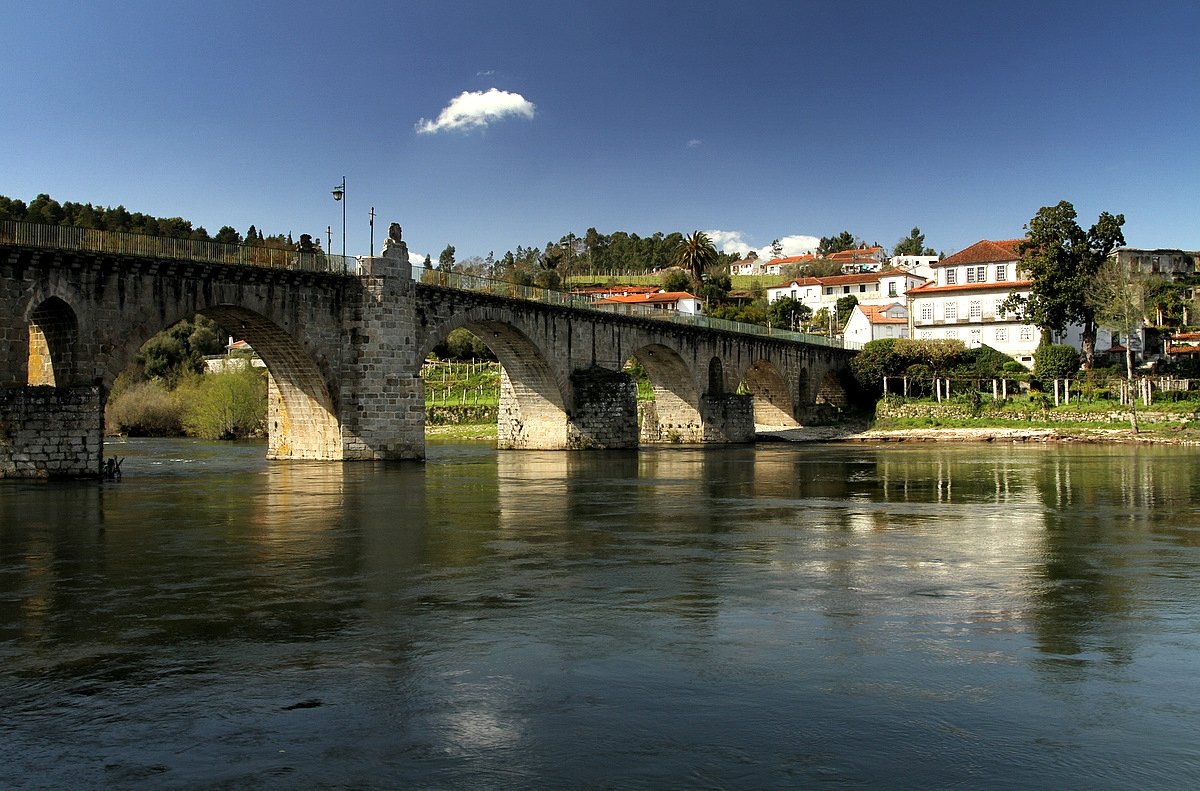
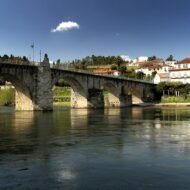
Built in 1543, the famous bridge features ten thick and thin arches and is strikingly similar to its counterpart in nearby Ponte de Lima. Walk across it, photograph it from every angle, watch locals fishing from its stone edges. This is your postcard moment.
Pro tip: Visit at sunset when the golden light hits the river. Thank us later.
2. Wander the Historic Core
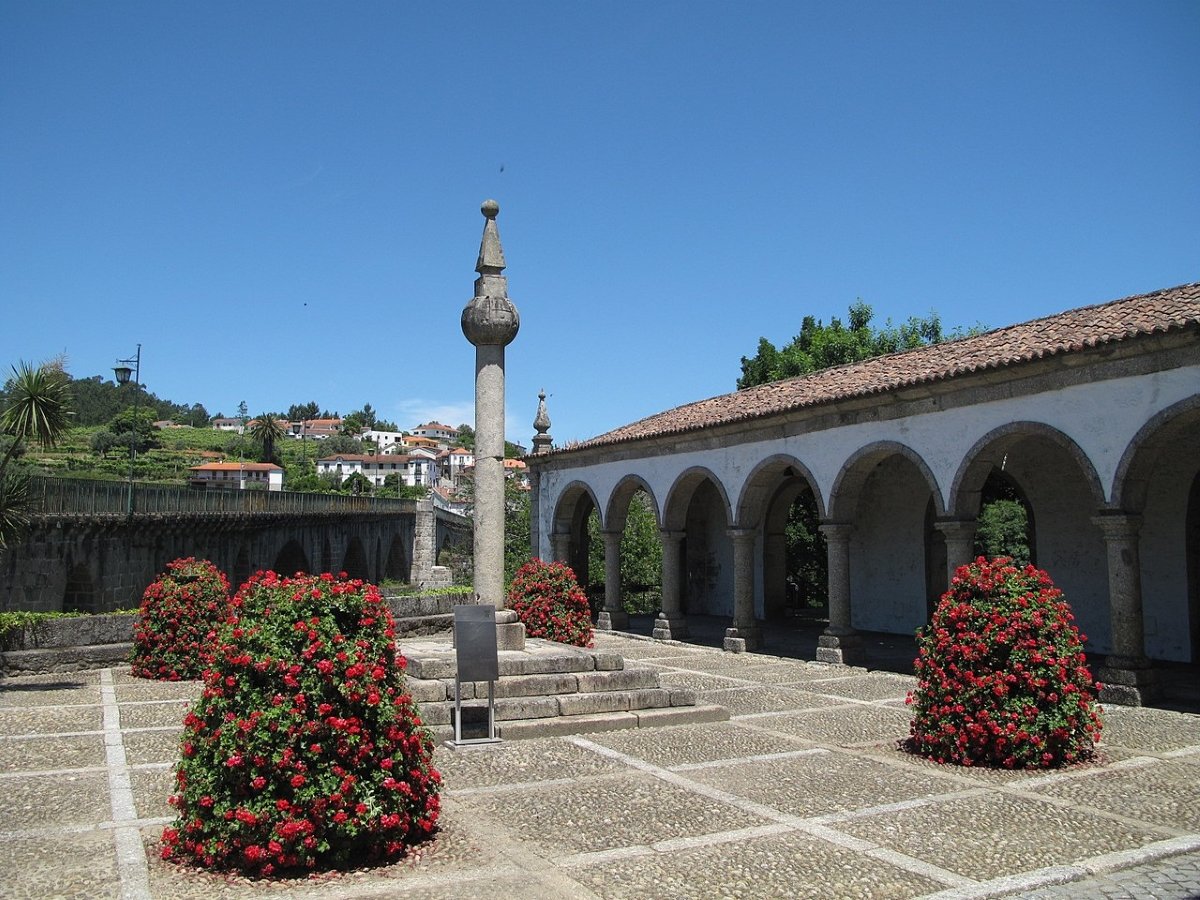
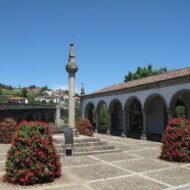
The well-preserved historic center clusters elegant 16th and 17th-century mansions around an ancient town square lined with one of northern Portugal’s most beautiful arcaded buildings. Get lost in the narrow cobblestone streets – that’s literally the best way to explore.
Don’t miss:
- Igreja de São João Baptista: The parish church with its two striking bell towers was classified as a national monument in 1910
- The 16th-century pillory: Unusually crowned with a sphere and a pyramid
- Jardim dos Poetas: This garden is dedicated to two locally-born monastic poet brothers from the 16th century, Diogo Bernardes and Agostinho da Cruz
3. Market Day Magic
Ponte da Barca’s bustling open-air market happens every other Wednesday, filling the riverfront area with stalls and street-food vendors. This is where you’ll see locals shopping for fresh produce, sample regional specialties, and experience authentic Portuguese life. Arrive early for the best selection.
4. Day Trip to Bravães
Just 6 km away, the small town of Bravães is home to one of Portugal’s finest Romanesque churches – Igreja de São Salvador. This 11th-century church features intricate portal carvings with a variety of figurative and geometric motifs including birds, oxen, sheep, people, and even monkeys. Architecture nerds will lose their minds over this place.
5. Explore Peneda-Gerês National Park
This is the big one. Ponte da Barca provides quick and easy access to Peneda-Gerês National Park, Portugal’s only national park, located less than an hour’s drive to the east.
The park is massive – covering 69,594.48 hectares with mountains, forests, granite cliffs, rivers, waterfalls, and natural pools. Here’s what you can’t miss: MORE READ..
Seven Lagoons Trail: One of the most popular hikes, featuring crystal-clear pools formed by the Cabril River. Pack your swimsuit – these natural pools are irresistible on warm days.
Cascata do Arado & Fecha de Barjas Waterfalls: The Fecha de Barjas waterfalls are formed by waters from the Arado River and set in beautiful landscape with thriving greenery. Bring a picnic and cool off in the crisp water.
Lindoso Village & Castle: Lindoso features granite grain stores at sunset and is close to the Alto Lindoso dam and reservoir. The collection of espigueiros (traditional granite granaries) is phenomenally photogenic.
Wildlife Watching: The park is home to endemic species like the Lusitanian salamander, threatened species like the Iberian wolf and mountain goat. Keep your eyes peeled.
The GR 50 Trail: This 200km route isn’t a single path but is stitched together from parts of the Roman road, herding tracks, and medieval pilgrimage paths. You don’t have to hike the whole thing – pick the sections that interest you.
6. Activities for Every Type of Traveler
Adrenaline Seekers: Options include guided hikes, 4×4 excursions, ATV riding, and kayaking.
Cyclists: Traffic-free trails wind through the Lima Valley countryside.
Families: Easy riverside walks, picnic spots, and the outdoor pools at various hotels.
Wine Lovers: You’re in vinho verde territory. More on that below.
Where to Eat: From Petiscos to Perfection
The Minho region takes its food seriously. Expect hearty portions, fresh ingredients, and prices that’ll make you wonder if they forgot a zero on the bill.
Must-Try Dishes
Bacalhau: Salted cod prepared countless ways. Cantinho do Parada serves excellent local Portuguese cuisine.
Barrosã Meat: This is the purest and most flavorful meat you’ll ever try. The local beef is legendary.
Caldo Verde: Traditional Portuguese soup with kale, potatoes, and chorizo.
Alheira: A unique Portuguese sausage that’s lighter than chorizo.
Restaurant Recommendations
For Traditional Fare: Cantinho do Parada and Vai à Fava (on Rua Dr. Alberto Cruz) both get strong local recommendations.
Riverside Views: Restaurante O Moinho offers views of the river.
Tapas/Petiscos: Taberna São João specializes in small plates – perfect for sampling multiple dishes without committing to a massive meal.
Vegetarian Options: Look for Vai à Fava or pizza restaurants, though be prepared: Minho is serious meat territory.
Drink Like a Local
Vinho Verde: The region’s signature wine is young, slightly fizzy, and incredibly refreshing. Both white (branco) and red (tinto) varieties are available. The whites are perfect for hot afternoons; the reds pair beautifully with meat dishes.
Order a glass at any restaurant, or visit the local wine cooperative to try several varieties.
Where to Stay
Budget-Friendly
Hostel Options: Basic but clean accommodation available in and around town.
Casa Victória: A charming guest house in the heart of Ponte da Barca featuring comfortable rooms with modern amenities, air conditioning, and free Wi-Fi, plus a beautiful garden area.
Mid-Range
Hotel Fonte Velha: Riverside location with solid reviews.
Hotel Os Poetas: 2-star riverside option that won’t break the bank.
Treat Yourself
Tempus Hotel & Spa: Modern comfort with an outdoor pool and wellness area, ideal for a relaxing weekend.
FOZDOVEZ: Comfortable air-conditioned apartments with fully-equipped kitchenettes, an outdoor swimming pool, and free WiFi.
Camping/Campervan
Options like Lima Escape Camping & Glamping or Parque de Campismo de Aboim da Nóbrega are located near Ponte da Barca. There’s also parking near the bridge where campervans can overnight.
Practical Tips for Real Travelers
Money Matters
Peneda-Gerês National Park is much cheaper than regular Portuguese cities and the south of the country. Expect to spend:
- Budget: €30-50/day (hostel, self-catering, free activities)
- Mid-Range: €80-120/day (decent hotel, restaurants, some tours)
- Comfortable: €150+/day (nice accommodations, all meals out, guided activities)
Language
Portuguese is the language, and English isn’t as widely spoken as in Lisbon or Porto. Download Google Translate, learn basic phrases, and locals will appreciate your effort. A smile goes a long way.
What to Pack
- Good hiking shoes: The trails around Peneda-Gerês are no joke
- Layers: Mountain weather changes quickly
- Swimsuit: For waterfalls and natural pools
- Sunscreen: That Portuguese sun is strong
- Reusable water bottle: Stay hydrated on trails
- Power adapter: Portugal uses Type F plugs (230V)
Safety & Inclusivity
Portugal is generally very safe. Ponte da Barca is a small town where crime is practically non-existent. The bigger concern is nature – always tell someone where you’re hiking and when you’ll be back.
LGBTQ+ travelers: While northern Portugal is more traditional than Lisbon or Porto, Ponte da Barca is welcoming. Public displays of affection might attract curious glances but are generally accepted without issue.
Accessibility: The historic center’s cobblestones and hills can be challenging for wheelchair users. Some hotels offer accessible rooms, but always call ahead to confirm.
Beyond Ponte da Barca: Day Trip Options
Ponte de Lima (17 km): A medieval town with a charming historic center. Claims to be Portugal’s oldest village.
Arcos de Valdevez (5 km north): A small, laid-back town notable for its splendid Baroque church. The Passadiços do Sistelo walkway offers 2 kilometers of easy, scenic walking.
Monção (42 km north): Border town known for thermal springs and Alvarinho wine.
The Real Deal: What Nobody Tells You
Midweek is Best: Weekends can get busier with domestic tourists, especially in summer. Visit Tuesday-Thursday for maximum tranquility.
Restaurant Hours: Many places close Sunday evening and Monday. Plan accordingly or you’ll be eating hotel food.
Siesta Time: Shops and some restaurants close 12:30-14:30. Embrace the Portuguese pace of life.
Cash is Useful: While cards work most places, smaller establishments and the market prefer cash.
The Weather Can Be Deceptive: The Minho region is Portugal’s wettest, with lush greenery year-round. Pack a light rain jacket even in summer.
You’ll Need More Time: Most visitors allocate 2-3 days. Seasoned travelers recommend at least 4-5 to properly explore the area without rushing.
Sample Itineraries
Weekend Warrior (2-3 Days)
Day 1: Arrive, explore the historic center, walk the bridge, dinner by the river Day 2: Full day in Peneda-Gerês (Seven Lagoons or waterfalls) Day 3: Morning market (if Wednesday), visit Bravães, afternoon in Ponte de Lima
Week-Long Wonder (5-7 Days)
Days 1-2: Settle in, explore Ponte da Barca thoroughly, market day Days 3-4: Multi-day hiking in Peneda-Gerês with overnight in mountain village Day 5: Beach day in Viana do Castelo Day 6: Wine tasting and exploring nearby towns (Arcos de Valdevez, Ponte de Lima) Day 7: Braga day trip or relaxation day with spa treatment
Active Adventure (1 Week)
Days 1-2: Warm up with local hikes and bike trails Days 3-6: Tackle stages of the GR 50 trail through Peneda-Gerês Day 7: Recovery with massage, pool time, and a celebratory feast
Why This Place Matters
In an era of over-tourism and Instagram sameness, Ponte da Barca offers something precious: authenticity. This isn’t a town that’s been Disney-fied for tourists. Life happens here – real people doing real things in a place that’s been inhabited for thousands of years.
In Ponte da Barca, time flows like the Lima – quiet and endless. It’s a place where you can actually disconnect, where hiking trails are empty enough for contemplation, where restaurant owners remember your face after one visit.
The Lima Valley’s beauty isn’t just in its landscapes – though those granite mountains, emerald rivers, and ancient forests are legitimately stunning. It’s in the way morning mist rises off the water, how locals still gather at the Wednesday market, the satisfying crunch of gravel under your hiking boots on a mountain trail.
Final Thoughts: Should You Go?
If you’re looking for nightlife, designer shopping, or Michelin-starred dining, skip Ponte da Barca. This isn’t that kind of destination.
But if you want:
- Nature that’ll make your jaw drop
- Authentic Portuguese culture
- Incredible value for money
- The chance to properly unwind
- Adventure without the crowds
- Food that’ll ruin you for chain restaurants forever
Then yes. Absolutely yes. Book your flights, practice saying “obrigado/obrigada,” and prepare for northern Portugal to work its magic on you.
A peaceful, lush green area after bustling tourist spots is a delight. Ponte da Barca isn’t trying to be anything other than what it is: a beautiful riverside town in one of Portugal’s most spectacular regions. Sometimes, that’s exactly what you need.
Quick Reference Links
Getting There: Porto Airport → Ponte da Barca (90 min drive) Best Time: April-June, September-October Budget: €30-150+ per day depending on style Must-Do: Peneda-Gerês National Park hiking Must-Eat: Barrosã meat, vinho verde Must-See: Medieval bridge, Bravães church Best For: Nature lovers, hikers, culture seekers, anyone needing to escape crowds
Pro Tip: Save this guide offline. Cell reception can be spotty in the mountains, and you’ll want this info when you’re standing at a trailhead trying to decide which path to take. Spoiler: they’re all gorgeous.
Now stop reading and start planning. Ponte da Barca is waiting, and unlike popular destinations, it won’t be a secret forever. Get there while it still feels like your own personal discovery.
Safe travels, and don’t forget to send us a postcard from that bridge.