










TL;DR: Salerno is a vibrant port city on Italy’s Amalfi Coast offering stunning sea views, colorful waterfront piazzas, incredible seafood, and authentic Italian charm without the overwhelming crowds of nearby Positano. It’s perfect for solo travelers, families, couples, and anyone seeking that perfect mix of history, culture, and coastal magic.
- Why Salerno Deserves Your Travel Time
- Getting There
- Where to Stay
- What to See and Do
- Duomo of Salerno (Cathedral)
- Waterfront Promenade (Lungomare)
- Arechi Castle
- Salerno’s Beaches
- Museo Virtuale
- Eating in Salerno (The Real Reason to Visit)
- Best Time to Visit
- Day Trips Worth Your Time
- Practical Essentials
- Insider Tips
- Final Thoughts
Why Salerno Deserves Your Travel Time
Let’s be honest—most people racing down the Amalfi Coast miss Salerno entirely. They’re too busy fighting crowds in Positano or hiking to Praiano. That’s actually great news for you, because Salerno is basically the Amalfi Coast’s best-kept secret.
This bustling port city sits in the Campania region of southwestern Italy, and it punches way above its weight. You get the dramatic Mediterranean coastline, pastel-colored buildings reflected in turquoise waters, incredible food, genuine local culture, and—here’s the kicker—you can actually move around without getting swept away by tour groups.
Whether you’re a first-time visitor to Italy, a seasoned Europe explorer, a food obsessive, a history buff, or traveling with kids, Salerno has something that’ll make you happy.
Getting There
By Air: Most visitors fly into Naples International Airport (Capodichino), about 70 kilometers away. From there, you’ve got options. The Circumvesuviana train is the budget pick (roughly €2-3), though it’s slower and more local. Regional trains take about an hour and cost around €5-10. Rental cars give you flexibility but require comfortable driving (those coastal roads curve).
By Train: Salerno is on the main train line, so connections from Naples, Amalfi, and other Campania destinations are straightforward. The station sits right by the waterfront—you literally can’t get a better arrival experience.
By Car: Renting makes sense if you want to explore the broader Amalfi Coast region. Just know that parking in central Salerno can be tricky (and pricey). Most hotels offer guidance on where to stash your vehicle.
Where to Stay
Lungomare Adelsi: This is Salerno’s main waterfront boulevard, and for good reason. Hotels and apartments here offer that postcard-perfect sea view while keeping you in the action. Expect to pay €80-150 per night for mid-range options. You’re paying for the location—it’s worth it.
Old Town (Centro Storico): If you prefer quieter, more atmospheric stays, the narrow streets of the historic center offer authentic guesthouses and boutique hotels. Prices run similar to the waterfront, but you get medieval charm and fewer crowds walking past your window at midnight.
Fratte: A bit further from the center but still accessible, this neighborhood has budget-friendly options (€40-80) if you want to save money for experiences instead.
Inclusive tip: Most accommodations are reasonably accessible, though narrow medieval streets mean some older properties lack elevators. Contact ahead if mobility access matters to you.
What to See and Do
Duomo of Salerno (Cathedral)
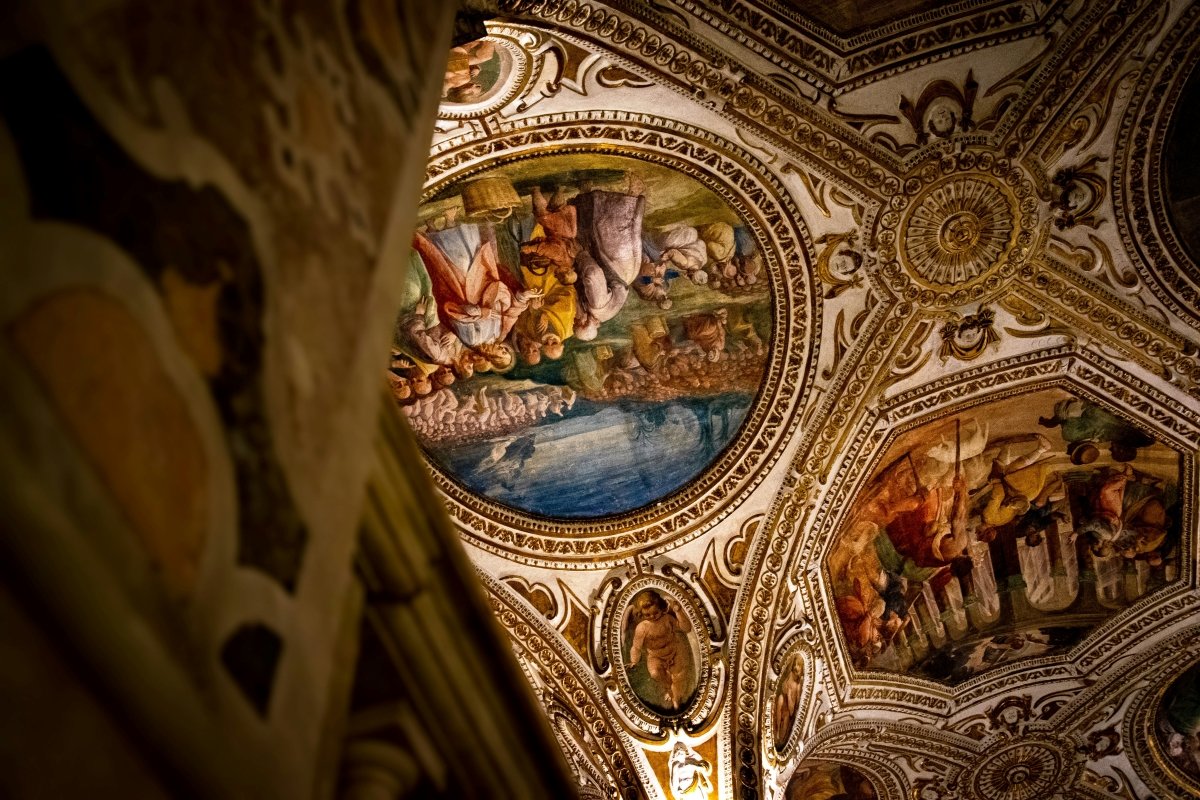
This isn’t just any cathedral—it’s housed in a 11th-century Norman building with a stunning courtyard featuring 28 marble columns salvaged from Roman temples. Inside, you’ll find incredibly ornate chapels and the relics of Saint Matthew. Entry is free or optional donation. Even if you’re not particularly religious, the architecture alone justifies a visit. The Atrium of the Cloister (Chiostro) is absolutely magical for photos—colorful porticoes surrounding a peaceful garden space.
Time needed: 45 minutes to an hour. Go early in the day before tour groups arrive.
Waterfront Promenade (Lungomare)
Honestly, this is where you’ll spend half your visit, and that’s perfectly fine. The Lungomare stretches for about 3 kilometers along the coast, perfect for walking, running, or just finding a bench to disappear into your thoughts. The pastel buildings reflect in the water. Locals walk past. Fishermen tinker with boats. It’s Italy in its most relaxed form. Best time? Sunset, obviously. Bring a gelato.
Arechi Castle
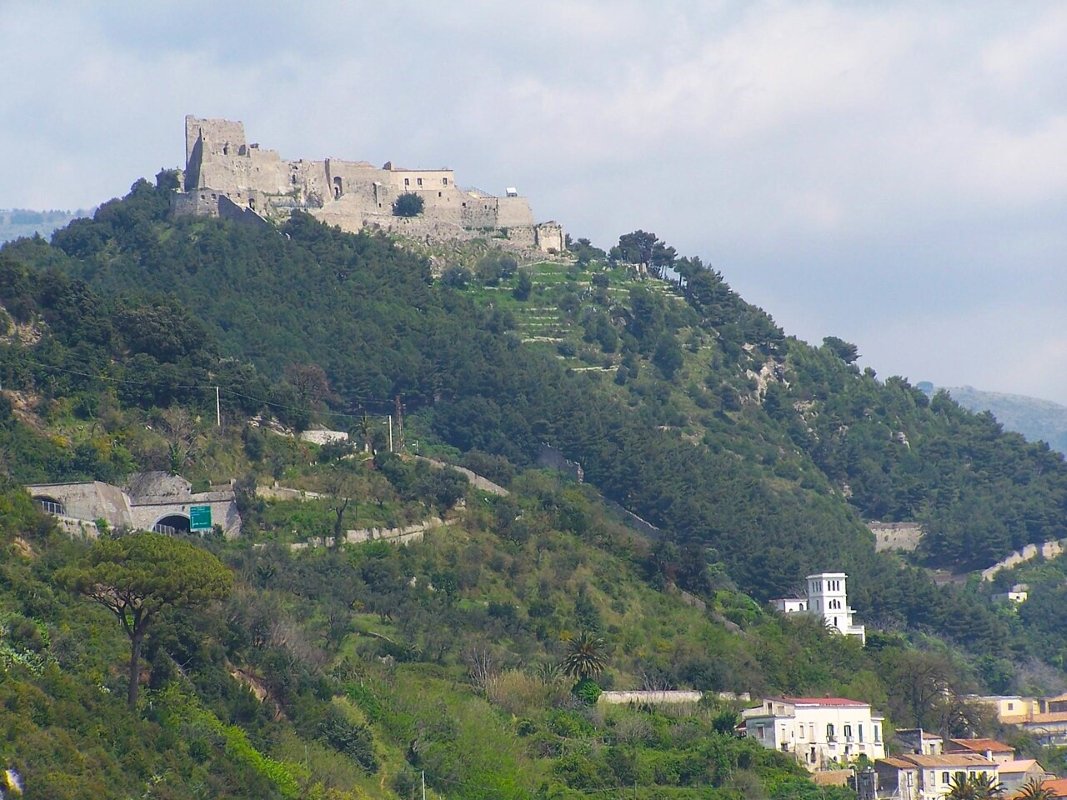
Perched high above the city, Arechi Castle offers panoramic views that make Instagram jealous. Built in the 13th century (though older structures probably occupied the site before), it’s a bracing 20-minute uphill walk from the center, or you can take a bus. The castle itself is partially ruined but totally walkable, and the vista encompasses the coastline, the Gulf of Salerno, and on clear days, all the way to Capri. Entry costs around €5. The walk up is challenging but manageable for most people with basic fitness.
Salerno’s Beaches
The main beach near the centro is functional rather than stunning—it’s pebbly and gets busy in summer. For better swimming, head to Marina Grande (about 2km north) or catch a quick boat ride to nearby islands or less-crowded coves. Alternatively, just visit one of the beaches on the Amalfi Coast (Positano, Praiano are 30-50 minutes away).
Museo Virtuale
This virtual reality museum showcases Salerno’s medieval history through immersive experiences. It’s quirky and touristy but genuinely fun, especially for visitors (including families with kids and tech-enthusiast travelers) who want a deeper historical dive without textbook reading. Budget €10 for entry and about an hour of your time.
Eating in Salerno (The Real Reason to Visit)
Salerno is a working fishing port, which means one thing: the seafood is exceptional. This isn’t tourist-trap seafood. This is what locals eat.
Scialatielli ai Frutti di Mare: This wavy pasta with mixed shellfish is basically the reason coastal Campania exists. It’s not heavy, it’s not complicated—it’s just pristine seafood in light sauce with tender pasta. Find this everywhere; it’s never disappointing.
Fresh Fish of the Day: Ask your server what came in that morning. Point at it. Order it. Grilled whole fish with lemon and olive oil is simple perfection that restaurants in landlocked countries spend fortunes trying to recreate.
Limoncello: The lemons here are obscene—massive, bright yellow, bursting with flavor. Limoncello is the region’s signature spirit, and yes, you should drink it (in moderation, or you’ll understand why locals drink it from tiny cups). For a non-alcoholic option, try fresh lemon granita.
Mozzarella di Bufala: Buffalo mozzarella comes from farms just outside Salerno. It’s creamy, slightly sweet, and a million miles away from supermarket versions. Get it fresh and eat it the same day.
Where to Eat: Skip overpriced restaurants on the main promenade unless you want the view experience. Instead, walk one block inland and find family-run spots where locals actually eat. You’ll pay €12-18 for a pasta course, €15-25 for fish mains, and everyone will be happy. Try Via Roma or the side streets near the cathedral for authentic finds.
Best Time to Visit
May-June or September-October: This is the sweet spot. Weather is warm (70-80°F), the sea is actually swimmable, and you’re between peak season chaos and winter quiet. Summer (July-August) is hot, crowded, and pricier. Winter is mild by northern standards but fewer attractions operate, and the sea is cold.
Festival lovers: Salerno hosts the Luci d’Artista (Lights of Art) from November through January—thousands of illuminated sculptures and light installations throughout the city. It’s magical if you can tolerate cooler temps and occasional rain.
Day Trips Worth Your Time
Amalfi: 30 minutes by bus or boat. Steep cliffs, pastel villages cascading toward the sea, incredible pesto. Touristy but legitimately beautiful.
Positano: 50 minutes away. The Amalfi Coast’s most Instagram-famous village. Go early or late to beat crowds.
Pompeii: 45 minutes by train from central Salerno. The buried Roman city is haunting, moving, and absolutely worth a half-day. It’s also accessible for most mobility levels, with paved paths and rest areas throughout.
Ravello: 40 minutes via coastal bus. High on the cliffs with gardens overlooking the Mediterranean. Peaceful and sophisticated.
Cilento Coast: An hour south, less developed than Amalfi but equally beautiful. Perfect if you want fewer crowds and smaller beach towns.
Practical Essentials
Getting Around: The city itself is walkable. Buses connect outlying areas (€1.30 per ride). Ferries run to nearby towns in summer. Taxis exist but aren’t necessary.
Money: ATMs are abundant. Most places accept cards, though small family restaurants may prefer cash. Budget €50-80 per day for mid-range travel (food, transport, modest attractions).
Language: English is spoken in tourist areas but not universally. Download a translation app or learn basic phrases. Locals appreciate effort.
Accessibility: Historic areas have uneven cobblestones and stairs. The waterfront is mostly flat and accessible. Ask hotels for specific accessibility information about attractions and restaurants.
Safety: Salerno is safe for travelers. Apply standard travel sense: watch valuables, avoid isolated areas late at night, be aware during peak tourist season (pickpockets exist everywhere).
What to Pack: Comfortable walking shoes, sunscreen, a light layer for evenings, swimwear if you plan beach time. In shoulder seasons, bring a jacket.
Insider Tips
- Eat breakfast like a local: Grab a pastry and espresso at a corner bar standing up. It costs €3-4 and is a genuine cultural experience.
- Explore early: The crowds hit around 11am. Get moving by 8am and you’ll have Salerno mostly to yourself.
- Befriend locals at bars: Italians are surprisingly friendly if you show genuine interest. The person next to you at the bar might become your tour guide.
- Skip rental cars in the city: You don’t need it, parking is a nightmare, and public transport works great.
- Bring a reusable water bottle: Tap water is excellent, and you’ll save money and trash while staying hydrated.
Final Thoughts
Salerno isn’t trying to be Positano, and that’s its greatest strength. It’s a genuine, working Italian city that happens to sit on the Amalfi Coast. You’ll find real people, real food, real culture, and stunning beauty without the tourist-industry sheen. Whether you’re visiting for two days or a week, Salerno rewards curiosity and wandering.
Come hungry. Come early. Come ready to slow down. Salerno does all the rest.
Buona fortuna—and enjoy.