



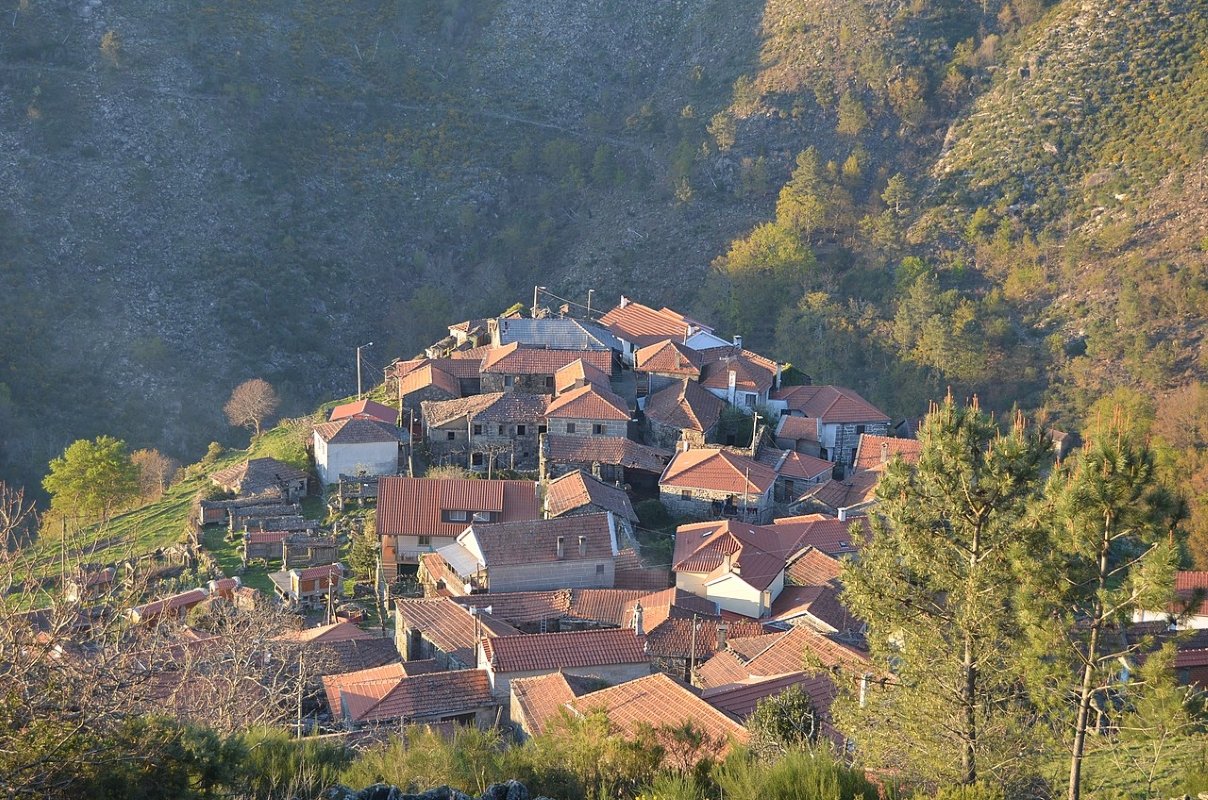



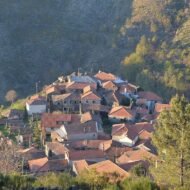
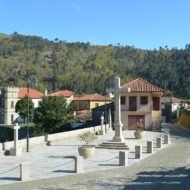
TL;DR: Sistelo is a breathtaking mountain village in northern Portugal with ancient stone terraces, dramatic hiking trails, and zero tourist crowds. Think stunning landscapes, authentic rural life, and some of the best views you’ll ever photograph. Perfect for hikers, photographers, and anyone tired of overrun tourist spots.
- What Makes Sistelo So Special?
- Getting There (It’s Easier Than You Think)
- When to Visit (Timing Is Everything)
- Must-Do Experiences
- Where to Eat
- Where to Stay
- Practical Tips for Visitors of All Abilities
- Cultural Events Worth Planning Around
- Day Trips and Nearby Attractions
- Sustainable Travel (Because This Place Deserves Protection)
- Money Matters
- Is Sistelo Worth the Detour?
Listen, I’m going to let you in on a secret that most travelers completely miss when they’re busy fighting crowds in Porto or the Algarve: there’s a tiny village in northern Portugal that looks like it was copy-pasted from the Himalayas. Welcome to Sistelo, and trust me, it’s about to become your new favorite place.
What Makes Sistelo So Special?
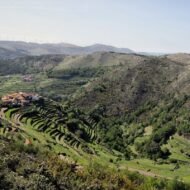
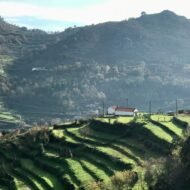
Nestled in the Peneda-Gerês National Park area within the Arcos de Valdevez municipality, Sistelo earned its nickname “Little Tibet of Portugal” for a reason. The village sits at around 400 meters elevation, surrounded by impossibly green terraced fields that cascade down the mountainsides like something out of a fantasy movie. These agricultural terraces (socalcos) have been carved into the landscape for centuries, creating a living museum of traditional farming methods that’ll make your Instagram followers insanely jealous.
But here’s the best part: hardly anyone knows about it yet. While everyone’s elbowing each other in Lisbon, you can have entire mountain trails practically to yourself.
Getting There (It’s Easier Than You Think)
From Porto: About 2 hours by car heading north on the A3/A28 From Viana do Castelo: Roughly 1 hour inland From Braga: Around 1.5 hours north
Fair warning: you’ll want your own wheels for this adventure. Public transport is limited, and having a car gives you the freedom to explore the surrounding valleys at your own pace. The drive itself winds through gorgeous countryside, so the journey’s half the fun.
GPS coordinates that actually work: 41.8833° N, 8.3167° W
When to Visit (Timing Is Everything)
Spring (April-May): The terraces are emerald green, wildflowers are everywhere, and the weather’s perfect for hiking. This is prime time.
Summer (June-August): Warm days, cool mountain nights, and festivals celebrating local traditions. Can get busier (relatively speaking), but still nothing compared to coastal Portugal.
Fall (September-October): Harvest season means golden terraces and that special autumn light photographers dream about. Plus, you might catch locals making traditional spirits.
Winter (November-March): Cold and often rainy, but if you’re into moody landscapes and having the place entirely to yourself, this could be your jam. Just dress warmly.
Must-Do Experiences
The Ecovia Trail System
The eight Ecovia routes (PR1 through PR8) are Sistelo’s crown jewels. These well-marked hiking trails range from easy walks to challenging climbs:
- PR1 – Rota dos Socalcos: The classic terraces walk (about 9km, moderate difficulty)
- PR2 – Rota das Brandas: Takes you to the traditional summer mountain settlements
- PR3 – Rota do Vez: Follows the stunning Vez River valley
Each trail is clearly marked with wooden signs, but download offline maps anyway because cell service can be spotty. AllTrails and Wikiloc have user-generated routes that locals actually use.
Photography Spots That’ll Break the Internet
The viewpoint near the entrance to the village offers panoramic shots of the terraced landscape that look fake they’re so perfect. Golden hour (sunrise or sunset) transforms the valley into pure magic—arrive early because even the small number of visitors know about this spot.
The stone footpaths winding between terraces make for incredible detail shots, especially when you catch the morning mist rolling through the valleys.
Meet the Locals (Yes, Really)
Sistelo has fewer than 100 permanent residents, mostly older folks who’ve lived here their whole lives. Many are incredibly welcoming if you’re respectful and genuinely interested in their way of life. You might see people tending their terraces using methods unchanged for generations—it’s living history, and they’re usually happy to chat if you speak some Portuguese (or enthusiastic hand gestures).
Where to Eat
Don’t expect fancy restaurants—this is authentic rural Portugal. Look for:
Casa do Adro: A cozy spot serving traditional Minho cuisine. Try the cozido à portuguesa (Portuguese stew) or anything with vitela barrosã (local veal). Everything’s made with ingredients from surrounding farms.
Local taverns occasionally open in people’s homes, especially during festivals. These aren’t advertised online—you just have to be there and ask around. That’s where you’ll find the real rojões, papas de sarrabulho, and homemade wine.
Pack snacks and water before you arrive. There’s no supermarket, and amenities are minimal—that’s part of the charm, but plan accordingly.
Where to Stay
In Sistelo Itself
Options are limited but authentic:
- Rural tourism houses (turismo rural) offer rooms in restored traditional homes
- Casa de Sistelo and similar guesthouses provide basic but comfortable accommodation
Nearby Alternatives
Arcos de Valdevez (15 minutes away): More accommodation options, restaurants, and services. Makes a good base if you want amenities while exploring the area.
Ponte da Barca or Ponte de Lima: Charming historic towns within 30-40 minutes, with more hotels and things to do in the evenings.
Book ahead during summer and festivals—there aren’t many rooms, and when they’re full, you’re out of luck.
Practical Tips for Visitors of All Abilities
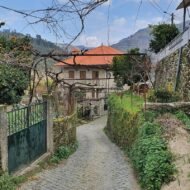
Accessibility: Let’s be honest—the historic village center has steep cobblestone streets and uneven terrain. The hiking trails aren’t wheelchair accessible. However, the main viewpoint is reachable by car, and you can experience the landscape’s beauty from various roadside pullouts.
Fitness Level: Choose trails matching your ability. Some routes involve significant elevation gain on rocky paths. Start with shorter walks if you’re unsure.
What to Bring:
- Sturdy hiking shoes (non-negotiable)
- Layers—mountain weather changes fast
- Sunscreen and hat
- Water and snacks
- Offline maps
- Camera with charged batteries
- Cash (no ATMs in the village)
Cultural Events Worth Planning Around
Festas de Nossa Senhora da Assunção (mid-August): The village’s main festival brings music, traditional food, and celebrations that feel genuinely local rather than tourist-focused.
Shepherd festivals happen sporadically—these celebrate the transumância (seasonal movement of livestock). Check with the Arcos de Valdevez tourism office for dates.
Day Trips and Nearby Attractions
Once you’re in the area, explore:
Castro Laboreiro: Another mountain village with medieval castle ruins and stunning views
Soajo: Famous for its collection of espigueiros (traditional grain storage houses)
The Vez River: Perfect for summer swimming in crystal-clear mountain water
Sustainable Travel (Because This Place Deserves Protection)
Sistelo’s fragile ecosystem and agricultural terraces depend on responsible tourism:
- Stay on marked trails to prevent erosion
- Don’t pick plants or flowers
- Carry out all trash (there aren’t many bins)
- Respect private property—those terraces are people’s livelihoods
- Support local businesses when possible
- Keep noise levels down
This isn’t just tourist propaganda—these terraces are UNESCO World Heritage candidates, and preserving them matters.
Money Matters
Portugal is relatively affordable, but Sistelo is even more so. Expect to spend:
- Meals: €8-15 per person
- Rural accommodation: €40-80 per night
- Coffee: €1
- Trail access: Free
Bring cash—card machines are rare, and there’s no ATM in the village itself.
Is Sistelo Worth the Detour?
If you’re the type of traveler who’d rather hike ancient agricultural terraces than wait in line for pastel de nata in Belém (though those are great too), absolutely yes. Sistelo offers something increasingly rare: authentic Portuguese rural life combined with jaw-dropping natural beauty and virtually no tourist infrastructure getting in the way.
This isn’t a place for luxury hotels or nightlife. It’s for people who want to wake up to roosters crowing, watch mist clear from valleys, hike trails that smell like pine and wildflowers, and maybe share vinho verde with someone whose family has farmed these mountains for eight generations.
The bottom line? Sistelo is Portugal before everyone discovered Portugal. Get there before that changes.
Pro tip: Combine Sistelo with the other schist villages in northern Portugal for an incredible road trip through landscapes and traditions that feel centuries removed from modern life. Your legs might be sore, but your soul will thank you.
Ready to explore somewhere genuinely special? Sistelo’s waiting, and trust me—those terraces photograph even better than they look online.