



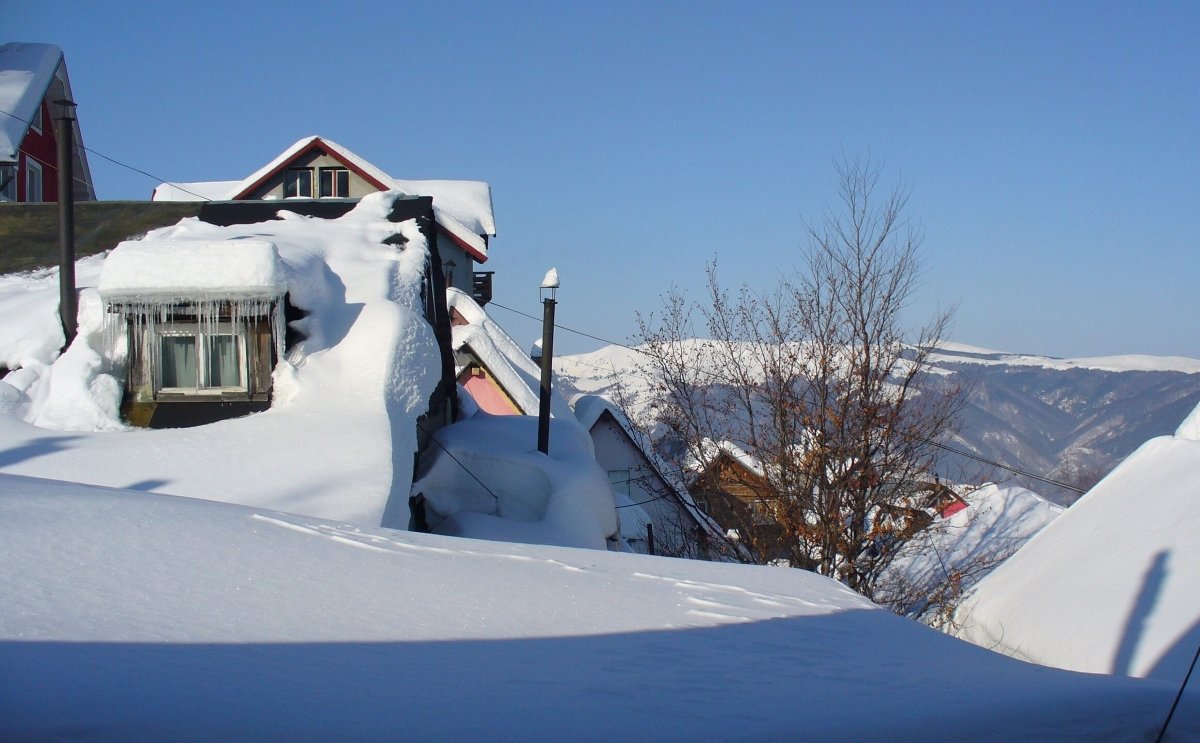
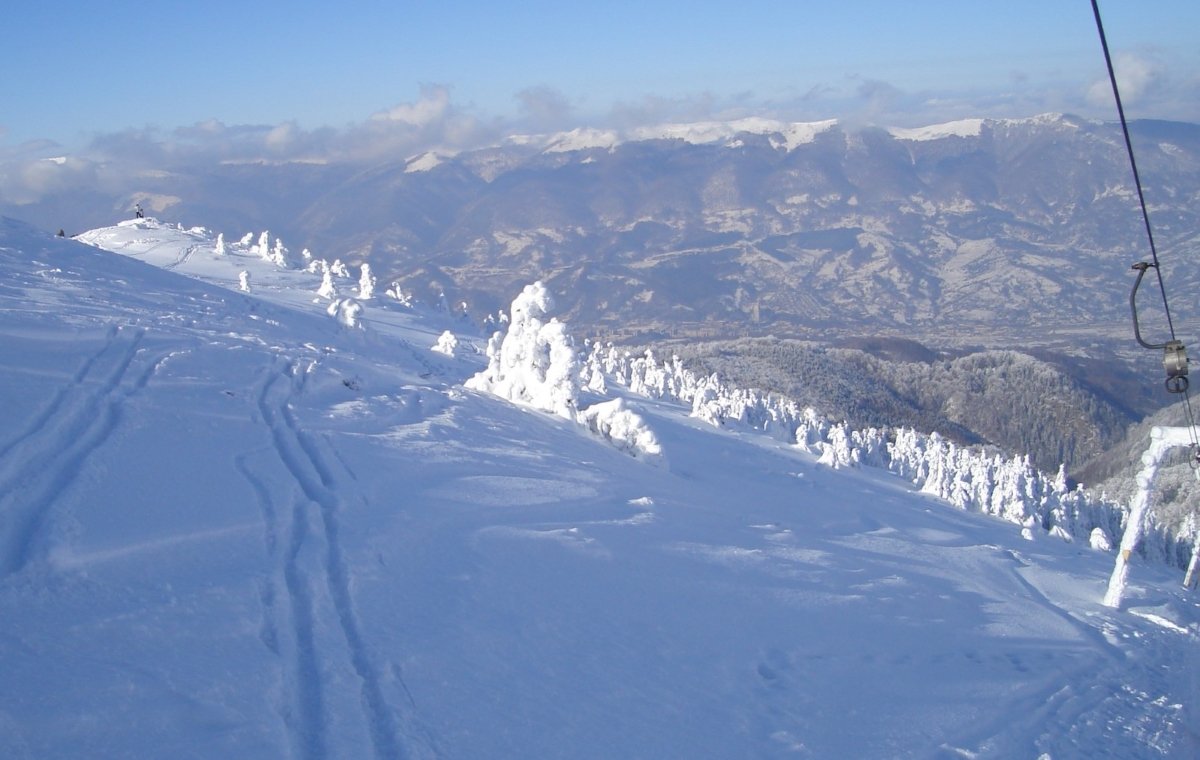
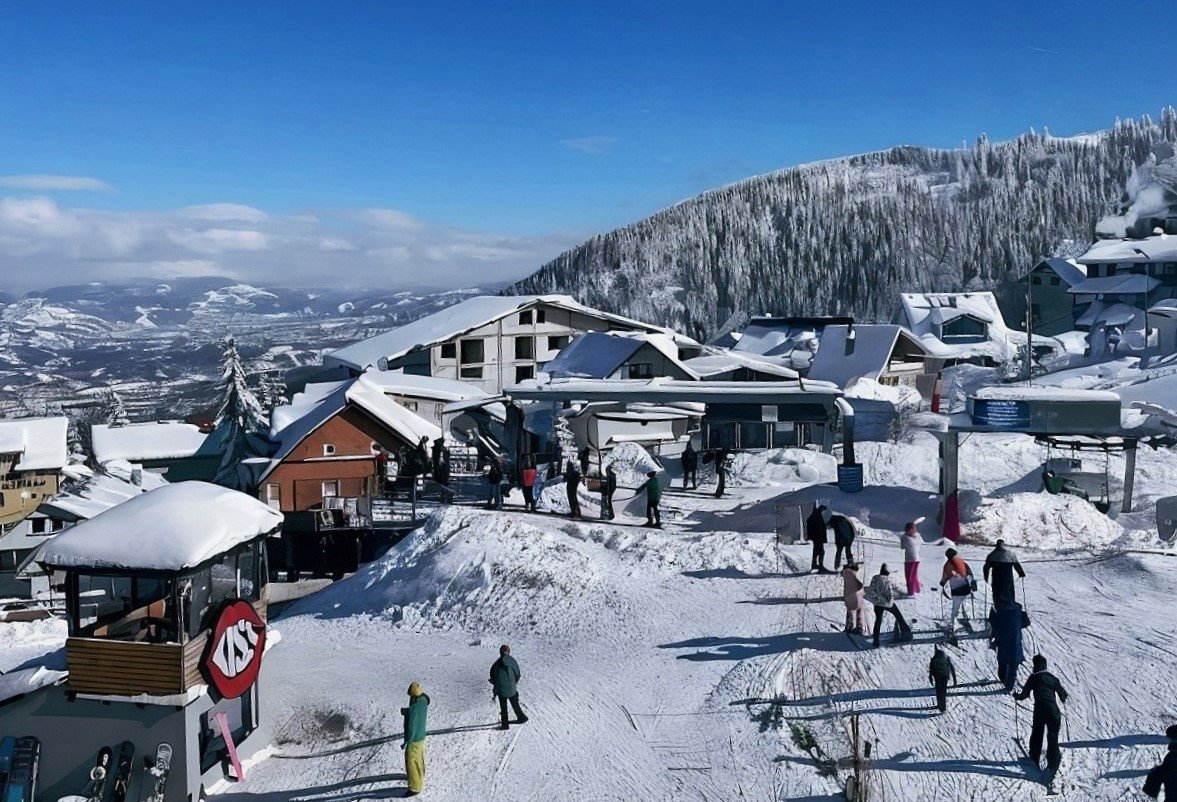
TL;DR: Ski resort Straja is Romania’s highest ski resort (1,450-1,870m) offering affordable skiing, stunning Carpathian views, and year-round mountain adventures. Perfect for budget-conscious travelers seeking authentic experiences away from crowded Alpine resorts. Expect excellent value, challenging slopes, and genuine Romanian hospitality in the scenic Jiu Valley.
- Why Straja Deserves Your Attention (And Your Travel Budget)
- Getting There: Your Journey to the Jiu Valley
- The Skiing: What You’re Actually Here For
- When to Visit: Timing Your Trip
- Where to Stay: Accommodation Options
- Beyond Skiing: What Else to Experience
- Practical Information You Actually Need
- Money-Saving Tips
- The Real Talk: What Straja Isn’t
- Why You Should Go Anyway
- Final Thoughts
- Why Straja Is Worth It
Look, I’m going to be straight with you: if you’re searching for Romania’s best-kept skiing secret, you’ve just found it. Straja Ski Resort doesn’t have the Instagram-perfect chalets of the Alps or the après-ski scene of Aspen, but what it does have is something increasingly rare in European skiing—authenticity, affordability, and seriously good terrain without the crowds.
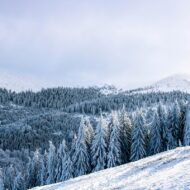
Perched high in the Vâlcan Mountains of the Southern Carpathians, this resort sits at elevations between 1,450 and 1,870 meters, making it Romania’s highest ski destination. And honestly? Most international travelers have never heard of it. Which is exactly why you should go.
Why Straja Deserves Your Attention (And Your Travel Budget)
Let’s talk money first, because that’s probably why you’re here. While Western European resorts are charging €60+ for daily lift passes, Straja comes in at a fraction of that cost. We’re talking affordable accommodation, reasonably priced equipment rentals, and meals that won’t require a second mortgage.
But here’s the thing—cheap doesn’t mean low quality here. The resort offers legitimate vertical drop, well-maintained slopes, and modern lift infrastructure that gets you up the mountain efficiently.
- 📍 Location: Vâlcan Mountains, Jiu Valley, Hunedoara County, Romania
- 🎿 Best for: Budget ski trips, beginners & intermediates, families, laid-back travelers
- 💸 Prices: Much cheaper than Western Europe
- 🚠 Slopes: 12+ km, varied difficulty
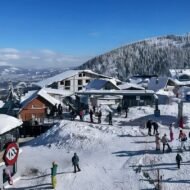
- 🏡 Vibe: Cozy, inclusive, local, low-stress
- 🗓️ Best time: December – March
Getting There: Your Journey to the Jiu Valley
Straja is located near the town of Lupeni in Hunedoara County, deep in the Jiu Valley region. Here’s how to actually get there:
By Car: This is your best bet for flexibility. From Bucharest, it’s roughly 350km (about 5-6 hours) via the A1 highway toward Deva, then south through the valley. The roads are generally decent, though winter driving skills are essential during ski season. GPS coordinates: 45.3594° N, 23.2406° E.
By Train: Romania’s rail network connects to Lupeni station. From Bucharest, expect a 7-8 hour journey with potential connections in Simeria or Petroșani. It’s slower but incredibly scenic and budget-friendly.
By Air: Fly into Bucharest Henri Coandă International Airport (OTP) or Timișoara Traian Vuia Airport (TSR). From there, you’ll need ground transportation—either rental car or combination of train/bus.
Pro tip: If you’re coming from Western Europe, look into flights to Timișoara, which is closer (about 200km away).
The Skiing: What You’re Actually Here For
Straja offers approximately 15km of marked slopes across various difficulty levels. The terrain breaks down like this:
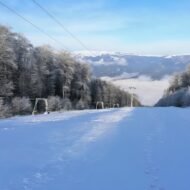
Beginner Slopes: Wide, gentle runs perfect for first-timers and those building confidence. The ski school here is solid, with instructors who genuinely want you to succeed (and who typically speak English, German, or Italian alongside Romanian).
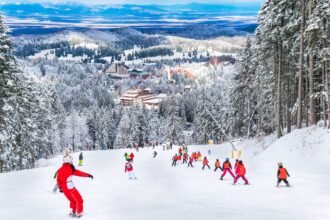
Intermediate Territory: This is where Straja really shines. The mid-mountain reds offer consistent pitches with enough variety to keep things interesting all day. The views across the Carpathians? Absolutely stunning.
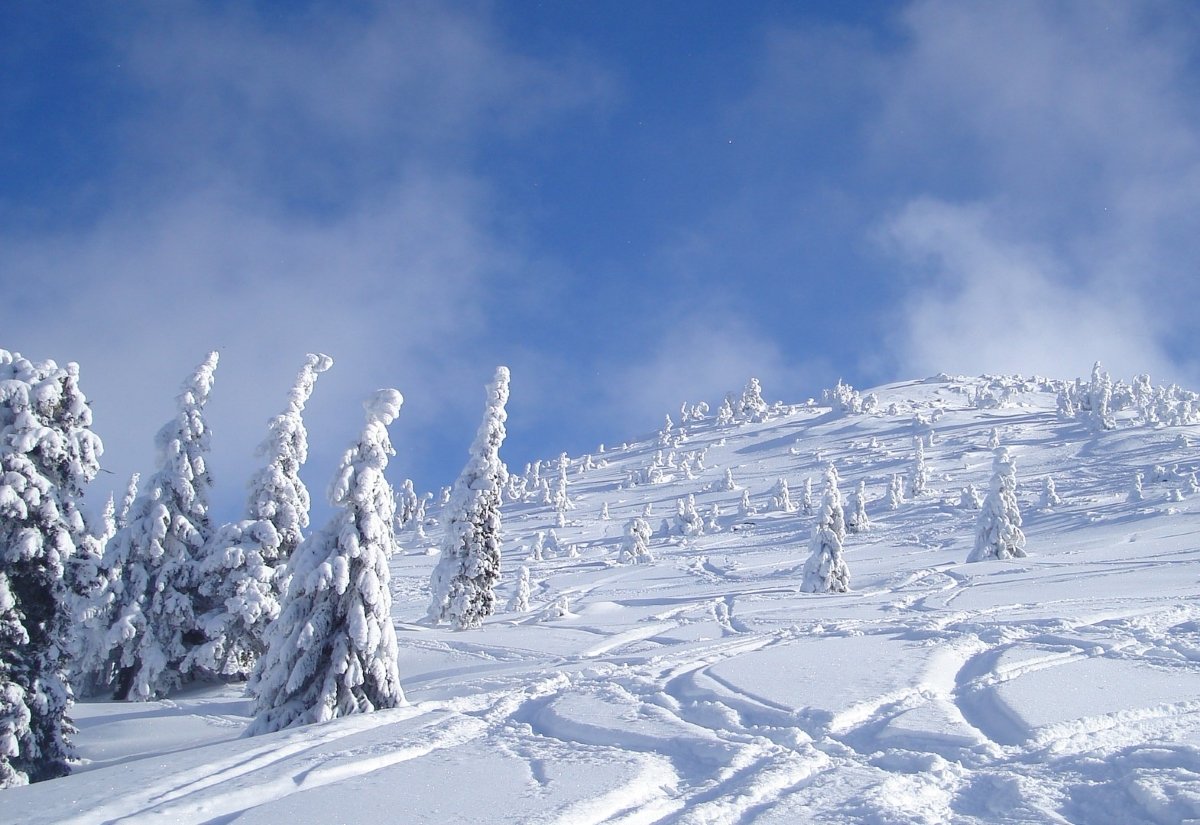
Advanced Runs: The upper slopes get properly steep, with some sections that’ll challenge even confident skiers. Snow conditions can be variable, but when it’s good, it’s really good.
Off-Piste Opportunities: Here’s where adventurous skiers will get excited. The surrounding terrain offers backcountry potential, though you’ll want local knowledge and proper avalanche gear. Consider hiring a guide for your first forays.
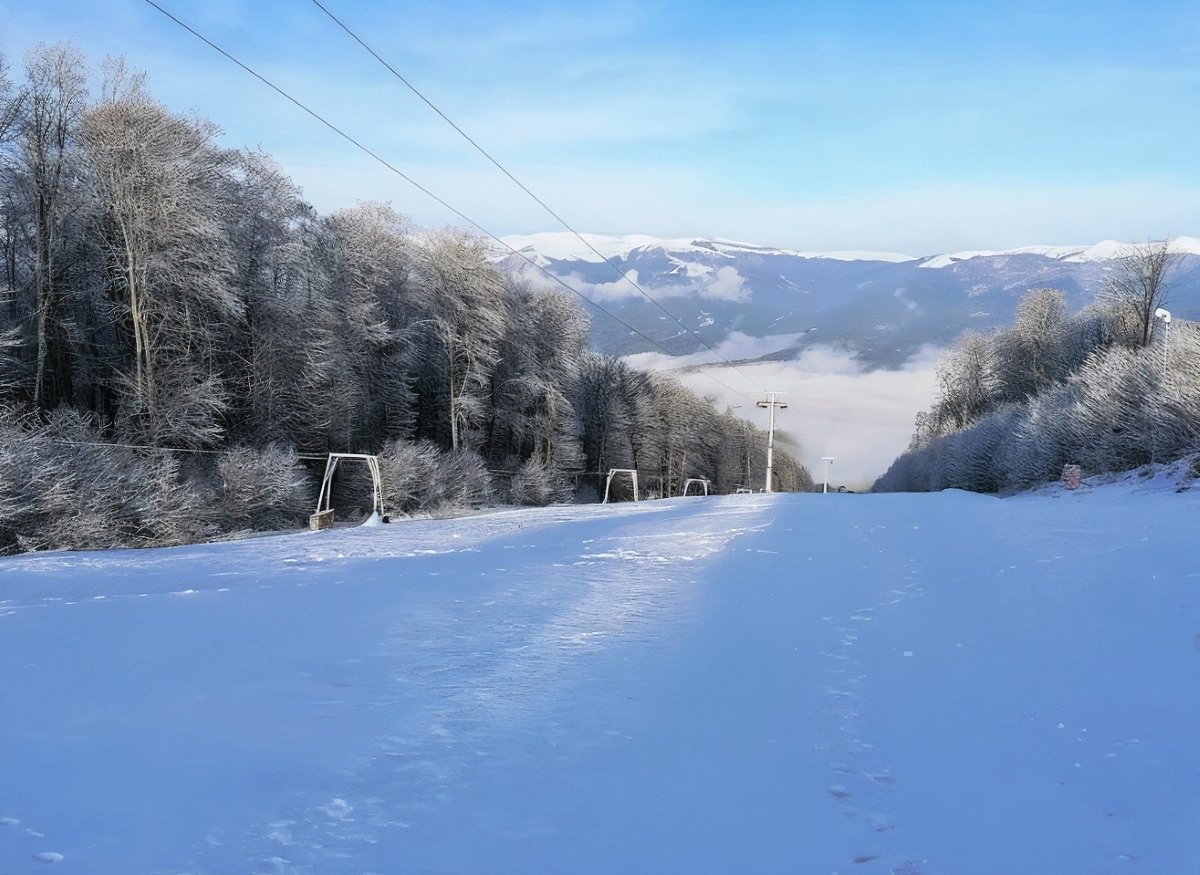
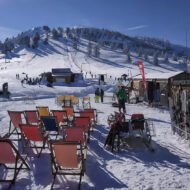
The lift system includes a modern gondola (installed in 2016) and several chair lifts. Yes, you might wait a few minutes during peak times, but nothing like the 30-minute queues you’ll find in major Alpine resorts.
Slopes Overview
- ✔️ 12+ km of ski runs
- ✔️ Beginner, intermediate & advanced slopes
- ✔️ Night skiing available
- ✔️ Snow cannons on most pistes
Popular Slopes
- Constantinescu – Great for beginners
- Baloo – Fun and forgiving for intermediates
- Platoul Soarelui – Wide, scenic, ideal for relaxed skiing
- Canal – For more experienced skiers craving a challenge
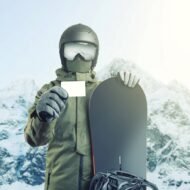
🎿 Snowboarders are welcome, and freestyle riders often find natural features to play with.
When to Visit: Timing Your Trip
Ski Season: Typically runs from mid-December through late March, sometimes extending into early April depending on snowfall. January and February offer the most reliable conditions.
Peak Times: Romanian school holidays (late December, February) bring more crowds, but “crowded” here is relative. You’ll still have plenty of space.
Best Value: Early December and March often offer better accommodation deals while still maintaining decent snow.
Summer Adventures: Don’t write off Straja in warmer months. The gondola operates year-round, providing access to incredible hiking, mountain biking, and the chance to experience the Carpathians in full bloom.
Where to Stay: Accommodation Options
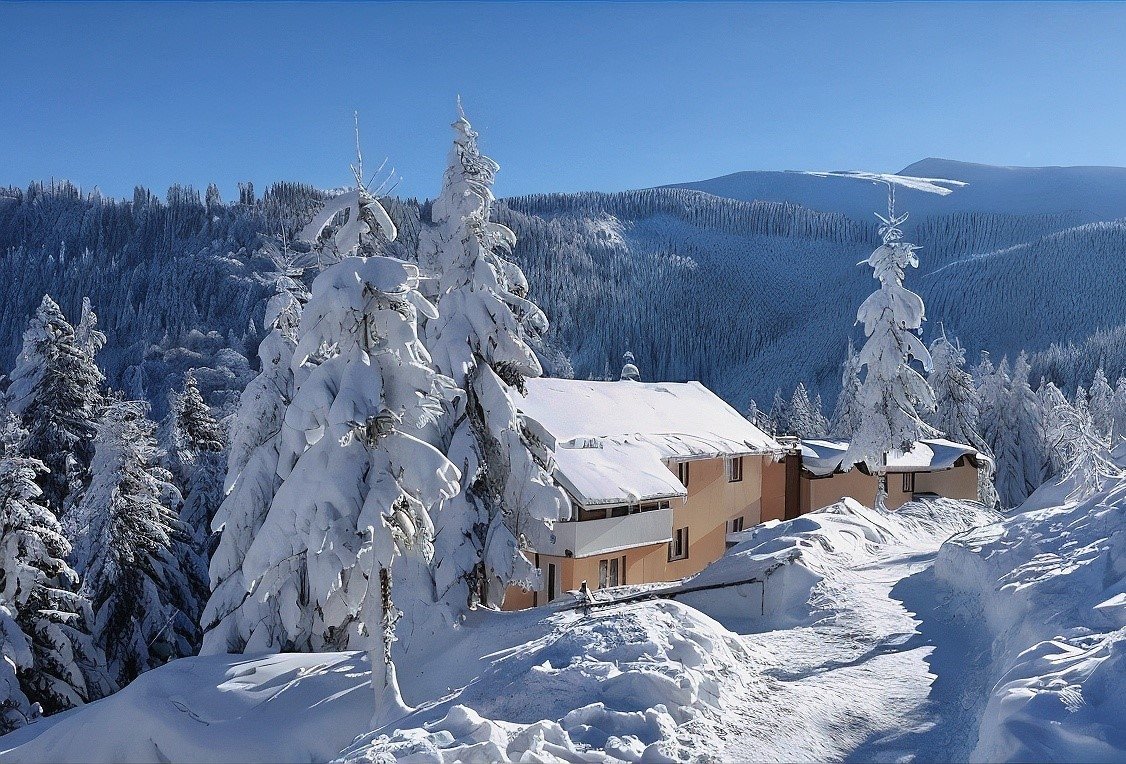
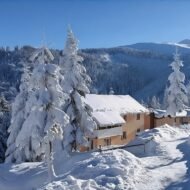
On-Mountain: Several hotels and pensions sit at or near the base area. Options range from basic but clean rooms to more comfortable mid-range hotels. Book directly when possible for better rates.
Lupeni Town: Just 7km away, this offers more accommodation variety and lower prices. You’ll find family-run guesthouses that serve enormous home-cooked breakfasts.
Alternative Base: Petroșani, the larger nearby city, provides even more options with better infrastructure, though you’ll add 15-20 minutes to your commute.
Budget travelers should consider private rooms or apartments—common throughout the region and offering excellent value.
Beyond Skiing: What Else to Experience
Food Scene: Romanian mountain cuisine is hearty, delicious, and perfect after a day on the slopes. Seek out ciorbă (sour soup), sarmale (cabbage rolls), mici (grilled meat rolls), and mămăligă (polenta). Local restaurants serve generous portions at prices that’ll make you wonder if they forgot a zero.
Thermal Spas: The region has several natural thermal springs. Geoagiu-Băi, about an hour away, offers therapeutic waters perfect for sore muscles.
Cultural Exploration: The Jiu Valley has a rich mining heritage (though economically challenging in recent decades). The local museums tell fascinating stories about the region’s industrial past.
Nearby Attractions:
- Retezat National Park (stunning alpine scenery and glacial lakes)
- Deva Citadel (medieval fortress)
- Corvin Castle in Hunedoara (one of Europe’s most impressive Gothic castles)
Local Interaction: People in this region are genuinely friendly and curious about international visitors. Don’t be surprised if locals strike up conversations or offer recommendations. Basic Romanian phrases go a long way.
Practical Information You Actually Need
Currency: Romanian Leu (RON). Cards are accepted at the resort, but carry cash for smaller establishments.
Language: Romanian is primary, but you’ll find English speakers at the resort and tourism establishments. Learning basic phrases shows respect and opens doors.
Equipment Rental: Available on-site with reasonable prices. Quality is generally good, though serious skiers might prefer bringing their own gear.
Ski School: Group and private lessons available. Rates are significantly lower than Western Europe while maintaining good instruction quality.
Safety: Standard mountain safety rules apply. Weather can change quickly; avalanche risk exists in backcountry areas. Check conditions before heading out.
Accessibility: The gondola and main facilities are reasonably accessible, though some older buildings may present challenges. Contact accommodations directly about specific needs.
Money-Saving Tips
Pack your own snacks and drinks—on-mountain dining, while cheaper than Alpine resorts, still costs more than valley towns. Consider self-catering accommodation for longer stays. Visit during weekdays for better deals on everything. Look into multi-day lift passes for savings. Book accommodations directly rather than through booking platforms when possible.
The Real Talk: What Straja Isn’t
Let’s manage expectations. This isn’t a luxury resort. You won’t find Michelin-starred restaurants, designer boutiques, or helicopter skiing operations. Infrastructure, while improving, doesn’t match the polish of established Alpine destinations.
English isn’t universally spoken outside the resort itself. You’ll need flexibility, patience, and a sense of adventure. If you need everything to be perfect and predictable, this might not be your place.
Why You Should Go Anyway
Because Straja offers something increasingly precious in modern travel: genuine experience over manufactured tourism. You’ll ski quality terrain, meet real people, eat authentic food, and save enough money to extend your trip or return sooner.
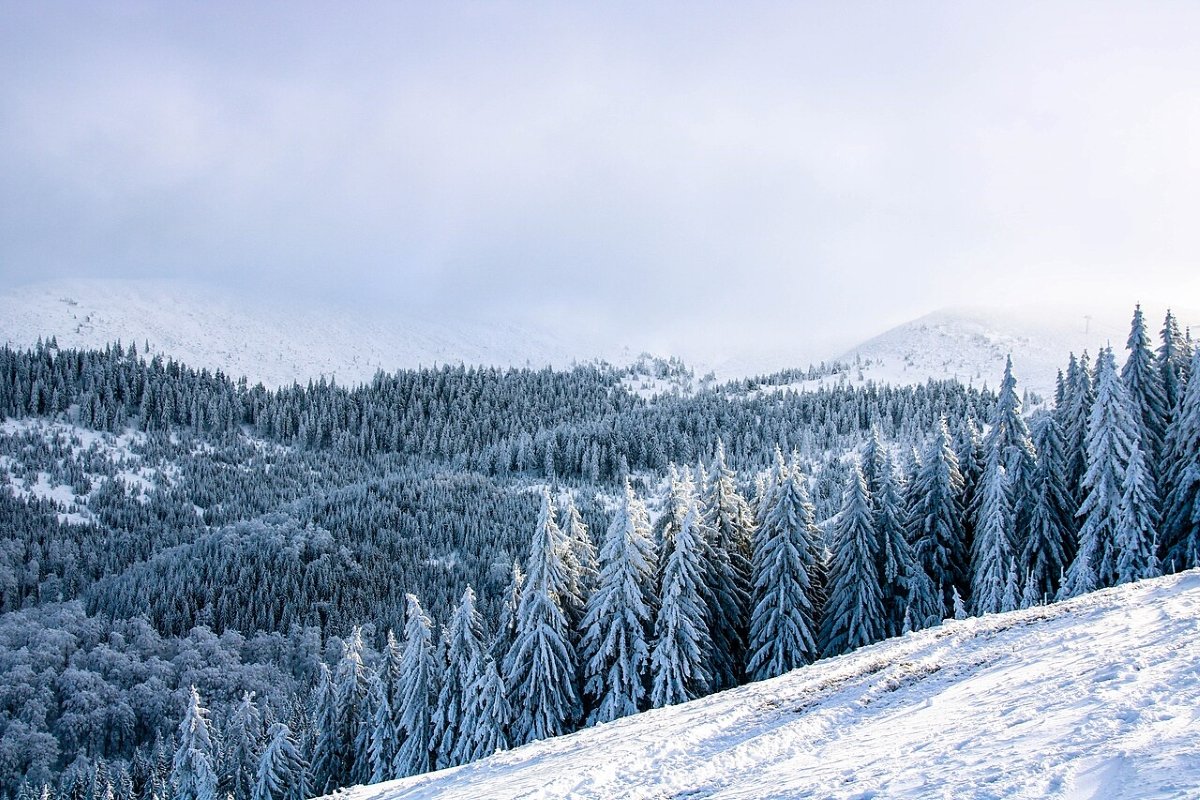
The Carpathian Mountains possess a wild beauty that the overcrowded Alps have largely lost. Standing at the top of Straja on a clear day, looking across untouched peaks and forests, you’ll understand why some travelers seek out places like this.
Plus, you’ll have incredible stories. How many people can say they’ve skied Romania’s highest resort?
Final Thoughts
Straja Ski Resort represents excellent value for adventurous travelers who prioritize experience over luxury. Whether you’re a budget-conscious family, intermediate skiers seeking new terrain, or travelers who love discovering under-the-radar destinations, this Carpathian gem deserves consideration.
The region needs tourism to support economic development while preserving its natural beauty. Your visit contributes to local communities while giving you an authentic mountain experience increasingly difficult to find in Europe.
So pack your gear, brush up on your Romanian basics, and head to the Vâlcan Mountains. Straja is waiting—and trust me, you’ll want to keep it to yourself after you visit.
Why Straja Is Worth It
Straja isn’t trying to compete with the Alps — and that’s exactly why it works.
You come here for:
- Affordable skiing
- Friendly locals
- Forest-covered mountains
- Cozy evenings and real winter vibes
It’s a reminder that great ski trips don’t need luxury price tags — just snow, space, and good energy.
Ready to book? Research current conditions, accommodation availability, and start planning your Carpathian adventure. The mountains are calling, and this time, they’re speaking Romanian.




 offering affordable skiing, stunning Carpathian views, and year-round adventures)