








TL;DR: Smørrebrød isn’t just a sandwich—it’s Denmark’s edible art form stacked on dense rye bread. Born from farmers’ leftovers in the Middle Ages, these beauties evolved into Instagram-worthy towers of pickled herring, hand-peeled shrimp, and roast beef. Eat them fish-first with a fork and knife (never hands!), pair with ice-cold schnapps, and hit spots like Schønnemann (since 1877) or modern innovator Selma. Budget €15-30 per person for lunch. Pro tip: Order 2-4 pieces—they’re card-sized portions designed for variety.
- What Exactly Is Smørrebrød? (And How Do You Even Say It?)
- From Farmers’ Leftovers to Foodie Fame: A Quick History Lesson
- The Unwritten Rules (Or How Not to Embarrass Yourself)
- Where to Find Mind-Blowing Smørrebrød in Copenhagen
- The Historic Heavyweights
- The Modern Innovators
- The Budget-Friendly Options
- The Experience Destinations
- Beyond Copenhagen: Smørrebrød Around Denmark
- The Classic Smørrebrød You Can’t Miss
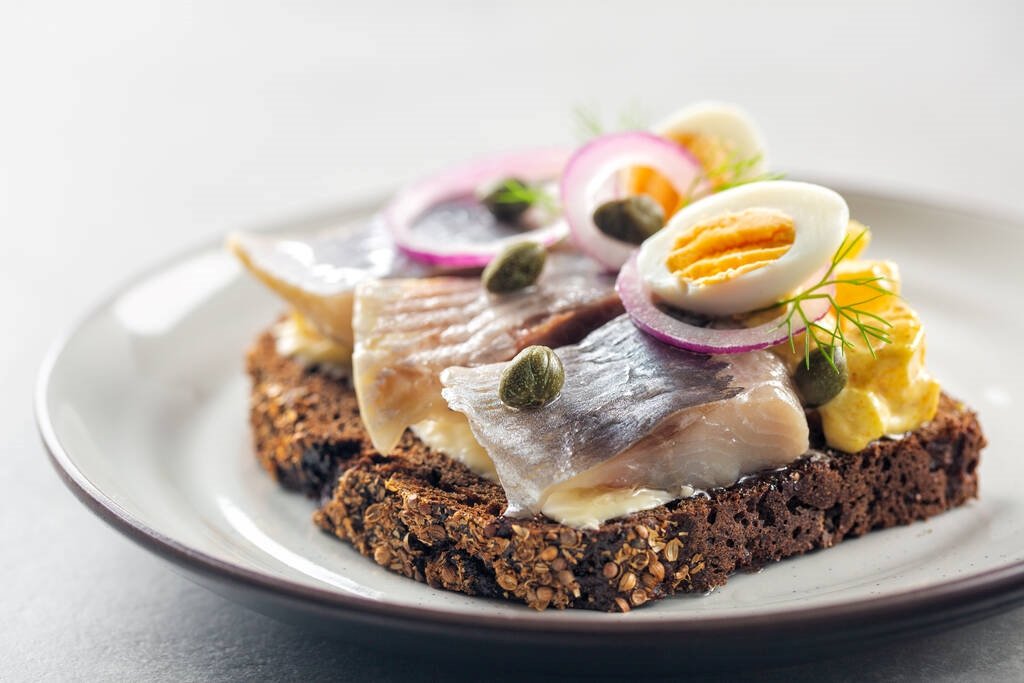
- Pickled Herring (Marinerede Sild)
- Stjerneskud (“Shooting Star”)
- Dyrlægens Natmad (“Veterinarian’s Midnight Snack”)
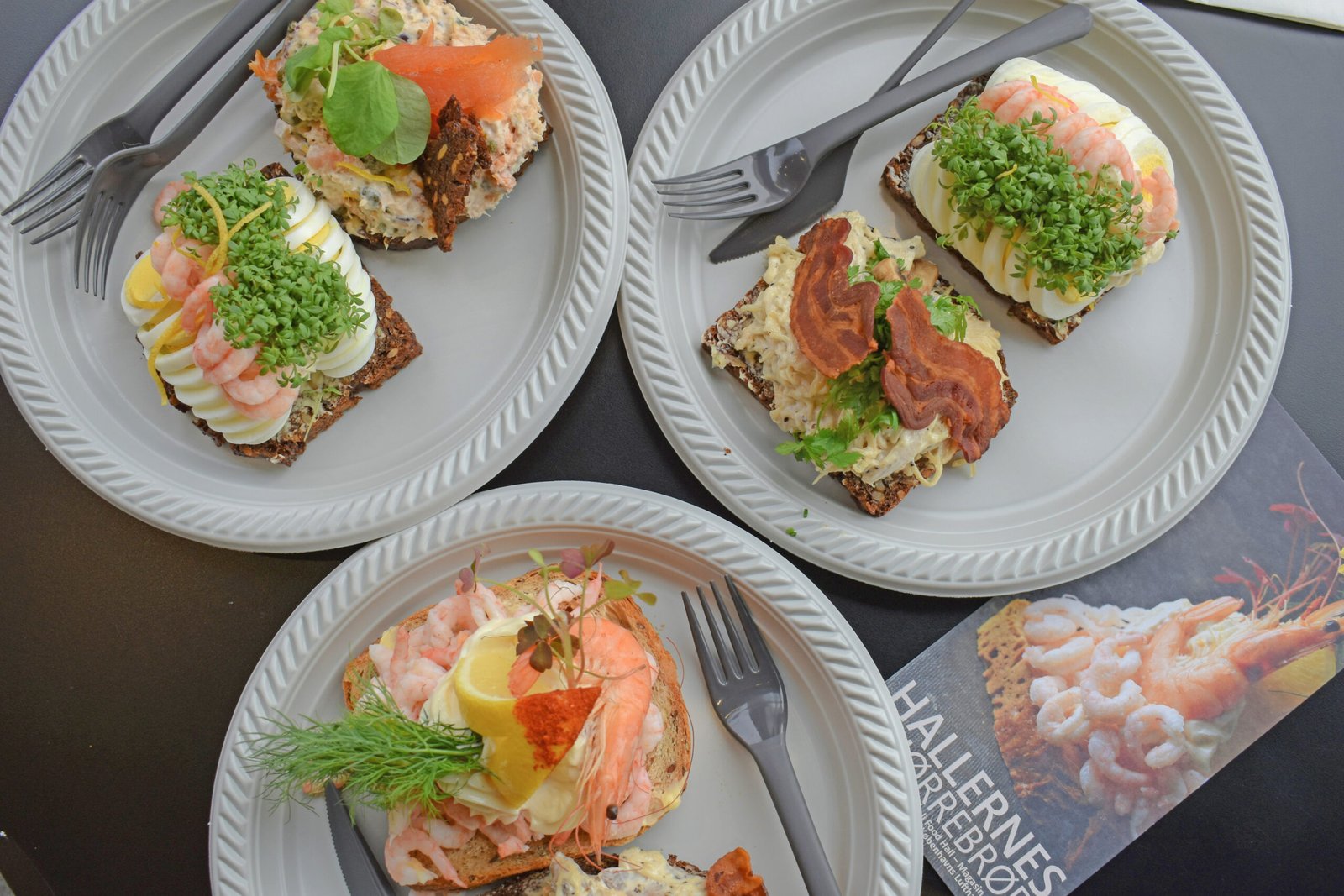
- The Shrimp Tower
- Roast Beef with Remoulade
- Vegetarian & Vegan Options (Yes, They Exist!)
- Practical Info: What You Need to Know
- Making Smørrebrød at Home (Or Attempting To)
- Final Thoughts: Why Smørrebrød Matters
Look, I get it. When you hear “open-faced sandwich,” you’re probably picturing sad cafeteria food or something your kid made when they “helped” with lunch. But Danish smørrebrød? This is a whole different ballgame—one where bread becomes canvas, toppings transform into architecture, and lunch turns into a full-blown cultural experience.
After spending way too much money (and gaining a few happy kilos) exploring Copenhagen’s smørrebrød scene, I’m here to tell you everything you need to know about Denmark’s most iconic dish. Spoiler alert: You’re going to want to book that flight.
What Exactly Is Smørrebrød? (And How Do You Even Say It?)
First things first: it’s pronounced “SMUHR-broe” (or “SMORE-breth” if you want to sound extra local). The word literally means “butter and bread” in Danish, which sounds humble—until you see what happens when Danes get creative with those two ingredients.
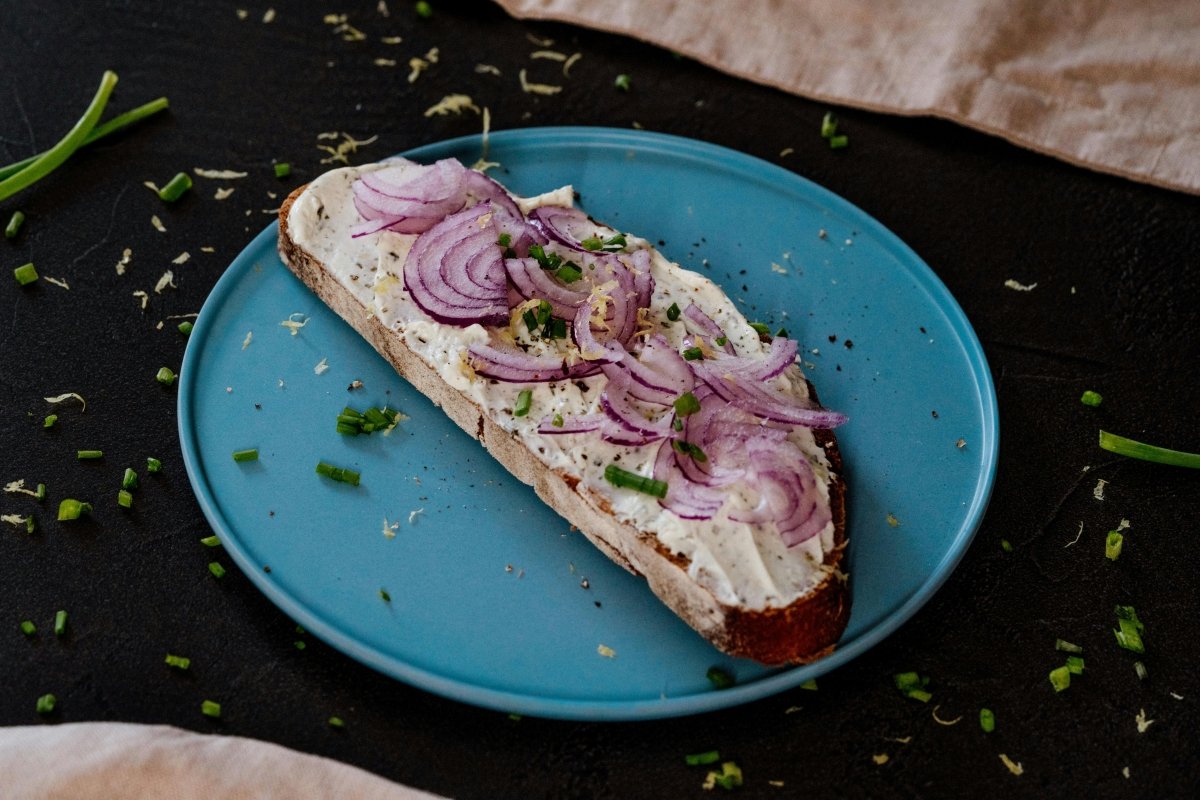
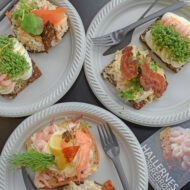
At its core, smørrebrød is an open-faced sandwich built on a foundation of rugbrød (dense, dark rye bread about the size of a playing card). The bread gets slathered with salted butter, then topped with an almost limitless combination of ingredients piled high with precision that would make an architect weep.
We’re talking pickled herring with raw onions and capers, hand-peeled shrimp drowning in mayo and lemon, roast beef with horseradish and fried onions, or my personal favorite—smoked eel with scrambled eggs. Some modern places even serve vegetarian versions with roasted vegetables, avocado, or aged cheese that’ll convert even the most devoted carnivores.
From Farmers’ Leftovers to Foodie Fame: A Quick History Lesson
Here’s where it gets interesting. Smørrebrød started as the ultimate meal-prep hack back in the Middle Ages. Danish farmers would slap yesterday’s dinner leftovers onto a piece of bread—which actually served as a plate more than anything else—and head out to the fields. Practical? Yes. Delicious? Also yes.
Fast forward to the late 1800s, when Denmark’s economy was booming and factory workers needed portable lunches. Smørrebrød became the meal of choice, evolving from simple leftovers to carefully crafted combinations. In 1888, restaurant pioneers Oskar and Petra Davidsen opened a wine bar in Copenhagen and started serving smørrebrød—eventually offering over 170 varieties with menus that stretched four feet long. No joke.
Their great-granddaughter, Ida Davidsen, became Denmark’s unofficial smørrebrød ambassador in the 1970s, taking the dish to Hollywood and even serving it on commercial flights. She basically ensured that smørrebrød didn’t fade into obscurity during Denmark’s “let’s eat everything French” phase. Today, her family’s restaurant continues the tradition with more than 250 varieties.
The dish nearly disappeared in the 1970s as Danes got distracted by international cuisine, but it made a comeback thanks to the New Nordic food movement. Now, Copenhagen chefs are reimagining smørrebrød while respecting its roots—think traditional techniques with modern flair.
The Unwritten Rules (Or How Not to Embarrass Yourself)
Okay, this is crucial. Danes take their smørrebrød seriously, and there are rules. Ignore them at your own risk.
Rule #1: Use Your Fork and Knife I know it’s called a sandwich, but pick up smørrebrød with your hands and you’ll get looks. These beauties are engineered to be eaten with utensils. The toppings are piled high and precarious—grab it and you’ll wear your lunch.
Rule #2: Follow the Order There’s an actual sequence to eating multiple pieces of smørrebrød:
- Start with fish (especially herring—it’s tradition)
- Move to other seafood (shrimp, salmon, etc.)
- Then tackle meat
- Finish with cheese
Break this order and Danish grandmothers everywhere will sense a disturbance in the force.
Rule #3: One Protein Per Piece Don’t mix your meats and fish on the same piece of bread. It’s considered poor form. Each smørrebrød should have its own identity.
Rule #4: Order Multiple Pieces Remember, these are playing-card sized. You’re meant to order 2-4 pieces per person minimum and sample different varieties. Think tapas, but Danish.
Rule #5: Pair with Schnapps or Beer For the full experience, order a shot of ice-cold schnapps (Danes call it snaps) or a local beer. Bonus points if you learn a Danish drinking song—trust me, they love singing over lunch.
Where to Find Mind-Blowing Smørrebrød in Copenhagen
The Historic Heavyweights
Schønnemann (Open since 1877!) Located in a cozy basement near Kongens Have, this legendary spot is smørrebrød royalty. Their potato smørrebrød with homemade mayo and crispy onions is iconic, and the salted beef with horseradish cream will change your life. It’s old-school Danish charm with red-checked tablecloths and schnapps flowing freely. Expect to spend around €25-35 per person.
Where: Hauser Pl. 16, 1127 København K
Restaurant Sankt Annæ White tablecloths, oil paintings, and an atmosphere so elegant you’ll feel like Danish royalty (King Frederik has actually dined here). Their hand-peeled shrimp with lemon and mayo is perfection, and the chicken and asparagus tartlet is basically heaven in pastry form.
Where: Sankt Annæ Pl. 12, 1250 København K
The Modern Innovators
Selma Swedish chef Magnus Pettersson is doing wild things with smørrebrød—like herring stained purple with blackcurrants, or shrimp piled on buttery brioche (instead of rye!) with jalapeño and lemon. It’s controversial, it’s gorgeous, and it’s absolutely delicious. Each piece looks like edible art.
Where: Rømersgade 20, 1250 København K
Restaurant Palægade Modern smørrebrød with corporate lunch vibes that somehow don’t kill the charm. Fresh ingredients, creative presentations, and a wine list that pairs beautifully with your meal. It’s where traditional meets trendy.
Where: Palægade 8, 1261 København K
Aamanns (Multiple Locations) Adam Aamann basically revitalized smørrebrød in the 2000s, taking old-school curing and smoking techniques and giving them contemporary flair. Try their aged herring soaked in elderflower brine with fried buckwheat—it’s next-level. They have four locations including one at the Royal Danish Playhouse with stunning views.
Ibens Smørrebrød Denmark’s smallest smørrebrød restaurant currently holds the title of Copenhagen’s highest-rated on Google (4.9 stars!). It’s tiny, cozy, and the staff speaks English. No toilet though, so plan accordingly.
Where: St. Kongensgade 116A
The Budget-Friendly Options
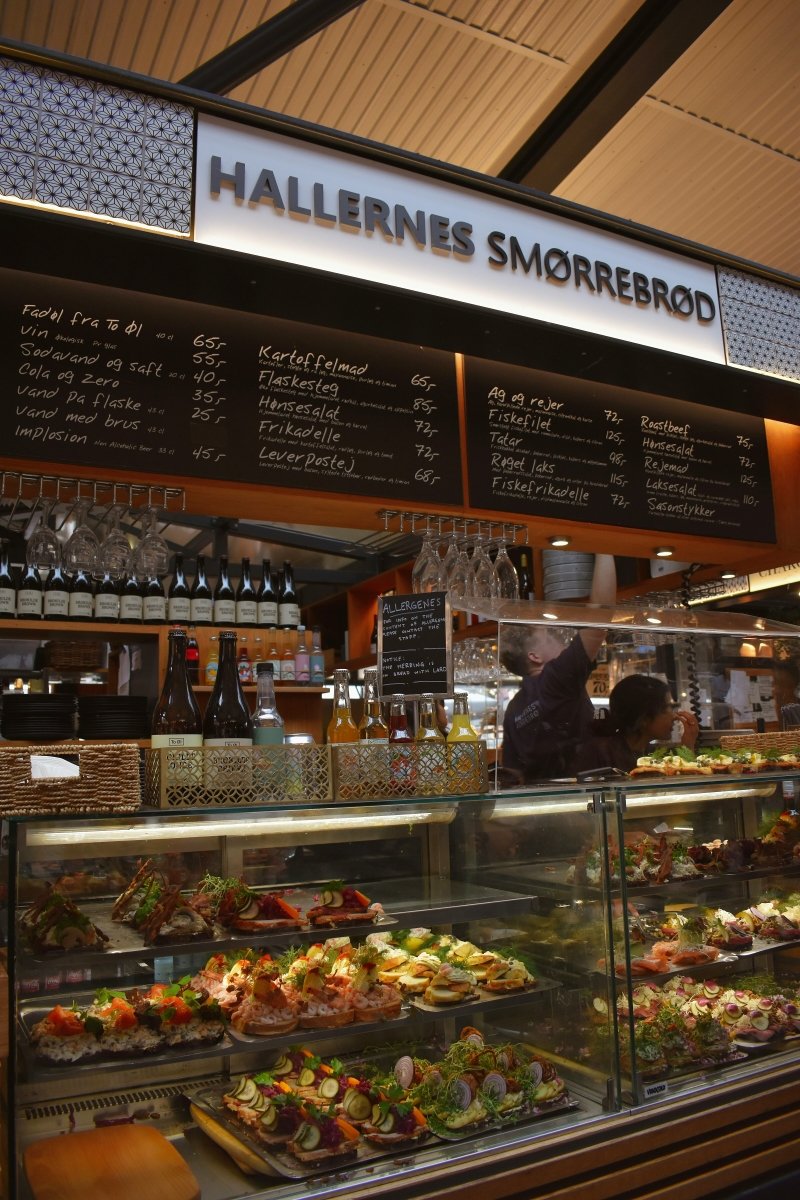
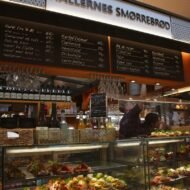
Hallernes Smørrebrød (at Torvehallerne food hall) Perfect for first-timers who want quality without committing to a full sit-down meal. Grab your food from the counter and find a spot to people-watch. Lines can wrap around the stall during peak hours, but they move fast. Around €10-15 per piece.
Kanal Cafeen Simple, delicious, and tourist-wallet friendly. Their open-faced sandwiches start around €8, making this one of the best value spots in the city.
The Experience Destinations
Meyers i Tårnet (Inside Christiansborg Palace Tower) Want to eat smørrebrød inside the Danish Parliament building with sky-high ceilings, monumental statues, and jaw-dropping views? This is your spot. After lunch, head up to the viewing platform for panoramic city views. Yes, you’ll need to go through security, but it’s worth every second.
Christianshavns Færgecafé Rustic waterside setting where you can actually dine aboard a vintage docked ferry. Over 30 house-made schnapps varieties, curry herring that’ll blow your mind, and a vibe that screams “authentic Copenhagen.” The schnapps-enthusiast owner Erik Frandsen has created something special here.
Where: Strandgade 50, 1401 København K
Beyond Copenhagen: Smørrebrød Around Denmark
Don’t sleep on the rest of Denmark—there’s amazing smørrebrød beyond the capital.
AnX (Aarhus) – Modern, innovative takes with high-quality ingredients and presentation that rivals Copenhagen’s finest.
Restaurant HOS (Odense) – Modern smørrebrød for lunch, with an optional 3-6 course tasting menu on weekend evenings. Everything made from scratch with local, organic ingredients.
Dit Smørrebrød (Skagen) – Way up north where the two seas meet, this cozy spot serves traditional smørrebrød with red-and-white checkered tablecloths and “grandma’s food” vibes.
Panorama (Silkeborg) – Locals swear this place has some of Denmark’s best open sandwiches. Sometimes the best food isn’t in the capital.
The Classic Smørrebrød You Can’t Miss
Pickled Herring (Marinerede Sild)
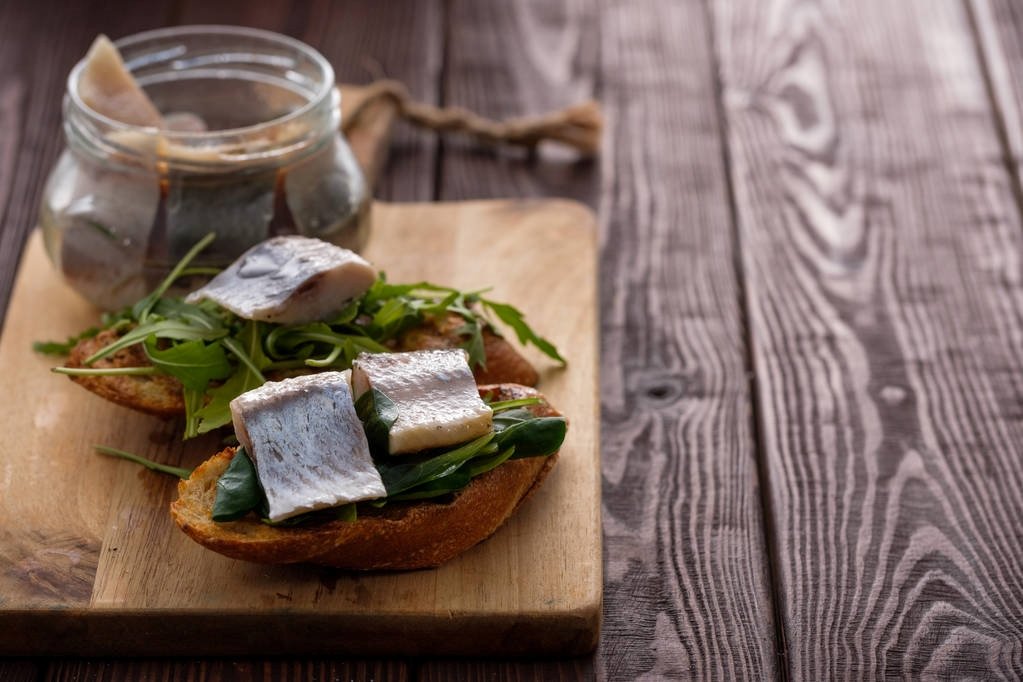
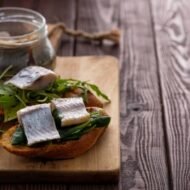
The OG smørrebrød. Tangy, vinegary fish topped with raw onion rings, capers, and fresh dill. It’s an acquired taste, but when in Denmark… Start here or risk dishonoring generations of Danish lunch traditions.
Stjerneskud (“Shooting Star”)
Created to celebrate cosmonaut Yuri Gagarin’s 1960s Copenhagen visit, this showstopper features both fried and poached plaice (flatfish), shrimp, mayo, lemon, and caviar all on one piece of bread. It’s excessive and glorious.
Dyrlægens Natmad (“Veterinarian’s Midnight Snack”)
Liver pâté topped with salt beef, meat aspic, raw onion rings, and garden cress. Named after a regular customer who always ordered it late at night. Rich, savory, and definitely not for the faint of heart.
The Shrimp Tower
Hand-peeled shrimp piled impossibly high with mayo, lemon, fresh dill, and sometimes edible flowers. It’s seafood decadence on rye, and every restaurant has their own version.
Roast Beef with Remoulade
Thin slices of perfectly cooked beef, tangy remoulade sauce (think mayo-mustard-pickle love child), horseradish, and crispy fried onions. A meat-lover’s dream.
Vegetarian & Vegan Options (Yes, They Exist!)
For years, smørrebrød was basically a meat-and-fish fest, but modern Copenhagen has caught up with the times. Places like Mad & Kaffe serve avocado smørrebrød that’ll make you forget about protein entirely. Restaurant Selma does incredible seasonal vegetable options, and many traditional spots now offer egg and cheese combinations that pack serious flavor.
Look for tomato smørrebrød (ripe, pickled, and dehydrated tomatoes layered with creativity), roasted pumpkin with eggs, or aged cheese with pickled beets. Just ask—most restaurants are happy to accommodate dietary preferences these days.
Practical Info: What You Need to Know
When to Go: Smørrebrød is traditionally a lunch thing. Most restaurants serve it from around 11:30 AM to 2:30 or 3 PM. Some places extend hours, but don’t show up at 5 PM expecting the full menu.
How Much to Budget:
- Budget spots: €8-15 per piece
- Mid-range: €15-25 per piece
- High-end: €25-40 per piece
- Plan for 2-4 pieces per person plus drinks
Reservations: Highly recommended for popular spots like Schønnemann, Selma, and Restaurant Sankt Annæ, especially during tourist season (May-September) and lunch rushes.
Language: Most Copenhagen restaurants have English-speaking staff and English menus. Outside the capital, brush up on basic Danish or have Google Translate handy.
Dress Code: Smart casual works everywhere. Jeans and a nice top are fine—this isn’t fine dining, but you’ll feel out of place in athletic wear at the upscale spots.
Making Smørrebrød at Home (Or Attempting To)
Want to recreate the magic at home? Here’s what you need:
The Bread: Find authentic Danish rugbrød if possible. It should be dense, dark, and seeded—not soft deli rye. Try Scandinavian grocery stores or bakeries. Pumpernickel works in a pinch.
The Butter: Salted butter is non-negotiable. Spread it generously—this isn’t the time to worry about calories.
The Toppings: Start with accessible combinations:
- Smoked salmon + horseradish cream + radishes + dill
- Hard-boiled egg + mayo + shrimp + lemon
- Roast beef + remoulade + horseradish + fried onions
- Brie + cranberry + walnuts (a modern twist)
The Assembly: Layer thoughtfully. Heavier items on the bottom, delicate garnishes on top. Make it tall. Make it beautiful. Channel your inner Danish sandwich artist.
Final Thoughts: Why Smørrebrød Matters
Here’s the thing about smørrebrød—it’s not just food. It’s a glimpse into Danish culture, where simplicity meets craftsmanship, where leftovers became art, where lunch is a ritual worth honoring.
In a world of grab-and-go meals and sad desk lunches, there’s something radical about sitting down mid-day, ordering four tiny open-faced sandwiches, sipping schnapps, and taking your time. It’s hygge on a plate. It’s Denmark saying, “Slow down, enjoy this, life is better with butter and good company.”
Whether you’re at a 150-year-old institution or a modern innovator pushing boundaries, every piece of smørrebrød tells a story. Of farmers and fishing villages, of royal celebrations and midnight snacks, of a small Nordic country that turned humble ingredients into a national treasure.
So book that ticket to Copenhagen. Order the herring (yes, even if you think you hate herring). Use your fork and knife. Try the schnapps. And don’t be surprised if you find yourself planning your entire Denmark trip around lunch.
Because once you’ve experienced proper smørrebrød, regular sandwiches just won’t cut it anymore.
Skål! 🍻
Have you tried smørrebrød? Planning a trip to Denmark? Drop your questions in the comments—I’m always happy to talk about food that requires utensils to eat!
Disclaimer: Prices and restaurant details were accurate as of February 2025 but may change. Always check current hours and make reservations when possible. Also, I’m not responsible for your newfound addiction to pickled herring.