

TL;DR: Studenica Monastery is Serbia’s most spectacular medieval site – a UNESCO World Heritage wonder located in the mountains with jaw-dropping Byzantine frescoes, fascinating royal history, and surprisingly easy access from Belgrade. Perfect for history buffs, art lovers, and anyone seeking an authentic Balkan adventure.
- Why Studenica Should Be Your Next Serbian Adventure
- The Royal Story That’ll Blow Your Mind
- What You’ll Actually See (The Good Stuff)
- The Church of the Virgin – The Main Event
- The King’s Church – Small but Mighty
- The Famous Crucifixion Fresco
- Getting There: Your Transport Options
- Practical Visitor Information
- Beyond Studenica: What Else to See Nearby
- Best Time to Visit
- What to Expect: The Real Talk
- Planning Your Visit: Insider Tips
- Cultural Context: Why This Matters
- Final Verdict: Is It Worth the Journey?
Why Studenica Should Be Your Next Serbian Adventure
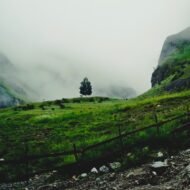
Picture this: you’re driving through curvy mountain roads, and behind each curve, there’s a new breathtaking mountain view. Then suddenly, gleaming white marble walls appear on a hilltop like something from a medieval fairy tale. That’s your first glimpse of Studenica Monastery – and trust me, it doesn’t disappoint.
One of Serbia’s most sacred sites, Unesco-listed Studenica was established in 1196 by the founder of the Serbian empire (and future saint) Stefan Nemanja. But here’s what makes it special: this isn’t just another old church. It’s where Serbia as we know it was born, where the independent Serbian Orthodox Church began, and where some of Europe’s most stunning medieval art lives.
The Royal Story That’ll Blow Your Mind
The Nemanjić Dynasty Drama
Stefan Nemanja, the founder of the medieval Serbian state and the Nemanjić dynasty, built this place as his retirement project after stepping down from ruling. But the real drama started when Saint Sava, Stefan Nemanja’s younger son, established the independent Orthodox Church of Serbia in 1219 right here.
Think of it as medieval Serbia’s version of Silicon Valley – except instead of tech startups, they were launching a kingdom. The graves of Stefan Nemanja, his wife Anastasia and his son, Stefan the First-Crowned, the first king of Serbia, are also located there. You’re literally walking where Serbian royalty lived, prayed, and are buried.
What You’ll Actually See (The Good Stuff)
The Church of the Virgin – The Main Event
This is the showstopper. The main church is dedicated to the Mother of God, dominating the whole site. It was built in ten years only. The first thing that impressed me was the material it was constructed of. It was created with a combination of white and grey marble blocks giving it a sophisticated textured quality.
Architecture That’ll Make Your Instagram Pop The church combines Romanesque and Byzantine stylistic characteristics. The Western Romanesque influence is visible from the outside, especially in the design of the single-nave church with a dome. However, the frescoes in its interior show a strong Byzantine influence.
The King’s Church – Small but Mighty
A smaller church located south of the main one is known as the King’s Church. It was made in 1314 and commissioned by King Milutin. It’s home to some of the best Byzantine frescoes in Europe.
The Famous Crucifixion Fresco
Here’s where art history gets expensive. The “Crucifixion” (The Studenica Crucifixion), the fresco considered one of the most beautiful frescoes in Serbia. Byzantine blue that in the early 13th century valued more than gold is the dominant color in the fresco. A liter of this precious paint cost several kilos of precious metal.
Pro tip: Some frescoes might be under restoration (scaffolding happens), so call ahead if you’re making a special trip just for specific artworks.
Getting There: Your Transport Options
Coordinates: 43°29′9.996″N 20°32′12.012″E
From Belgrade (The Most Popular Route)
- Distance: About 200km (3-hour drive)
- Best route: Take the Ibar roadway via Kraljevo and Ušće. The town of Ušće is just 12km far from Studenica
- Public transport: You can reach Ušće taking one of the many buses from Belgrade, then there are 4 buses travelling from Ušće to the Studenica monastery
Alternative Routes
If you travel from another direction, just take a bus to Novi Pazar, and then a local bus to Ušće.
Reality check: Public transport can be tricky. Many travelers end up taking tours or renting cars. The mountain roads are gorgeous but winding, so factor in extra time.
Practical Visitor Information
Opening Hours & Access
Visits are allowed from 8 am to 5 pm. All individual and group visits to the Monastery are provided with the expert guidance of the curator.
Entrance Fees
The monastery itself doesn’t charge admission, but guided tours may have fees. Group visits can be pre-arranged by contacting the monastery on: visitstudenica@gmail.com.
Where to Stay
Here’s a cool option: lodging is available for €10 per night at the monastery itself! For reservations and accommodation for guests at the guesthouse of the Studenica Monastery, prior notice is required by phone +381 64 646 7492 or via e-mail: konakstudenica@gmail.com.
Visitor Guidelines
Studenica Monastery is a religious site and visitors are expected to follow Orthodox customs. Photography is only allowed in certain areas.
Beyond Studenica: What Else to See Nearby
The Hidden Hermitage
The hermitage of St Sava, a cave-like complex of monks’ cells built into a cliff high above a canyon and accessed via a narrow wooden bridge, is about 6km from Studenica. It offers terrific views and makes for a great hike.
Other Monastery Gems
- Žiča Monastery: Žiča, one of the most beautiful monasteries in Serbia
- Maglič Fortress: The medieval Maglič fortress from the XIII century, located on the right bank of the Ibar river just 16km south of the city of Kraljevo
Best Time to Visit
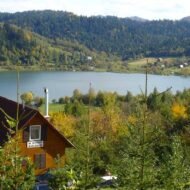
Peak season: May through October for best weather and accessibility Hidden gem timing: the drive going there in the fall is spectacular as the rolling hills are covered with trees of different colors Spring bonus: If you happen to be here in springtime, you will be amazed by the surrounding Valley of Lilacs that has a fairytale-like history
What to Expect: The Real Talk
The Awesome
- 60,000 people a year visit, so you won’t be alone, but it’s not overwhelmingly crowded
- The mountain setting is genuinely breathtaking
- You’re experiencing 800+ years of preserved history
- Monks still live and work here, making it authentically active
The Challenging
- Getting there requires planning (especially with public transport)
- Mountain roads can be winding
- Some frescoes may be under restoration
- Limited food options nearby (especially for vegetarians)
Planning Your Visit: Insider Tips
Transportation Hacks
- Car rental: Most flexible option, especially if visiting multiple sites
- Tour groups: Solve the transport problem and often include multiple monasteries
- Day trips from Belgrade: Many operators offer combined monastery tours
What to Bring
- Comfortable walking shoes (cobblestones and hiking to the hermitage)
- Respectful clothing (covering shoulders and knees)
- Camera (where permitted)
- Water and snacks (limited dining options)
Money Matters
- Entry to the monastery complex is free
- Guided tours: varies by operator
- Accommodation at monastery: €10/night
- Most expenses will be transportation and food
Cultural Context: Why This Matters
Studenica is also an essential place for Serbian history because it was there that Saint Sava, Stefan Nemanja’s younger son, established the independent Orthodox Church of Serbia in 1219. He also wrote the first literary work in Serbian there. Because of that, Studenica Monastery is still perceived as an important symbol of Serbian culture.
This isn’t just tourism – you’re visiting the birthplace of Serbian cultural identity. Saint Sava established the first Serbian medical school in the Studenica monastery on the model of Byzantine monastery hospitals.
Final Verdict: Is It Worth the Journey?
Absolutely. It is the largest and richest of all the Serbian Orthodox monasteries and contains the remains of the first Serbian kings. On the interior walls of some of the buildings are some of the best examples of Byzantine art. It truly is an important and fascinating place.
Yes, getting there takes effort, but that’s partly what makes it special. You’re not just checking off a tourist box – you’re making a pilgrimage to one of Europe’s most significant medieval sites that somehow remains relatively undiscovered by mass tourism.
Bottom line: If you’re in Serbia and have even a passing interest in history, art, or authentic cultural experiences, Studenica Monastery deserves a spot on your itinerary. Just plan your transport in advance, and prepare to be amazed by what you’ll find in those mountain valleys.
Planning a Serbian monastery tour? Studenica pairs perfectly with Žiča, Sopoćani, and other medieval sites in the region. Many visitors combine it with the stunning Uvac Canyon for a perfect blend of cultural and natural wonders.