

Ready to escape the ordinary? Pack your sense of adventure and prepare for a journey to one of Europe’s most spectacular hidden gems.
- Why Svaneti Should Be Your Next Adventure
- The Legends That Built This Land
- Svaneti National Park: Georgia’s Alpine Wonderland
- Svan Towers: UNESCO World Heritage Architectural Marvels
- The Living Medieval Monument
- Architectural Genius of the 9th-12th Centuries
- The Mystery of Their Purpose
- Where to See the Most Spectacular Towers
- Visiting the Towers as a Tourist
- The Svan People: Guardians of Ancient Mountain Culture
- Who Are the Svans?
- The Svan Language: An Ancient Voice in the Mountains
- Cultural Traditions That Define Mountain Life
- Religious Beliefs: Where Christianity Meets Ancient Traditions
- Social Structure: Clans, Honor, and Hospitality
- Traditional Practices You Might Encounter
- Traditional Livelihoods: Living with the Mountains
- Modern Challenges: Preserving Culture in a Changing World
- What This Means for Travelers
- Must-See Attractions and Experiences
- When to Visit: Timing Your Svaneti Adventure
- Summer (July-September): Peak Adventure Season
- Winter (December-March): Skiing Paradise
- Spring/Fall: Shoulder Season Adventures
- Where to Stay: From Budget Backpacker to Boutique Bliss
- Budget-Friendly Guesthouses (10-35 GEL/night)
- Mid-Range Hotels (25-50 EUR/night)
- Camping & Alternative Stays
- Campervan & Camping Spots
- Seasonal Activities That’ll Blow Your Mind
- Cultural Events & Festivals
- Food Culture: Taste the Mountains
- Getting There: Your Journey to Paradise
- Popularity & Tourism Impact
- Final Thoughts: Why Svaneti Will Change Your Life
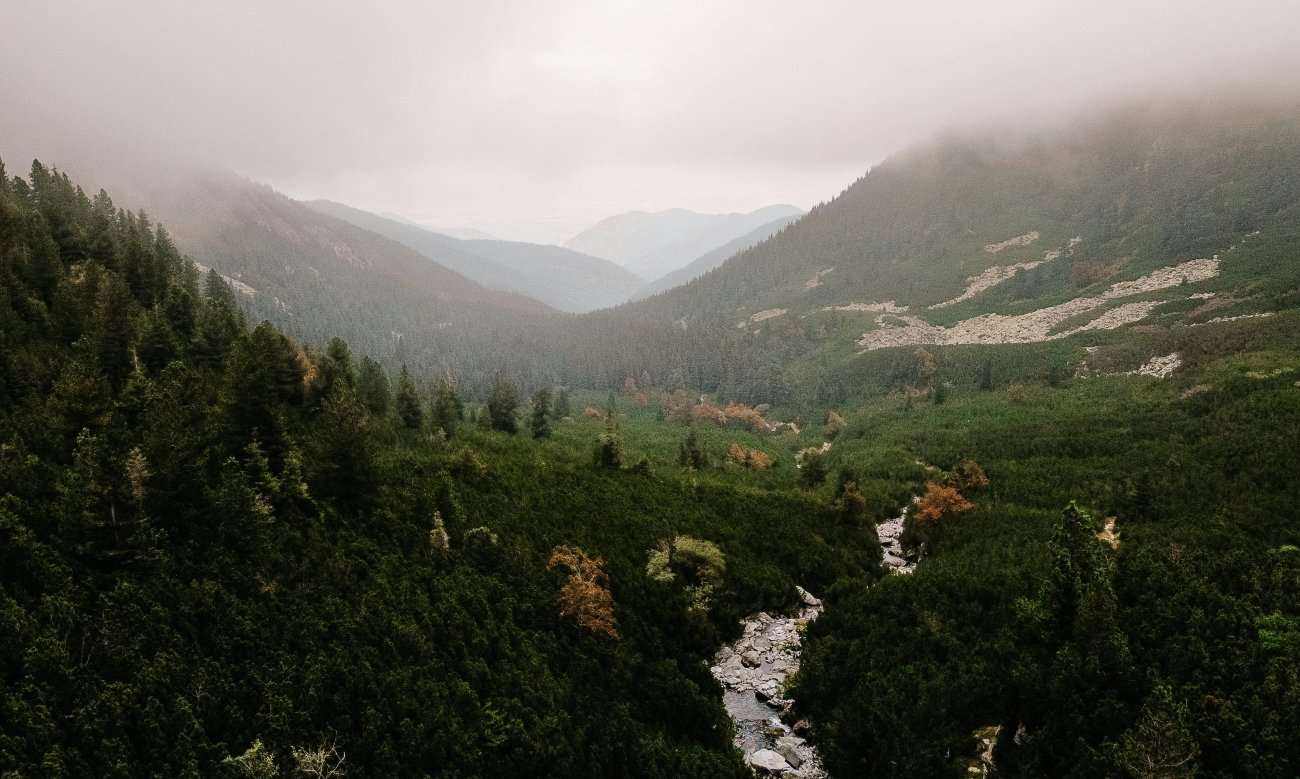
Forget everything you think you know about European mountain destinations. Located in the northwestern corner of Georgia, Svaneti isn’t just another pretty mountain region – it’s a living, breathing time capsule where medieval towers pierce dramatic skylines and ancient legends still echo through valleys that touch the clouds.
Picture this: You’re standing at over 2,000 meters above sea level, surrounded by four of the Caucasus Mountains’ ten highest peaks, watching the sunrise paint Mount Shkhara’s snow-capped summit in shades of gold. Ancient stone towers that have stood guard for nearly a millennium dot the landscape like sentinels from another era. This isn’t just a destination – it’s a portal to a world that time forgot.
Why Svaneti Should Be Your Next Adventure
Svaneti Georgia, a picturesque and rugged region in northwestern Georgia, has long been one of the country’s best-kept secrets. Known for its unique culture, rich history, and awe-inspiring landscapes, it offers a stark contrast to the bustling city life in Tbilisi and Batumi.
The TL;DR: If you’re craving authentic mountain culture, world-class hiking, and Instagram-worthy scenery that’ll make your friends insanely jealous, Svaneti delivers in spades. Plus, it’s still refreshingly under-the-radar compared to the Alps or Rockies.
What Makes Svaneti Absolutely Epic:
- Europe’s highest continuously inhabited village (Ushguli at 2,100m)
- UNESCO World Heritage medieval towers that look straight out of Game of Thrones
- Four of the Caucasus’ highest peaks including Mount Shkhara (5,201m)
- Ancient culture that’s barely changed in centuries
- Some of Georgia’s most legendary cuisine (hello, Kubdari!)
- Adventure activities from glacier hiking to world-class skiing
The Legends That Built This Land
According to Greek mythology the argonauts followed Jason to Colchis (present West-Georgia) to find the Golden Fleece. Allegedly, the search for Caucasian gold brought the Argonauts to the areas today known as Svaneti and Georgia.
Svaneti isn’t just geographically stunning – it’s mythologically magnetic. This is where Jason and the Argonauts supposedly searched for the Golden Fleece, and honestly, when you see the way sunlight catches on the snow-covered peaks, you’ll understand why ancient Greeks thought there was literal gold in these mountains.
Meet Dali: The Golden-Haired Goddess
Dali (დალი), Svanetian ‘Dæl’ – the goddess of the hunt. She was believed to have extraordinary beauty, with long golden hair and radiant white skin. She dwells high up in the mountains, in a shining golden cave where she watches over and protects wild animals.
The local goddess Dali still features prominently in Svanetian folklore. They always mention her name with a great respect. For them, to love Dali means to love hunting. And this is a good sign that hunting will be successful. They even have an expression about a good hunter: “He has Dali.”
Historical Significance
The province’s Orthodox culture flourished particularly during the Georgian “golden age” under Queen Tamar (r. 1184–1213), who was respected almost as a goddess by the Svanetians. The legend has it that the duchy was annually visited by Tamar.
The famous Svanetian towers? They weren’t just for show. The famous Svanetian tower houses, erected mainly in the 9th-12th centuries, make the region’s villages more attractive. These stone fortresses were built to protect families during conflicts and have become the region’s iconic architectural signature.
Svaneti National Park: Georgia’s Alpine Wonderland
While many travelers refer to visiting “Svaneti National Park,” the region is actually part of the broader Samegrelo-Zemo Svaneti administrative region. However, the mountainous areas of Upper Svaneti function as a de facto national park, offering some of Georgia’s most pristine alpine wilderness and dramatic mountain landscapes.
The “park” encompasses the highest inhabited areas of the Caucasus, with four of the ten highest peaks in the entire mountain range. Four of the 10 highest peaks of the Caucasus are located in the region. The highest mountain in Georgia, Mount Shkhara at 5,201 meters (17,064 feet), is located in the province.
What Makes Svaneti’s Natural Area Special:
- Alpine ecosystem diversity from 1,800m to over 5,000m elevation
- Pristine glacial valleys and ancient glaciers
- Endemic flora and fauna adapted to extreme mountain conditions
- Crystal-clear alpine lakes reflecting snow-capped peaks
- Protected medieval villages within stunning natural settings
Svan Towers: UNESCO World Heritage Architectural Marvels
The Living Medieval Monument
The unique architecture of the Svaneti towers and the medieval character of Ushguli, Mestia, and the Upper Svaneti led to the region’s inscription on the UNESCO World Heritage List in 1996. These aren’t just pretty buildings – they’re living history that tells the story of one of Europe’s most resilient cultures.
Architectural Genius of the 9th-12th Centuries
These towers are unique to the region and were primarily built between the 9th and 12th centuries, during the Georgian Golden Age. However, the origins of the tower likely date back to prehistory. There are around 3500 Svan towers in Svaneti.
Technical Specifications:
- Height: Typically 20-25 meters (65-82 feet) tall
- Structure: The towers usually have 3–5 storeys, and the thickness of the walls decreases with height, giving them a tapering appearance.
- Design: All Svan towers look absolutely identical – a square (5 х 5m) tapered stone structure of 25 m height. Each tower has four or five levels with a windowed upper part.
- Materials: Stone construction without mortar, earthquake-resistant
The Mystery of Their Purpose
To this day, their exact purpose remains unclear. What were they built for? Why were they needed? Their outward appearance and internal architecture are without equal—neither in the Caucasus, nor anywhere else in the world.
Theories About Their Function:
- Defense Systems: Historically, the existence of the towers is explained by the necessity of protection against enemy and natural disasters. Therefore each house had a similar tower which served for the families as a refuge in case of war.
- Communication Networks: Alarm signalization was the other function of Svan towers. They were used as sentry posts. In case of approaching danger a fire was lit on the main tower. As soon as this flame was noticed on the nearest tower they lit a fire there as well.
- Status Symbols: The towers may have served as architectural emblems of wealth and status. Typically built adjacent to family homes, they were preserved and passed down like heirlooms.
- Storage Facilities: In peaceful times, the towers may have been used as granaries or pantries—essentially, monumental Svan refrigerators.
Where to See the Most Spectacular Towers
Chazhashi Village (UNESCO Core Zone) According to the UNESCO description, it “has preserved more than 200 medieval tower houses, churches and castles.” Though this number includes the broader area, Chazhashi itself contains about 25 perfectly preserved towers in their original medieval setting.
Ushguli Complex There are more than 200 surviving defensive dwellings in Chazhashi alone. The Ushguli community, including villages like Murkmeli and Chazhashi, offers the most concentrated and photogenic collection of towers.
Lakhiri Village Lakhiri, which boasts the highest count of famous Svan towers in a singular settlement. This gorgeous little village is home to a staggering 18 well-preserved towers, all within just a few minutes’ walk from each other.
Visiting the Towers as a Tourist
What You Can Experience:
- Walk among towers that are 800-1,000 years old
- Now the towers are not used, their wooden floor partitions collapsed long time ago so it is impossible to climb them. However, some have been restored for tourist access
- Photography opportunities that rival any European castle
- Small ethnographic museums in select towers
- Guided tours explaining construction techniques and historical significance
Best Photo Spots:
- Early morning light hitting towers with Mount Shkhara backdrop
- Village streets with towers creating dramatic silhouettes
- Sunset views from elevated positions showing multiple towers
The Svan People: Guardians of Ancient Mountain Culture
Who Are the Svans?
The Svans (Svan: შვანარ, Shvanar; Georgian: სვანი, Svani) are an ethnic subgroup of the Georgians (Kartvelians) indigenous to Svaneti, a region in northwest Georgia. Far from being tourists attractions themselves, the Svan people are the living, breathing soul of this mountain region – and meeting them is often the most memorable part of any Svaneti adventure.
Quick Facts:
- Self-designation: Mushüan (probably reflected in the ancient ethnonym Misimian)
- Population: Found in 16 villages across Upper and Lower Svaneti
- First historical mention: Greek geographer Strabo (1st century BC) described them as fierce mountain warriors
- Modern identity: Proud Georgians who maintain distinct cultural traditions
The Svan Language: An Ancient Voice in the Mountains
Typically bilingual, they use both Georgian and their own, unwritten Svan language. Prior to the 19th century, many Svans were monolingual, only knowing the Svan language.
Language Characteristics:
- Family: Kartvelian (South Caucasian) language family, alongside Georgian, Mingrelian, and Laz
- Script: No traditional written form, though Georgian alphabet is used when needed
- Dialects: Four distinct dialects across the region
- Preservation: Svan has four dialects and differs from the other Kartvelian languages especially in vocabulary. It preserves a number of archaisms not present in the other three Kartvelian tongues.
Current Status: Villagers speak Svan at home and Georgian for official business; most guides also speak Russian and English. However, there is a growing decline of interest in the Svan language among the community, which poses a threat to the language’s preservation.
Cultural Traditions That Define Mountain Life
Religious Beliefs: Where Christianity Meets Ancient Traditions
They are Georgian Orthodox Christians, and were Christianized in the 4th–6th centuries. However, some remnants of pre-Christian beliefs have been maintained. Saint George (known as Jgëræg to the locals), a patron saint of Georgia, is the most respected saint.
Unique Religious Practices:
- Blended faith: Svan religion combines Georgian Orthodox Christianity with traditional folk beliefs
- Sacred places: Each clan has its own shrine, burial ground and feast days
- Ancient deities: Important deities and saints include Saint George, Saint Barbara, Dael (the goddess of the hunt), and Saint Mary
- Ritual offerings: Gods have traditionally been honored with animal sacrifices and offerings of bread and homemade vodka
Social Structure: Clans, Honor, and Hospitality
Traditional Social Organization:
- Patriarchal society: Svan society has traditionally been patriarchal, with the most important kinship group being the root clan
- Family structure: Svanetian families are small, and the husband is the head of his family. The Svan respect the older women in families.
- Clan identity: Each clan has its own shrine, burial ground and feast days. Marriages tended to between root clan members.
The Famous Svan Hospitality: Since they believe that a guest brings luck to a home, they are great hosts. The Svan people are known for their courage and hospitality, making every visitor feel like family. Don’t be surprised if you’re invited for chacha (traditional brandy) and stories that last deep into the night!
Traditional Practices You Might Encounter
Ancient Customs Still Alive:
- Blood revenge: The Svans have retained many of their old traditions, including blood revenge, although this tradition has largely disappeared in modern times
- Seasonal migration: In the nineteenth century, large numbers of Svan men earned additional income as migrant farm workers in the lowland regions during snowy months
- Hunting heritage: In earlier days, the Svans hunted ibex, stags, and bears to supplement their diet. (Hunting is still a popular avocation of Svans today.)
Traditional Livelihoods: Living with the Mountains
Agriculture and Animal Husbandry
The Svan traditionally subsisted on winter wheat, rye, barley and oats and cheese and meat from sheep, goats and cows and hunted ibex and bears.
Traditional Farming:
- Crops: Winter wheat, rye, barley, and oats adapted to high altitude
- Livestock: Sheep, goats, and cattle that provide cheese, meat, and milk
- Beekeeping: Beekeeping has been practiced since ancient times, and Svanetian honey has an exceptionally fine taste
- Terraced farming: Sophisticated farming techniques to utilize the steep mountain land
Traditional Crafts
They traditionally produced most tools and furniture they needed for themselves. The Svans have traditionally produced their own agricultural implements, utensils, furniture, and weaponry.
Artistic Traditions:
- Woodwork: Wooden artifacts usually adorned with elaborate geometrical designs
- Symbolic art: Using symbols related to Svanetian religion (solar disks, representations of people, animals, and ritual dances)
- Metalworking: Traditional weaponry and tools crafted by local smiths
Modern Challenges: Preserving Culture in a Changing World
Population Decline and Cultural Preservation
This remote region is unique from the rest of Georgia. Svan culture, millennia old, is in danger of vanishing as well due to economic migration and modernization.
Current Challenges:
- Emigration: Many young Svans leave for economic opportunities in cities
- Language endangerment: Children increasingly speak Georgian as their first language
- Tourism impact: Growing tourism brings both opportunities and cultural pressures
- Religious pressure: Throughout the region, new Orthodox churches, with their distinctive pointy cupolas, have sprung up, sometimes conflicting with traditional practices
What This Means for Travelers
Experiencing Svan Culture Respectfully
What You Can Expect:
- Genuine hospitality: Locals genuinely welcoming visitors into their homes
- Language barriers: Most older generations speak Svan and Georgian; younger people and guides often speak English
- Cultural curiosity: Svans are proud of their heritage and happy to share stories
- Traditional crafts: Opportunity to see traditional woodworking and crafts
How to Be a Respectful Visitor:
- Learn basic greetings in Georgian (Svan phrases are appreciated but rare)
- Respect photography boundaries – always ask before photographing people
- Participate in offered hospitality but don’t impose
- Support local artisans by purchasing authentic crafts
- Be patient with communication – language barriers are part of the authentic experience
Where Culture Comes Alive
Best Places to Experience Svan Culture:
- Family guesthouses where you’ll share meals and stories
- Village festivals during traditional celebrations
- Local markets in Mestia where traditional foods and crafts are sold
- Elder storytellers who preserve oral traditions
- Working farms where traditional agriculture continues
A common misunderstanding, especially among foreigners, is that the Svans are “assimilated” into Georgian society. However, this concept couldn’t be further from the truth. Svans have always viewed themselves as Georgians – but Georgians with their own distinct mountain identity that’s been shaped by centuries of life among these peaks.
Meeting the Svan people isn’t just cultural tourism – it’s encountering a living link to medieval Georgia, where ancient traditions still pulse through daily life in one of Europe’s last truly remote mountain cultures.
Must-See Attractions and Experiences
The Tower Towns
Mestia – Your gateway to Svaneti magic
- Museum of History and Ethnography, which is today a modern building but was originally founded in 1936. The impressive collection comprises thousands of pieces, including unique icons, books, jewelry, and weapons, with the oldest items dating back to the 3rd century BC.
- Perfect base camp with restaurants, hotels, and tour operators
- Cable car access to Hatsvali and Zuruldi stations for mountain adventures
Ushguli – Europe’s highest village
- Ushguli is often labeled “the highest elevation village in Europe” sitting at a soaring 2100 meters (6900 feet).
- Ushguli, a cluster of four villages, is one of the most unique places in Georgia. Located at an altitude of 2,100 meters, it’s often cited as the highest continuously inhabited settlement in Europe
- Best-preserved medieval towers and absolutely jaw-dropping Mount Shkhara views
Lakhiri – The tower treasure trove
- Lakhiri, which boasts the highest count of famous Svan towers in a singular settlement. This gorgeous little village is home to a staggering 18 well-preserved towers, all within just a few minutes’ walk from each other.
Epic Hiking Adventures
Chalaadi Glacier Trek
- One of the easiest trekking/hiking routes in Svaneti – even an inexperienced hiker can reach the wonder of Chalaadi Glacier in three hours from Mestia city center.
- Perfect for beginners but absolutely stunning for everyone
Koruldi Lakes
- Sitting at an altitude of over 2,700 meters, these crystal-clear alpine lakes perfectly mirror the towering Caucasus peaks, creating a surreal reflection that shifts with the changing light.
- Sunrise here is pure magic – arrive early for photos that’ll break the internet
Mestia to Ushguli Classic Trek
- The standard Mestia to Ushguli trek is one of the most popular multi-day hikes in Georgia
- 3-4 days of mountain paradise, but can get crowded in peak season
When to Visit: Timing Your Svaneti Adventure
Summer (July-September): Peak Adventure Season
For a road trip, I only recommend travelling in the summer and autumn months, between the start of July and the middle of October. Heavy rain and landslides are common in spring, while in winter, the section of road between Ushguli and Lentekhi is closed altogether due to avalanche risk.
Perfect for: Hiking, trekking, mountain photography, camping Expect: Warm days, cool nights, occasional afternoon thunderstorms
Winter (December-March): Skiing Paradise
We returned to Mestia this February for skiing and the Lamproba festival and although it was absolutely magical to see Svaneti in the snow, the driving conditions were just a little bit more challenging!
Perfect for: Skiing, snowboarding, winter festivals, cozy guesthouse vibes Expect: Heavy snow, avalanche risks on some roads, magical winter landscapes
Spring/Fall: Shoulder Season Adventures
Fewer crowds but weather can be unpredictable. Great for budget travelers and those seeking solitude.
Where to Stay: From Budget Backpacker to Boutique Bliss
Budget-Friendly Guesthouses (10-35 GEL/night)
Irma Khergiani Guesthouse Irma and Aleko are great hosts who love what they do and it shows. Irma also speaks very good English and since she works at the tourist information office, know a lot about Svaneti.
- Exceptional hospitality and local knowledge
- Homemade furniture crafted by the host
- Great food and perfect for solo travelers
Marina Guesthouse (now Hotel Elite House)
- Recently upgraded family-run accommodation
- Super comfortable and warm rooms
Mid-Range Hotels (25-50 EUR/night)
Hotel Posta Hotel Posta sets in city center, 800m from Museum of History and Ethnography, offers accommodation with a shared lounge, free private parking, a terrace and a restaurant.
- Modern 4-star comfort in city center
- Restaurant, bar, and airport transfers
Bapsha Guesthouse It is owned by a German – Georgian couple and it´s also somewhat reflected in the design of the rooms – while minimalistic, everything is modern, cozy and spotlessly clean.
- Perfect blend of Georgian hospitality and European standards
Camping & Alternative Stays
Svanland Camping & Hostel By one name there are two types of accomodation – camping are and hostel, which is a country house with single beds (very soft and comfy) and a balcony with a fantastic view on the 2nd floor
- Best budget option with incredible mountain views
- Run by the famous mountaineering Khergiani family
Campervan & Camping Spots
Wild Camping: Generally allowed but check local regulations Designated Camping: Svanland Camping offers facilities for campervans Village Gardens: If you are on a low budget, you can spend nights in a tent. While I am aware of only one large designated campsite (Svanland), you can also build your own tent in many gardens for as little as 5 GEL.
Seasonal Activities That’ll Blow Your Mind
Summer Adventures
- Glacier trekking to Chalaadi and Shkhara glaciers
- Multi-day hiking the famous Mestia-Ushguli route
- Rock climbing on challenging Caucasus peaks
- Horseback riding to remote valleys and glaciers
- Photography tours for those Instagram-worthy shots
Winter Wonderland
- Skiing and snowboarding at Hatsvali and Tetnuldi resorts
- Snowshoeing through pristine winter landscapes
- Winter festivals including the magical Lamproba celebration
- Cozy guesthouse culture with traditional Georgian feasts
- Northern lights viewing (yes, sometimes visible this far south!)
Cultural Events & Festivals
Lamproba Festival
One of the most beautiful holidays is “Lamproba”, which is still preserved only in Svaneti. This festival is held in the pre-spring period, for good weather and harvest. The main attribute of this holiday are lamps made of wood.
This ancient celebration involves wooden torches and community gatherings around fires – it’s like stepping into a medieval celebration that’s been preserved for centuries.
Traditional Celebrations
In Svaneti people are celebrating Uplish (Kviratskhovloba) with a great triumph, also the great holiday is Kvirikoba, which is celebrated in the Church of St. Kvirike and Ivlita in Kalas
Food Culture: Taste the Mountains
Must-Try Svanetian Specialties
Kubdari – The legendary meat bread Kubdari—A legendary Svanetian speciality, this hearty, meat-filled bread is packed with a fragrant mix of beef, pork, onions, and Svanetian spices.
Tashmijabi – Cheese and potato heaven Tashmijabi—A rich and creamy dish made of melted Sulguni cheese blended into mashed potatoes until it’s stretchy, gooey perfection.
Svanetian Salt – The secret spice blend This legendary seasoning mix is famous throughout Georgia and makes everything taste better.
Where to Eat
- Cafe Laila in Mestia for authentic atmosphere and traditional dishes
- The Old House Cafe for cozy mountain vibes
- Trattoria Svaneti for a fusion approach
Getting There: Your Journey to Paradise
By Air (Fastest)
The fastest way to get from Tbilisi to Mestia is by plane (45 minutes). Flights leave from Natakhtari, a 20-minute drive from Tbilisi, and operate every Sunday, Monday, Wednesday and Friday.
- Cost: About 90 GEL ($30 USD) one-way
- Warning: Weather delays are common, always have a backup plan
By Road (Most Scenic)
The main road connecting Svaneti with the rest of Georgia runs along the Enguri river. Not so long ago, it used to be a dirt track full of potholes but the Georgian government had it rebuilt in an effort to boost the tourism in the region.
Via Zugdidi: Most common route
- Train from Tbilisi to Zugdidi (6 hours, 16 GEL)
- Marshrutka from Zugdidi to Mestia (3 hours)
Popularity & Tourism Impact
Svaneti is one of the most popular regions in Georgia, attracting keen hikers and walkers as well as casual tourists. Its popularity means Svaneti can feel somewhat overrun during peak season
The Reality Check: Svaneti is gaining popularity fast, especially among European hikers and adventure travelers. August can feel crowded on popular trails, but venture off the beaten path and you’ll still find pristine solitude.
Final Thoughts: Why Svaneti Will Change Your Life
Svaneti isn’t just a destination – it’s a revelation. In a world where authentic experiences are increasingly rare, this corner of Georgia offers something genuinely transformative. Whether you’re seeking adrenaline-pumping adventures, soul-stirring cultural immersion, or simply the peace that comes from standing among peaks that touch the sky, Svaneti delivers.
The medieval towers aren’t just photo opportunities – they’re reminders of human resilience and the power of community. The hiking trails don’t just offer exercise – they provide perspective that you can’t get from any gym or office. The local hospitality isn’t just service – it’s a masterclass in what it means to welcome strangers as family.
Bottom Line: If you’re ready to trade tourist traps for authentic experiences, crowded beaches for pristine mountains, and ordinary adventures for extraordinary memories, Svaneti is calling your name. Pack light, dream big, and prepare for the adventure of a lifetime.
The mountains are waiting. The legends are real. Your story starts now.