


TL;DR: Fika is Sweden’s sacred coffee break tradition—a daily ritual of pausing for coffee, pastries, and genuine connection. It’s not just about caffeine; it’s a cultural phenomenon that happens twice daily in workplaces, strengthens relationships, and might just hold the secret to Swedish happiness. Whether you’re planning a trip to Sweden or want to bring this cozy tradition home, this guide covers everything you need to know.
- What Exactly Is a Fika Break?
- What Does “Fika” Actually Mean?
- Understanding the Fika Session: More Than Just a Break
- The Unwritten Rules of Fika (That Every Visitor Should Know)
- Why Fika Matters (Especially to Travelers)
- Where to Experience the Best Fika in Sweden
- Bringing Fika Home: Your Own Swedish Coffee Break
- The Bottom Line
What Exactly Is a Fika Break?
Picture this: It’s 3 PM in Stockholm, and suddenly the entire office stops working. Laptops close, phones get silenced, and everyone gathers around a table laden with coffee and cinnamon buns. This isn’t a special occasion—it’s just Tuesday.
Welcome to fika (pronounced “fee-ka”), Sweden’s most beloved daily ritual.
A fika break is essentially a coffee break, but calling it that is like calling the Mona Lisa “just a painting.” It’s a dedicated pause in your day—usually 15 to 30 minutes—where you sit down with hot beverages (almost always coffee) and something sweet, while having relaxed conversations with friends, colleagues, or even strangers.
Think of it as Sweden’s answer to the British tea time, except it happens twice a day and carries the weight of an unspoken social contract. Missing fika at a Swedish workplace? That’s like skipping Thanksgiving dinner with your family—technically allowed, but people will definitely notice.
What Does “Fika” Actually Mean?
Here’s where it gets fun. The word “fika” is actually a playful flip of the Swedish word “kaffi” (an old slang term for coffee). Swap the syllables around, and boom—you’ve got fika. It’s a bit like how “backslang” works in English, and it perfectly captures the informal, friendly spirit of the tradition itself.
But fika isn’t just a noun—it’s also a verb. You can “go for a fika,” “have a fika,” or even “fika” with someone (yes, it’s an actual Swedish verb). It’s embedded so deeply in Swedish culture that it functions as its own complete concept, representing a moment of respite, connection, and pure hygge-like coziness.
Understanding the Fika Session: More Than Just a Break
A typical fika session looks deceptively simple, but there’s an art to it. Here’s what makes a proper fika:
The Setting: Fika happens everywhere—offices have dedicated fika rooms, cafés fill up mid-morning and mid-afternoon, friends meet at each other’s homes, and some Swedes even pack fika supplies for hikes. The location matters less than the intention to pause and connect.
The Duration: Most fika breaks last between 15 and 30 minutes, though weekend fikas with friends can stretch luxuriously longer. The key is that it’s long enough to actually relax and have a real conversation, not just gulp down coffee while checking your phone.
The Company: While you can technically fika alone, it’s traditionally a social activity. In Swedish workplaces, fika is often mandatory (yes, really), because it’s seen as essential for team bonding and workplace culture. It’s where colleagues become friends, ideas get shared informally, and workplace hierarchies temporarily dissolve.
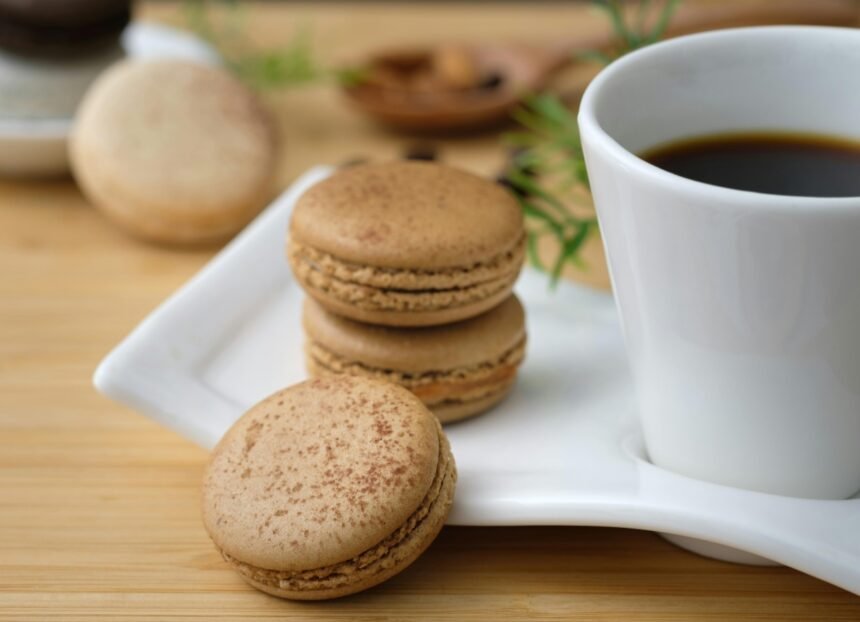
The Menu: Coffee is the star of the show—Swedes are among the world’s top coffee consumers, downing an average of 3-4 cups daily. Alongside it, you’ll find sweet treats like cinnamon buns (kanelbullar), cardamom buns, princess cake, cookies, or open-faced sandwiches for those wanting something savory. The food isn’t elaborate; it’s comfort food meant to be enjoyed, not Instagram’d.
The Unwritten Rules of Fika (That Every Visitor Should Know)
Swedish culture is known for its unspoken rules, and fika is no exception. Follow these guidelines to fika like a local:
Everyone participates. In Swedish workplaces, fika isn’t optional—it’s a cultural expectation. Skipping it regularly can mark you as antisocial or, worse, not a team player. Even in social settings, declining a fika invitation without good reason is considered slightly rude.
Take turns bringing the goodies. Many Swedish offices operate on a rotation system where different people take turns providing the fika treats. When it’s your turn, you’re expected to bring something for everyone. No one’s judging if you buy instead of bake, but homemade treats definitely earn bonus points.
Actually stop working. This isn’t a working coffee break where you nibble cookies while answering emails. Fika means fully stepping away from work. Put down your phone, close your laptop, and be present. The Swedes take their relaxation seriously.
Keep it democratic. During fika, workplace hierarchies tend to fade. The CEO sits with the interns, everyone uses first names, and conversations flow freely. This egalitarian aspect is central to Swedish work culture and what makes fika such a powerful bonding tool.
Don’t rush. Gulping your coffee and dashing off after five minutes defeats the entire purpose. Fika is about slowing down, so take your time. Even if you’re busy, those 20 minutes of genuine rest will make you more productive afterward (the Swedes have decades of evidence for this).
Coffee is king, but alternatives are welcome. While coffee dominates, tea drinkers won’t face judgment. Hot chocolate and even juice are acceptable, especially for kids or those who don’t do caffeine. The beverage is just a vehicle for the real point: connection.
Why Fika Matters (Especially to Travelers)
If you’re visiting Sweden, experiencing authentic fika is absolutely essential. Here’s why:
It reveals the Swedish soul. Swedes have a reputation for being reserved, but fika is where they open up. It’s a rare window into genuine Swedish warmth and hospitality. Accept fika invitations from locals, and you’ll discover a completely different side of Swedish culture.
It’s everywhere. You can’t walk through any Swedish town without stumbling upon cozy cafés with steamed-up windows and the scent of cinnamon wafting out. These aren’t just coffee shops—they’re cultural institutions.
It’s budget-friendly. While Sweden is expensive, fika is remarkably affordable. Most cafés offer fika deals (coffee plus a cinnamon bun) for around 50-70 SEK. For travelers watching their budgets, fika provides an authentic cultural experience without breaking the bank.
It forces you to slow down. In our hyper-connected world, fika is radical. It’s a culturally sanctioned excuse to do absolutely nothing but enjoy a moment. For travelers rushing from sight to sight, building fika breaks into your itinerary transforms your trip from exhausting to rejuvenating.
Where to Experience the Best Fika in Sweden
Stockholm: Head to Vete-Katten (a 1928 institution), Café Pascal for modern Nordic vibes, or Rosendals Trädgården for organic pastries in a stunning garden setting. In the trendy Södermalm neighborhood, every other café is fika-perfect.
Gothenburg: Drop by da Matteo for seriously good coffee, or Café Husaren, famous for having the world’s largest cinnamon buns (seriously, they’re massive).
Malmö: Lilla Kafferosteriet roasts their own beans and bakes everything fresh daily. For something uniquely Swedish, try the cardamom buns—they’re less internationally famous than cinnamon buns but equally delicious.
Anywhere else: Honestly? Every Swedish town has amazing fika spots. Look for places with handwritten menus, mismatched vintage furniture, and locals lingering over their coffee. Those are always the best ones.
Bringing Fika Home: Your Own Swedish Coffee Break
You don’t need to be in Sweden to embrace fika. Here’s how to create the tradition wherever you are:
Set a daily fika time and protect it fiercely. Make it a standing appointment with yourself or others. Brew good coffee (Swedes typically prefer light roast, by the way). Grab something sweet—store-bought is fine, though homemade cinnamon buns are surprisingly easy to make. Put away all screens and distractions. Sit down properly; no standing or eating on the go. If possible, invite someone to join you. Twenty minutes of undivided attention is a gift in our distracted world.
The beauty of fika is its simplicity. You don’t need fancy equipment, expensive ingredients, or perfect Instagram lighting. You just need the willingness to pause, connect, and savor a moment.
The Bottom Line
Fika isn’t just about coffee and pastries—it’s a philosophy. It’s Sweden’s way of saying that rest isn’t lazy, that connection matters more than productivity, and that some of life’s best moments happen when you simply stop and share a cup of coffee with another human.
Whether you’re planning a trip to Sweden or just looking to add more joy to your daily routine, embracing fika might be one of the best decisions you make. After all, the Swedes consistently rank among the world’s happiest people, and they’re taking mandatory coffee breaks twice a day. Coincidence? Probably not.
So go ahead—close your laptop, brew some coffee, grab a cinnamon bun, and discover what millions of Swedes already know: sometimes the most productive thing you can do is absolutely nothing at all.
Ready to experience authentic Swedish fika? Start planning your Swedish adventure today, and don’t forget to build those sacred coffee breaks into your itinerary. Your soul (and your taste buds) will thank you.