














TL;DR: Ultimate Norwegian fjords travel guide Norway’s fjords offer jaw-dropping landscapes, charming villages, and adventures for every budget. Best visited May-September for mild weather, though winter offers Northern Lights. Mix cruises with scenic train rides and road trips. Expect to spend $150-300/day mid-range, less if camping. Book accommodations early for summer. The Geirangerfjord and Nærøyfjord are UNESCO must-sees.
- Why the Fjords Will Blow Your Mind
- Getting There and Around: Your Options
- The Cruise Route
- The Train: Scenic Routes That’ll Ruin Other Train Rides Forever
- Driving: Freedom on Four Wheels
- Budget Real Talk: What You’ll Actually Spend
- When to Go: Timing Is Everything
- Local Culture & Traditions: More Than Just Vikings
- Events & Festivals Worth Planning Around
- Best Bases: Where to Stay
- Practical Info You Need
- Perfect for These Vibes:
- What Travelers Are Saying
- The Bottom Line
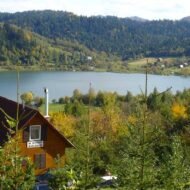
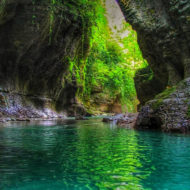
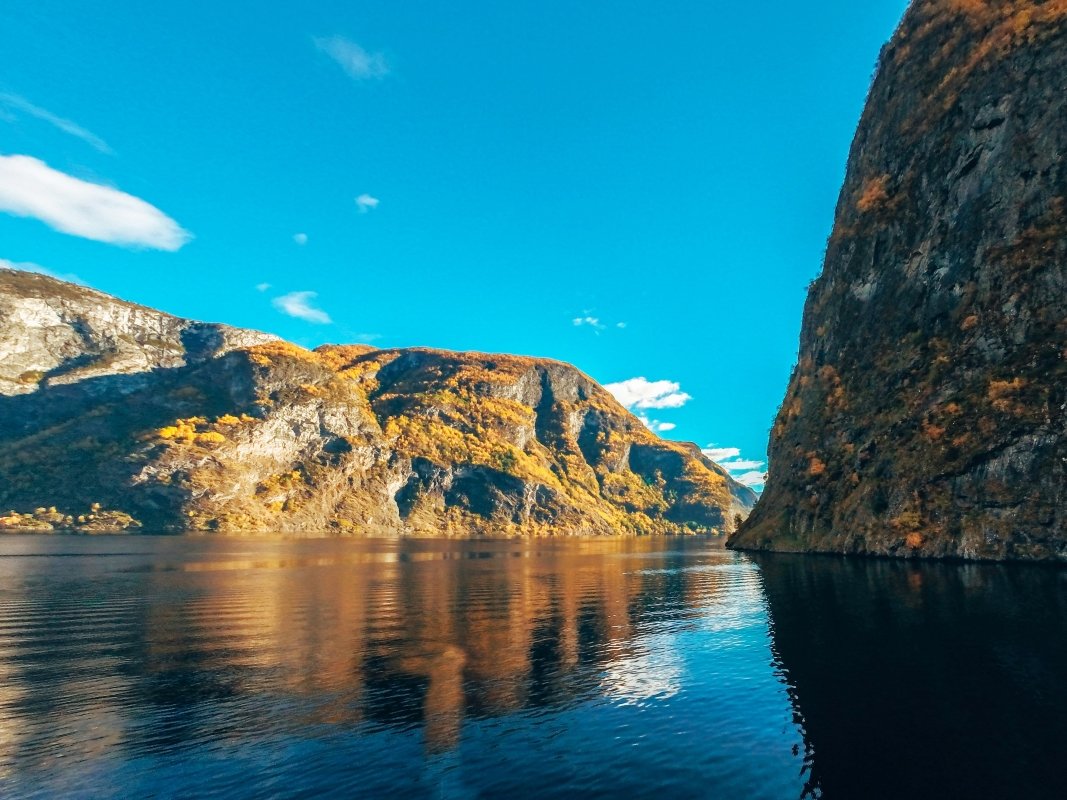
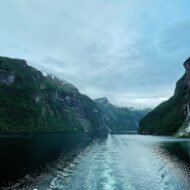
Picture this: you’re standing on the deck of a ship, surrounded by towering cliffs that shoot straight up from emerald waters, waterfalls cascading down rock faces so steep they make your stomach flip. Welcome to the Norwegian fjords, where Mother Nature decided to go absolutely wild with the scenery.
These aren’t just valleys filled with water—they’re ancient glacial gouges that took millions of years to carve, creating some of the most photographed landscapes on Earth. And honestly? The photos don’t do them justice.
Why the Fjords Will Blow Your Mind
The Norwegian coast is basically a 1,200-mile-long masterpiece of geological drama. We’re talking over 1,000 fjords cutting into the coastline, each with its own personality. Some are gentle and welcoming, others are dark and moody, and a few are so ridiculously photogenic you’ll fill your phone’s memory in about ten minutes.
Top Highlights You Can’t Miss:
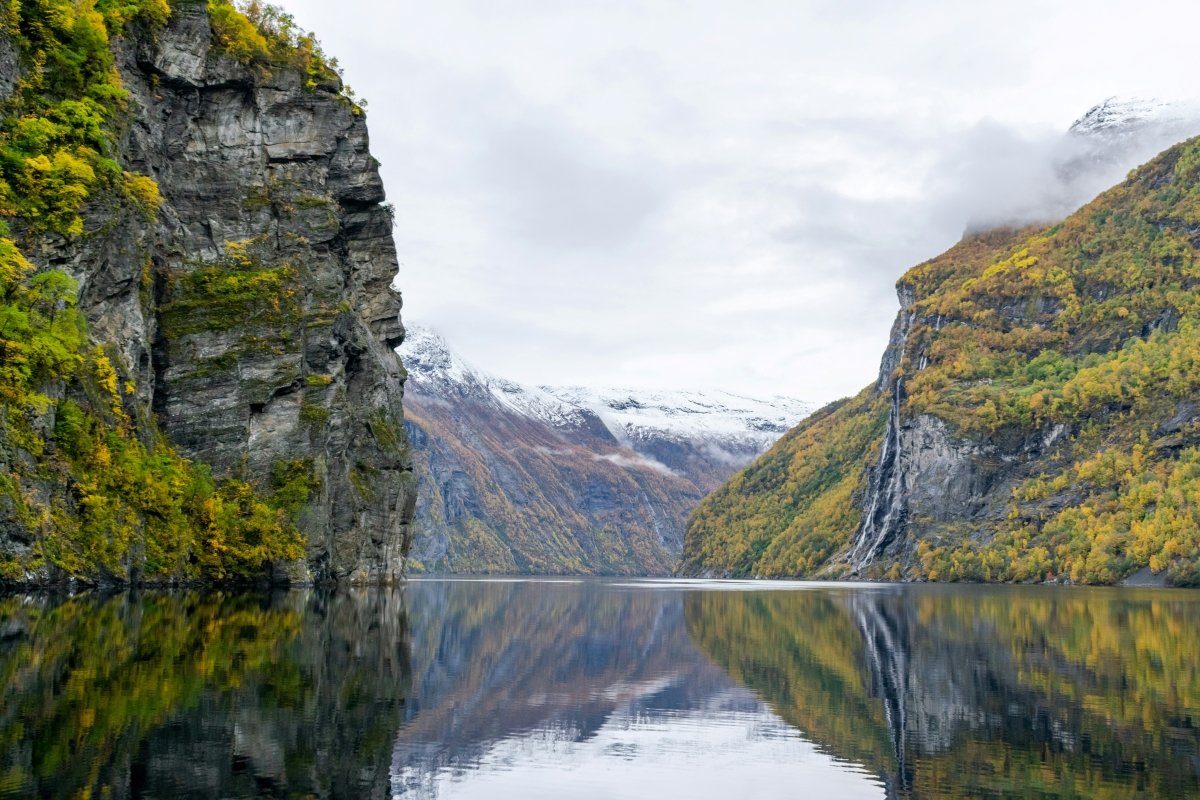
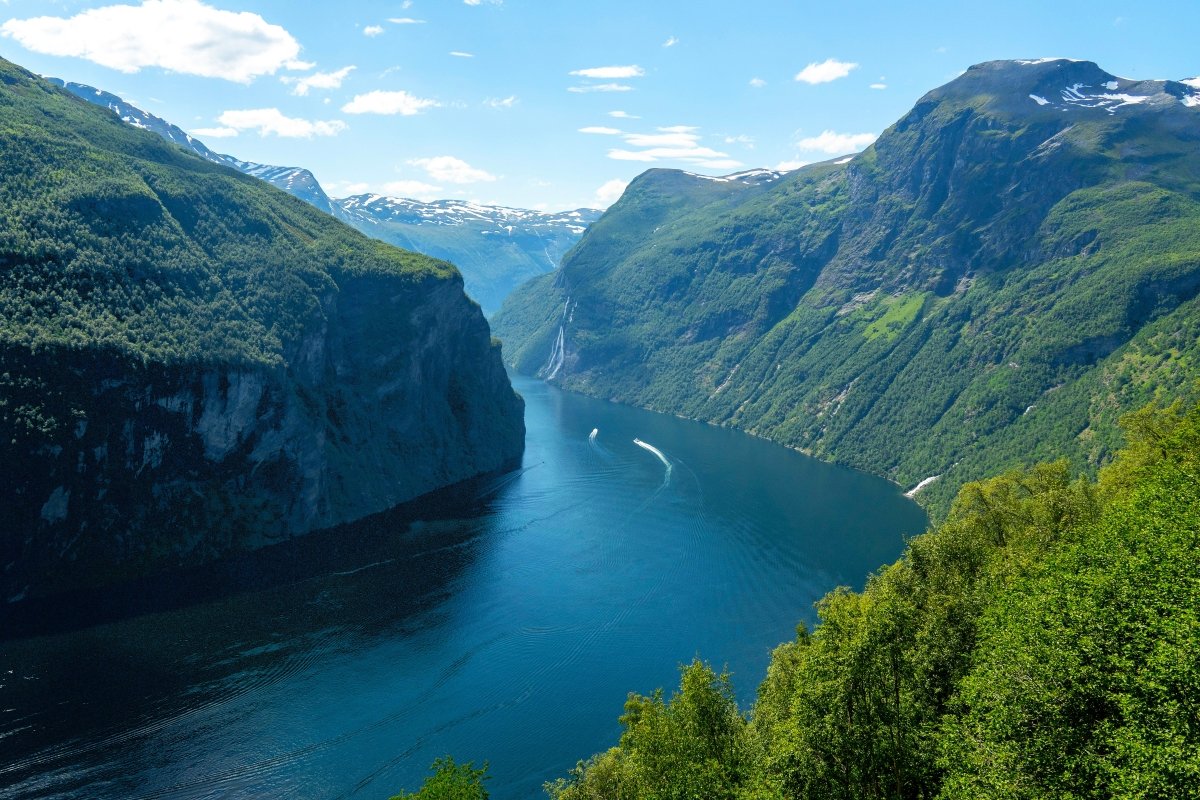
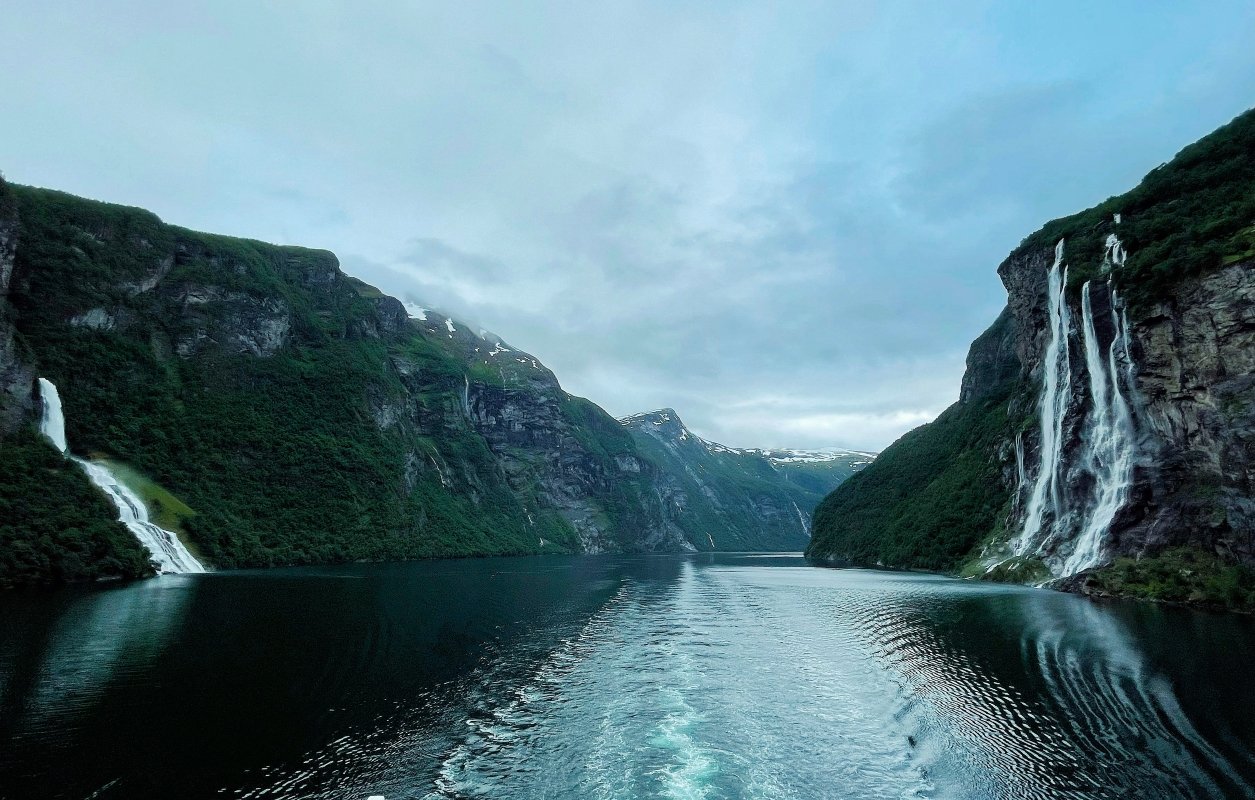
Geirangerfjord – The celebrity of fjords, and UNESCO-listed for good reason. The Seven Sisters waterfall tumbling down sheer cliffs while you cruise past? Unforgettable. The viewpoint at Dalsnibba (5,000 feet up) will have you questioning if you’re still on Earth.
Nærøyfjord – Also UNESCO-listed, this narrow beauty is only 820 feet wide at its tightest point. Sailing through feels like entering another dimension, with mountains looming on both sides.
Sognefjord – Norway’s longest and deepest fjord (127 miles long, over 4,000 feet deep). It’s got everything: cute villages, hiking trails, and the famous Flåm Railway.
Lysefjord – Home to Preikestolen (Pulpit Rock), that flat-topped cliff you’ve definitely seen on Instagram. The 4-hour hike is challenging but worth every sweaty step.
Hardangerfjord – The orchard of fjords. Visit in spring when fruit trees bloom against snowy peaks. It’s also where you’ll find the terrifying Trolltunga rock formation.
Getting There and Around: Your Options
The Cruise Route
Fjord cruises are the classic way to experience Norway’s coastline, and for good reason—you’re literally sleeping on your transport while waking up to new stunning views daily.
Hurtigruten is the OG coastal voyage, running daily year-round between Bergen and Kirkenes. It’s technically a working postal boat, but tourists love it. Expect $200-500+ per night depending on season and cabin type. The 12-day round trip is bucket-list material.
Shorter cruise options from Bergen, Stavanger, or Ålesund run 2-7 days and hit the greatest hits. These range from budget-friendly ($100-150/day) to luxury floating hotels ($500+/day). Book early for summer—this is peak season and ships fill fast.
Pro tip: Smaller expedition ships get into narrower fjords that big cruise ships can’t reach. Worth the splurge if you’ve got the budget.
The Train: Scenic Routes That’ll Ruin Other Train Rides Forever
Norway’s train journeys are attractions themselves. Seriously, people take these trains just for the ride.
Flåm Railway – This 12-mile track drops 2,838 feet through 20 tunnels, past waterfalls and into the heart of Sognefjord. It’s frequently called the world’s most beautiful train journey. One way costs around $50, takes an hour, and every minute is spectacular.
Bergen Railway (Oslo to Bergen) – A 7-hour journey through mountains, plateaus, and traditional villages. Around $100 one way. The stretch across Hardangervidda plateau is otherworldly.
Rauma Railway (Dombås to Åndalsnes) – Twists through dramatic Romsdalen valley with vertical rock faces. About 90 minutes, $30-40.
Norway in a Nutshell is the popular DIY tour combo: Oslo to Bergen via trains, buses, and ferries through fjord country. You can customize it, but expect $250-350 for the full route with all connections.
Driving: Freedom on Four Wheels
Renting a car gives you flexibility to stop at every incredible viewpoint (and trust me, there are many). Roads are well-maintained, but expect narrow tunnels, hairpin bends, and ferry crossings.
Epic road trip routes:
- Trollstigen – The “Troll’s Ladder” features 11 hairpin bends up a mountain. Closed November-May due to snow.
- Atlantic Ocean Road – Bridges that look like they’re launching into the sea. Dramatic in storms, stunning in sunshine.
- Lysevegen – Gets you to Lysefjord and Pulpit Rock with insane views.
Rental costs: $50-100/day for compact cars, more for larger vehicles. Gas is expensive (think $7-8/gallon). Factor in ferry costs ($20-50 per crossing) and potential toll roads.
Winter driving requires serious preparation—studded tires, chains, and confidence in snow conditions. Not recommended unless you’re experienced.
Budget Real Talk: What You’ll Actually Spend
Norway has a reputation for being expensive, and… yeah, it kind of is. But you can absolutely do it on different budgets.
Budget Backpacker ($60-100/day)
- Hostels: $30-50/night
- Supermarket meals, cook your own: $15-25/day
- Public transport, some hitchhiking: $10-30/day
- Free hiking, camping wild (legal in Norway!): $0
- Skip the cruises, take local ferries instead
Mid-Range Explorer ($150-300/day)
- Guesthouses, budget hotels: $80-150/night
- Mix of restaurants and self-catering: $40-60/day
- Rental car or train passes: $40-80/day
- Some paid activities, shorter cruises: $30-80/day
Comfort Traveler ($300-500+/day)
- Nice hotels: $150-300/night
- Restaurants for most meals: $80-120/day
- Car rental, scenic trains, flights: $60-100/day
- Multi-day cruises, helicopter tours, activities: $100-200/day
Money-saving tips:
- Shop at Rema 1000, Kiwi, or Coop for groceries (way cheaper than eating out)
- Book accommodations and transport early for better rates
- Take advantage of Norway’s “allemannsretten” (right to roam)—free camping is legal almost everywhere if you’re 150m from buildings
- Visit in shoulder seasons (May or September) for lower prices and fewer crowds
- Pack lunch for day trips—a sandwich at a tourist spot runs $15-20
When to Go: Timing Is Everything
Summer (June-August) – Peak season for a reason. Long days (midnight sun above the Arctic Circle), warmest weather (60-70°F in fjord regions), all attractions open. But expect crowds and higher prices. Book everything months ahead.
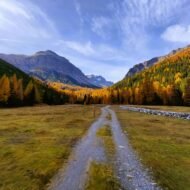
Shoulder Season (May, September) – The sweet spot. Fewer tourists, decent weather, lower prices. May brings spring blooms; September offers autumn colors. Some mountain roads might still be closed in May.
Winter (November-March) – Quieter, cheaper, but cold and dark. Many mountain passes closed, limited ferry schedules. BUT: Northern Lights season, winter sports, and magical snowy landscapes. Different vibe entirely.
Spring (April-May) – Waterfalls rage with snowmelt—this is when they’re most dramatic. Fruit blossoms in Hardanger by late May. Roads start reopening.
Fall (September-October) – Stunning autumn colors, clearer air for photography, harvest season. Gets cold and rainy by late October.
Local Culture & Traditions: More Than Just Vikings
Norwegians have this concept called friluftsliv (free-air-life)—basically, a deep cultural connection to nature and outdoor life. You’ll see locals hiking in all weather, kids outside in snowsuits, and cabins (hytter) dotting remote landscapes. This isn’t tourism for them; it’s lifestyle.
Coffee culture is huge. Norwegians consume more coffee per capita than almost anyone. Every village has a cozy café—embrace the fika breaks.
Regional traditions:
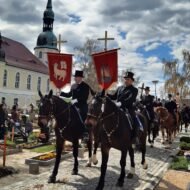
- Bunad – Traditional folk costumes still worn for celebrations. Each region has distinct designs passed down through generations.
- Stave churches – Medieval wooden churches found throughout fjord country. The one in Urnes (by Sognefjord) is UNESCO-listed and dates to the 1100s.
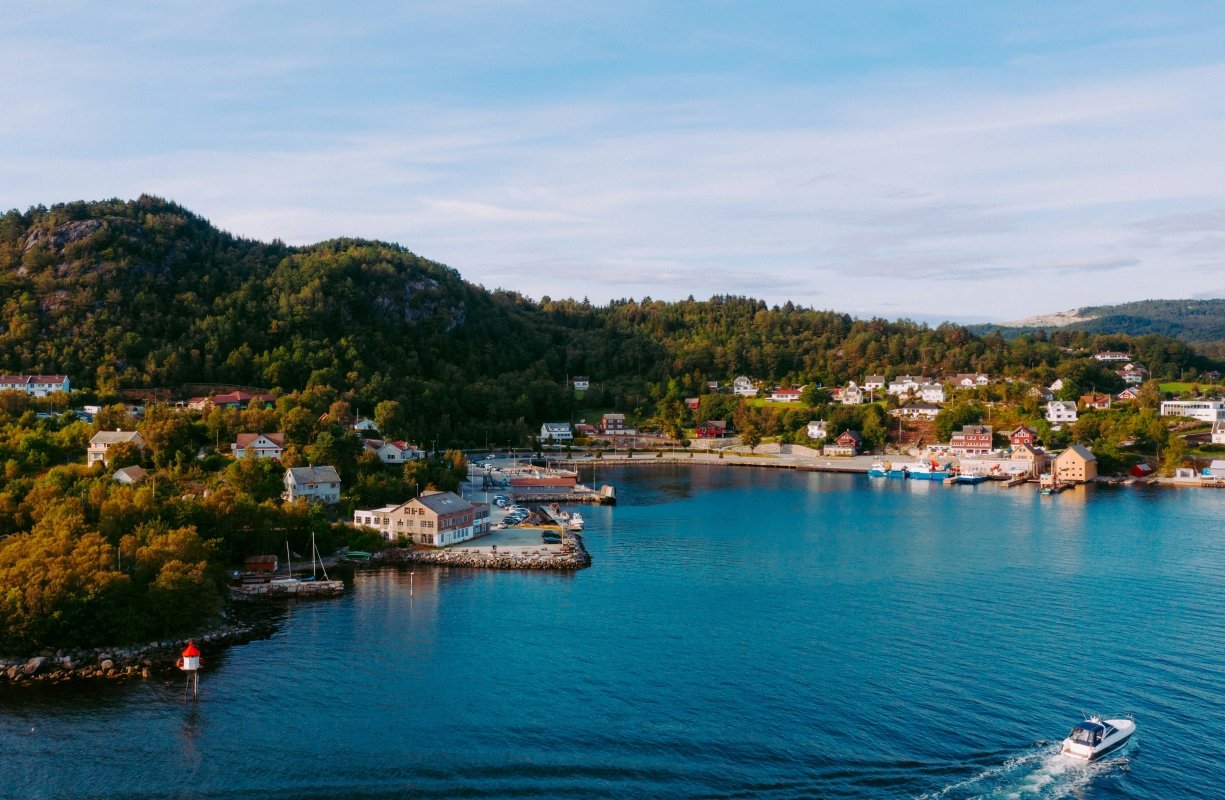
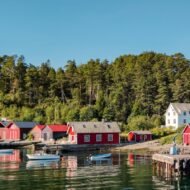
- Fishing villages – Places like Nusfjord and Henningsvær maintain traditional architecture and culture. Rorbuer (fishermen’s cabins) are now tourist accommodations with authentic charm.
Food traditions:
- Brown cheese (brunost) – Sweet, caramel-like cheese that’s polarizing but worth trying
- Fresh seafood everywhere – salmon, cod, shrimp
- Kjøttkaker (meatballs) and fårikål (lamb and cabbage stew)
- Lefse – soft flatbread, often with butter and sugar
- Kvikk Lunsj – Norway’s answer to Kit Kat, fuel for hikers
Unwritten rules:
- Personal space is valued—Norwegians aren’t big on small talk with strangers
- Punctuality matters
- Take your shoes off when entering homes
- Respect nature—pack out all trash, leave no trace
Events & Festivals Worth Planning Around
Bergen International Festival (late May) – Scandinavia’s largest arts festival. Music, dance, theater in a stunning fjord city.
Norwegian National Day (May 17) – Constitution Day celebrations everywhere. Children’s parades, bunads, flags, ice cream. Seriously wholesome.
Peer Gynt Festival (Gudbrandsdalen, August) – Open-air cultural festival in the mountains with music and performances.
Gladmat Food Festival (Stavanger, July) – Scandinavia’s largest food festival if you’re into Nordic cuisine.
Midnight Sun Marathon (Tromsø, June) – Running a marathon at midnight under 24-hour daylight? Surreal.
Trebåtfestivalen (Risør, late June) – Wooden boat festival celebrating Norway’s maritime heritage.
Best Bases: Where to Stay
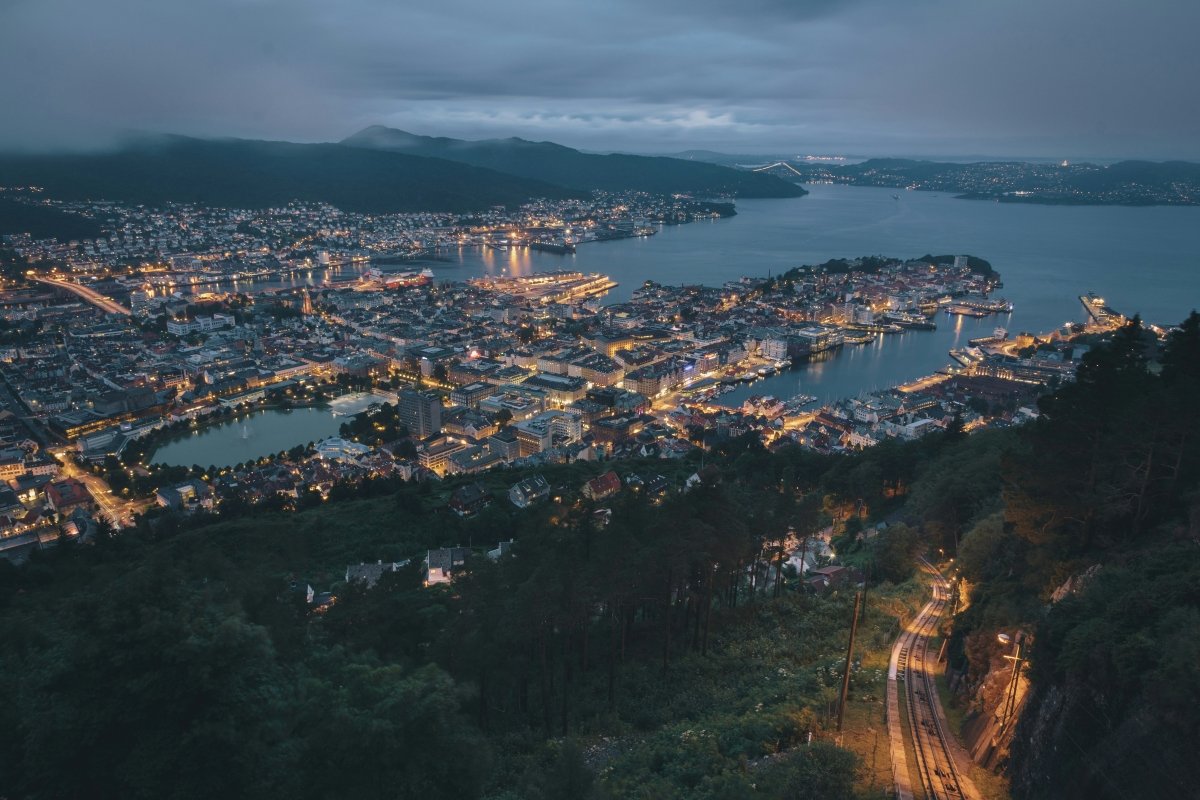
Bergen – The gateway city for most fjord trips. Colorful Bryggen wharf, fish market, Fløyen mountain viewpoint. Spend 2-3 days here. Great restaurant scene and nightlife.
Flåm – Tiny village, huge tourist appeal. Perfect base for Sognefjord exploration and the famous railway. Gets packed in summer.
Geiranger – Postcard-perfect village at the head of Geirangerfjord. Limited accommodation—book way ahead for summer.
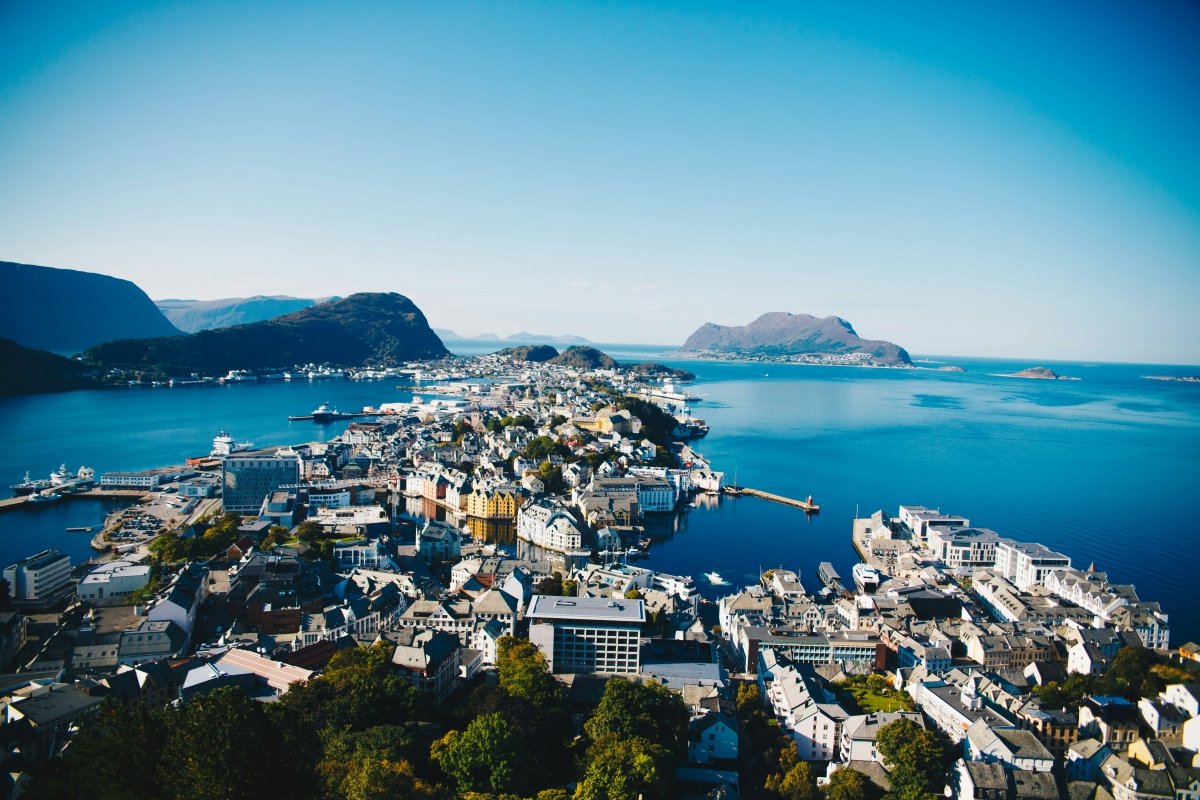
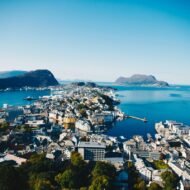
Ålesund – Art Nouveau architecture, great food scene, access to Geirangerfjord and Trollstigen. Less touristy than Bergen.
Stavanger – Base for Lysefjord and Pulpit Rock. Vibrant city with good restaurants and nightlife.
Balestrand – Charming village on Sognefjord. Quieter, more authentic feel. Artists’ colony vibes.
Practical Info You Need
Language: Norwegian, but English is widely spoken everywhere, especially in tourist areas.
Currency: Norwegian Krone (NOK). Cards accepted everywhere—Norway is basically cashless. Even public toilets take cards.
Tipping: Service charges included. Rounding up or 5-10% for great service is appreciated but not expected.
Internet: Excellent 4G/5G coverage even in remote areas. Public WiFi common in cafes and hotels.
Safety: Norway is incredibly safe. Biggest risks are nature-related—weather changes fast in mountains, and fjords are cold even in summer.
Packing essentials:
- Layers—weather is unpredictable
- Waterproof jacket (rain happens)
- Good hiking boots
- Sunglasses and sunscreen (strong sun reflecting off water)
- Mosquito repellent (summer, especially inland)
- Swimsuit (for hot tubs and brave fjord dips)
Perfect for These Vibes:
✅ Nature lovers – Literally the entire point
✅ Photographers – Every turn is a postcard
✅ Hikers of all levels – From easy strolls to challenging climbs
✅ Cruise enthusiasts – Classic Norwegian experience
✅ Road trippers – Epic scenic drives
✅ Couples – Romantic AF
✅ Families – Safe, engaging, educational
✅ Solo travelers – Easy to navigate, hostels with community
✅ Wellness seekers – Fresh air therapy at its finest
⚠️ Maybe skip if:
- You need guaranteed hot weather and beaches
- You’re on an extremely tight budget (doable but challenging)
- You hate the outdoors (why though?)
- You need constant nightlife and city energy
What Travelers Are Saying
“Did the Norway in a Nutshell trip and every single part was more beautiful than the last. The Flåm Railway alone was worth the flight to Norway.” — Sarah, UK
“Hiked to Trolltunga and yes, it’s as insane as the photos. Get there early to avoid crowds on the rock. Started at 5am, totally worth it.” — Marcus, Germany
“Cruised the fjords in September—perfect weather, way fewer people than summer. The small ship could get really close to waterfalls. Magical.” — Jennifer & Tom, USA
“Norway is expensive, not gonna lie. But if you grocery shop and camp, it’s manageable. The nature is free and it’s the best part anyway.” — Alex, Australia
“Bergen is adorable. Spent three days just wandering, eating seafood, and riding the funicular. Could’ve stayed longer.” — Yuki, Japan
The Bottom Line
The Norwegian fjords aren’t just beautiful—they’re the kind of beautiful that makes you stop mid-sentence and just stare. Whether you’re cruising past waterfalls, white-knuckling it up Trollstigen, or hiking to some impossible viewpoint, you’ll understand why this place has inspired countless paintings, poems, and “I need to go there” Pinterest boards.
Yeah, it’s pricey. But so are lots of amazing experiences, and this is one where every dollar feels worth it. The combination of accessibility, safety, and mind-blowing scenery makes it work for everyone from budget backpackers to luxury travelers.
Start planning now—especially if you’re targeting summer. Book your accommodations, research your routes, pack your layers, and prepare for your phone storage to cry for mercy.
The fjords are calling. And trust me, you absolutely should answer.
Got questions? Want specific route advice? Drop them below—happy to help you plan the perfect Norwegian adventure!