




Where to Stand When Europe Tilts Toward the Sun: Six Places to Meet the Summer Solstice
The longest day is not the same everywhere. Here is where it is worth being.
- 1. Lapland, Finland — the day that never ends
- 2. The Outer Hebrides, Scotland — the simmer dim
- 3. Stonehenge, England — for the ritual, not the quiet
- 4. Latvia — where Midsummer is the year’s true holiday
- 5. Andalusia, Spain — fire on the beach
- 6. The Faroe Islands — the solstice at the edge of the map
- When to go, and why it matters
There is a moment, around the twenty-first of June, when the Earth leans as far toward the sun as it ever will, and the northern half of the world receives more light than it knows what to do with. We call it the summer solstice — from the Latin sol stitium, “sun standing still” — because for a few days the sun seems to pause at its highest point before beginning the long slide back toward winter.
Most people let it pass unmarked. A long evening, a late sunset, nothing more. But the solstice is one of the few moments in the travel calendar where where you are changes the experience entirely. The same date delivers a soft golden dusk in Andalusia and a sun that refuses to set at all in Lapland. The trick is knowing which version you want — and going to meet it.
Here are six places across Europe where the longest day becomes something worth remembering.
1. Lapland, Finland — the day that never ends
Above the Arctic Circle, the solstice is not a long day. It is no night at all.
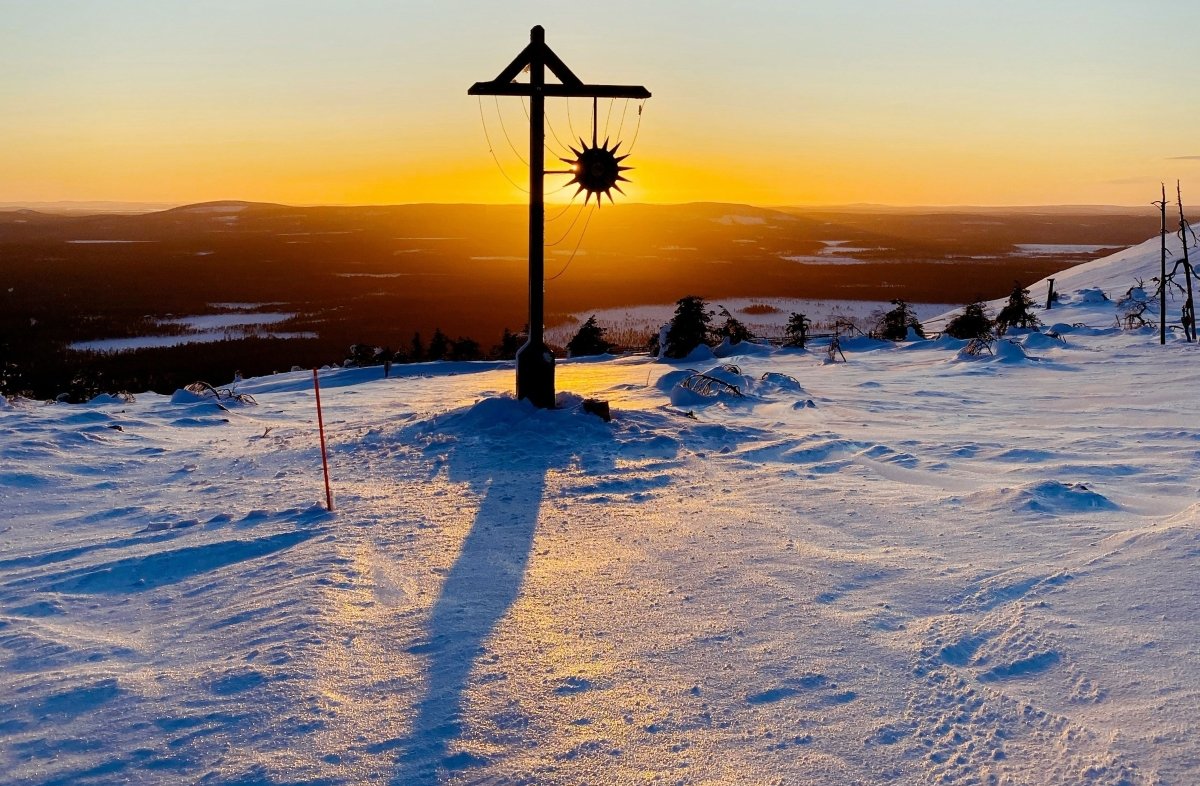
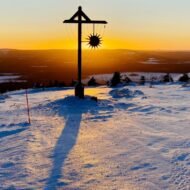
For several weeks around midsummer, the sun in Finnish Lapland never dips below the horizon. It circles the sky, low and amber, dropping toward the treeline at what should be midnight and then climbing again without ever going dark. Locals call it the yötön yö — the nightless night.
The strangeness of it is hard to convey until you have stood in it. At two in the morning you can read a book outdoors, walk a forest trail, swim in a lake the colour of weak tea, all in a light that has no equivalent further south. Time loosens. People stay up because the body, denied its usual cues, simply forgets to be tired.
The best way to experience it is also the quietest: rent a lakeside cabin somewhere around Rovaniemi or further north, light a wood-fired sauna, and let the long bright hours do what they do. Finns have understood for centuries that midsummer is not for crowds. It is for water, smoke, silence and the company of a few people you actually like.
2. The Outer Hebrides, Scotland — the simmer dim
Scotland’s far north and islands have their own word for the solstice half-light: the simmer dim, the summer dimness, when the sky never fully darkens and the night becomes a long, blue-grey hush.
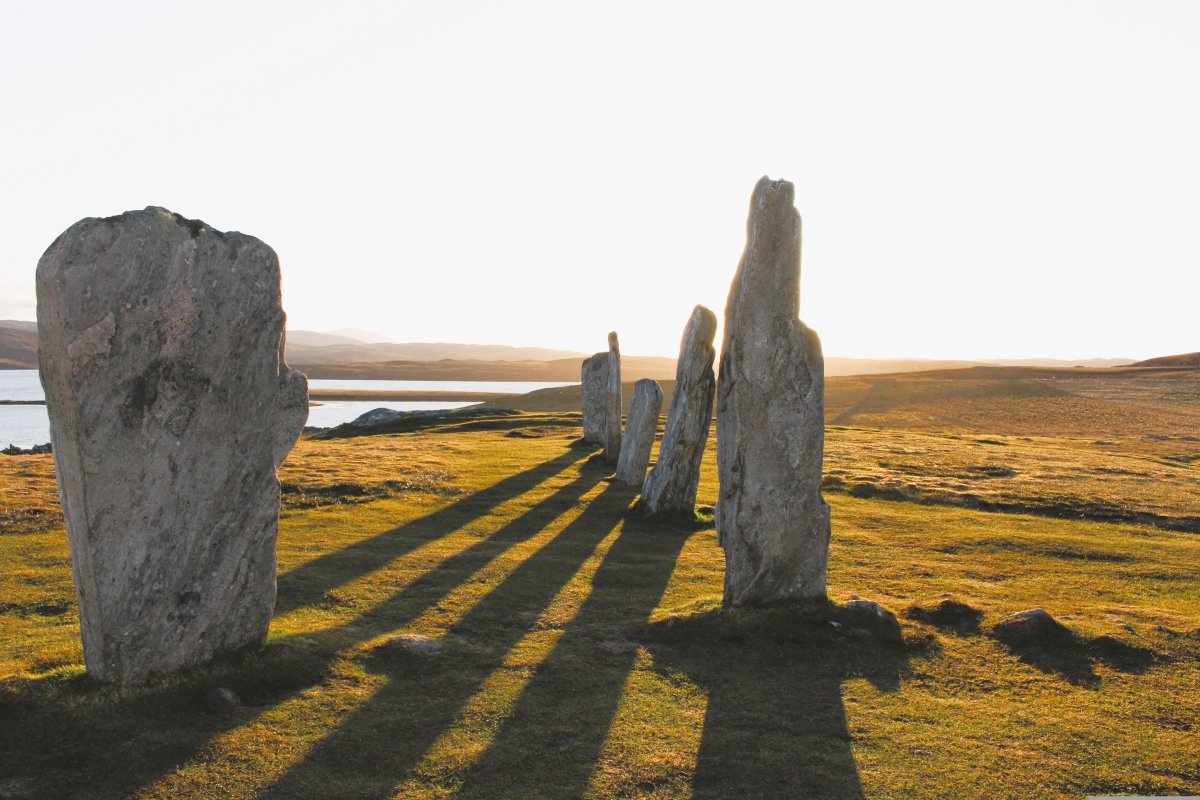
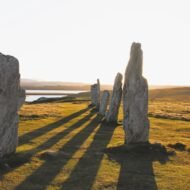
On the Isle of Lewis, this light falls across one of Europe’s most underrated ancient sites — the Calanais Standing Stones, a cross-shaped arrangement of weathered gneiss raised some five thousand years ago, older than Stonehenge. There is good evidence the stones were aligned to the movements of the sun and moon, and standing among them as the solstice sky glows behind them at midnight, the connection between the place and the date feels less like history and more like something still happening.
Come for the stones, but stay for the islands themselves: empty white-shell beaches, machair meadows thick with summer wildflowers, and a quality of light photographers travel a long way to find. The Hebrides reward the solstice traveller with the thing Scotland does best — wild beauty without the crowd.
3. Stonehenge, England — for the ritual, not the quiet
If Calanais is the solstice for solitude, Stonehenge is the solstice for crowds — and that is the point.
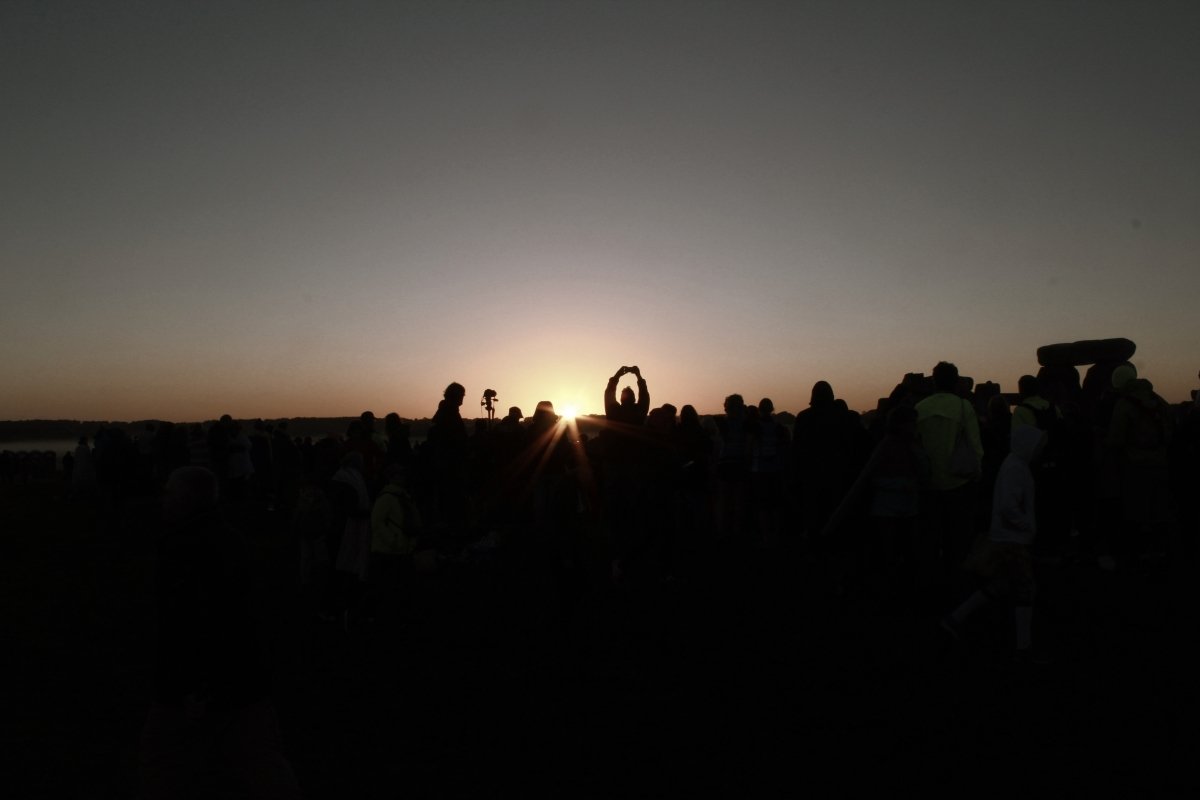
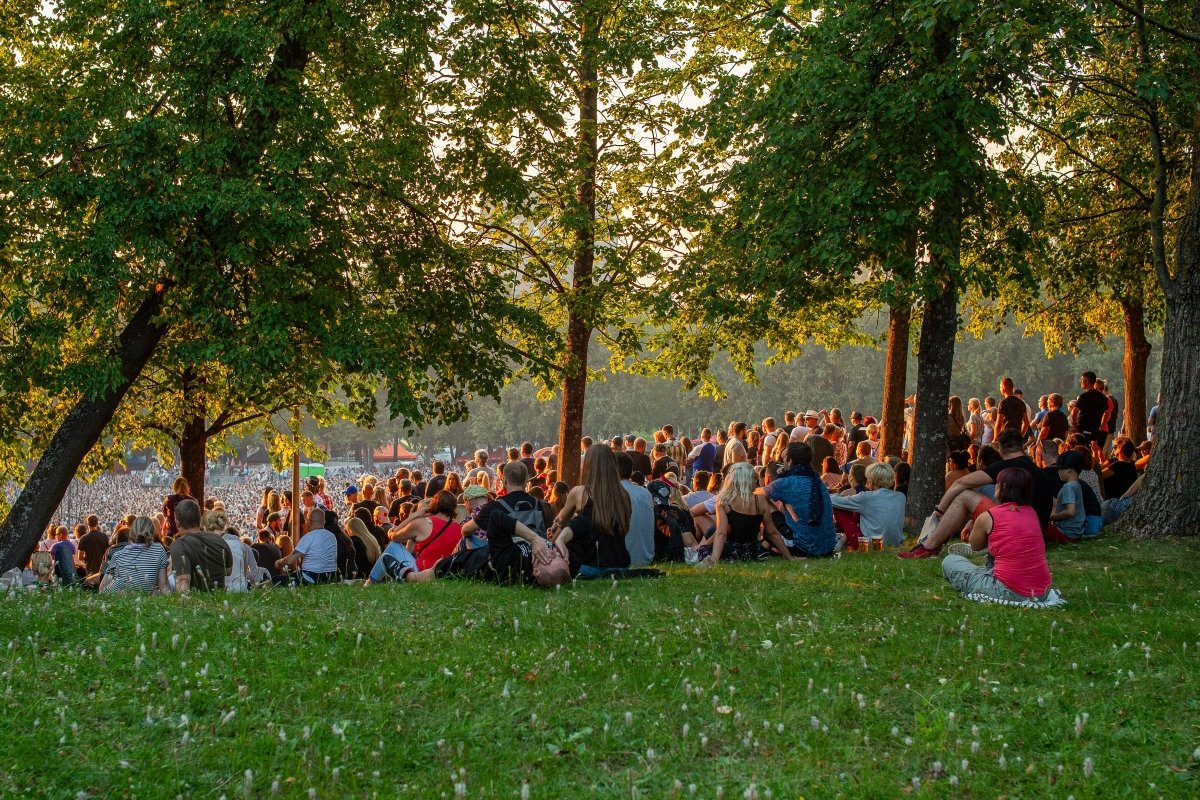
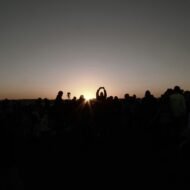
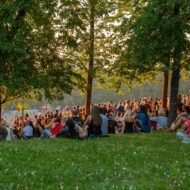
This is the one place in Europe where the summer solstice remains a genuine mass gathering. On the shortest night of the year, English Heritage opens the stones to the public, and tens of thousands of people — druids, pagans, curious families, festival-goers and the simply sleepless — gather to watch the sun rise over the Heel Stone and align with the centre of the monument. It is loud, communal, occasionally chaotic, and completely unlike visiting Stonehenge on any other day, when you are kept at a respectful distance behind a rope.
It is not a serene experience. But it is a living one — a five-thousand-year-old structure being used, more or less, for what it may have been built to do. If you want to feel the solstice as a shared human event rather than a private one, this is where to go. Arrive prepared for an all-nighter, and for company.
4. Latvia — where Midsummer is the year’s true holiday
In the Baltics, the solstice is not a curiosity. It is the most important celebration of the year.
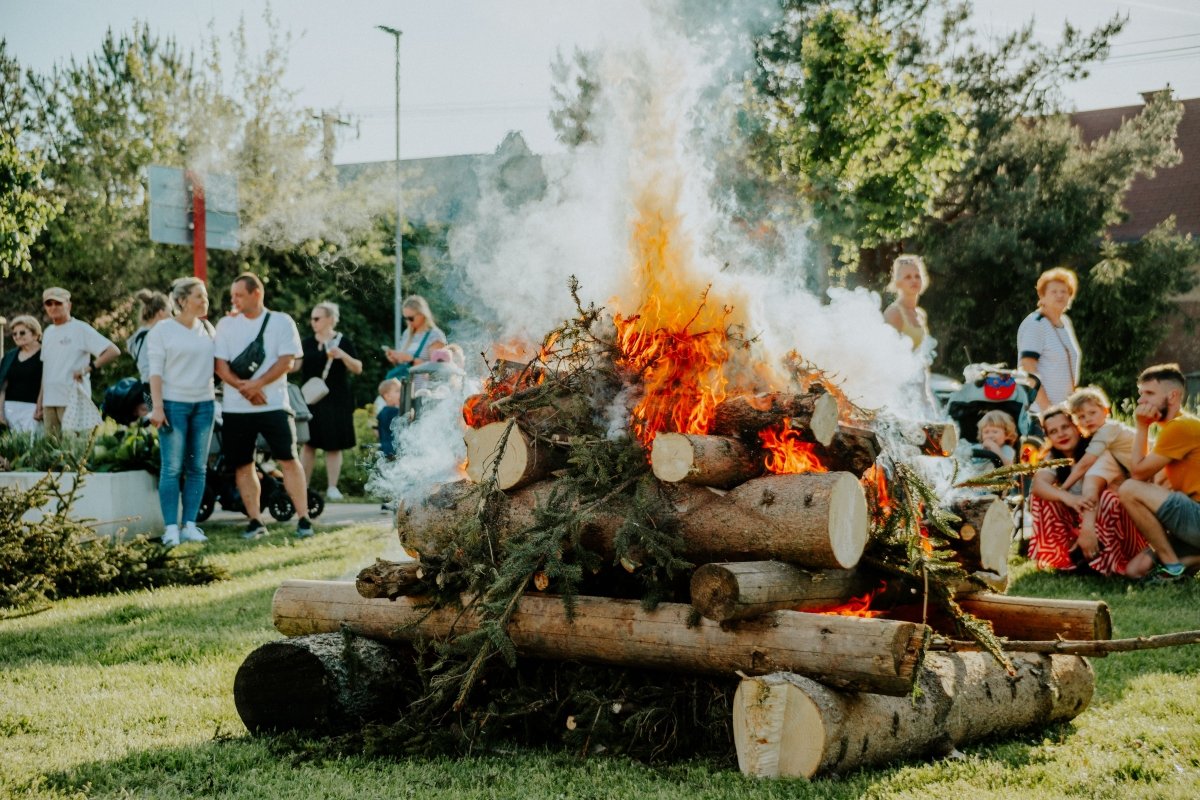
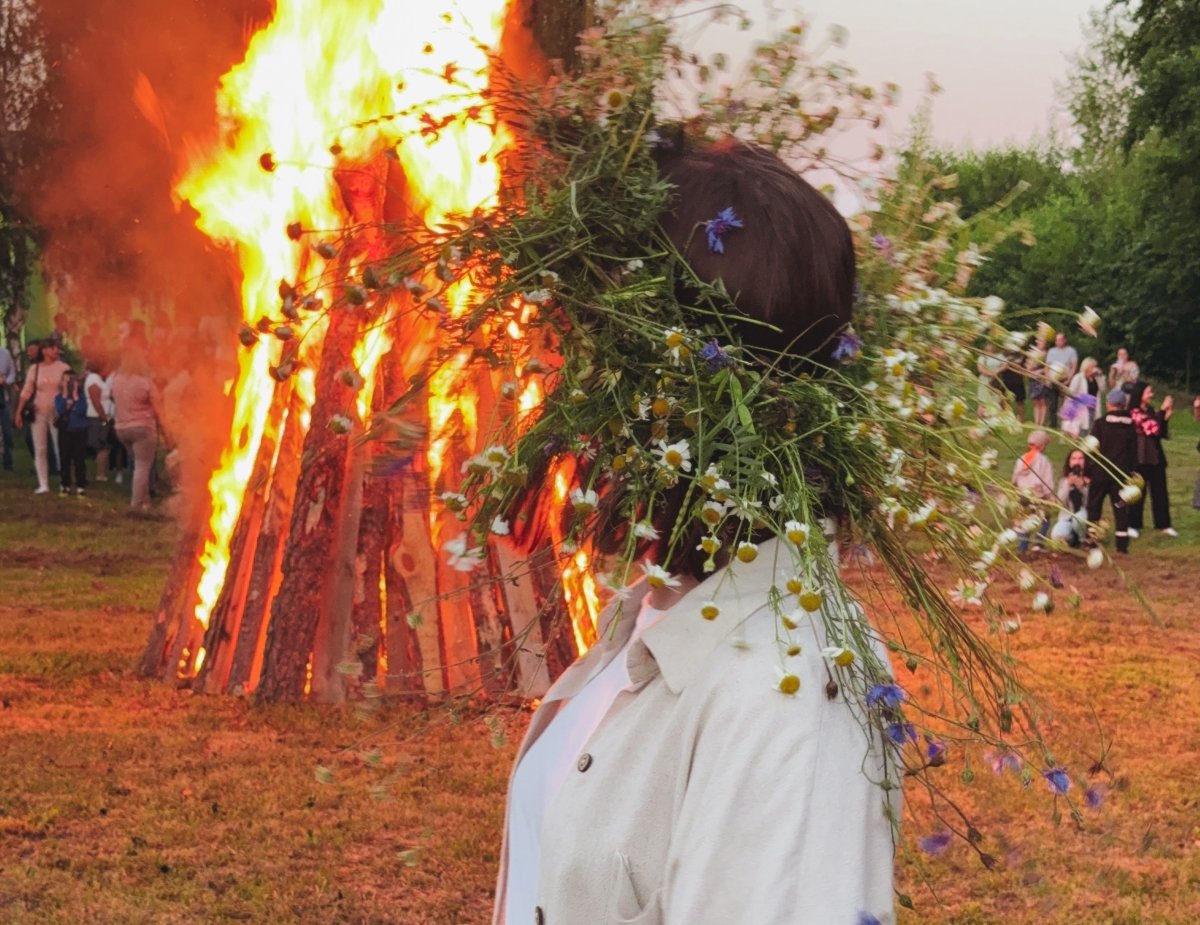
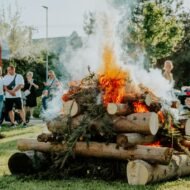
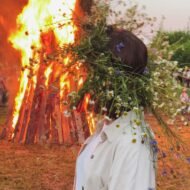
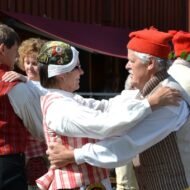
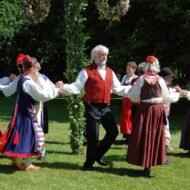
In Latvia, Jāņi — Midsummer’s Eve and Day, the 23rd and 24th of June — empties the cities. People return to the countryside, weave crowns of oak leaves and wildflowers, light bonfires that burn through the brief night, and stay awake until dawn singing the short, ancient folk songs called dainas. There is cheese flavoured with caraway, dark rye bread, home-brewed beer, and a tradition that those who stay up to greet the sunrise will be blessed with health and luck through the coming year.
For a traveller, the appeal is in the authenticity. This is not a spectacle staged for tourists; it is a national rhythm that has survived centuries, occupation and modernity intact. If you can get yourself invited to a rural celebration — or base yourself somewhere like the Gauja Valley and find a public bonfire — you will experience a Europe most visitors never see: older, warmer, and entirely unhurried.
5. Andalusia, Spain — fire on the beach
The Mediterranean does the solstice differently. Here it arrives not as endless light but as the warmest night of early summer, and the celebration is the Noche de San Juan — Saint John’s Eve, the 23rd of June.
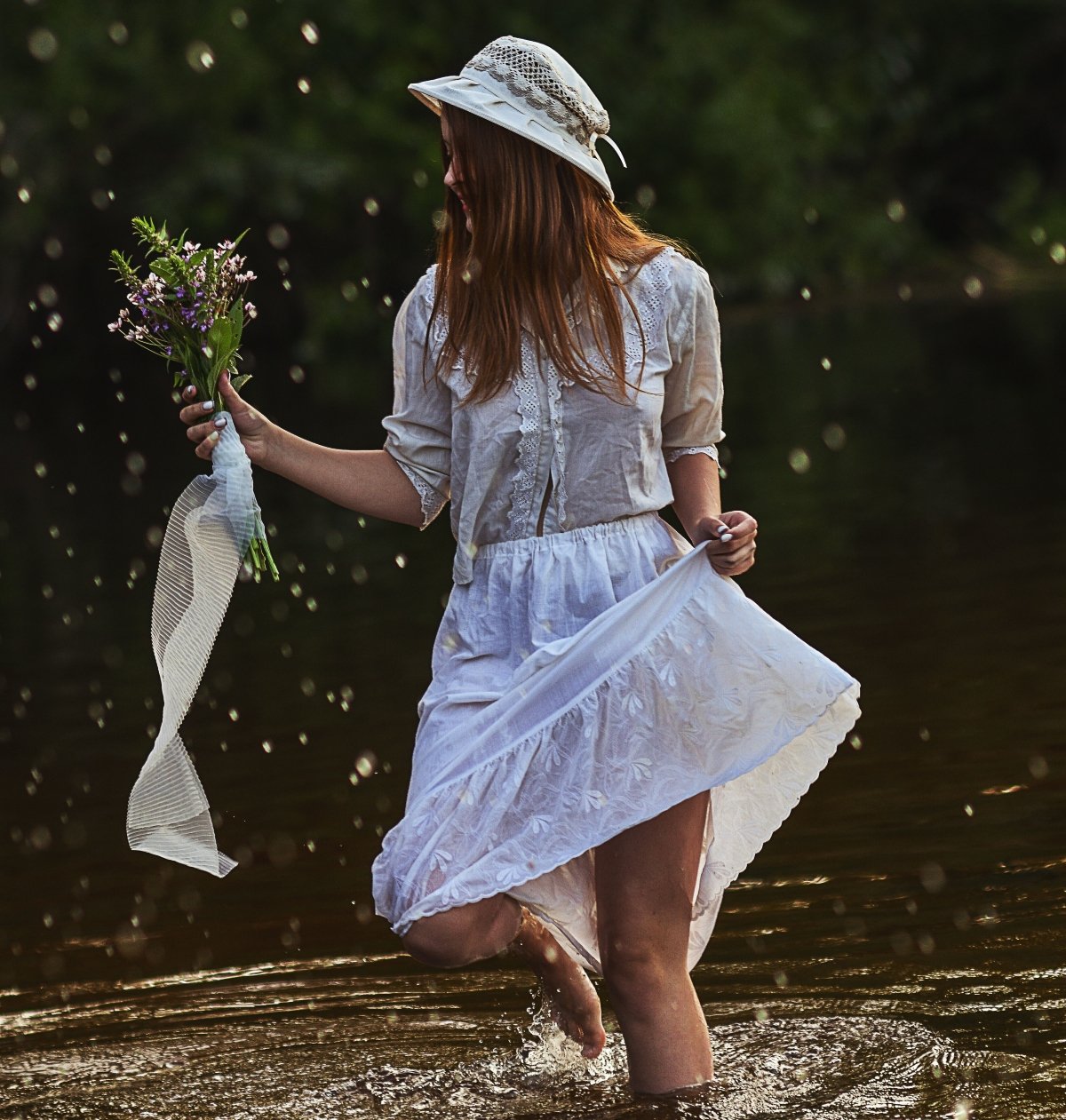
Along the beaches of Andalusia, and most spectacularly in and around Cádiz and the Costa de la Luz, the night belongs to fire and water. Bonfires are lit along the sand after dark. People leap over the flames for luck, write wishes on paper to burn, and at midnight wade into the sea — a ritual cleansing said to wash away the troubles of the past year. The beaches fill with families, music, picnics and the smell of woodsmoke drifting over the Atlantic.
It is the solstice as warm-night festival rather than cold-light phenomenon, and it suits the south perfectly. Go for the fires, the sea, and the particular Andalusian gift for turning a date on the calendar into a reason for everyone to be outside together until very late.
6. The Faroe Islands — the solstice at the edge of the map
For those who want the long northern light without the crowds of Scandinavia, the Faroe Islands offer something rarer still.
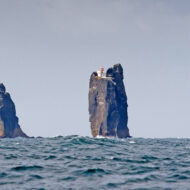
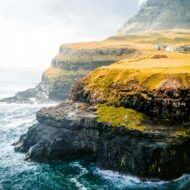
This remote archipelago between Scotland and Iceland sits far enough north that midsummer brings nights that never truly darken — a long, silver dusk that slides into dawn. But the Faroes are so sparsely visited that you can have this light almost entirely to yourself: standing on a clifftop above a sea-stack, watching the sun graze the horizon while seabirds wheel below you and not another soul is in sight.
There are no grand solstice festivals here, no ritual gatherings. The experience is the landscape itself, lit for twenty hours a day in early summer — the green slopes impossibly vivid, the waterfalls catching the low light, the whole place feeling like the last quiet corner of the North Atlantic. For the traveller who finds meaning in solitude rather than ceremony, the Faroes may be the finest solstice destination in Europe.
When to go, and why it matters
The summer solstice is a fixed point — it falls on the 20th or 21st of June each year — but the celebrations cluster around it unevenly. The Nordic and Baltic Midsummer festivals land on the 23rd and 24th; San Juan is the night of the 23rd; the solstice sunrise gatherings happen on the morning of the 21st itself. Plan around the specific tradition you want, not just the astronomical date.
And remember the deeper logic of it. The solstice is the year’s high-water mark of light — every day after it, the sun gives a little less. There is something worth honouring in that, whether you do it beside a Baltic bonfire, among ancient stones, or alone on a Faroese cliff at midnight. The longest day comes once a year. It is worth deciding, in advance, where you want to be standing when it does.
The Wanders covers Europe with seasonality at its heart — because when you go matters as much as where. For more on travelling by the calendar, explore our Seasons collection.