

From sacred mountains and enchanted forests to forgotten valleys of folklore, these are five places where Europe’s ancient myths feel closer than history.
Europe likes to think of itself as a rational continent. Its cities are mapped, its mountains measured and its forests managed. Yet in a few places the old stories never quite left. People still lower their voices at the edge of a wood, leave a thorn tree standing in the middle of a field, or tell visitors which cave the dragon came from.
These are not museums of myth. They are landscapes where folklore is still part of how people live with the land. Five coordinates where Europe’s old spirits still whisper:
- a Transylvanian forest of disappearing paths
- a Hebridean island built, in legend, by a giant
- a Swiss mountain of dragons
- the last pagan corner of Europe, in Lithuania
- a limestone wilderness where the fairies still own the land
1. Hoia-Baciu Forest, Romania
46.78° N, 23.53° E · western edge of Cluj-Napoca, Transylvania
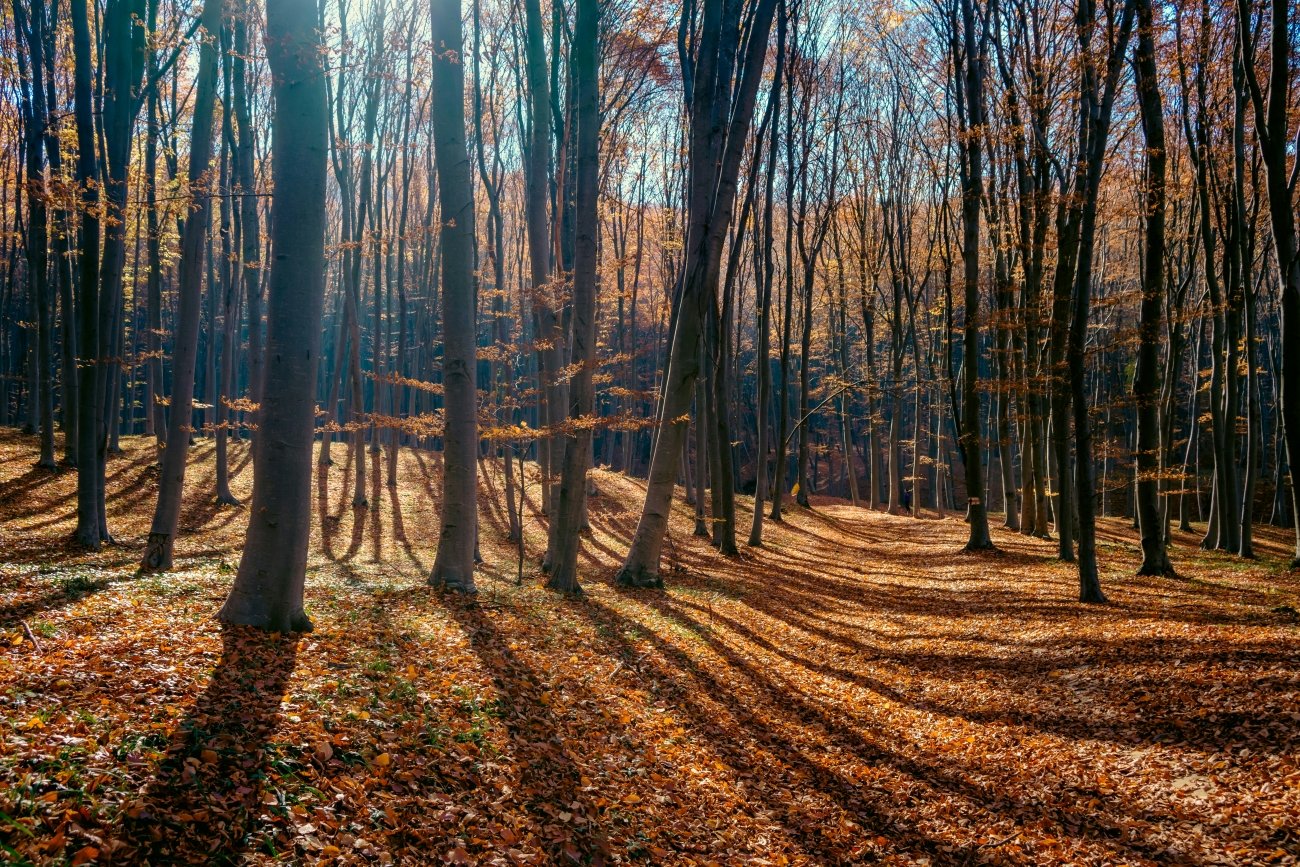
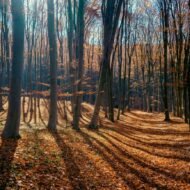
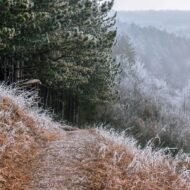
On the western edge of Cluj-Napoca, a quiet beech and oak forest rises over the hills. Hoia-Baciu is often called the most mysterious forest in Europe. Much of that reputation is recent: it grew from a photograph of a strange light over the trees taken in 1968, and later from paranormal television. What lies underneath is older and more interesting.
Transylvania kept its folk beliefs longer than most of Europe: spirits of the woods, the strigoi, the dead who do not rest, the unseen world that sits just beside the everyday one. Local stories speak of a shepherd who walked into the forest with his flock and never came out, and of paths that seem to change between one visit and the next. At the heart of the forest is a round clearing where, people say, nothing will grow. Walk into it in the late afternoon, when the light goes thin between the trunks, and you understand how such stories are born.
- Go for: walking the forest trails, the round clearing (Poiana Rotundă), and Romanian folklore told by a local guide rather than a ghost tour.
- When: May to June for green light; October for colour and mist. Go in the late afternoon, but leave before dark: the paths are easy to lose.
- Getting there: a short taxi or bus ride from central Cluj-Napoca, which has an international airport.
2. Staffa, Scotland
56.43° N, 6.34° W · Inner Hebrides, west of the Isle of Mull
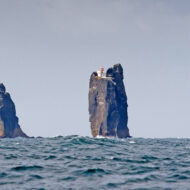
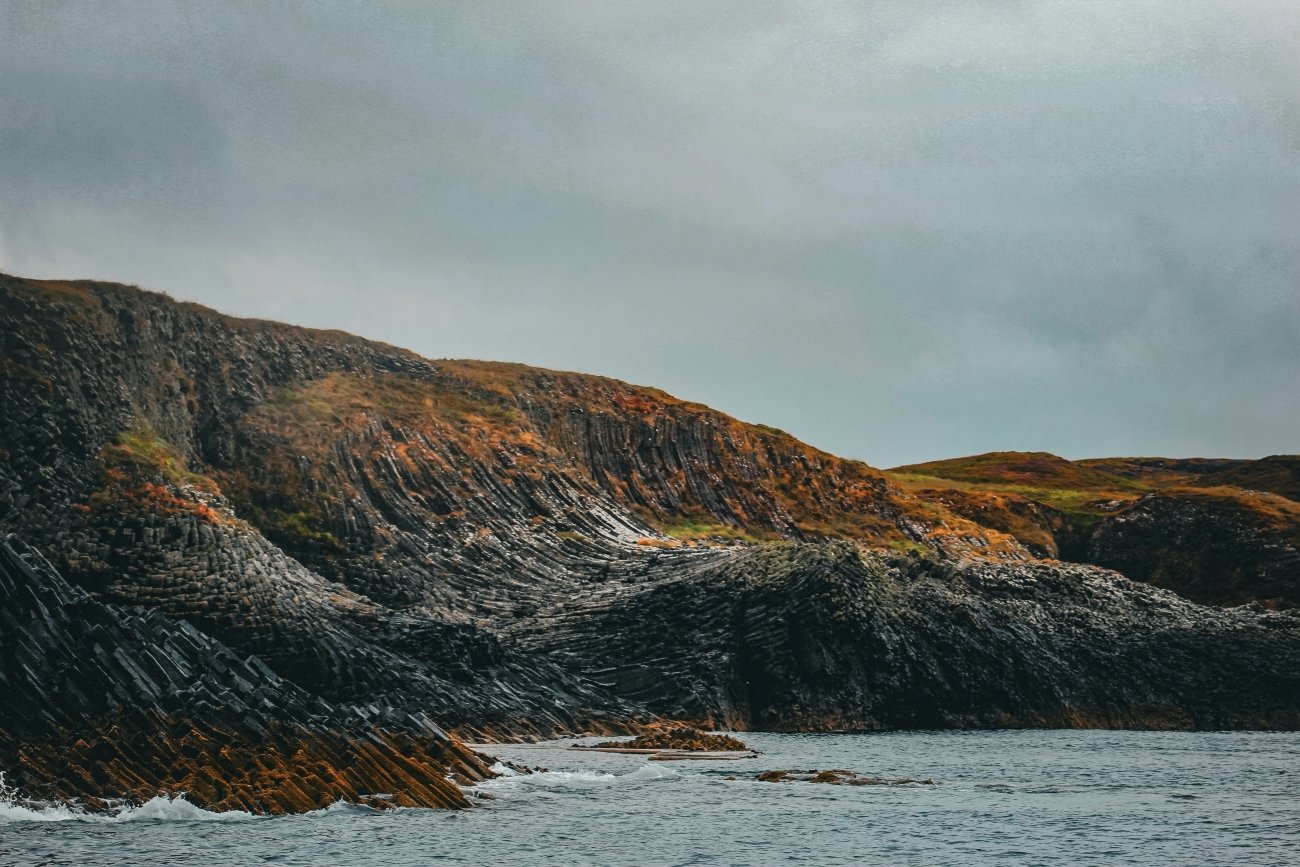
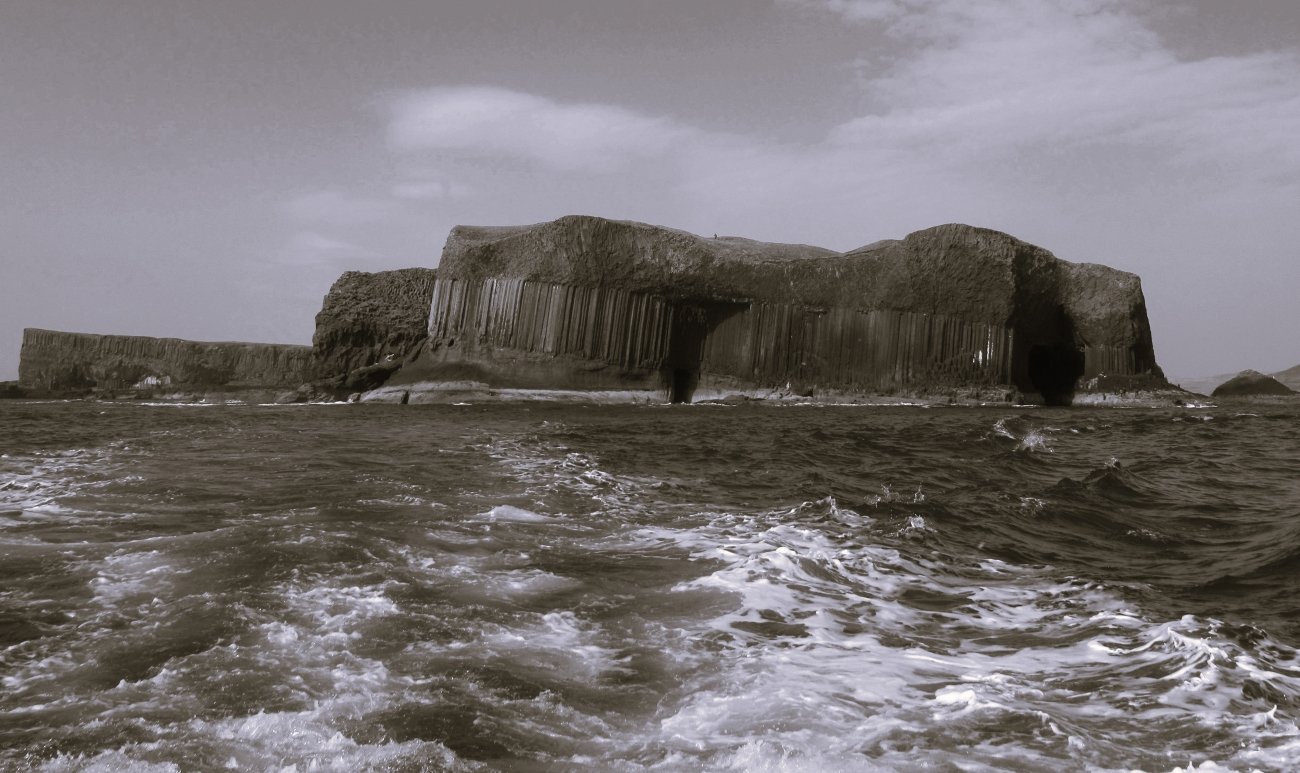
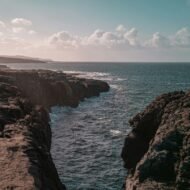
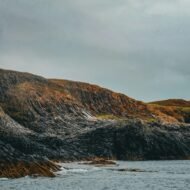
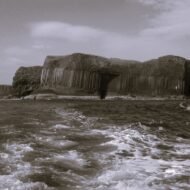
Rising out of the Atlantic, Staffa looks less like an island than like something built. Its cliffs are made of thousands of hexagonal basalt columns, formed when lava cooled slowly around sixty million years ago. Long before geology explained them, people had their own answer: giants.
In Gaelic legend, the columns are the far end of the causeway that the giant Fionn mac Cumhaill built across the sea between Ireland and Scotland, the same road that begins at the Giant’s Causeway in Antrim. The sea cave at the heart of the island, Fingal’s Cave, carries his name, and in Gaelic is called An Uamh Bhinn, “the melodious cave”, for the sound the waves make inside it. In 1829, the young Felix Mendelssohn visited, was violently seasick, and wrote the opening of his Hebrides overture. Walk along the columns into the cave and the sea echoes back from the dark like an organ.
- Go for: Fingal’s Cave, the basalt columns, and the puffins that nest on the clifftops in summer.
- When: late April to early August for puffins. Boats run from about April to October, weather permitting.
- Getting there: day trips by boat from Fionnphort or Ulva Ferry on Mull, or from Oban. Landings depend on the sea, so leave a spare day.
3. Mount Pilatus, Switzerland
46.98° N, 8.25° E · above Lake Lucerne, central Switzerland
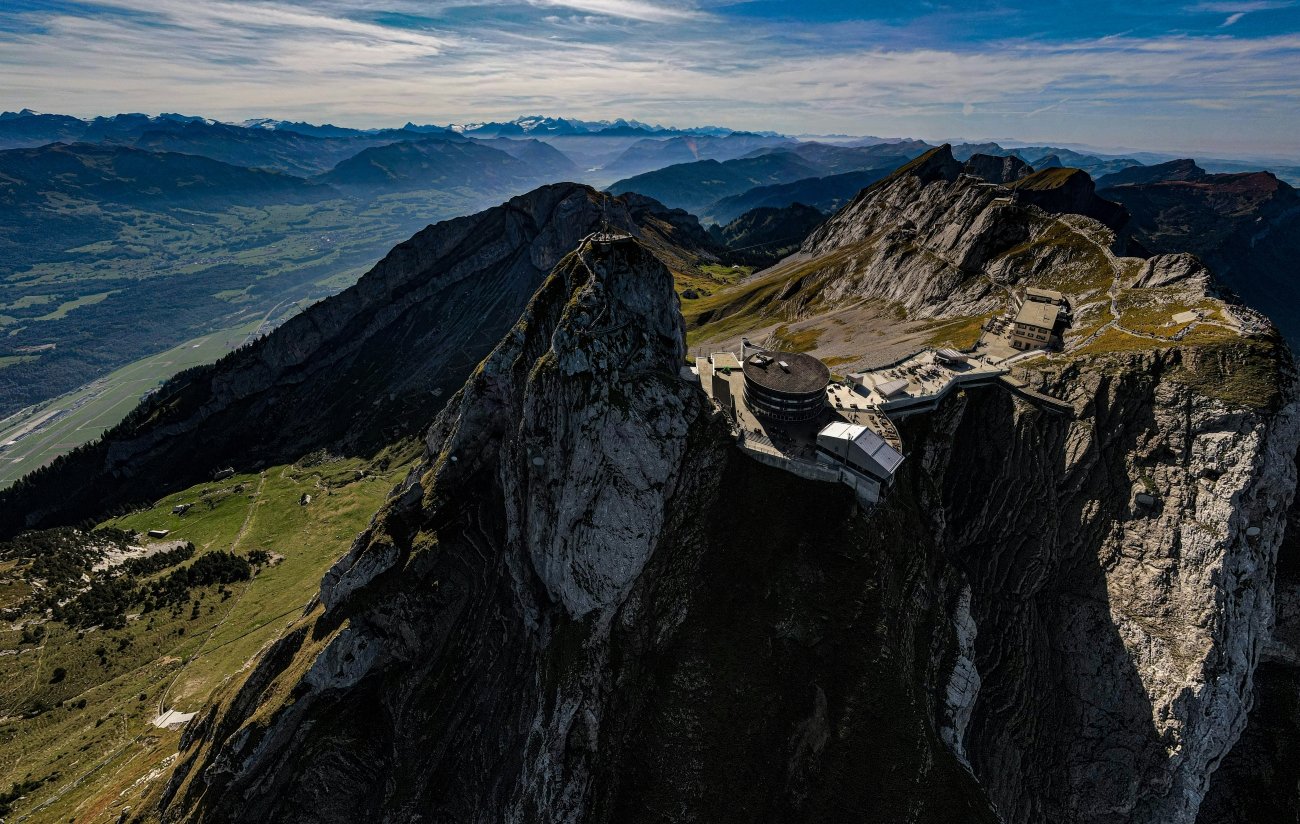
Mount Pilatus rises straight out of Lake Lucerne, and since the Middle Ages it has been the mountain of dragons. Swiss chronicles tell of dragons flying between its peaks and sleeping in its caves. One account says that in 1421 a dragon passed over the mountain and dropped a stone, said to cure illness. That Drachenstein, the dragon stone, is still kept in Lucerne’s natural history museum.
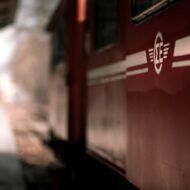
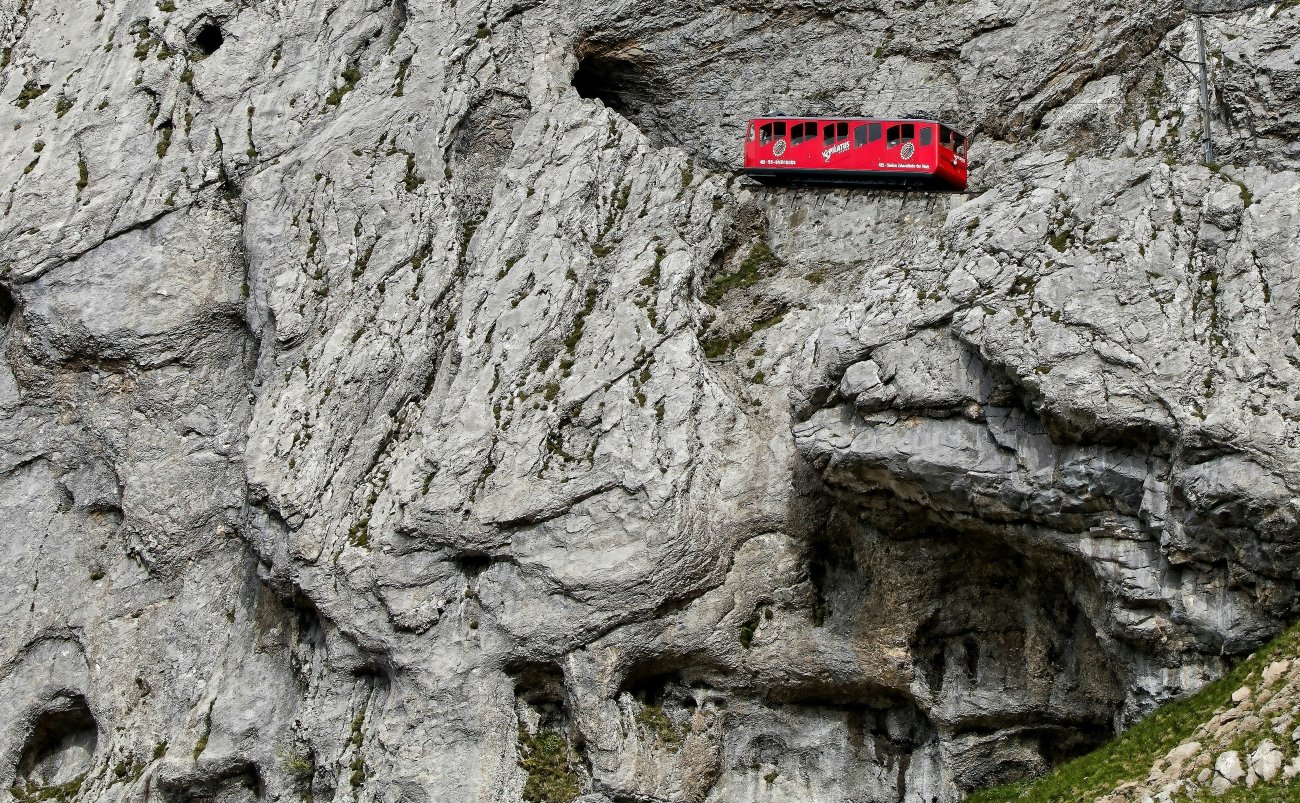
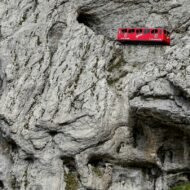
The mountain had a darker legend too. Its name was linked to Pontius Pilate, whose restless spirit was said to haunt a small lake on its slopes and to bring storms down on Lucerne whenever anyone disturbed it. For centuries, climbing the mountain without permission was forbidden. Today a cogwheel railway climbs its flank, the steepest in the world at a gradient of 48 percent, but the dragons are still everywhere: in the trail names, on the signs and in the stories.
- Go for: the Dragon Trail through the summit caves, the cogwheel railway from Alpnachstad, and the views over the lake and the Alps.
- When: May to November, when the cogwheel railway runs; early morning or autumn for fewer visitors. In winter the summit is reached by cable car from Kriens.
- Getting there: from Lucerne, take a boat or train to Alpnachstad for the cogwheel railway, or the bus to Kriens for the cable car.
4. Žemaitija National Park, Lithuania
56.04° N, 21.84° E · Plateliai, Samogitia, north-western Lithuania
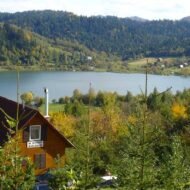
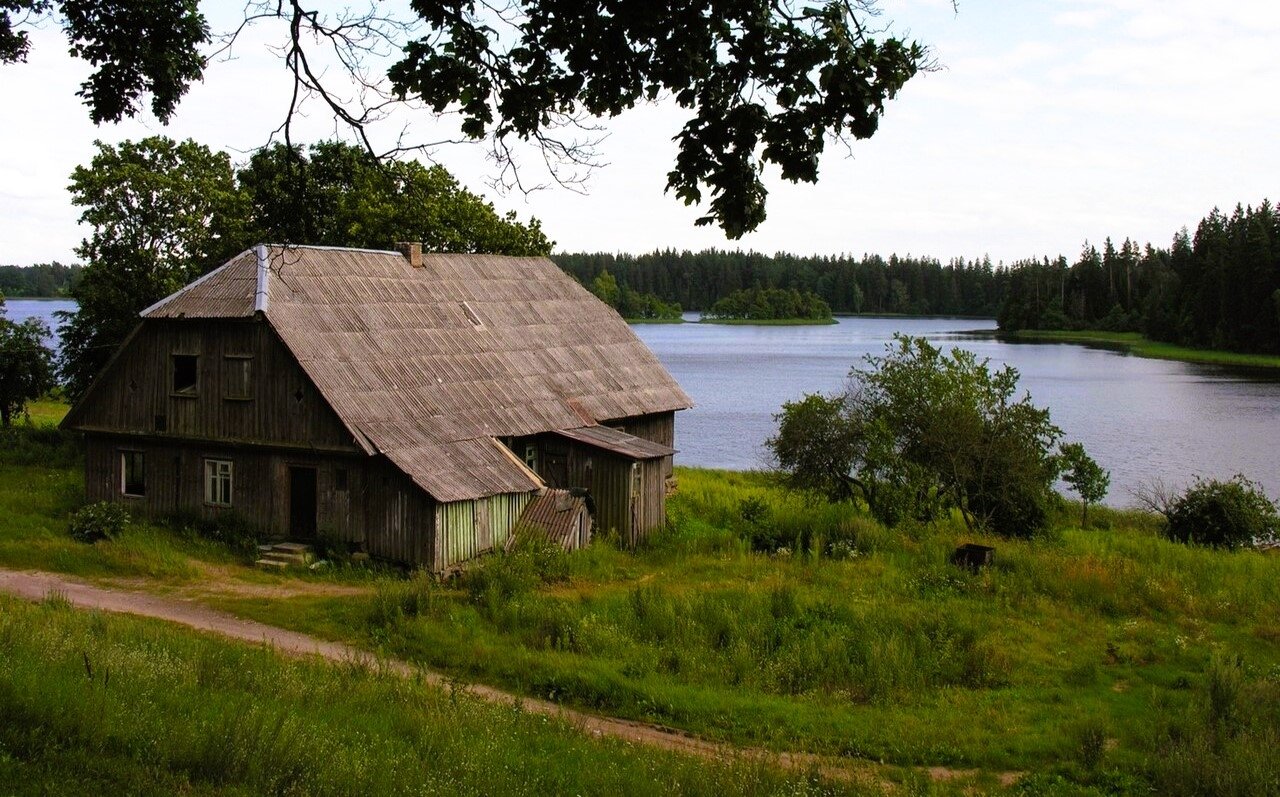
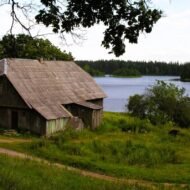
Lithuania was the last country in Europe to accept Christianity, and Samogitia (Žemaitija) was the last part of Lithuania to do so, in the early 15th century. Nowhere does that heritage feel closer than in this park of forests, hills and lakes around Lake Plateliai.
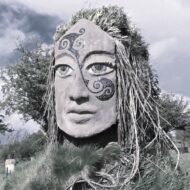
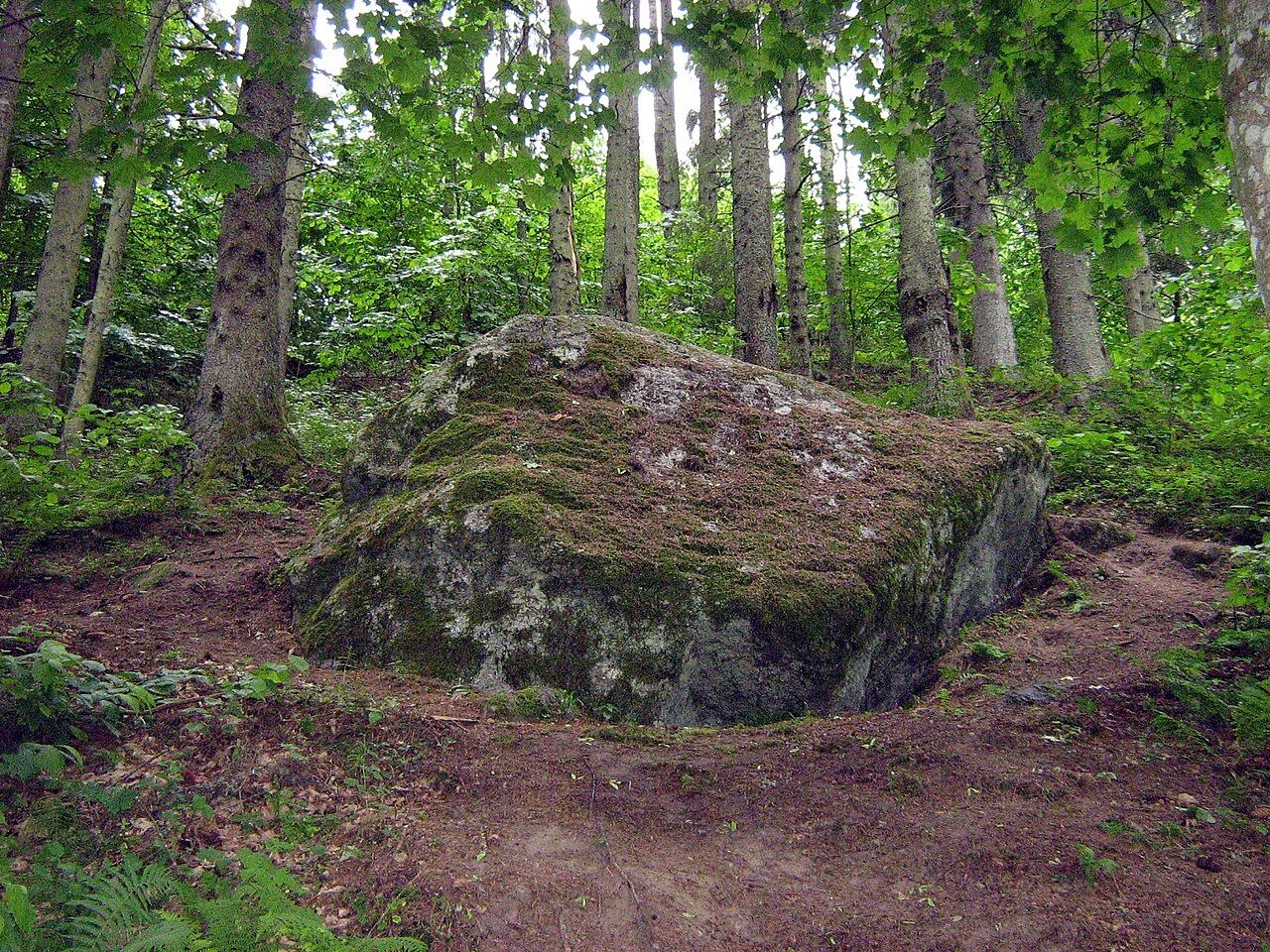
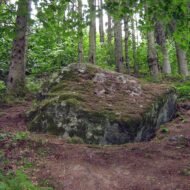
The old Baltic gods have not entirely gone. Perkūnas, the god of thunder, still appears in folk songs. Sacred stones and hills carry stories of devils, giants and offerings. Each winter, the villagers of Plateliai celebrate Užgavėnės, the Shrovetide carnival, in carved wooden masks of devils, witches and animals, and drive winter out of the village. The park also holds a very different relic: an abandoned Soviet nuclear missile base, Plokštinė, hidden in the forest. Old gods and Cold War silos sit side by side under the same pines.
- Go for: Lake Plateliai and its islands, the Užgavėnės mask carnival, the Žemaitija Art Museum in Plateliai manor, and the former missile base, now a museum.
- When: February for Užgavėnės; June for Joninės, the midsummer festival; September for forest colour.
- Getting there: about 45 minutes by car from Klaipėda or 3 hours from Vilnius. A car is essential.
5. The Burren, Ireland
53.05° N, 9.14° W · Poulnabrone, County Clare
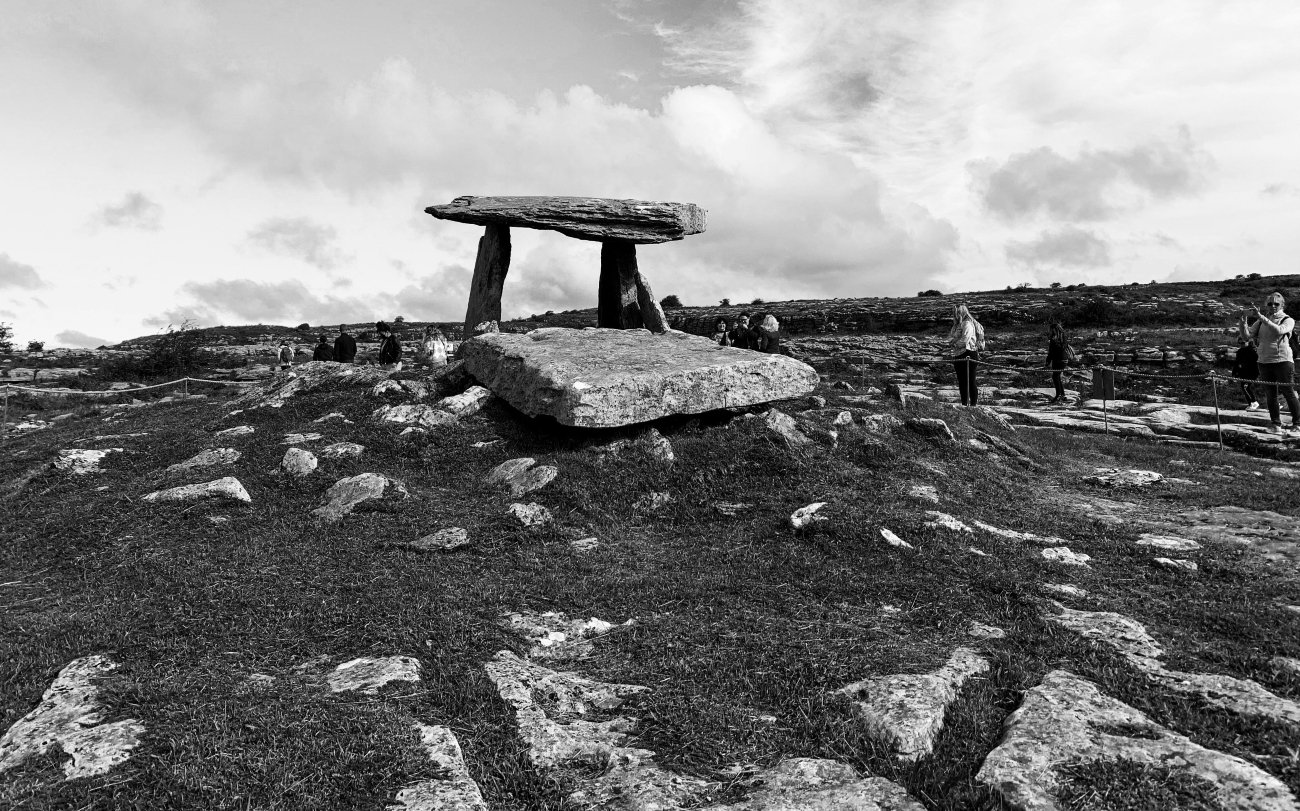
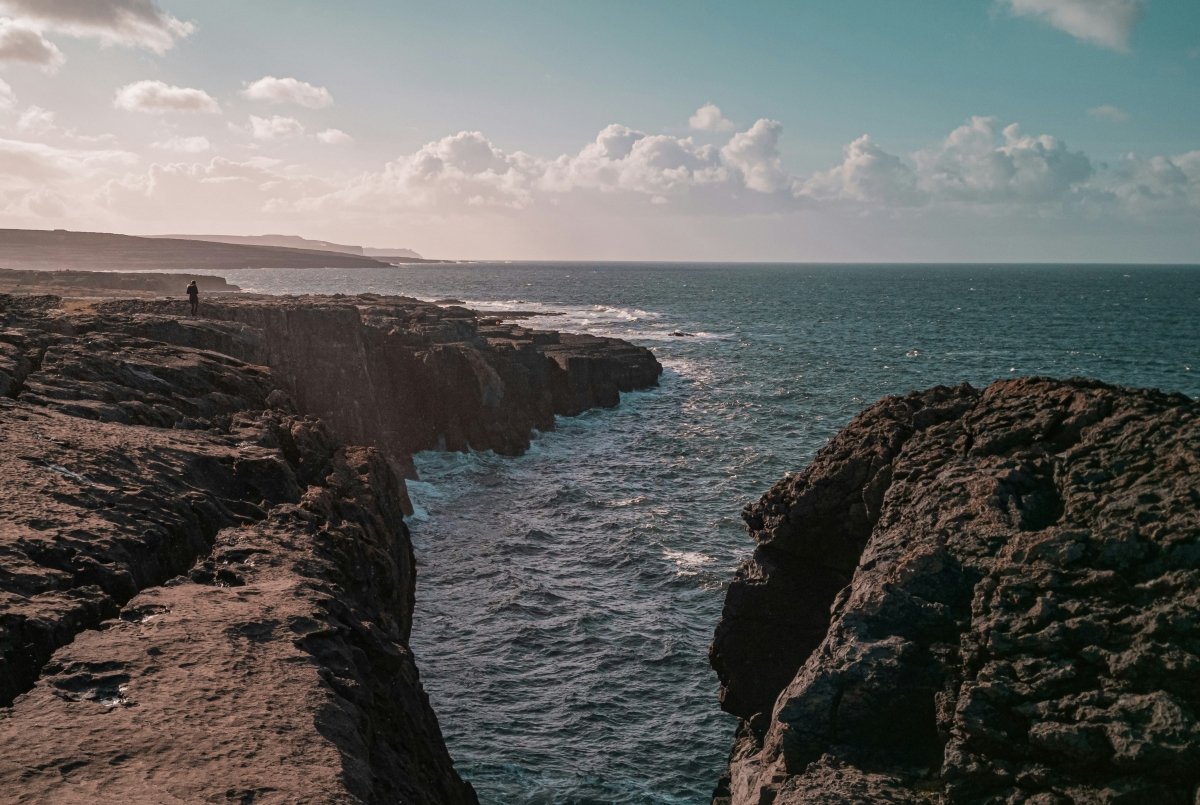
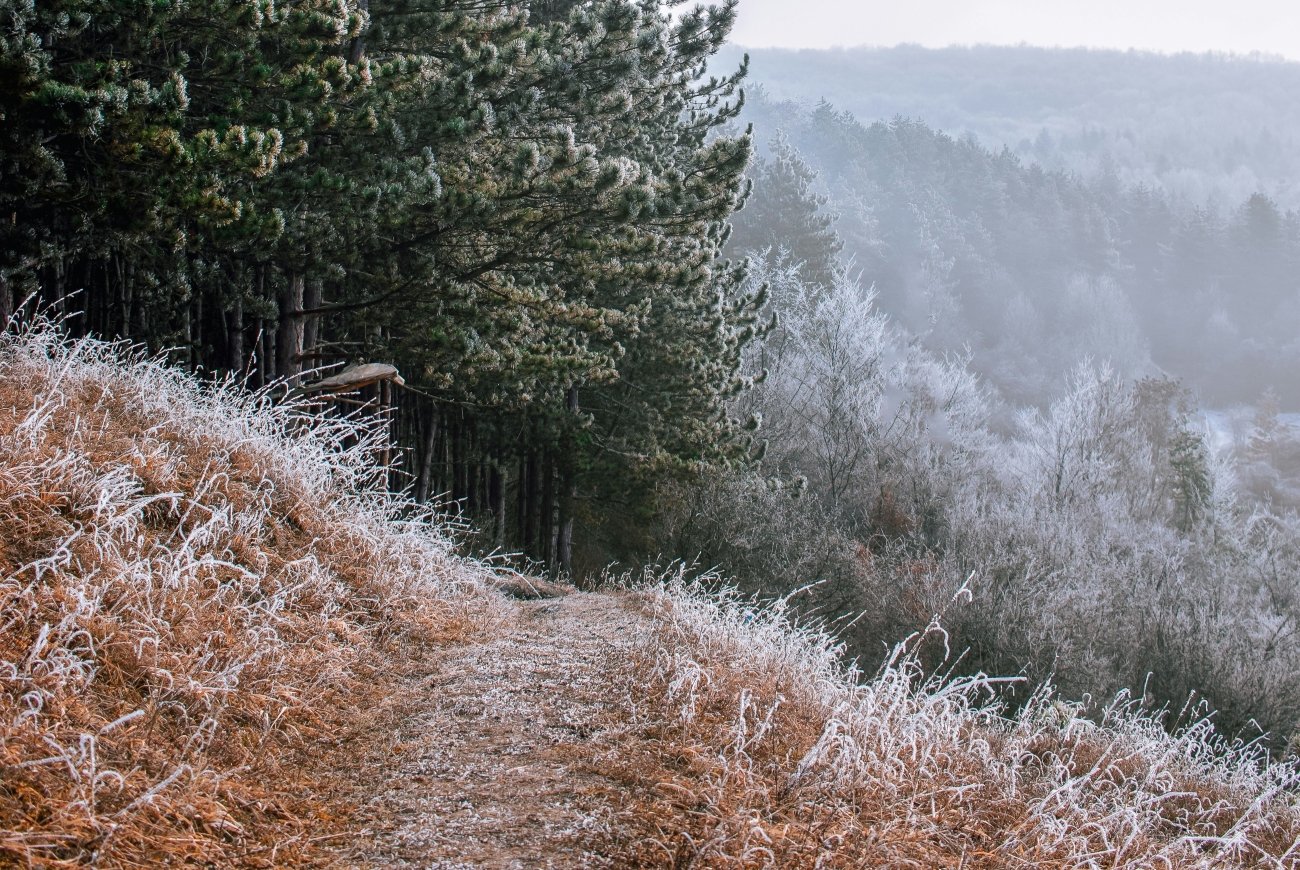
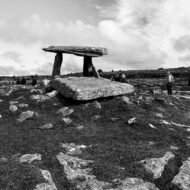
The Burren is a landscape that feels set apart from ordinary geography: a grey wilderness of limestone pavement above the Atlantic, cracked into blocks and crevices where Arctic, Alpine and Mediterranean flowers grow side by side. People have lived here for at least six thousand years, and the Poulnabrone dolmen, a portal tomb older than the pyramids, still stands on the open stone.
Hundreds of ringforts are scattered across the Burren, and in Irish folklore these are fairy forts, the homes and gateways of the aos sí, the people of the Otherworld. Many farmers will not plough them or move their stones. A lone hawthorn in the middle of a field is often left standing for the same reason: it belongs to the fairies, and bad luck follows anyone who cuts it. Here, folklore is not a story for visitors. It still shapes how the land is used.
- Go for: the Poulnabrone dolmen, the limestone pavements, spring wildflowers, the Burren’s ringforts and the traditional music of Doolin and Ennistymon.
- When: May and June for the wildflowers; September for quiet and soft light.
- Getting there: about 1 hour by car from Shannon Airport or Galway. Local buses reach Ballyvaughan and Doolin, but a car or bicycle is far better.
How to visit places of living folklore
These places are not theme parks. For the people who live there, the stories still matter. A few habits help:
- Leave ringforts, sacred stones and lone trees as you find them. Don’t climb, move or take anything.
- Treat legends with respect. Locals may tell a story with a smile, but that doesn’t mean it’s a joke.
- Choose local guides over ghost tours. The real folklore is usually stranger, and more human, than the paranormal version.
- Stay on paths and away from nesting birds, especially on Staffa in puffin season.
- Go out of season. Mist, low light and empty paths are where these stories make the most sense.
Frequently asked questions
Is Hoia-Baciu Forest safe to visit? Yes. It’s an ordinary public forest on the edge of Cluj-Napoca, popular with walkers. The main risk is getting lost on unmarked paths, so go in daylight and take a map or a local guide.
Can you go inside Fingal’s Cave? Yes, when the sea is calm. Boats land on Staffa, and a path along the basalt columns leads into the cave. Landings are cancelled in rough weather.
Why is Mount Pilatus associated with dragons? Medieval Swiss chronicles describe dragons living in the mountain’s caves, and a “dragon stone” said to have fallen from one in 1421 is still kept in Lucerne.
What are fairy forts in Ireland? They are the remains of early medieval ringforts, circular farm enclosures. In folklore they are homes of the fairies, so many are still left untouched.
Beyond the map
Myths fade from books faster than from landscapes. A forest still makes people lower their voices; a farmer still ploughs around a ring of earth; a village still puts on its devil masks to chase the winter away. These five places are where Europe’s old spirits are easiest to hear, if you arrive quietly enough.
To see where some of these stories began, read our companion piece: Where Europe’s Myths Began.
Carry the stories with you: Beyond the Map Field Guides
Our premium guides are made for travellers who want to go further than an article can take them.
Hidden Europe — The Beyond the Map Map Every coordinate in this article, and many more, on one map of the Europe most travellers never see.
Autumn Photography in Europe — The Beyond the Map Premium Guide Mist in Hoia-Baciu, low light on the Burren, the forests of Samogitia in October. This guide is for the season when Europe’s mythic landscapes look their most mysterious.
Overland & Campervan in the Balkans — The Beyond the Map Road Guide For travellers who want to follow the old stories further east, by road, through the villages and mountains of the Balkans.
Explore more: Beyond the Map · Living Traditions · Field Guides