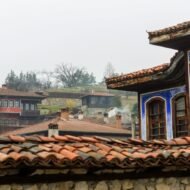


There is a version of luxury travel that the major hotels in the major cities offer: the known address, the expected service register, the room that costs what it costs because the location is the location. Nothing wrong with it.
This is a different conversation.
These five places share a specific quality. None is a resort. Each is a village first — a place that exists because of its history, its landscape, its position in a mountain valley or on a hillside of vines — and the accommodation exists because the place deserves to be stayed in rather than day-tripped through. The luxury is in where you are, the season you have chosen, and the specific intelligence to have found it.
A Bieszczady village emptied twice by history, where October reveals a drowned settlement beneath the lake. A limestone cave country in western Romania where bears move through beech forest at dawn. A Greek mountain region of 46 stone villages above Europe’s deepest gorge. A Slovenian wine ridge on the Italian border where the harvest has just finished. A corridor of Saxon fortified churches in Transylvania, heated in October the old way.
None of these is a secret. All of them deserve to be significantly better known than they are.
01. Wołkowyja, Bieszczady, Poland
The village emptied twice — and what October reveals beneath the lake
Location: Wołkowyja · Bieszczady Mountains · Subcarpathian Voivodeship GPS (village shore, Lake Solina): 49.3923°N · 22.4234°E GPS (Połonina Wetlińska dawn position): 49.1534°N · 22.5234°E Best month: October 1–20 Category: Village destination · private lake-edge houses and specialist lodges From: approximately €70–130/night for the best private houses Read the full Wanders article: thewanders.eu/wolkowyja/
To understand Wołkowyja you need two dates. 1947 and 1968.
In April 1947, the Polish communist government launched Operation Vistula — the largest forced resettlement in post-war Europe. Over 140,000 Ukrainians, Boykos and Lemkos were removed from the Bieszczady mountains and dispersed across the country. The operation emptied 170 villages across the region. Wołkowyja, a Boyko village whose inhabitants had lived in these mountains for centuries, was cleared in weeks. The wooden churches remained. The farm buildings remained. The apple orchards the families had planted continued to fruit every autumn with no one to pick them. The forest began its slow return.
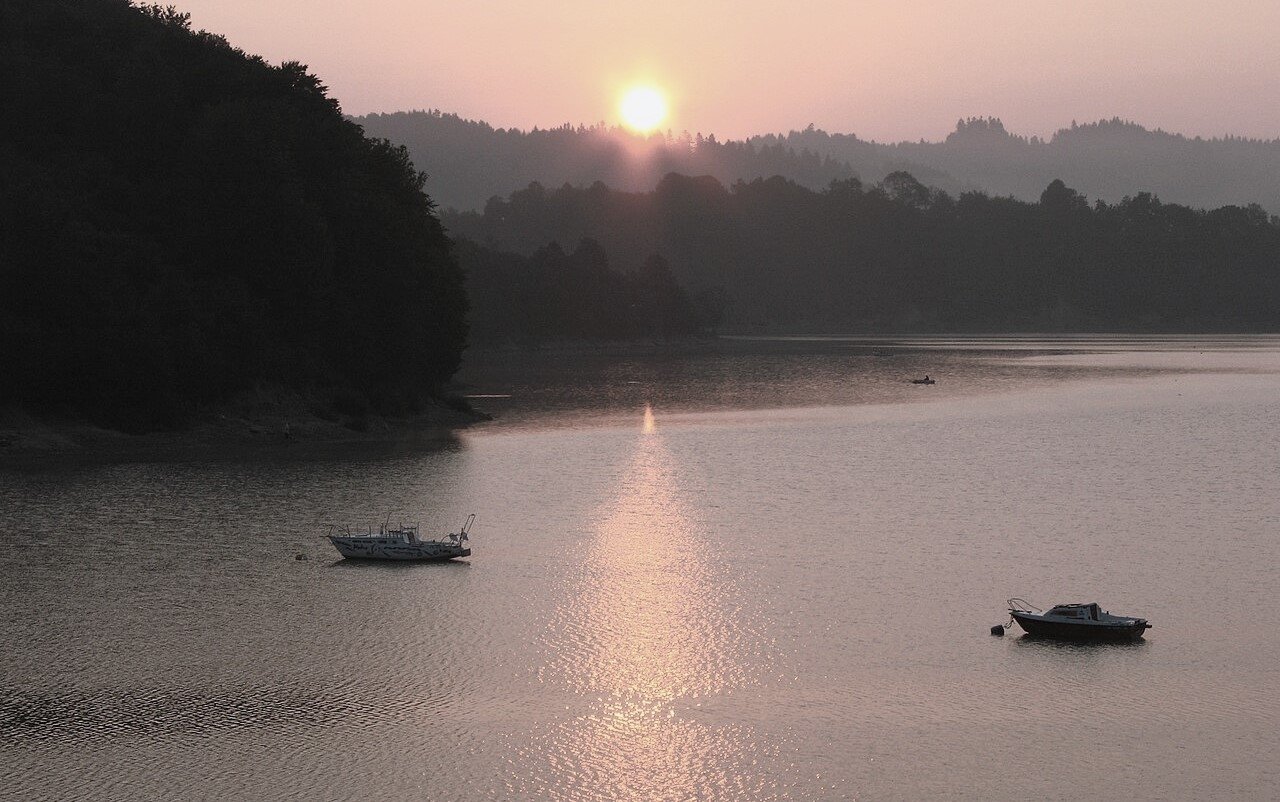
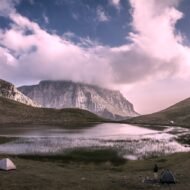
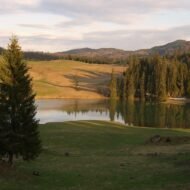
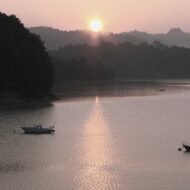
Then 1968. The Solina Dam, completed that year, created the largest artificial lake in Poland. Lake Solina rose and covered the lower sections of the valley. The foundations of the old Wołkowyja disappeared beneath the water. At low water levels — most visible in late autumn, when the lake drops — the stone walls of the drowned village appear below the surface. A village visible only when the season allows it.
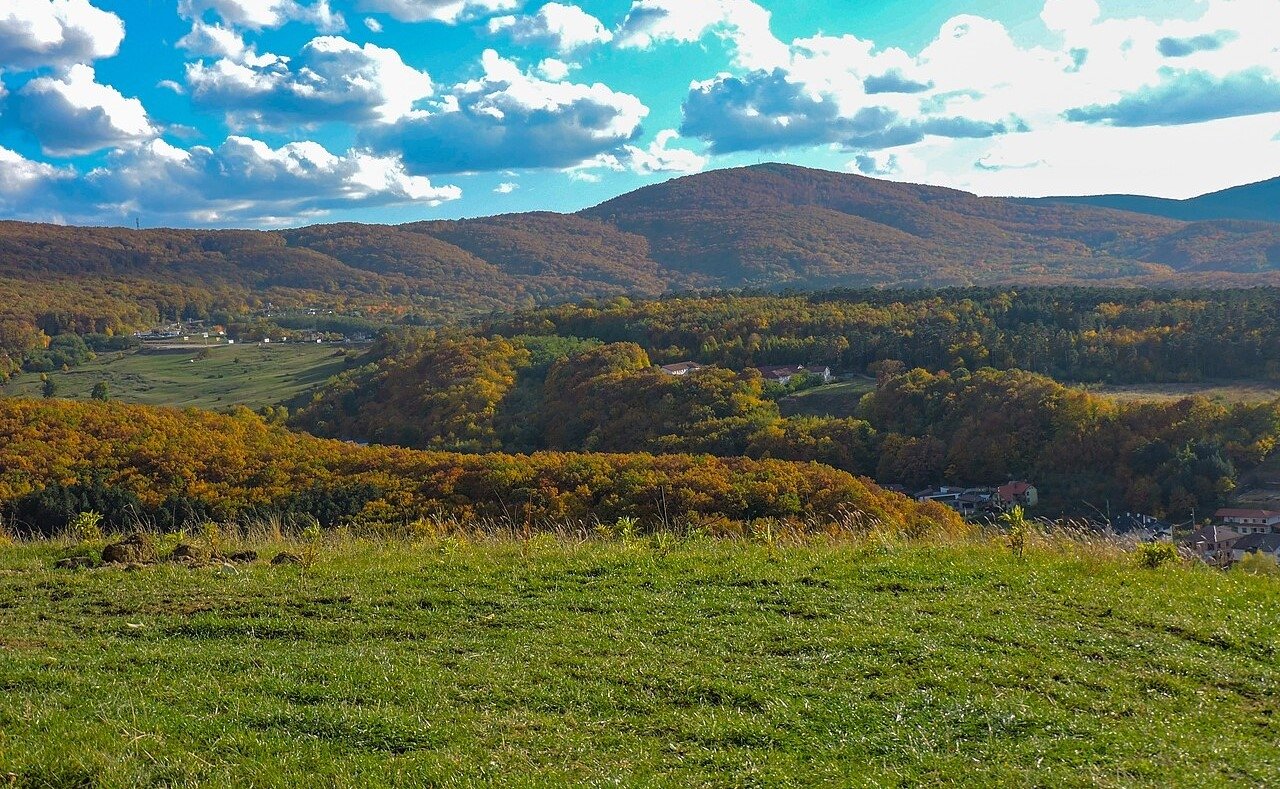
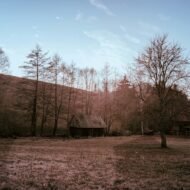
What exists at Wołkowyja today is the remnant settlement on the higher ground above the lake, within reach of the Bieszczady National Park and the Połonina Wetlińska plateau above the valley. October gives the village its specific character: the water low, the submerged walls visible, the beech forest on the surrounding hillsides at colour peak. The Bieszczady beech turns copper and gold in the first two weeks of October and holds through the third.
The accommodation is not hotel luxury in the conventional sense. What this area offers is the private house above the lake — stone-built or timber-beamed, with a wood stove and a kitchen that sources from the surrounding land in October. The best of these, bookable through Polish specialist platforms or direct contact, give the traveller a house rather than a room, a fire rather than underfloor heating, a landscape shaped by one of the most significant events in post-war European history visible from the window.
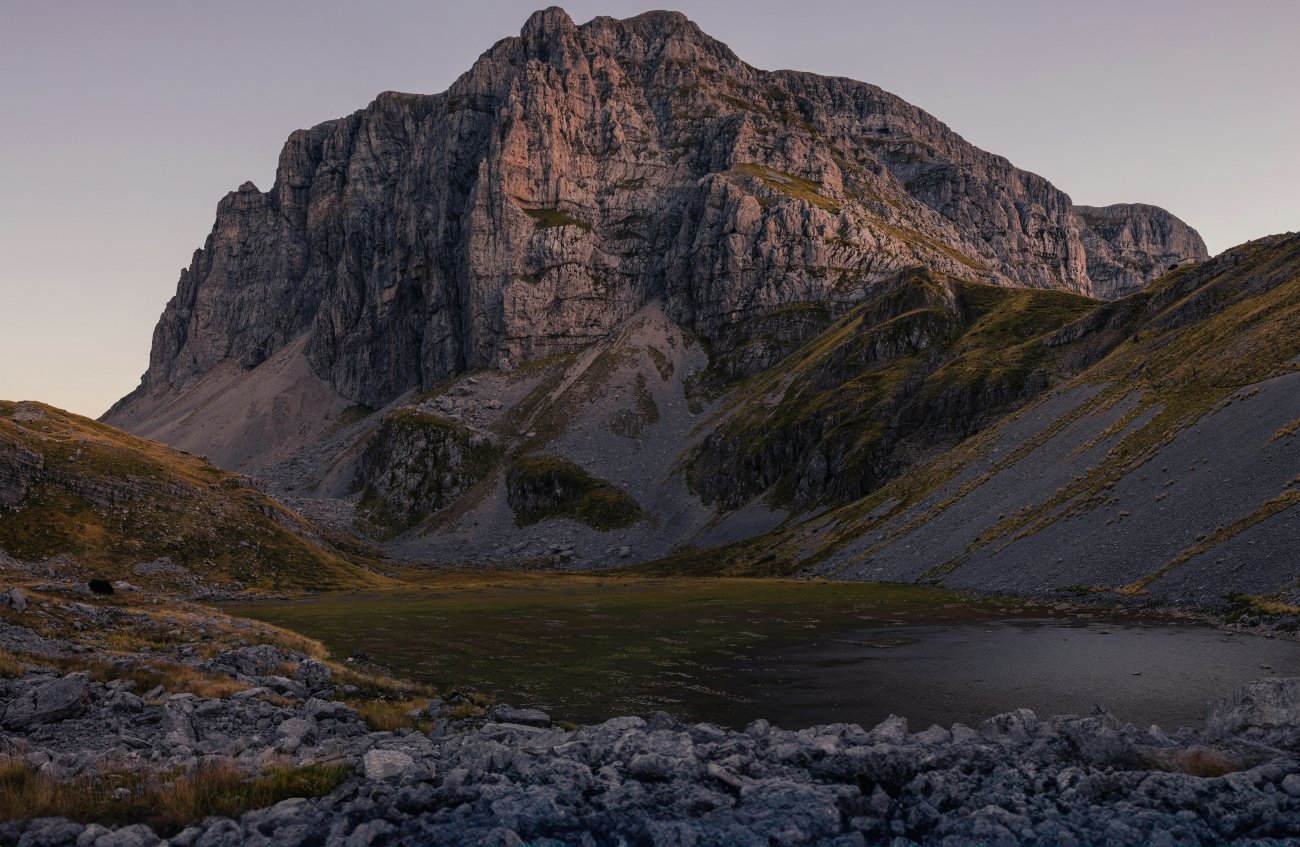
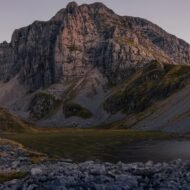
The Połonina Wetlińska — the open ridge above the valley at 1,228 metres — is the dawn photography position. Above the treeline, the beech colour visible in every direction below, the Carpathian ridgeline extending south into Ukraine on a clear day. The walk from the village takes three hours. The ridge in October has almost no other people on it.
Why October specifically: The submerged village most visible at low water. The beech at colour peak. The summer crowd entirely gone. The orchards of the emptied Boyko farms still fruiting — apple trees planted by families who never returned.
What the guide goes deeper on: the three private lake-edge houses with the quality to justify the term retreat, the exact Sokolica viewpoint GPS, the Lake Solina low-water calendar, and the route connecting five other emptied Boyko villages within 20km where the ruins and orchards are still visible in the forest.
02. Apuseni Mountains, Romania
Limestone wilderness, bear country and cave light — the Romania nobody visits
Location: Apuseni Natural Park · western Carpathians · Cluj and Bihor counties GPS (Rimetea village, primary base): 46.4534°N · 23.7234°E GPS (Peștera Urșilor, Bears Cave): 46.5012°N · 22.6734°E Best month: October 1–20 Category: Village-based specialist lodges and private chalets From: approximately €80–160/night for the best positioned chalets Nearest airport: Cluj-Napoca (CNJ) · 60km
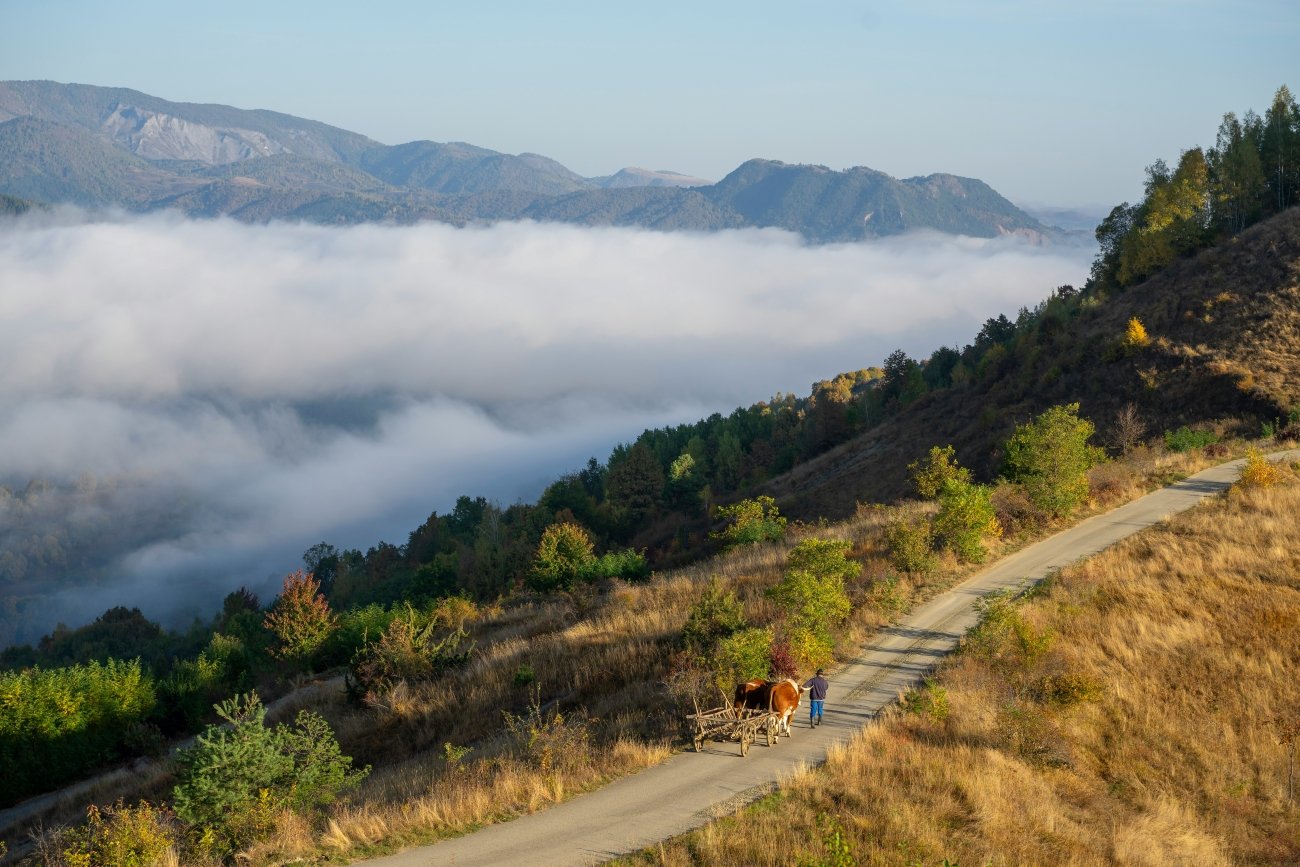
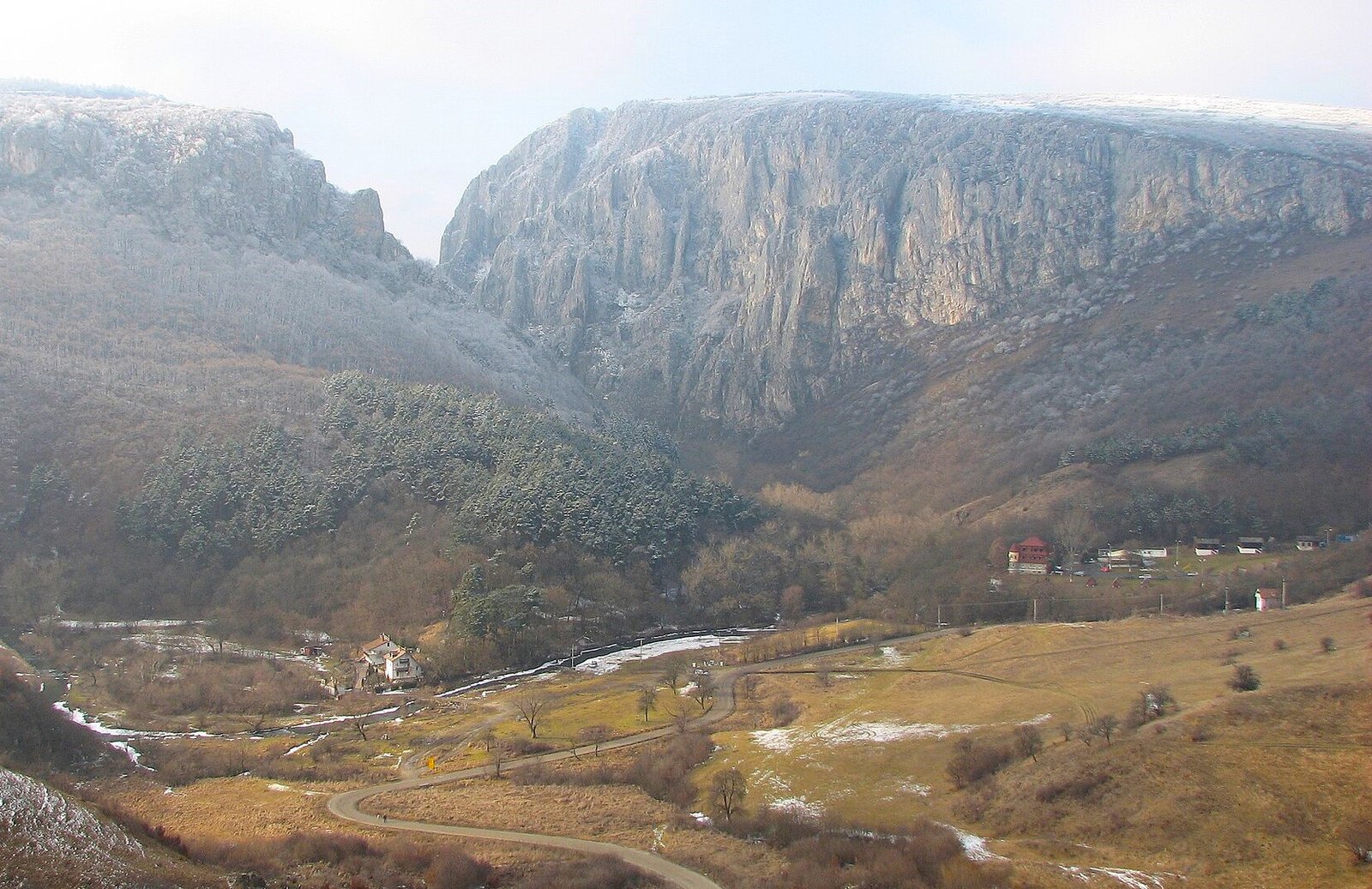
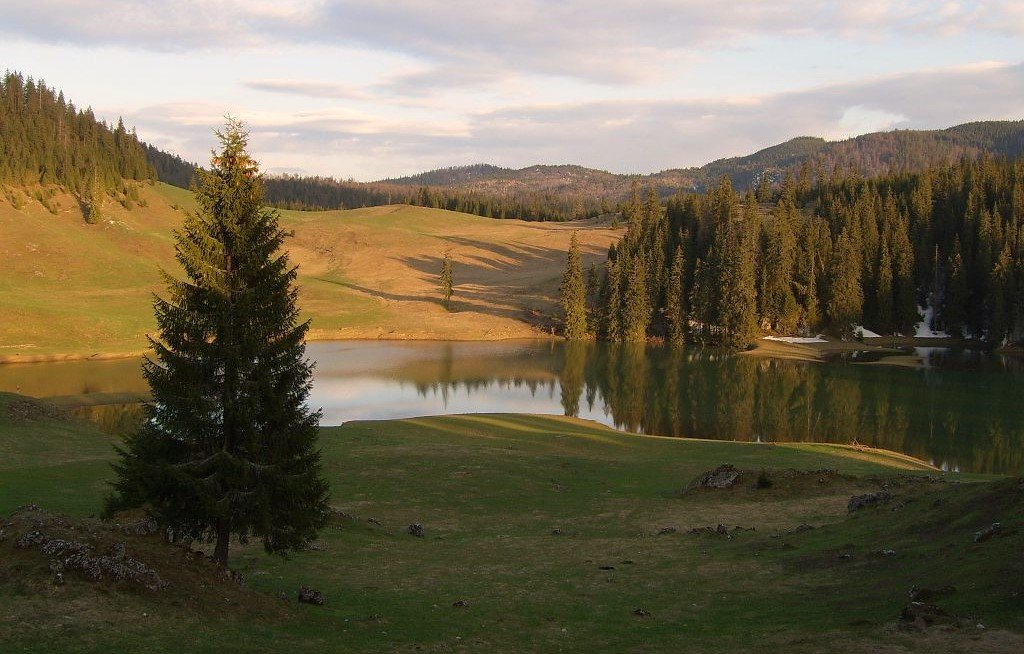
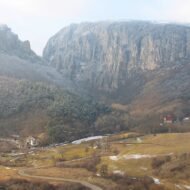
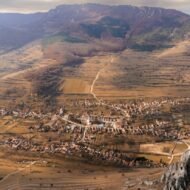
The Apuseni are not the Carpathians. Most people who travel to Romania for mountains go to the Carpathians — Brașov, the Bucegi, the Retezat. The Apuseni, in the western part of the country above Cluj-Napoca, are a different geology entirely: a limestone karst plateau riddled with caves, gorges and underground rivers, forested above 1,000 metres with beech and oak, and supporting a population of brown bears whose October movements through the beech forest at dusk are among the most extraordinary wildlife experiences available in Europe without specialist expedition logistics.
The specific character of the Apuseni in October: the cave country. Peștera Urșilor — the Bears’ Cave — earned its name from the Ursus spelaeus bones found inside when the cave was discovered in 1975; the cave bears died in a prehistoric landslide that blocked the entrance. The cave is one of the most accessible showcaves in Romania, with illuminated stalactites and stalagmites in chambers that extend 1.5km into the limestone. In October the air temperature inside the cave (10°C constant year-round) is the specific reason to go underground for an hour after a morning on the beech plateau above.
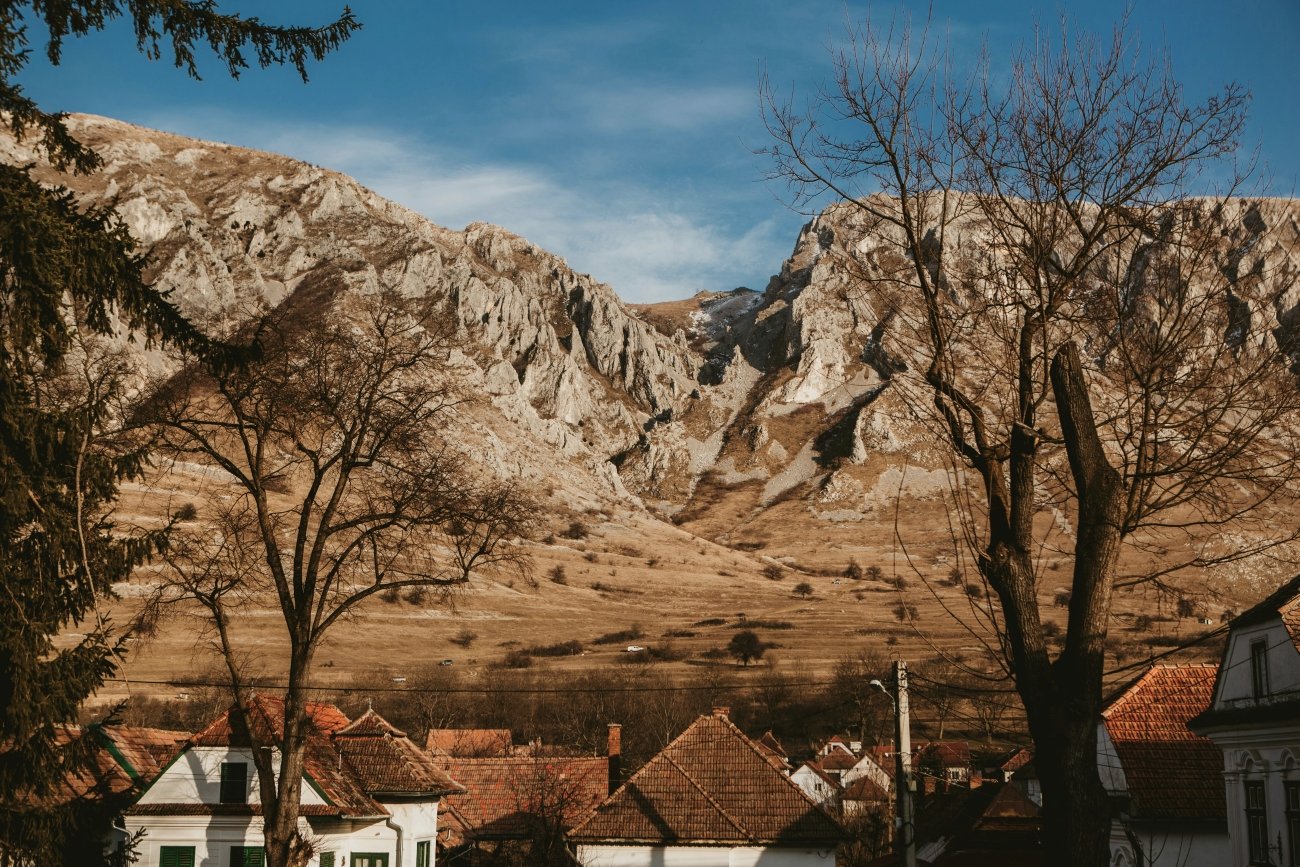
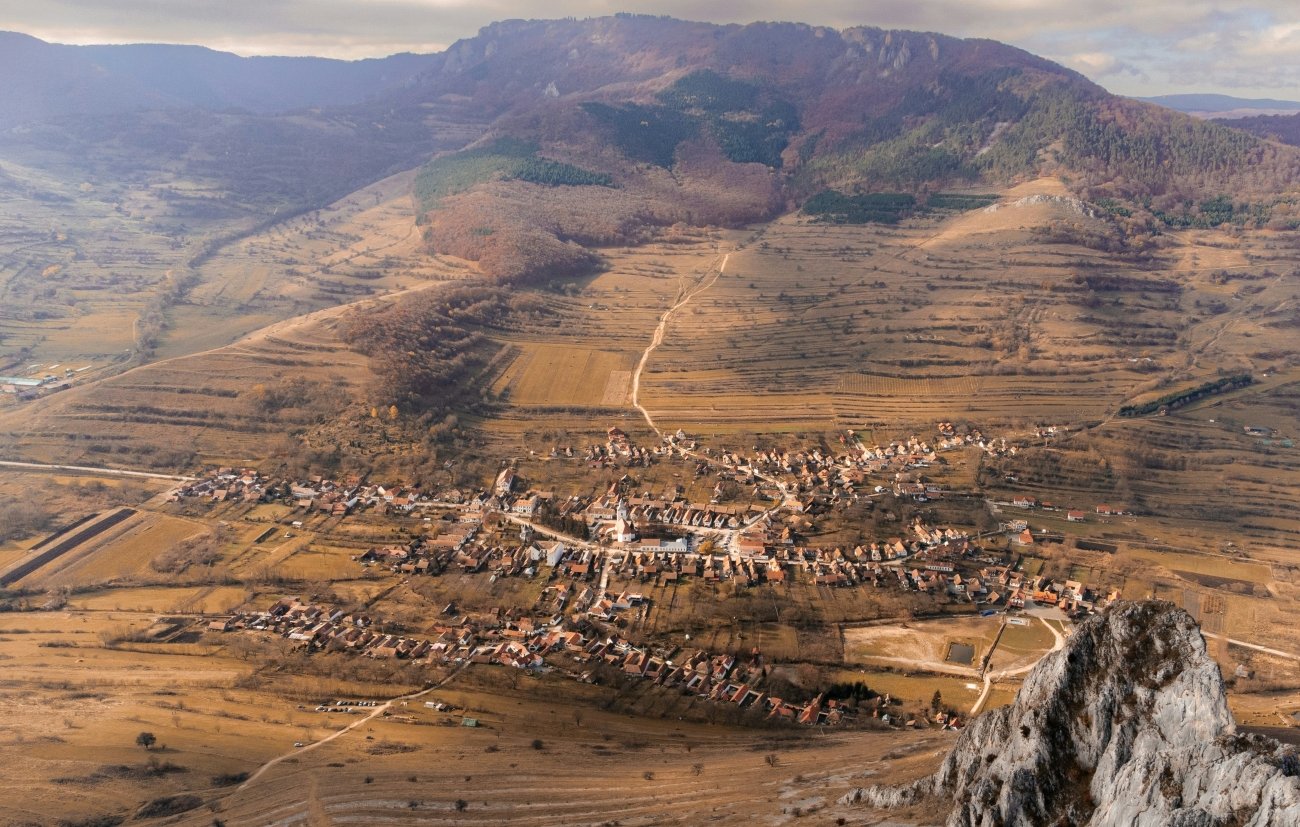
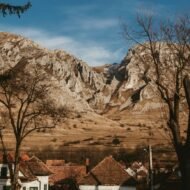
The village of Rimetea — a whitewashed Hungarian-heritage village at the foot of the Piatra Secuiului limestone massif, classified as a historical monument — is the most architecturally distinct settlement in the Apuseni and the correct base for the western section of the park. The village is small, the houses white with black trim in the specific Transylvanian Hungarian style, and the rock face above it lights up in the afternoon sun at an angle that October’s lower sun produces most completely.
The specialist chalets and private lodges positioned above the valley — Cabana BellaMonte, the Fox Refuge, the Vinkis Lodge near Măguri — offer the quality of experience the landscape demands: private, well-equipped, positioned for the specific October combination of beech colour, cave country and bear activity.
October is the month when the bears are most actively feeding before hibernation, ranging across the beech forest at dusk in the patterns that local guides understand and that the summer visitors never see. A guided evening bear-watching session from a hide above Rimetea is the specific October experience the Apuseni offers that no other European destination at this price point can replicate.
Why October specifically: The bears feeding before hibernation — highest activity and easiest sightings. The beech colour on the limestone plateau. The cave country below, the forest above. The summer visitors who come for hiking entirely absent.
What the guide goes deeper on: the three specific chalets with the positioning and quality for the bear-watching experience, the exact guide contact for evening sessions, the Peștera Urșilor booking logistics, and the Rimetea limestone circuit with GPS for the dawn position on the rock face.
03. Zagori, Greece
46 stone villages, the world’s deepest gorge, and a mountain resort in the season it was built for
Location: Zagori · Epirus · northwestern Greece GPS (Aristi village, primary base): 39.8934°N · 20.7534°E GPS (Vikos Gorge north viewpoint, Oxia): 39.9289°N · 20.7389°E Best month: October 5–25 Category: Aristi Mountain Resort & Villas · 26 rooms · stone-built village complex From: approximately €120–180/night in October URL: aristiresort.gr Nearest airport: Ioannina (IOA) · 45km
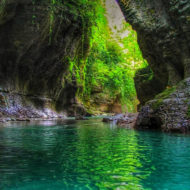
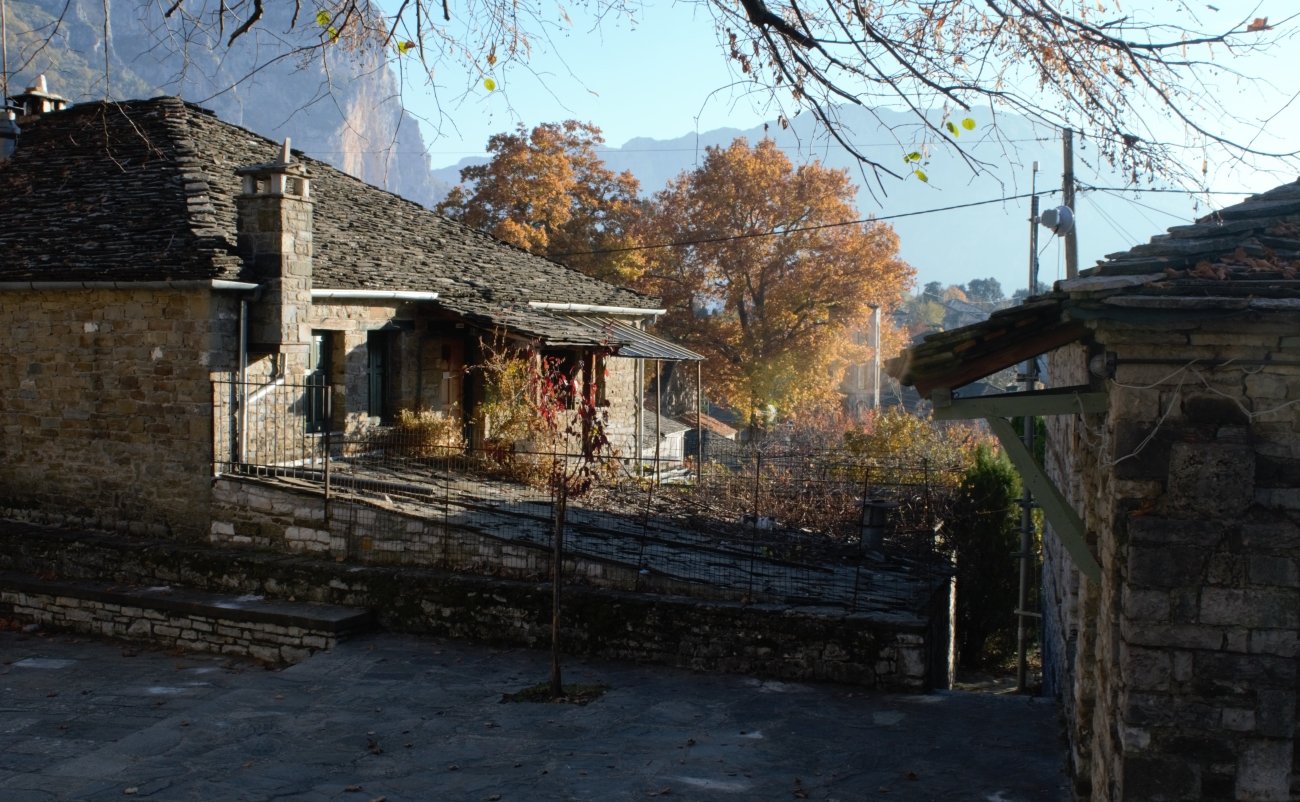
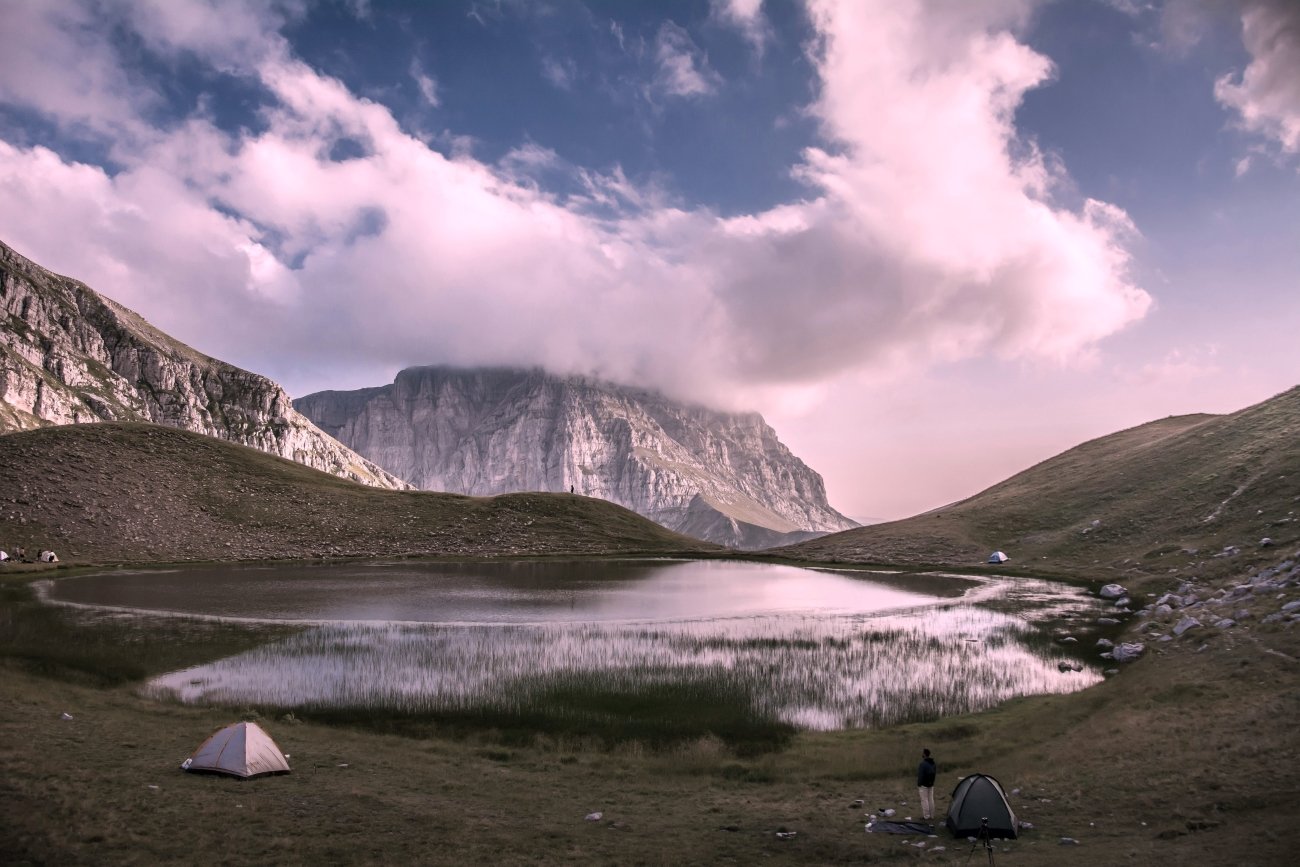
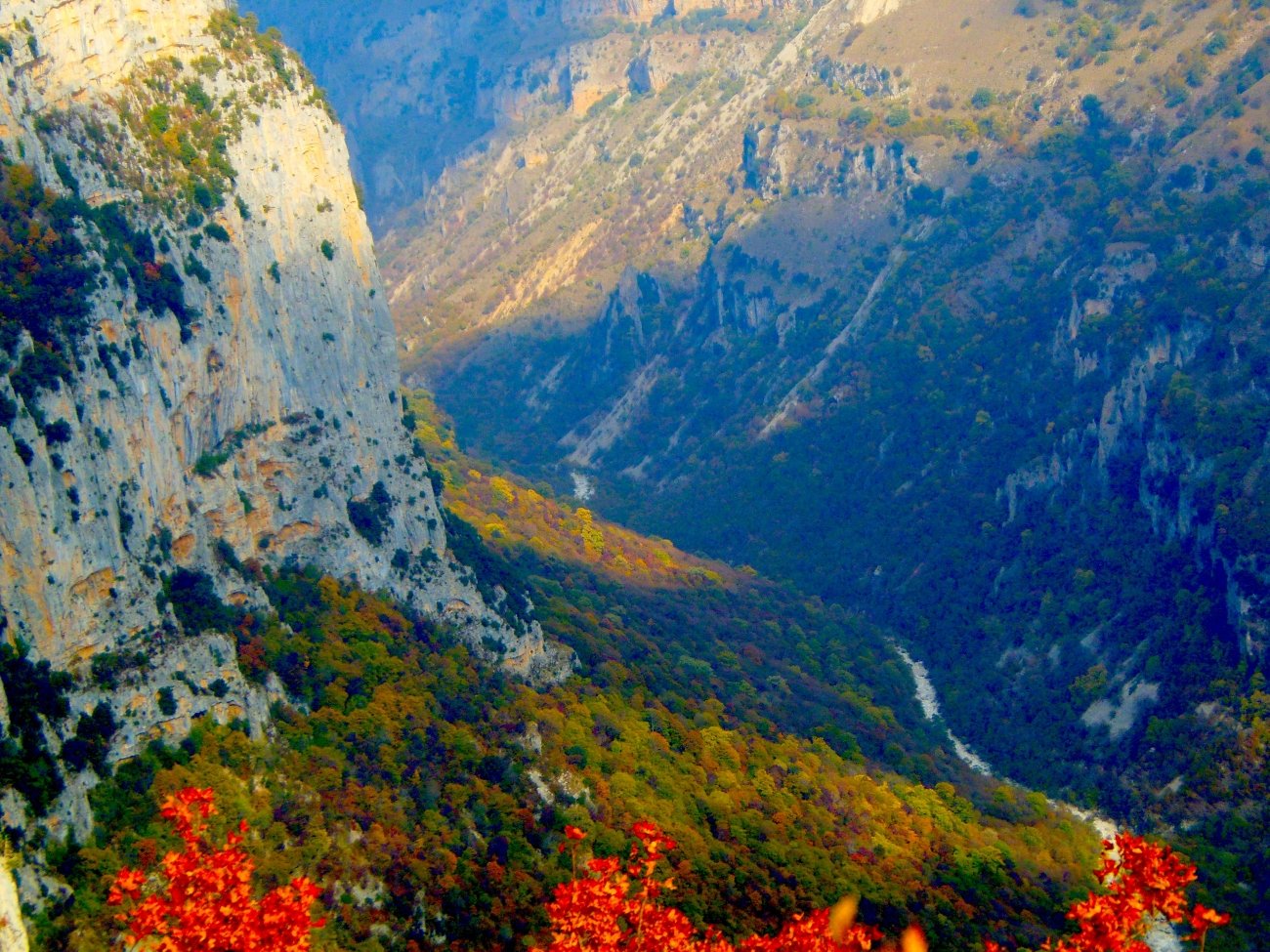
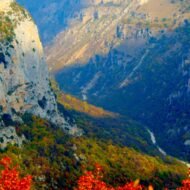
The Zagori is a region of 46 villages in the Pindus Mountains of northwestern Greece, connected by cobbled mule paths and arched stone bridges, and set above the Vikos Gorge — listed in the Guinness World Records as the world’s deepest gorge relative to its width, with walls that descend 900 metres to the Voidomatis River below.
Most visitors to Greece go to the islands. Those who come to the mainland go to Athens, Delphi, Meteora. The Zagori — two hours from Thessaloniki, one hour from Ioannina — is the mainland mountain destination that the island circuit misses entirely. In October, the Greek tourist season has ended completely. The summer visitors are gone. The 46 villages, which were built by wealthy merchants and Ottoman-era officials who spent their money on extraordinary stone architecture and left it intact, are entirely available to the traveller who arrives now.
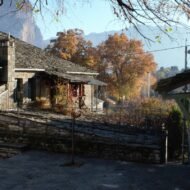
The Aristi Mountain Resort sits on the highest point of the village of Aristi, directly above the Vikos Gorge and facing the Towers of Astraka. It is built in the stone and timber of the Zagori architectural tradition — grey limestone, wooden shutters, slate roofs — and its 26 rooms are positioned to face the gorge. The view from the terrace in the morning is the gorge in the specific horizontal light of an October dawn, the mist in the valley below, the plane trees along the Voidomatis turning yellow 900 metres beneath you.
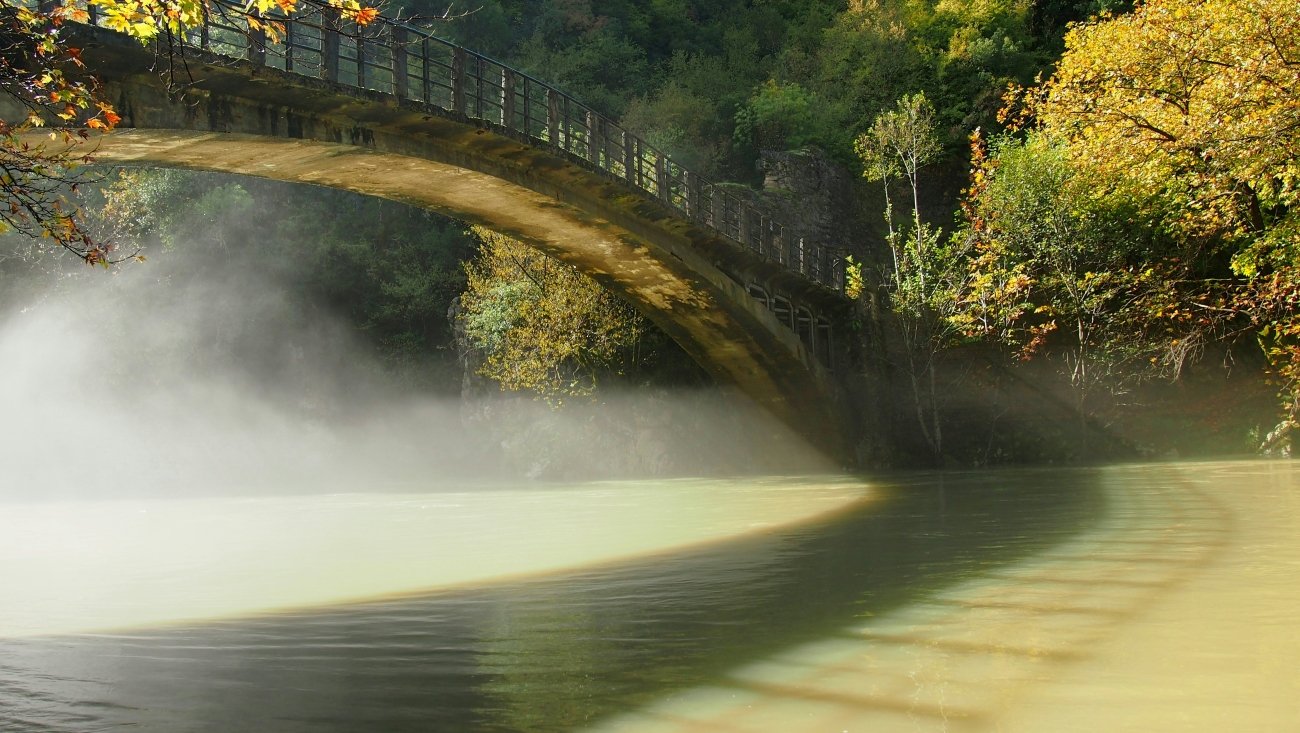
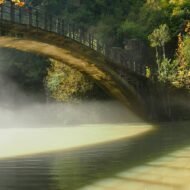
The stone bridges of the Zagori — the arched packbridge at Kipi, the triple-arched bridge at Kókkoros — are the specific photographic subjects of the region in October. The plane trees that line the Voidomatis River below the gorge turn in the third week of October, and the walk along the river bed at this point — the Voidomatis is one of the clearest rivers in Europe — is the most extraordinary autumn valley walk in Greece. The Beloi viewpoint above the gorge is accessible on foot from the resort in 45 minutes. From Beloi looking south across the gorge, the October light comes in at an angle that it never reaches in summer.
Why October specifically: The gorge mist in the morning below the hotel. The plane trees turning along the Voidomatis. The Greek tourist season entirely over. The stone bridges in the specific horizontal light. The Zagori villages without other visitors.
What the guide goes deeper on: the specific room to request at Aristi for the gorge view, the Beloi viewpoint GPS and approach timing, the three alternative Zagori guesthouses in Monodendri and Papigo for the traveller who wants a smaller property, and the Voidomatis river walk with GPS from entry point to the gorge base.
04. Goriška Brda, Slovenia
Seven rooms in a 400-year-old castle on a wine ridge between the Alps and the Adriatic
Location: Goriška Brda · western Slovenia · Italian border GPS (Hotel Gredič, Dobrovo): 45.9956°N · 13.5289°E GPS (Smartno fortified village): 45.9834°N · 13.5534°E Best month: October · the olive and late-harvest season Category: Hotel Gredič · 7 rooms · 400-year-old castle boutique hotel · Michelin-listed restaurant From: approximately €180–250/night in October URL: gredic.si Nearest airports: Ljubljana (LJU) · 90km · Trieste (TRS) · 40km
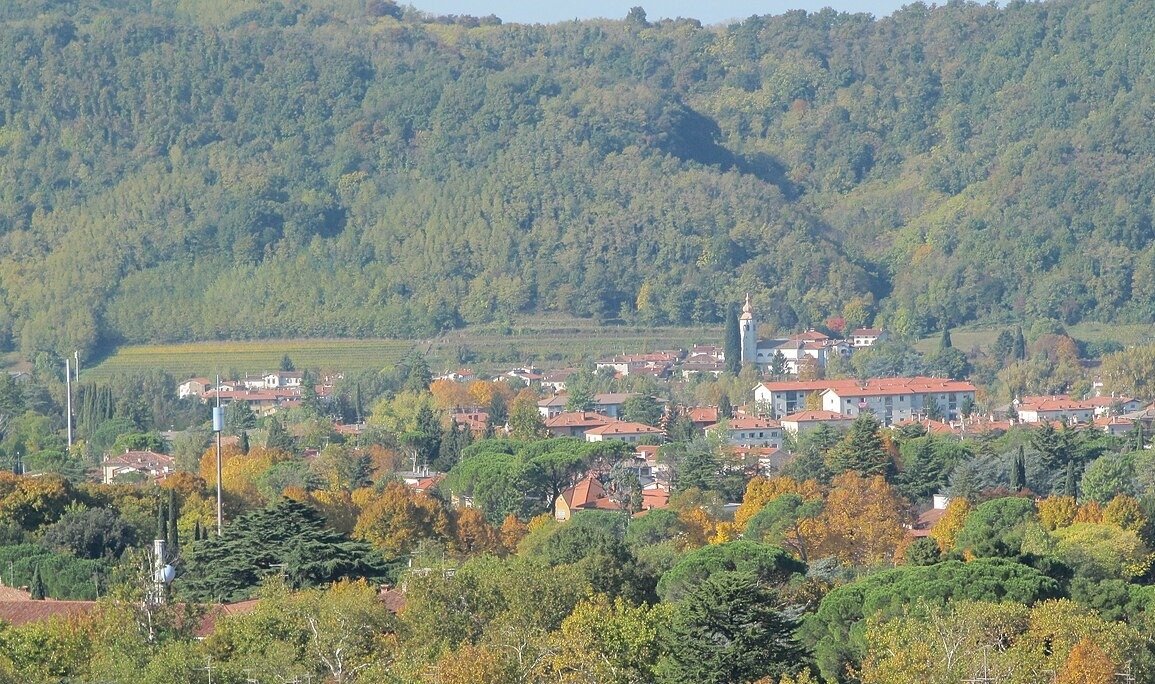
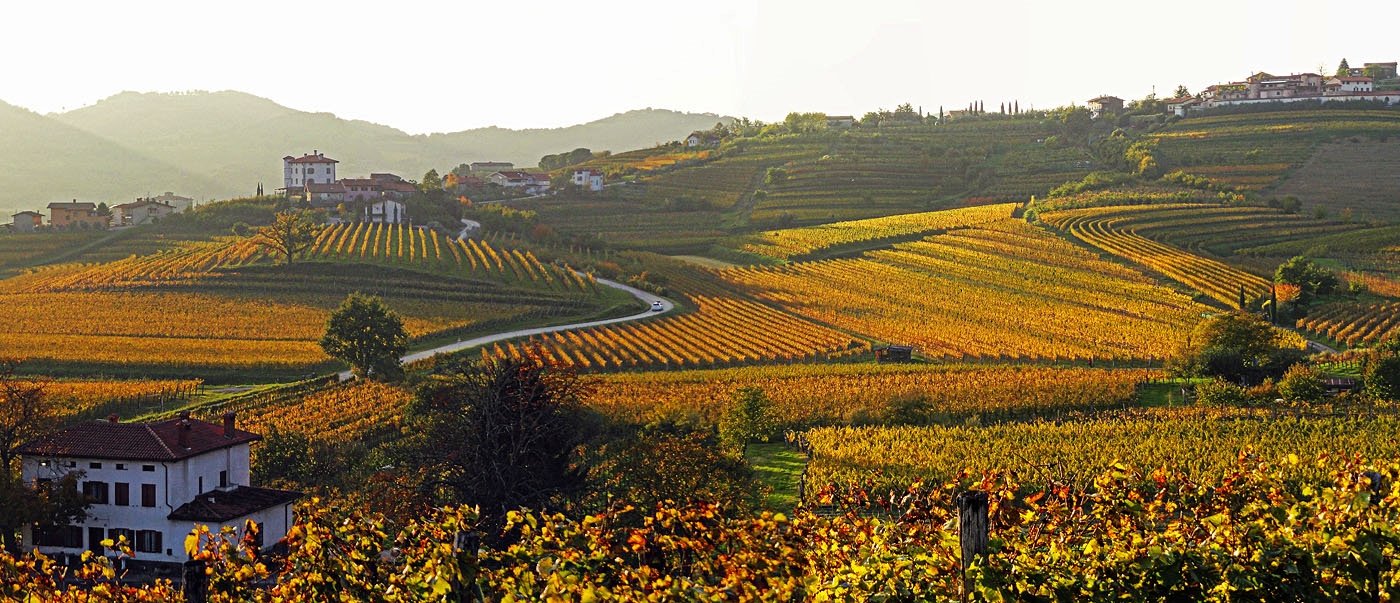
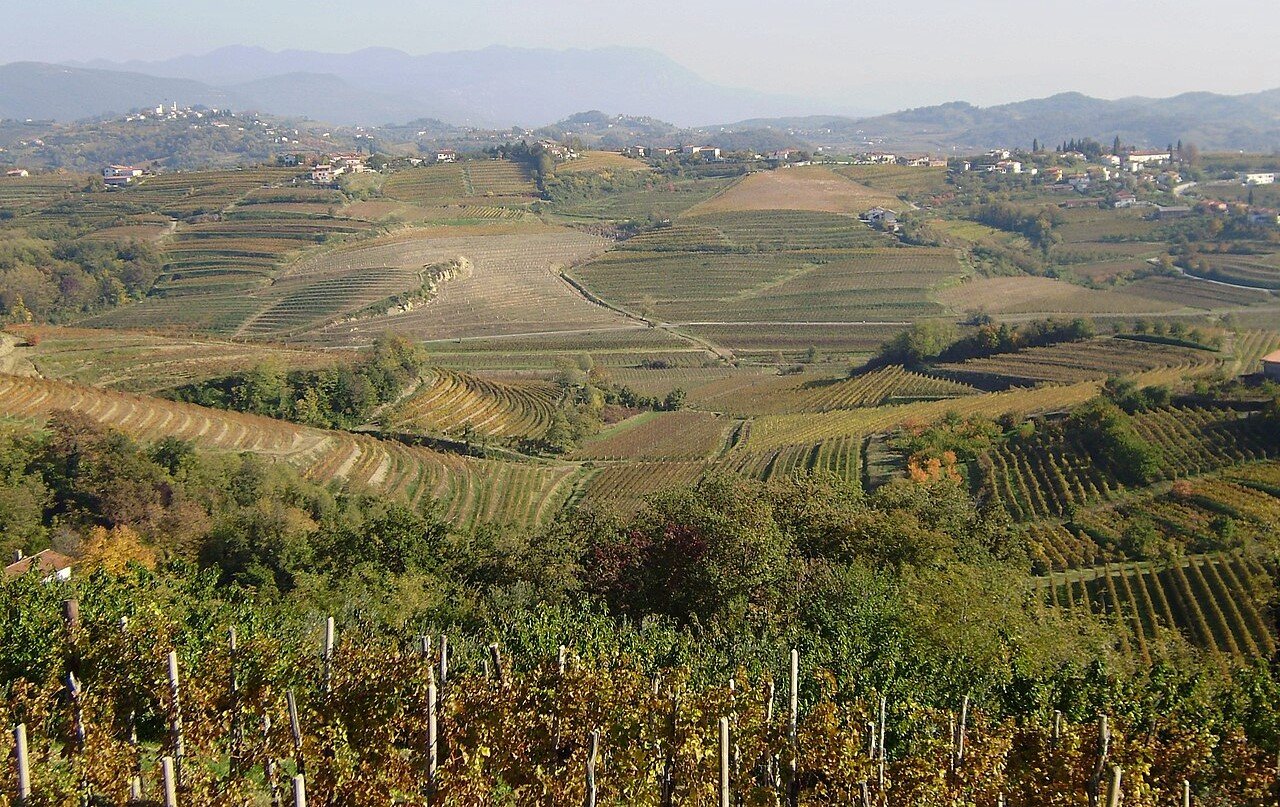
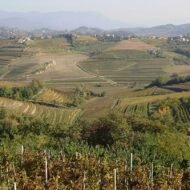
CNN named Goriška Brda one of the eleven most underrated wine regions in the world. The designation is accurate and slightly astonishing given what the region offers: a ridge of hills on the Slovenian-Italian border, geologically and climatically identical to the Collio DOC on the Italian side, planted primarily with Rebula (Ribolla Gialla in Italian), Pinot Gris and Merlot, producing wines that the best Italian and Slovenian sommeliers regard as among the most interesting in the eastern Mediterranean.
The region is called the Tuscany of Slovenia. The comparison is fair as far as the rolling vine-covered hills go. What Brda has that Tuscany does not is the complete absence of the international tourist circuit — the infrastructure of guided tours, cellar-door queuing and elevated prices that the Chianti Classico zone has accumulated over thirty years.
Hotel Gredič occupies a 400-year-old castle at Ceglo, in the heart of the Brda wine country. It has seven rooms. The restaurant is listed in the Michelin Guide. The wine cellar — which the hotel calls a champagne temple — holds the finest selection of Brda wines from both the Slovenian and Italian sides of the border, tasted with the hotel’s sommelier. The seven rooms are individually designed, each with a wine cooler stocked with local wines, heated floors and vineyard views.
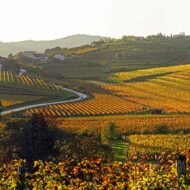
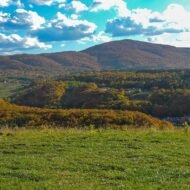
October is the precise month for three specific reasons. The grape harvest runs from mid-September through October, and arriving in the first two weeks of October means arriving at the moment when the harvest has just finished and the vineyards are at their most colourful — the leaves turning gold and red on the terraced hillsides, the grapes gone from the vines but the canopy still extraordinary. The olive harvest begins in late October, and the Brda olive oil — pressed from the Leccino, Maurino and Štorta olives that grow on the lower slopes — is at its freshest in November. The persimmon trees (kaki) that are a Brda speciality turn orange in October, their fruit hanging on the bare branches after the leaves have fallen in the specific image that defines the Brda autumn.
The fortified village of Šmartno — medieval walls intact, the stone lanes exactly as they were built, a single café inside the walls — is fifteen minutes from the hotel on a road that passes through the vineyards. In October it has three or four visitors on a weekday morning.
Why October specifically: The harvest just finished and the vineyard colour at peak. The persimmon trees orange against the bare branches. The olive harvest beginning. The wine cellar at its most recently stocked. The Brda hills with almost no one else in them.
What the guide goes deeper on: the specific room at Gredič that faces the vineyard for the morning light, the Šmartno circuit on foot with GPS, the three additional Brda wine estates with overnight accommodation at lower price points, and the Italian Collio connection — the road that crosses the border into Cormons and back.
05. Saxon Villages of Transylvania, Romania
Fortified churches, heated the old way in October — and a village that King Charles called a passage through time
Location: Saxon Village corridor · Brașov and Sibiu counties · Transylvania GPS (Viscri fortified church): 46.0734°N · 25.2934°E GPS (Biertan UNESCO church): 46.1289°N · 24.5134°E Best month: October 8–22 Category: Restored Saxon houses · Experience Transylvania collection · Viscri and surrounding villages From: approximately €60–120/night for the best restored Saxon houses Nearest airports: Brașov (GHV) · Sibiu (SBZ) · both approx 60–80km
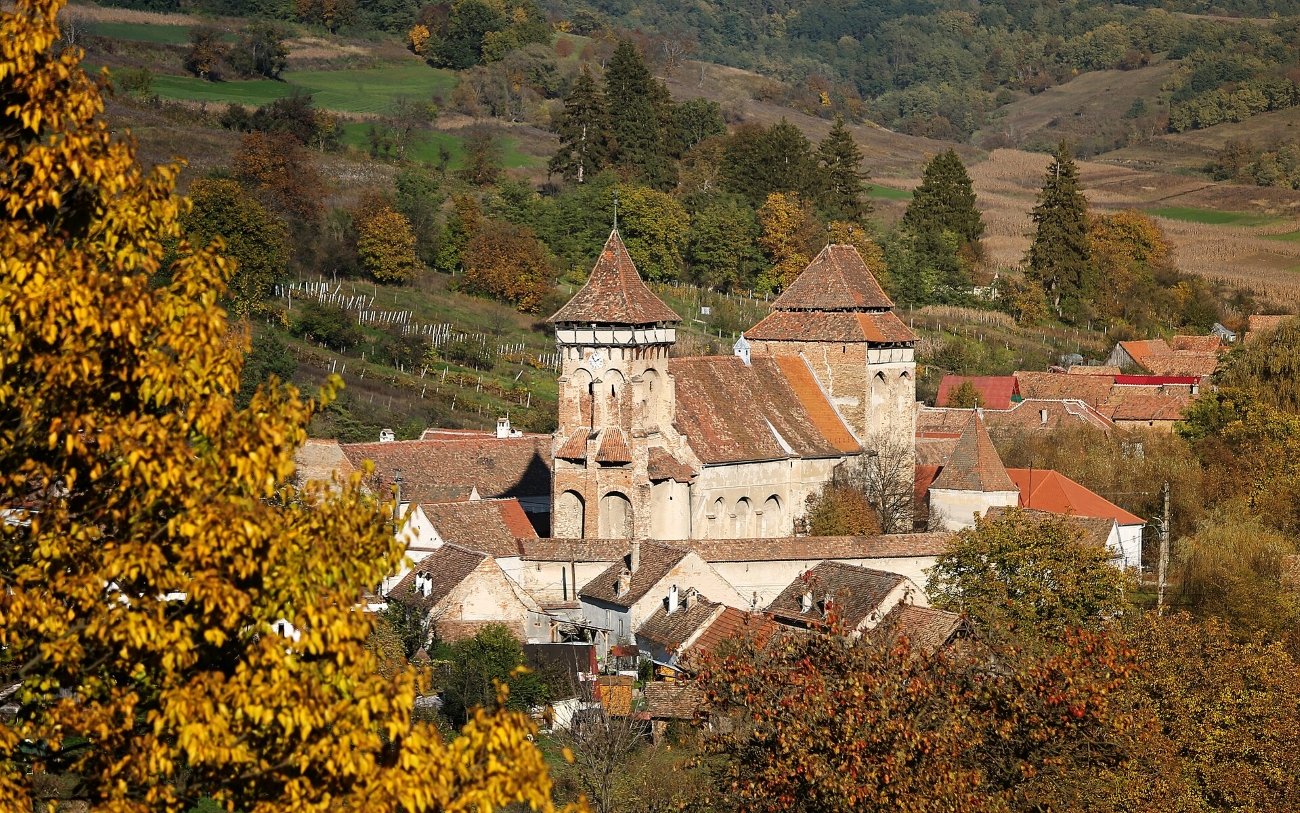
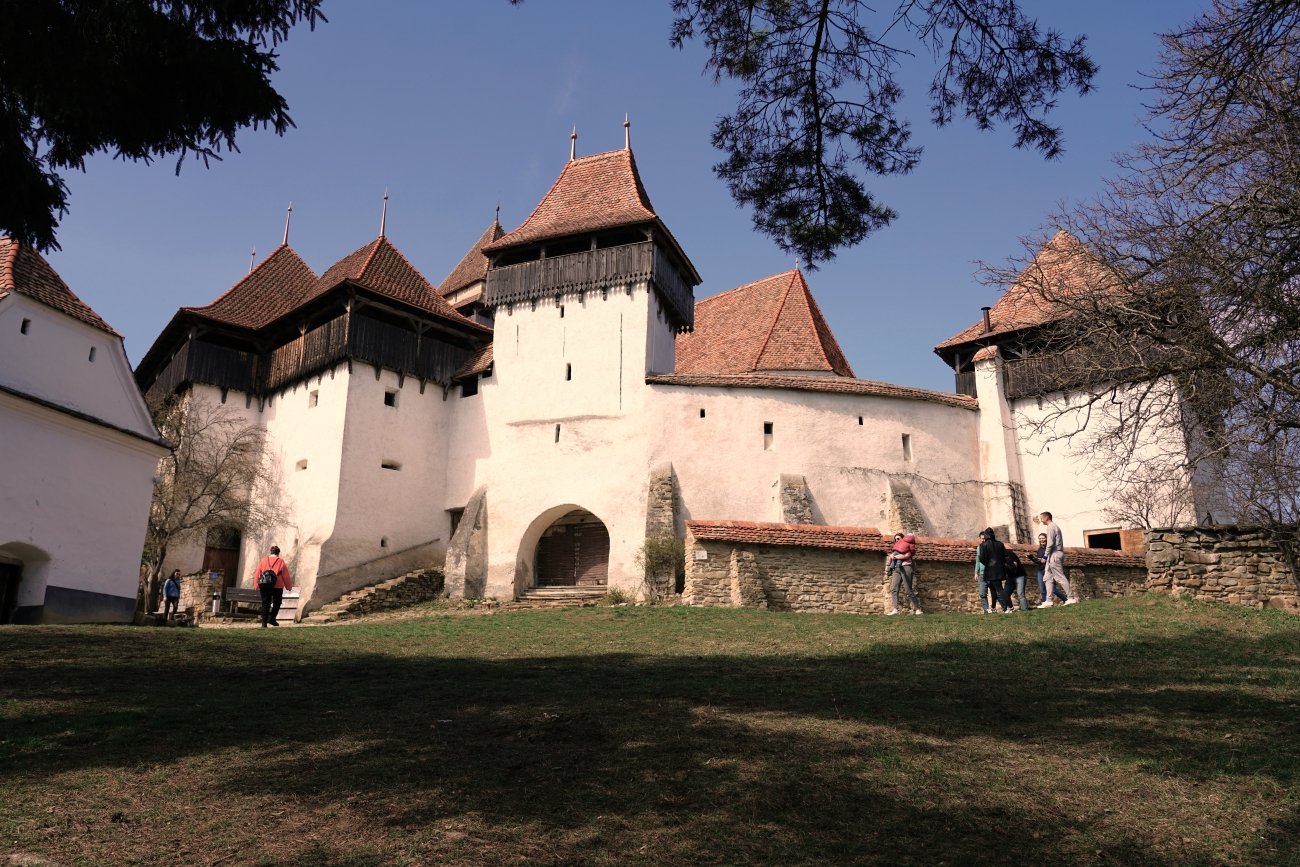
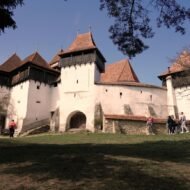
The Saxons arrived in Transylvania in the 12th century, invited by the Hungarian king to colonise and defend the frontier. They built churches, then fortified the churches, then built fortified walls around the fortified churches, creating a pattern of enclosed, self-sufficient communities that survived the Ottoman period, the Habsburg period, the communist period and finally the mass emigration of the 1990s — when most of the remaining Saxon families left for Germany after reunification.
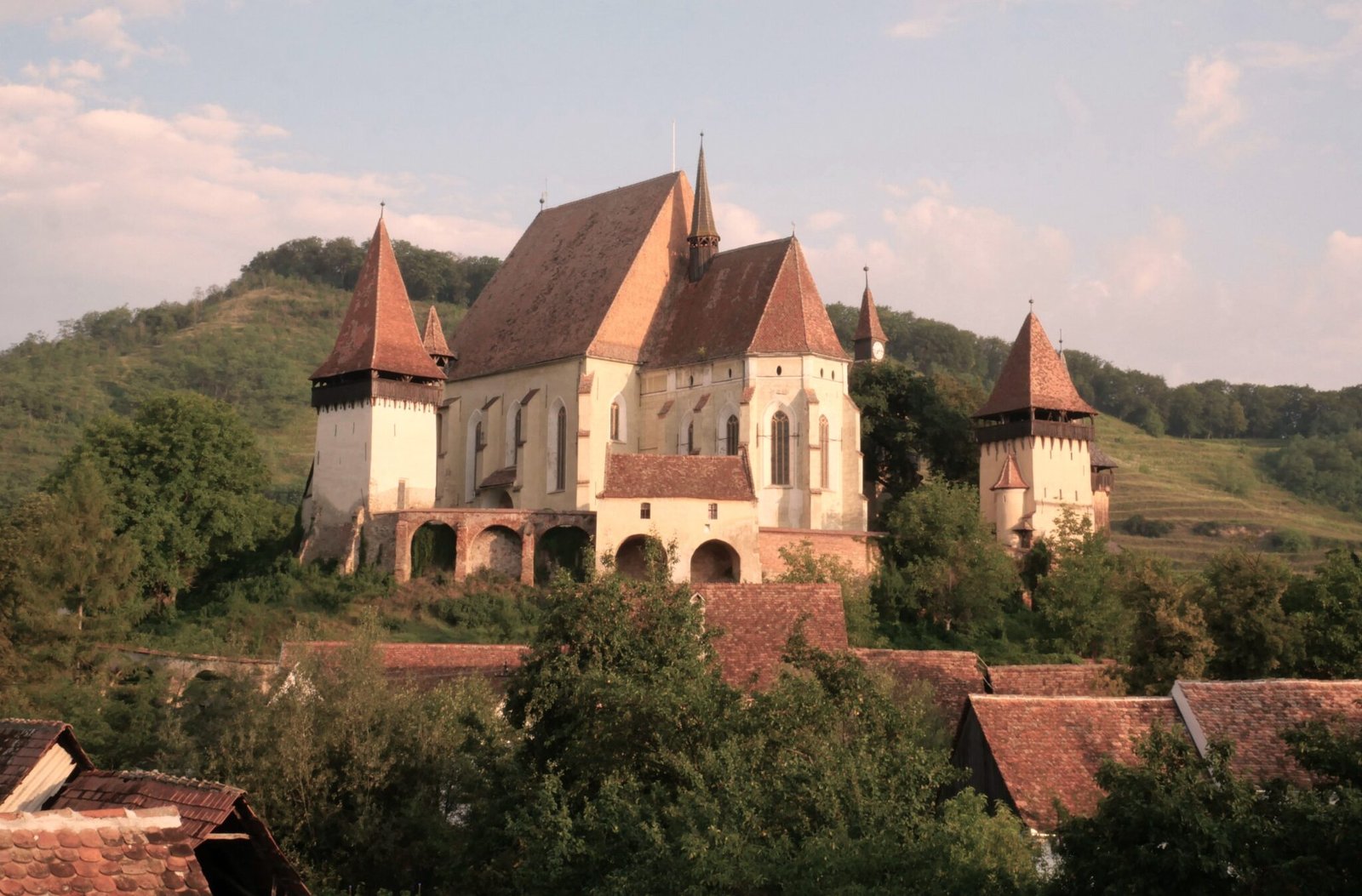
What they left behind is the most extraordinary collection of fortified medieval churches in Europe: seven UNESCO World Heritage Sites in a corridor between Sighișoara and Sibiu, each one in a village of whitewashed houses and cobbled lanes, each one still standing in the condition the Saxons maintained it because the Orthodox Romanians who remained after them had no use for Lutheran churches and left them alone.
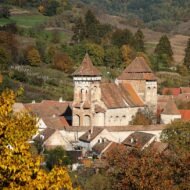
Viscri is the village that King Charles III — who owns a house here and returns annually — described as a passage through time. He is not wrong. The street from the village entrance to the fortified church is the same street it has always been. The whitewashed Saxon houses with their characteristic blue-grey gateways are intact. The church tower is visible above the wall from every point in the village. Approximately 30,000 visitors come to Viscri annually — significant for a village of 400 people, but still manageable in October, when the Romanian domestic tourism season has ended and the village returns to itself.
The Experience Transylvania collection — Saxon houses restored by the Mihai Eminescu Trust and available as self-catering or catered accommodation in Viscri, Malancrav, Mesendorf and surrounding villages — is the specific accommodation proposition. These are not boutique hotels. They are Saxon farmhouses restored with traditional techniques and materials, heated in October with wood-burning terracotta stoves rather than central heating. The specific pleasure of waking in a restored Saxon house in Viscri in October — the stove warm, the village outside the window in the horizontal morning light, the fortified church visible from the bedroom — is the experience the guide is built around.
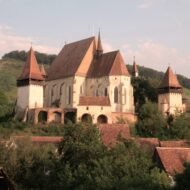
Biertan, 30km west along the Saxon corridor, has the most elaborate fortified church in the region — three rings of walls, fifteen towers, and a sacristy door with a lock mechanism of such complexity that it was sent to an exhibition in Paris in 1900. In October, with the beech forest on the surrounding hills turning, Biertan is empty of the summer coach traffic and belongs entirely to the four or five travellers who arrive on a Tuesday morning.
Why October specifically: The Saxon houses heated by terracotta stoves for the first time since spring. The Carpathian beech colour on the hills above the villages. The summer tourist traffic entirely gone. The fortified churches in the specific amber of the October morning light. Biertan on a weekday morning in October: practically yours.
What the guide goes deeper on: the specific Viscri houses in the Experience Transylvania collection with the best positioning and stove quality, the Biertan sacristy door and what it took to build it, the Saxon village circuit GPS (Viscri → Saschiz → Biertan → Malancrav in a single October day), and the three additional villages in the corridor that receive almost no international visitors at all.
The pattern
A village under a dam whose dead can be seen through the water in autumn. A limestone plateau where bears move through the beech forest before the snow. A Greek gorge where the plane trees turn 900 metres below the hotel terrace. A Slovenian wine ridge with seven rooms and a Michelin listing and persimmon trees going orange in October. A corridor of Saxon fortified churches heated the old way, in the villages that the Saxons built and left.
Five countries. Five completely different histories and landscapes and reasons to go. One season that makes each of them specifically, decisively, quietly better than at any other time of year.
What this article gives you — and what the guide contains
Five villages. Five GPS positions. The specific case for October at each one and the honest note about what the accommodation is and is not.
What the article does not contain: the pricing detail and the specific room types that change the calculus at each property. The five additional accommodation options per location for the traveller at a different price point or seeking a different character. The GPS for the secondary positions — the bears’ hide above Rimetea, the Beloi viewpoint approach in Zagori, the Saxon village circuit timing. The booking intelligence: which houses in Viscri to contact directly, the specific weeks in October when the Aristi Resort runs at reduced rates, when to arrive at Wołkowyja for the lake at its lowest. The extended arc: the twelve additional village retreats across Europe in this series that share the same editorial selection criteria and that the autumn guide covers in full.
That is in the guide.
→ Unknown Luxury Retreats — Beyond the Map · Autumn Edition
The seasonal guide to the European village retreats that the luxury travel circuit has not overrun.
Twenty village retreats across twelve European countries, each selected for its specific relationship to the autumn season. Every entry includes the honest editorial assessment, the GPS coordinates for primary and secondary positions, the specific accommodation to book and why, the week in October when each is at its most extraordinary, and the experience within the village that no standard luxury hotel in the same country can replicate.
20 village retreats · 12 countries · October intelligence · GPS per entry · honest editorial · booking detail · rate windows
Coming 2026 · €19 · Join the Hidden Dispatch to be notified at launch →
The Beyond the Map catalogue — field guides to the places the standard itinerary has not reached — is available now at thewanders.eu