

Candlelit cemeteries, blessed horses, turnip lanterns and the first wine of the year: the lesser-known festivals that light up Europe’s darkest month.
- At a glance: the November 2026 calendar
- Vėlinės, Lithuania · 1–2 November
- Norsk Rakfiskfestival, Fagernes, Norway · early November
- Leonhardifahrt, Bad Tölz, Germany · 6 November
- St. Martin’s Day across Europe · 10–11 November
- Räbechilbi, Richterswil, Switzerland · 14 November
- Staro Rīga, Riga, Latvia · 15–18 November
- Les Sarmentelles de Beaujeu, France · 18–22 November
- Panagia Mesosporitissa, Greece · 20–21 November
- Kadripäev, Estonia · 25 November
- Tips for travelling in November
- Frequently asked questions
- Beyond the map
- Carry the season with you: Beyond the Map Field Guides
November has a reputation as Europe’s quietest month. The summer crowds are long gone, the Christmas markets have not yet opened, and the days grow short and grey. Yet in the old European calendar, November was full of meaning. It was the month of the dead and of the saints, of the last harvests and the first new wine, of feasts held before winter closed the roads.
Many of those traditions are still alive, and some of the most beautiful festivals of the year take place now, often with few outside visitors. From Lithuania to Greece, from the Bavarian Alps to the vineyards of Beaujolais, these are November’s lesser-known celebrations, with dates for 2026.
At a glance: the November 2026 calendar
| Dates | Festival | Place | Country |
|---|---|---|---|
| 1–2 Nov | Vėlinės: All Souls, candlelit cemeteries | Across Lithuania | Lithuania |
| Early Nov | Norsk Rakfiskfestival: fermented trout festival | Fagernes, Valdres | Norway |
| 6 Nov | Leonhardifahrt: horse procession | Bad Tölz, Bavaria | Germany |
| 10–11 Nov | St. Martin’s Day traditions | Netherlands, Poland, Croatia, Sweden, Portugal | Several |
| 14 Nov | Räbechilbi: turnip lantern parade | Richterswil, Lake Zurich | Switzerland |
| 15–18 Nov | Staro Rīga: festival of light | Riga | Latvia |
| 18–22 Nov | Les Sarmentelles: Beaujolais nouveau festival | Beaujeu, Beaujolais | France |
| 20–21 Nov | Panagia Mesosporitissa: the “mid-sowing” feast | Elefsina and across Greece | Greece |
| 25 Nov | Kadripäev: St. Catherine’s mummers | Across Estonia | Estonia |
Dates are as announced for 2026, where available. Check before you travel.
Vėlinės, Lithuania · 1–2 November
On the evening of All Souls’ Day, Lithuania’s cemeteries are transformed. Families come to tend the graves of their relatives and light candles in coloured glass holders, until whole hillsides of graves glow red, amber and white in the dark. The custom draws on the old Baltic belief that in late autumn the souls of the dead return to visit their homes.
It is one of the most moving sights in Europe, and one of the least known. Vilnius’s old cemeteries, such as Rasos, are especially beautiful, but every town and village takes part. Visitors are welcome, as long as they come quietly and respectfully.
→ Read more in Europe’s Last Pagan Landscapes
Norsk Rakfiskfestival, Fagernes, Norway · early November
In the mountain valley of Valdres, Norway celebrates one of its strangest and most traditional foods: rakfisk, trout salted and fermented for months, then eaten raw, often with flatbread, potatoes and onions. For a few days each November, the town of Fagernes fills with more than 100 stalls of rakfisk producers, local food and crafts, drawing over 25,000 visitors. By night there are concerts and dancing.
It is one of Norway’s largest food festivals, and almost unknown outside the country. Come hungry, and brave.
Leonhardifahrt, Bad Tölz, Germany · 6 November
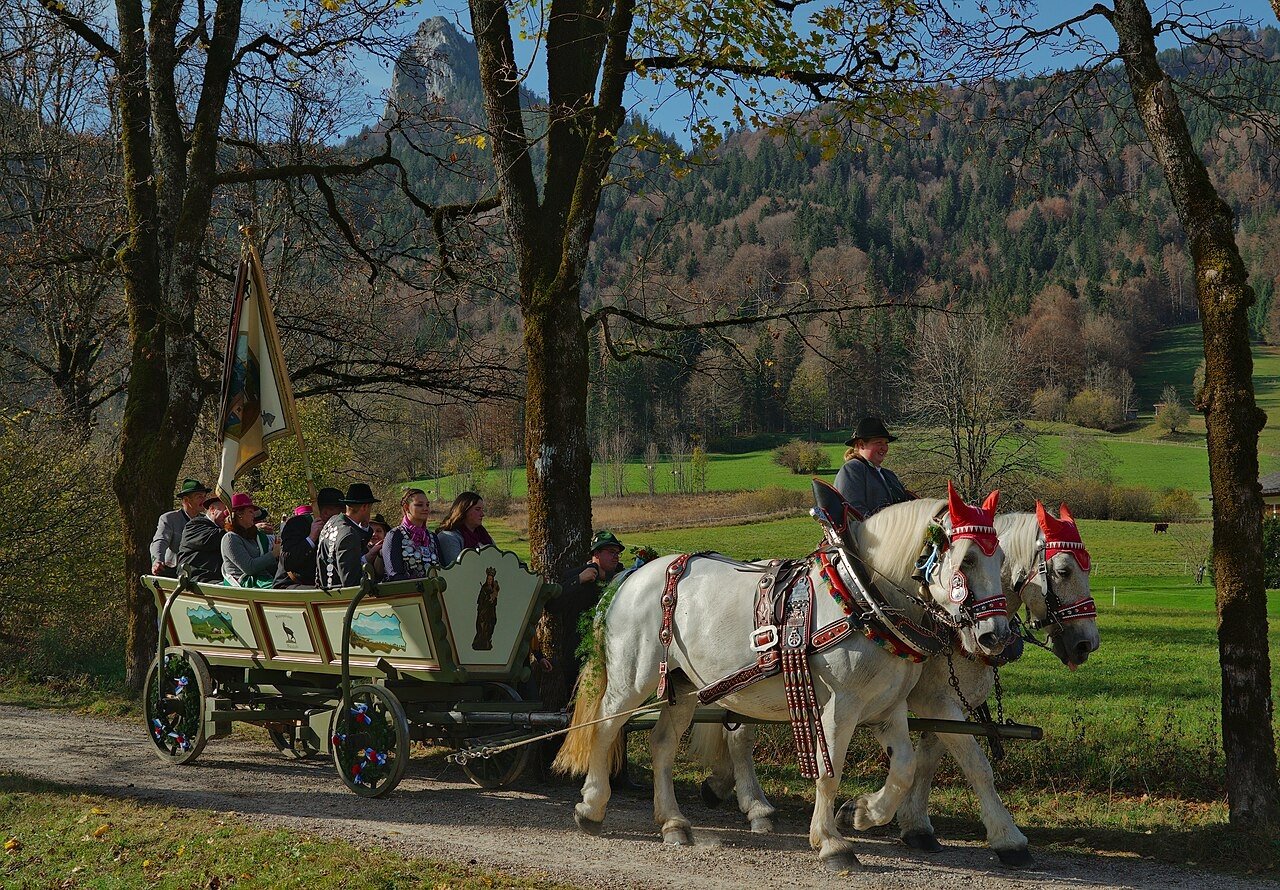
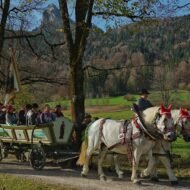
On the feast of St. Leonard, patron of horses and livestock, the Bavarian town of Bad Tölz holds the largest horse procession of its kind in Bavaria. More than 70 decorated carriages, pulled by teams of four horses, and several hundred riders in traditional Upper Bavarian dress climb through the old town to the Kalvarienberg, where the horses and pilgrims are blessed beside the chapel of St. Leonard.
The procession has been documented since 1772 and was recognised as intangible cultural heritage in Germany in 2016. In 2026, the 6th falls on a Friday: arrive early, as the town fills quickly.
St. Martin’s Day across Europe · 10–11 November
St. Martin’s Day, on 11 November, once marked the end of the farming year: the harvest was in, the new wine was ready, and workers were paid. Across Europe, it still brings a cluster of small, local celebrations:
- The Netherlands and Flanders: on the evening of Sint-Maarten, children walk from door to door with paper lanterns, singing songs in return for sweets.
- Poznań, Poland: the city celebrates with a parade and its famous St. Martin’s croissants, filled with white poppy seed and protected by an EU designation.
- Croatia: in the wine villages of Zagorje and beyond, Martinje is the “baptism” of the new must, which officially becomes wine, with a mock priest, feasting and music.
- Skåne, Sweden: Mårten Gås, the St. Martin’s goose dinner, begins with black soup and often ends with apple cake or spettekaka, the tall Skåne cake baked on a spit.
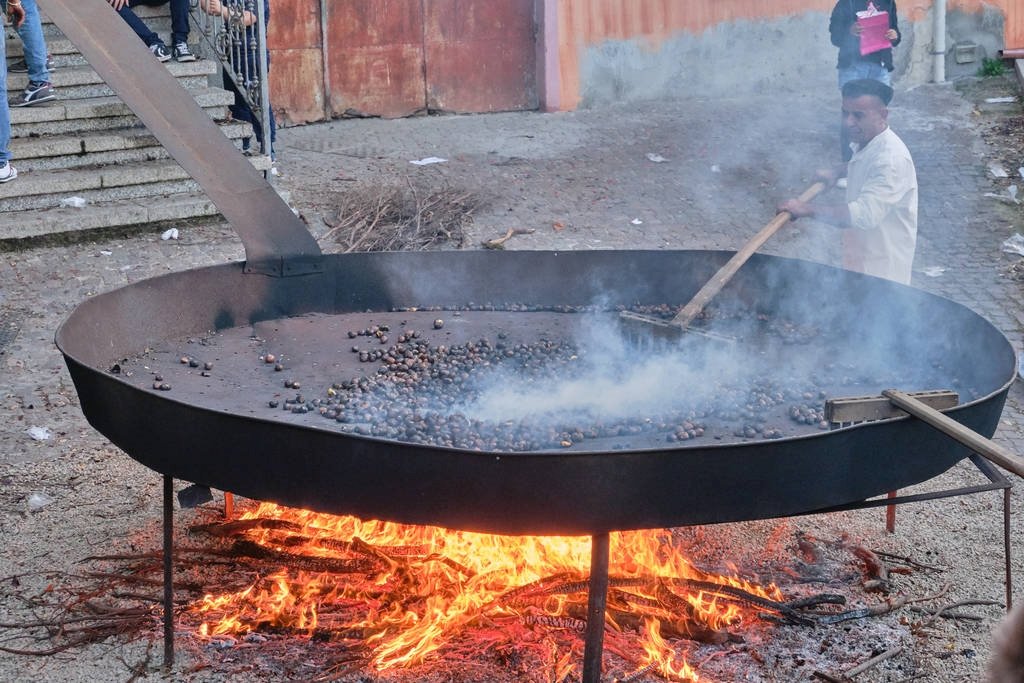
- Portugal: the magusto, with roasted chestnuts and new wine, and the great horse fair of Golegã.
→ See also Europe’s Last Harvest Rituals and Chestnut Festivals of Europe
Räbechilbi, Richterswil, Switzerland · 14 November
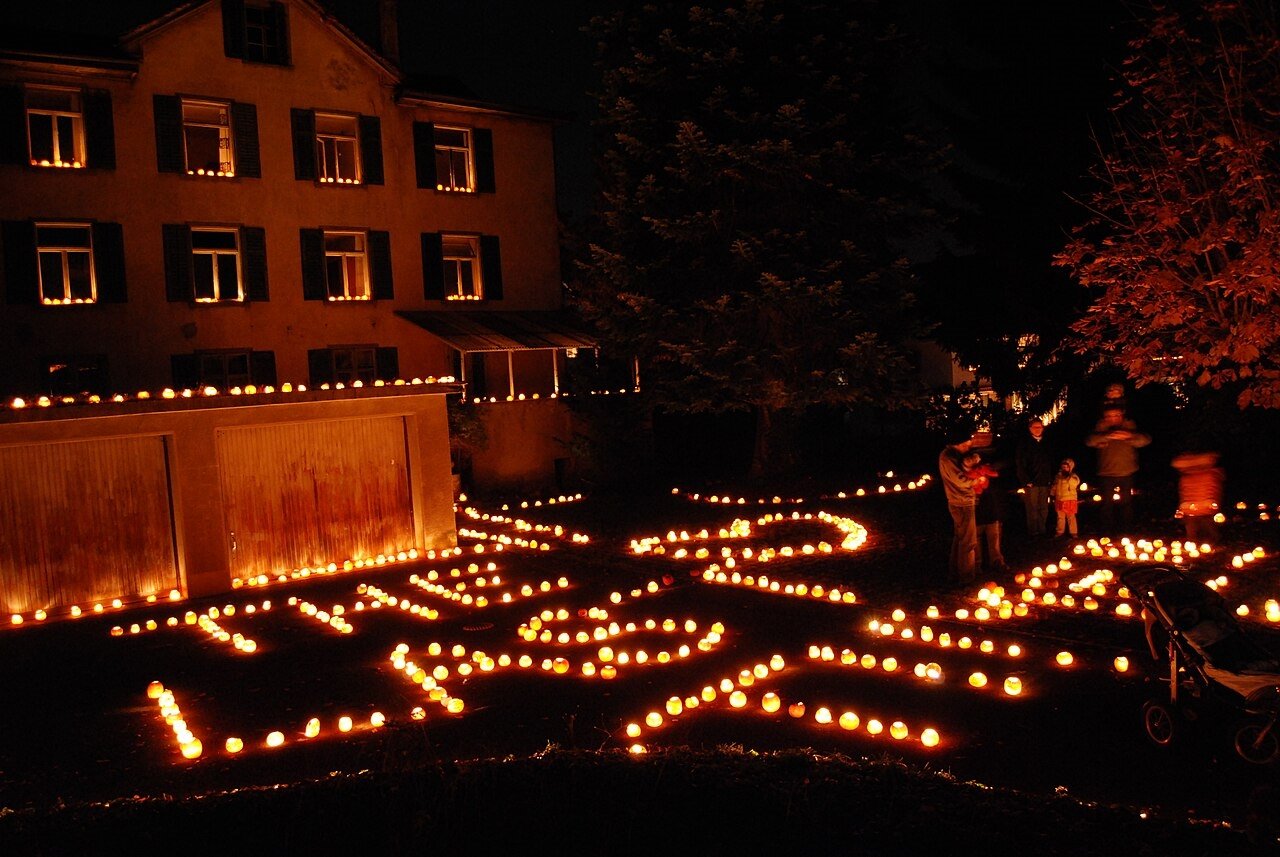
On the shores of Lake Zurich, the town of Richterswil carves around 30 tonnes of turnips into lanterns for one evening each November. Schools and local clubs prepare their designs for weeks, and at nightfall thousands of glowing turnips, carried by children and set on floats, move slowly through the old village. In 2026 the market opens in the afternoon, and the parade starts around 6 pm.
Staro Rīga, Riga, Latvia · 15–18 November
For four evenings around Latvia’s Independence Day, Riga becomes a city of light. Staro Rīga, “Beaming Riga”, fills the Old Town, the parks and the riverside with light installations, projections and interactive art. In 2026 it runs from 15 to 18 November, from 5 pm to 11 pm, free of charge. It is a contemporary festival rather than a folk one, but it captures something very Baltic: the will to bring light into the darkest weeks of the year.
Les Sarmentelles de Beaujeu, France · 18–22 November
Everyone has heard of Beaujolais Nouveau. Few know where it is celebrated best. Beaujeu, the historic capital of the Beaujolais, has held Les Sarmentelles since 1989. On the Wednesday night, a torchlit parade winds through the town, and at midnight the new wine is “broached” in the square, the first official tasting of the year’s vintage. A wine fair, music and village celebrations follow until Sunday. In 2026, the festival runs from 18 to 22 November, with the new wine released on Thursday 19 November.
Panagia Mesosporitissa, Greece · 20–21 November
On 21 November, the Orthodox Church celebrates the Presentation of the Virgin in the Temple. In rural Greece, the day has an older name: Panagia Mesosporitissa, “Our Lady of the Mid-Sowing”, because it falls halfway through the sowing of the winter wheat. Families cook polysporia, a dish of mixed grains and pulses, as an offering for a good harvest, and take it to church to be blessed.
The custom is especially alive in Elefsina, west of Athens, the ancient Eleusis, where the cult of Demeter, goddess of grain, was celebrated for two thousand years. Here the feast is revived each year on the eve of the 21st, a thread running from the ancient mysteries to the village church.
Kadripäev, Estonia · 25 November
The Estonian folk year ends its autumn with St. Catherine’s Day. Masked visitors, dressed in light clothing, go from house to house singing, telling riddles and wishing good luck on the household and its animals for the winter ahead. Two weeks earlier, on Mardipäev (10 November), their dark-clothed counterparts make the same rounds.
→ Read more in Europe’s Last Harvest Rituals
Tips for travelling in November
- Pack for the dark. Days are short, especially in the Baltic and Nordic countries; many festivals take place after nightfall.
- Book early for small towns. Festivals like the Leonhardifahrt and the Sarmentelles fill local hotels quickly.
- Check the weather. November can bring early snow in the Alps and storms on the coasts.
- Respect religious days. All Souls’ Day, St. Leonard’s and the Orthodox feasts are religious first and festive second.
- Enjoy the quiet. Outside the festival days, November is one of the calmest and cheapest months to travel in Europe.
Frequently asked questions
What festivals take place in Europe in November? Some of the most interesting are Vėlinės in Lithuania (1–2 November), the Leonhardifahrt in Bad Tölz (6 November), St. Martin’s Day traditions across Europe (11 November), the Räbechilbi turnip parade in Switzerland, the Beaujolais Nouveau festival in Beaujeu, and the Panagia Mesosporitissa feast in Greece (21 November).
Is November a good month to travel in Europe? Yes, for travellers who like quiet. Prices are lower, crowds are small, and many local festivals take place, though days are short and the weather can be cold and wet.
What is St. Martin’s Day? A feast on 11 November in honour of St. Martin of Tours. It traditionally marked the end of the farming year, and is still celebrated with lantern walks, goose dinners, new wine and chestnuts in many European countries.
When is Beaujolais Nouveau released? On the third Thursday of November. In 2026, that is 19 November.
Beyond the map
November is the month when Europe turns inward: towards its homes, its dead, its saints and its stores for the winter. Its festivals are smaller and quieter than those of summer, but they are often more meaningful. Light a candle in a Lithuanian cemetery, watch the horses blessed in Bavaria, taste the first wine at midnight in Beaujeu, and you will see a Europe that still keeps time by the seasons.
Carry the season with you: Beyond the Map Field Guides
Hidden Europe — The Beyond the Map Map Every festival town in this article, and hundreds more places, on one map of the Europe most travellers never see.
Autumn Photography in Europe — The Beyond the Map Premium Guide Candlelight, lanterns and the soft light of November, for photographers who travel out of season.
Explore more: Seasons · Living Traditions · Olive Oil Harvest Festivals of Europe