

The Baltic was the last corner of Europe to accept Christianity, and the old gods never quite left. Five landscapes in Estonia, Latvia and Lithuania where pagan faith is still alive, or living again.
When the rest of Europe had long been Christian, the Baltic still prayed to the thunder god, to the goddess of fate, to sacred oaks, springs and stones. Lithuania was the last country in Europe to be baptised, at the end of the 14th century, and in the villages and forests of all three Baltic states, the old beliefs survived quietly for centuries more, folded into folk songs, festivals and family customs.
Today something remarkable is happening. In Estonia, a small people still honour their god-king on a sacred hill. In Latvia and Lithuania, pagan faiths suppressed under Soviet rule have been rebuilt as living religions, with their own priests, shrines and calendars. In 2024, Lithuania formally recognised the pagan Romuva faith, after years of legal struggle.
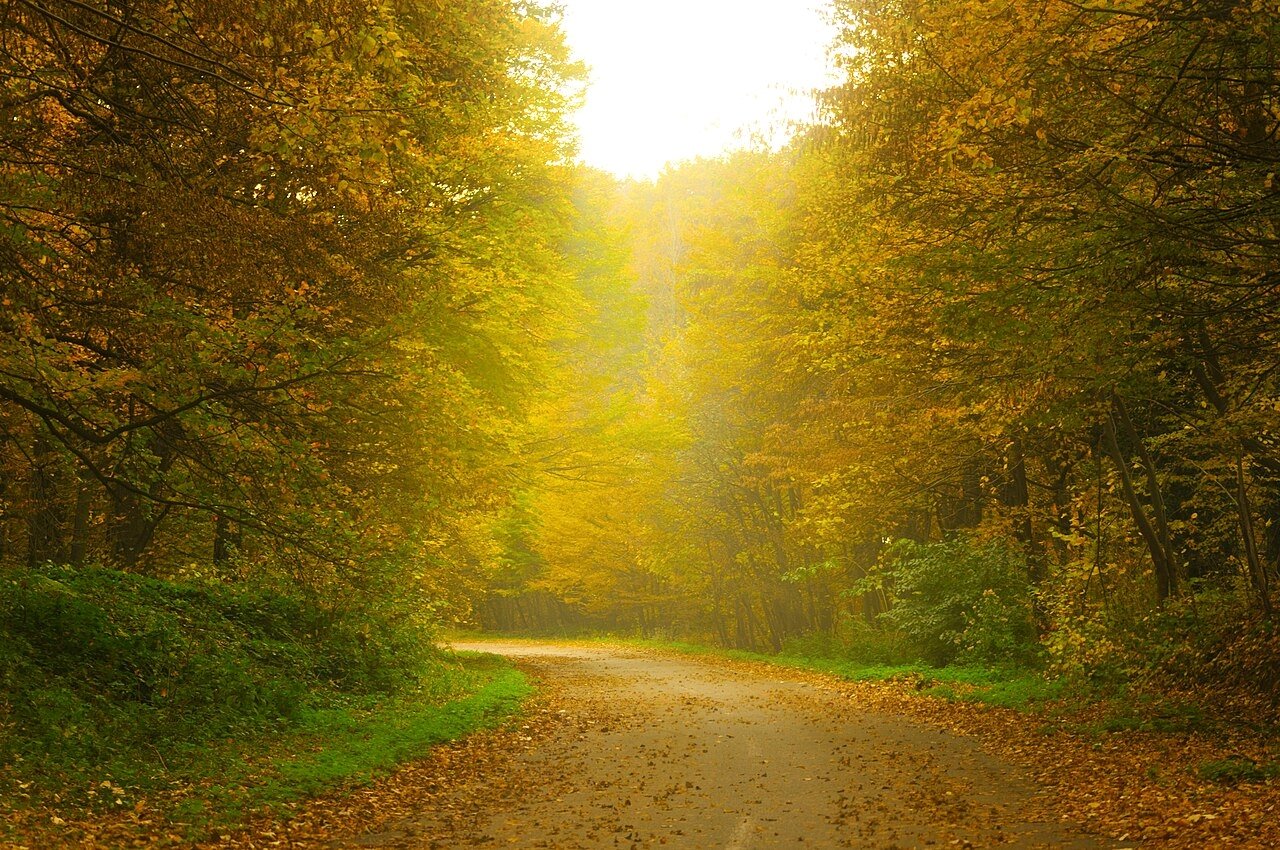
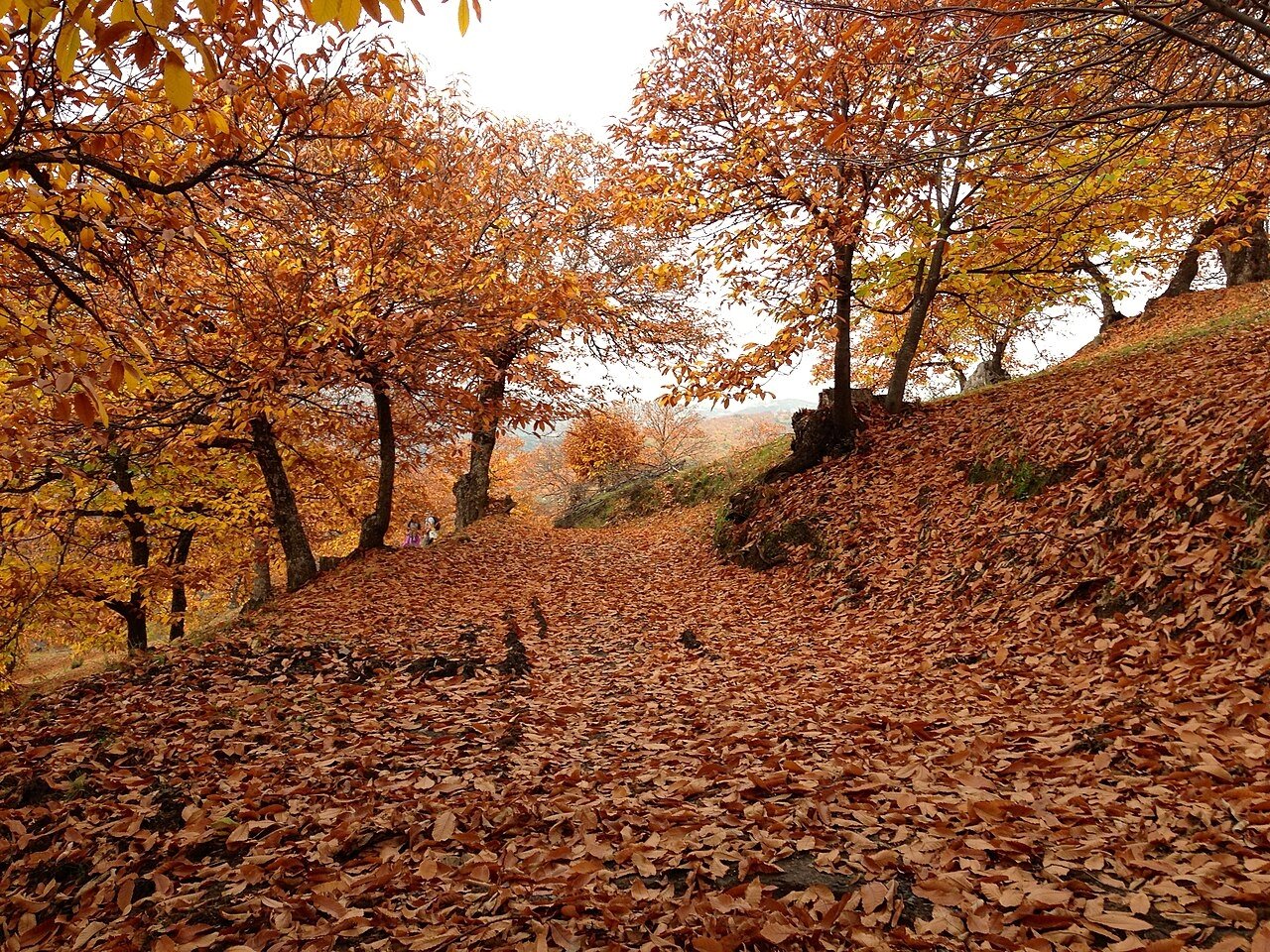
Late autumn is the right time to read about them. In the old Baltic calendar, the weeks around the start of November are the “time of souls”, when the dead return to visit their homes, a belief that still shapes how Lithuanians, Latvians and Estonians remember their families today.
These are five Baltic pagan sites where Europe’s last pagans can still be found:
- a sacred hill of the Seto people on the Estonian–Russian border
- a meteorite crater that became a holy lake on Saaremaa
- a new pagan shrine on an island in the Daugava, Latvia
- the ancient capital of the last pagan country in Europe
- a sacred hill above the Neman, where midsummer fires still burn
1. Setomaa, Estonia
57.80° N, 27.45° E · Obinitsa, Setomaa, south-eastern Estonia
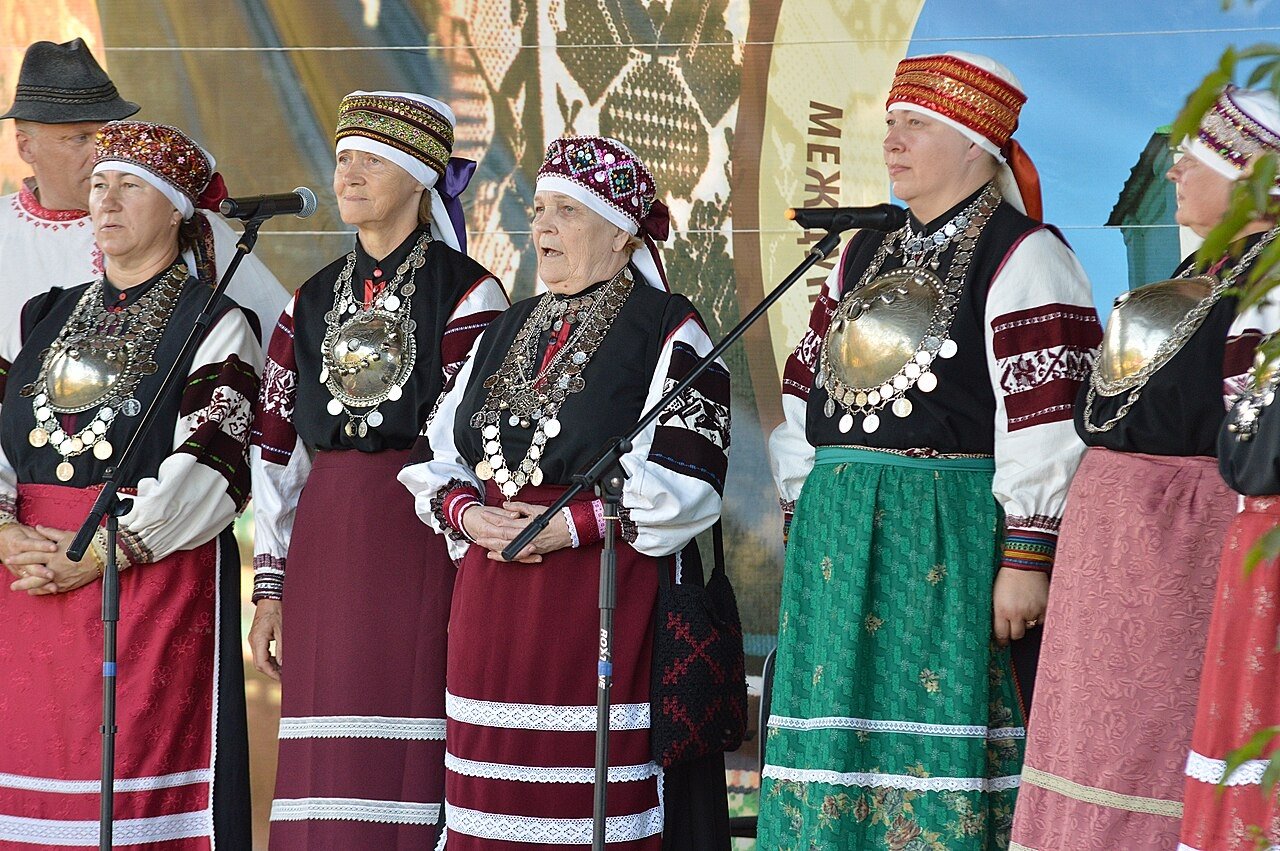
In the far south-east of Estonia, along the border with Russia, live the Setos, a Finnic people of around 12,500 with their own language, dress and customs. Their homeland, Setomaa, has been divided by the Estonian–Russian border since the 1990s, but its villages, wooden churches and chapels still carry a culture found nowhere else.
Most Setos are Orthodox Christians, but their faith has always included older beliefs, kept privately through the Christian and Soviet centuries and openly revived since the 1990s. The most important is Peko, the Seto god-king of fertility and the harvest. On Jumalamägi, God’s Hill, a sacred site dedicated to Peko has been a centre of community life since 2007. Each year on Seto Kingdom Day, held in a different Seto village, the people choose a ceremonial steward of King Peko. The Setos are also famous for leelo, an ancient polyphonic song sung mostly by women in traditional dress, and on UNESCO’s list of intangible cultural heritage since 2009.
- Go for: Seto villages and wooden chapels, the Seto museums in Obinitsa and Värska, leelo singing, Seto food and crafts, and Seto Kingdom Day in summer.
- When: summer for Seto Kingdom Day and village festivals; autumn for quiet, mist and the Orthodox feast days.
- Getting there: about 1 hour 30 minutes by car from Tartu, or 3 hours 30 minutes from Tallinn.
2. The Kaali Crater, Saaremaa, Estonia
58.37° N, 22.67° E · Kaali, Saaremaa
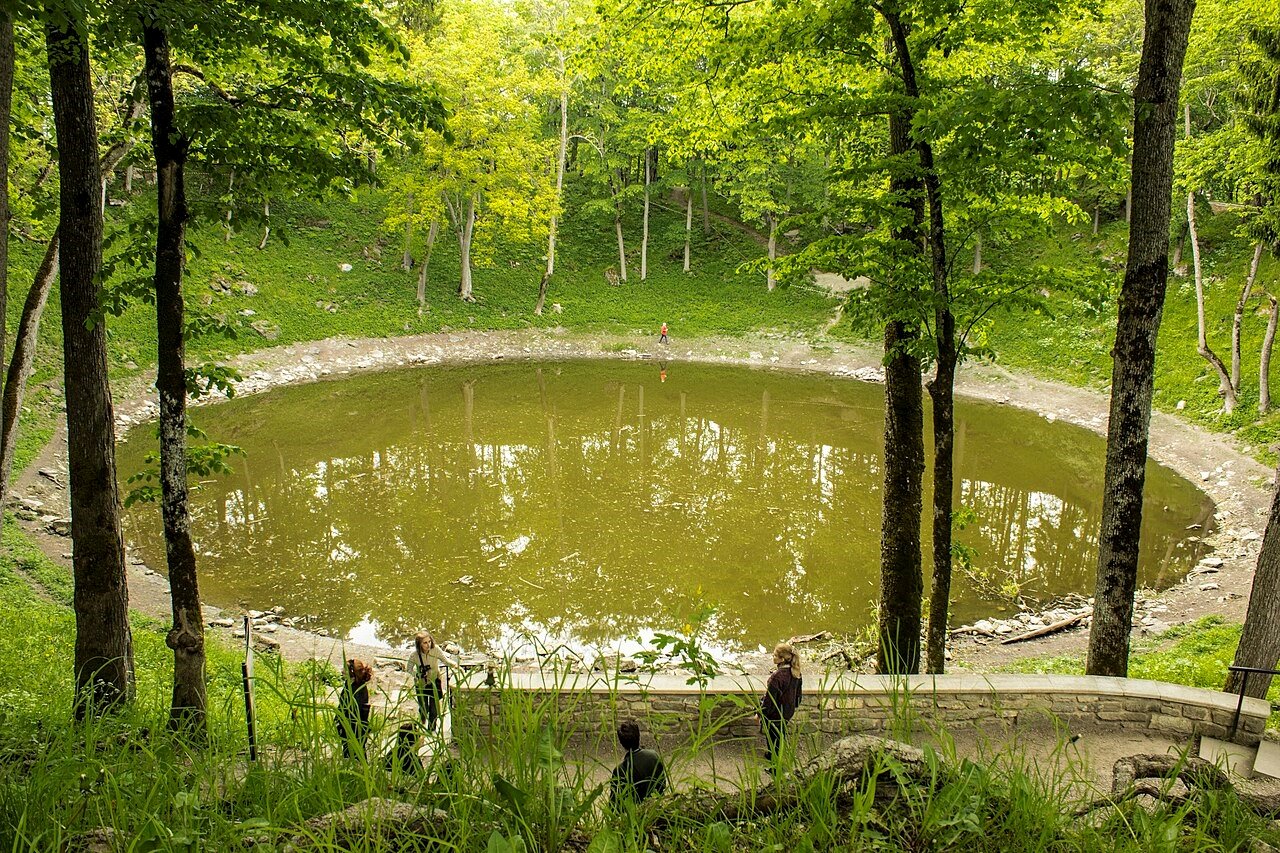
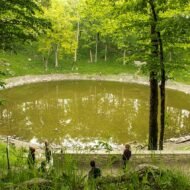
Around 3,500 years ago, a meteorite broke apart over the island of Saaremaa and struck the earth in a field of nine craters. The largest is 110 metres wide and 22 metres deep, and at its bottom lies a small, round, still lake. People were already living on the island when it fell, and they almost certainly witnessed it. They never forgot it.
The lake became a sacred place. Archaeologists have found a fortified settlement and a stone wall around the crater, with large numbers of animal bones that may have been offerings. Some scholars believe the impact is remembered in Finnic folklore and in the Finnish epic Kalevala; Estonia’s former president Lennart Meri even suggested that Saaremaa was the legendary island of Thule. Standing at the rim of the crater, among the trees, it is easy to see why it was believed to be a place where the sky had touched the earth.
- Go for: the main crater and its lake, the smaller craters nearby, the windmills and stone churches of Saaremaa, and Kuressaare castle.
- When: May to October; early autumn for colour and quiet.
- Getting there: by ferry from Virtsu on the mainland to Muhu, then by road; Kaali is about 20 minutes from Kuressaare. About 3 hours from Tallinn in all.
3. Lokstene Shrine, Latvia
56.58° N, 25.62° E · an island in the Daugava, near Pļaviņas
In 1925, the Latvian folklorist Ernests Brastiņš founded Dievturība, a movement to rebuild the ancient Latvian religion from the thousands of folk songs, the dainas, that had preserved its gods and beliefs. Its followers honour Dievs, the sky god, alongside Laima, goddess of fate, and Māra, the mother of the earth. Under Soviet rule the movement was banned, and Brastiņš was deported and executed in 1942. It survived in exile, and returned to Latvia when independence came; it was registered again as a religious organisation in 1990.
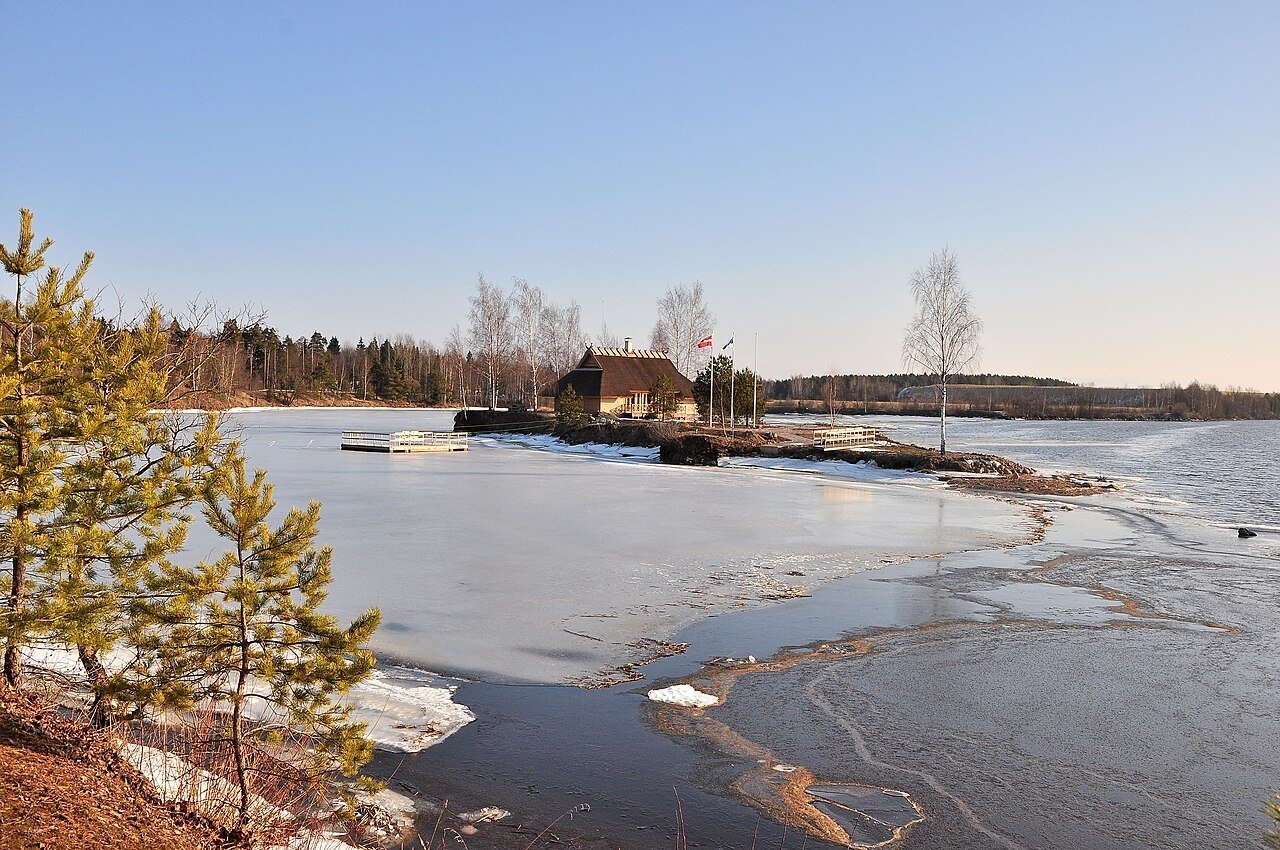
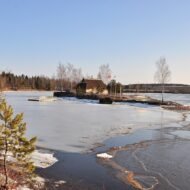
In 2017, the Dievturi opened a new shrine on a small island in the river Daugava, near the town of Pļaviņas: Lokstene, a place of wooden carvings, fire and festival gatherings by the water. It is one of the very few purpose-built pagan sanctuaries in modern Europe, and a striking sign that the old Latvian faith is now a living one.
- Go for: the shrine and its island setting on the Daugava, Latvian folk songs and seasonal festivals, and the river landscapes of central Latvia.
- When: summer, especially around Jāņi, the Latvian midsummer festival on 23–24 June; autumn for the quiet season of remembrance.
- Getting there: about 1 hour 30 minutes by car from Riga. Check access and festival dates with the shrine’s organisers before visiting.
4. Kernavė, Lithuania
54.89° N, 24.85° E · Kernavė, on the river Neris
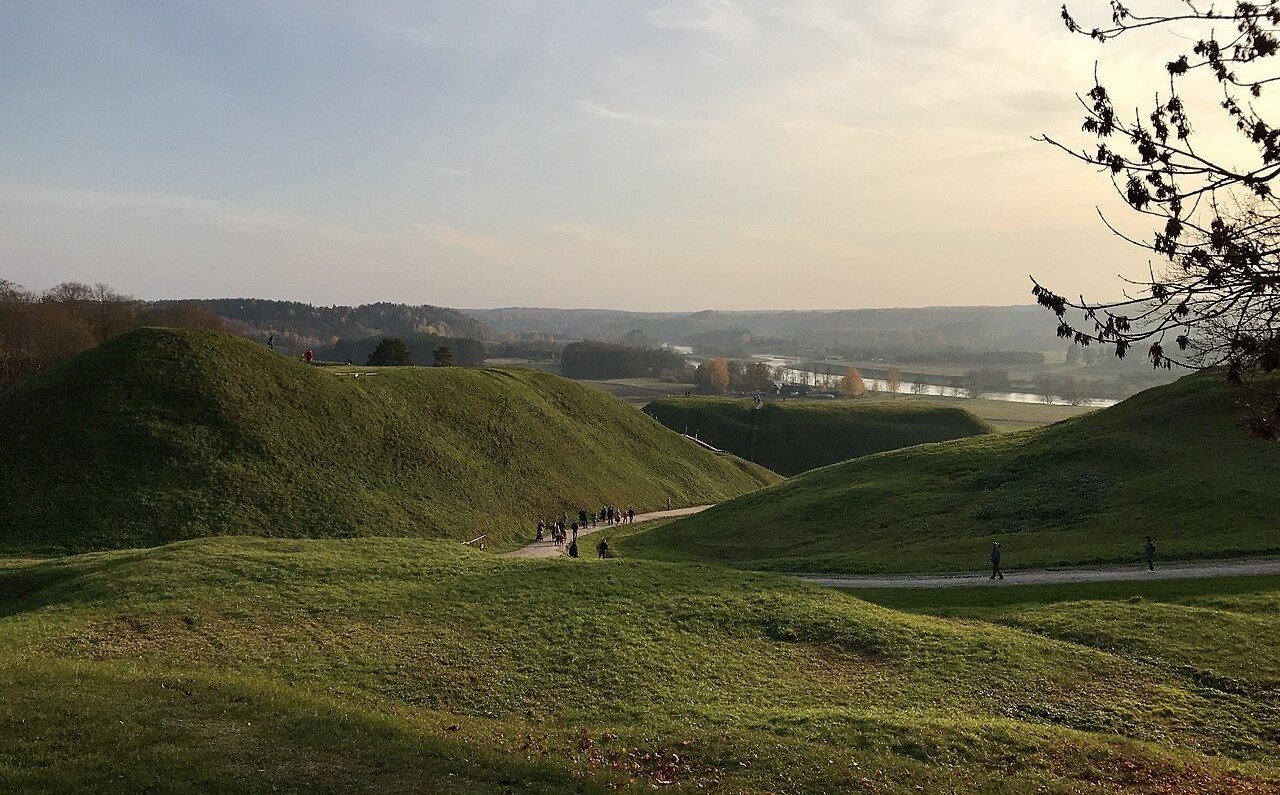
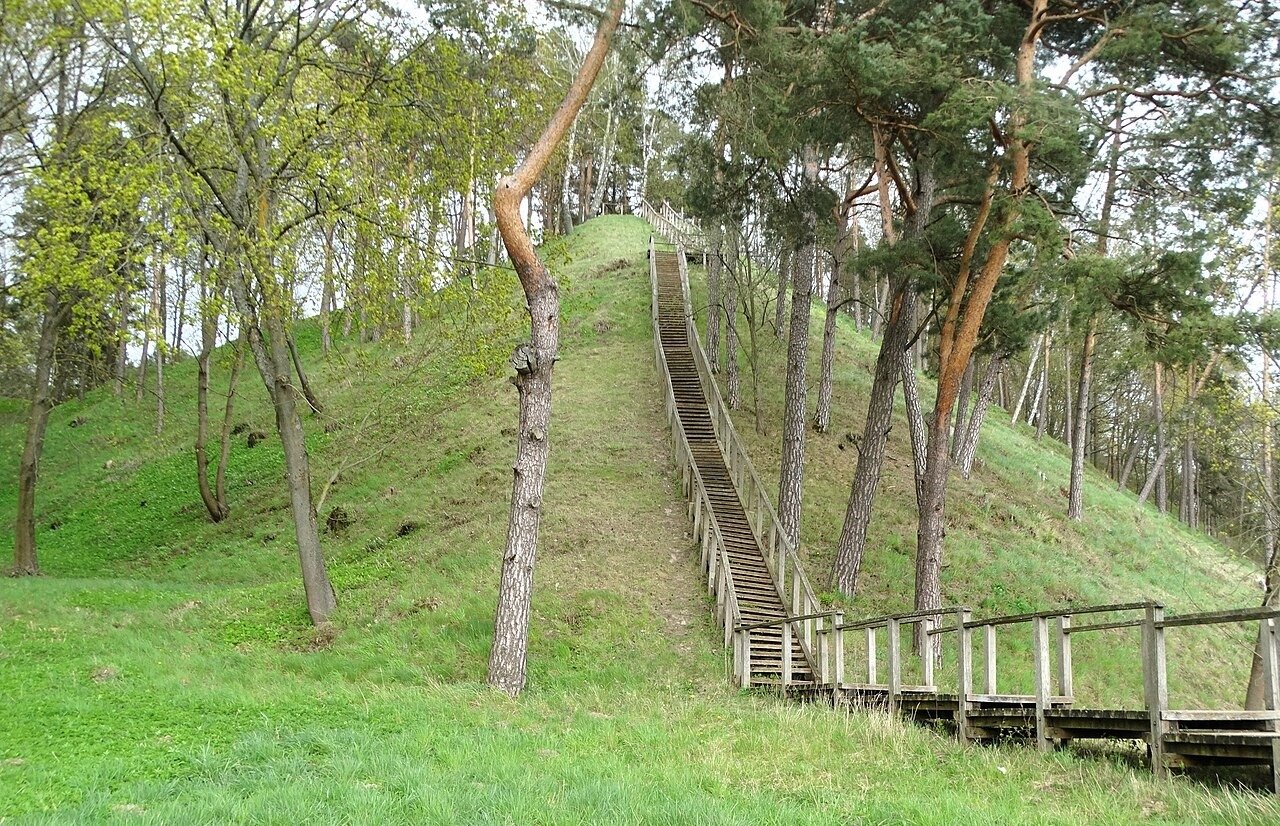
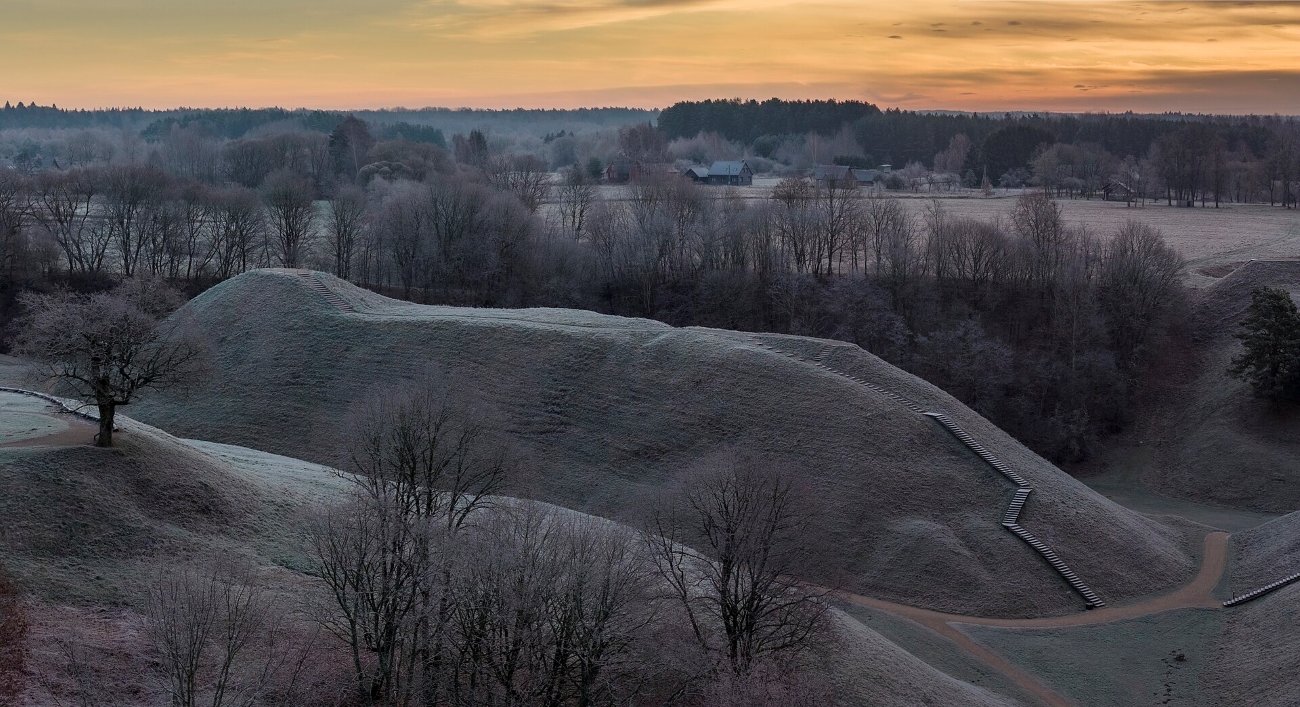
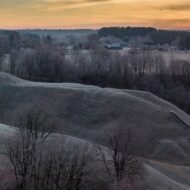
Thirty-five kilometres north-west of Vilnius, five steep, grassy hillforts rise above the valley of the river Neris. This is Kernavė, the ancient capital of Lithuania, and the heart of what UNESCO calls the heritage of “the last pagan country in Europe”. People have lived here for around 11,000 years. By the 13th century, Kernavė was one of the leading towns of pagan Lithuania, with a Grand Duke’s castle on its highest hill. In 1390, the Teutonic Knights burned it, and silt from the river buried the town for six centuries.
Kernavė was inscribed as a UNESCO World Heritage Site in 2004. It is also where Lithuanian paganism came back to life. During the Soviet era, students gathered here to revive the old midsummer rituals of Rasos as a quiet act of resistance. Today, every 23 June, Kernavė lights its bonfires again: there is singing and dancing, flower wreaths are thrown into the Neris, and young people search the woods for the legendary flowering fern.
- Go for: the five hillforts and the views over the Neris valley, the archaeological museum, the Rasos midsummer festival, and the Days of Live Archaeology in early July.
- When: 23 June for Rasos; early July for the Days of Live Archaeology; autumn for empty hillforts and golden valley views.
- Getting there: about 45 minutes by car from Vilnius.
5. Rambynas Hill, Lithuania
55.08° N, 22.04° E · Rambynas Regional Park, on the river Neman
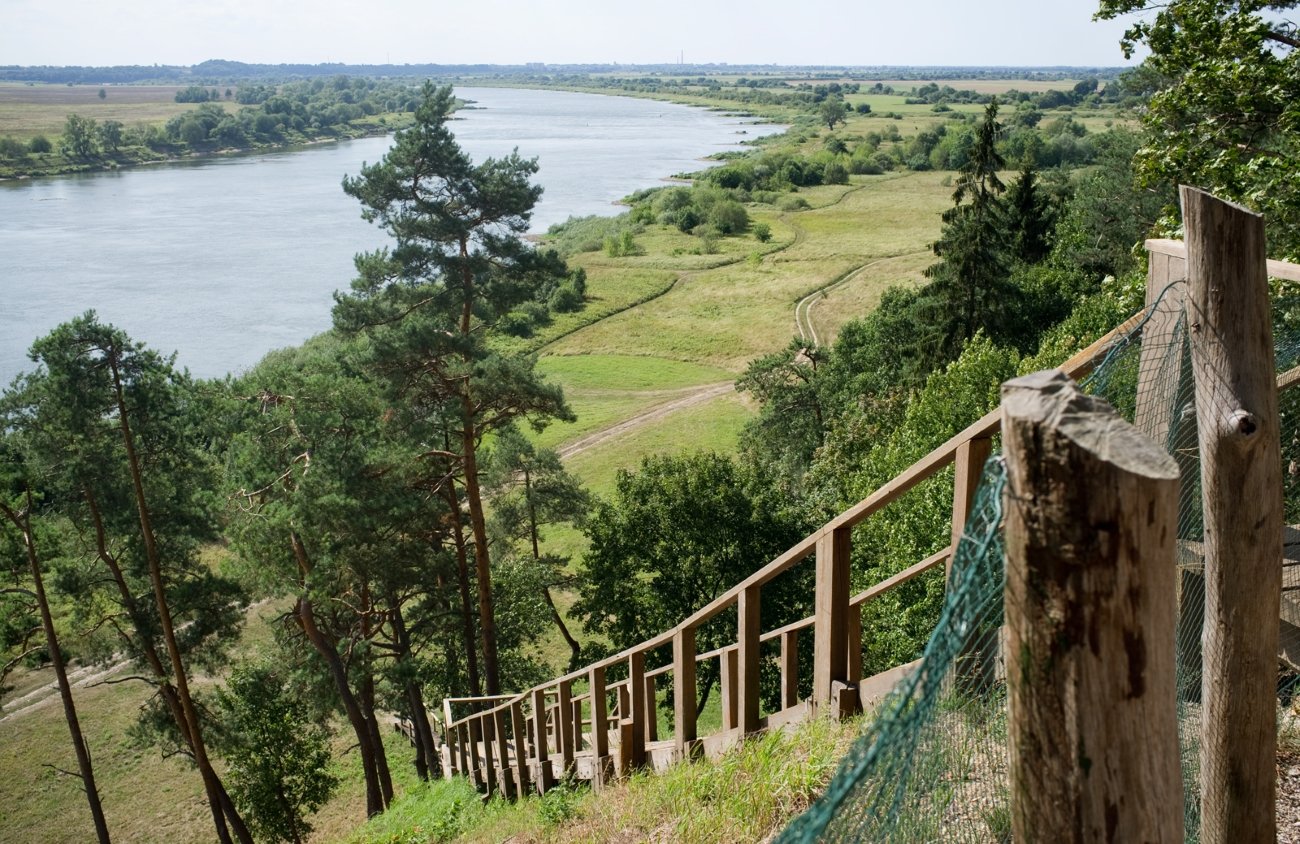
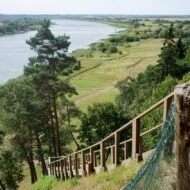
In the far west of Lithuania, a wooded hill rises above the river Neman, which here forms the border with Russia’s Kaliningrad region. For centuries, Rambynas was the sacred hill of Lithuania Minor. A great altar stone once stood on its summit: legend said the thunder god Perkūnas had placed it there, and that as long as it stood, the region would prosper. In 1811 a miller broke it up to make a millstone. Local stories say he came to a bad end.
Writers from the 16th to the 19th centuries recorded pagan rituals on the hill, long after Christianity had officially arrived. In the late 19th century, the Lithuanian philosopher Vydūnas began organising midsummer celebrations here, and the tradition has never stopped. Every year on 23 June, Lithuanian pagans and visitors gather on Rambynas to light the solstice fires above the river.
- Go for: the summit and its views over the Neman, the Rasos midsummer gathering, the walking trails of Rambynas Regional Park, and the nearby village of Bitėnai.
- When: 23 June for the midsummer gathering; May to October for walking.
- Getting there: about 1 hour 30 minutes by car from Klaipėda, near the town of Pagėgiai.
How to visit living sacred places
These are not ruins. For many people, they are places of faith. A few habits help:
- Treat shrines and sacred hills as places of worship. Speak quietly, and don’t touch altars, carvings or offerings.
- Ask before photographing ceremonies or people in traditional dress.
- Join festivals as a guest. At Rasos and Jāņi, visitors are usually welcome to watch and often to join in; follow the lead of the hosts.
- Leave no trace. Many sacred sites are also protected landscapes.
- Learn a few words. A greeting in Estonian, Seto, Latvian or Lithuanian is always appreciated.
Frequently asked questions
Which was the last pagan country in Europe? Lithuania. Its rulers were baptised at the end of the 14th century, and Samogitia, in the west, was the last region to accept Christianity, in the early 15th century.
What is Romuva? A revived Lithuanian pagan faith based on the ancient Baltic religion, its gods, festivals and folk songs. After years of legal struggle, Lithuania formally recognised it in 2024.
What is Dievturība? A Latvian pagan movement founded in 1925 by Ernests Brastiņš to rebuild the ancient Latvian religion from folk songs. Banned under Soviet rule, it was registered again as a religious organisation in 1990.
Can visitors attend Baltic pagan festivals? Yes. Midsummer celebrations such as Rasos in Lithuania and Jāņi in Latvia are public, and visitors are welcome as long as they respect the traditions.
Beyond the map
Europe likes to tell its history as a single story, from the Romans to Christianity to the modern world. The Baltic tells a different one. Here the old gods survived longer than anywhere else, hid in songs for centuries, and are now returning to the hills, groves and riversides where they were once honoured. Visit on a quiet autumn day, or on a midsummer night by the fire, and you will see a side of Europe that most histories leave out.
Read next: Where Europe’s Old Spirits Still Whisper (Žemaitija) · Where Europe’s Myths Began
Part of the Civilisation Trails
This article is part of [Civilisation Trails: Baltic Europe] , our guide to the peoples, faiths and cultures that shaped the Europe beyond the obvious.
Carry the journey with you: Beyond the Map Field Guides
Hidden Europe — The Beyond the Map Map Every sacred site in this article, and hundreds more places, on one map of the Europe most travellers never see.
Explore more: Trails · Living Traditions · Terra Incognita