

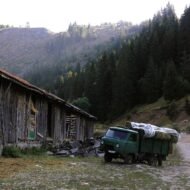
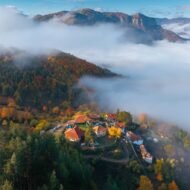
The mountains of Orpheus, where beech forests turn to gold, stone villages smoke with woodfires and the deepest bagpipes in Europe still play. A season in the Rhodopes, between Bulgaria and Greece.
There are mountains that impress you at once, and mountains that take their time. The Rhodopes are the second kind. They have no single famous peak and no great glaciers. Instead they roll on for some 240 kilometres across southern Bulgaria and north-eastern Greece, wave after wave of forested ridges, deep gorges and high meadows, with small stone villages tucked into the folds between them.
This is the land of Orpheus. According to myth, the musician whose songs could move stones and soften the gods of the underworld was born here, in ancient Thrace. Music still runs through these mountains. A Rhodope folk song, Izlel e Delyo Haydutin, was chosen in 1977 to travel into space aboard the Voyager probes, among the sounds of Earth.
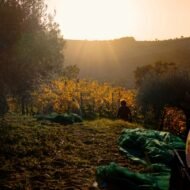
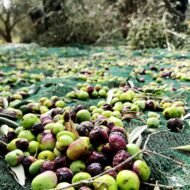
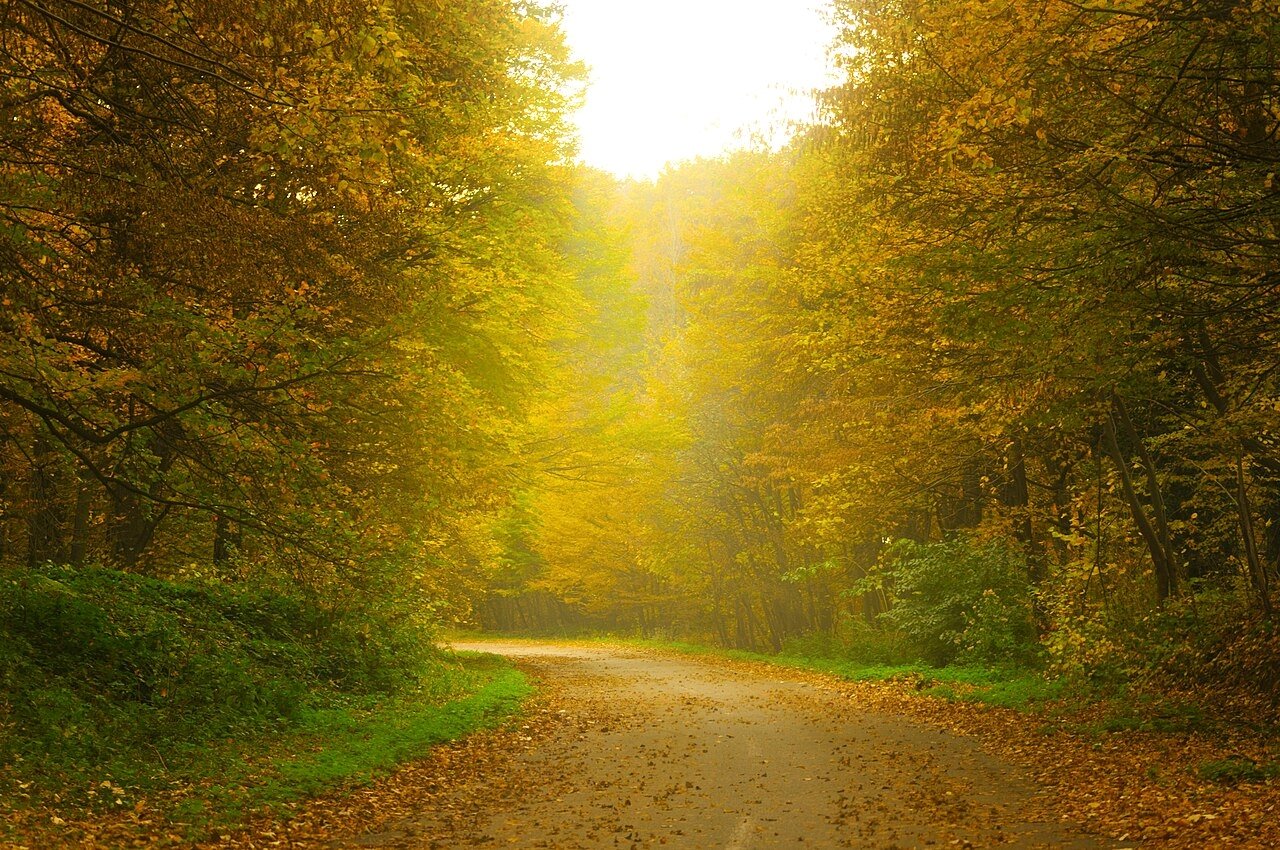
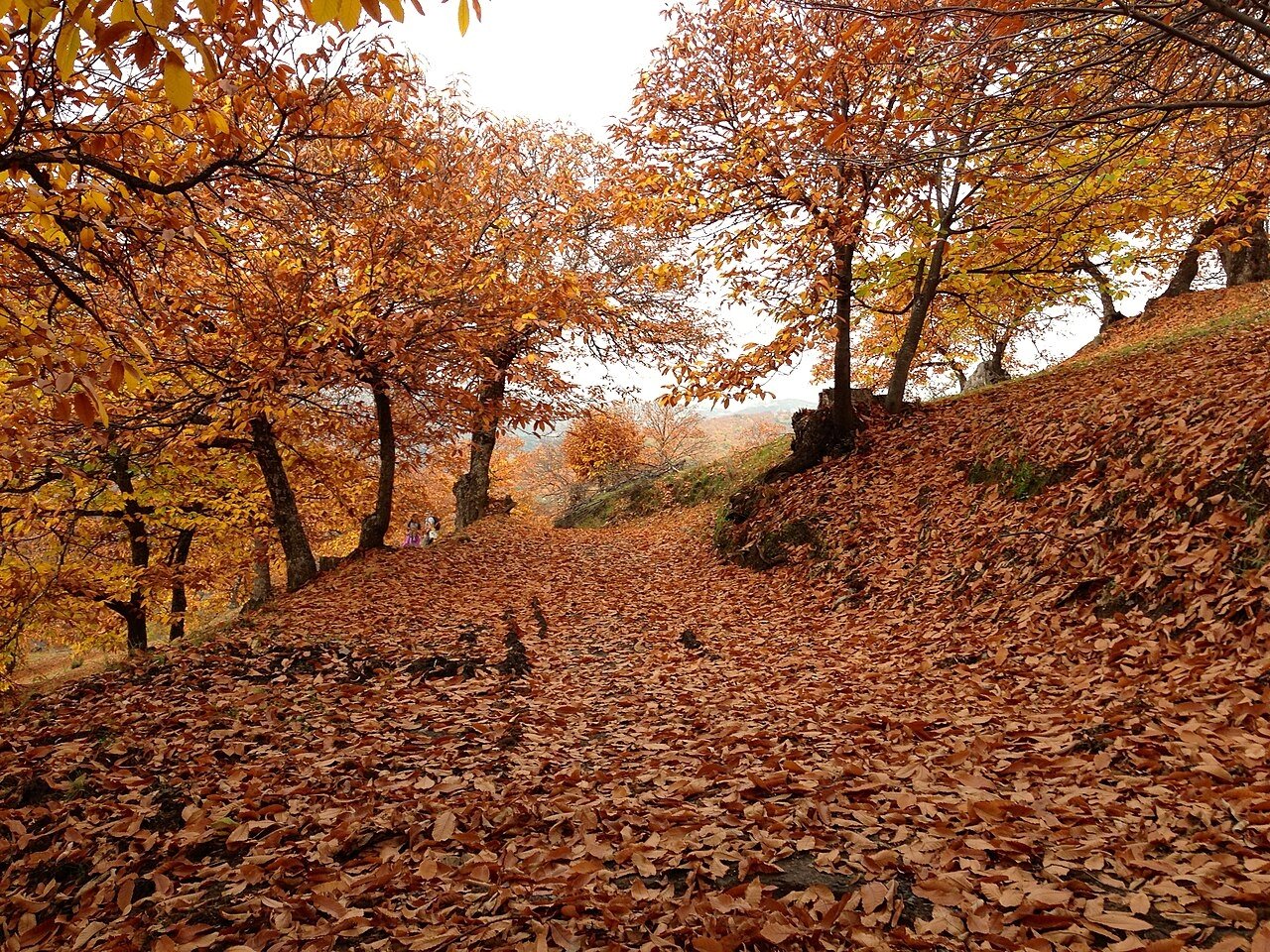
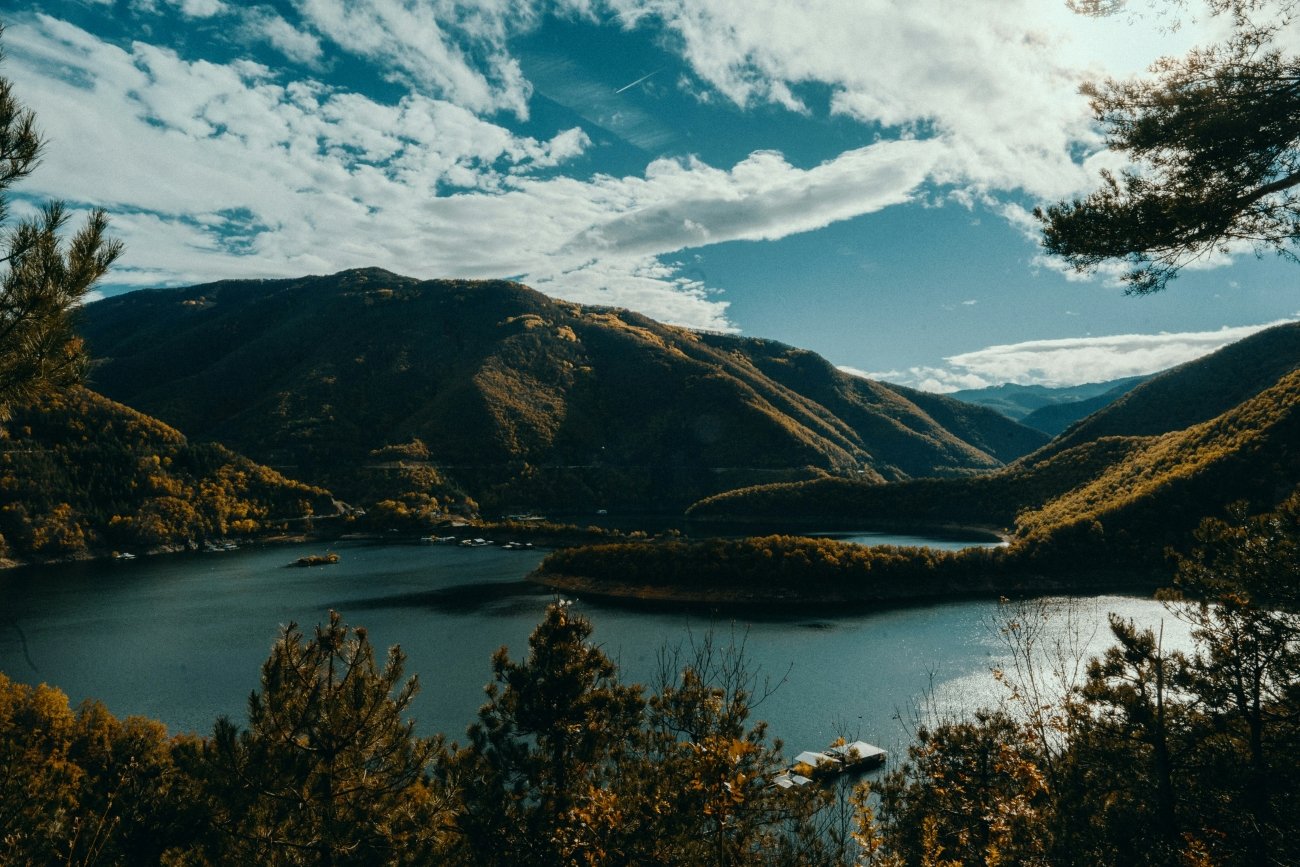
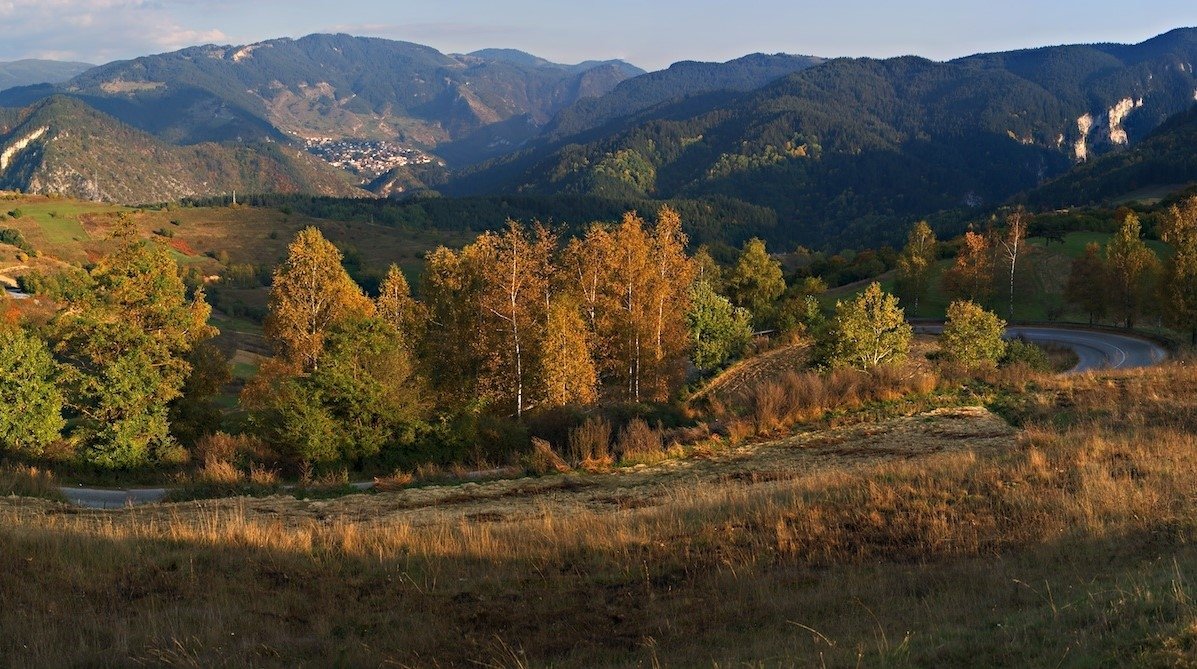
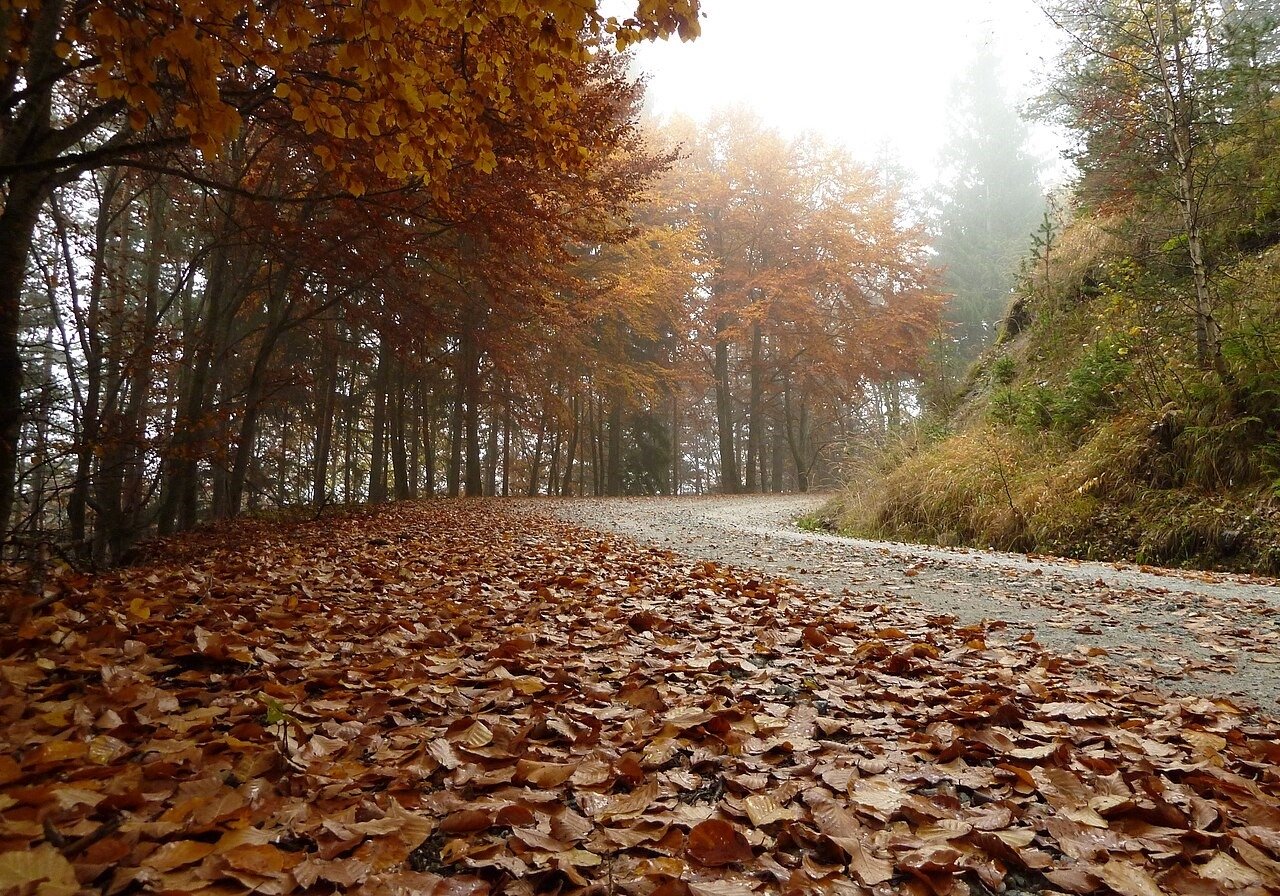
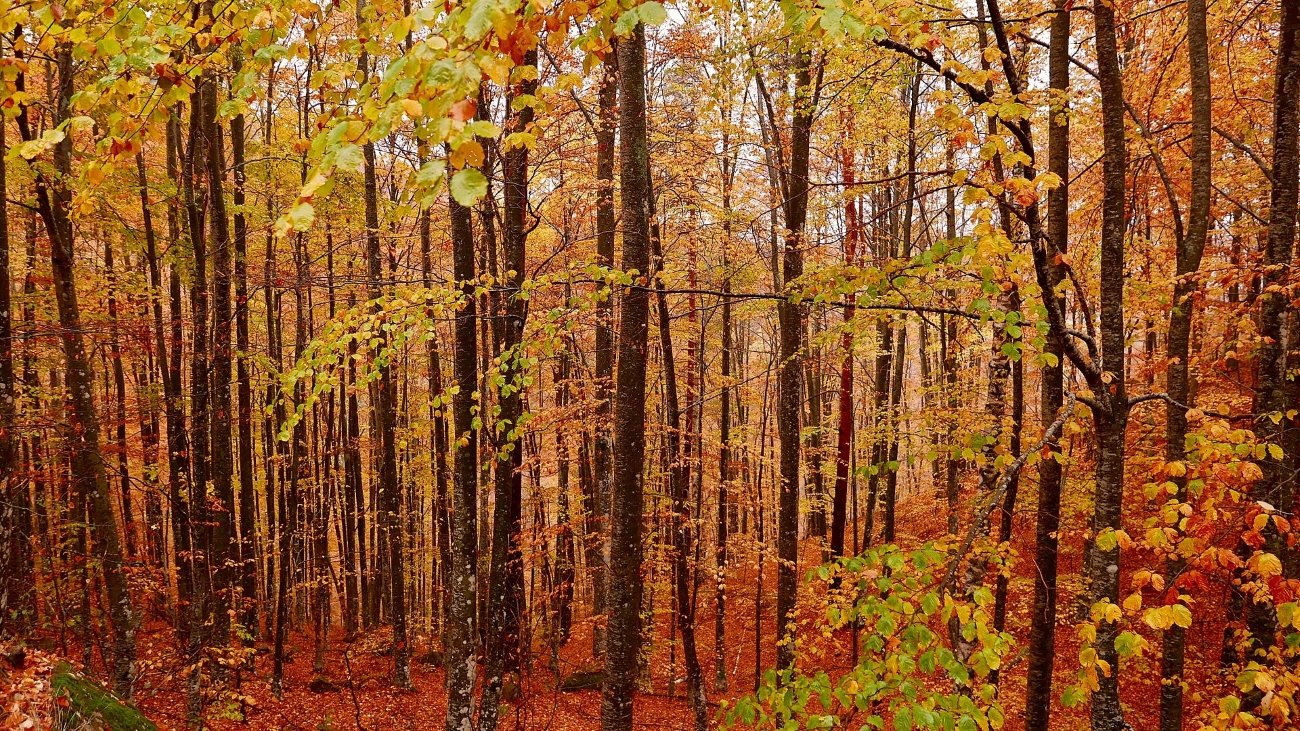
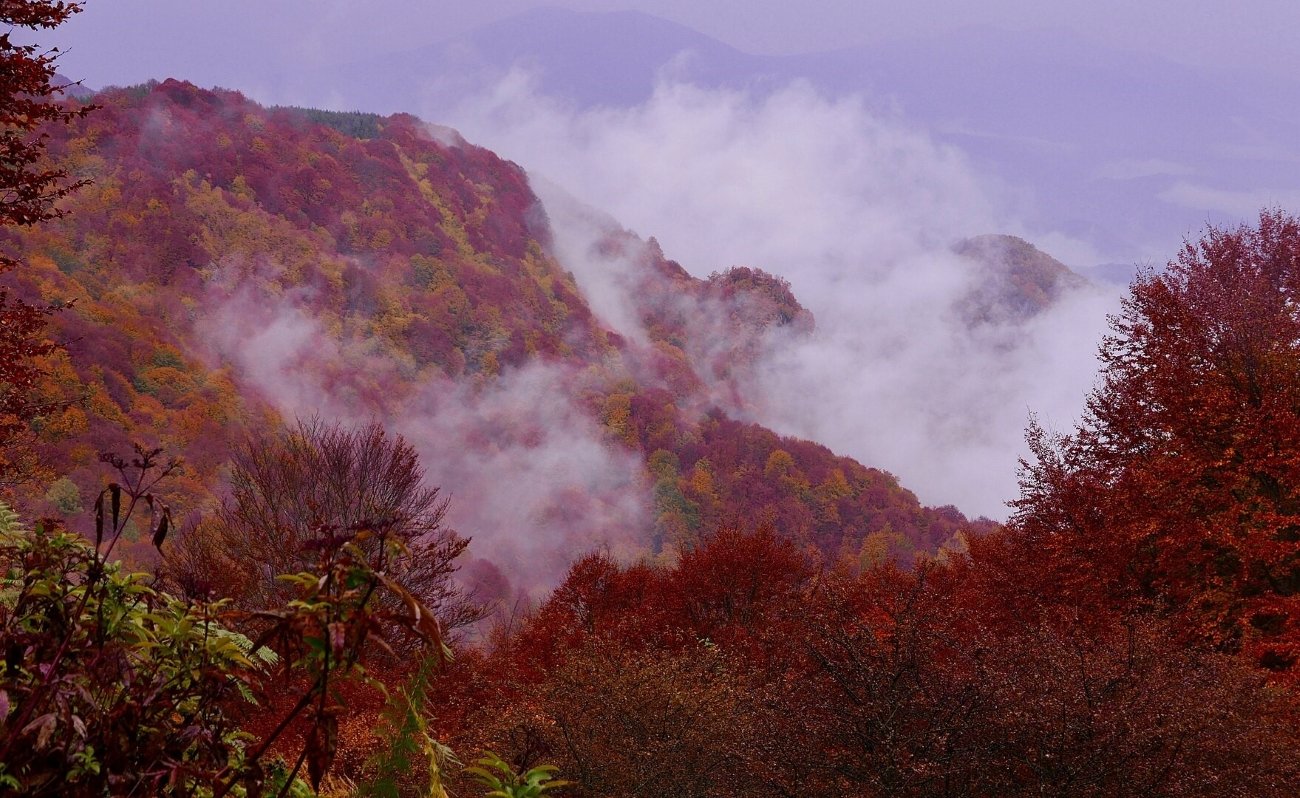
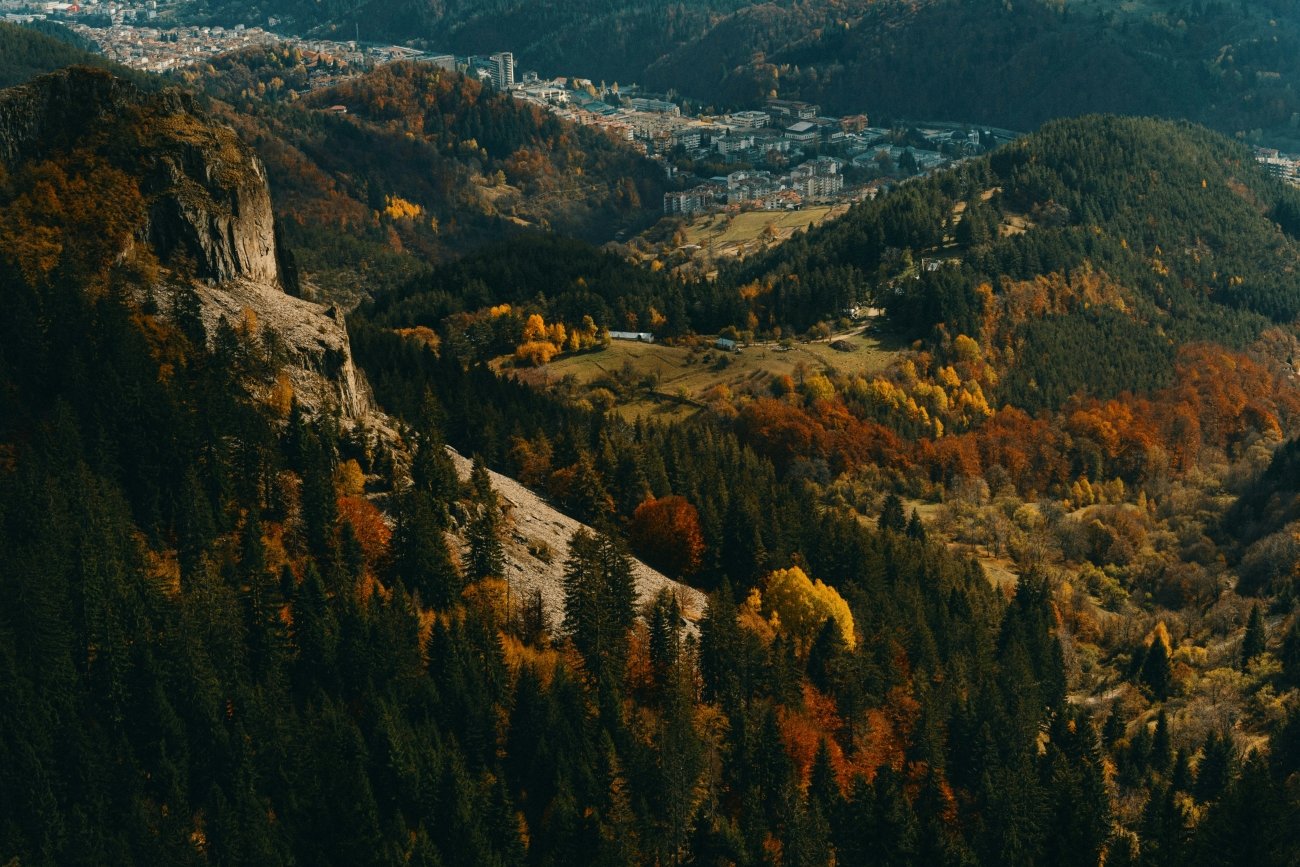
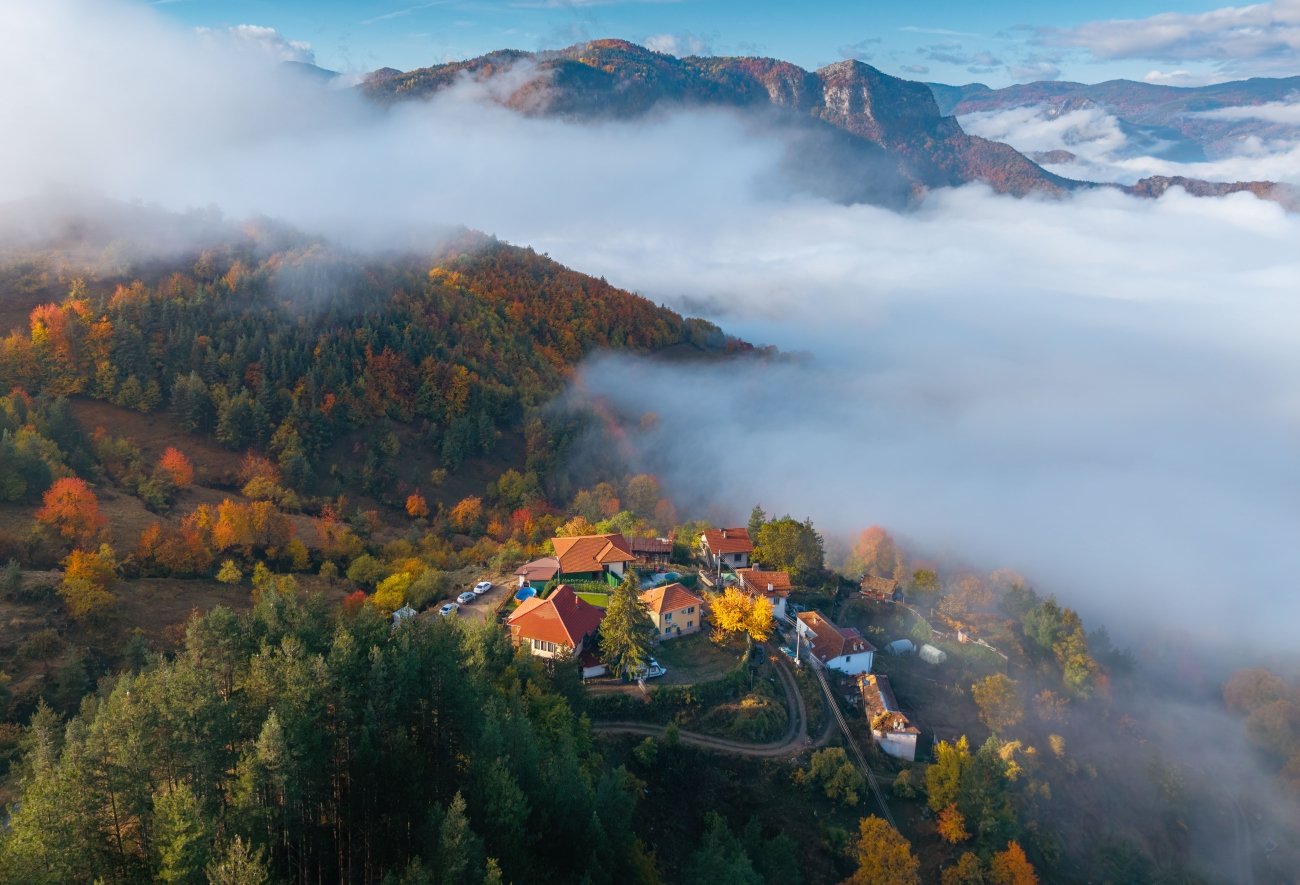
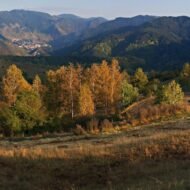
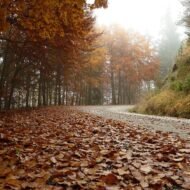
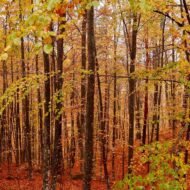
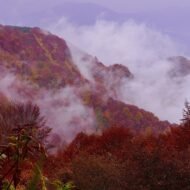
Autumn is the Rhodopes’ finest season. From mid-October, the beech and oak forests turn copper and gold, the morning mist fills the valleys, and the villages are busy with the last harvests of the year: beans, potatoes, mushrooms, tobacco and honey. The summer visitors have gone, and the mountains are quiet again.
This is the first article in The Rhodopes Through the Year, our seasonal series on the Rhodope Mountains. Winter, spring and summer follow.
At a glance
| Where | Southern Bulgaria and north-eastern Greece |
| Length | About 240 kilometres |
| Highest peak | Golyam Perelik, 2,191 m, in Bulgaria |
| Best autumn weeks | Mid-October to early November, for forest colour |
| Known for | Beech forests, gorges and caves, stone villages, folk music, Thracian sanctuaries |
| Nearest cities | Plovdiv (Bulgaria); Xanthi and Drama (Greece) |
The forests turn gold
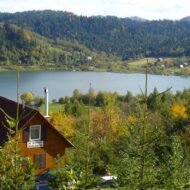
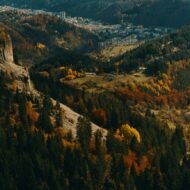
Most of the Rhodopes are covered in forest: beech, oak and chestnut on the lower slopes, spruce and fir higher up. In autumn, the deciduous trees put on one of the great colour displays of the Balkans. Whole valleys turn copper, ochre and red, framed by the dark green of the conifers above.
On the Greek side, the forests are even wilder. Near the village of Paranesti, in the Drama region, lies Frakto, one of the very few virgin forests left in Greece, a place where trees have grown and fallen without human interference for centuries. Nearby, the Elatia forest of spruce and fir feels more like Scandinavia than the Mediterranean. Brown bears, wolves and wildcats still live in these mountains.
In the Rhodope Bundle: the best autumn colour drives and walks, on both sides of the border, with maps, timings and the weeks when each valley peaks.
Gorges, caves and stone bridges
The Rhodopes are limestone country, carved by water into some of the most dramatic landscapes in south-eastern Europe. In the Trigrad Gorge, cliffs rise hundreds of metres above a narrow road. Beside it, in the Devil’s Throat cave, the Trigrad river plunges 42 metres into the darkness, the highest underground waterfall in the Balkans, into a cavern called the Hall of Thunder. Legend says this was the gate through which Orpheus descended to the underworld to find Eurydice.
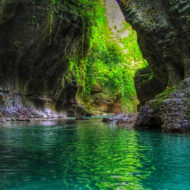
Further east, the Wonderful Bridges are two great natural arches of marble, high in the forest. On the Greek side, the river Nestos winds through a deep, green gorge on its way to the Aegean, one of the most beautiful river landscapes in Greece.
In the Rhodope Bundle: a complete guide to the gorges, caves and natural wonders, with opening seasons, walking routes and the best order to see them.
Villages of stone and smoke
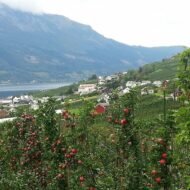
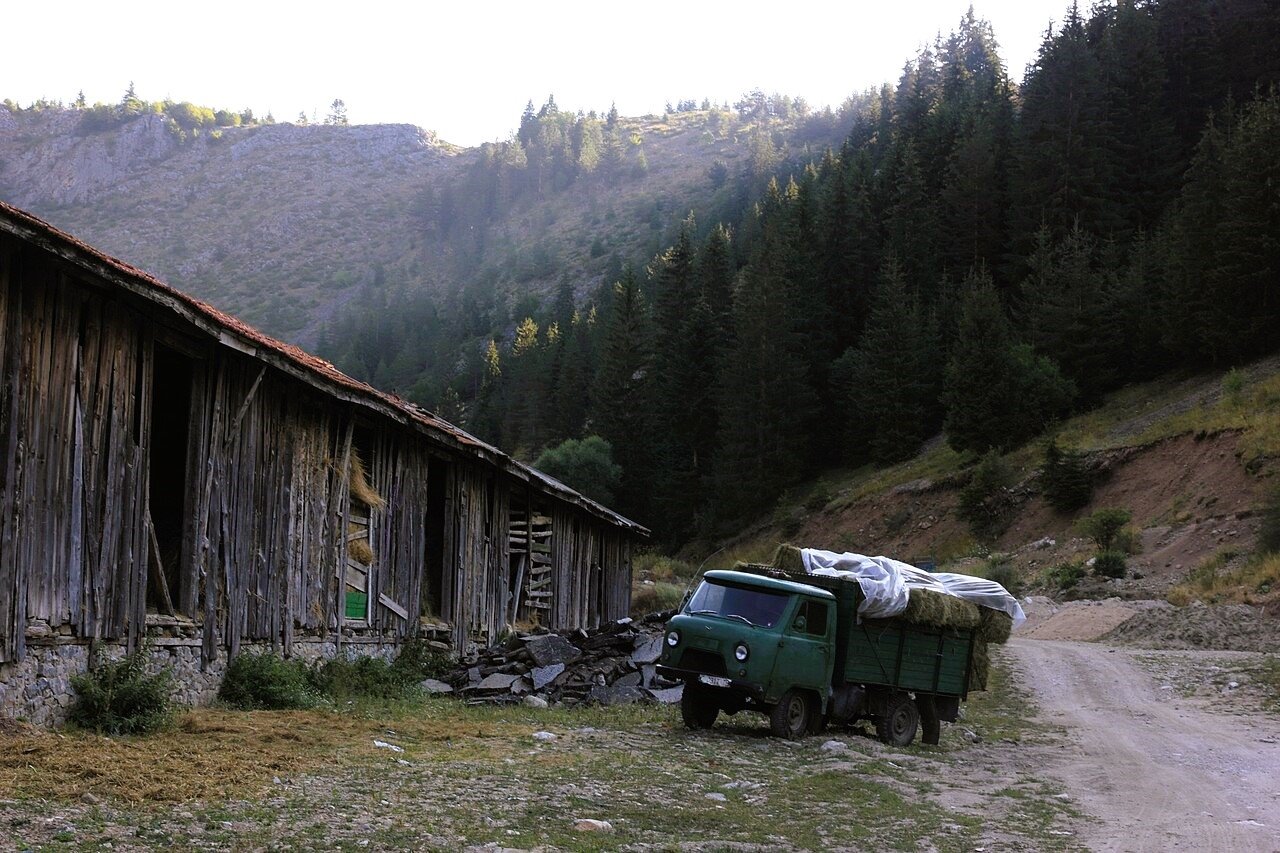
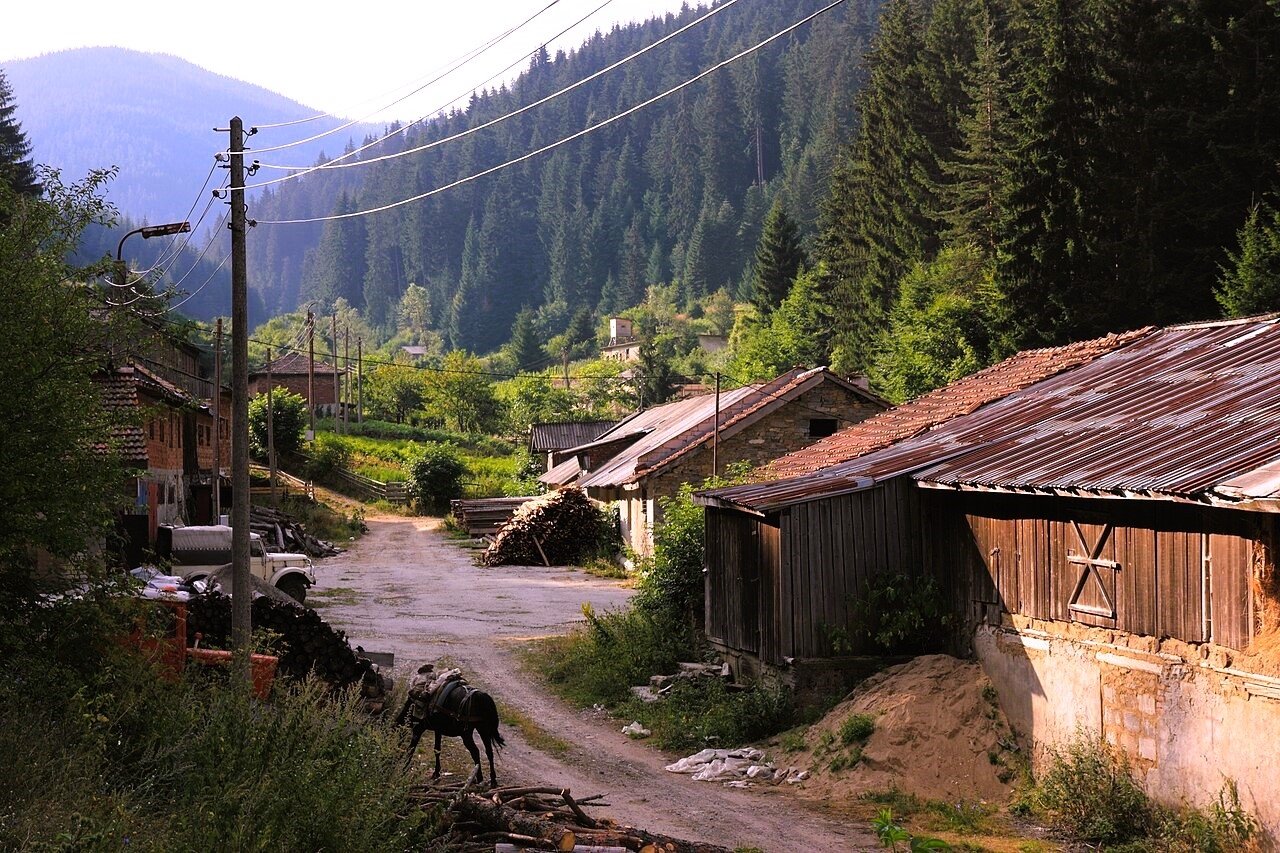
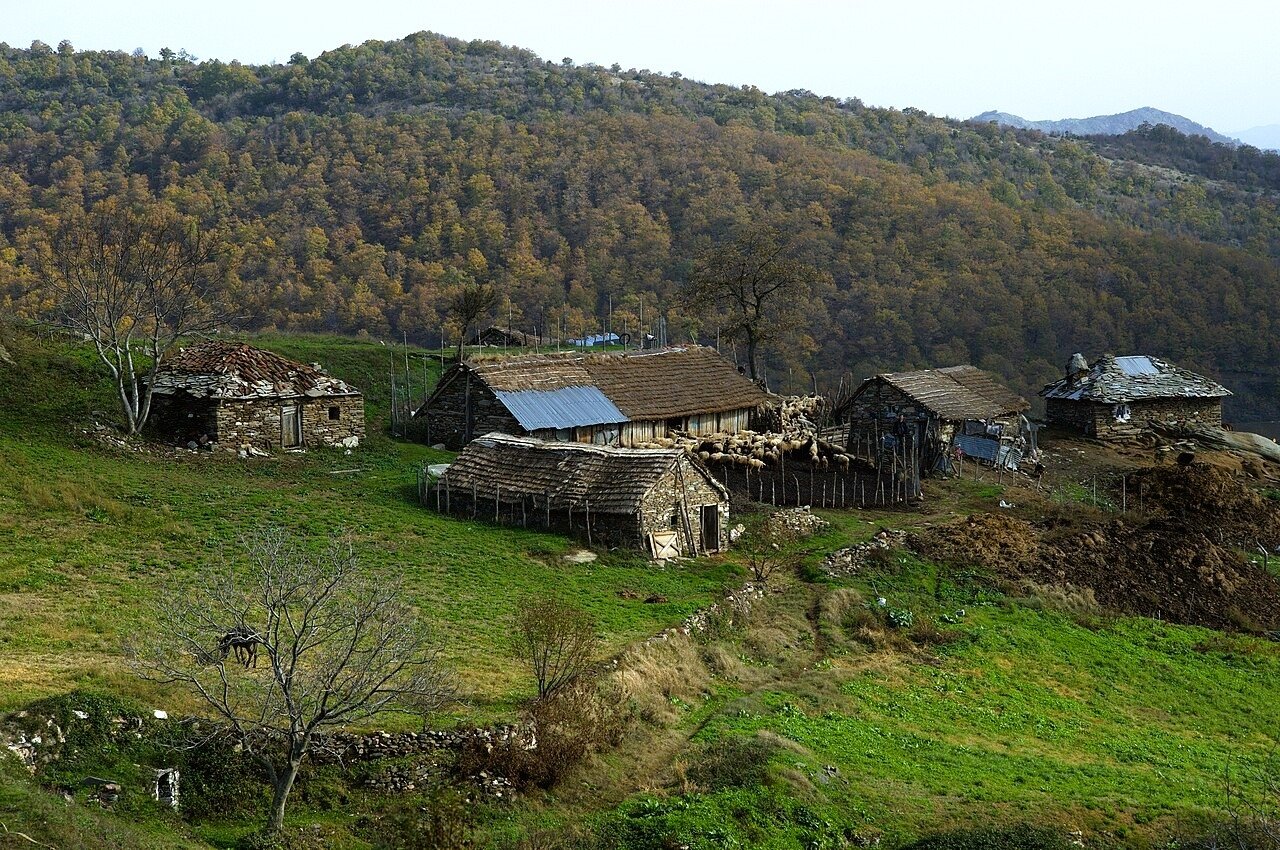
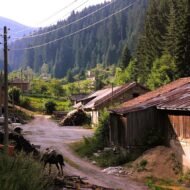
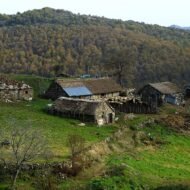
The villages of the Rhodopes are among the most beautiful in the Balkans. Houses of grey stone with heavy slate roofs climb the hillsides, their upper floors of dark wood leaning over narrow, cobbled lanes. In autumn, chimney smoke rises over the roofs in the early morning, and strings of beans, peppers and tobacco hang drying from the balconies.
Some villages have become small centres of art and craft; others are almost empty, with only a few older residents keeping the houses alive. Shiroka Laka, in the central Rhodopes, is famous for its music school and its traditional architecture. Kovachevitsa, in the west, is a near-perfect village of stone. On the Greek side, the Pomak villages above Xanthi keep their own language, dress and customs, a world apart even within Greece.
In the Rhodope Bundle: fifteen villages worth a detour, the ones to stay in, and where to find the best guesthouses in autumn.
Music, faith and the ancient Thracians
The Rhodopes are a meeting place of cultures: Bulgarian Christians, Bulgarian-speaking Muslims known as Pomaks, Greeks and Turks have lived side by side here for centuries, and their churches, mosques and customs are woven together across the mountains.
Above all, the Rhodopes are a land of music. Its signature instrument is the kaba gaida, a large, deep-voiced bagpipe made from goatskin, and Smolyan even has an ensemble of a hundred of them playing together. Older still are the traces of the Thracians: at Perperikon, near Kardzhali, a vast rock sanctuary and city has been carved into a hilltop, while the Bachkovo Monastery, founded in 1083, guards the northern edge of the mountains.
In the Rhodope Bundle: a culture route through the mountains, from Thracian sanctuaries to monasteries, Pomak villages and the best places to hear live folk music.
The flavours of autumn
Autumn is harvest time in the Rhodopes, and its food is simple, hearty and seasonal. The village of Smilyan is known throughout Bulgaria for its large white beans. Rhodope potatoes are baked into patatnik, a rustic potato pie. Mountain honey, wild mushrooms, herbal teas from the high meadows and homemade yoghurt fill the tables of the guesthouses.
In the Rhodope Bundle: the dishes to look for, the village restaurants and producers worth a visit, and the autumn food calendar.
When to go in autumn
- Late September to early October: the end of the harvest; warm days and cool nights.
- Mid-October to early November: peak forest colour; the most beautiful time of the year.
- Late November: quiet, misty and cold, with the first snow on the high peaks.
Some caves and mountain huts close at the end of October, so check before you travel.
Getting there
- Bulgarian side: Plovdiv, Bulgaria’s second city, is the gateway to the central and northern Rhodopes. Smolyan and the Trigrad Gorge are about 2 to 3 hours away by car.
- Greek side: Xanthi and Drama are the gateways to the Greek Rhodopes, about 2 hours by car from Thessaloniki; Kavala airport is close by.
- Across the border: several road crossings link the Greek and Bulgarian sides, making a cross-border loop through the mountains possible.
A car is essential for exploring the villages and forests.
In the Rhodope Bundle: a seven-day cross-border road trip through the Rhodopes, from Plovdiv to Xanthi, with driving times, stops and overnight suggestions.
Beyond the map
The Rhodopes don’t reveal themselves from a car window or a single viewpoint. They ask for time: a slow drive through a valley of gold beeches, a night in a stone village, a morning walk in the mist, a song heard by chance in a village square. Give them a few days this autumn, and they will stay with you for much longer.
Go deeper: the Rhodope Mountains Bundle
[The Rhodope Mountains — The Beyond the Map Bundle]
This article is the beginning. The Bundle is the complete journey, in one download:
- Autumn in the Rhodopes: colour drives and walks on both sides of the border, with the best weeks for each valley
- Natural wonders: gorges, caves and stone bridges, with routes and seasons
- Fifteen villages: where to go, where to stay, and what makes each one special
- The culture route: Thracian sanctuaries, monasteries, Pomak villages and live folk music
- Food and producers: the dishes, the village restaurants and the autumn food calendar
- A seven-day cross-border road trip from Plovdiv to Xanthi
- Offline maps and GPS points for every place in the guide
- Bonus: the seasonal calendar for winter, spring and summer in the Rhodopes
→ [Download the Bundle]
Explore more: Seasons · Wild Europe · Field Guides