

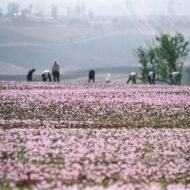
As the fields empty and the nights draw in, five corners of Europe still mark the end of the harvest the old way.
- 1. The saffron harvest, Kozani, Greece
- 2. The rakokazana, western Crete, Greece
- 3. The Golegã Horse Fair, Portugal
- 4. The Räbechilbi, Richterswil, Switzerland
- 5. Mardipäev and Kadripäev, Estonia
- How to visit harvest rituals
- Frequently asked questions
- Beyond the map
- Carry the season with you: Beyond the Map Field Guides
Late autumn was once the busiest and most festive time of the rural year. The grapes were in, the fields were bare, the animals were coming home, and there was a short window, before winter closed the roads, to gather, distil, trade and celebrate. Across Europe, that moment produced its own autumn harvest traditions: fairs, processions, lanterns, masks and feasts.
Most have faded. A few have not. From the purple saffron fields of northern Greece to the farmhouses of Estonia, these are five places where the end of the harvest is still marked in the old way, between mid-October and the end of November:
- a field of purple flowers picked by hand at dawn in Greece
- copper stills and fresh raki in the villages of western Crete
- ten thousand horses and the smoke of roasting chestnuts in Portugal
- thirty tonnes of carved turnips lighting up a Swiss lakeside town
- masked visitors knocking on doors across Estonia
1. The saffron harvest, Kozani, Greece
40.27° N, 21.82° E · Krokos, Kozani, Western Macedonia
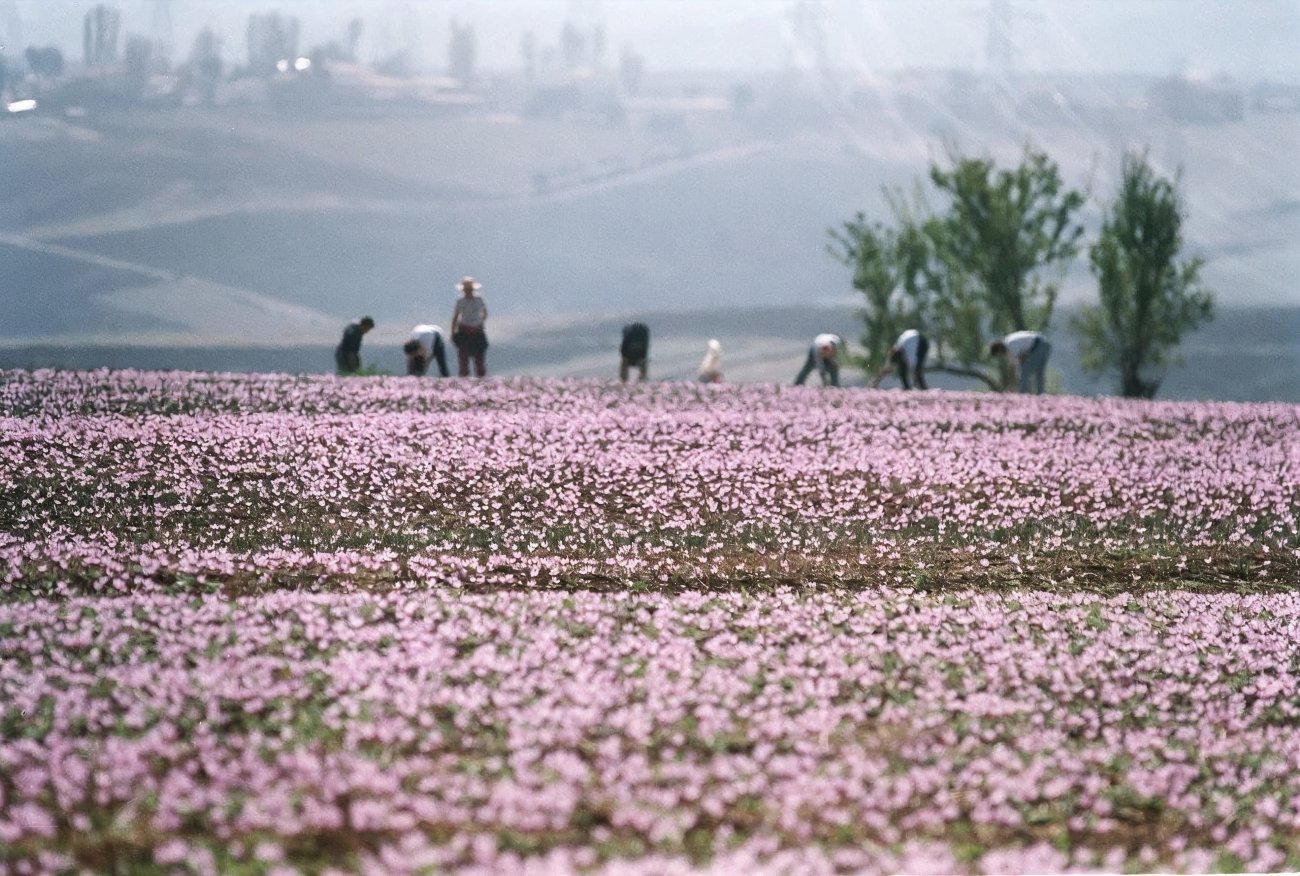
In mid-October, the fields around the village of Krokos, south-west of Kozani, turn purple almost overnight. The flowers of the saffron crocus open for only a few weeks, and each one must be picked by hand before it wilts. For about 20 to 25 days, families work through the fields from sunrise to sunset, bent over the rows, filling baskets with flowers.
The real work begins indoors. Each flower holds just three red stigmas, and it takes around 150,000 flowers to make a single kilo of saffron. The stigmas are separated from the petals and the yellow stamens by hand, dried with great care, and sorted again, a process that can take weeks after the picking ends. According to local tradition, saffron reached Kozani with local merchants in the 17th century. Today Krokos Kozanis is protected by a designation of origin, and is still gathered through a cooperative in the village whose name it shares.
- Go for: the purple fields at dawn, watching the stigmas being separated by hand, buying saffron directly from the source, and the town of Kozani.
- When: mid-October to early November, depending on the weather. Go early in the morning, when the flowers are picked.
- Getting there: Kozani is about 1 hour 45 minutes by car from Thessaloniki. Krokos is a short drive from the town.
2. The rakokazana, western Crete, Greece
35.40° N, 23.62° E · Vlatos, Kissamos, western Crete
When the grape harvest is over in Crete, the leftover skins and seeds, the pomace, are left to ferment. Then, from late October into November, the villages light their kazania: wood-fired copper stills where the pomace is slowly heated and its vapour condensed into tsikoudia, the clear grape spirit that Cretans call raki.
A rakokazano is never just a distillation. It is a gathering. Family, neighbours and friends sit around the still for hours, tasting the warm raki as it runs, grilling meat and potatoes in the embers, and singing to Cretan lyra and lute. The first spirit to come out, the protoraki, is the strongest; the “heart” of the run is the most prized. In some villages, distillers open their kazani to visitors: in Vlatos, near Kissamos, open evenings have been held in early November, with only a few tickets each day.
- Go for: the distillation, fresh raki, Cretan music and food around the fire, and the mountain villages of western Crete.
- When: late October to late November. Ask locally: many kazania work only on certain days, and the best invitations come by word of mouth.
- Getting there: Vlatos is about 1 hour 15 minutes by car from Chania. It lies in the same hills as Elos, known for its chestnut festival.
3. The Golegã Horse Fair, Portugal
39.40° N, 8.49° W · Golegã, Ribatejo
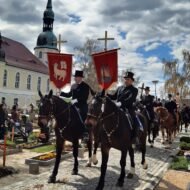
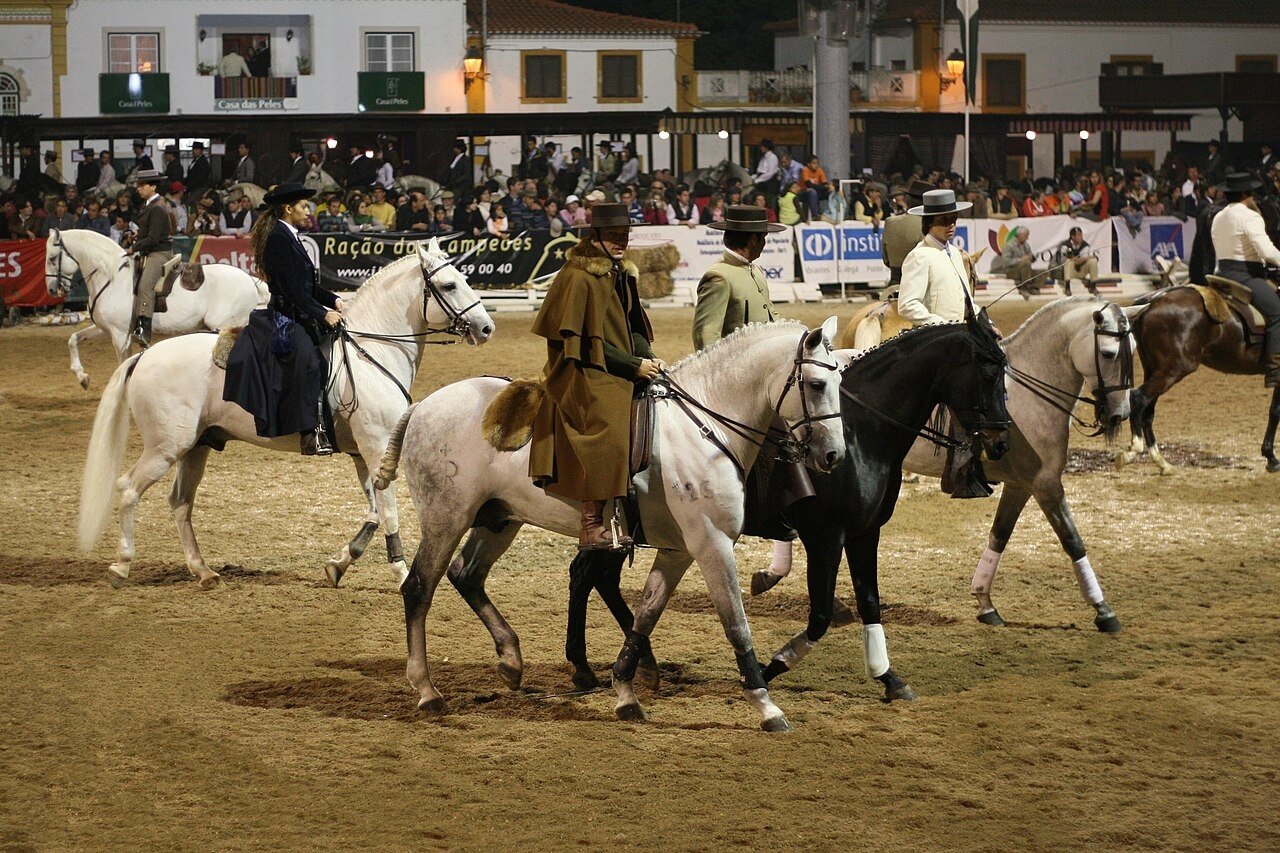
For most of the year, Golegã is a quiet town of about 5,000 people in the flat farmland of the Ribatejo, beside the Tagus. For ten days in November, around St. Martin’s Day on 11 November, it fills with roughly 10,000 horses. The Feira Nacional do Cavalo is Portugal’s great horse fair, and its name gives Golegã a second title: the horse capital of Europe.
Its roots lie in the St. Martin’s markets, when people from the region came to Golegã for a last big gathering before winter. In the 18th century, it grew into a horse fair centred on the Lusitano, Portugal’s own breed. Today riders in traditional dress and hats parade their horses around the manga, the oval track around the town square. At night, the streets fill with the smoke of chestnut sellers, and the town drinks new wine in the old St. Martin’s tradition.
- Go for: the Lusitano horses, riders in traditional dress, evening shows by the Portuguese School of Equestrian Art, roasted chestnuts and new wine.
- When: the ten days around 11 November. The two weekends and St. Martin’s Day itself are the busiest.
- Getting there: about 1 hour 30 minutes by car from Lisbon. By train, go to Entroncamento, then take a short taxi ride.
4. The Räbechilbi, Richterswil, Switzerland
47.21° N, 8.70° E · Richterswil, Lake Zurich
Long before the pumpkin crossed the Atlantic, Swiss children carved lanterns from turnips. In German-speaking Switzerland, the Räbeliechtli, the turnip light, is still a November custom, and nowhere is it celebrated like in Richterswil, a small town on the shore of Lake Zurich.
For the Räbechilbi, around 30 tonnes of turnips are hollowed out and carved with patterns, figures and scenes. Schools and local clubs spend weeks preparing their designs. On the evening of the parade, thousands of glowing turnips, carried by children and mounted on floats, move slowly through the old village. It is one of the gentlest and most beautiful harvest festivals in Europe.
- Go for: the lantern parade, the turnip market where pupils sell their carvings, and the old village centre by the lake.
- When: in 2026, Saturday 14 November. The market opens in the afternoon, and the parade starts around 6 pm.
- Getting there: about 30 minutes from Zurich by S-Bahn train. Arrive early: the narrow streets fill quickly.
5. Mardipäev and Kadripäev, Estonia
59.43° N, 24.66° E · Estonian Open Air Museum, Tallinn
In the Estonian folk calendar, late autumn is “soul time”, when the harvest is over and the boundary between the living and the dead grows thin. Two days in November mark it. On Mardipäev, St. Martin’s Day on 10 November, masked visitors in dark clothes go from house to house, singing, telling riddles and making noise to bring luck for the coming year. On Kadripäev, St. Catherine’s Day on 25 November, they return dressed in light, women’s clothing, to wish luck on the household and its animals.
The visitors sing old songs, joke, dance and “sow” grain or peas on the floor so that their good wishes will take root. In return, the hosts give them food and treats. The tradition is still alive in schools and villages across the country, and Estonia has nominated its masquerades for UNESCO’s list of intangible cultural heritage, with a decision due in December 2026.
- Go for: the Mardipäev and Kadripäev events at the Estonian Open Air Museum, with its reconstructed farms and villages; traditional food such as goose on Mardipäev; and the quiet of the Baltic in late autumn.
- When: 10 November and 25 November. Hingedepäev, the Estonian All Souls’ Day on 2 November, begins the season.
- Getting there: the Open Air Museum is about 20 minutes by bus from central Tallinn.
How to visit harvest rituals
These are working traditions, not performances. A few habits help:
- Ask before you photograph, especially at a family kazani or inside someone’s home.
- Buy from the source. Saffron from the cooperative, raki from the distiller, a turnip lantern from the pupils who carved it.
- Accept hospitality gracefully. In Crete especially, you will be offered food and raki; a small purchase or a thank-you means a lot.
- Respect the animals. At Golegã, keep your distance from the horses and never use flash.
- Check the dates locally. Harvest timing depends on the weather, and village events change from year to year.
Frequently asked questions
When is the saffron harvest in Kozani? It usually begins in mid-October and lasts about three to four weeks, depending on the weather. The flowers are picked by hand in the early morning.
What is a rakokazano in Crete? It is the autumn distillation of tsikoudia (raki) from grape pomace in a copper still, usually from late October to November, and the gathering of family and friends that goes with it.
When is the Golegã horse fair? Every November, for about ten days around St. Martin’s Day (11 November), in the town of Golegã in Portugal’s Ribatejo region.
What is the Räbechilbi? A turnip lantern parade in Richterswil, on Lake Zurich, held on a Saturday in November. In 2026 it is on 14 November, with around 30 tonnes of carved turnips.
Beyond the map
These rituals come from a time when the end of the harvest was the moment a whole community could finally stop, gather and celebrate before winter. A field of crocus flowers, a copper still, a town full of horses, a turnip lantern, a knock on the door in the dark: they are small things, but they still tie people to the land and to each other. Go this autumn, and you will see a Europe that still follows the seasons.
Read next: Lost Chestnut Valleys of Europe · Where Europe’s Folk Culture Still Lives (update with the published URLs)
Carry the season with you: Beyond the Map Field Guides
Autumn Photography in Europe — The Beyond the Map Premium Guide Purple saffron fields at dawn, lanterns on Lake Zurich, the smoke of a Cretan still. This guide is for the season when Europe’s countryside is at its most beautiful.
Hidden Europe — The Beyond the Map Map Every coordinate in this article, and many more, on one map of the Europe most travellers never see.
Explore more: Seasons · Living Traditions · Slow Escapes