

An island in an ancient sea, a forest of linden trees, and sixteen monasteries hidden in the woods. Half an hour from Novi Sad, and still one of Europe’s best-kept secrets.
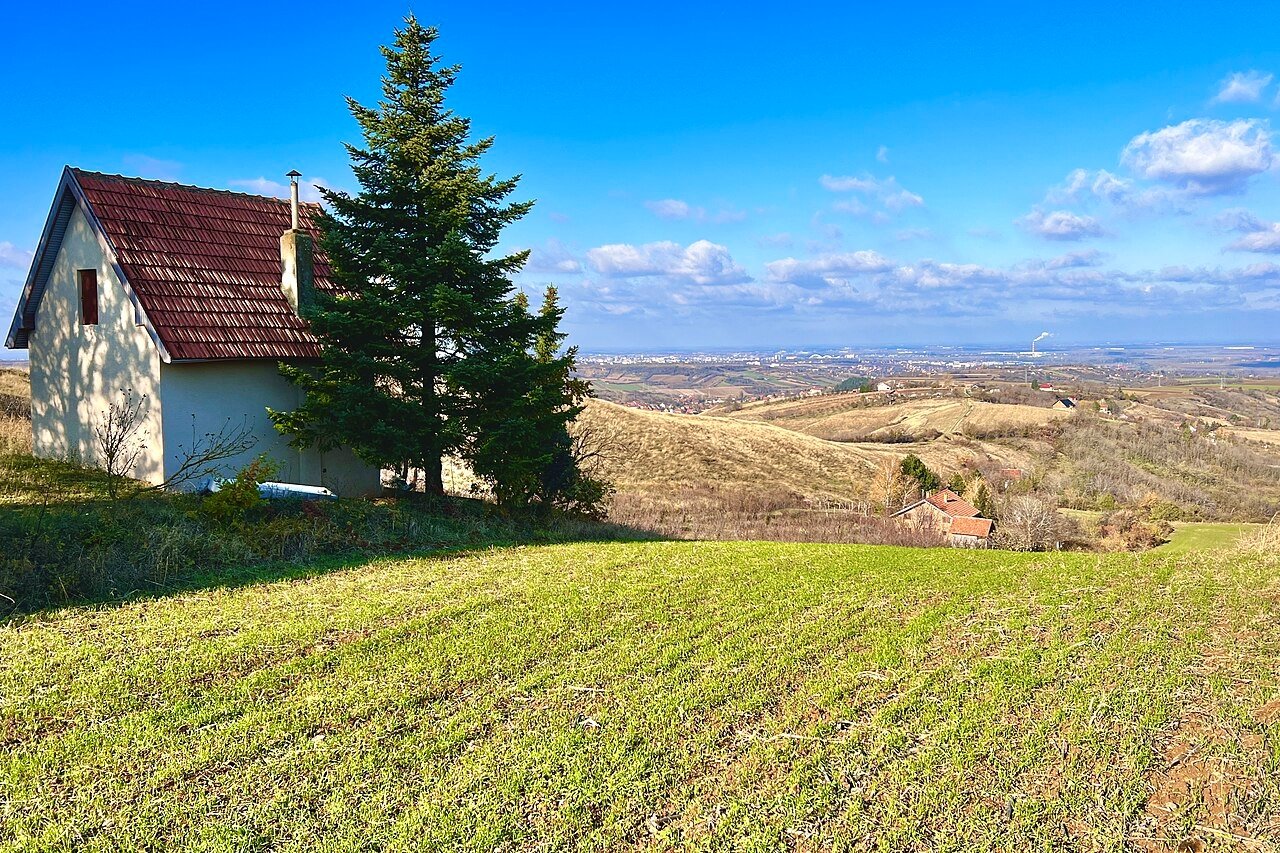
From the plains of northern Serbia, Fruška Gora looks like a long, low wave of forest rising out of a flat sea of fields. That is almost what it once was. Millions of years ago, when the Pannonian Sea covered this part of Europe, Fruška Gora was an island. Today the sea is long gone, but the mountain still stands alone above the plain, with the Danube curving along its northern edge.
It is not high, its highest point, Crveni Čot, reaches only 539 metres, but it is long: about 80 kilometres from east to west. Almost all of it is forest. In 1960 it became Serbia’s first national park, and it holds what is often described as the greatest concentration of linden forests in Europe. Hidden among those trees are sixteen Serbian Orthodox monasteries, which have earned Fruška Gora its other name: the Serbian Holy Mountain.
The monasteries
Most of Fruška Gora’s monasteries were founded between the 15th and 18th centuries, when Serbian monks and refugees moved north across the Danube, away from Ottoman rule. They built their churches deep in the forest, on the mountain’s slopes and in its quiet valleys, and many are still home to monastic communities.
Each has its own story: a monastery that guards the relics of a Serbian prince, another rebuilt after war, another hidden at the end of a forest road. Their churches mix Byzantine traditions with the Baroque style of the Habsburg lands, with frescoes, carved iconostases and bell towers rising out of the trees. Visiting them one after another, through the forest, is like following a pilgrimage route that few outside Serbia have ever heard of.
In the Field Guide: a guide to all sixteen monasteries, the five to see if you only have a day, a monastery route by car, and etiquette for visiting.
Sremski Karlovci and the wine slopes
On the mountain’s eastern edge, above the Danube, lies Sremski Karlovci, one of the most beautiful small towns in Serbia. For two centuries it was the spiritual and cultural centre of the Serbs living under Habsburg rule, and its Baroque square, cathedral and old school buildings still show it.
Fruška Gora’s slopes have produced wine since at least the 15th century, and Sremski Karlovci is known for bermet, a sweet, spiced dessert wine with protected status. In autumn, after the grape harvest, the wine cellars of the mountain’s villages are at their liveliest.
In the Field Guide: the family wineries worth visiting, a wine route through the mountain’s villages, and how to taste bermet properly.
The forest and its trails
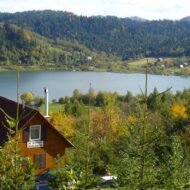
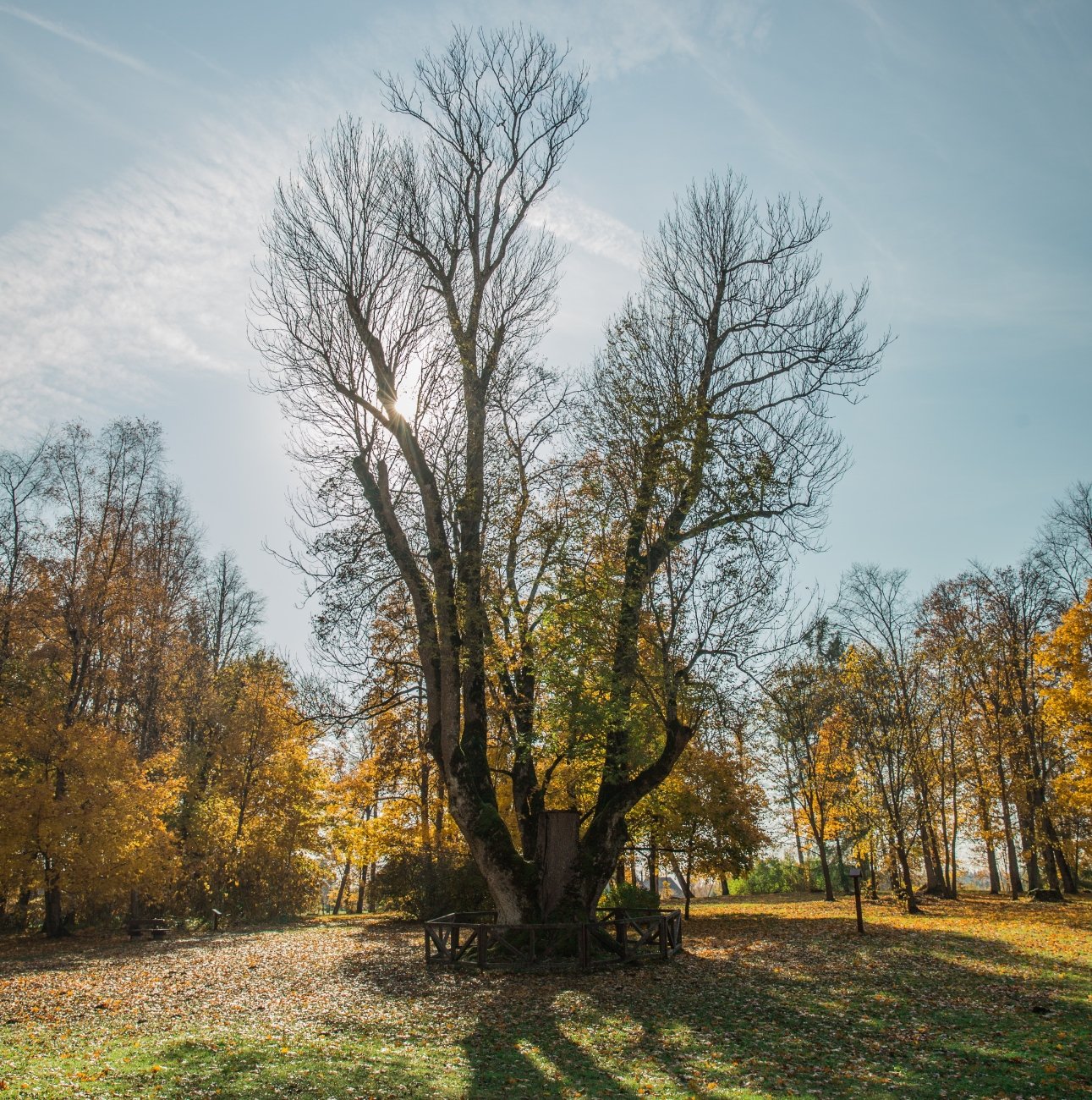
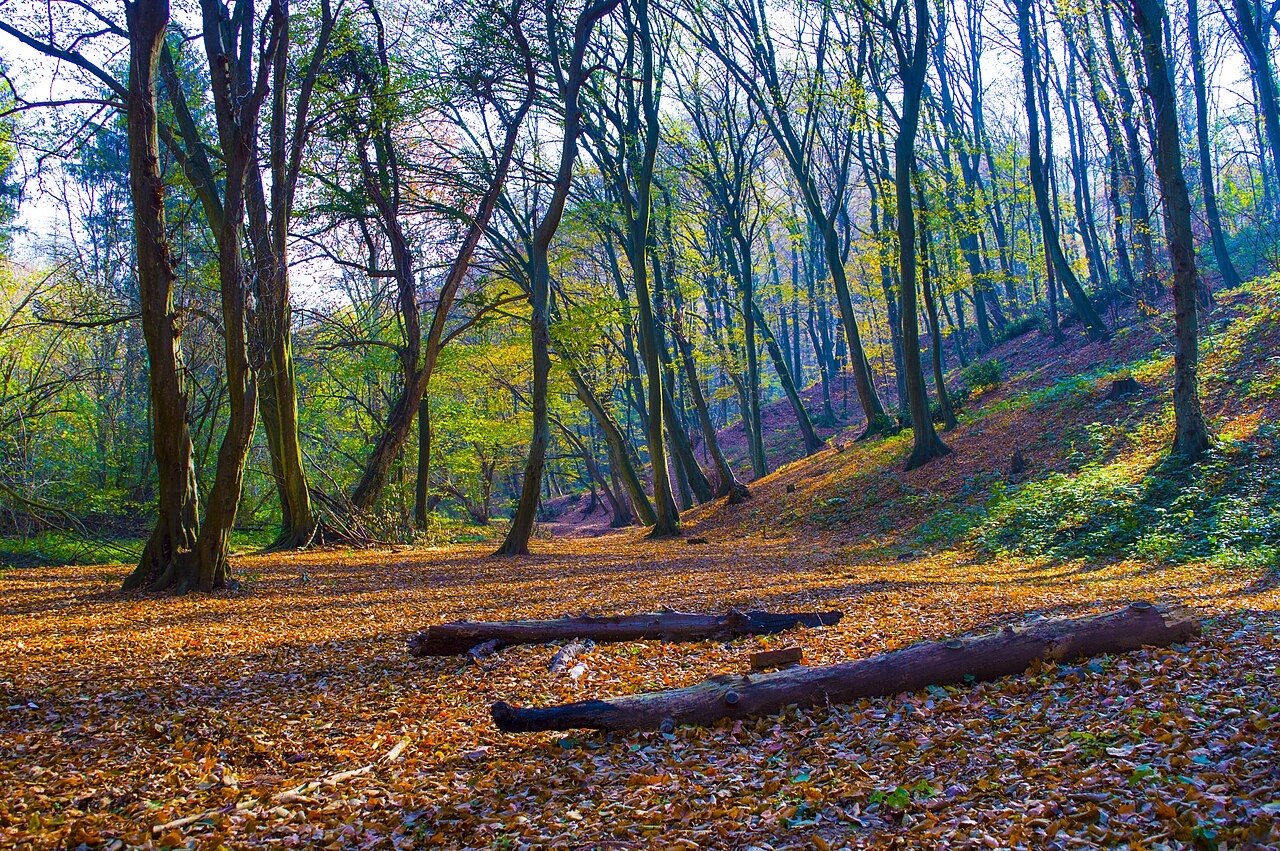
Around 90 percent of the national park is forested, mostly with linden, oak and beech. Marked trails cross the mountain from end to end, linking viewpoints, springs, monasteries and quiet clearings. At Stražilovo, above Sremski Karlovci, the Serbian Romantic poet Branko Radičević is buried on a forested hill. Elsewhere, a medieval tower stands alone in Vrdnik, and an old watermill still turns in Rivica.
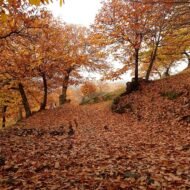
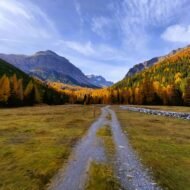
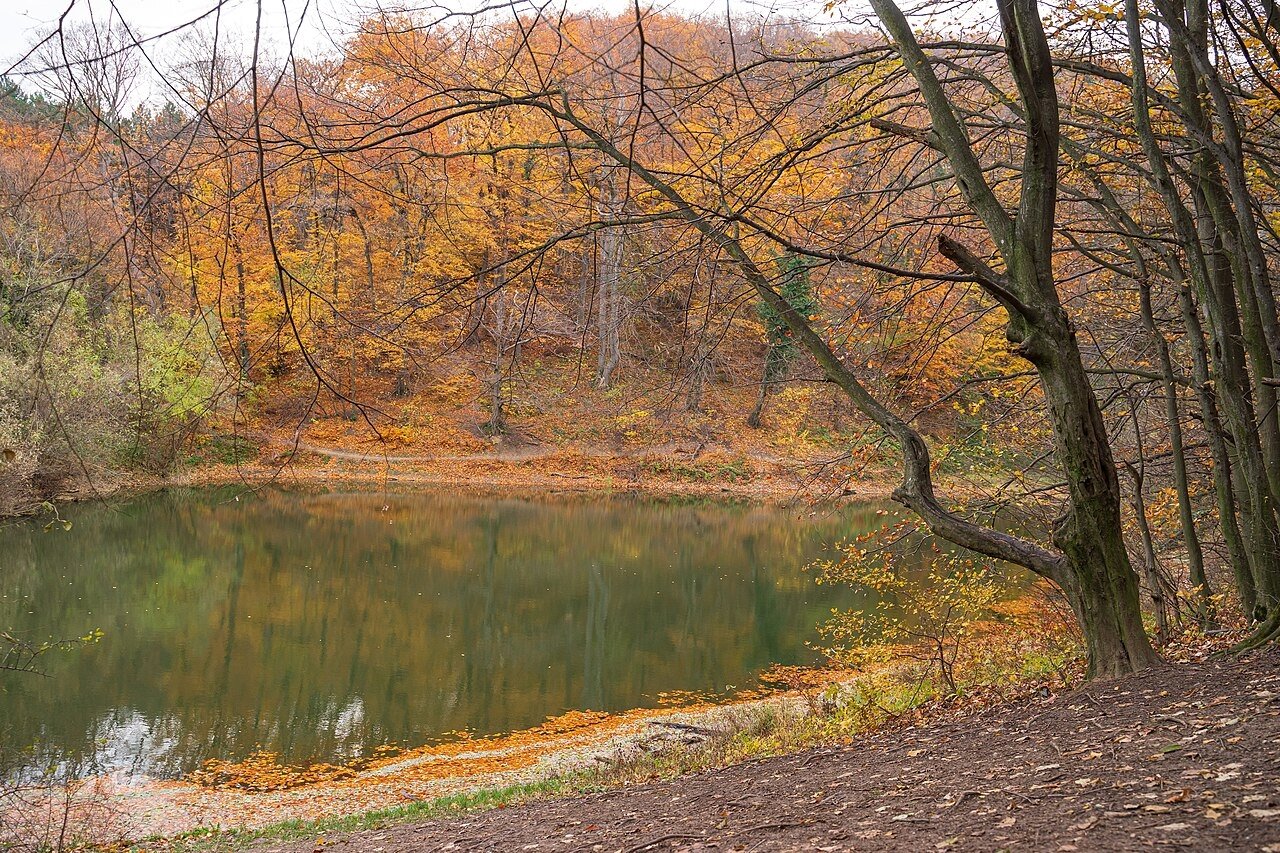
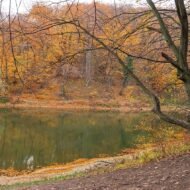
In autumn the forest turns gold and copper, and the trails are almost empty. Hidden in the woods near the Danube there is even a small valley of chestnut trees, one of the mountain’s least-known corners.
In the Field Guide: five of the best walks on Fruška Gora, with maps and distances; the best viewpoints over the Danube; and the hidden places, from the Valley of Chestnuts to forgotten springs.
An island in an ancient sea
Fruška Gora’s rocks come from almost every period of geological history, and the mountain is rich in fossils from the time it was an island in the Pannonian Sea. Its quarries and slopes have revealed remains of ancient marine life, a reminder that this green ridge in the middle of the plain once stood in open water.
In the Field Guide: where to see the mountain’s geology and fossil sites, and how to read the landscape of the old Pannonian Sea.
When to go
- Autumn (September to November): the grape harvest, golden forests and quiet trails. The best season.
- Spring (April to June): fresh green forests, wildflowers, and linden blossom in early summer.
- Summer: warm, with shade in the forests and swimming in the Danube.
- Winter: quiet monasteries and occasional snow on the ridge.
Getting there
Fruška Gora lies just south of Novi Sad, Serbia’s second city, across the Danube. Sremski Karlovci is about 15 minutes away by car, and most of the monasteries are within 30 to 60 minutes. From Belgrade, the drive takes about 1 hour to 1 hour 15 minutes. Local buses run from Novi Sad to the towns around the mountain, but a car is the best way to reach the monasteries and trailheads.
In the Field Guide: a complete two-day route around the mountain, from Novi Sad to the monasteries, the wine villages and the Danube.
Beyond the map
Fruška Gora is the kind of place that doesn’t announce itself. It has no dramatic peaks and no famous landmark. Instead it has a slow, deep beauty: forest roads that lead to quiet monasteries, wine cellars on sunlit slopes, and views across the Danube to a plain that was once the sea. Spend a few days here, and it will stay with you longer than many more famous mountains.
Go deeper: the Fruška Gora Field Guide
[Fruška Gora — The Beyond the Map Field Guide]
This article is the beginning. The Field Guide is the complete journey:
- All sixteen monasteries: history, highlights and the best route between them
- Five forest walks with maps, distances and viewpoints
- The wine route: family wineries, bermet and the harvest season
- Sremski Karlovci: a walking guide to the town
- A two-day itinerary from Novi Sad around the mountain
- Hidden places: the Valley of Chestnuts, springs, fossil sites and forgotten corners
- Offline maps and GPS points for every monastery, walk and viewpoint
→ [Download the Field Guide]
Explore more: Lost Chestnut Valleys of Europe · Trails · Field Guides