

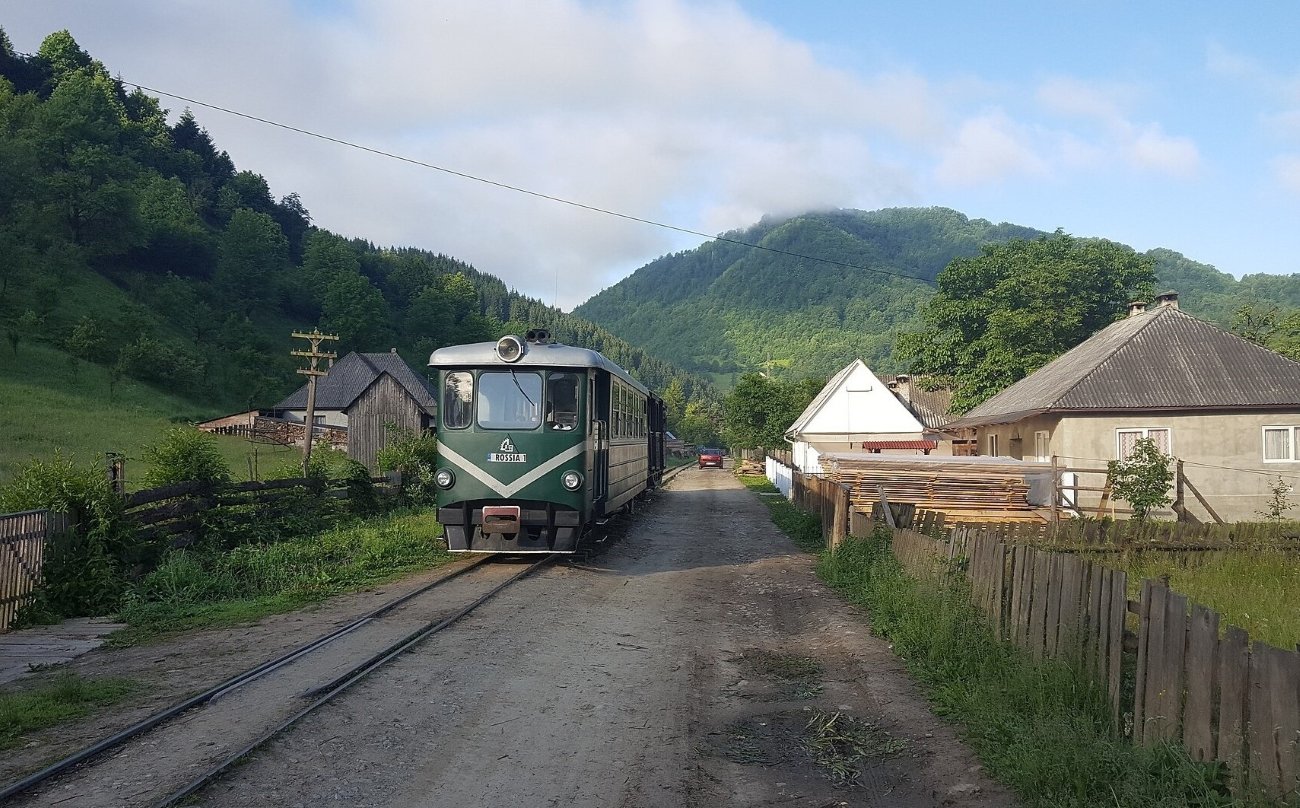
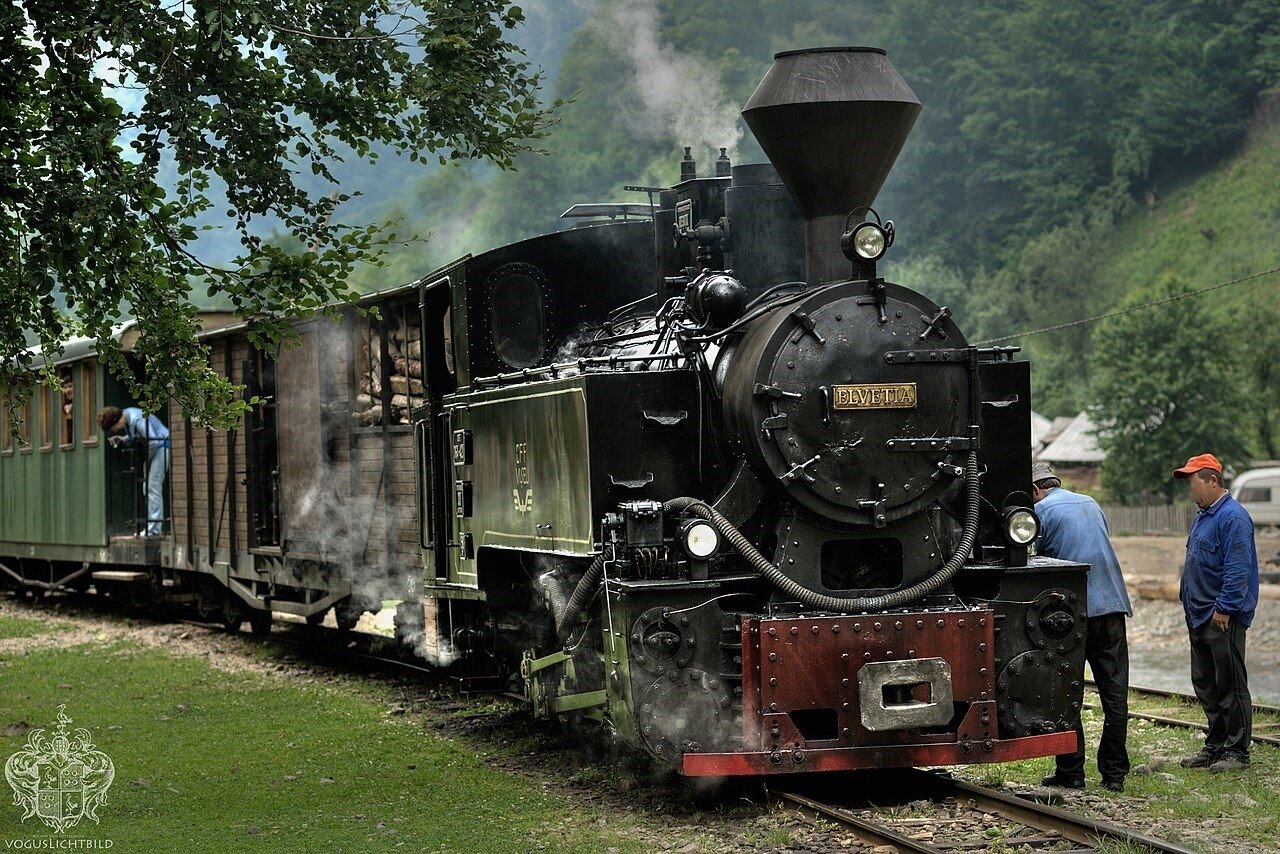
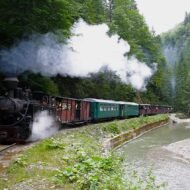
A steam train still climbs into one of the wildest valleys in the Carpathians, carrying logs, forest workers and a few lucky travellers towards the Ukrainian border.
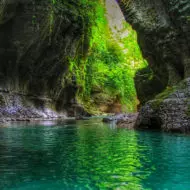
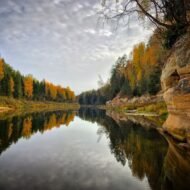
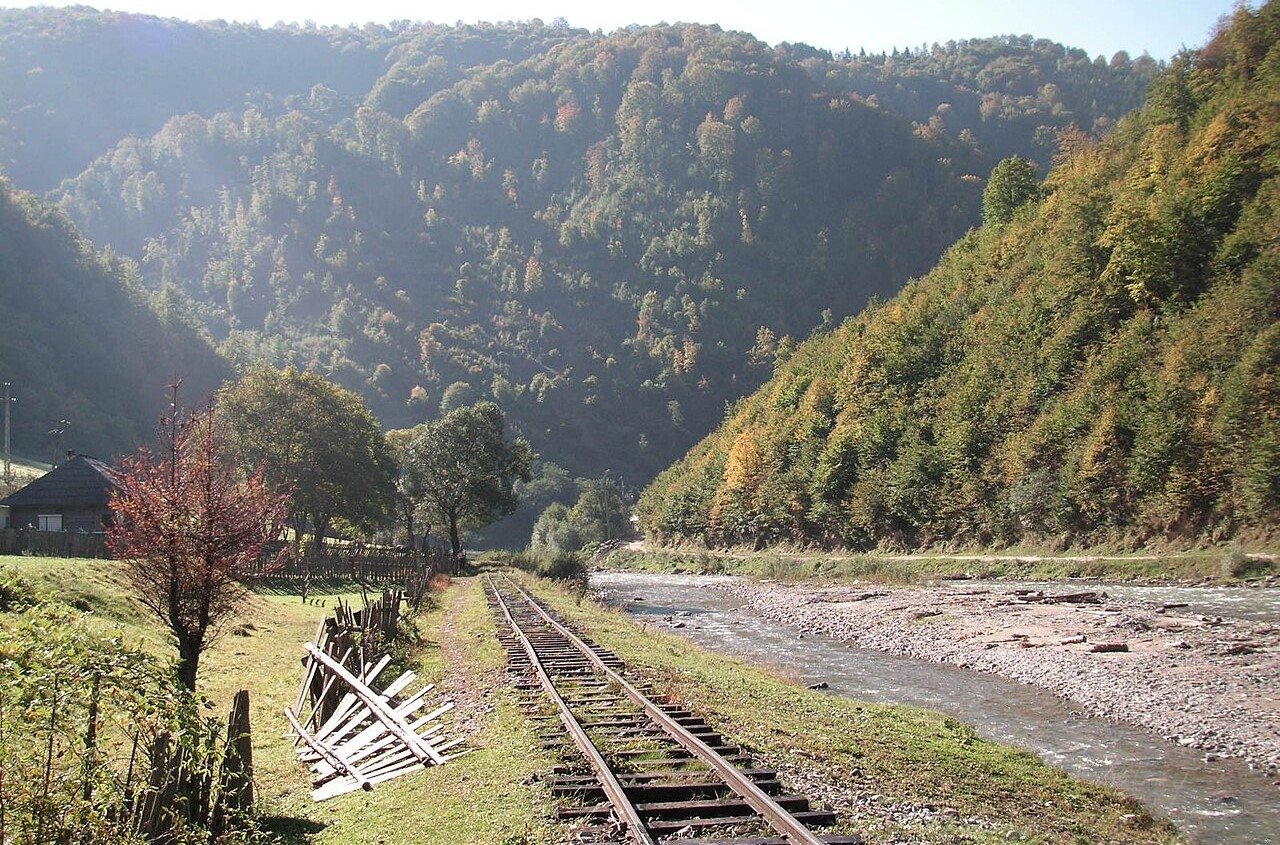
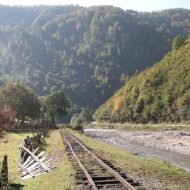
In the far north of Romania, beyond the wooden churches and haystacks of Maramureș, the mountains close in. A narrow valley runs north-east from the town of Vișeu de Sus, deep into forest that stretches unbroken to the Ukrainian border. Its river, the Vaser, rushes for almost 50 kilometres through spruce and beech, past forest camps and clearings, with no road beyond the first few villages.
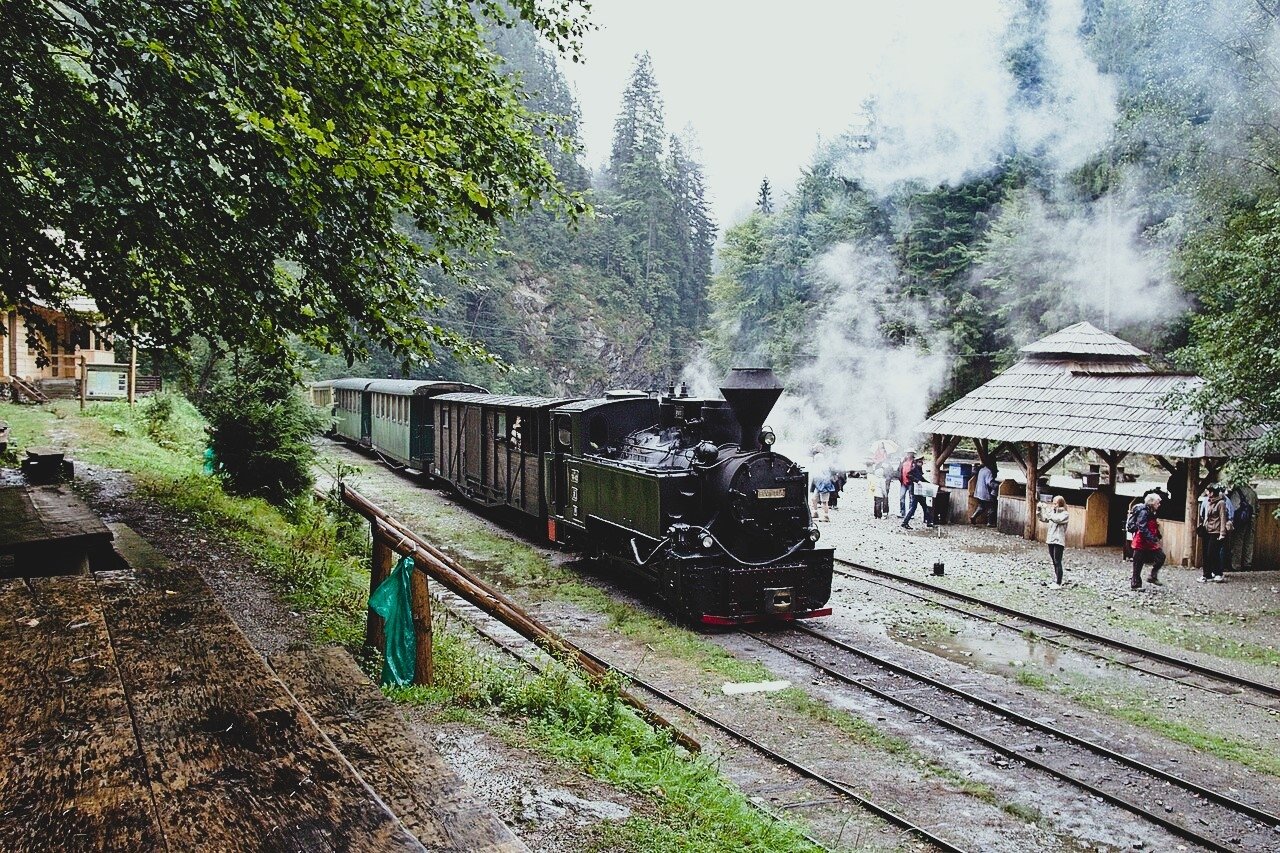
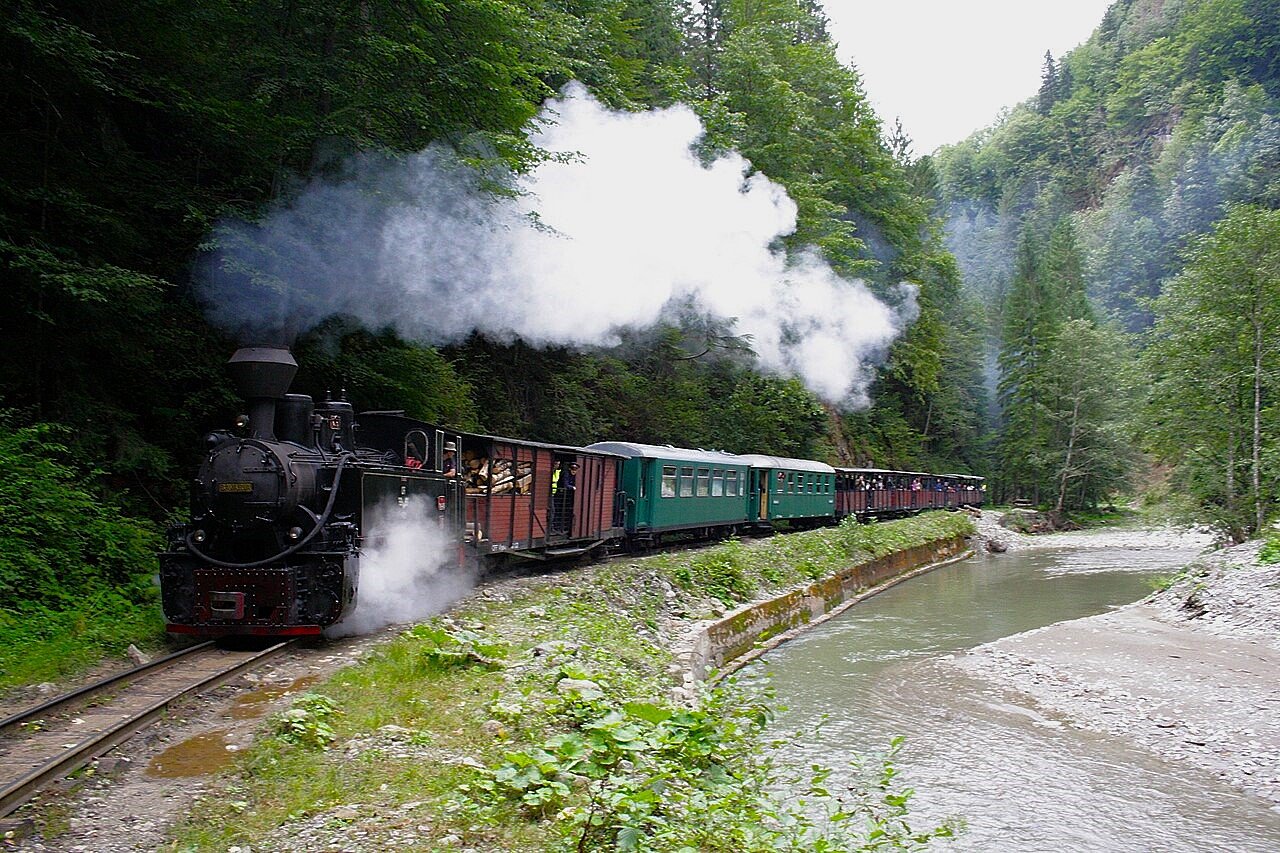
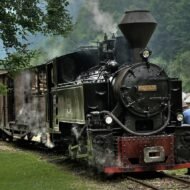
The only way to travel up the valley is the way people have done for nearly a century: by train. The Vaser Valley forestry railway, known locally as the Mocănița, is one of the last working forest railways in Europe. It was built to bring timber down from the mountains, and it still does. Steam locomotives, some of them more than a hundred years old, pull wooden carriages and log wagons along the river, filling the valley with smoke and the sound of the whistle.
At a glance
| Where | Maramureș County, northern Romania, near the Ukrainian border |
| The river | The Vaser, about 48 km long, joining the Vișeu at Vișeu de Sus |
| The railway | Narrow gauge, about 43 km, built in 1933 |
| Known for | Steam trains, old-growth forests, wildlife, Zipser German heritage |
| Best time | Late spring to early autumn for the tourist train; September and October for colour |
| Nearest town | Vișeu de Sus |
The Mocănița: a working steam railway
The forestry railway was built in 1933, along the river from Vișeu de Sus into the mountains, and today runs about 43 kilometres to the forest camp of Comanu. It was never meant for tourists. For decades it carried timber down to the town’s sawmill, and forest workers up to their camps. Remarkably, it still does: the railway remains in daily use for logging, and some of its locomotives burn waste wood from the sawmill.
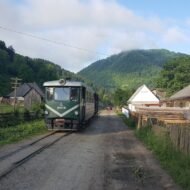
Its oldest working steam engine, Măriuța, was built in 1910 by Orenstein & Koppel in Berlin, and is considered the oldest working narrow-gauge steam locomotive in Romania. Romanian engines from the 1950s and diesels from the 1960s and 1970s complete the fleet. Floods and hard times have damaged the line more than once, and volunteers and supporters from across Europe have helped keep it alive.
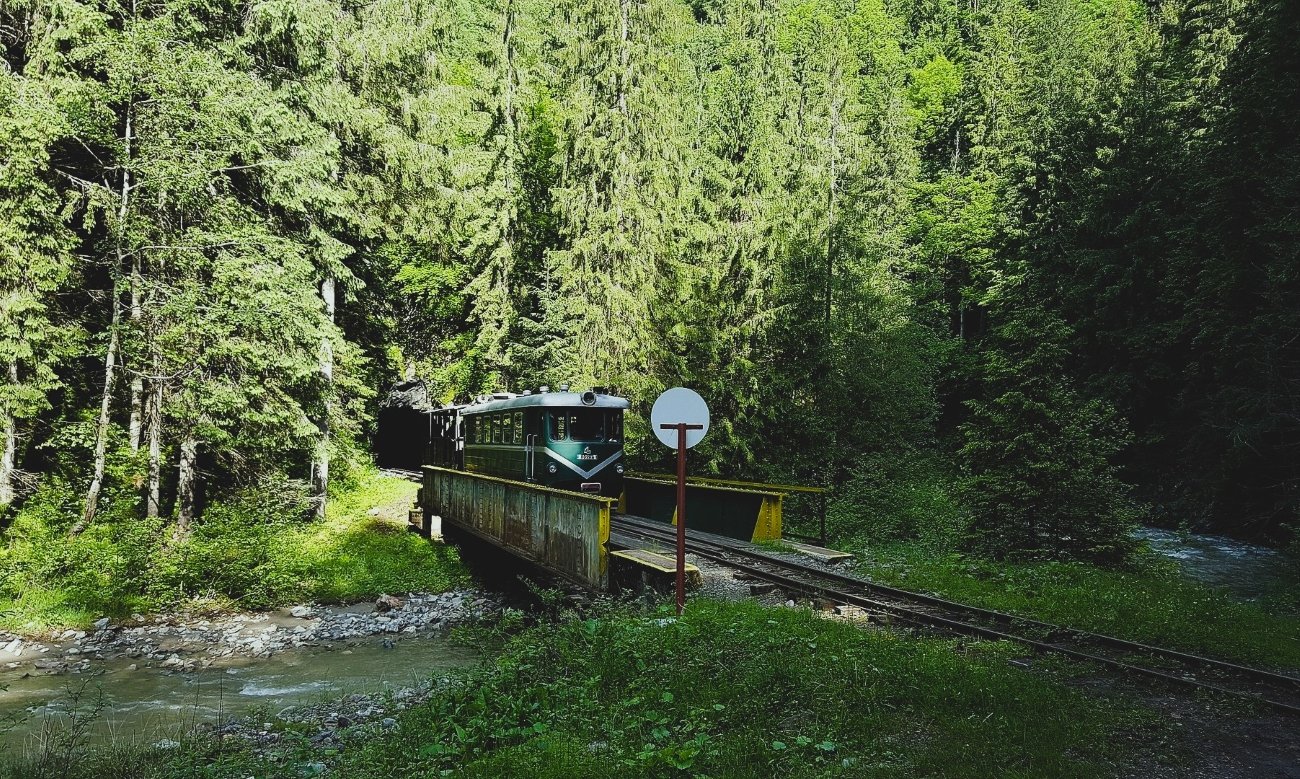
For visitors, a tourist train runs part of the way, about 22 kilometres up the valley to the station of Paltin. The ride is slow and unforgettable: the train stops to take on water for the engine, crosses wooden bridges over the river, and climbs through forest where the only signs of people are the railway itself. At Paltin there is a riverside stop of about an hour, with a picnic area and, on many days, local folk music and dancing. The whole round trip takes around six hours.
Good to know: in high season the train is busy; book ahead and arrive early. Open wagons are best for photos, enclosed ones for cold or wet days.
Into the wild valley
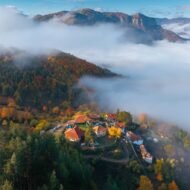
Beyond the tourist route, the Vaser Valley becomes one of the wildest places in Romania. It lies within the Maramureș Mountains Natural Park, an immense area of forest, high pastures and rocky ridges along the Ukrainian border. Brown bears, wolves and lynx still live here, along with red deer and rare forest birds. Parts of the valley’s forests are among the most remote in the Carpathians, and their protection has become an important local debate, as logging and conservation compete for the same mountains.
For experienced hikers, the forest roads and trails along the valley lead to remote camps, side valleys and mountain ridges. There are no villages in the upper valley, and very few services: this is real wilderness, best explored with a local guide.
The Zipsers of Vișeu de Sus
The forestry railway is tied to an older story. Around 1770, under the Habsburg emperor Joseph II, German-speaking colonists from the Spiš region (in today’s Slovakia) were brought to Vișeu de Sus to work in the forests. Known as Zipsers, they cleared and planted the mountainsides, rafted timber down the rivers, and settled in their own neighbourhood of the town, Țipțerai, which took shape in the early 19th century.
A small Zipser German community still lives in Vișeu de Sus today, and their forestry tradition shaped the town and the railway that grew from it. In the town, the wooden houses, the German church and the railway yard still carry the memory of that history.
When to go
- Late spring and summer: the main season for the tourist train, with green forests and long days.
- September and October: autumn colour in the beech forests, fewer visitors, and the last weeks of the tourist season.
- Winter: deep snow; the tourist train usually does not run, but the town and the surrounding villages of Maramureș are beautiful in their winter customs.
Check the current timetable before travelling: the tourist season and the number of trains change from year to year.
Getting there
Vișeu de Sus lies in the north-east of Maramureș County. By car, it is about an hour from Sighetu Marmației and about 2 hours 30 minutes from Baia Mare. The nearest national railway station is Vișeu de Jos, about 4 kilometres away, with long-distance trains from Cluj-Napoca and Bucharest. The forestry railway station is on the eastern edge of Vișeu de Sus.
Combine the valley with the rest of Maramureș: the UNESCO wooden churches of the Iza Valley, the Merry Cemetery of Săpânța and the village life described in our article on Europe’s living folk culture.
Beyond the map
Few places in Europe still work the way they did a century ago. In the Vaser Valley, a steam engine climbs into the forest each morning, logs come down to the sawmill, and the river runs through mountains where bears outnumber people. Ride the train up the valley, step off at Paltin, and listen: the whistle echoing between the trees is one of the last sounds of an older Europe.
Read next: Where Europe’s Folk Culture Still Lives (Maramureș) · Europe’s Forgotten Mountain Railways (update with the published URLs)
Carry the journey with you: Beyond the Map Field Guides
Overland & Campervan in the Balkans — The Beyond the Map Road Guide For travellers continuing south from Maramureș, by road, into the mountain villages of the Balkans.
Hidden Europe — The Beyond the Map Map The Vaser Valley and hundreds of other places, on one map of the Europe most travellers never see.
Explore more: Wild Europe · Living Traditions · Terra Incognita