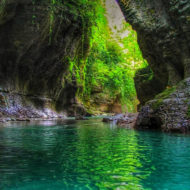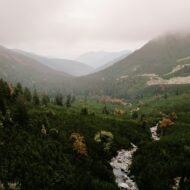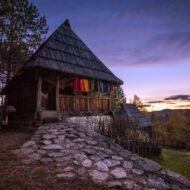


Everyone who goes to the Baltics comes back saying the same thing: why did it take me so long?
- Why the Baltics reward the traveler who goes further
- Best hiking trails in the Baltic states
- Best photography locations in the Baltic states
- The Baltic scenic drive — the coastal road from Tallinn to Vilnius
- Best time to visit the Baltic states
- Hidden towns worth stopping in
- Practical information
- You might also like
It is one of Europe’s most consistent surprises — three countries that manage to be simultaneously ancient and forward-looking, deeply forested and dramatically coastal, quiet almost everywhere and unexpectedly sophisticated in their capitals. The food is better than expected. The prices are lower than expected. The landscapes are wider and emptier than almost anywhere else in the European Union.
And yet most travelers who go still see only the capitals. Tallinn’s old town, Riga’s Art Nouveau, Vilnius’ baroque. All of them genuinely beautiful. None of them the most interesting thing in their respective countries.
This is the guide to the Baltics beyond the cobblestones.
Why the Baltics reward the traveler who goes further
The three Baltic states — Estonia, Latvia, and Lithuania — cover an area roughly the size of Britain but are home to fewer than seven million people combined. The practical consequence of this is empty space: forests that account for more than half the total land area of Estonia alone, coastlines that run for hundreds of kilometres without a resort town in sight, national parks where the trails are well-marked and the chances of meeting another walker are genuinely low.
The infrastructure is better than the reputation suggests. Roads are in good condition. Accommodation ranges from well-run guesthouses in small towns to design hotels in the capitals. English is spoken almost universally among people under fifty. The Schengen area covers all three countries, which means no border formalities between them and free movement from the rest of the EU.
The reason they remain undervisited has less to do with access and more to do with perception. The Baltics are not yet in the mental shortlist that most European travelers carry. That is, for the moment, their greatest advantage — and the reason to go now rather than later.
Best hiking trails in the Baltic states
The Baltics are not mountain countries — the highest point in Estonia is 318 metres — but the hiking is genuinely rewarding for different reasons: ancient forest trails, coastal paths above limestone cliffs, river valley walks through sandstone gorges, and bog boardwalks across landscapes that have no equivalent anywhere else in Europe.
| Trail | Country | Distance | Difficulty | What you’ll see |
|---|---|---|---|---|
| Lahemaa Coastal Trail | Estonia | 35 km | Easy | Boulders, peninsulas, manor parks |
| Gauja River Canyon Trail | Latvia | 22 km | Moderate | Sandstone cliffs, river valley, forest |
| Aukštaitija Bog Boardwalk | Lithuania | 4 km | Easy | Open bog, pine islands, complete silence |
| Saaremaa Coastal Path | Estonia | 18 km | Easy | Limestone cliffs, windmills, sea views |
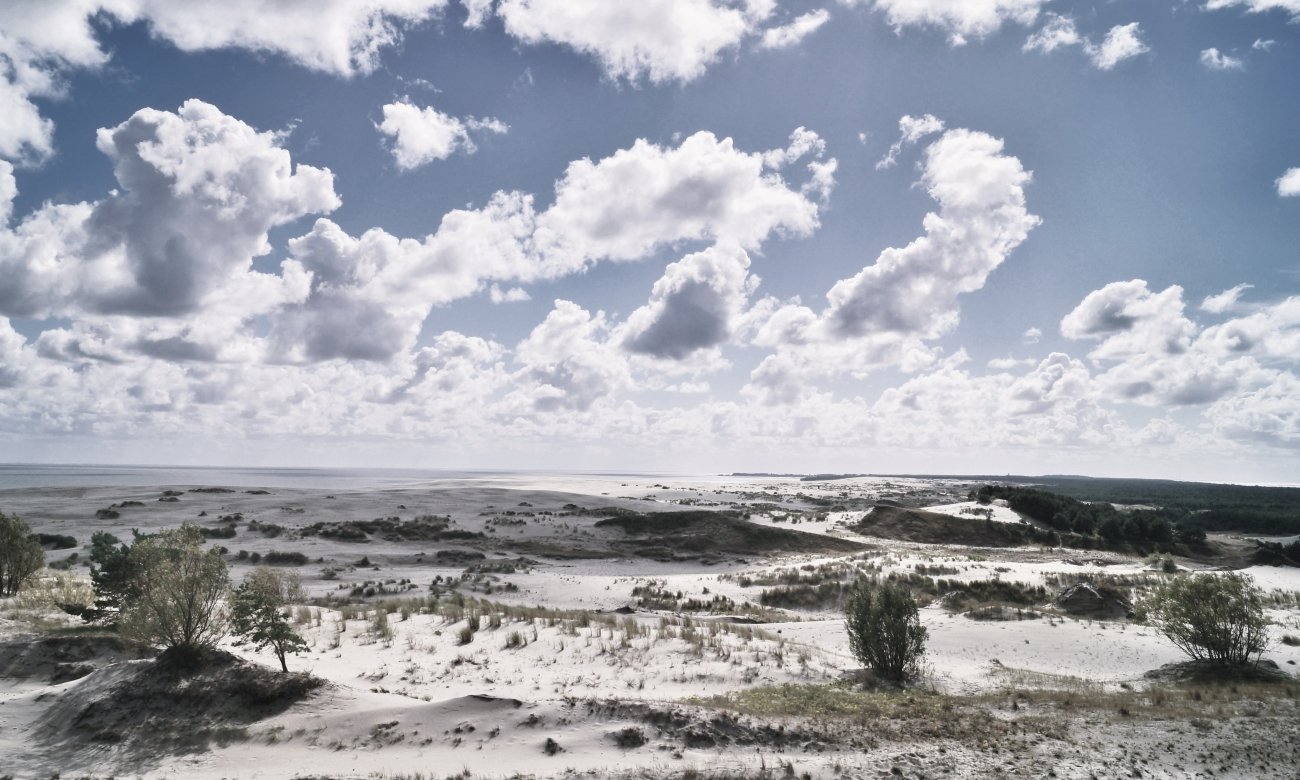
| Curonian Spit Dune Trail | Lithuania | 12 km | Moderate | Towering sand dunes, pine forest, lagoon |
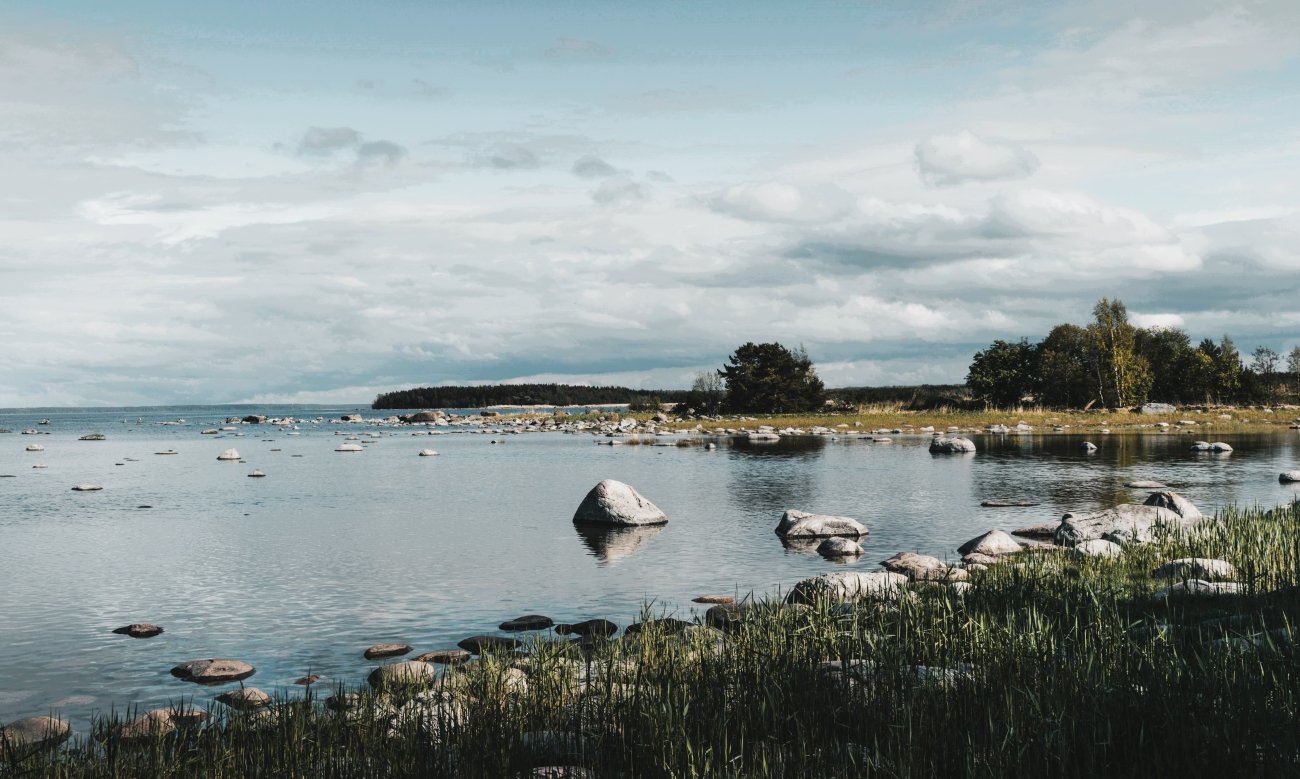
Lahemaa Coastal Trail — the most varied day walk in Estonia. The path follows the Lahemaa National Park coastline east of Tallinn through four distinct landscapes: the boulder shore at Käsmu, the wooded peninsulas of Pärispea, the Altja fishing village preserved in its nineteenth-century form, and the linden avenue of Sagadi Manor. Estonia’s wetland landscapes extend well beyond the coast — if the bog environment captivates you, the Viru Bog trail in Lahemaa National Park is one of the most accessible and atmospheric walks in the entire country, crossing open raised bog on a wooden boardwalk with views that have no equivalent anywhere else in northern Europe. Allow a full day from Tallinn with a hire car or the Lahemaa national park bus.
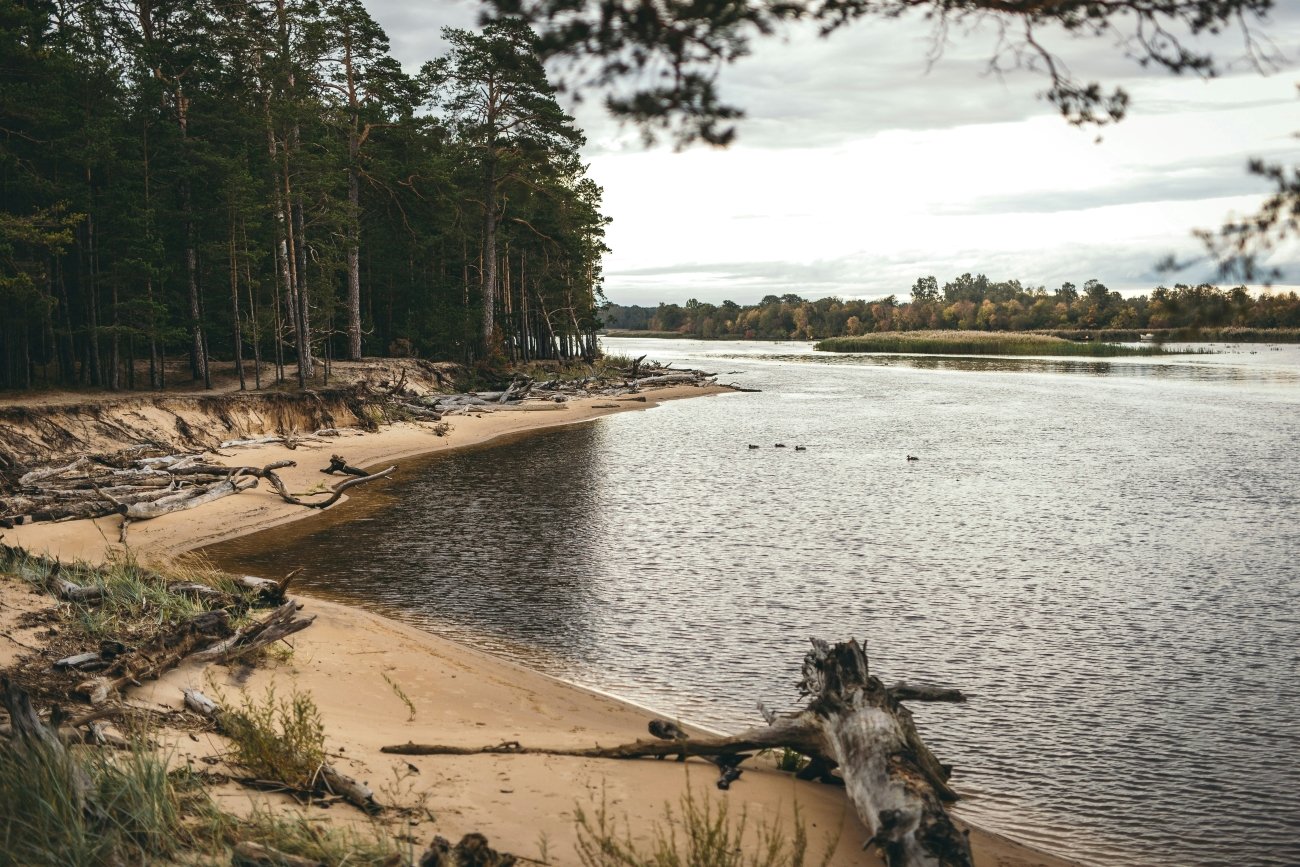
Gauja River Canyon — the signature walk of Latvian Switzerland. The trail runs along the ridge above the Gauja river between the towns of Sigulda and Cēsis — both of which have medieval castle ruins worth stopping at. The sandstone outcrops along the river bank are covered in ancient carvings dating back centuries. The full trail is best done over two days, staying overnight in Cēsis.
Aukštaitija Bog Boardwalk — Lithuania’s Aukštaitija National Park contains some of the most pristine raised bog in Europe. The boardwalk trail crosses open bog landscape that is simultaneously alien and serene. The silence on a windless morning is complete. Four kilometres, allow two hours, bring a telephoto lens — the bird life is exceptional.
Curonian Spit Dune Trail — the Curonian Spit is Lithuania’s most dramatic landscape. The dune trail runs through the Nagliai Nature Reserve on the Lithuanian side, through pine forest and up to the highest accessible dune faces. The views across the lagoon from the ridge are among the finest in the entire Baltic region.
Best photography locations in the Baltic states
The Baltics offer some of the most underrated photography in Europe, precisely because so few photographers have been there. These locations have the quality of places that haven’t been photographed to exhaustion.
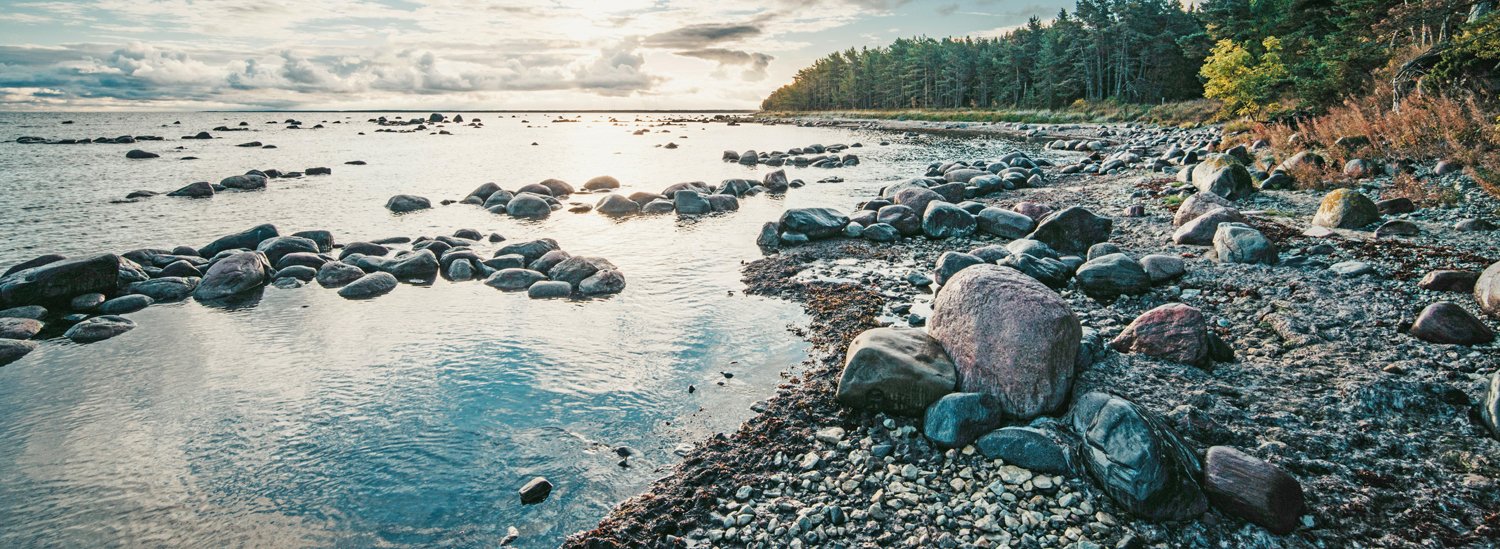
Käsmu Peninsula, Lahemaa, Estonia — the “Captain’s Village” at the tip of the Käsmu Peninsula has a boulder beach unlike anything else in Europe — smooth grey and pale green granite scattered into the sea for kilometres. Golden hour from the western shore of the peninsula, looking back toward the mainland through the boulders. Coordinates: 59.5831° N, 25.8641° E
Turaida Castle above the Gauja, Latvia — the red-brick tower of Turaida Castle rises above the Gauja river valley on a wooded hill. From the river bank at blue hour the castle is lit against a sky that, in autumn, contains more colours than it has any right to. Coordinates: 57.2052° N, 24.8584° E
Curonian Spit dunes at sunrise, Lithuania — the Nagliai Nature Reserve on the Lithuanian side of the Curonian Spit contains the highest accessible dunes. Arrive before sunrise, climb the viewing path in the dark, and wait. The light comes over the lagoon first, then catches the dune faces. Forty minutes of photography that will not look like anything else in your archive. Coordinates: 55.3497° N, 21.0642° E
Saaremaa windmills, Angla, Estonia — four restored nineteenth-century windmills on a hill above open farmland, with the sea visible on the horizon. The most characteristically Estonian landscape available in a single frame. Best in low winter light or on a moody overcast day when the sky has structure. Coordinates: 58.5219° N, 22.7432° E
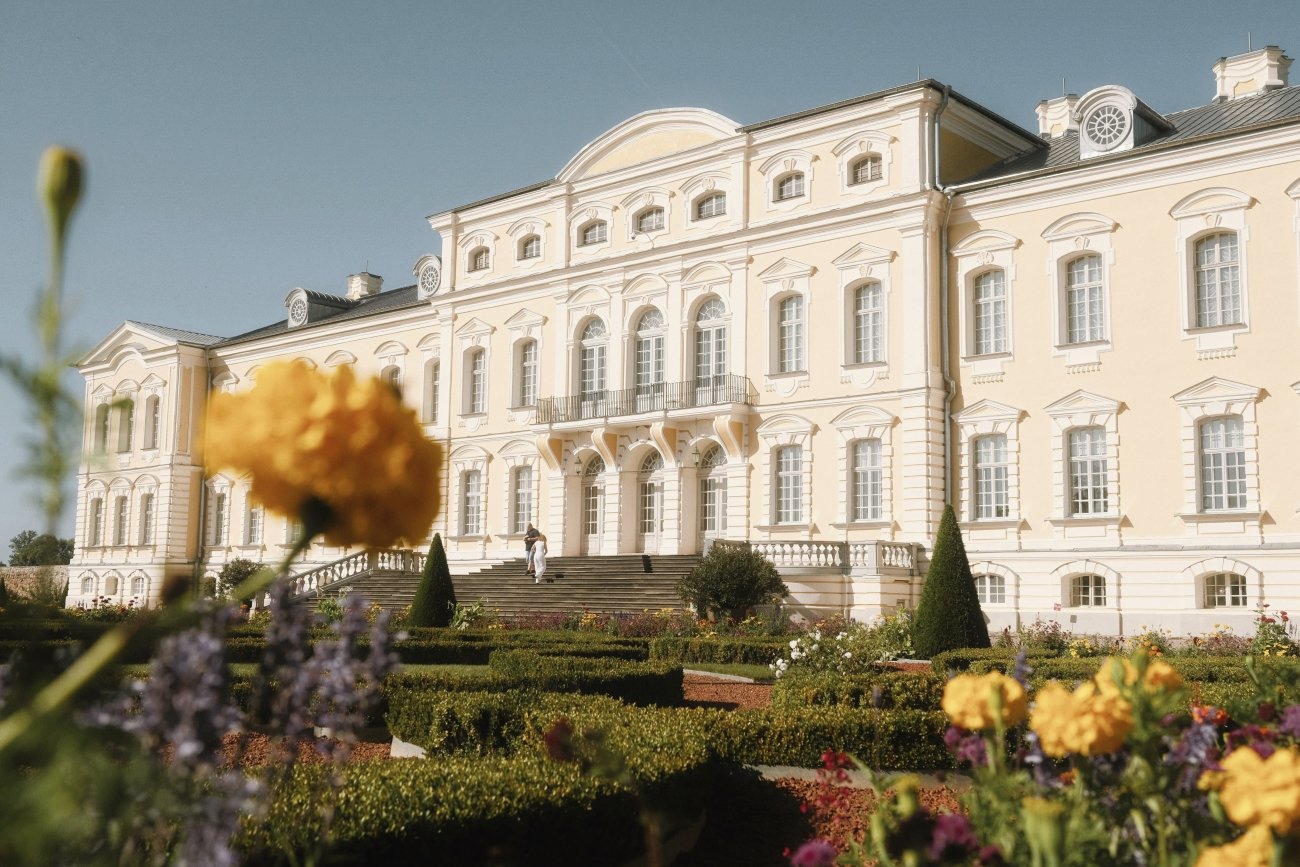
Rundāle Palace gardens, Latvia — the formal gardens in May when the tulips are in bloom, shot from the upper floor windows looking down into the parterres. No one else will be taking this shot. Coordinates: 56.4172° N, 24.0218° E
Hill of Crosses, early morning, Lithuania — the cross density is overwhelming at any time of day, but in early morning light, with mist in the valley below and the crosses casting long shadows, the site has a quality that afternoon visits don’t capture. Coordinates: 56.0152° N, 23.4175° E
Viru Bog at dawn, Estonia — one of the most photogenic wetland landscapes in northern Europe. The boardwalk crosses open raised bog — pale sedge, isolated pine islands, dark water channels — in a landscape that looks prehistoric at golden hour. Arrive at first light before any other visitors reach the trailhead. The reflection of the sky in the still bog pools in the first twenty minutes of sunrise is the shot. Coordinates: 59.5063° N, 25.5989° E
The Baltic scenic drive — the coastal road from Tallinn to Vilnius
The most logical way to see all three countries is to drive the western coastal route from north to south — from Tallinn through the Estonian islands and the Latvian coast to the Lithuanian dune country and finally to Vilnius. Allow seven to ten days. The distance is approximately 900 kilometres.
Day 1–2: Tallinn and Lahemaa Base in Tallinn. Spend day one in the old town — genuinely beautiful, worth the crowds. Enter through the Viru Gate, the medieval limestone towers that mark the most atmospheric entrance to the old city. Built at the end of the thirteenth century and rebuilt in the fourteenth, the gate is one of Tallinn’s most photographed landmarks — but the view looking back through the arch from inside the old town, with the towers framing the modern city beyond, is the one worth stopping for. Leave by midday on day two for Lahemaa — 70 kilometres east. Drive the coastal road through Käsmu, Altja, and Sagadi. Stay overnight in a Lahemaa guesthouse.
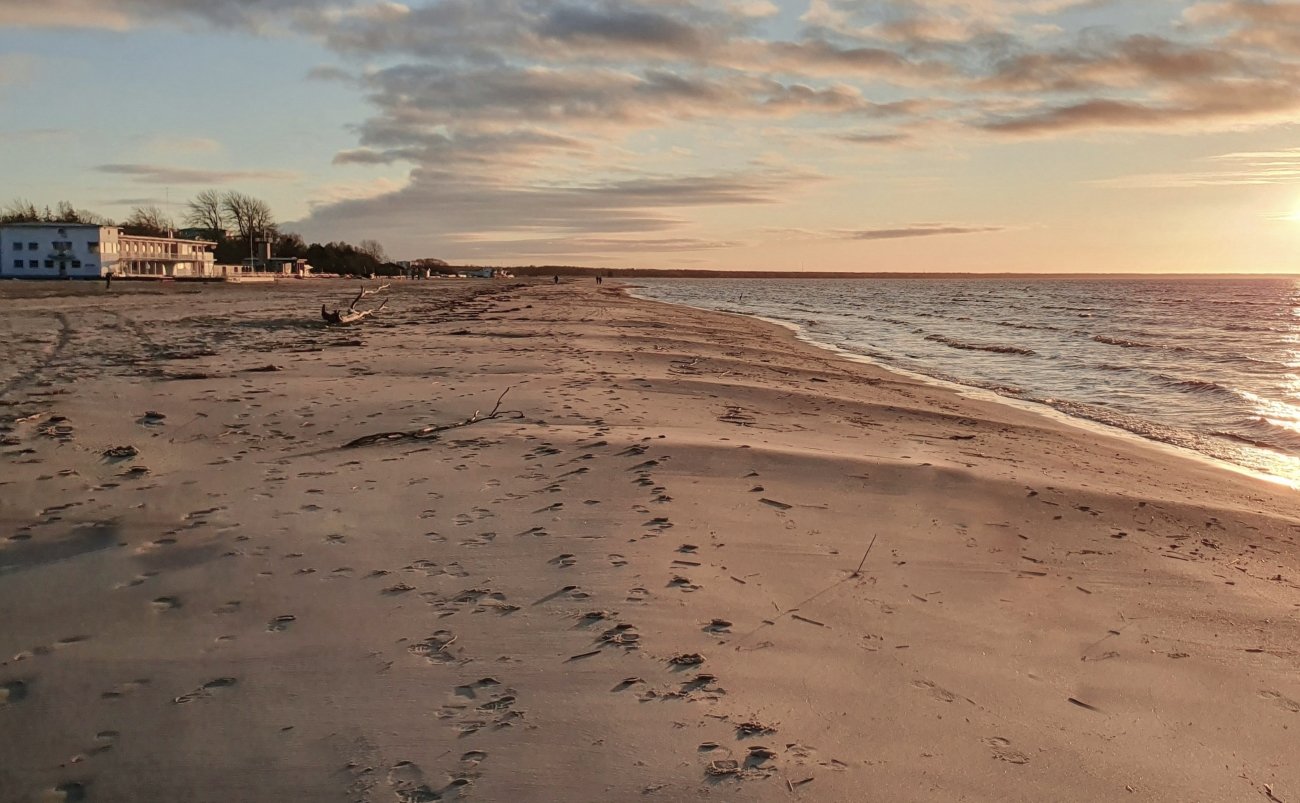
Day 3: South through Estonia to Pärnu Drive south through the interior of Estonia — flat, forested, agricultural, deeply quiet — to Pärnu on the coast. The resort town is pleasant out of season, with a long pale beach and a well-preserved Art Nouveau villa district.
Day 4: The Estonian islands — Saaremaa Ferry from Virtsu to Muhu (20 minutes), then the causeway to Saaremaa. Drive the island circuit: Angla windmills, Kaali meteorite crater, Sõrve Peninsula lighthouse, Kuressaare castle. Stay overnight on Saaremaa. This is the single best day of the entire route.
Day 5: South into Latvia — Rundale and Riga Ferry back to the mainland, drive south across the Latvian border to Rundale Palace (allow two hours), then north to Riga. Arrive in the early evening. Walk the Art Nouveau district in the last light. On your way into the old city the following morning, look for the Swedish Gate on Torņa Street — the only surviving gate in Riga’s medieval city wall, built during Swedish rule in 1698. It is easy to miss and almost always quiet. The baroque building incorporated into the gate tower was once a guardhouse; the legend of the red rose placed in the window by a soldier’s lover before his execution is one of those Riga stories that feels too specific to be invented.
Day 6: Riga and the Gauja Valley Morning in Riga’s Central Market — the largest covered market in Europe, housed in five former zeppelin hangars. Afternoon drive east to Sigulda and the Gauja National Park. Walk the river valley before dark.
Day 6b: Liepāja detour — for the western coast If your schedule allows an extra day in Latvia, the detour west to Liepāja is worth every kilometre. Latvia’s third largest city sits on the Baltic coast, three hours southwest of Riga, and has a character entirely different from the capital — a former military port town with an abandoned Soviet naval base, a beach that stretches for kilometres, a musical heritage that has earned it the title of Latvia’s rock capital, and a historic centre that remained frozen in time during the Soviet decades and is only now beginning to be discovered. The Karosta district — a vast former Russian imperial and Soviet military settlement north of the city — is one of the most extraordinary urban landscapes in the entire Baltic region.
Day 7: South through Latvia to Lithuania — Šiauliai and the Hill of Crosses Drive south through flat Latvian farmland to the Lithuanian border and directly to the Hill of Crosses near Šiauliai. Allow an hour. Continue south to Vilnius for the final two nights.
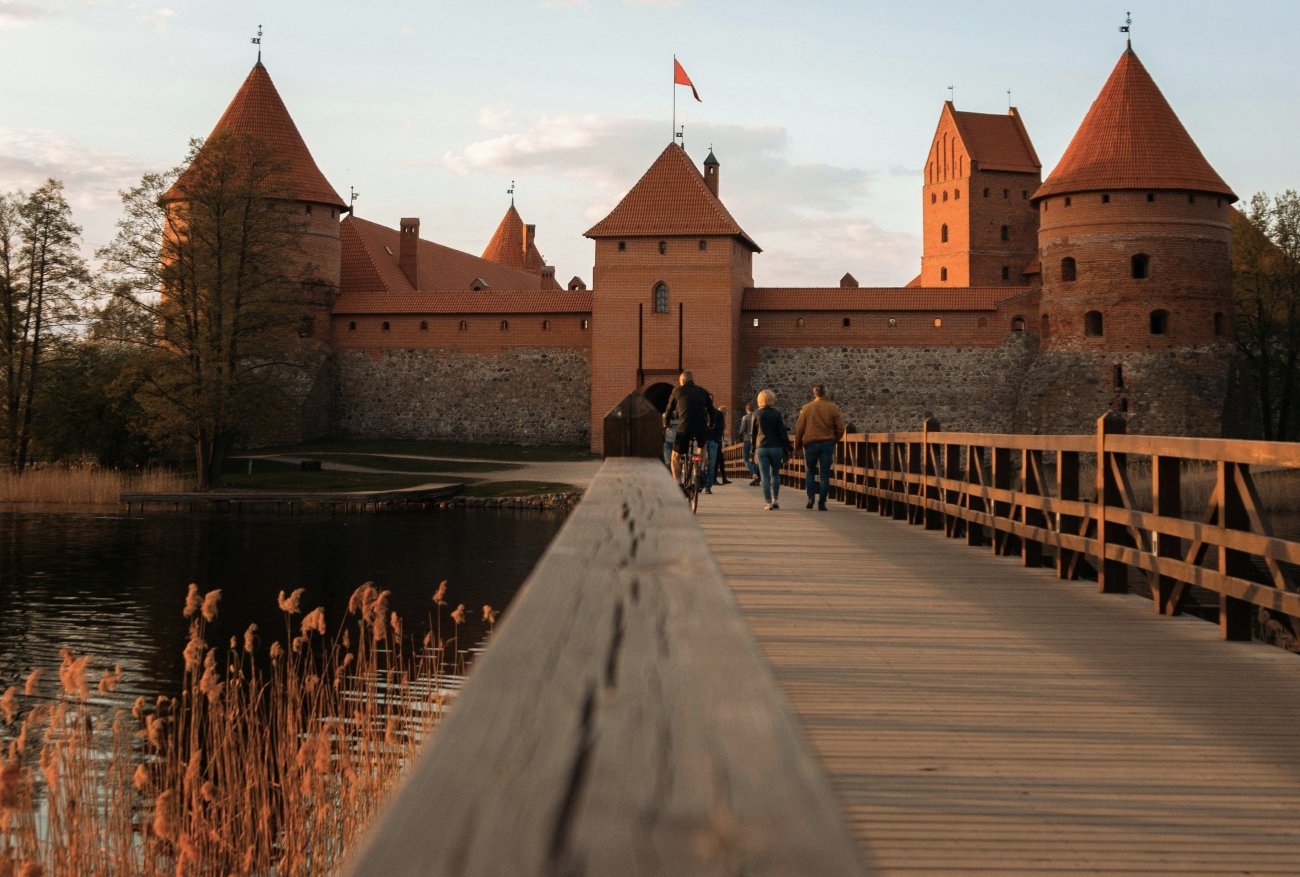
Day 8–9: Vilnius and Trakai Vilnius is the most underrated capital in the Baltics — larger than Tallinn or Riga, with a baroque old town, a self-declared breakaway republic (Užupis), and a food and coffee culture that punches significantly above its weight. Day trip to Trakai castle on the second day.
Best time to visit the Baltic states
May — the best month The long Baltic spring arrives in May. The light is extraordinary — low sun, long evenings, the kind of golden hour that lasts ninety minutes. The forests are a sharp fresh green. Crowds are minimal. Accommodation is at shoulder-season prices. The Lahemaa manor house gardens are in bloom. Viru Bog in May, when the bog cotton is out and the light is low across the open moor, is one of the finest seasonal experiences in the entire region.
June — long days, warm enough The Baltic summer is short and genuinely pleasant rather than hot. June brings near-white nights in Estonia — the sky never fully darkens. The sea is cold but swimmable by late June. This is when the region feels most alive without being crowded.
September–October — the second window The forest colour arrives in September. By mid-October the birch and aspen have turned gold and the landscape is as photogenic as it gets. The amber washes up on the Latvian coast after autumn storms. Crowds are gone. Prices are down. The light is at its best. Nida on the Curonian Spit in September — the fishing village that Thomas Mann described as the Baltic’s most beautiful place — is empty enough to feel like a private discovery. The dunes above the town at low evening light in early October are extraordinary.
December — for Riga and Vilnius Christmas markets Both cities run excellent Christmas markets with genuine local craft rather than the generic pan-European product. Vilnius in particular has a market in the Cathedral Square that is worth travelling for. Cold, dark, and entirely worth it.
July–August — manageable but different The Baltics in high summer are busy by local standards but not by European resort standards. Pärnu and Jūrmala fill with Scandinavians. The popular trails in Lahemaa and Gauja are busier. The cities are at their most vibrant. A perfectly valid time to visit — just different in character.
Hidden towns worth stopping in
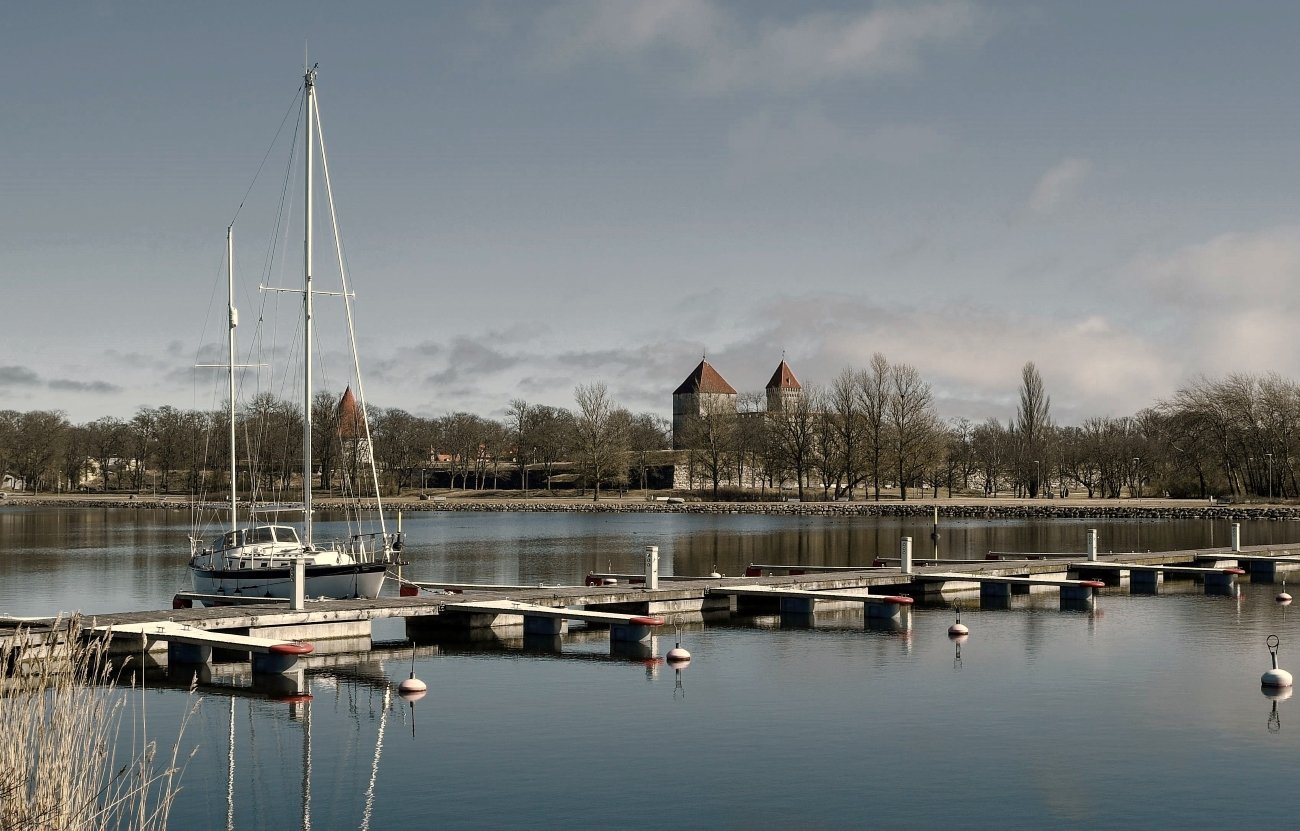
Haapsalu, Estonia — a small coastal town in western Estonia with a ruined bishop’s castle, a beachside promenade, and wooden houses that have been photographed for their pastel paintwork since the nineteenth century. Tchaikovsky came here to cure his nerves. The train from Tallinn no longer runs — hire a car.
Cēsis, Latvia — arguably the most beautiful small town in Latvia. A medieval castle, a craft beer culture that developed organically rather than being imported, and a town square that has remained architecturally coherent for several centuries. An excellent base for Gauja National Park.
Kuldīga, Latvia — a baroque town in western Latvia that has been UNESCO-listed for its well-preserved historic centre. The Venta waterfall — the widest in Europe at 249 metres — runs through the centre of town. Visit in spring when the salmon and lamprey run the falls.
Nida, Lithuania — the most beautiful settlement on the Curonian Spit, Nida sits at the southern end of the Lithuanian section between the dunes and the lagoon. The village has a small harbour, traditional fishermen’s houses painted in the characteristic blue and red of the Curonian fishing community, and a beach that faces the lagoon rather than the open Baltic — calm, shallow, and warm enough to swim in by early July. Thomas Mann spent three summers here in the 1930s; his wooden summer house above the dunes is now a museum. The amber museum in the village centre has the finest collection of Baltic amber on the spit.
Liepāja, Latvia — Latvia’s third largest city and its most underrated. The Karosta military district north of the centre is one of the most extraordinary abandoned urban landscapes in the Baltics. The beach stretches for twenty kilometres north with almost no development. Worth an overnight stay.
Anykščiai, Lithuania — a small town in northeastern Lithuania with a treetop walkway through ancient forest, a narrow-gauge railway museum, and a horse breeding heritage that has produced some of the most visited stud farms in the Baltics. Unknown to almost all international visitors.
Haanja, Estonia — the village at the foot of Suur Munamägi, the highest point in the Baltic states at 318 metres. The surrounding landscape of lakes and forest in autumn is the closest the Baltics come to the Nordic wilderness aesthetic. Stay in one of the farm guesthouses.
Practical information
Getting around: A hire car is essential for anything beyond the capital cities. Public transport between capitals is good — buses are more reliable than trains. Within Estonia, the national bus network (Lux Express) is excellent.
Border crossings: All three countries are in the Schengen area. No passport control between them. The road from Tallinn to Vilnius crosses two borders without formality. Use the Schengen Calculator to track your 90-day allowance if you’re combining the Baltics with other EU countries on the same trip.
Language: Estonian is Finno-Ugric and bears no resemblance to any other European language. Latvian and Lithuanian are Baltic languages — similarly impenetrable to outsiders. English is widely spoken everywhere that matters. Russian is understood but not always welcomed, particularly in Estonia and Latvia.
Money: All three countries use the euro. Prices are significantly lower than Western Europe — a good restaurant meal in Vilnius costs roughly half what it would in Berlin.
Best ferry routes: Tallinn–Helsinki (2.5 hrs, runs several times daily — makes Helsinki a natural add-on to any Baltic trip). Stockholm–Tallinn (overnight, highly recommended). Stockholm–Riga (overnight). All on major Baltic ferry operators.
You might also like
- Viru Bog, Estonia — The Complete Travel Guide
- Viru Gate, Tallinn — the medieval entrance to the old city
- Swedish Gate, Riga — the last surviving gate in the medieval wall
- Liepāja — Latvia’s most underrated city
- Nida, Lithuania — the most beautiful village on the Curonian Spit
- The Curonian Spit — complete guide
- Hidden Gems in Germany — Harz National Park
- Scenic Rural Train Routes in Europe
- Schengen Calculator — know your days before you travel