



TL;DR: Leave No Trace isn’t just for hardcore backpackers—these 7 simple principles will make you a better traveler, protect the places you love, and keep you out of hot water with park rangers and locals alike.
- What Exactly Is Leave No Trace?
- The 7 Leave No Trace Principles That’ll Make You a Travel Hero
- 1. Plan Ahead and Prepare
- 2. Travel and Camp on Durable Surfaces
- 3. Dispose of Waste Properly
- 4. Leave What You Find
- 5. Minimize Campfire Impacts
- 6. Respect Wildlife
- 7. Be Considerate of Other Visitors
- Why These Principles Matter More Than Ever
- Making Leave No Trace Part of Your Travel DNA
Whether you’re planning your first camping trip or you’re a seasoned adventurer looking to up your outdoor game, the Leave No Trace principles are your secret weapon for responsible travel. Think of them as the ultimate cheat sheet for not accidentally becoming “that tourist” who ruins it for everyone else.
What Exactly Is Leave No Trace?
Leave No Trace is a set of outdoor ethics designed to help everyone—from weekend warriors to digital nomads seeking off-grid escapes—enjoy nature responsibly. Created by the Leave No Trace Center for Outdoor Ethics, these principles aren’t just suggestions—they’re becoming legally enforced in many popular destinations worldwide.
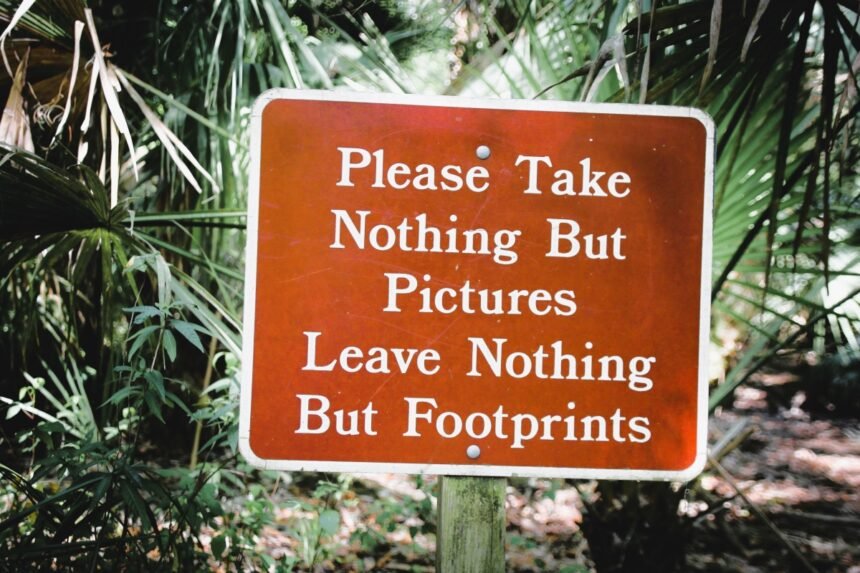
The philosophy is simple: take only photos, leave only footprints, and don’t be the reason future travelers can’t enjoy these incredible places.
The 7 Leave No Trace Principles That’ll Make You a Travel Hero
1. Plan Ahead and Prepare
This isn’t about over-packing your entire closet (we’ve all been there). Smart preparation means researching your destination’s specific rules, weather patterns, and seasonal considerations before you go.
Pro traveler tips:
- Check if permits or reservations are required—some popular spots book up months in advance
- Download offline maps because cell service is basically a myth in most beautiful places
- Pack appropriate gear for the conditions (nobody wants to be rescued because they wore flip-flops on a mountain trail)
- Research local regulations about campfires, pets, and group sizes
2. Travel and Camp on Durable Surfaces
Not all Instagram-worthy spots are created equal when it comes to environmental impact. Stick to established trails, campsites, and designated areas whenever possible.
The golden rules:
- Stay on marked trails even if they’re muddy or crowded
- Camp in established sites rather than creating new ones
- When nature calls in pristine areas, choose rock, gravel, or snow over vegetation
- Keep groups small (generally under 8 people) to minimize impact
For the overlanding and van life crowd: Just because your rig can go somewhere doesn’t mean it should. Stick to designated camping areas and established roads.
3. Dispose of Waste Properly
Here’s where things get real: “pack it in, pack it out” applies to everything, and yes, we mean everything.
The less glamorous but crucial details:
- Human waste should be buried 6-8 inches deep and at least 200 feet from water sources, trails, and campsites
- Pack out toilet paper and hygiene products (they don’t decompose as quickly as you’d think)
- Strain food scraps from dishwater and pack them out
- Use biodegradable soap sparingly and wash dishes 200 feet from water sources
Travel hack: Bring a small trowel and waste disposal bags. Your fellow travelers will thank you, and you’ll avoid some seriously awkward situations.
4. Leave What You Find
That perfect piece of driftwood or cool rock formation makes for great photos, but it should stay exactly where you found it. Cultural artifacts, natural objects, and historical items are protected by law in most places—and hefty fines aren’t worth the souvenir.
What this means for modern travelers:
- Don’t build rock cairns or move stones (they can confuse navigation and disrupt ecosystems)
- Leave flowers, plants, and natural objects for others to discover
- Resist the urge to carve initials or leave marks
- Don’t disturb cultural or historical sites
The exception: Trash that doesn’t belong in nature should always be packed out, even if it’s not yours.
5. Minimize Campfire Impacts
Campfires are magical, but they’re also one of the biggest sources of wilderness damage and wildfire risk. Many areas now have seasonal fire bans, so always check current restrictions.
Safe fire practices:
- Use established fire rings when available
- Keep fires small and manageable
- Never leave a fire unattended
- Ensure fires are completely extinguished—ashes should be cold to the touch
- In high-risk areas, consider a camp stove instead
For the ‘gram crowd: Fire photos are stunning, but not worth risking a wildfire or a massive fine. When in doubt, skip the flames and capture the stars instead.
6. Respect Wildlife
Wildlife encounters make for incredible travel stories, but keeping your distance keeps both you and animals safe. Fed animals become dangerous animals, and dangerous animals often become dead animals.
Smart wildlife practices:
- Store food in bear-proof containers or hang it properly
- Never feed wildlife (yes, even that “friendly” chipmunk)
- Observe animals from a distance—use binoculars or zoom lenses
- Make noise while hiking in bear country
- Keep pets leashed and under control
The social media reality check: That perfect selfie with wildlife isn’t worth getting injured or causing an animal to be euthanized because it lost its fear of humans.
7. Be Considerate of Other Visitors
The outdoors should be enjoyable for everyone, from families with young kids to solo travelers seeking solitude. A little courtesy goes a long way in crowded natural areas.
Consideration in action:
- Keep noise levels reasonable (save the bluetooth speaker for the car ride)
- Yield trail right-of-way appropriately
- Take breaks and camp away from trails and other visitors when possible
- Be patient at popular photo spots—everyone wants that shot
- Clean up common areas at campgrounds
Why These Principles Matter More Than Ever
Climate change, overtourism, and increased outdoor recreation are putting unprecedented pressure on natural areas. Popular destinations like Iceland’s Diamond Beach, Utah’s “Big Five” national parks, and Instagram-famous spots worldwide are implementing new restrictions and fees to manage crowds and protect fragile ecosystems.
Following Leave No Trace principles isn’t just about being a good person—it’s about ensuring these incredible places remain accessible for future travelers. Plus, many destinations are cracking down with serious fines for violations. Nobody wants their adventure fund going toward paying penalties.
Making Leave No Trace Part of Your Travel DNA
The best part about these principles? They’re not complicated or expensive to follow. They just require a bit of planning, common sense, and respect for the places and people you encounter.
Start incorporating these practices on your next trip, whether it’s a weekend camping adventure or a month-long van life journey. Share your knowledge with fellow travelers (tactfully—nobody likes a preachy know-it-all), and help create a community of responsible adventurers.
The bottom line: Leave No Trace principles make you a better traveler, protect the destinations you love, and ensure that incredible places remain incredible for everyone who comes after you. In a world where authentic experiences are becoming harder to find, that’s worth more than any souvenir you could carry home.
Ready to put these principles into practice? Start planning your next responsible adventure—the planet (and your fellow travelers) will thank you.