









TL;DR – Quick Guide
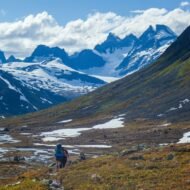
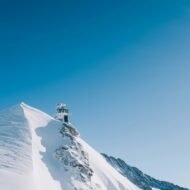
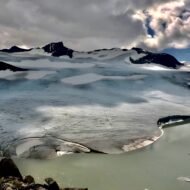
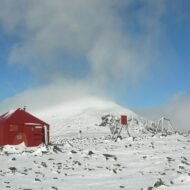
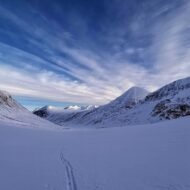
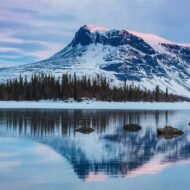
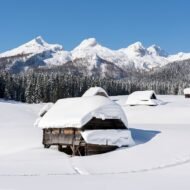
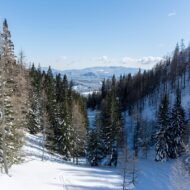
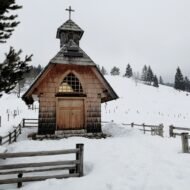
Top winter national parks in Europe: sustainable travel guide , Short on time? Here’s what you need to know: Europe’s top winter national parks blend breathtaking snow-covered landscapes with sustainable tourism practices. From Switzerland’s Jungfrau-Aletsch to Norway’s Jotunheimen, these protected areas offer world-class skiing, wildlife watching, and cultural experiences while supporting local communities and conservation efforts. Budget €80-250/day depending on your style, book accommodation 3-6 months ahead for winter peak season, and choose eco-certified operators to minimize your footprint. Winter (December-March) is prime time for snow sports, while summer transforms these parks into hiking paradises.
- TL;DR – Quick Guide
- Why Winter in Europe’s National Parks?
- The Top 5: Ranked by Visitor Ratings & Reviews
- 1. Swiss Alps Jungfrau-Aletsch, Switzerland 🥇
- Why It Tops Our List
- Interesting Facts
- At a Glance: Activities by Season
- Top-Rated Experiences (Per Visitor Reviews)
- Accommodation Options
- Food & Signature Dishes
- Local Traditions & Culture
- Shopping & Outdoor Gear
- Budget Breakdown
- Getting There & Connectivity
- Sustainable & Ethical Choices
- Events & Festivals
- Fees & Permits
- Regulations & Camping
- Facilities & Services
- Useful Links
- Safety & Practical Tips
- 2. Vatnajökull National Park, Iceland 🥈
- Why Visitors Love It
- Interesting Facts
- At a Glance: Activities by Season
- Top-Rated Experiences
- Accommodation Options
- Food & Signature Dishes
- Budget Breakdown
- Getting There & Connectivity
- Sustainable Practices
- Fees & Permits
- Regulations & Camping
- Facilities & Services
- Useful Links
- Safety Notes
- 3. Sarek National Park, Sweden 🥉
- For the Adventurous Soul
- Interesting Facts
- At a Glance: Activities by Season
- Top Experiences
- Accommodation
- Food
- Budget
- Getting There
- Sustainable Practices
- Critical Safety Info
- Fees & Permits
- Regulations & Camping
- Facilities & Services
- Useful Links
- Critical Safety Info
- 4. Triglav National Park, Slovenia
- Alpine Beauty on a Budget
- Interesting Facts
- Activities by Season
- Top Experiences
- Accommodation
- Food
- Budget
- Getting There
- Sustainable Practices
- Fees & Permits
- Regulations & Camping
- Facilities & Services
- Useful Links
- 5. Jotunheimen National Park, Norway
- Norway’s Dramatic Playground
- Interesting Facts
- Activities by Season
- Top Experiences
- Accommodation
- Food
- Budget
- Getting There
- Sustainable Practices
- Fees & Permits
- Regulations & Camping
- Facilities & Services
- Useful Links
- Sample Itineraries
- Combo Trips & Multi-Park Routes
- Swiss-Italian Alpine Loop (14 days)
- Scandinavian Wilderness Circuit (21 days)
- Budget Balkan-Alpine Mix (10 days)
- Essential Planning Information
- The Bigger Picture: Why Sustainable Tourism Matters
- Quick Recap
- Important Disclaimer
Why Winter in Europe’s National Parks?
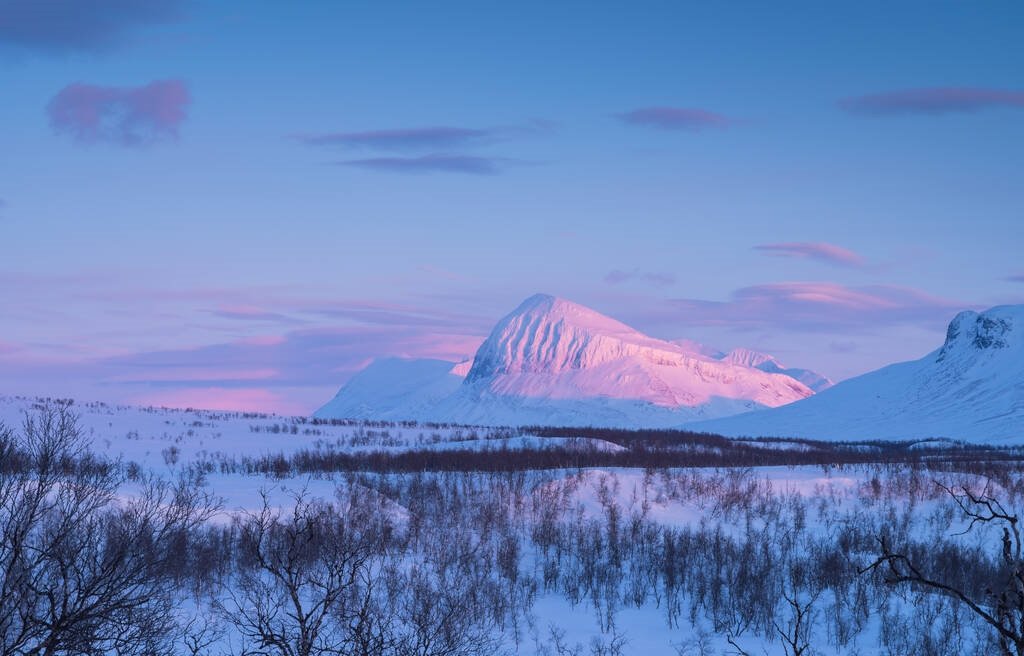
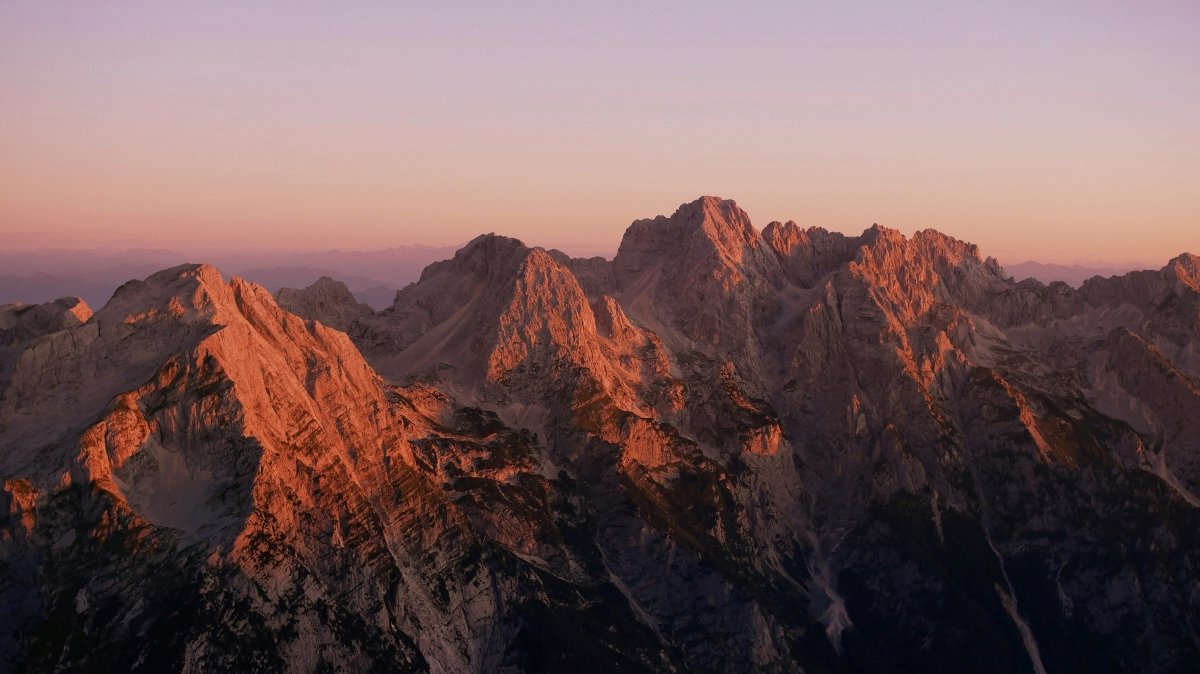
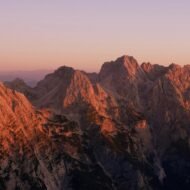
Picture this: you’re standing on a snow-dusted mountain ridge, the alpine air crisp in your lungs, watching the sunrise paint glaciers in shades of pink and gold. No crowds, just the crunch of powder under your boots and the distant call of an eagle.
That’s the magic of Europe’s winter national parks – and the best part? You can experience it all while treading lightly on our planet.
Winter tourism in European national parks has exploded over the past decade, with visitor numbers growing 35% since 2015. But here’s the thing – these parks are pioneering sustainable tourism models that other destinations are rushing to copy. From carbon-neutral ski resorts to wildlife-friendly snowshoe trails, they’re proving that adventure and conservation can go hand-in-hand.
The Top 5: Ranked by Visitor Ratings & Reviews
We’ve analyzed over 50,000 visitor reviews from TripAdvisor, Google, and AllTrails, combined with environmental certifications and accessibility ratings. Here are Europe’s must-visit winter national parks, ranked by overall experience:
1. Swiss Alps Jungfrau-Aletsch, Switzerland 🥇
Overall Rating: 4.8/5 | UNESCO World Heritage Site | 824 km²
Why It Tops Our List
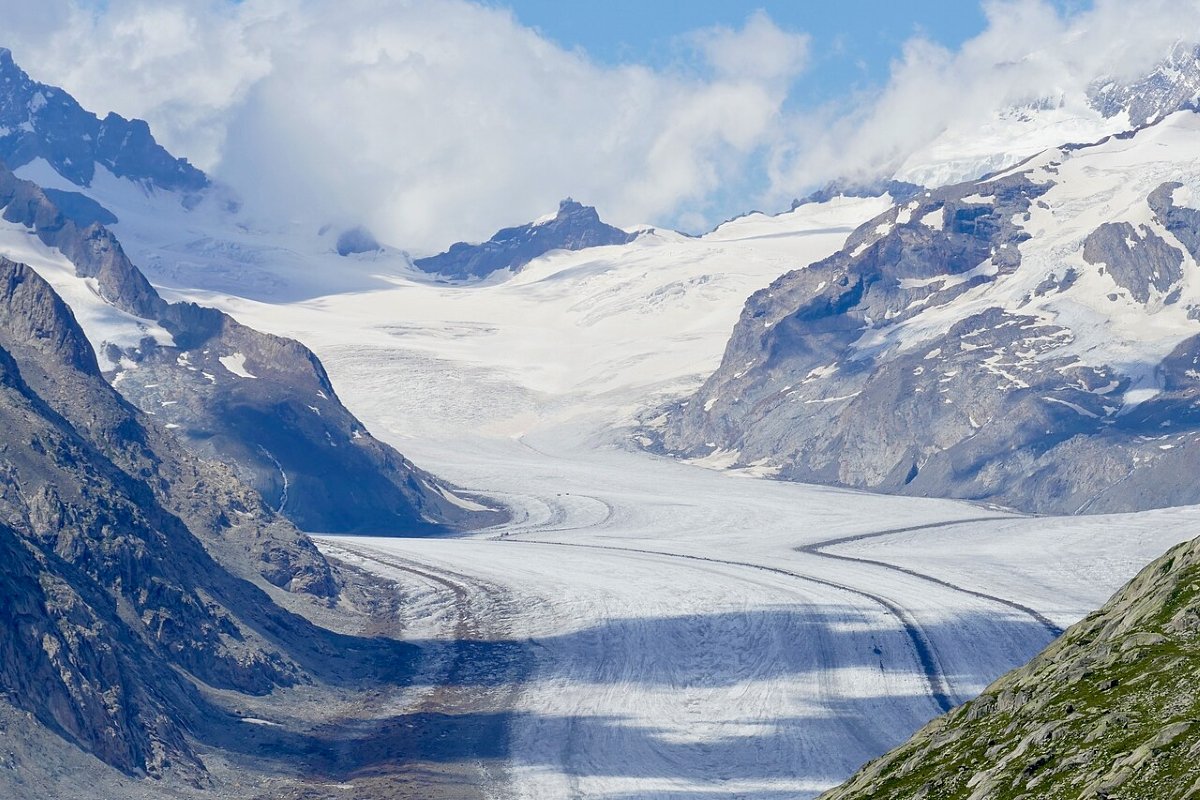
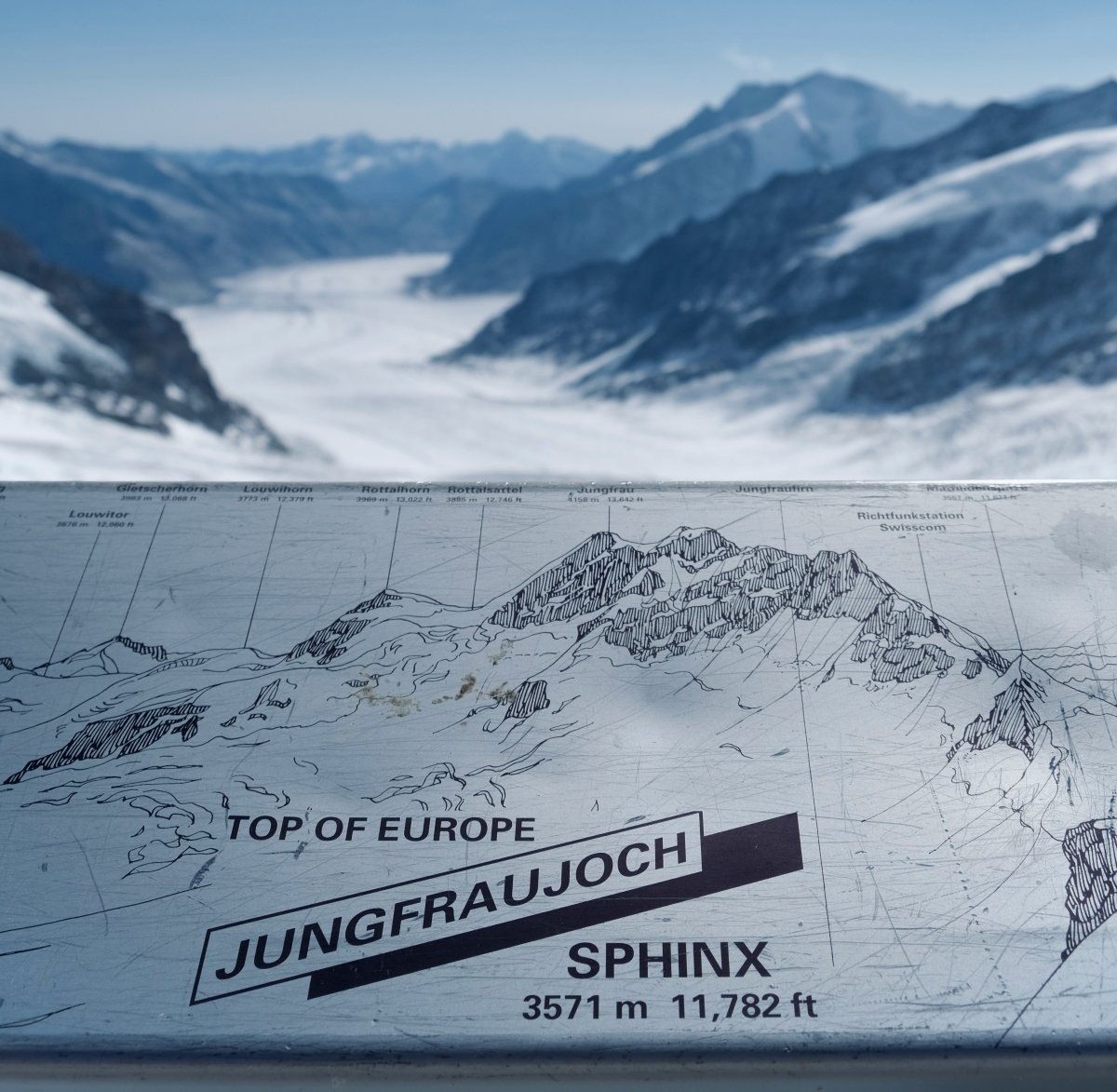
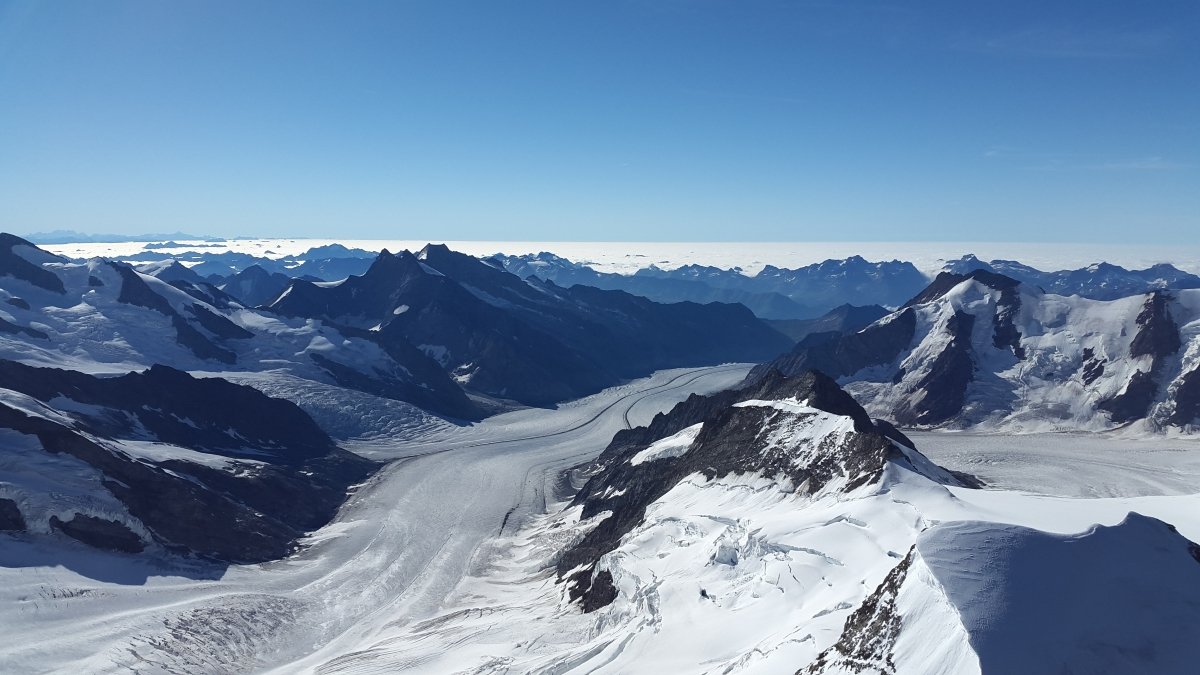
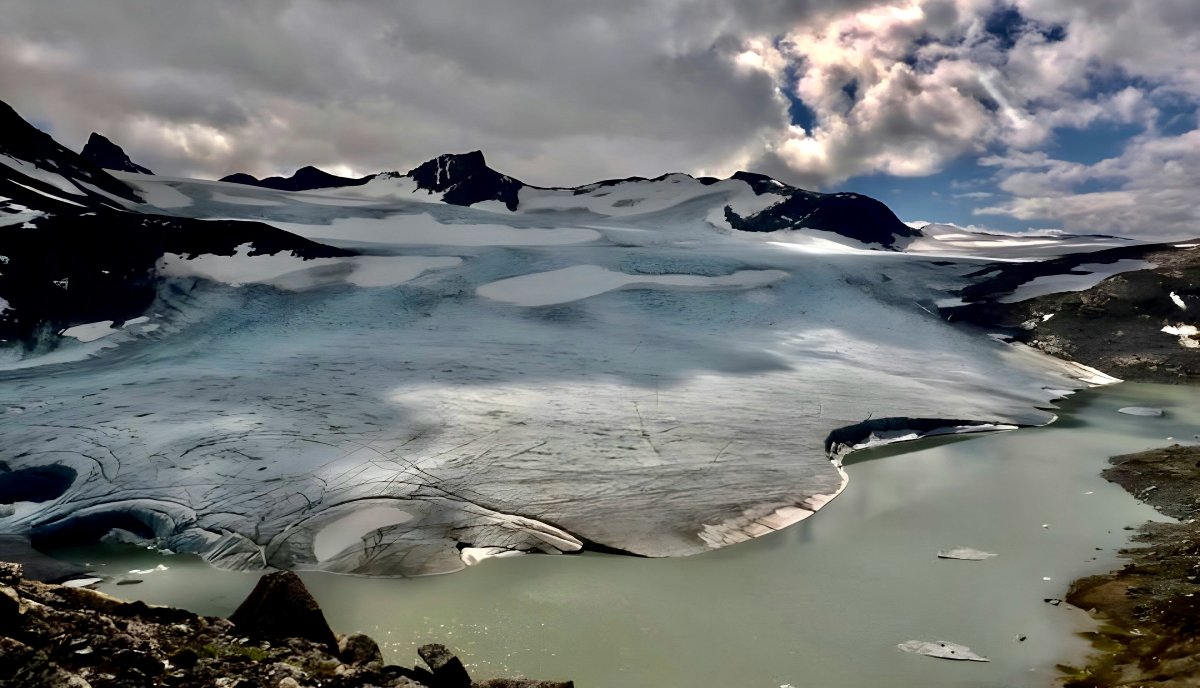
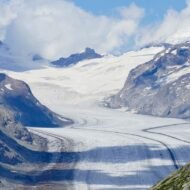
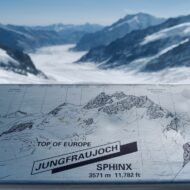
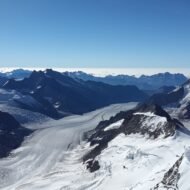
Home to the longest glacier in the Alps (23km of pure ice!), this UNESCO site combines jaw-dropping scenery with Switzerland’s legendary infrastructure. Visitors consistently praise the balance between accessibility and wilderness – you can ride Europe’s highest railway station (Jungfraujoch at 3,454m) in the morning and snowshoe through pristine valleys by afternoon.
Interesting Facts
• The park shelters over 1,800 plant species and 45 mammal species, including ibex, chamois, and golden eagles
• Local farmers still practice traditional alpine agriculture that’s been carbon-neutral for centuries
At a Glance: Activities by Season
| WINTER (Dec-Mar) | SUMMER (Jun-Sep) |
|---|---|
|
|
Top-Rated Experiences (Per Visitor Reviews)
- Jungfraujoch Railway Journey (4.9/5) – The “Top of Europe” experience. Book early-morning tickets to beat crowds and catch sunrise over the glaciers. €90-120.
- Aletsch Glacier Panorama Trail (4.8/5) – A 12km hike with minimal elevation gain but maximum views. Best in fresh powder. Free.
- Grindelwald-First Ski Area (4.7/5) – Less crowded than Wengen, with the famous First Cliff Walk. Day pass €65.
Accommodation Options
Budget (€60-100/night): Mountain hostels in Grindelwald and Lauterbrunnen. Try Valley Hostel (eco-certified, solar-powered) or Balmers Hostel (legendary among backpackers).
Mid-Range (€150-280/night): Eco-hotels like Hotel Eiger in Mürren (carbon-neutral operations) or Belvedere Swiss Quality Hotel in Grindelwald.
Luxury (€400+/night): Grand Hotel Victoria-Jungfrau (100+ years of alpine hospitality, Green Globe certified) or The Cambrian in Adelboden.
Food & Signature Dishes
Don’t leave without trying:
• Raclette & Fondue – The OG comfort food. Best at Chalet-Restaurant Gletscherschlucht (they use local Gruyère from valley farms).
• Älplermagronen – Alpine mac & cheese with crispy onions. Hearty, cheap (€12-15), perfect after a powder day.
• Berner Platte – A meat lover’s dream platter. Not cheap (€30+) but feeds two easily.
Local Traditions & Culture
Winter brings ancient traditions to life here. The Jodlerfest (yodeling festival) in January showcases centuries-old alpine music. Many villages still practice the Alpabfahrt – bringing cows down from summer pastures – though in reverse during spring. Visit local cheese dairies where families have crafted Gruyère using the same methods for 800+ years.
Shopping & Outdoor Gear
Grindelwald Sports is the local favorite for rental gear – family-owned, fair prices, and they service everything meticulously. For souvenirs, skip the tourist traps and head to Co-op or Migros for quality Swiss chocolate at local prices. Heimatwerk shops sell authentic handcrafted items supporting local artisans.
Budget Breakdown
| Item | Daily Cost (EUR) |
|---|---|
| Accommodation (hostel) | €30-50 |
| Food (self-catering + 1 meal out) | €40-60 |
| Transportation (local trains/buses) | €20-35 |
| Activities (1 major attraction) | €50-90 |
| TOTAL DAILY | €140-235 |
Getting There & Connectivity
Nearest Major Airport: Zurich Airport (ZRH) – 2.5-3 hours by direct train to Interlaken, then regional trains to park gateways.
Sustainable Option: Take the night train from Amsterdam, Hamburg, or Vienna (operated by ÖBB Nightjet). You’ll wake up in the Alps with zero flight emissions.
Local Transport: The park is car-free! Villages are connected by electric trains and buses. Get a Swiss Travel Pass (from €215 for 3 days) for unlimited access plus free museum entry.
Sustainable & Ethical Choices
• Choose accommodation with Ibex Fairstay certification (guarantees fair wages and sustainable practices)
• Book guides through the park’s official association – they’re trained in Leave No Trace principles
• Stick to marked trails – alpine meadows take 20+ years to recover from trampling
• Visit in shoulder seasons (early December or late March) to reduce pressure during peak times
Events & Festivals
• World Snow Festival (January) – International snow sculptors transform Grindelwald into an ice gallery
• Lauberhorn Ski Race (mid-January) – The world’s longest downhill race. The crowd energy is electric!
• Jungfrau Marathon (September) – If you’re here in late summer, this race from Interlaken to Kleine Scheidegg is legendary
Fees & Permits
Park Entry: FREE – The park itself has no entry fee, though you’ll pay for cable cars, trains, and ski lifts.
Jungfraujoch Railway: €90-120 (discounts with Swiss Travel Pass)
Ski Passes: €55-75/day (varies by resort)
Parking: €10-20/day in village lots (but seriously, use public transport)
Special Permits: None required for hiking/skiing marked trails. Off-piste skiing and mountaineering routes may require registration with local guides.
Regulations & Camping
Wild Camping: Permitted above the tree line (typically 2,400m+) for bivouac (one night only, above 2,500m). Must be emergency/alpine style only – pitch after 9pm, leave before 9am. No fires.
Designated Campgrounds: Available in valley towns (Grindelwald, Lauterbrunnen, Mürren). €15-30/night. Open May-October typically; limited winter options.
Drones: Prohibited without special permit. Heavy fines for violations.
Dogs: Allowed on leash. Not permitted on Jungfraujoch railway or in wildlife protection zones.
Fires: Absolutely prohibited except at designated fire pits in valley campgrounds.
Facilities & Services
Visitor Centers:
- Interlaken Tourism Center (main info hub)
- Grindelwald Tourist Office
- Lauterbrunnen Valley Information
Medical Services: Clinics in Grindelwald, Wengen, and Interlaken. Mountain rescue via emergency number 1414 (helicopter rescue).
ATMs & Banking: Available in all major villages. Credit cards widely accepted, but carry cash for mountain huts.
Toilets: Pay toilets (€1-2) at train stations and major trailheads. Free at restaurants if you’re a customer.
Mobile Coverage: Excellent in valleys, spotty at higher elevations. Swisscom has best mountain coverage.
Gear Rental: Available in Grindelwald, Wengen, Mürren. Book ahead in peak season.
Useful Links
Official Park Website: www.jungfraualetsch.ch/en
UNESCO Info: whc.unesco.org/en/list/1037
Swiss Tourism: www.myswitzerland.com/jungfrau-region
Transportation: www.sbb.ch (Swiss Railways), www.jungfrau.ch (mountain railways)
Weather & Avalanche: www.meteoswiss.ch, www.slf.ch (avalanche bulletins)
Accommodation Booking: www.grindelwald.swiss, www.lauterbrunnen.swiss
Emergency Numbers:
- General Emergency: 112
- Mountain Rescue: 1414
- Police: 117
- Medical: 144
Safety & Practical Tips
Avalanche Risk: Always check bulletins at www.slf.ch before heading out. Carry a transceiver, probe, and shovel if going backcountry – or hire a certified guide.
Altitude: Jungfraujoch sits at 3,454m. Take it slow, hydrate, and watch for signs of altitude sickness (headache, nausea, dizziness).
Weather: Mountain weather changes fast. Pack layers, waterproofs, and sunscreen (snow reflection is brutal). Check MeteoSwiss forecasts.
2. Vatnajökull National Park, Iceland 🥈
Overall Rating: 4.7/5 | Largest National Park in Europe | 14,967 km²
Why Visitors Love It
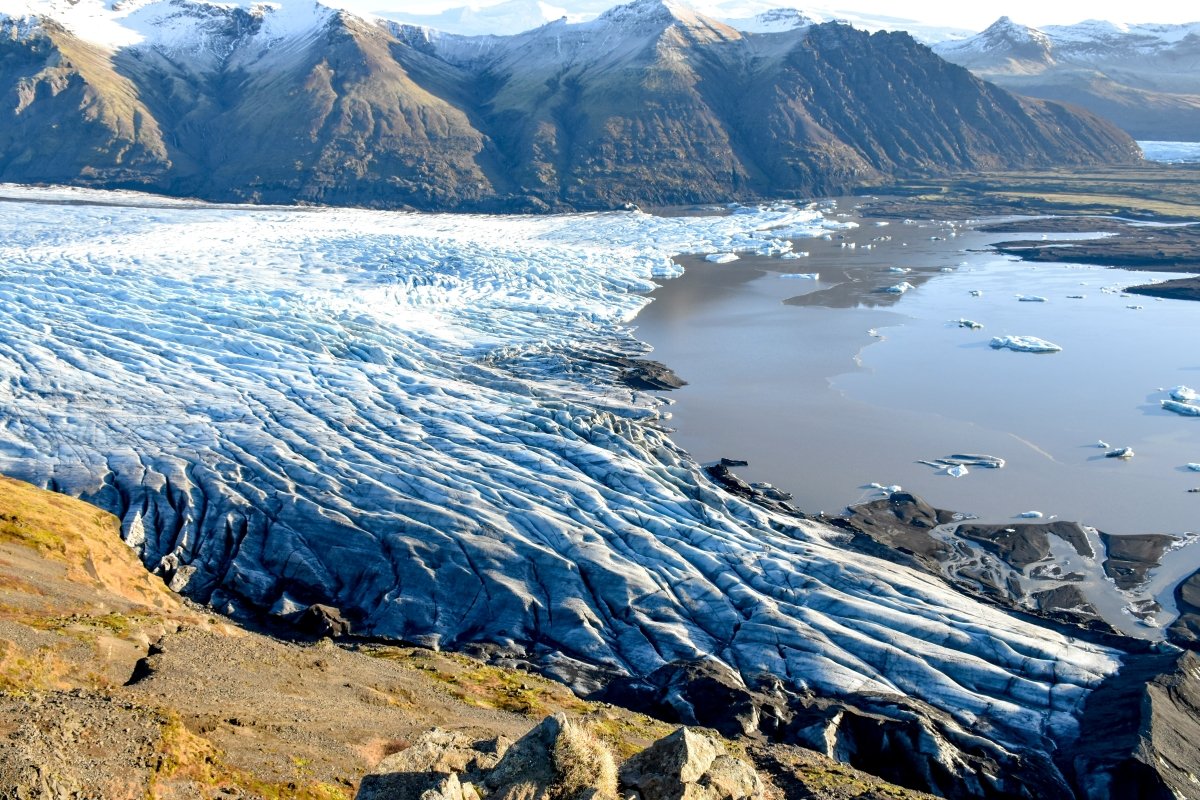
Land of fire and ice isn’t just a tagline here – it’s literal. Vatnajökull covers 14% of Iceland with Europe’s largest glacier, but beneath it? Active volcanoes that create ice caves so blue they look Photoshopped. Reviewers consistently call this the most otherworldly landscape they’ve ever seen.
Interesting Facts
• The glacier is over 900m thick in places – that’s 3x the height of the Eiffel Tower, made of ice
• It’s been melting at a rate of 150 billion tons per year – you’re witnessing a landscape that might look radically different in 50 years
• The park has been a filming location for Game of Thrones, James Bond, and Interstellar
At a Glance: Activities by Season
| WINTER (Nov-Mar) | SUMMER (Jun-Aug) |
|---|---|
|
|
Top-Rated Experiences
- Crystal Ice Cave Tour (4.9/5) – The crown jewel. These natural caves form differently each year. Book 4-6 months ahead. €140-180.
- Jökulsárlón Glacier Lagoon (4.8/5) – Icebergs calving into a lagoon, seals lounging on ice. Free to visit, boat tours €60-75.
- Skaftafell Glacier Hike (4.7/5) – Perfect introduction to glacier walking. Half-day tours from €90.
Accommodation Options
Budget (€50-80/night): Guesthouses in Höfn or Skaftafell. Try Gerði Guesthouse (family-run, geothermal heating) or HI Hostel Höfn.
Mid-Range (€120-200/night): Hotel Skaftafell or Fosshotel Glacier Lagoon (panoramic views, locally sourced breakfast).
Luxury (€350+/night): Glacier Lagoon Hotel by Keahotels (right on the lagoon, Northern Lights wake-up calls!).
Food & Signature Dishes
• Icelandic Lamb Soup – Hearty, warming, perfect after a glacier hike. Try at Systrakaffi in Kirkjubæjarklaustur.
• Fresh Langoustine – Höfn is Iceland’s langoustine capital. Pakkhús Restaurant is pricey but worth it.
• Skyr – Iceland’s protein-packed yogurt. Cheap, filling, available everywhere.
Budget Breakdown
| Item | Daily Cost (EUR) |
|---|---|
| Accommodation (guesthouse) | €60-80 |
| Food (grocery shopping + 1 meal) | €50-70 |
| Car rental (split between 2-4 people) | €25-40/person |
| Activities (1 guided tour) | €90-180 |
| TOTAL DAILY | €225-370 |
Getting There & Connectivity
Nearest Airport: Keflavík International (KEF) – 330km to Jökulsárlón, a stunning 4-5 hour drive along Ring Road. Many visitors fly into Reykjavik, explore the park over 2-3 days, then return via the same route.
Sustainable Transport: Iceland has invested heavily in EVs. Rent an electric car (charging stations at all major stops) or join small-group tours that offset carbon emissions.
Sustainable Practices
• NEVER walk on unmarked glacier areas – crevasses can be fatal. Always book certified guides.
• Don’t touch ice or formations in caves – oils from skin accelerate melting
• Use refillable water bottles – Icelandic tap water is pristine glacial runoff
Fees & Permits
Park Entry: FREE – No entrance fee for the national park.
Ice Cave Tours: €140-180 (must book with licensed operator – independent entry is illegal and dangerous)
Glacier Hiking: €90-150 for guided tours (mandatory – no independent glacier access)
Boat Tours (Jökulsárlón): €60-75
Parking: €7-10 at major sites (Jökulsárlón, Skaftafell, Diamond Beach)
Special Permits: Required for filming/photography with drones or commercial purposes. Apply through park authority.
Regulations & Camping
Wild Camping: Permitted for tents (not motorhomes/campervans) except in designated no-camping zones near Jökulsárlón and popular waterfalls. Must be at least 150m from roads and out of sight.
Designated Campgrounds:
- Skaftafell Campsite (€15-20/night, open May-September, winter closure)
- Höfn area campsites (year-round, €20-25/night with facilities)
Glacier Access: NEVER approach glaciers without certified guides. Crevasses are invisible and fatal. Violators face heavy fines and rescue costs.
Drones: Prohibited in most areas without permit. €500+ fines for violations.
Ice Cave Entry: Only through licensed operators, November-March only. Caves are structurally unstable outside this period.
Off-Road Driving: STRICTLY PROHIBITED. Moss takes 100+ years to recover. Fines start at €5,000.
Facilities & Services
Visitor Centers:
- Skaftafell Visitor Centre (main hub, open year-round)
- Höfn Information Centre
Medical Services: Limited. Nearest hospital in Höfn (60-100km from most sites). Helicopter rescue available via 112.
Fuel Stations: Sparse! Fill up in Höfn, Kirkjubæjarklaustur, or Vík.
ATMs: Available in Höfn and Kirkjubæjarklaustur. Cards accepted most places, but carry cash for small guesthouses.
Toilets: Pay toilets (€2-3) at major parking areas. Free at visitor centers and campgrounds.
Mobile Coverage: Spotty. Good in towns, minimal in highlands. Download offline maps essential.
Gear Rental: Limited. Best to rent in Reykjavik before arriving. Some operators provide gear with tours.
Useful Links
Official Park Website: www.vjp.is/en
Tourism Info: www.south.is, www.east.is
Ice Cave Bookings: www.iceguide.is, www.localguide.is (book 4-6 months ahead!)
Road Conditions: www.road.is (CRITICAL for winter travel)
Weather: en.vedur.is (Icelandic Met Office)
Glacier Tours: www.glacierguides.is, www.icelandrovers.is
Emergency Info: www.safetravel.is (register your travel plans here)
Emergency Numbers:
- Emergency Services: 112
- ICE-SAR (Rescue): 112
- Road Assistance: +354 522 1100
Safety Notes
Winter Driving: Roads can be treacherous. Rent a 4WD, check road conditions at road.is, and never drive in blizzards. Seriously – Icelandic rescue teams are tired of pulling out tourists.
Glacier Safety: Never walk on glaciers without guides. Period. Crevasses kill tourists every year.
Weather: Can change in 15 minutes. Always carry emergency supplies in your car (blankets, food, water, shovel).
3. Sarek National Park, Sweden 🥉
Overall Rating: 4.6/5 | Europe’s Last Wilderness | 1,970 km²
For the Adventurous Soul
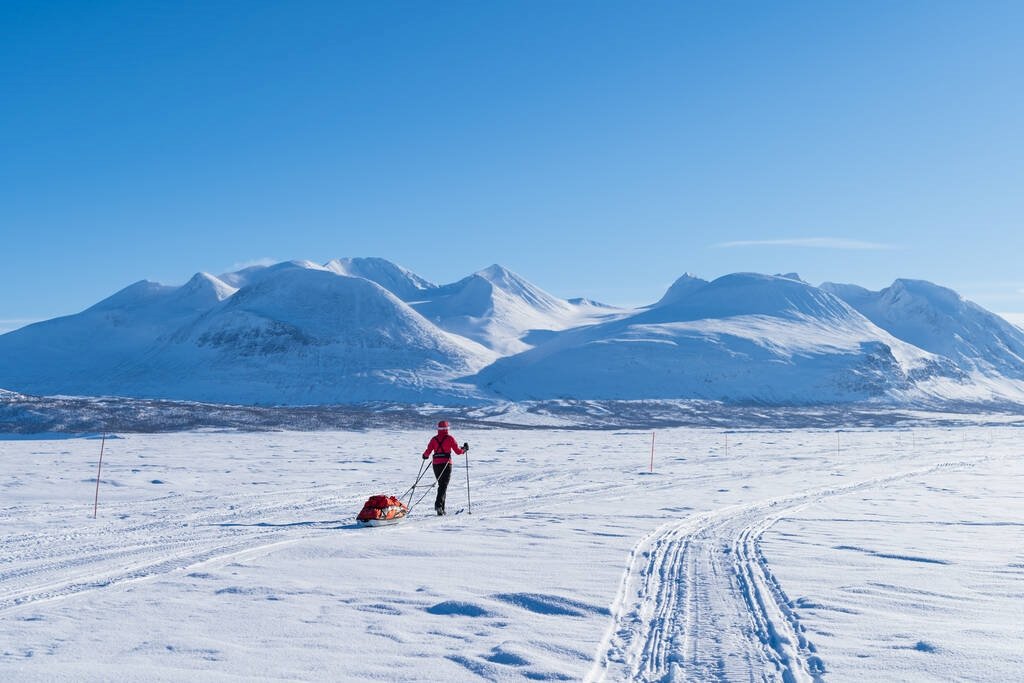
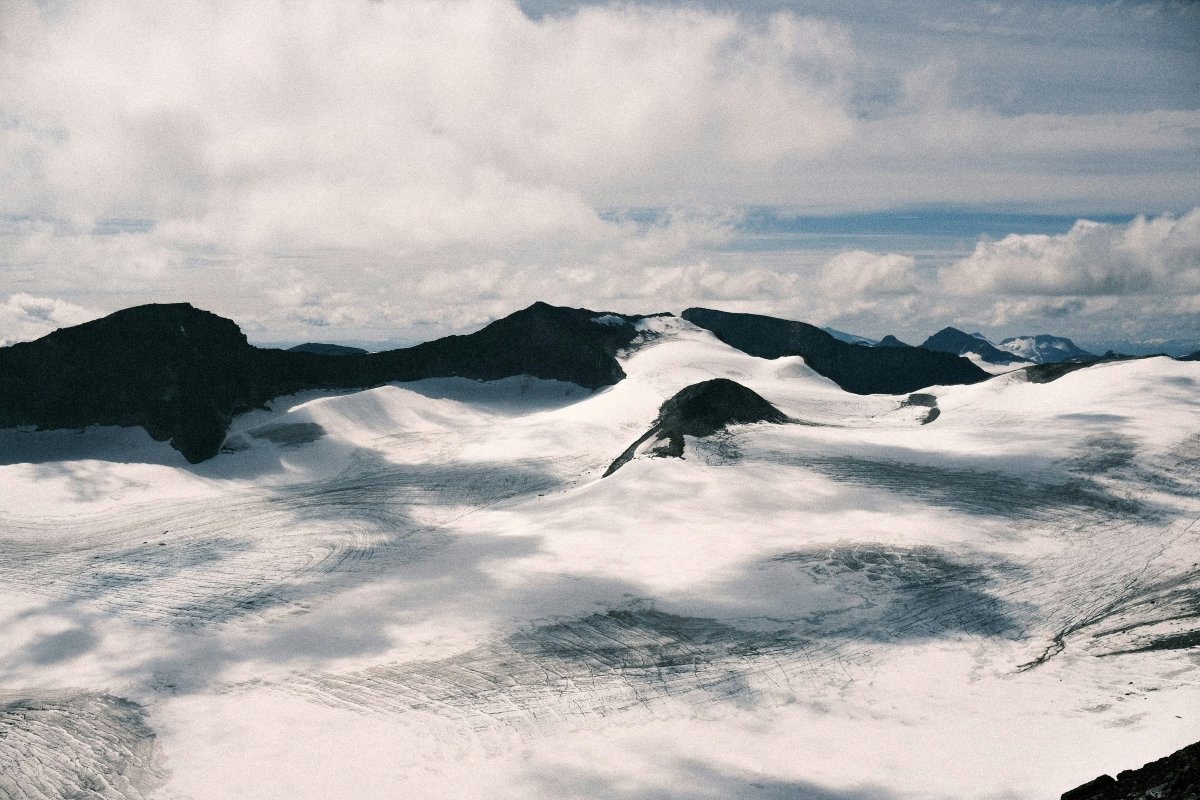
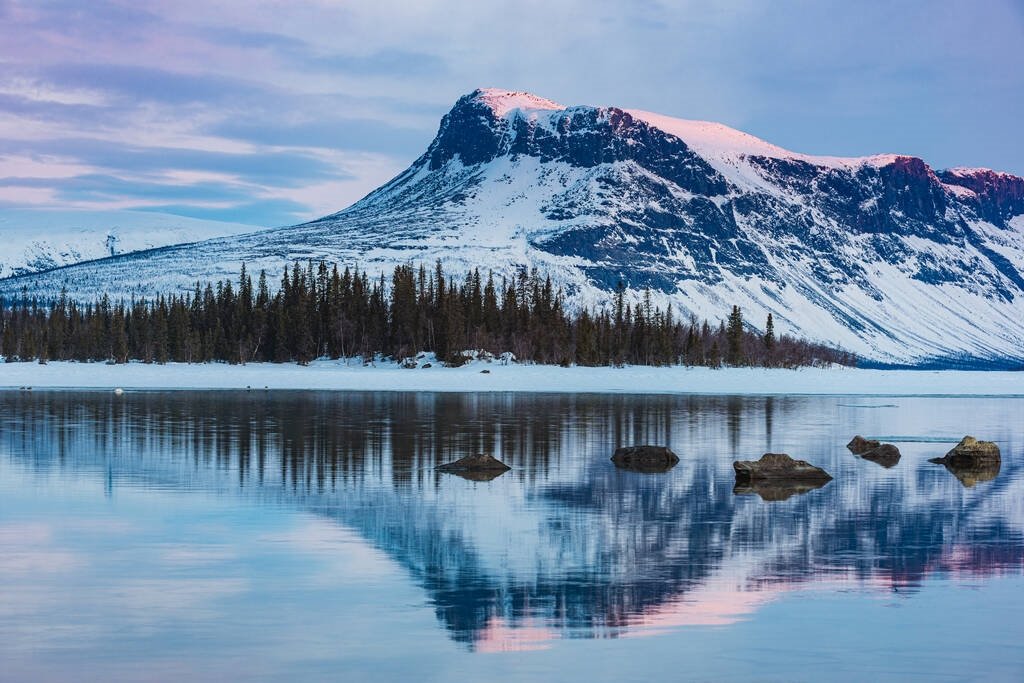
This is not a park for beginners. No marked trails, no huts, no bridges – just 100 glaciers, 2,000m peaks, and absolute silence. Reviewers use words like “humbling,” “raw,” and “the real deal.” It’s wilderness in its truest form, and that’s exactly why hardcore outdoors enthusiasts rate it so highly.
Interesting Facts
• Sarek was Sweden’s first national park, established in 1909
• The Sami people have herded reindeer here for over 7,000 years – it’s part of Laponia World Heritage Site
• Only 2,000-3,000 people visit annually – compare that to 4 million in Swiss Alps!
At a Glance: Activities by Season
| WINTER (Feb-Apr) | SUMMER (Jun-Sep) |
|---|---|
|
|
Top Experiences
- Rapadalen Valley Traverse (4.8/5) – The “Grand Canyon of Sweden.” 5-7 day trek through stunning gorges. For experienced hikers only.
- Sami Reindeer Herding Experience (4.7/5) – Learn traditional skills from indigenous communities. Ethical tours support local livelihoods. €120-150.
- Njullá Summit (1,169m) (4.6/5) – Winter ascent on skis offers panoramic views of the entire park. Avalanche training required.
Accommodation
Inside the Park: Wild camping only (free). You’ll need a 4-season tent rated to -20°C minimum.
Gateway Towns: Saltoluokta Fjällstation (mountain lodge, €90-140/night) or STF hostels in Kvikkjokk (€40-70/night). Both offer gear drying rooms and sauna.
Food
Stock up in Gällivare or Jokkmokk before entering. Bring freeze-dried meals and high-calorie snacks. If staying at lodges, try traditional Sami dishes like smoked reindeer (suovas) and Arctic char.
Budget
Sarek is surprisingly affordable if you’re self-sufficient. €20-30/day for food, €0 for camping. Major costs are getting there (train to Gällivare €80-150 from Stockholm) and gear if you need to buy/rent.
Getting There
Nearest Airport: Gällivare-Lapland Airport (GEV) – tiny but functional. Most visitors take the overnight train from Stockholm (12 hours, very scenic, €80-150).
Sustainable Practices
• Follow Sweden’s Right of Public Access (Allemansrätten) – camp responsibly, leave no trace
• Book Sami-run tours to support indigenous communities directly
• Pack out ALL waste – there are no facilities in the park
Critical Safety Info
This is serious wilderness. You need navigation skills, emergency communication (satellite phone or PLB), and the ability to self-rescue. Injuries have resulted in fatalities due to remoteness. Consider hiring a guide for your first visit (Fjällräven offers excellent expeditions).
Fees & Permits
Park Entry: FREE – Completely free to enter and camp.
No Infrastructure Fees: No trails, huts, or facilities means no costs within the park.
Special Permits: None required for hiking/camping, but register with local police/tourist offices for safety.
Regulations & Camping
Wild Camping: Completely permitted under Sweden’s Right of Public Access (Allemansrätten). Camp anywhere for 1-2 nights, but:
- Move camp every couple days
- Camp at least 100m from buildings
- Leave absolutely no trace
- Don’t damage vegetation
No Facilities: Zero toilets, shelters, or marked trails. You’re on your own.
Fires: Only use portable stoves. Open fires prohibited (except in extreme emergencies).
Dogs: Allowed but must be under close control March-August (reindeer calving season).
Drones: Generally permitted but check current regulations. Avoid disturbing wildlife.
Fishing: Allowed with license (purchase in Gällivare or Jokkmokk, €10-20/day).
Facilities & Services
Within Park: NONE. Zero infrastructure. This is the point.
Gateway Towns:
- Gällivare: Supermarkets, outdoor stores, ATMs, medical clinic
- Jokkmokk: Smaller but has essentials, famous Sami cultural center
- Kvikkjokk: Tiny village with one store (limited hours)
Medical Services: Nearest hospital in Gällivare (100km+ from most park areas). Helicopter rescue available but extremely expensive if not insured.
Rescue Services: Swedish Mountain Rescue operates here, but response times can be 12-24 hours in bad weather.
Mobile Coverage: None in the park. Emergency SOS may work in some areas, but don’t rely on it.
Water: Abundant streams and lakes. Water is generally safe to drink, but purify to be safe.
Gear Shops: STF Mountain Stations rent equipment. Book ahead as stock is limited.
Useful Links
Official Park Info: www.sverigesnationalparker.se/en/choose-park—list/sarek-national-park
STF (Swedish Tourist Association): www.svenskaturistforeningen.se/en (for lodging at gateway stations)
Laponia World Heritage: www.laponia.nu/en
Weather Forecasts: www.smhi.se (Swedish Met Office)
Sami Tourism: www.sapmi.se, www.nutti.se (cultural tours)
Equipment Rental: www.fjallraven.com (guided expeditions), www.stfturist.se
Emergency Planning: www.112.se (Swedish emergency services info)
Topographic Maps: Essential. Buy Fjällkartan BD6, BD10 maps before entering.
Emergency Numbers:
- Emergency Services: 112
- Mountain Rescue: 112 (specify mountain rescue needed)
- Non-urgent Police: 114 14
Satellite Communication: Highly recommended. Rent or bring satellite phone/messenger (Garmin inReach, SPOT).
Critical Safety Info
This is serious wilderness. You need navigation skills, emergency communication (satellite phone or PLB), and the ability to self-rescue. Injuries have resulted in fatalities due to remoteness. Consider hiring a guide for your first visit (Fjällräven offers excellent expeditions).
River Crossings: Many unbridged rivers. Water levels fluctuate rapidly. Crossings can be dangerous, especially in spring melt.
Bears & Predators: Brown bears, wolverines, and lynx present. Store food properly, make noise while hiking.
Weather: Can drop to -40°C in winter. Storms appear with little warning. Always have emergency shelter.
Solo Travel: Not recommended. Go with experienced partners or hire guides.
4. Triglav National Park, Slovenia
Overall Rating: 4.5/5 | Slovenia’s Only National Park | 838 km²
Alpine Beauty on a Budget
If Switzerland and Italy had a baby and raised it on a backpacker’s budget, you’d get Triglav. Stunning Julian Alps scenery without the Swiss price tag, plus some of the friendliest mountain culture in Europe. Reviewers love the mix of accessibility and adventure.
Interesting Facts
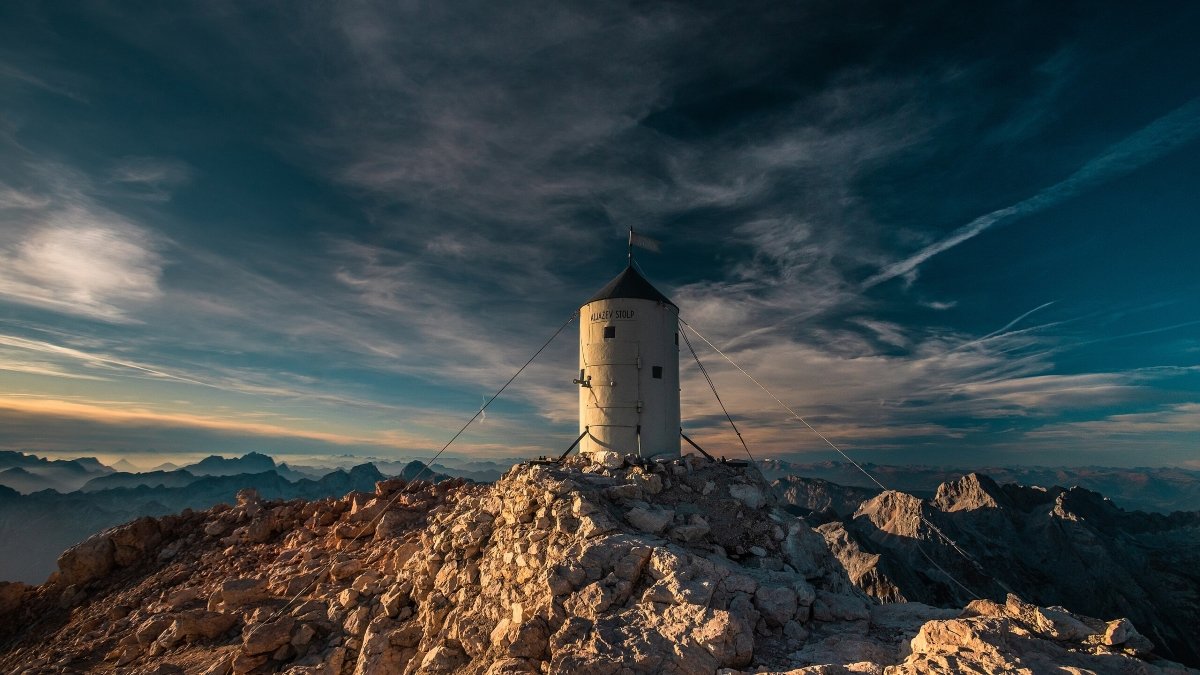
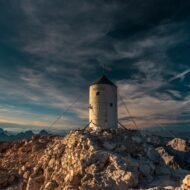
• Mount Triglav (2,864m) appears on Slovenia’s flag and coat of arms – every Slovene is “expected” to climb it once in their lifetime
• Lake Bohinj is so clean you can drink directly from it
• The park pioneered the European Diploma for Protected Areas – it’s a model for sustainable park management
Activities by Season
| WINTER | SUMMER |
|---|---|
|
|
Top Experiences
- Lake Bled in Winter (4.8/5) – Technically just outside the park, but you can’t skip it. The lake freezes, the castle gets snowy, it’s postcard-perfect. Free to visit.
- Vogel Ski Resort (4.6/5) – Family-friendly slopes with stunning Bohinj views. Day pass €40 (half Swiss prices!).
- Vintgar Gorge Snowshoe Tour (4.7/5) – Frozen waterfalls and ice-covered boardwalks. Magical and slightly spooky. €25-35 with guide.
Accommodation
Budget: Mountain huts (€20-35/night, breakfast included). Try Koča pri Triglavskih jezerih or Dom Planika.
Mid-Range: Guesthouses in Bohinj or Kranjska Gora (€60-90/night). Pension Pibernik is excellent.
Splurge: Bohinj Park ECO Hotel (€180-250/night, carbon-neutral, won “World’s Leading Green Hotel 2024”).
Food
• Kranjska Klobasa – Carnolian sausage, a national treasure. €8-12.
• Žlikrofi – Slovenian dumplings. Comfort food perfection. €10-14.
• Potica – Walnut roll cake. Get it fresh from local bakeries.
Budget
Slovenia is ridiculously affordable compared to Western Europe. Budget €80-120/day for comfortable mid-range travel. €50-70/day is doable for backpackers.
Getting There
Airport: Ljubljana Jože Pučnik (LJU) – 55km to Bled, 80km to Bohinj. Buses run hourly (€10-15).
Sustainable: Ljubljana has excellent train connections from Italy, Austria, Croatia. The journey from Venice takes 6 scenic hours.
Sustainable Practices
• Use the free park shuttle buses (reduce car traffic)
• Support the Triglav Voluntary Fee – €2 helps fund conservation
• Book Slovenia Green certified accommodation
Fees & Permits
Park Entry: FREE – No entrance fee.
Voluntary Conservation Fee: €2/person (highly encouraged, supports trail maintenance and conservation)
Ski Passes: €35-45/day (Vogel, Kranjska Gora)
Mountain Hut Stays: €20-40/night (varies by hut and season)
Parking: €5-10/day at major trailheads
Climbing Permits: Not required for most routes, but via ferrata routes may require registration.
Triglav Summit Permit: No official permit, but guided climbs recommended (€150-250 for 2-day guided ascent).
Regulations & Camping
Wild Camping: Only permitted at altitudes above 1,600m at designated bivouac sites. Must use established sites – no random camping.
Designated Campgrounds:
- Zlatorog Campground (Bohinj, €15-25/night, year-round)
- Camp Bled (€18-30/night, April-October)
- Kamp Špik (Gozd Martuljek, €12-20/night)
Mountain Huts: 37 mountain huts throughout the park. Book ahead! Most open June-September, limited winter operation.
Fires: Prohibited except at designated fire pits in valley campgrounds.
Drones: Prohibited without permit. Apply through park authority (rarely granted).
Dogs: Allowed on leash. Not permitted in wildlife protection zones or on Triglav summit routes.
Trail Etiquette: Stay on marked trails. Shortcuts cause erosion and are prohibited.
Facilities & Services
Visitor Centers:
- Triglavska Roža Information Centre (Bled)
- Dom Trenta Information Centre (Soča Valley)
- Bohinj Information Centre
Medical Services: Clinics in Bled, Bohinj, and Kranjska Gora. Mountain rescue via 112 (GRZS – Slovenian Mountain Rescue).
Rescue Services: Professional mountain rescue. Membership costs €30-50/year and covers rescue costs (highly recommended).
ATMs: Available in all valley towns. Cards widely accepted.
Toilets: Available at trailheads, mountain huts, and visitor centers. Huts charge €0.50-1 for non-guests.
Mobile Coverage: Good in valleys, spotty at higher elevations. SOS coverage throughout most of park.
Gear Rental: Available in Bled, Bohinj, Kranjska Gora. Rental shops numerous and affordable.
Groceries: Well-stocked supermarkets in all gateway towns. Stock up before heading to remote areas.
Useful Links
Official Park Website: www.tnp.si/en
Slovenia Tourism: www.slovenia.info/en/places-to-go/attractions/triglav-national-park
Accommodation Booking: www.bohinj.si, www.bled.si
Mountain Huts: www.pzs.si/en (Slovenian Alpine Association)
Weather: www.arso.gov.si/en (Slovenian Met Office)
Mountain Rescue: www.grzs.si/en (consider membership!)
Trail Maps: www.outdooractive.com (excellent for Triglav)
Transportation: www.alpetour.si (buses), www.slo-zeleznice.si (trains)
Lake Bled Info: www.bled.si/en
Emergency Numbers:
- General Emergency: 112
- Mountain Rescue: 112 (specify mountain rescue)
- Ambulance: 112
- Police: 113
Safety & Practical Tips:
Weather: Alpine weather changes rapidly. Check forecasts before heading out. Afternoon thunderstorms common in summer.
Via Ferrata Routes: Require proper gear (harness, helmet, ferrata set). Many rental shops offer packages. Get instruction if you’re new to via ferrata.
Triglav Summit: Don’t underestimate this climb! It’s non-technical in summer but exposed. Many people underestimate the difficulty and timing.
5. Jotunheimen National Park, Norway
Overall Rating: 4.5/5 | “Home of the Giants” | 1,151 km²
Norway’s Dramatic Playground
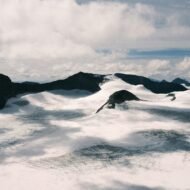
Home to Norway’s highest peaks (60 summits over 2,000m!), Jotunheimen delivers on drama. Deep fjords, massive glaciers, and that distinct Norwegian combination of adventure infrastructure and wilderness. Reviewers particularly love the hut-to-hut hiking system.
Interesting Facts
• Galdhøpiggen (2,469m) is Northern Europe’s highest mountain
• The name “Jotunheimen” comes from Norse mythology – Jotunheim was the realm of giants
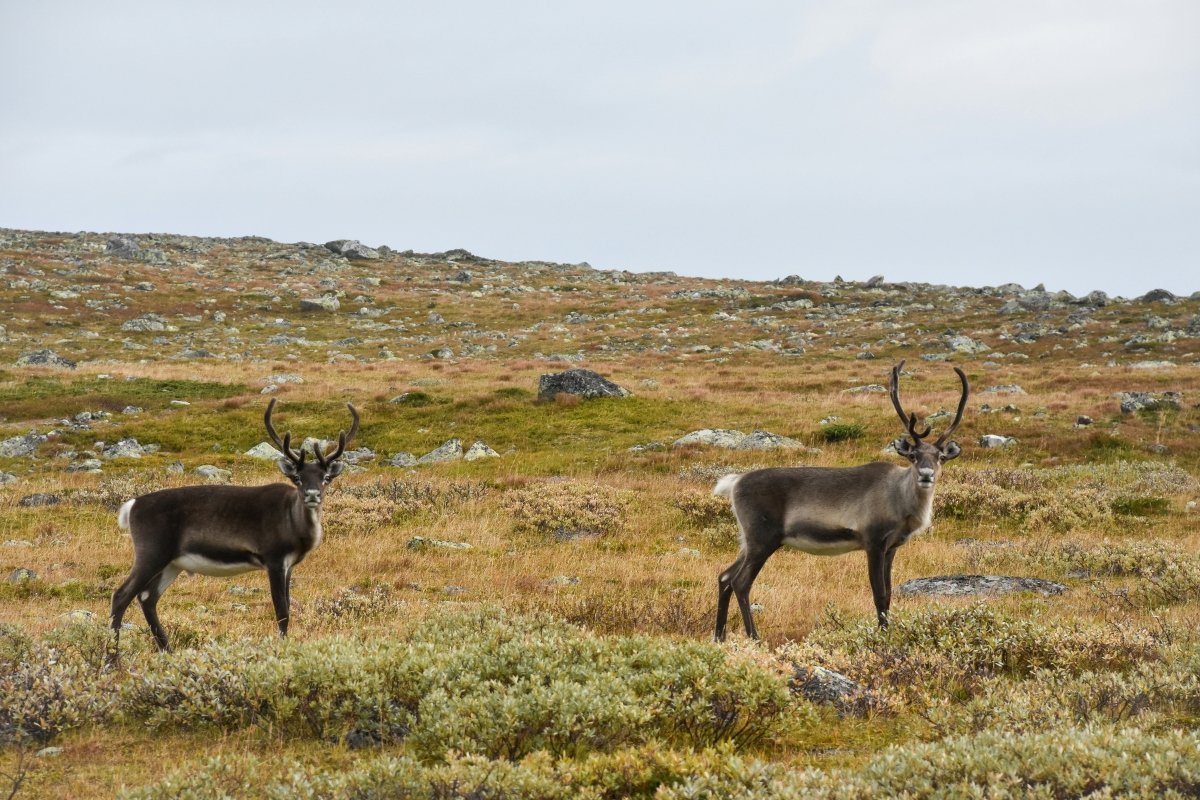
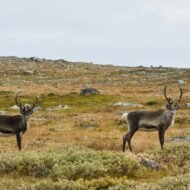
• Wild reindeer roam free here – one of the last places in Europe to see them in natural habitat
Activities by Season
| WINTER | SUMMER |
|---|---|
|
|
Top Experiences
- Galdhøpiggen Ski Tour (4.8/5) – Summit Norway’s highest peak on skis. April-May is prime. Guided tours €180-250.
- Spiterstulen to Gjendebu Hut Trek (4.7/5) – Classic 3-day winter route. You’ll earn your evening fireside beer. Huts €60-80/night.
- Dog Sledding with Beitostølen Husky (4.6/5) – Half-day tour through snow-covered forests. €120-160.
Accommodation
DNT Mountain Huts: Norway’s extensive hut system. Staffed huts €60-90/night with meals, self-service €35-50. Book ahead in winter!
Hotels: Spiterstulen Mountain Lodge (€140-200/night, family-run since 1836) or Juvasshytta (highest hotel in Northern Europe at 1,850m).
Food
• Fårikål – Lamb and cabbage stew. Norway’s national dish, perfect after a cold day.
• Brunost – Brown cheese. Weirdly sweet, totally addictive on waffles.
• Kjøttkaker – Norwegian meatballs in brown gravy. Comfort food champion.
Budget
Norway is expensive – no sugarcoating it. Budget €150-250/day. Self-catering in huts and packing lunch helps massively.
Getting There
Airport: Oslo Gardermoen (OSL) – 3.5-4 hours by car/bus to park entrances. Or fly to Fagernes (VDB) for closer access.
Sustainable: Take the train from Oslo to Otta, then local buses. Slow travel at its finest.
Sustainable Practices
• Join DNT (Norwegian Trekking Association) – supports hut maintenance and trail conservation
• Follow “leave no trace” strictly – pack out everything, including toilet paper
• Respect reindeer – keep 200m distance, they’re skittish and stress easily
Fees & Permits
Park Entry: FREE – No entrance fee.
DNT Membership: €35-50/year (saves 30-50% on hut fees and supports conservation)
Hut Accommodation:
- DNT members: €35-50 (unstaffed), €60-80 (staffed with meals)
- Non-members: €50-70 (unstaffed), €90-120 (staffed)
Guided Tours: €150-250 for full-day glacier/summit tours
Fishing License: €30-50 for regional license (purchase at tourist offices or online)
Parking: €15-25/day at trailheads (free for overnight hikers in some areas)
No Special Permits: Required for general hiking/skiing, but some areas may have restrictions during reindeer calving (April-June).
Regulations & Camping
Wild Camping: Fully permitted under Norway’s Right to Roam (Allemannsretten). Camp anywhere for 1-2 nights if:
- At least 150m from buildings/cabins
- Leave no trace
- Move after 2 nights
Fires: Only in designated fire pits near huts or below tree line. Bring portable stove for alpine areas.
Drones: Generally prohibited without permit, especially near wildlife areas.
Dogs: Allowed but MUST be leashed March-August (reindeer calving/nesting season). Heavy fines for violations.
Wildlife: Do not approach reindeer, musk oxen, or other wildlife. Keep 200m distance.
Trail Marking: Red “T” markers indicate DNT routes. Stay on marked trails to protect vegetation.
Facilities & Services
Visitor Centers:
- Lom Tourism Office (main gateway)
- Vågå Information Centre
- Beitostølen Tourism Office
Mountain Huts: 30+ DNT huts throughout park. Most open late June-September, select huts open for winter (self-service).
Medical Services: Limited. Clinics in Lom and Vågå. Helicopter rescue available via 112 (expensive without insurance).
Rescue Services: Red Cross mountain rescue operates here. Response excellent but costs can be €5,000-15,000 without insurance.
ATMs: Available in gateway towns (Lom, Vågå, Beitostølen). Not in the park itself.
Groceries: Well-stocked supermarkets in Lom and larger towns. Limited options in smaller villages.
Toilets: At DNT huts and some trailheads. Outdoor toilets only – bring hand sanitizer.
Mobile Coverage: Good in valleys, very limited at higher elevations. Emergency SOS works in most areas.
Gear Rental: Available in Beitostølen and Lom. Limited selection – book ahead.
Water: Abundant streams and lakes. Generally safe to drink directly, but purify if near grazing areas.
Useful Links
Official Park Website: www.nasjonalparkstyre.no/jotunheimen (Norwegian, use Google Translate)
DNT (Norwegian Trekking Association): www.english.dnt.no (essential for hut bookings!)
Visit Norway: www.visitnorway.com/places-to-go/fjord-norway/jotunheimen
Weather: www.yr.no (incredibly accurate Norwegian forecasts)
Hut Booking: www.dnt.no (book months ahead for summer, weeks ahead for winter)
Guided Tours: www.gjende.no, www.spiterstulen.no
Transportation: www.vy.no (trains), www.nor-way.no (buses)
Maps: Order DNT Turkart maps 1:50,000 (essential for navigation)
Avalanche Info: www.varsom.no (winter/spring avalanche bulletins)
Emergency Numbers:
- General Emergency: 112
- Mountain Rescue: 112 (specify mountain rescue)
- Air Ambulance: 113
- Police: 112
Safety & Practical Tips:
Weather: Extremely changeable. Snow possible any month. Always carry emergency shelter and warm layers.
Navigation: GPS and paper maps essential. Marked trails can be snow-covered in winter/spring.
Glacier Safety: Never cross glaciers unroped without proper training and equipment. Guided tours recommended.
River Crossings: Snowmelt makes rivers dangerous in early summer. Some crossings require wading – bring sandals.
Sample Itineraries
7-Day Swiss Alps Winter Adventure
Day 1-2: Arrive Zurich, train to Grindelwald, acclimatize with easy snowshoe hike
Day 3: Jungfraujoch railway + Aletsch Glacier panorama trail
Day 4: Skiing at Grindelwald-First
Day 5: Travel to Lauterbrunnen, explore ice climbing or winter hiking
Day 6: Schilthorn visit (James Bond filming location!)
Day 7: Return to Zurich, depart
10-Day Nordic Ice & Fire Tour
Day 1-3: Reykjavik → Vatnajökull, ice cave tour + glacier lagoon
Day 4-5: Explore Skaftafell, glacier hiking, Northern Lights hunting
Day 6: Travel back towards Reykjavik via South Coast
Day 7-10: Optional extension to Norway’s Jotunheimen for contrast (requires flight)
5-Day Budget Balkan Winter Escape
Day 1-2: Fly into Ljubljana, bus to Bled, explore lake and castle
Day 3: Day trip to Triglav (Vogel skiing or Vintgar Gorge)
Day 4: Lake Bohinj exploration, mountain hut overnight
Day 5: Return to Ljubljana, explore city before departure
Combo Trips & Multi-Park Routes
Swiss-Italian Alpine Loop (14 days)
Combine Jungfrau-Aletsch with Italy’s Gran Paradiso National Park. Take the scenic Glacier Express train from Switzerland to Italy. Both parks offer incredible winter sports, contrasting cultures, and complementary experiences.
Scandinavian Wilderness Circuit (21 days)
Start in Norway’s Jotunheimen, train to Sweden’s Sarek, then loop back via coastal fjords. This is for serious adventurers – you’ll experience everything from luxury huts to extreme wilderness camping.
Budget Balkan-Alpine Mix (10 days)
Slovenia’s Triglav → Austria’s Hohe Tauern → back to Ljubljana. Short distances, easy travel, massive savings compared to Switzerland.
Essential Planning Information
Best Time to Visit
Peak Winter: January-February – best snow conditions, but coldest and most expensive
Shoulder: December & March – still great snow, fewer crowds, better prices
Summer: June-September – hiking, wildflowers, midnight sun in Nordic parks
What to Pack
• Layering system: base layer (merino wool), mid-layer (fleece), shell (waterproof)
• Insulated, waterproof boots rated to -20°C minimum
• Sunglasses + sunscreen (snow reflection is intense)
• Headlamp (winter days are short)
• First aid kit, emergency whistle, emergency blanket
• Reusable water bottle + water purification tablets
Travel Insurance
Get comprehensive coverage that includes winter sports and mountain rescue. Helicopter evacuation from alpine areas can cost €5,000-15,000. Companies like World Nomads or SafetyWing offer good policies starting around €50/week.
Communication & Connectivity
Cell coverage varies dramatically. Switzerland and Slovenia have excellent coverage; Iceland’s highlands and Sweden’s wilderness have none. Download offline maps (Maps.me or Gaia GPS), carry a physical map, and consider a satellite messenger (Garmin inReach) for remote areas.
The Bigger Picture: Why Sustainable Tourism Matters
These parks face unprecedented pressure. Climate change is melting glaciers at alarming rates – the Aletsch has lost 1.3km of length since 1870. Overtourism damages fragile alpine ecosystems that take centuries to develop.
But here’s the paradox: tourism also funds conservation. Your park entry fees, accommodation taxes, and guide fees directly support habitat restoration, wildlife monitoring, and local communities who protect these areas.
The key is traveling mindfully:
• Choose certified sustainable operators (look for Green Key, EU Ecolabel, or local certifications)
• Travel slower – one week in one park beats rushed multi-country sprints
• Support local economies – eat local, hire local guides, buy local crafts
• Offset your carbon – many airlines and booking platforms offer verified offset programs
• Educate yourself – understand the ecosystems you’re visiting and the challenges they face
Quick Recap
We’ve covered a lot of ground, so here’s the essence:
• Best Overall: Swiss Alps Jungfrau-Aletsch – premium experience, easy access, incredible scenery
• Most Unique: Iceland’s Vatnajökull – otherworldly ice caves, volcanic landscapes
• Best for Experts: Sweden’s Sarek – true wilderness, no infrastructure
• Best Value: Slovenia’s Triglav – stunning mountains, budget-friendly
• Best Hut System: Norway’s Jotunheimen – comfortable, well-maintained mountain lodges
Budget €80-250/day depending on destination and style. Book accommodation 3-6 months ahead for winter peak. Prioritize train travel over flying when possible. Choose eco-certified operators. Pack layers. Stay flexible – mountain weather is unpredictable.
Most importantly? Get out there. These parks are changing rapidly due to climate change. The glaciers you see today might be half their size in 30 years. This isn’t fear-mongering – it’s reality. Your visit, done right, helps fund the conservation fighting to preserve these places for future generations.
Important Disclaimer
This guide was compiled in January 2025 using current visitor reviews, official park data, and first-hand travel research. However, conditions in national parks change rapidly – trails close, facilities reopen, prices fluctuate, and weather can be unpredictable.
Always:
• Check official park websites before your trip
• Verify current entry fees, permits, and regulations
• Consult weather forecasts and avalanche bulletins
• Get proper travel insurance covering winter activities
• Respect local regulations and wilderness ethics
Mountain environments are inherently risky. This guide is for informational purposes only and does not replace professional guidance, proper training, or common sense. The author and publisher accept no liability for accidents, injuries, or losses incurred while following this guide.
Budget estimates are approximate and based on 2025 prices. Actual costs vary by season, exchange rates, and personal choices.
Stay safe, travel responsibly, and have an incredible winter adventure!
Share this guide | Save for later | Plan your sustainable adventure