










TL;DR: Traben-Trarbach travel guide and tips , Traben-Trarbach is a stunning dual town straddling the Moselle River in Germany’s wine country, famous for its Art Nouveau architecture, world-class Riesling, underground wine cellars, and dramatic hillside vineyards. Perfect for wine lovers, history buffs, and anyone seeking an authentic German experience away from the tourist crowds. Best visited May-October; 2-3 days ideal.
Look, I’m going to level with you: if you’re still doing the Munich-Berlin-Frankfurt circuit and calling it “experiencing Germany,” you’re missing out big time. Traben-Trarbach—this impossibly charming double town in the Moselle Valley—is where locals actually want to vacation, and it’s about time the rest of us caught on.
What Makes Traben-Trarbach Special?
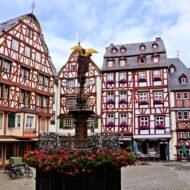
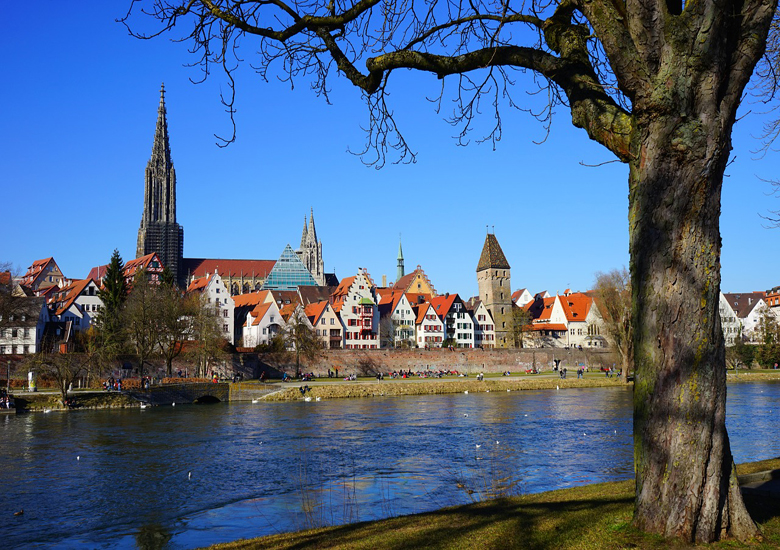
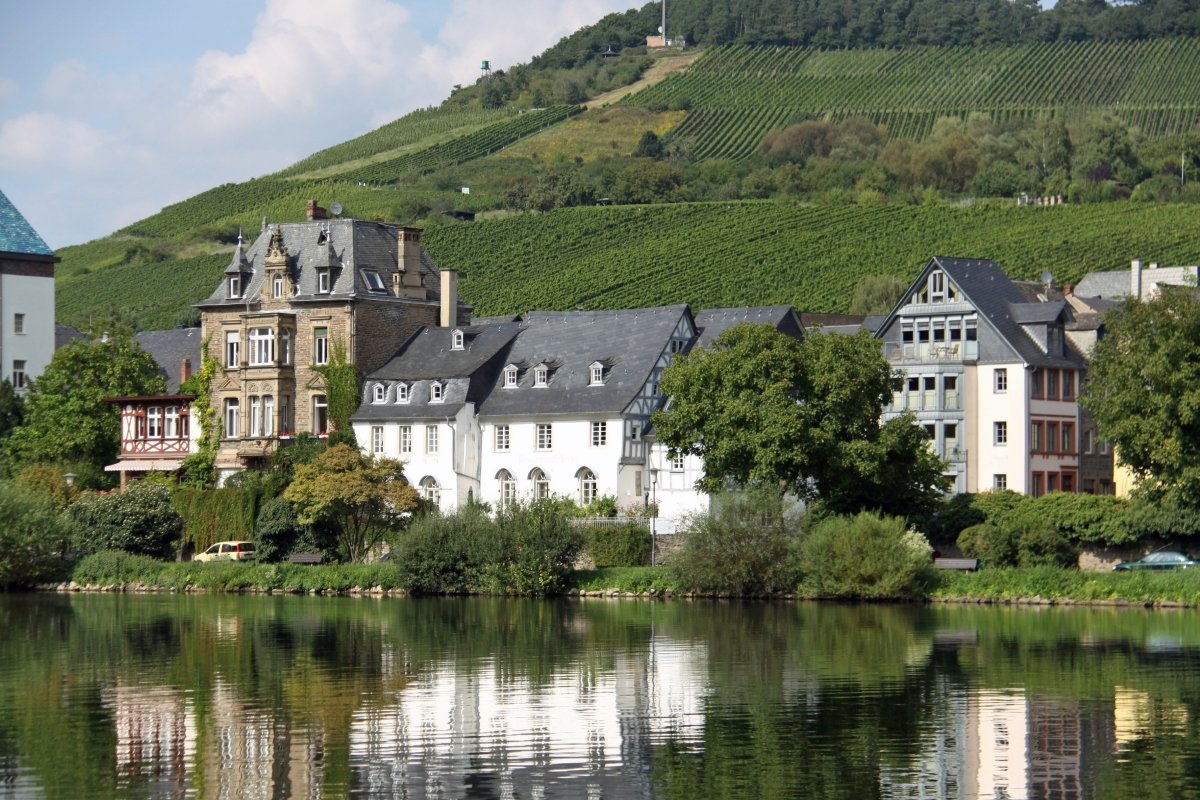
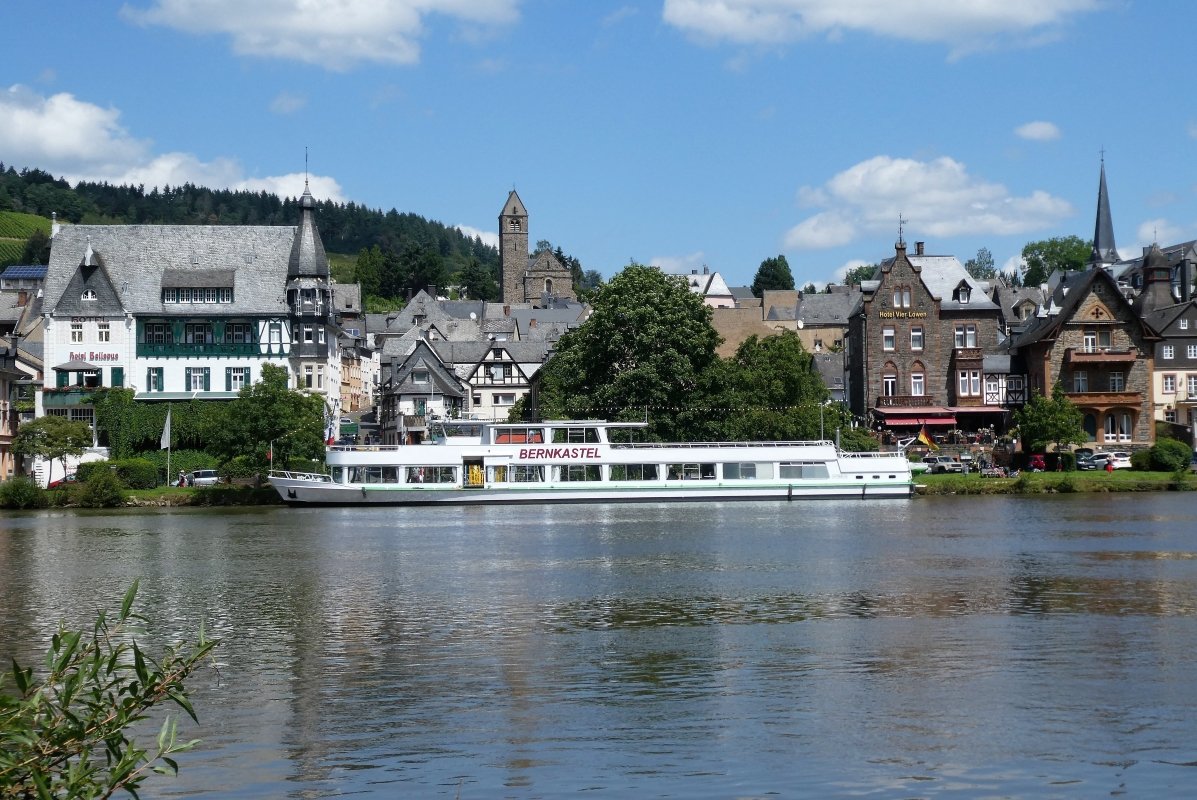
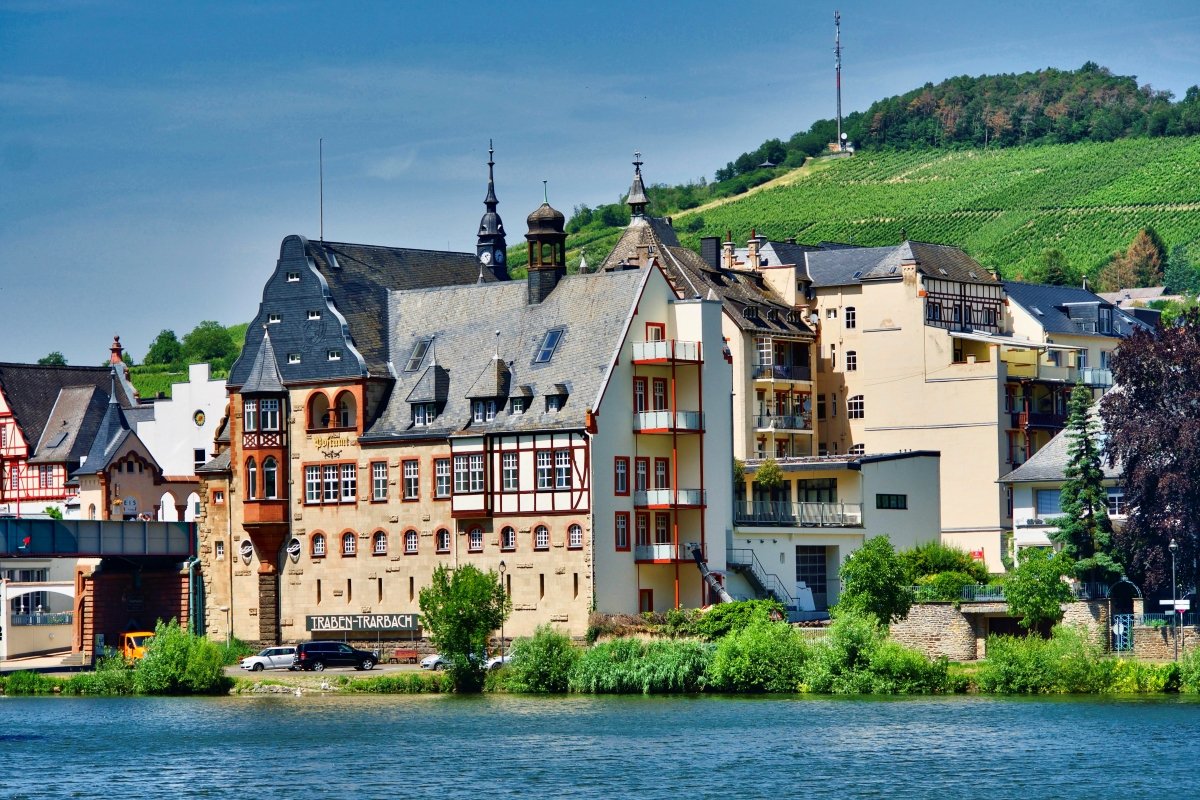
Picture this: two medieval towns facing each other across a winding river, connected by a bridge, surrounded by steep vineyard-covered hills, and packed with more Art Nouveau architecture than you’d expect from a place with barely 5,000 residents. That’s Traben-Trarbach for you.
Here’s the thing that blows most visitors’ minds: this unassuming wine town was once the second-largest wine-trading center in Europe (after Bordeaux, no less). In the late 1800s and early 1900s, wine merchants were swimming in money, and they spent it building some of the most gorgeous buildings you’ll see anywhere in Germany.
Getting There and Getting Around
By Train: Deutsche Bahn will get you here from major cities. From Frankfurt, expect about 2.5-3 hours with a connection. From Koblenz, it’s roughly 90 minutes. The train ride along the Moselle is stunning—honestly, half the journey’s appeal is just staring out the window.
By Car: If you’re driving, take the B53 along the Moselle. The route is spectacular but curvy—definitely not the place to make up time if you’re running late.
Getting Around Town: Your feet are your best friend here. The town centers are compact and pedestrian-friendly. Both sides of the river are easily walkable, and the bridge connecting Traben and Trarbach takes maybe five minutes to cross. If you’re visiting vineyards on the hillsides, though, you’ll want wheels or be prepared for some serious hiking.
When to Visit (And When to Avoid)
Best Time: May through October is peak season for good reason. The weather’s gorgeous, vineyards are lush and green, and everything’s open.
September-October is absolutely magical if you can swing it. Harvest season means wine festivals, special tours, and an energy that’s hard to beat. Plus, the autumn colors on those hillsides? Chef’s kiss.
Winter (November-March) is quiet—maybe too quiet. Many wine estates close or reduce hours, and you’ll need to bundle up. That said, if you’re into cozy vibes, Christmas markets, and having places to yourself, winter has its charm.
Summer weekends can get crowded with German tourists and river cruise passengers. Weekdays are your sweet spot for avoiding crowds.
Where to Stay
Hotel Bellevue: This waterfront spot offers killer river views and comfortable rooms. It’s right in the action but still peaceful. Mid-range pricing that won’t make your wallet weep.
Jugendstilhotel Bellevue: Despite the similar name, this is a different property focused entirely on Art Nouveau style. If you’re into design history, this is your place.
Moselpark: A modern holiday park option if you’re traveling with family or want apartment-style accommodations with more space.
Budget Tip: Guesthouses (Pensionen) and vacation rentals are plentiful and often offer better value than hotels, especially if you’re staying multiple nights.
What to Actually Do Here
Wine Cellars You Can’t Miss
Buddha-Museum Wine Cellar: Okay, this sounds made up, but it’s real. One of the largest historic wine cellars in Europe with a surprise Buddhist art collection inside. It’s weird, wonderful, and absolutely worth your time.
Mittelmosel-Museum: Located in the historic “Haus Böcking,” this museum tells the story of the region’s wine trade glory days. The building itself is an Art Nouveau masterpiece.
Architectural Highlights
The town’s Art Nouveau heritage is everywhere, but don’t miss:
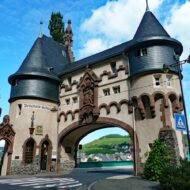
- Brückentor (Bridge Gate): The ornate gateway designed by Bruno Möhring in 1899
- Villa Huesgen: A stunning private villa showcasing Jugendstil design
- The bridge itself: Not just functional—it’s beautiful
Grab a walking tour map from the tourist office and spend an afternoon just gawking at buildings. It’s free, it’s cultural, and your Instagram will thank you.
Outdoor Adventures
Hiking: The Moselle Valley has trails for every fitness level. The Moselsteig long-distance trail passes through town, but you can tackle shorter sections. The hike up to Mont Royal fortress ruins offers panoramic views that’ll make all that huffing and puffing worthwhile.
Cycling: The Moselle Cycle Route (Moselradweg) is mostly flat and follows the river for 240km. Rent bikes locally and cruise to neighboring wine villages—Bernkastel-Kues is about 20km away and makes a perfect day trip.
Kayaking: Paddling the Moselle offers a totally different perspective on the valley. Several local companies rent kayaks and offer guided tours.
Wine Tasting 101
Let’s talk wine, because that’s probably why you’re here (or why you should be).
The Main Event: Riesling: The steep Moselle slopes produce some of the world’s finest Rieslings. The slate soil and the river’s reflection create perfect growing conditions. Expect wines that are crisp, aromatic, and ranging from bone-dry to dessert-sweet.
Where to Taste:
Most wine estates (Weingüter) welcome visitors, but calling ahead is smart, especially at smaller operations. Many offer cellar tours, tastings, and direct sales.
Weingut Dr. Kochan-Kies: Family-run estate with excellent Rieslings and friendly owners who actually enjoy explaining their wines.
Weingut Markus Eifel: Another local favorite with beautiful vineyard views.
Wine taverns (Weinstuben): These casual spots let you sample multiple local wines by the glass with some traditional food. No pressure, no pretension—just good wine.
Tasting Etiquette: Don’t stress about it. Germans are pretty casual about wine compared to, say, the French. Ask questions, try different styles, and don’t feel obligated to buy if you’re just tasting (though buying a bottle or two helps keep these small producers thriving).
Food Scene
The food here leans traditional German with Moselle influences. Expect hearty portions, seasonal ingredients, and wine-friendly dishes.
Must-Try Dishes:
- Döppekooche: A potato cake that’s crispy, filling, and perfect with wine
- Dibbelabbes: Another potato-based dish, because Germans never met a potato they didn’t love
- River fish: Fresh trout and other local catches
- Moselspießbraten: Pork skewers marinated in wine
Restaurant Recommendations:
Most places here are family-run and seasonal. Wherever you eat, ask for the local wine pairing suggestions—staff genuinely know their stuff.
Budget Eating: Bakeries offer excellent sandwiches and pastries for picnic supplies. Grab some local cheese, bread, and wine, and have a riverside picnic for a fraction of restaurant prices.
Day Trips Worth Taking
Cochem (50km): Larger town with an impressive hilltop castle. More touristy but undeniably beautiful.
Trier (70km): Germany’s oldest city with Roman ruins, including gates, baths, and an amphitheater. A history lover’s paradise.
River Cruises: Various companies offer Moselle cruises ranging from a few hours to full days. Seeing the valley from the water is genuinely special.
Practical Tips for Your Visit
Language: German is the primary language, but you’ll find English speakers in tourist-facing businesses. That said, learning basic German phrases goes a long way and people really appreciate the effort.
Money: Cash is still king in smaller establishments. Many wine estates and family restaurants don’t take cards, so hit an ATM before exploring.
Accommodation Booking: Book ahead during September-October (harvest season) and summer weekends. Spring and fall weekdays offer the best availability and prices.
Wine Shipping: Loved a wine and want to bring it home? Many estates arrange international shipping, though costs add up. EU visitors have it easiest.
Driving After Tasting: Germany has strict drunk-driving laws (0.05% BAC limit, often enforced at 0.03%). If you’re wine tasting, arrange transportation. Many visitors bike between wineries, which is legal (though not recommended if you’ve been overindulging).
Accessibility Notes
The historic town centers have cobblestone streets and some steep sections, which can be challenging for wheelchair users or those with mobility limitations. Newer hotels and museums generally have good accessibility, but older buildings may lack elevators. If you have specific accessibility needs, contact accommodations and attractions directly before booking—staff are usually helpful in finding solutions.
Hidden Gems and Local Secrets
Grevenburg Castle Ruins: Hike up for sunset views over the valley. It’s a bit of a climb, but locals know this is THE spot for photos.
Thursday Market: If you’re around on Thursday morning, the weekly market in Traben’s marketplace has local produce, cheeses, and crafts. Great for provisions and people-watching.
Off-Season Visits: March-April and November see far fewer tourists but still have pleasant weather. Some things are closed, but you’ll have a more authentic local experience.
Swimming: There’s actually a heated outdoor pool complex (Moselbad) that’s super popular with families in summer.
Budget Breakdown
Budget Travel (per day): €50-80
- Guesthouse or hostel
- Picnics and casual meals
- Self-guided activities
- Bike rental
Mid-Range (per day): €100-150
- Comfortable hotel
- Restaurant meals
- Wine tastings and tours
- Museum entries
Splurge (per day): €200+
- Upscale hotel with views
- Fine dining
- Private wine tours
- Spa treatments
Final Thoughts
Here’s what I love about Traben-Trarbach: it hasn’t sold its soul to tourism yet. Yes, visitors come for the wine and the architecture, but this is still a real town where real people live and work. The baker on the corner isn’t performing “authenticity”—they’re just making bread like they have for generations.
You won’t find tour buses clogging the streets or aggressive souvenir hawkers. What you will find is arguably Germany’s most underrated wine region, stunning scenery that changes with every season, architecture that belongs in design textbooks, and locals who are genuinely happy to share their corner of the world with curious travelers.
Whether you’re here for a weekend wine escape, a base for exploring the Moselle Valley, or just stumbled upon this guide while planning your Germany trip—trust me, add Traben-Trarbach to your itinerary. Your taste buds, your camera roll, and your sense of adventure will thank you.
Pro tip: Stay at least two nights. Rushing through is a crime against good travel (and good wine). This is a place to slow down, savor, and soak in the atmosphere. That’s what the Moselle is all about.
Prost! 🍷