


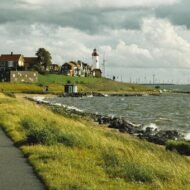
TL;DR: Urk is a charming former fishing island in Flevoland that feels like stepping into a time capsule. Visit for authentic fishing heritage, stunning harbor views, fresh seafood, and quirky local experiences. Best for maritime history buffs, photographers, and anyone craving authentic Dutch culture off the beaten path. Drive from Amsterdam (1.5 hours), budget 1-2 days, and be prepared for a tight-knit community vibe.
- Welcome to Urk: Where Time Meets Tide
- Why Urk Should Be on Your Netherlands Itinerary
- Getting There: Easier Than You’d Think
- The Must-See Attractions: Don’t Miss These
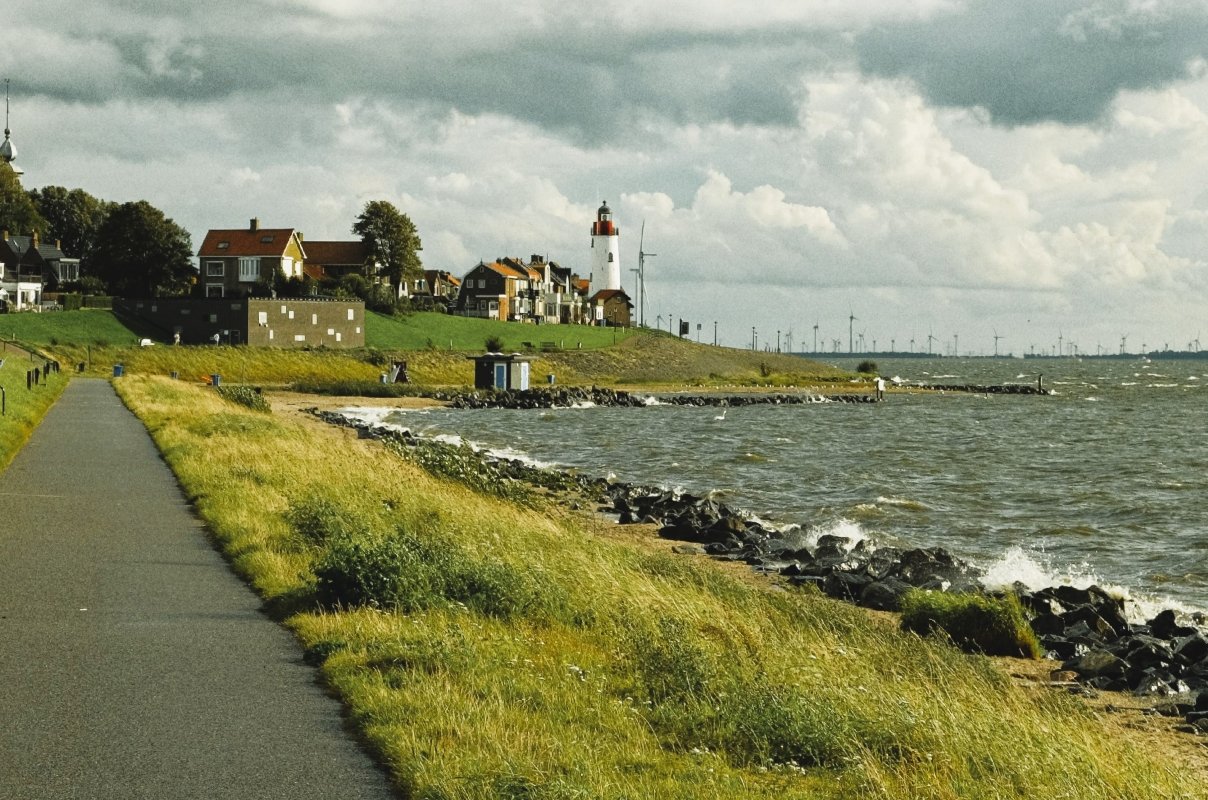
- 1. The Iconic Urk Lighthouse (Urker Vuurtoren)
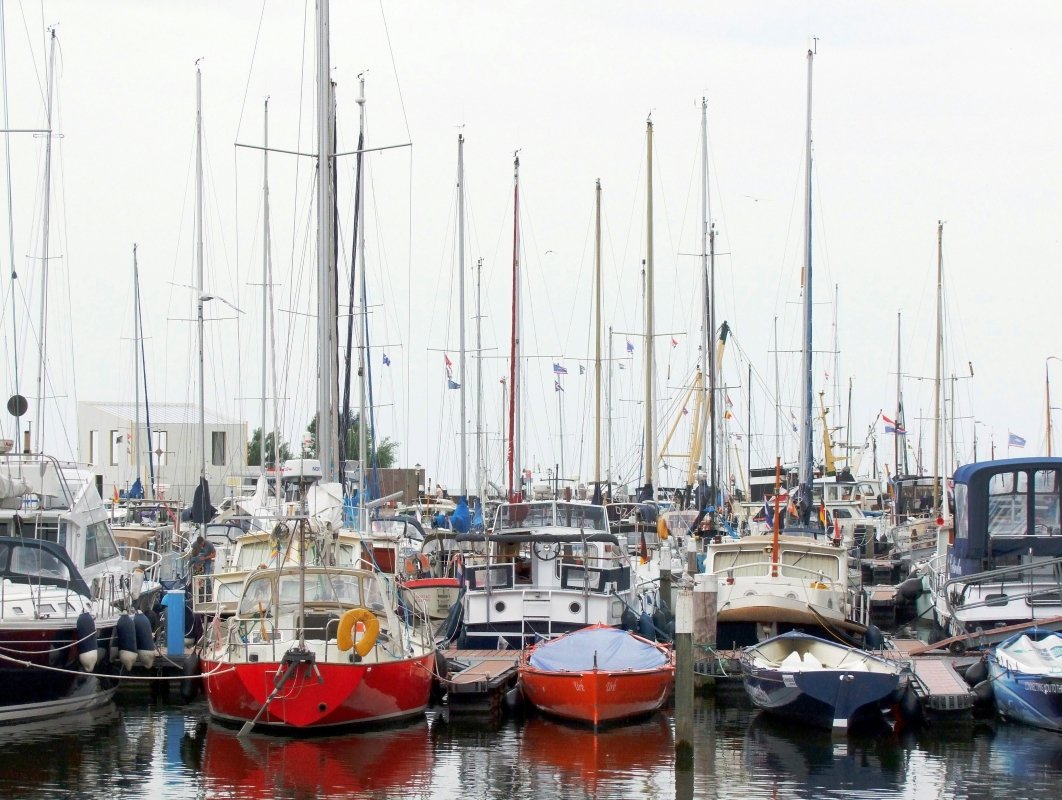
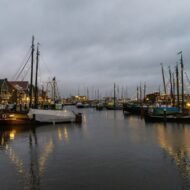
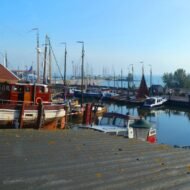
- 2. The Harbor (Westhaven): The Beating Heart of Urk
- 3. The Fish Auction (Visveiling Urk)
- 4. The Fishermen’s Monument (Vissersmonument)
- 5. The Ginkie Tour: The Insider Experience
- 6. Museum Het Oude Raadhuis (The Old Town Hall Museum)
- 7. The Little Church by the Sea (Kerkje aan de Zee)
- 8. Betherlkerk (Bethel Church)
- Seasonal Experience: When to Go
- Food & Drink: Eating Your Way Through Urk
- Hidden Gems & Local Experiences
- Practical Travel Information
- Day Trip Ideas & Easy Excursions
- Cultural Notes for Visitors
- Insider Tips That Actually Matter
- Accessibility & Inclusive Information
- FAQ: Quick Answers to Common Questions
- Final Thoughts: Why Urk Matters
- Quick Planning Checklist
Welcome to Urk: Where Time Meets Tide
Imagine a place where cobblestone streets echo with centuries of seafaring tradition, where fresh fish gets sold straight from the harbor every morning, and where locals still speak a dialect that confuses even other Dutch people. Yeah, that’s Urk.
Located along the IJsselmeer in Flevoland province, Urk is one of those destinations that makes you feel like you’ve discovered a secret—even though it’s been thriving for over 1,000 years. It’s the kind of place where your Instagram feed transforms into something genuinely beautiful without trying too hard, where conversations spark with strangers over hot coffee and fresh fish, and where you’ll actually want to disconnect from the chaos back home.
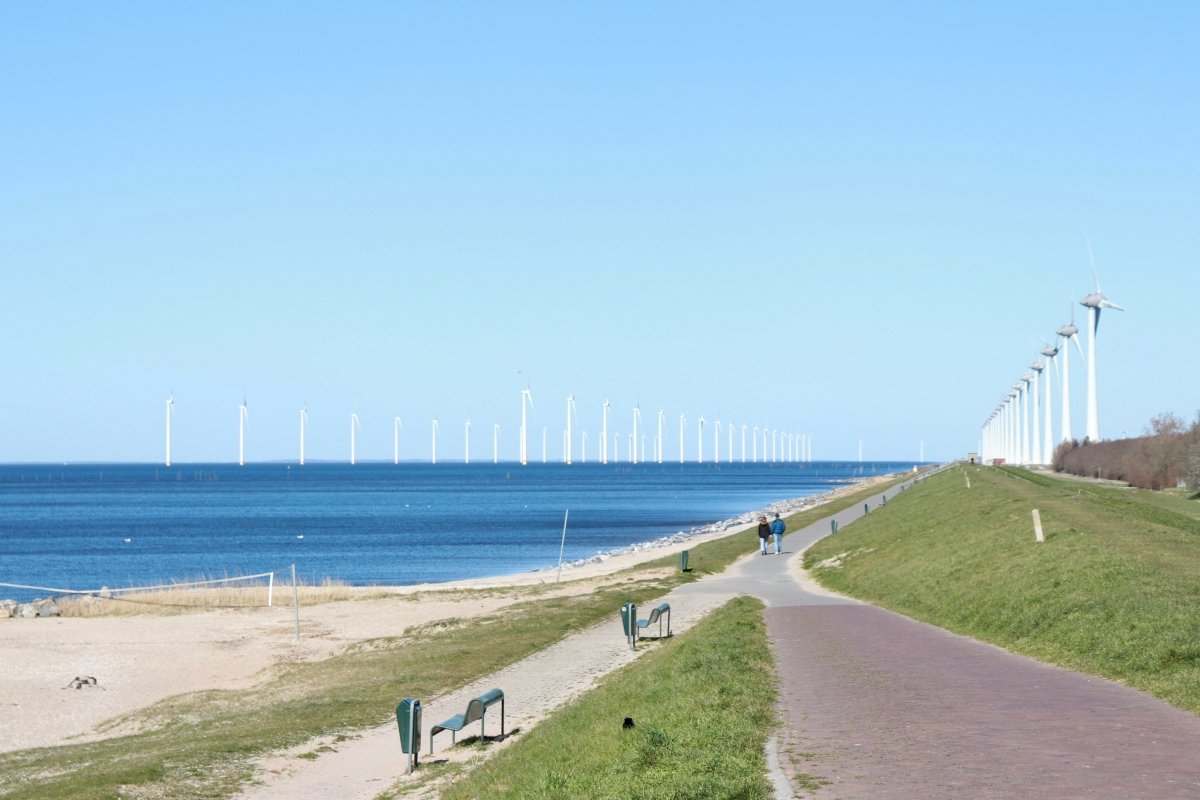
Once a true island in the Zuiderzee, Urk today sits just off the mainland after the historic Afsluitdijk was built in 1932. But don’t tell the locals that—they still proudly call themselves “Urkers” and consider their town an island at heart. There’s a spirit here that stays with you long after you’ve left.
Why Urk Should Be on Your Netherlands Itinerary
For the Culture Lovers: Urk has maintained traditions that have largely faded elsewhere in modern Netherlands. The strong religious community, distinctive Urker dialect (which blends Old Dutch, Frisian, English, and Scandinavian influences), and tight-knit social fabric make this place genuinely unique.
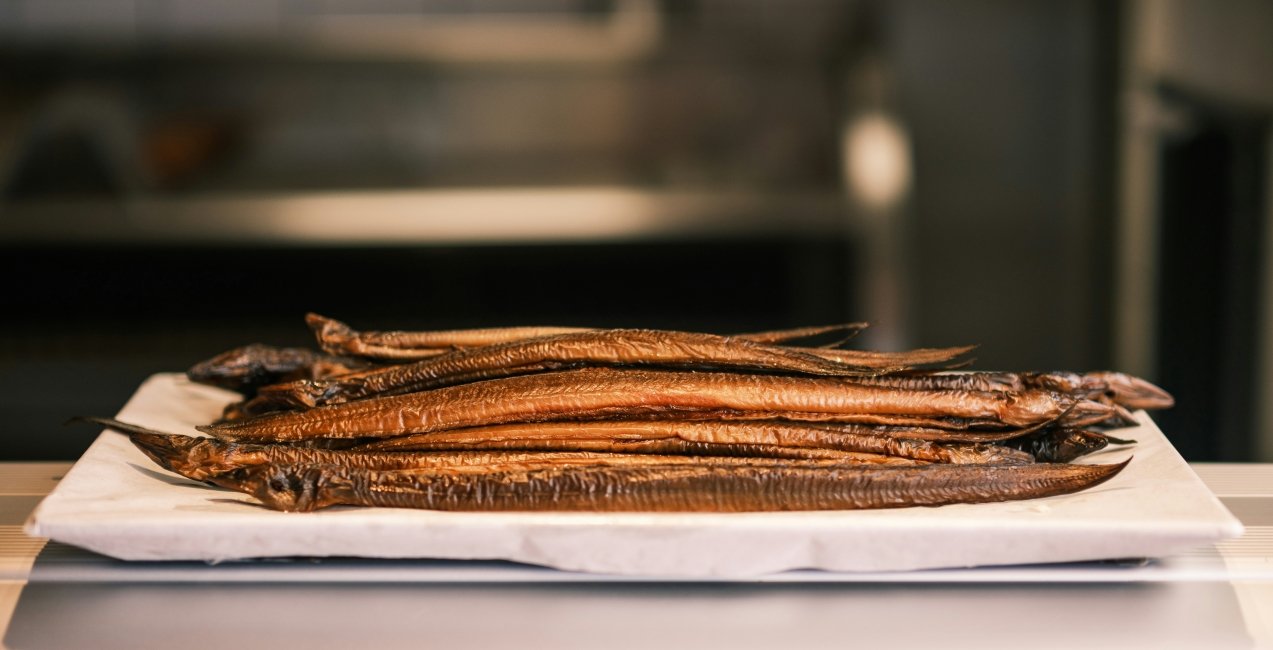
For the Food Enthusiasts: One of Europe’s largest fishing fleets operates from here. Fresh smoked eel, expertly fried fish, and seafood that literally came off the boat this morning? You’re not getting that quality anywhere else in Flevoland.
For the History Buffs: From WWI internment camps to the transformation from island to mainland settlement, Urk’s story is compelling and often overlooked.
For the Photographers: Colorful fishing boats, charming harbor scenes, narrow alleyways (called “ginkies”), and golden hour light over the water—this place is a visual feast.
For the Escapists: If you’re tired of the tourist treadmill in Amsterdam or Rotterdam, Urk offers an authentic Dutch experience without the crowds. You get real community, real traditions, and real connection.
Getting There: Easier Than You’d Think
By Car: This is your best bet. From Amsterdam, it’s about 1.5 hours driving through scenic Dutch countryside. From other Dutch cities like Utrecht or Rotterdam, expect 2-2.5 hours. The drive itself is lovely, passing through reclaimed polderlands and giving you a sense of how the Dutch have engineered their entire landscape.
By Public Transport: It’s doable but takes patience. You’re looking at 2+ hours involving trains and buses. If you’re staying in Soest or another central location, combining this with a rental car for the day trip makes more sense.
Pro Tip: Book your car rental in advance through platforms like Discover Cars or RentalCars for better rates. The parking situation at the harbor is actually quite good, so you won’t be hunting for a spot.
The Must-See Attractions: Don’t Miss These
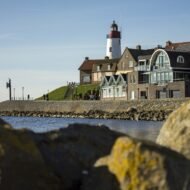
1. The Iconic Urk Lighthouse (Urker Vuurtoren)
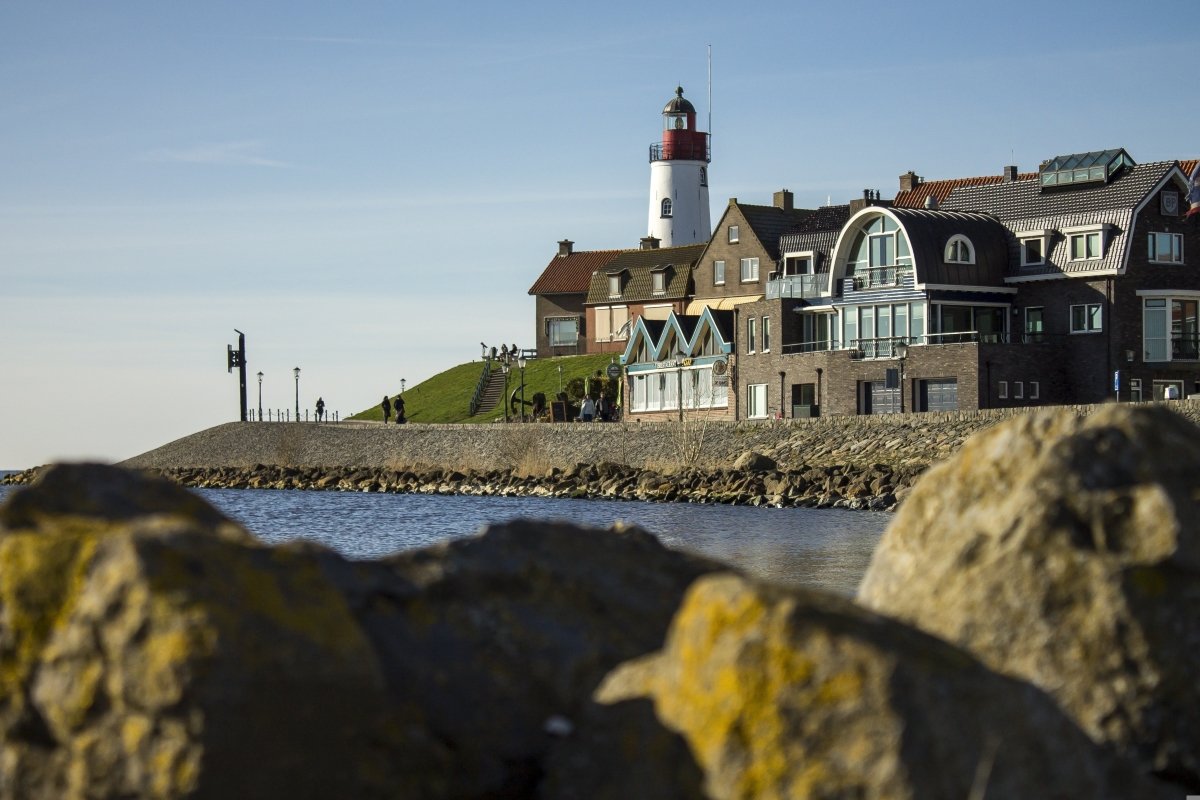
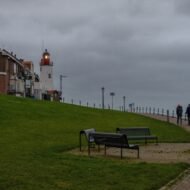
This isn’t just any lighthouse—it’s been guiding ships safely to harbor for over 175 years. Built in 1837 and declared a national monument in 1982, the lighthouse has been meticulously restored and stands about 18.5 meters high.
Here’s what makes it special: climb to the top, and on a clear day, you can see across three provinces—North-Holland, Flevoland, and Friesland—all from one vantage point. Summer months (roughly May-August) allow casual walk-ups for a small fee. Outside summer, you’ll need to arrange a guided tour in advance.
The real kicker? From up there, you’ll finally understand why this fishing community has such a profound connection to water and why the maritime heritage is so deeply ingrained in Urk’s identity.
Tip: Go early in the day when light is best for photography, and the crowds (such as they are) haven’t arrived yet.
2. The Harbor (Westhaven): The Beating Heart of Urk
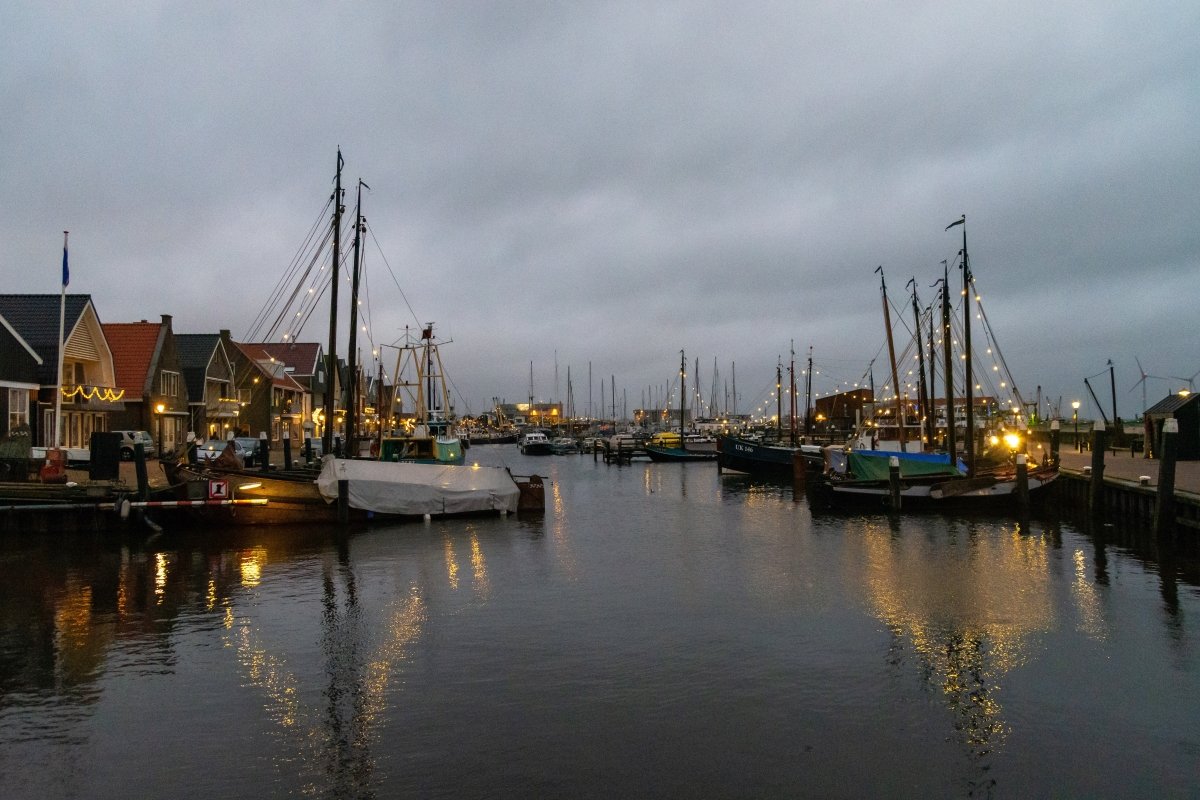
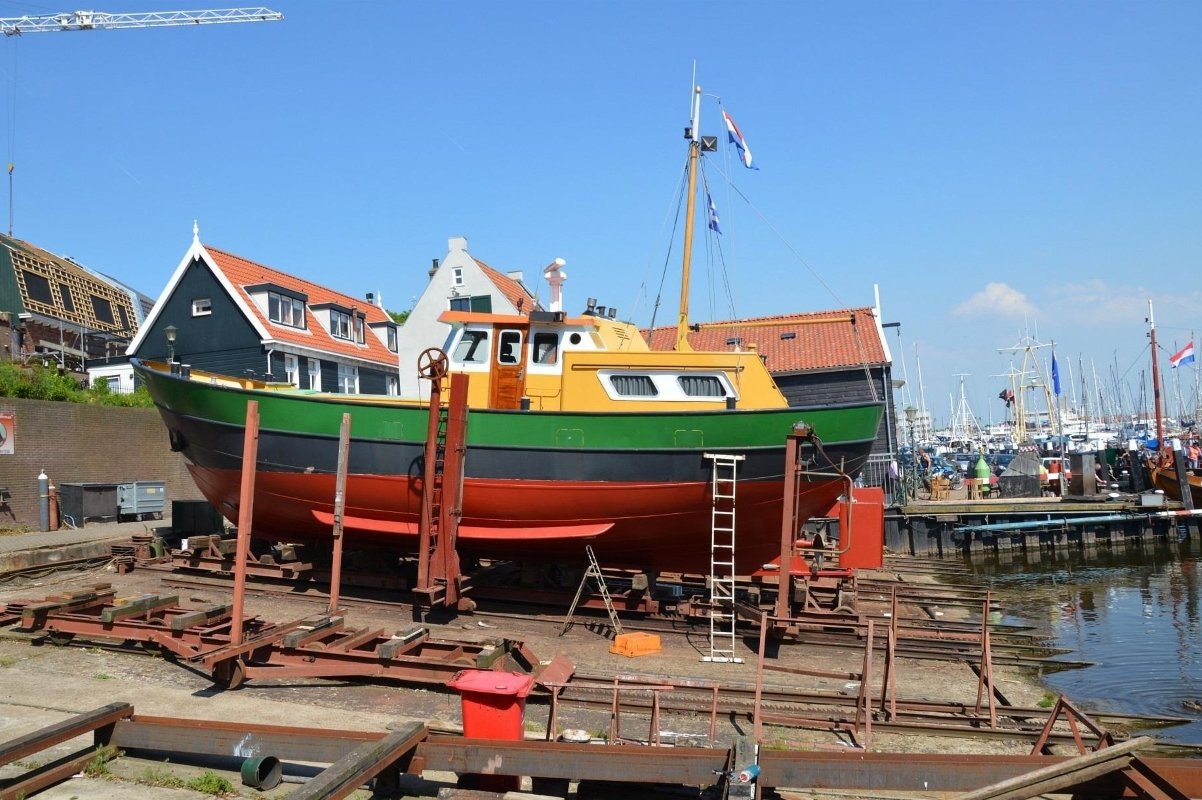
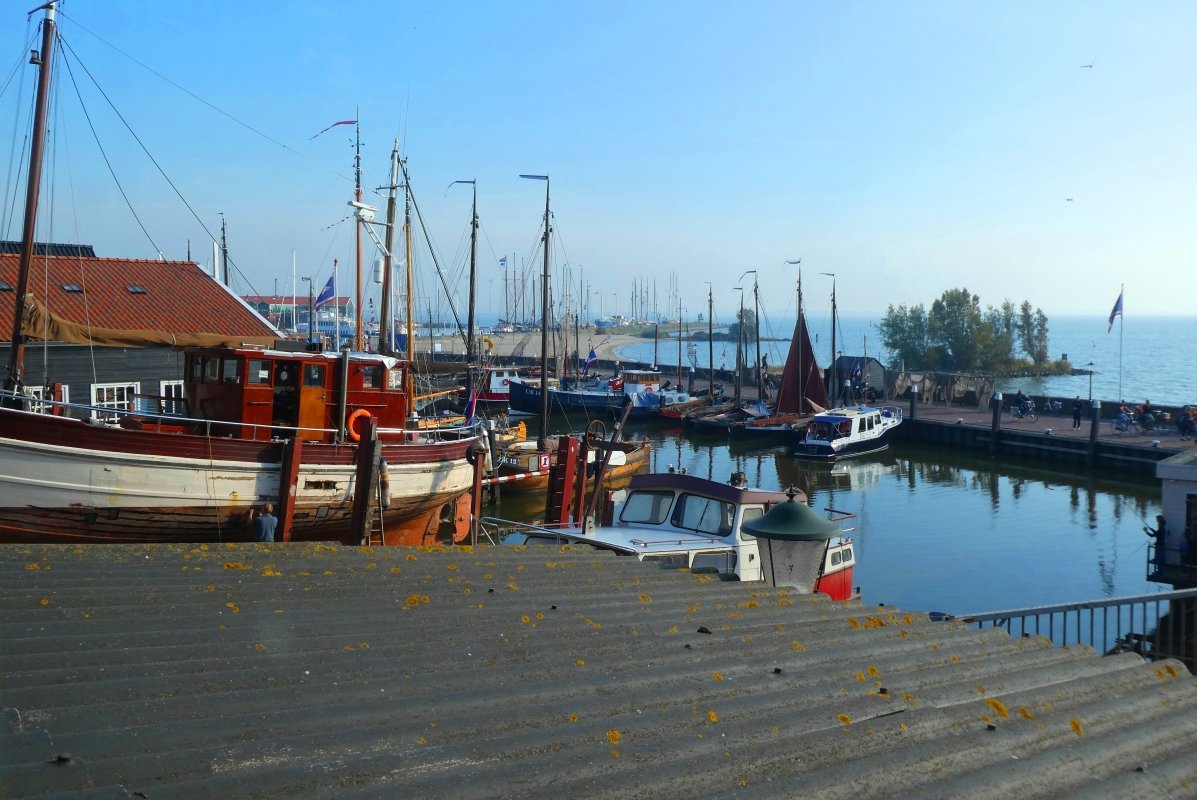
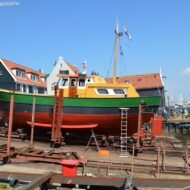
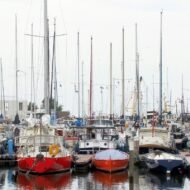
Stroll along the waterfront where colorful fishing cutters—distinctive fishing boats marked with their home port code (UK) and serial numbers—line the docks. This is where the real action happens. Fishermen still bring in daily catches, continuing a tradition that’s survived centuries of change.
The harbor isn’t just picturesque; it’s working. You’ll see genuine maritime activity, not theme park recreations. You can grab fresh fish at waterfront terraces, watch boats being maintained, and chat with locals if you’re friendly. There’s also the famous “Ommelebommelestien” (try saying that after a few beers), a legendary rock that’s become a must-photo spot.
The Westhaven also features the old wharf slope—fun fact: during WWI, when about fifty internees were held on Urk (a Dutch version of Alcatraz, basically), they dug this slope by hand. No shovels, no machinery. Just determination and muscle.
Best Time: Early morning (6-8 AM) to see the fish auctions starting to happen, or late afternoon for golden hour photography.
3. The Fish Auction (Visveiling Urk)
This is actually the largest fish auction in the Netherlands. You can observe the auction during summer months (May through August) starting around 2:15 PM. Saturdays are closed for the formal auction, but you can buy fresh fish directly from fishermen.
Watching this organized chaos unfold—the rapid-fire bidding, the organization, the quality control—gives you genuine insight into why Urk remains economically vital despite modern changes. It’s not a tourist attraction; it’s an essential economic engine.
Pro Tip: The IJsselmeer Afslag (summer fish sales) runs Monday-Friday only. Don’t show up on weekends expecting the same energy.
4. The Fishermen’s Monument (Vissersmonument)
This isn’t a cheerful statue. It’s a deeply moving tribute featuring a bronze fisherman’s woman gazing back toward the sea, expecting her loved one to return from work. Plaques list names of fishermen lost at sea—a sobering reminder of the real cost of the maritime lifestyle.
Standing here, you feel the weight of history. This isn’t abstract heritage; it’s personal, family stories, and ongoing grief. It’s one of the most emotionally powerful stops in Urk.
Tip: Visit early morning or late afternoon when fewer tourists are around, allowing you to sit quietly and absorb the moment.
5. The Ginkie Tour: The Insider Experience
Forget typical city tours. The “Ginkie Tour” is a guided walk through Urk’s narrow alleyways (called “ginkies”—a distinctly Urk term) led by an actual local guide from Tourist Info Urk. In just over an hour, you’ll learn the genuine inside scoop about the town’s history, traditions, and modern life.
You’ll walk through the charming historical district, see authentic houses that haven’t been modernized beyond necessity, and hear stories that you won’t find in guidebooks. The guides are passionate about their hometown and it shows.
Cost: Reasonable for what you get, and it’s the best bang-for-your-buck experience in Urk.
6. Museum Het Oude Raadhuis (The Old Town Hall Museum)
Housed in the actual 1905 former town hall, this museum tells Urk’s story through objects, exhibits, and an authentic reconstructed fisherman’s house complete with period furnishings, a net loft, and traditional bedstead. In summer, costumed volunteers demonstrate how locals lived in the 20th century.
Upstairs, rotating exhibitions explore different aspects of Urk’s history and culture. It’s small enough to see in 45 minutes but detailed enough to actually learn something.
Pro Tip: Check ahead for current exhibitions and volunteer schedule if you want the full costumed experience.
7. The Little Church by the Sea (Kerkje aan de Zee)
Dating back to 1600, this tiny church has a wild history. Originally built on land, it eventually became isolated on its own island off the coast, forcing Urkers to take boats to reach it. Today’s rebuilt version still captures that charming, slightly precarious feeling.
It’s a quick stop but a photogenic one, and it tells you everything about Urk’s relationship with water and adaptation.
8. Betherlkerk (Bethel Church)
The oldest place of worship in Urk, this church features a historical facade board showing the symbol of Amsterdam (three St. Andrew’s crosses), a reminder that Urk once belonged to Amsterdam (1660-1792). The graveyard has a special story—it’s called “Urk Skulls’ Grave”—and the church isn’t always open (typically Sunday services only), but the exterior is worth seeing.
Seasonal Experience: When to Go
Spring (March-May): Mild weather, longer daylight hours, and fewer tourists. Harbor activity picks up as fishing season ramps up. Tourist infrastructure is fully open. This is legitimately one of the best times to visit.
Summer (June-August): Warmest weather, full operating schedules for lighthouse climbs and boat tours, and peak tourist season. More crowded but excellent for photography and water activities. The IJsselmeer is perfect for cruises to nearby towns like Enkhuizen.
Fall (September-November): Beautiful colors, peaceful streets, and the lowest hotel prices of the year. It gets a bit grey and rainy, but this is actually when Urk feels most authentic—locals reclaim the streets.
Winter (December-February): Cold and often wet. BUT Urk Wintersferen (a festive winter event) brings Christmas markets, decorations, and a cozy local celebration. Hotel rates are low, and the town has a romantic, quiet charm.
Food & Drink: Eating Your Way Through Urk
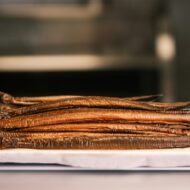
Smoked Eel: It’s the signature dish. Tender, flavorful, and prepared fresh daily. You’ll find it at waterfront cafés and local restaurants. This is what separates a visit to Urk from every other Dutch destination.
Fried Fish: Crispy battered fish straight from the harbor, often paired with local homemade tartar sauce. Grab it from a harbor terrace, find a bench, and enjoy the best €8 meal you’ll have all trip.
Dikkoek: This traditional Urk pastry used to be “poor man’s food”—made with flour, sultanas, and bacon, it rises about 10 centimeters (hence “dik” meaning “big” or “fat”). Originally created to sustain fishermen on long expeditions, it’s dense, flavorful, and available at The Old Bakery. Try it with coffee.
Fresh Catch: Literally whatever came off the boats that morning. Quality varies but is consistently excellent.
Local Spots: Harbor-front terraces aren’t fancy, but they’re authentic. Expect basic but genuine preparation and locally sourced ingredients. Restaurants like those near the Westhaven offer straightforward fish-focused menus without tourist markup.
Hidden Gems & Local Experiences
The Urkersluis & Gemaal Vissering (Pumping Station): This is where Dutch water management gets real. On one side, you see the low Urkervaart canal; on the other, the much higher IJsselmeer. This pumping station is one of seven in Flevoland that literally keeps the province from flooding. It’s unique, it’s authentic Dutch engineering, and it’s not on most tourists’ radars.
Schokland UNESCO Site: Just a short drive away, this former island became a UNESCO World Heritage site. It’s got its own compelling history of human adaptation to water and landscape.
Urkerbos Vakantiepark: If you want to combine Urk with nature, this woodland area near the town offers cycling trails, walking paths, and natural beauty. It’s a working vacation park, so it’s not just for tourists.
The Distinctive Urker Dialect: Locals speak a unique dialect that’s virtually incomprehensible to other Dutch people. The mix of Old Dutch, Frisian, English, and Scandinavian influences reflects centuries of maritime trade. Don’t expect to understand it, but do appreciate the cultural uniqueness it represents.
Practical Travel Information
How Long to Stay: 1-2 days is ideal. One day for core attractions, evening meal, and harbor exploration. Two days allows you to relax, explore surrounding areas, and really soak in the local vibe.
Budget Breakdown (per person, per day):
- Lunch (fresh fish): €8-12
- Dinner (restaurant): €20-30
- Museum entry: €5-8
- Lighthouse: €3-4
- Ginkie tour: €10-15
- Accommodation: €60-120 (budget B&B to mid-range)
Budget-Friendly Tips:
- Visit September-November for lowest hotel prices
- Grab lunch from harbor food stalls instead of restaurants
- Many sights are free (harbor walk, church exteriors, street exploration)
- Buy a 5% discount code for Tiqets attractions
Where to Stay:
- Bed & Breakfast Werfzicht: Waterfront views, local hospitality
- Vakantiepark ‘t Urkerbos: Nature setting, good for families
- Small rental cottages: Search local listing sites for authentic stays
Many visitors also stay in Soest (about 1 hour away) at Bungalow Park ‘t Eekhoornnest, treating Urk as a day trip from a more central location.
What to Pack:
- Waterproof jacket (lake weather changes quickly)
- Comfortable walking shoes (narrow alleyways can be uneven)
- Camera (seriously)
- Sunscreen (water reflection is intense)
- Dutch currency (some smaller establishments cash-only)
- Open mind and patience with deliberate pace of life
Local Etiquette:
- Sundays are “Sunday Rest” for many locals—respect quiet hours
- Don’t expect everything to be open on Sundays
- Greet locals with a simple “Goedemorgen” (good morning) or “Hoi” (hi)
- Photography is generally fine; just ask before photographing people
- Respect private property and private harbor areas
- Understand that locals are friendly but formal by American standards
Day Trip Ideas & Easy Excursions
Enkhuizen: Take a summer ferry (May-August) across the IJsselmeer aboard “The Zuider Zee,” an original fishing boat. Enkhuizen is a charming harbor town with its own museums and maritime history.
Lelystad: Capital of Flevoland, about 20 minutes away. Good for shopping, more dining options, and the Aviodome museum if you’re into aviation.
Lemmer: Another water-connected village with its own charm and fewer tourists than Urk.
National Park Nieuw Land: Extensive nature area with hiking and cycling trails, birdwatching opportunities, and educational exhibits about Dutch land reclamation.
Cultural Notes for Visitors
The Island Spirit: Even though Urk is technically no longer an island, locals maintain an island identity. It’s not stubbornness—it’s cultural continuity after 1,000 years of island life. Respect and appreciate this distinction.
Religious Community: Urk has a strong religious tradition influencing community life. This isn’t oppressive; it’s genuinely part of the culture. Sunday quietness, holiday traditions, and community values reflect this.
Language: While English speakers are increasingly common, locals appreciate attempts at Dutch. Learn “Dank je” (thanks) and “Graag gedaan” (you’re welcome), and you’ll make friends.
Fashion: Older residents, especially during religious holidays, wear traditional Urker dress. This isn’t for tourists—it’s authentic cultural practice. Photography is usually okay, but ask first.
Insider Tips That Actually Matter
- Go early morning to the harbor to see real activity, not cleaned-up daytime tourism
- Book the Ginkie tour in advance—it fills up quickly, especially in summer
- Ask locals for recommendations—they’re proud of their town and will steer you right
- Bring cash—some places don’t take cards
- Don’t rush—Urk rewards slow exploration
- Try the dikkoek—it’s weird, it’s local, and you’ll understand Urk history through one pastry
- Visit the pumping station—seriously, it’s surprisingly fascinating
- Get coffee with a view at a harbor terrace and just sit for 30 minutes
- Wear good walking shoes—cobblestones and uneven terrain aren’t forgiving
- Take the lighthouse climb seriously—the views are genuinely spectacular
Accessibility & Inclusive Information
Mobility Accessibility: Urk’s charming cobblestone streets and narrow alleyways aren’t always wheelchair-friendly. The harbor and lighthouse have limited accessibility. Check with Tourist Info Urk ahead of time for specific accommodations and accessible routes.
Dietary Needs: Fish-heavy culture means vegetarian and vegan options are limited but exist. Many harborfside restaurants can accommodate dietary restrictions if asked in advance. Bring packaged snacks for dietary restrictions not easily accommodated.
Language Accessibility: English is spoken in tourist areas, but not uniformly. Learning basic Dutch phrases helps. Download a translation app for detailed restaurant menus and museum information.
LGBTQ+ Travelers: Urk is a conservative, religious community. LGBTQ+ travelers are welcome to visit, but overt displays of affection might attract unwanted attention. The general Dutch attitude is inclusive, but this specific town’s vibe is more traditional.
Travelers with Sensory Sensitivities: Fish auction areas have strong smells. Harbor areas can be loud. Crowded museum spaces might feel overwhelming. Scout locations first, and take breaks as needed.
Family Traveling: Urk is genuinely family-friendly. The harbor is safe, attractions are educational without being boring, and the pace of life suits kids well.
FAQ: Quick Answers to Common Questions
Q: Is one day enough? A: Yes, but two is better. One day for core sites, two days for relaxation and exploration.
Q: When do I absolutely avoid Urk? A: Sunday mornings (things are closed), winter storms (makes water activities impossible), and early morning Mon-Fri if you want to avoid fish auction crowds (if that’s not your thing).
Q: How much fish do I have to eat? A: None! But honestly, why wouldn’t you? It’s what Urk is about.
Q: Can I visit in winter? A: Absolutely. It’s cold, often wet, but atmospheric and peaceful. Wintersferen adds festive charm.
Q: Is it worth the drive from Amsterdam? A: 100%. It’s different from Amsterdam in every way. That contrast alone makes it worth the drive.
Q: Can I bring my dog? A: Yes, and locals are generally dog-friendly. Keep your dog on a leash and clean up after them.
Q: What’s the deal with the dialect? A: It’s genuinely hard for Dutch people to understand. It’s part of Urk’s unique identity and worth trying to hear it spoken.
Final Thoughts: Why Urk Matters
In a world of Instagram-optimized travel destinations and themed experiences, Urk is refreshingly, stubbornly authentic. It’s not trying to impress you. It’s going about 1,000 years of maritime tradition, community values, and water management like nothing’s changed because, fundamentally, the things that matter in Urk haven’t changed.
You come here not for luxury or flashiness but for connection—to authentic culture, to history, to community, and to the kind of place that restores your faith in the existence of genuine human communities beyond major tourist circuits.
Urk won’t blow your mind with jaw-dropping sights. It will, however, settle into your soul in quiet, powerful ways that last long after you’ve returned home.
Come hungry. Come curious. Come ready to slow down. Urk is waiting.
Quick Planning Checklist
✅ Book rental car or arrange transportation
✅ Reserve Ginkie tour with Tourist Info Urk
✅ Book accommodation 2-3 weeks in advance (especially summer)
✅ Check lighthouse visiting hours for your travel dates
✅ Bring cash for small establishments
✅ Download offline maps or translation app
✅ Pack waterproof jacket
✅ Learn basic Dutch greetings
✅ Make reservation if trying specific restaurant
✅ Charge camera and phone
Contact & Resources:
- Tourist Info Urk: +31 527 684 040
- Website: www.werkgroeptoerisme-urk.nl
- Best time to call: Weekday mornings
- Nearby cities for comparison: Lelystad (20 min), Amsterdam (1.5 hours)
Safe travels, and welcome to Urk. You’re going to love it.