







TL;DR: This northern coastal gem combines stunning beaches, jaw-dropping architecture, and some of Portugal’s best seafood with zero crowds. Think Porto’s charm minus the tourist chaos. Best visited May-September, especially August for epic festivals. Plan 2-3 days minimum.
- Why You’ll Fall Hard for Viana
- The Main Attractions (The Stuff You Can’t Skip)
- Santuário de Santa Luzia: The Crown Jewel
- Praça da República: The Historic Heart
- Gil Eannes Hospital Ship: Maritime History Afloat
- Beaches That Actually Deliver
- The Festival You Need to Experience
- Where to Eat (Because Life’s Too Short for Bad Food)
- Where to Stay
- Getting Around
- When to Visit
- How Long to Stay
- Beyond the City
- Final Tips for Travelers
- The Bottom Line
Why You’ll Fall Hard for Viana
Look, we could tell you that Viana do Castelo is arguably the most beautiful city in northern Portugal, but honestly? The place speaks for itself. Wedged between the Lima River and the Atlantic Ocean, this coastal city is what happens when centuries of maritime heritage meet contemporary cool—without any of that try-hard vibe you’ll find in more touristy spots.
Here’s the deal: the old quarter showcases leafy 19th-century boulevards and narrow lanes crowded with Manueline manors and rococo palaces, all watched over by a pristine white basilica that looks like it’s floating above the city. And unlike other Portuguese destinations that get absolutely mobbed, Viana remains refreshingly authentic.
The Main Attractions (The Stuff You Can’t Skip)
Santuário de Santa Luzia: The Crown Jewel
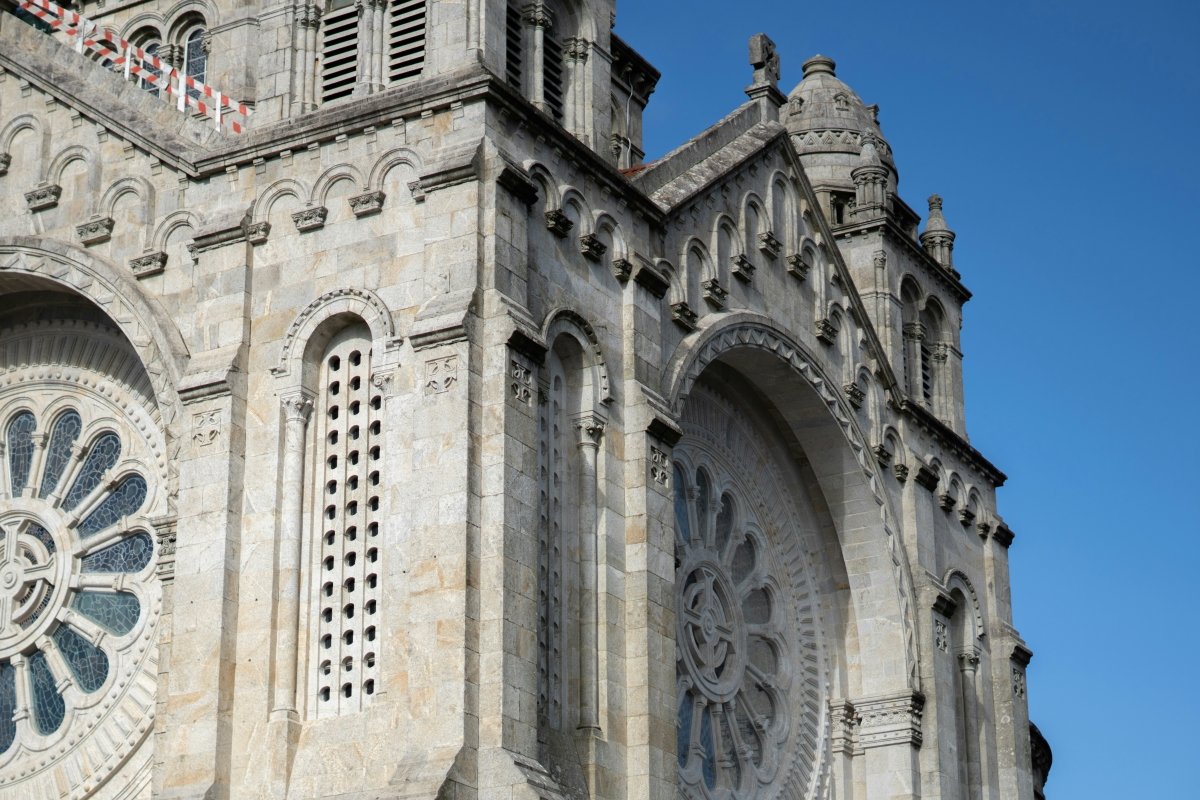
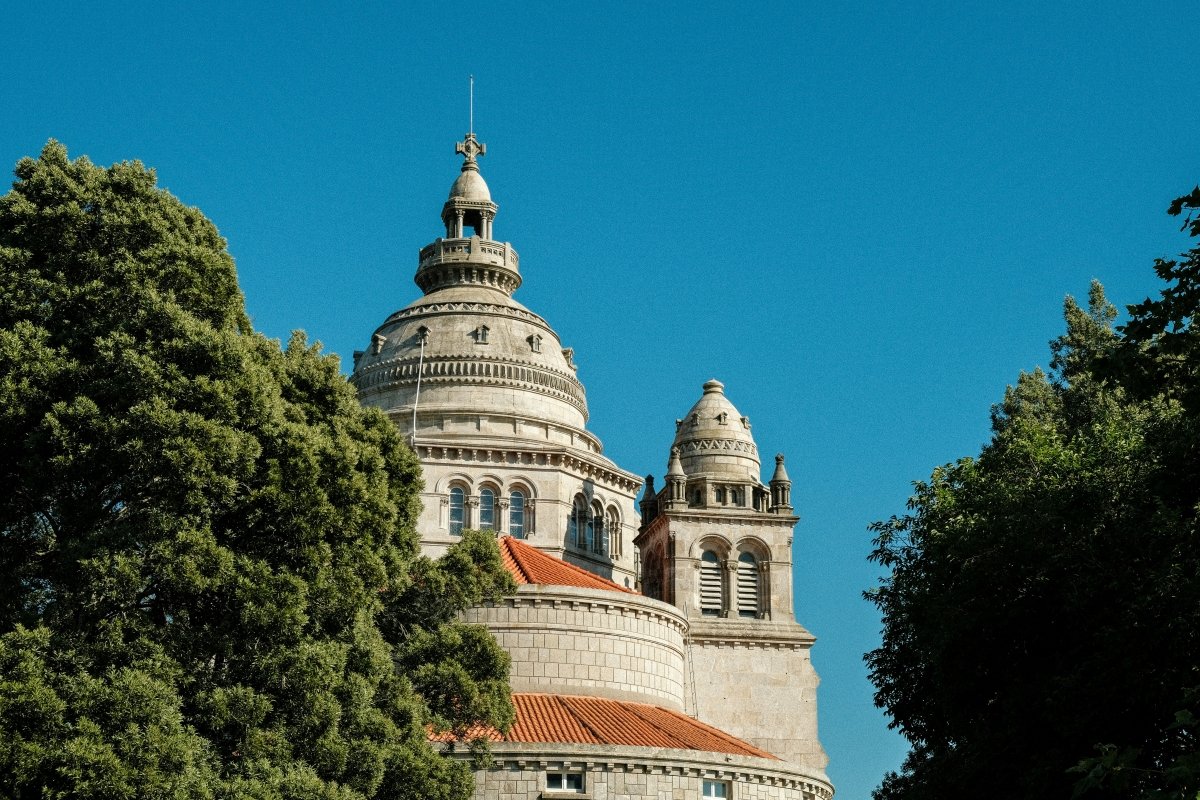
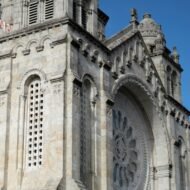
Let’s start with the big one. Perched atop Monte de Santa Luzia, the Santuário de Santa Luzia is the icon of Viana do Castelo. This neo-Byzantine beauty wasn’t actually completed until 1959, despite looking ancient, and the rose windows are the largest in all of the Iberian Peninsula.
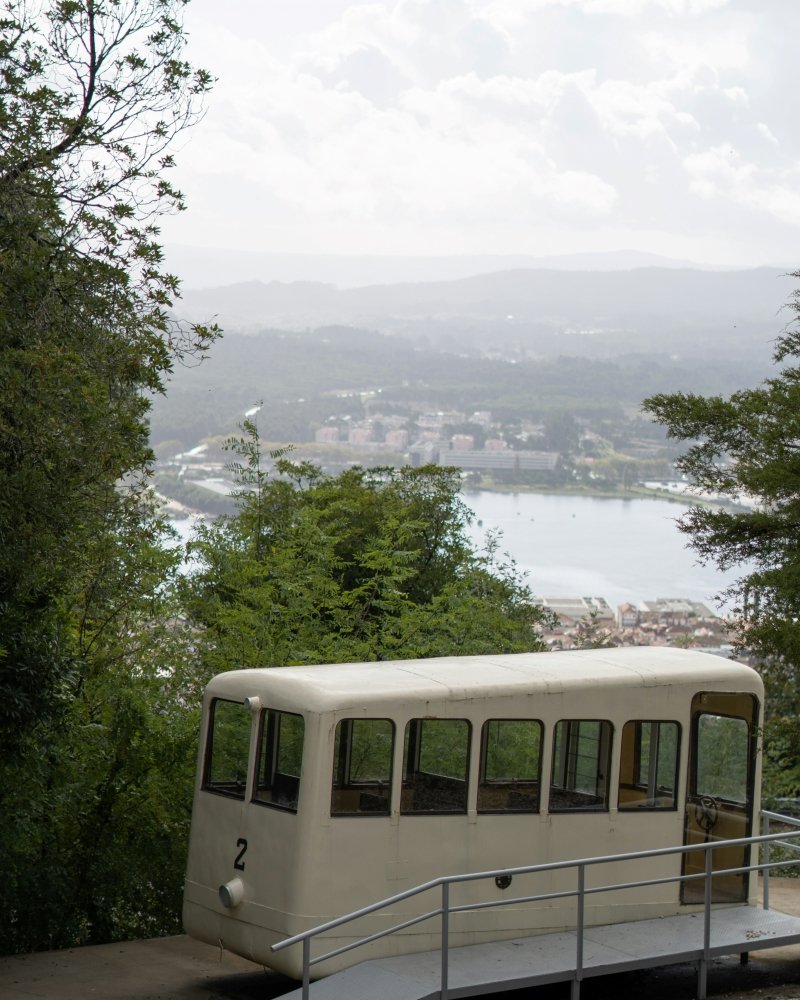
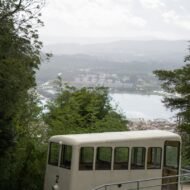
Getting there is half the fun. You can drive or hike to the top of the hill, though most take the Elevador de Santa Luzia, a tram-style funicular that travels 650 meters to the top in just 7 minutes. Once you’re up there, prepare for views that’ll absolutely wreck your camera roll. We’re talking panoramic vistas of the city, the Lima River estuary, and the Atlantic stretching to forever.
Pro tip: For a few euros, you can climb to the top of the dome for even more spectacular views—though there’s a traffic system in place because space gets tight up there.
Praça da República: The Historic Heart
This is where Viana’s architectural game really shows off. The historic centre follows a grid layout with Praça da República at its heart, surrounded by elegant buildings that span Renaissance to Baroque styles. The centerpiece? A stunning 16th-century granite fountain that’s basically become the city’s selfie spot.
Don’t miss the Igreja da Misericórdia here—its interior is an absolute showstopper with gilded details that’ll have you questioning your own home decor choices.
Gil Eannes Hospital Ship: Maritime History Afloat
The 1950s Gil Eannes hospital ship was constructed in Viana do Castelo to support the city’s Atlantic fishing fleet, and now it’s a fascinating floating museum docked in the harbor. This isn’t your typical stuffy museum—walking through the preserved medical facilities and crew quarters gives you a visceral connection to the city’s cod fishing heritage.
Beaches That Actually Deliver
Okay, beach time. Praia do Cabedelo is a sweeping sandy bay south of Viana do Castelo with pristine natural scenery and near-perfect surfing waves. Thanks to the port’s breakwaters, it has a northern corner protected from winds and bigger swells, making it ideal whether you’re into kitesurfing, catching waves, or just sprawling out with a book.
The beach stretches for over 20 kilometers, so finding your own slice of sand is never an issue. Local water sports enthusiasts basically live here from May through September.
The Festival You Need to Experience
Romaria de Nossa Senhora d’Agonia: Portugal’s Most Spectacular Festival
If you can only visit Viana once, make it August. The festival always falls around August 20, and in 2025 runs from August 12 to 20.
This isn’t just any festival—it’s a nine-day celebration that’ll absolutely blow your mind. The Mordoma Parade features hundreds of women parading through streets adorned in traditional costumes and priceless gold filigree jewelry, showcasing family heirlooms passed down through generations. It’s recognized as the largest outdoor gold showcase in the world.
But wait, there’s more. The Maritime Procession sees the Lima River adorned with decorated boats welcoming the image of Our Lady of Agony, while the ethnographic parade showcases traditional working life through elaborate floats. Add in fireworks, street parties, folk music, and the intoxicating smell of grilled sardines everywhere, and you’ve got yourself an unforgettable cultural experience.
Important: Booking accommodation and transport months in advance is virtually mandatory for this festival. We’re talking 6-12 months out if you want decent options.
Where to Eat (Because Life’s Too Short for Bad Food)
Viana’s food scene is seriously underrated. While you’d think it would be all about fresh fish, Viana actually has deep links to the cod fishing industry, so you’ll find fantastic salted cod dishes at seemingly every restaurant.
The Must-Try Restaurants
O Manel – This traditional Portuguese restaurant serves house-style bacalhau that’s fried with house-sliced potato discs and sweet sliced onions. Reservations essential. Seriously—this place gets packed.
Tasquinha da Linda – One of the top spots for seafood in Viana. Located at the port in an old fishing warehouse, it’s where you go when you want ultra-fresh catches and ice-cold Vinho Verde while watching actual fishermen work.
Casa de Pasto Maria de Perre – Founded by Maria de Perre, this restaurant focuses on authentic Portuguese cuisine using the freshest local ingredients, with particular emphasis on regional recipes such as bacalhau. The portions are massive, and the atmosphere feels like dining at a Portuguese grandmother’s house—in the best way possible.
Casa d’Armas – Located in a beautifully renovated mansion near the waterfront, specialties include house bacalhau that’s fried and stuffed with bacon. The fish soup here is legendary.
What to Order
Beyond the omnipresent bacalhau (which you absolutely should try multiple ways), look for arroz de polvo à moda do Minho (Minho-style octopus rice), rojões (fried pork), and arroz de cabidela (chicken rice). Pair everything with Vinho Verde, the region’s signature crisp white wine that’s basically sunshine in a glass.
Where to Stay
Splurge-Worthy Options
Pousada Viana do Castelo – Set on Monte de Santa Luzia with some of the best views of the city, rooms offer panoramic ocean vistas. There’s an outdoor pool, tennis court, and multiple terraces for soaking in those views.
Casa Melo Alvim – This magnificent restored 16th-century manor house in the old town features 20 guest rooms with antique furnishings and whitewashed walls. The gardens alone are worth the splurge.
Hotel FeelViana – A 4-star beachfront property with modern design featuring natural materials and located in pine forests. You’re basically a 4-minute walk from the beach, plus there’s an outdoor pool and spa.
Mid-Range Gems
Hotel Laranjeira – Boutique hotel in the heart of the historic center, just 1,640 feet from the Atlantic. Perfect for those who want walkable access to everything.
Axis Viana Business & SPA Hotel – Features a luxury spa and indoor and outdoor swimming pools, with rooms offering city park views. The vintage wine bar is a major plus.
Budget-Friendly Picks
Quinta da Bouca d’Arques and Quinta do Monteverde get consistently high marks from travelers looking to save without sacrificing comfort. Both offer pools and charming atmospheres.
Pro tip: The most budget-friendly months to visit are January, November, and December, though obviously you’ll miss the August festival madness.
Getting Around
Arriving in Viana
Most visitors fly into Porto’s Francisco Sá Carneiro Airport, which is about 60 kilometers south. From Porto, you’ve got two main options: drive the A28 motorway (about 50 minutes) or take the train, which runs regularly and takes about 90 minutes.
The train station is conveniently located near the historic center, so you can literally start exploring on foot the moment you arrive.
Getting Around Town
The historic center is compact and best explored on foot—you’ll want to wander those cobblestone streets anyway. For beaches and outlying areas, local buses run regularly, or you can grab a taxi/Uber.
If you’re using Viana as a base to explore the broader Minho region (which you should), renting a car makes the most sense. You’ll want wheels to hit up nearby Ponte de Lima, explore the Vinho Verde wine region, or venture into Spain.
When to Visit
Best overall: May through September brings warm, sunny weather perfect for beach time and outdoor exploring. August is particularly lively with the Romaria festival, though prepare for crowds and higher prices.
Sweet spot: June, early July, or September give you fantastic weather, lower prices, and manageable crowds. The Atlantic keeps temperatures comfortable even in peak summer—we’re talking mid-70s to low-80s Fahrenheit.
Off-season perks: Winter (December-February) is mild but rainy. If you don’t mind sacrificing beach weather, you’ll have the historic sites practically to yourself and can score serious hotel deals.
How Long to Stay
Don’t rush this place. While Viana works as a day trip from Porto, you’d be doing yourself a disservice. Plan for at least 2-3 days to really soak it in—one day for the historic center and Santa Luzia, another for the beaches and maritime sights, and a third for just vibing with the local pace of life.
If you’re here during the festival, add another 1-2 days to fully experience the celebrations.
Beyond the City
Viana’s location makes it perfect for day trips. The entire Costa Verde coastline is gorgeous, with pristine beaches stretching north and south. The Lima Valley offers stunning green landscapes, and you’re close to the Peneda-Gerês National Park for serious hiking.
Wine lovers shouldn’t miss exploring the Vinho Verde region—those crisp, slightly effervescent wines taste even better when you’re sipping them at the vineyard.
Final Tips for Travelers
Language: Portuguese is the native language, but you’ll find English speakers in tourist areas and major hotels. Learning a few basic Portuguese phrases goes a long way with locals.
Money: Portugal uses the Euro. Credit cards are widely accepted, but carry some cash for small cafes and markets.
Safety: Viana is incredibly safe. Standard travel precautions apply, but this isn’t a place where you need to stress about your belongings.
Accessibility: The historic center has cobblestone streets that can be challenging for wheelchairs or strollers. The funicular to Santa Luzia is accessible, and most modern hotels have good accessibility features.
What to Pack: Comfortable walking shoes (those cobblestones are no joke), layers for changeable coastal weather, sunscreen, and swimwear. If visiting for the festival, bring your camera with extra battery packs—you’ll be shooting non-stop.
The Bottom Line
Viana do Castelo is what Portugal was before it became Instagram-famous. You get stunning architecture, incredible beaches, mind-blowing food, and genuine cultural experiences without fighting through cruise ship crowds or paying tourist-trap prices. It’s authentic, beautiful, and refreshingly chill.
Whether you’re a culture vulture, beach bum, foodie, or all of the above, Viana delivers without the pretense. Just go—preferably in August if you can swing the festival, but honestly, any time works.
Your biggest problem? Explaining to everyone back home why you’re already planning your return trip.