


Introduction: The Authenticity Paradox in Modern Travel
Picture this: You’re sipping champagne in a marble-clad hotel lobby that could be in Singapore, Dubai, or Manhattan—and that’s precisely the problem. The world’s luxury travelers are experiencing an awakening. After decades of globalized hospitality that promised comfort through sameness, discerning wanderers are hungering for something that can’t be replicated, packaged, or franchised.
- Introduction: The Authenticity Paradox in Modern Travel
- What Does “Authentic” Mean in Travel—and Why Does It Matter?
- Why the Discerning Traveler Chooses Authenticity
- What Travelers Rank as Most Authentic: The Global Truth Index
- 1. Community-Led Cultural Immersions
- 2. Artisan Workshops and Heritage Crafts
- 3. Local Markets and Food Systems
- 4. Religious and Spiritual Practices
- 5. Rural Agricultural Traditions
- 6. Historical Sites in Context
- 7. Traditional Music and Dance in Native Settings
- 8. Wilderness Areas with Minimal Infrastructure
- 9. Multigenerational Family Businesses
- 10. Local Transportation and Infrastructure
- Fascinating Facts: The Authentic Travel Revolution
- Final Thoughts: The Authentic Path Forward
Authenticity in travel has become the ultimate luxury—and the most elusive. But what does “authentic” actually mean in an age when Instagram has turned hidden villages into tourist traps, and “undiscovered” gems are discovered before breakfast?
What Does “Authentic” Mean in Travel—and Why Does It Matter?
Authentic travel is the art of experiencing a destination as it exists for itself, not as it performs for visitors. It’s witnessing daily life unfold in its natural rhythm—fishermen mending nets at dawn not because it’s picturesque, but because the tide demands it. It’s tasting recipes passed down through generations, unchanged by restaurant consultants optimizing for Western palates.
The Latin root authenticus means “original” and “genuine”—and that’s precisely what modern travelers crave after years of curated, sanitized experiences. In a world where AI can generate perfect sunset photos and virtual reality can simulate the Serengeti, authentic travel matters because it reconnects us with the unpredictable, unpolished truth of human existence across cultures.
This isn’t about rough edges for their own sake. It’s about the recognition that a grandmother’s kitchen in rural Vietnam offers something no Michelin-starred interpretation ever can: the weight of history, the warmth of genuine hospitality, and the stories that transform a meal into a memory.
Why the Discerning Traveler Chooses Authenticity
The ultra-wealthy have always been able to buy exclusivity. What they can’t buy is legitimacy—and they know it. Today’s sophisticated travelers have visited the world’s finest hotels, dined at its most celebrated restaurants, and sailed on its most luxurious yachts. They’ve collected experiences like others collect art. And somewhere along that gilded path, many realized they were seeing the world through a very expensive filter.
The shift represents a profound evolution in luxury travel values:
Authentic experiences offer irreplaceable emotional resonance. There’s a fundamental difference between observing and participating, between being served and being welcomed. When a Bedouin family in Jordan’s Wadi Rum invites you to share their evening meal under stars unpolluted by city lights, you’re not a customer—you’re a guest. That distinction has become priceless to travelers who’ve grown weary of transactional tourism.
The cultural depth authentic travel provides creates understanding that resort walls prevent. Spending a day with olive harvesters in Crete, learning how their families have cultivated these groves for centuries, offers insight into Mediterranean culture that no museum placard can match. These interactions break down the invisible barriers between traveler and local, transforming strangers into storytellers.
For many, there’s also the sustainability factor. Authentic travel tends to distribute wealth more equitably, supporting local economies directly rather than enriching distant shareholders. Staying in a family-run riad in Fez or hiring a local guide in the Amazon benefits communities in immediate, tangible ways that matter to ethically minded travelers.
Perhaps most importantly, authentic experiences are impossible to replicate. In an age of infinite reproducibility, scarcity creates value. No two conversations with a master craftsperson unfold the same way. Each sunrise over Angkor Wat, witnessed alongside monks beginning their morning prayers, is singular. This unrepeatable quality appeals to collectors of meaningful moments rather than mere destinations.
What Travelers Rank as Most Authentic: The Global Truth Index
Recent survey data from luxury travel platforms and cultural tourism boards reveals what sophisticated travelers consider genuinely authentic. These aren’t the experiences that appear in glossy brochures—they’re the moments that define transformative travel:
1. Community-Led Cultural Immersions
Spending time with indigenous communities who share their traditions on their own terms ranks highest. Think participating in a traditional tea ceremony with a Berber family in Morocco’s Atlas Mountains, or joining Maasai elders in Kenya for storytelling around an evening fire. The key: these experiences are led by community members, not tour operators, ensuring dignity and genuine exchange.
2. Artisan Workshops and Heritage Crafts
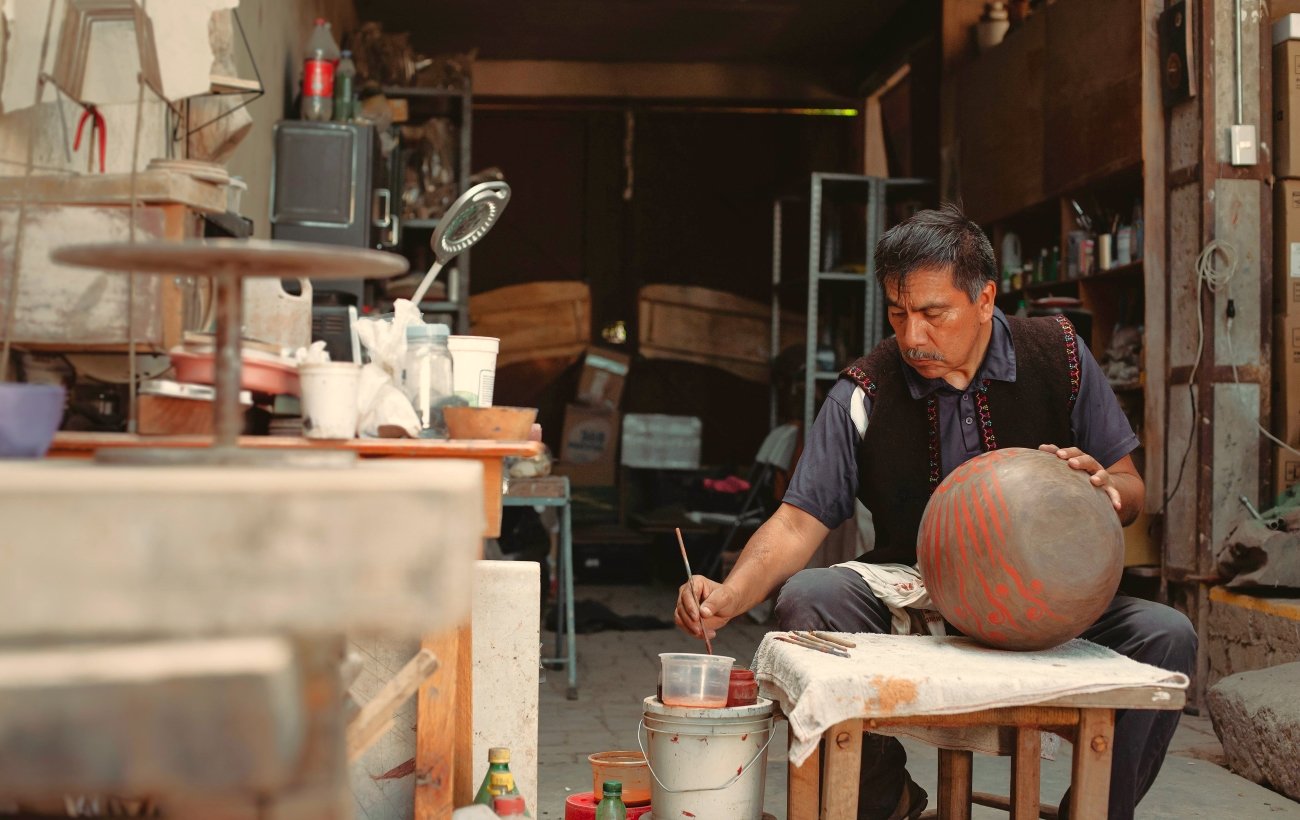
Travelers consistently rank time with master craftspeople as deeply authentic. Watching a Venetian glassblower shape molten silica using techniques unchanged since the Renaissance, or learning natural indigo dyeing from Japanese artisans in Tokushima, creates connections to living history. The slow revelation of skill accumulated over lifetimes resonates with travelers seeking substance over speed.
3. Local Markets and Food Systems
Nothing reveals a culture quite like its relationship with food. Morning markets in Bangkok’s Khlong Toei, where locals shop for ingredients you won’t find in tourist areas, or truffle hunting with dogs in Piedmont’s forests rank as supremely authentic. These experiences show how communities actually feed themselves, from farm to table without pretense.
4. Religious and Spiritual Practices
Witnessing (respectfully) genuine spiritual practice—not performances staged for visitors—ranks remarkably high. Attending vespers at a remote Greek Orthodox monastery, joining dawn prayers at Varanasi’s ghats, or observing Buddhist almsgiving in Luang Prabang offers glimpses into belief systems that shape entire cultures. The authenticity lies in being a respectful observer, not the center of attention.
5. Rural Agricultural Traditions
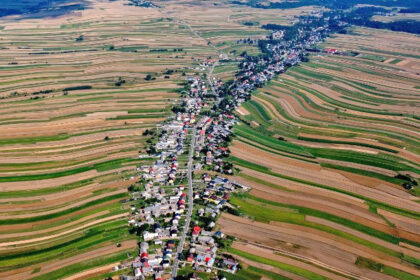
Urban travelers increasingly seek agricultural authenticity: harvesting saffron in Kashmir’s fields, joining rice planting in Bali’s emerald terraces, or participating in grape harvest in Georgia’s ancient wine regions. These experiences connect travelers to the land and to farming practices that sustained civilizations for millennia.
6. Historical Sites in Context
Experiencing landmarks with local historians or descendants of original communities transforms sites from photo opportunities to profound learning. Exploring Petra with Bedouin guides whose ancestors carved the rose-red city, or visiting Hiroshima’s Peace Memorial with survivors’ families, adds irreplaceable human dimension to historical understanding.
7. Traditional Music and Dance in Native Settings
Not concert hall performances, but music as it lives in communities: fado in a candlelit Lisbon tavern, flamenco in a Seville courtyard, or gamelan in a Balinese temple compound during ceremonies. When music serves community rather than tourism, travelers witness cultural expression in its purest form.
8. Wilderness Areas with Minimal Infrastructure
Landscape authenticity matters too. Trekking in Patagonia’s Torres del Paine with only essential trails, diving Australia’s remote ribbon reefs, or exploring Iceland’s interior highlands where nature remains largely unmodified ranks as authentic for travelers seeking Earth in its raw magnificence.
9. Multigenerational Family Businesses
Staying in accommodations or patronizing establishments run by multiple generations reveals cultural continuity. A trattoria in Rome’s Trastevere where the grandmother still makes pasta in the same kitchen she learned in as a child, or a ryokan in Japan maintained by the same family for 300 years, embodies living tradition.
10. Local Transportation and Infrastructure
Using the same systems locals use—from Istanbul’s ferries across the Bosphorus to India’s railway system to Mexico City’s metro—immerses travelers in the rhythm of daily life. These experiences strip away tourist infrastructure, revealing how cities actually function for their residents.
Fascinating Facts: The Authentic Travel Revolution
The authentic travel movement is reshaping luxury tourism in measurable ways. Understanding these shifts reveals where travel is heading.
The economics of authenticity are compelling. Community-based tourism generates 65% more local income per visitor dollar than conventional resort tourism, according to the Global Sustainable Tourism Council. When travelers pay for experiences directly with local providers, money flows into community pockets rather than corporate coffers. A cooking class with a family in their Tuscan farmhouse keeps more wealth in rural areas than a luxury hotel cooking demonstration ever could.
Authenticity is biologically rewarding. Neuroscience research shows that novel, culturally immersive experiences trigger higher dopamine and oxytocin responses than familiar luxury. Our brains literally light up more when we navigate a Moroccan souk or share a meal with strangers than when we check into another five-star property. This explains why travelers report deeper satisfaction from authentic experiences, even when they’re less comfortable than conventional luxury.
The UNESCO paradox is real. When sites gain World Heritage status—supposedly protecting authentic culture—tourist numbers often triple within five years, fundamentally changing the very authenticity the designation aimed to preserve. Venice, Dubrovnik, and Angkor Wat exemplify this tension. Savvy travelers now seek UNESCO sites in the off-season or shift to lesser-known but equally significant locations.
Language immersion creates outsized memories. Travel psychology research indicates that travelers who learn even basic local phrases report 40% higher satisfaction and consider their experiences significantly more authentic. The effort signals respect and opens doors—literally and figuratively—that remain closed to those who expect everyone to speak English.
Slow travel correlates with authenticity ratings. Travelers who spend at least a week in one location rather than country-hopping report experiencing destinations as more authentic. Time allows relationships to develop, routines to reveal themselves, and the performative aspects of tourism to fall away. The local baker eventually greets you by name; shopkeepers stop seeing you as a transaction.
Food authenticity is the gateway drug. Research shows 78% of travelers who seek authentic culinary experiences become interested in broader cultural authenticity. A genuine meal sparks curiosity about ingredients, which leads to questions about agriculture, which opens conversations about land use, history, and values. Food’s universality makes it an ideal entry point into deeper cultural understanding.
The authenticity premium is real—and declining. Travelers pay up to 30% more for experiences marketed as authentic. However, as authenticity becomes commercialized, discerning travelers grow skeptical. The challenge: distinguishing genuinely local experiences from “authentic-themed” tourism products. The future of authentic travel lies with direct connections that bypass marketing altogether.
Remote destinations are booming. Bookings for hard-to-reach destinations increased 45% year-over-year as travelers equate remoteness with authenticity. The Faroe Islands, Bhutan, and Mongolia see growing interest from luxury travelers specifically because their relative inaccessibility has protected them from mass tourism’s homogenizing effects.
Final Thoughts: The Authentic Path Forward
The irony of authentic travel is that seeking it too deliberately can destroy it. When tourism boards market “authentic experiences,” when hotels create “authentic villages” on their grounds, when social media influencers declare secret spots, authenticity retreats like a mirage.
The most profound authentic experiences happen in the margins—in unplanned conversations, in getting genuinely lost, in the vulnerability of not knowing. They require surrendering control, the very thing luxury traditionally promises to provide.
Perhaps authentic travel’s greatest gift is its humility. It reminds us that we’re not the center of the universe, that other ways of living are equally valid, and that comfort isn’t always the highest good. When we witness a ceremony that existed long before we arrived and will continue long after we leave, we’re reminded of our small place in a vast, varied world.
The future of luxury travel isn’t about where money can take you—it’s about where openness, respect, and genuine curiosity can lead. The most exclusive experiences aren’t behind velvet ropes; they’re behind the ordinary doors of people willing to share their extraordinary lives.
True authenticity asks nothing of the destination and everything of the traveler: the courage to be uncomfortable, the humility to be taught, and the wisdom to leave things more authentic than you found them.
The journey toward authenticity begins the moment we stop performing as tourists and start participating as temporary residents of a world far larger and more magnificent than any itinerary can contain.
The authentic world awaits—not in guidebooks, but in the unwritten spaces between them.