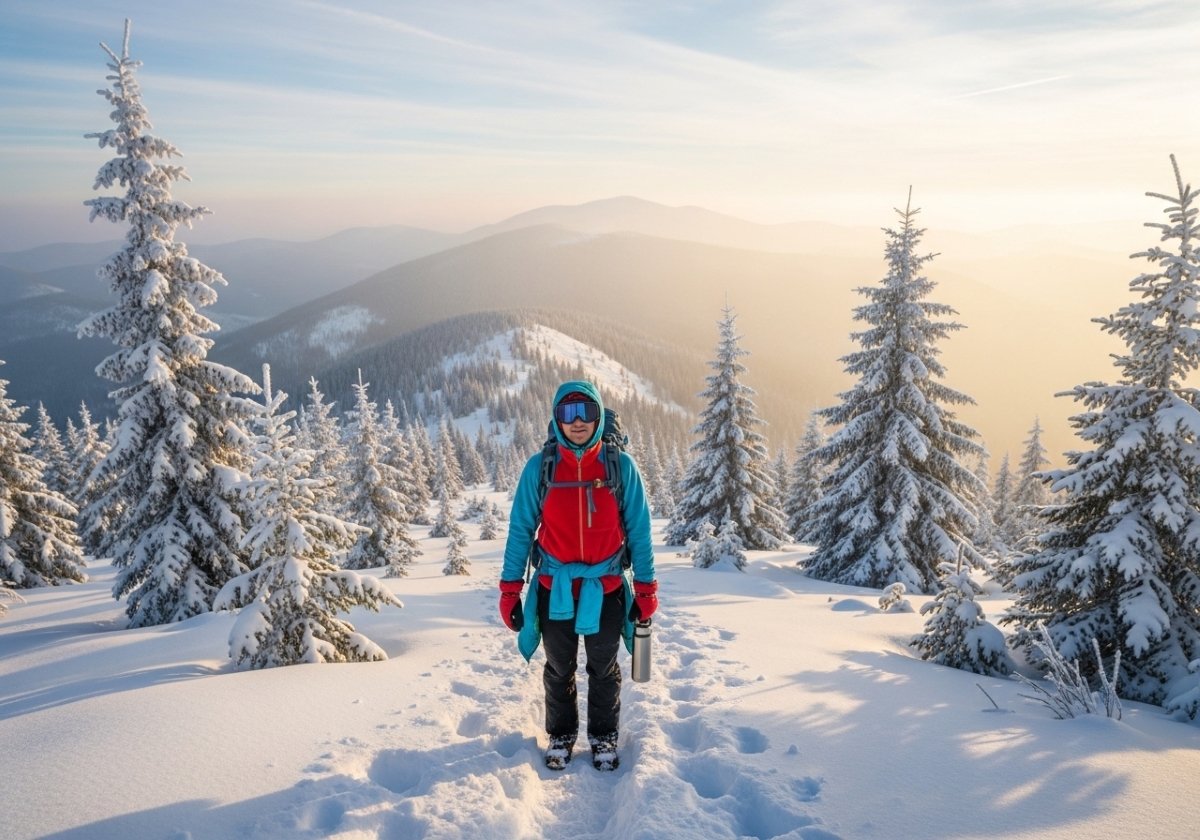


TL;DR: Winter in the Mountains: A Non-Skier’s Packing List for Staying Warm & Stylish , Heading to the mountains this winter but leaving the skis at home? You’ll still need serious gear to stay warm, comfortable, and looking good. This guide breaks down the essential 3-layer clothing system, helps you choose between snow boots and hiking boots, and covers the winter driving essentials that could literally save your life on icy mountain roads.
- The “3-Layer” Rule: Your Foundation for Mountain Warmth
- Layer 1: Base Layers (Your Second Skin)
- Layer 2: Mid-Layers (The Insulation Powerhouse)
- Layer 3: Shells (Your Weather Shield)
- Footwear for Frozen Trails: Boots That Actually Work
- Driving Tips: Necessary Gear for Winter Mountain Roads
- Chains and Traction Devices
- The Emergency Kit That Could Save Your Life
- Driving Techniques That Actually Work
- The Little Things That Make a Big Difference
- Putting It All Together: Sample Packing List
- Final Thoughts: Embrace the Mountains Your Way
- Disclaimer
Not everyone who loves winter mountain getaways is dying to strap on skis or clip into a snowboard. Maybe you’re there for the hot cocoa by the fireplace, the stunning snow-dusted views, or those peaceful winter hikes through silent forests. Whatever brings you to higher elevations when temperatures drop, one thing’s certain: you need to pack smart or you’ll spend your entire trip shivering and miserable.
The good news? Staying warm in freezing mountain conditions doesn’t mean sacrificing style or breaking the bank. It just means understanding a few key principles and investing in the right pieces. Let’s dive into everything you need to know.
The “3-Layer” Rule: Your Foundation for Mountain Warmth
Forget stuffing yourself into one giant puffy coat and calling it a day. The secret to staying comfortable in unpredictable mountain weather is the three-layer system. This approach gives you flexibility to adjust as conditions change throughout the day, whether you’re warming up on a hike or cooling down over lunch.
Layer 1: Base Layers (Your Second Skin)
Your base layer sits directly against your skin, and its job is critical: wicking moisture away from your body while providing that first line of insulation. This is where many people make their biggest mistake by reaching for cotton.
Why merino wool wins: Merino wool is the gold standard for base layers, and for good reason. Unlike synthetic fabrics, merino naturally regulates temperature, keeping you warm when it’s cold and cool when you’re active. It’s also naturally odor-resistant, which means you can wear it multiple days without turning into that person everyone avoids in the lodge. Plus, modern merino is soft and non-itchy, nothing like your grandma’s scratchy wool sweater.
What to pack: Look for lightweight to midweight merino wool tops and bottoms. Brands like Smartwool, Icebreaker, and Minus33 offer excellent options at various price points. You’ll want at least two sets so you can rotate them throughout your trip.
The synthetic alternative: If wool isn’t your thing due to allergies or budget, synthetic base layers from brands like Patagonia’s Capilene or Under Armour’s ColdGear work well too. They dry faster than wool but won’t manage odor as effectively.
Layer 2: Mid-Layers (The Insulation Powerhouse)
Your mid-layer is all about trapping warm air and creating insulation. This is where you have the most options based on activity level and personal preference.
Fleece is your friend: A quality fleece jacket or pullover is incredibly versatile. It breathes well during activity, dries quickly, and packs down reasonably small. Look for something in the 200-300 weight range for serious warmth. Polartec fleece remains the industry standard, but many brands make excellent options.
Down vs. synthetic insulation: For stationary activities or extremely cold conditions, an insulated jacket becomes essential. Down offers the best warmth-to-weight ratio and compresses beautifully, but loses its insulating properties when wet. Synthetic insulation (like PrimaLoft or Thermoball) performs better in damp conditions and costs less, though it’s bulkier.
Pro tip: Bring both a fleece and a lightweight insulated jacket. On warmer days or during activity, the fleece alone over your base layer might be perfect. When temperatures really drop or you’re sitting still, throw the insulated jacket over everything.
Layer 3: Shells (Your Weather Shield)
The outer shell is your protection against wind, snow, and moisture. This layer doesn’t provide warmth itself but keeps everything underneath dry and blocks wind that would otherwise steal your heat.
Waterproof vs. water-resistant: For mountain conditions, you want a truly waterproof and breathable shell, not just water-resistant. Look for jackets with ratings of at least 10,000mm waterproofing and 10,000g breathability. Gore-Tex remains the premium standard, but technologies like eVent, Pertex, and various proprietary membranes work excellently at lower price points.
Features that matter: Adjustable hoods that fit over hats, pit zips for ventilation, quality YKK zippers, and multiple pockets make a huge difference in real-world use. Longer jackets provide better coverage but can be restrictive during activity.
Don’t forget the bottoms: Everyone focuses on jackets, but waterproof pants are equally important. Whether you choose full zip-off rain pants or insulated snow pants depends on your planned activities. For most non-skiing mountain activities, a pair of waterproof shell pants over your base layer works perfectly.
Footwear for Frozen Trails: Boots That Actually Work
Your feet will make or break your mountain experience. Cold, wet feet are absolutely miserable and can even be dangerous in extreme conditions. Understanding the difference between boot types helps you choose the right option.
Snow Boots: Best for Around Town
Snow boots like Sorel Caribous, Columbia Bugaboots, or Bogs are designed primarily for walking around town, light hiking on packed trails, and keeping your feet warm during stationary activities.
When they’re perfect: These boots excel at casual wear around ski villages, short walks to restaurants, playing in the snow with kids, or any situation where you’re not covering serious distance. They typically have excellent insulation ratings (200-400 grams or more) and waterproofing up to 8-10 inches.
Their limitations: Snow boots generally lack the ankle support and aggressive tread patterns needed for serious hiking. The thick insulation that keeps you warm while standing around makes them hot and cumbersome during vigorous activity.
Hiking Boots: Best for Trail Adventures
Proper winter hiking boots are a different beast entirely. They’re designed for uneven terrain, extended wear, and often feature crampon compatibility for icy conditions.
What makes them different: Winter hiking boots have stiffer soles for stability on uneven terrain, better ankle support, more aggressive lug patterns for traction, and often use different insulation approaches that balance warmth with breathability.
Key features to seek: Look for boots with waterproof-breathable membranes like Gore-Tex, Thinsulate or PrimaLoft insulation (200-400 grams depending on activity level), and Vibram or similar high-quality rubber outsoles. Gusseted tongues keep snow from sneaking in the top.
Popular options: Salomon Quest 4 GTX, Merrell Thermo series, and Keen Revel IV are all excellent choices that balance warmth, support, and weather protection.
The Sock Situation
Even the best boots fail without proper socks. Ditch the cotton completely and invest in quality wool or synthetic hiking socks. Darn Tough, Smartwool, and Farm to Feet make excellent options with lifetime warranties.
The two-sock trick: For extremely cold conditions, try a thin liner sock under a thicker wool sock. This creates an additional layer of insulation and helps prevent blisters by allowing the two sock layers to move against each other rather than your skin rubbing against the boot.
Driving Tips: Necessary Gear for Winter Mountain Roads
Mountain roads in winter are no joke. Even if you’ve driven in snow before, mountain driving presents unique challenges with steep grades, sharp curves, and rapidly changing conditions. Having the right gear and knowledge can prevent a trip-ruining incident or worse.
Chains and Traction Devices
Many mountain areas legally require chains or traction devices during winter storms, and signs will be posted when they’re mandatory. Getting caught without them can mean expensive tickets or being turned back.
Cable chains vs. traditional chains: Cable chains are easier to install and lighter but wear out faster and provide less traction. Traditional link chains are more durable and effective but trickier to put on. Either way, practice installing them at home in your driveway before your trip. Doing it for the first time at night in a snowstorm on the side of a mountain road is a terrible experience.
When to use them: Don’t wait until conditions are terrible. If snow is falling steadily or the road looks questionable, put them on at a safe pullout. It’s far easier to install chains in decent conditions than to slide off the road and try to recover.
Alternative: dedicated winter tires: If you’re driving to the mountains regularly, dedicated winter tires (not all-season) transform your vehicle’s capability. They remain flexible and grippy in cold temperatures when all-season tires get hard and lose traction. In many situations, good winter tires eliminate the need for chains.
The Emergency Kit That Could Save Your Life
Every vehicle heading into winter mountain conditions should carry a comprehensive emergency kit. If you slide off the road or get stranded in a storm, this gear could literally save your life.
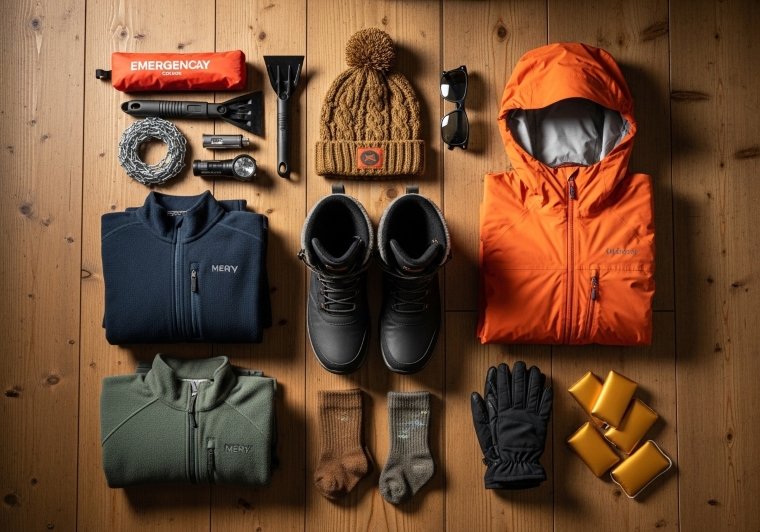
The essentials to pack:
A proper snow shovel with a metal edge. Those flimsy plastic ones break when you need them most. Look for collapsible models that don’t take up too much trunk space.
Ice scraper and snow brush combination. Get a quality one with a long handle so you can reach across the windshield without climbing on your car.
Jumper cables or a portable jump starter. Cold temperatures are brutal on batteries. Portable jump starters have become affordable and don’t require another vehicle.
Warm blankets or a sleeping bag rated for cold temperatures. If you’re stuck for hours waiting for help, staying warm becomes critical.
High-calorie snacks and water. Keep some energy bars, nuts, or other non-perishable foods that won’t freeze solid. Water can freeze, so consider keeping it inside the vehicle when parked.
Flashlight with extra batteries or a hand-crank emergency light. Mountain roads get pitch black at night.
First aid kit appropriate for winter conditions. Include hand warmers, emergency thermal blankets, and any personal medications.
Sand, kitty litter, or traction mats. These help if you’re stuck in snow or ice. Spread them around your drive wheels for additional grip.
A fully charged cell phone and portable charger. Service can be spotty in mountains, but when you have it, you want your phone working.
Driving Techniques That Actually Work
Having gear is one thing, but knowing how to drive in winter conditions is equally important.
Slow down more than feels necessary: On icy or snowy roads, drive at speeds that feel uncomfortably slow. You need dramatically more distance to stop, and momentum is your enemy on downhill grades.
Use lower gears on descents: Don’t ride your brakes downhill or they’ll overheat and fade. Instead, shift to a lower gear and let engine braking control your speed. This is true for both automatic and manual transmissions.
Gentle is the name of the game: Every input, whether steering, braking, or accelerating, should be smooth and gradual. Sudden movements break traction.
If you start sliding: Don’t panic brake or overcorrect. Look where you want to go (not where you’re sliding), take your foot off the gas, and steer gently in that direction. If you have ABS brakes, apply firm steady pressure. If not, pump them gently.
AWD isn’t magic: All-wheel drive helps you get moving and maintains traction while driving, but it doesn’t help you stop. AWD vehicles stop no faster than two-wheel drive vehicles on ice and snow.
The Little Things That Make a Big Difference
Beyond the big-ticket items, several smaller pieces make mountain visits more comfortable.
Hand and toe warmers: These disposable heat packs are cheap insurance against frozen digits. Throw a few in your pockets before heading out.
Quality sunglasses: Snow blindness is real. The sun’s reflection off snow at altitude is intense. Polarized sunglasses with good UV protection are essential.
Lip balm with SPF and moisturizer: The combination of cold, wind, and altitude destroys lips and skin. Pack serious moisturizer and use it religiously.
A insulated water bottle: Staying hydrated at altitude is important, but water freezes quickly. Insulated bottles like Hydro Flask or YETI keep liquids drinkable for hours.
Headlamp or flashlight: Darkness comes early in winter mountains. Having hands-free light is invaluable for everything from finding things in your car to evening walks.
Gaiters: These wrap around your boots and lower legs, preventing snow from getting in your boots from the top. If you’re planning any deep snow adventures, they’re worth their weight in gold.
Putting It All Together: Sample Packing List
Here’s a comprehensive checklist for a week-long winter mountain trip:
Clothing:
- 2-3 merino wool or synthetic base layer tops
- 2-3 base layer bottoms
- 1 fleece jacket or pullover
- 1 insulated jacket (down or synthetic)
- 1 waterproof shell jacket
- 1 pair waterproof shell pants
- 4-5 pairs wool socks
- 1 warm hat that covers ears
- 1 neck gaiter or balaclava
- Insulated gloves (plus backup pair)
- 2-3 pairs everyday pants/jeans
- Casual shirts for evenings
- Comfortable layers for indoor wear
Footwear:
- Winter hiking boots (for trails and activities)
- Insulated snow boots (for around town)
- Comfortable shoes for indoors
Car essentials:
- Chains or traction devices
- Snow shovel
- Ice scraper/snow brush
- Jumper cables or jump starter
- Emergency blankets
- Flashlight
- Sand or kitty litter
- Emergency snacks and water
- First aid kit
- Fully charged phone and car charger
Accessories:
- Sunglasses with good UV protection
- Sunscreen (yes, in winter)
- Lip balm with SPF
- Moisturizer
- Insulated water bottle
- Hand and toe warmers
- Headlamp or flashlight
- Small backpack for day trips
Final Thoughts: Embrace the Mountains Your Way
Winter mountain adventures don’t require you to be an extreme athlete or skiing enthusiast. Some of the most magical mountain experiences happen on quiet snowshoe walks, cozy evenings by the fire, or simply watching snow fall while wrapped in layers with a hot drink.
The key to enjoying these experiences is being properly prepared. When you’re warm, dry, and comfortable, you’re free to appreciate the stunning beauty of winter mountains. When you’re cold, wet, and stressed about your car sliding off an icy road, you’re miserable.
Invest in the right gear, understand how to layer properly, choose appropriate footwear for your activities, and make sure your vehicle is ready for winter conditions. Do these things, and you’ll create incredible winter memories in the mountains, whether you ever touch a ski pole or not.
The mountains in winter offer a completely different kind of magic than summer visits. The crowds thin out, the landscape transforms into something from a fairytale, and there’s a peaceful quiet that only happens when snow blankets everything. You don’t need to ski to experience and love it. You just need to pack smart and stay warm. Now get out there and enjoy those snowy peaks your way.
Disclaimer
This article is provided for informational and educational purposes only. While we strive to provide accurate and helpful information about winter mountain travel, individual circumstances vary greatly. Always check current weather conditions, road closures, and local regulations before traveling to mountain areas in winter. The gear recommendations and driving techniques mentioned are general guidelines and may not be suitable for all situations or regions.
Winter mountain driving can be dangerous, and conditions can change rapidly. If you’re uncomfortable driving in snow and ice, consider hiring professional transportation or postponing your trip. Always inform someone of your travel plans and expected arrival times when heading into mountainous areas.
Product recommendations are based on general reputation and features, not paid endorsements. We encourage you to research products thoroughly and choose items that fit your specific needs, budget, and planned activities. Consult with outdoor gear specialists or experienced winter travelers for personalized advice.
This guide is not a substitute for professional instruction in winter safety, avalanche awareness, or emergency preparedness. Consider taking courses in winter driving, wilderness first aid, or winter camping if you plan to spend significant time in mountain environments during winter months.
Stay safe, respect nature, and know your limits.