


These 10 Hidden European Villages Will Make You Cancel Your City Break (And Here’s Why You Should Visit Each One)
- 1. Gnadenwald, Austria: The Alpine Paradise That Time Forgot
- 2. Trevélez, Spain: Europe’s Highest Village Serves Up More Than Just Views
- 3. Zalipie, Poland: The Village That Painted Itself Into Instagram Fame
- 4. Saksun Village, Faroe Islands: Where Grass Roofs Meet Dramatic Coastlines
- 5. Ruka Village, Finland: Lapland’s Best-Kept Secret for Arctic Adventures
- 6. Undredal, Norway: The Fjord Village That Perfected Goat Cheese and Tranquility
- 7. Szentendre, Hungary: The Artists’ Haven That Captures Hearts Along the Danube
- 8. Bukowina Tatrzańska, Poland: Where Mountain Culture Meets Modern Adventure
- 9. Braemar, Aberdeenshire, Scotland: Highland Games and Royal Connections in the Cairngorms
- 10. Olympos, Karpathos, Greece: The Medieval Village That Time Forgot
Forget Paris, Rome, and Barcelona for a moment. Europe’s real magic happens in villages so stunning they’ll make your Instagram followers think you’ve discovered a secret world. These aren’t your typical tourist traps – they’re authentic gems where locals still wave from their windows and every cobblestone tells a story. Ready to trade crowded squares for mountain air and genuine smiles? Let’s dive into Europe’s best-kept village secrets.
1. Gnadenwald, Austria: The Alpine Paradise That Time Forgot
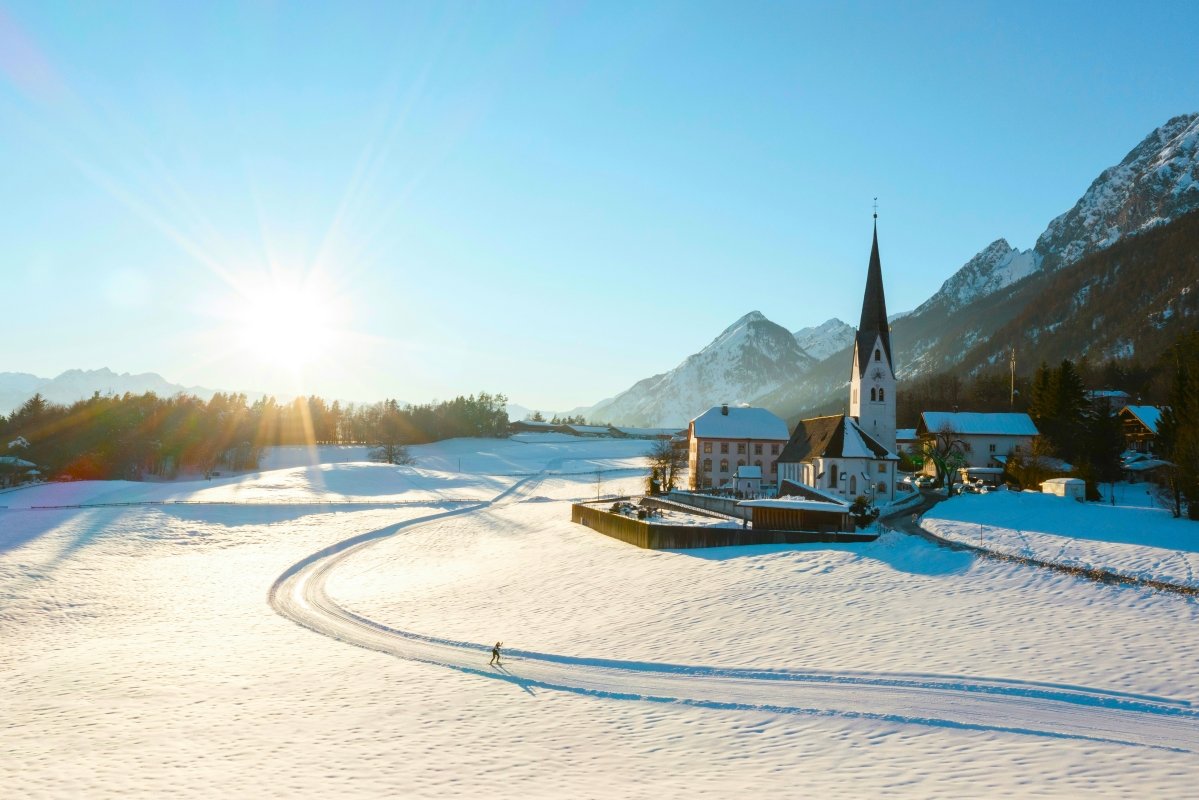
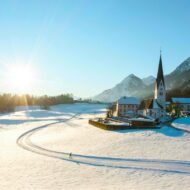
Located in the heart of Tyrol, Gnadenwald feels like stepping into a fairy tale that forgot to end. This tiny Austrian village, perched dramatically above the Inn Valley, offers jaw-dropping views of the surrounding Alps that’ll have you questioning why anyone lives anywhere else.
What makes Gnadenwald special isn’t just its postcard-perfect setting – it’s the authentic Alpine experience you’ll get here. Traditional wooden chalets dot the landscape like scattered jewels, their flower-filled balconies creating splashes of color against the dramatic mountain backdrop. The village maintains its old-world charm while offering modern hiking trails that lead to breathtaking viewpoints.
Don’t miss the local Gasthof, where hearty Austrian cuisine meets warm hospitality. The schnitzel here isn’t just food – it’s a cultural experience. Winter transforms Gnadenwald into a snow-covered wonderland perfect for cross-country skiing, while summer brings wildflower meadows that seem to stretch forever.
Getting there requires a bit of effort (the nearest major city is Innsbruck, about 30 minutes away), but that’s exactly what keeps the crowds away and the magic alive.
2. Trevélez, Spain: Europe’s Highest Village Serves Up More Than Just Views
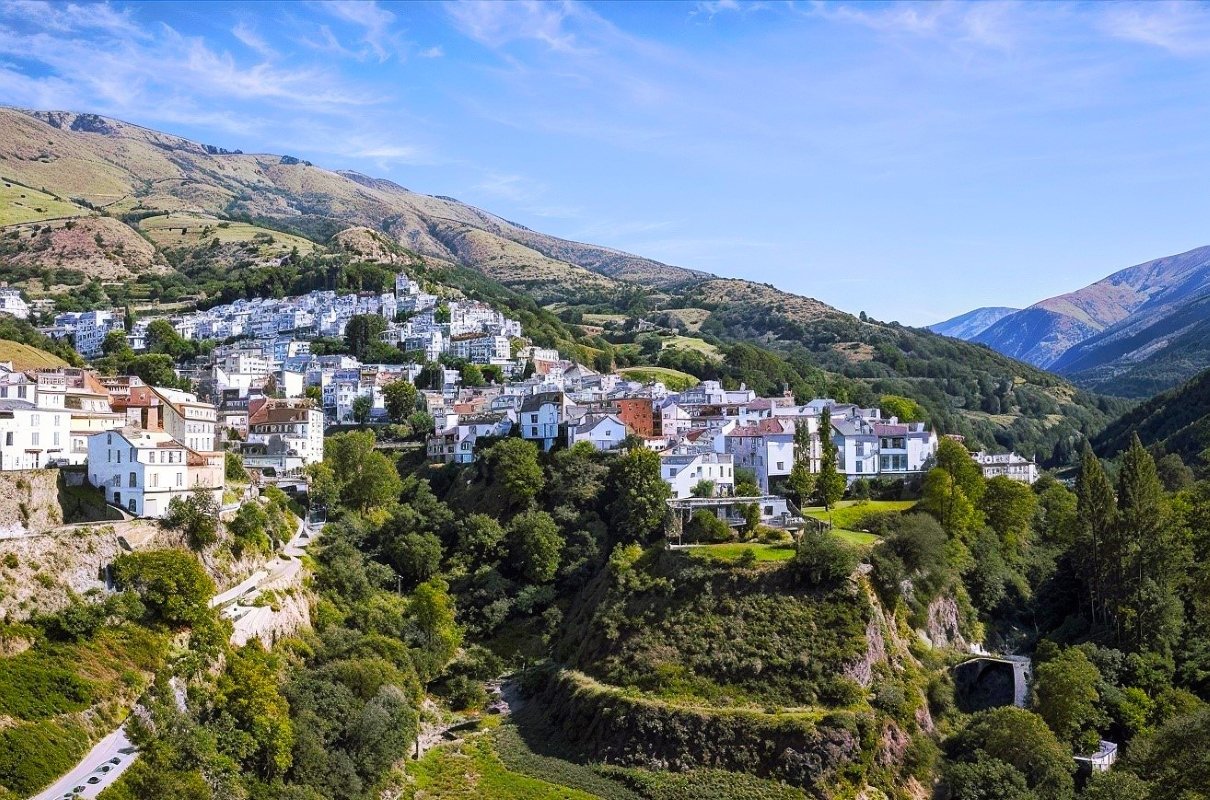
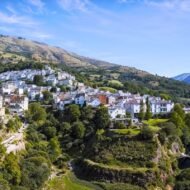
Situated at 1,476 meters in Spain’s Sierra Nevada, Trevélez holds the title of Europe’s highest village – and trust us, the altitude isn’t the only thing that’ll take your breath away. This white-washed Andalusian gem clings to the mountainside like it’s been painted directly onto the landscape.
Trevélez is famous throughout Spain for producing the country’s finest jamón serrano, thanks to the perfect combination of mountain air, altitude, and traditional curing methods passed down through generations. Walking through the village, you’ll catch the distinctive aroma wafting from the curing houses – it’s like a delicious preview of dinner.
The village splits into three neighborhoods cascading down the hillside, each offering different perspectives of the dramatic Alpujarra landscape. Whitewashed houses with traditional flat roofs create a maze of narrow streets perfect for getting wonderfully lost. The local church offers panoramic views that stretch all the way to the Mediterranean on clear days.
Beyond the famous ham, Trevélez serves as a gateway to some of Spain’s best hiking, including trails leading to Mulhacén, the Iberian Peninsula’s highest peak. The village maintains its authentic character while offering enough amenities to keep modern travelers comfortable.
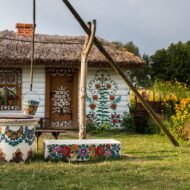
3. Zalipie, Poland: The Village That Painted Itself Into Instagram Fame
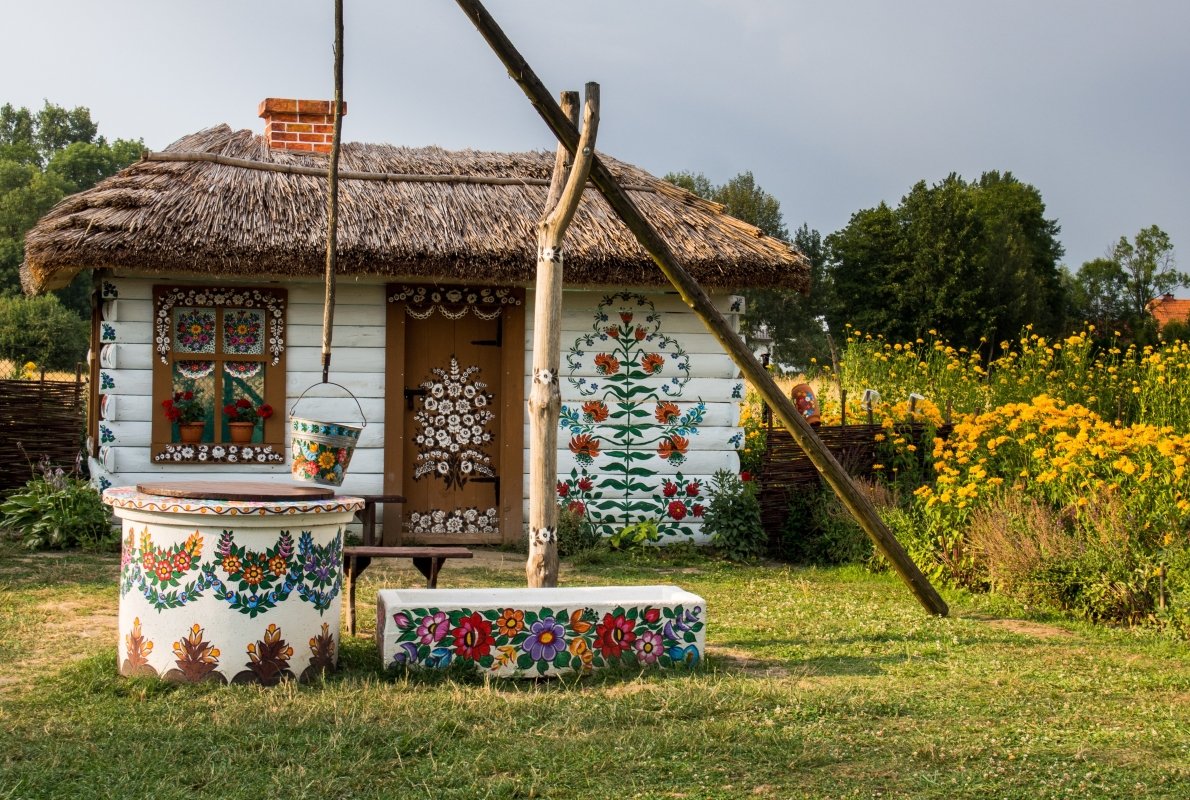
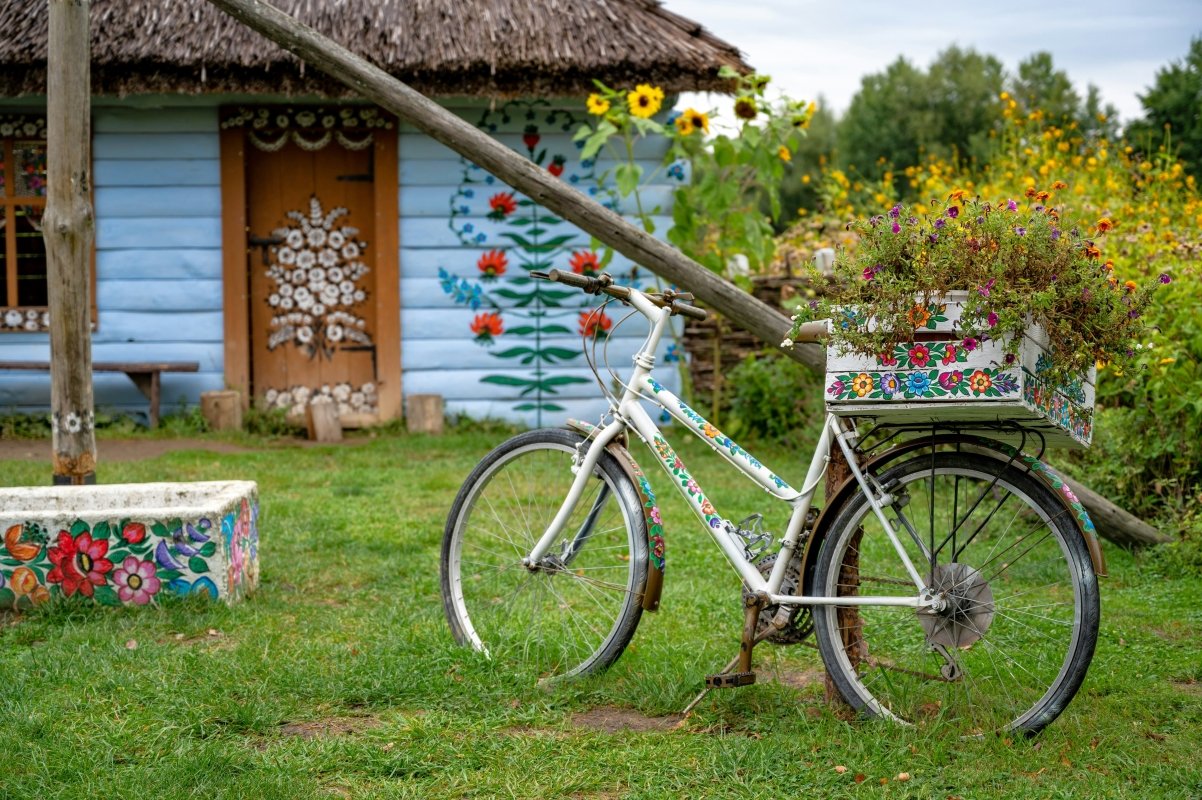
Imagine a place where every surface blooms with hand-painted flowers, where creativity flows like water, and where a century-old tradition has transformed an entire village into a living work of art. Welcome to Zalipie, Poland’s most colorful secret that’s finally getting the recognition it deserves.
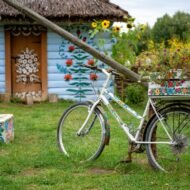
This extraordinary tradition began in the 19th century when local women started painting floral motifs on their homes to cover soot stains from wood-burning stoves. What started as practical necessity evolved into an art form that defines the entire community. Today, houses, barns, wells, and even dog houses burst with intricate floral designs in vibrant blues, reds, and greens.
The undisputed queen of Zalipie was Felicja Curyłowa, whose cottage (now a museum) showcases the pinnacle of this folk art. Every inch of her home, inside and out, features delicate painted flowers that seem to dance across the walls. The annual Painted Cottage Competition continues this tradition, ensuring new generations keep the art alive.
Visiting Zalipie feels like stepping into a children’s book illustration. The village offers guided tours, painting workshops where you can try your hand at the traditional techniques, and a peaceful escape from modern life’s complexities. It’s Poland’s answer to Instagram’s most colorful destinations, but with soul and authenticity that manufactured attractions can’t match.
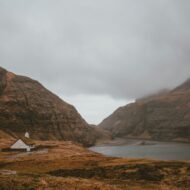
4. Saksun Village, Faroe Islands: Where Grass Roofs Meet Dramatic Coastlines
In a country full of dramatic landscapes, Saksun Village still manages to stop visitors in their tracks. This tiny settlement on Streymoy island combines traditional Faroese architecture with some of the most spectacular coastal scenery you’ll find anywhere in Europe.
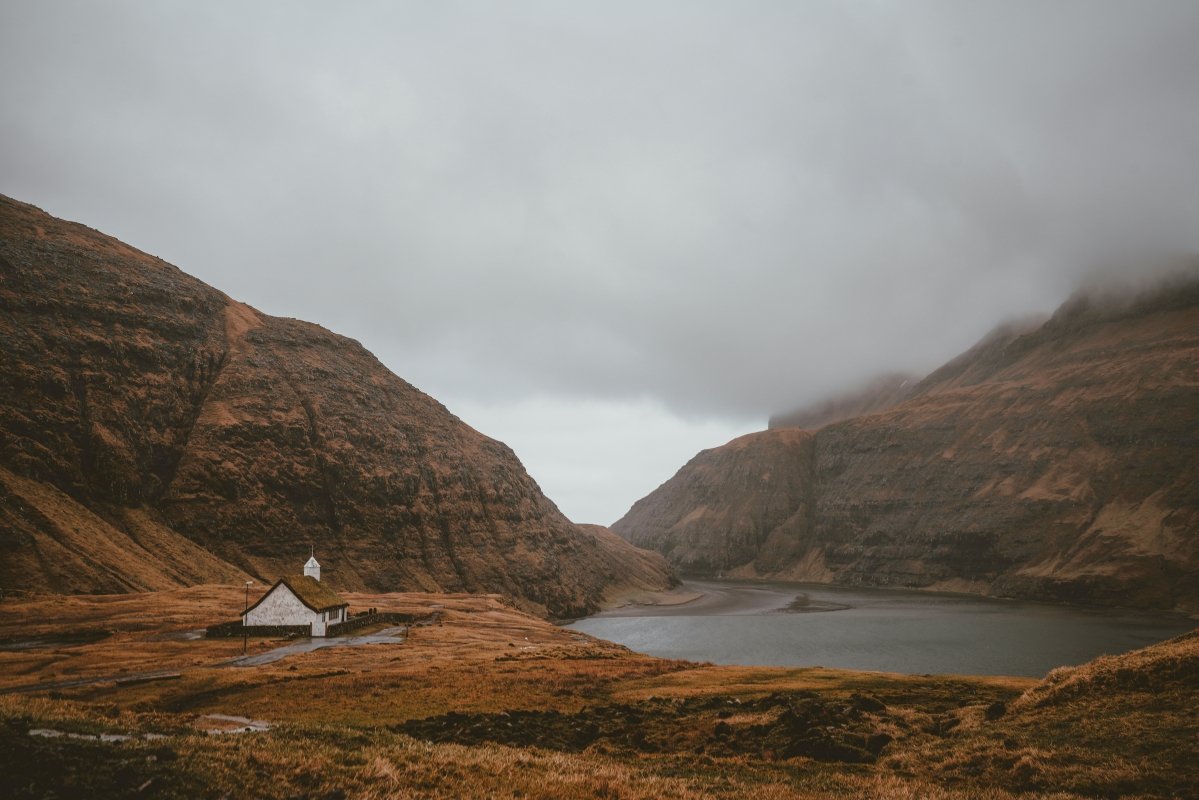
The village’s iconic grass-roof houses seem to grow directly from the landscape, their living roofs shifting color with the seasons from emerald green to golden brown. These aren’t tourist attractions – they’re working homes where families have lived for generations, maintaining traditions that date back to the Viking era. The contrast between the dark wooden walls and bright green roofs creates a visual harmony that photographers dream about.
Saksun’s tidal lagoon creates a constantly changing landscape that transforms with each tide. At low tide, you can walk across exposed sand to explore hidden corners of the coastline. High tide brings dramatic waves that crash against the village’s natural amphitheater of cliffs, creating a show that never gets old.
The village church, dating from 1858, sits perfectly positioned to overlook this natural drama. Its simple white walls and red roof provide a striking focal point against the wild landscape. Despite its remote location, Saksun offers hiking trails, bird watching opportunities, and a sense of peace that’s increasingly rare in our connected world.
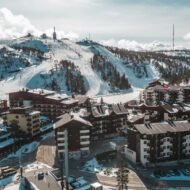
5. Ruka Village, Finland: Lapland’s Best-Kept Secret for Arctic Adventures
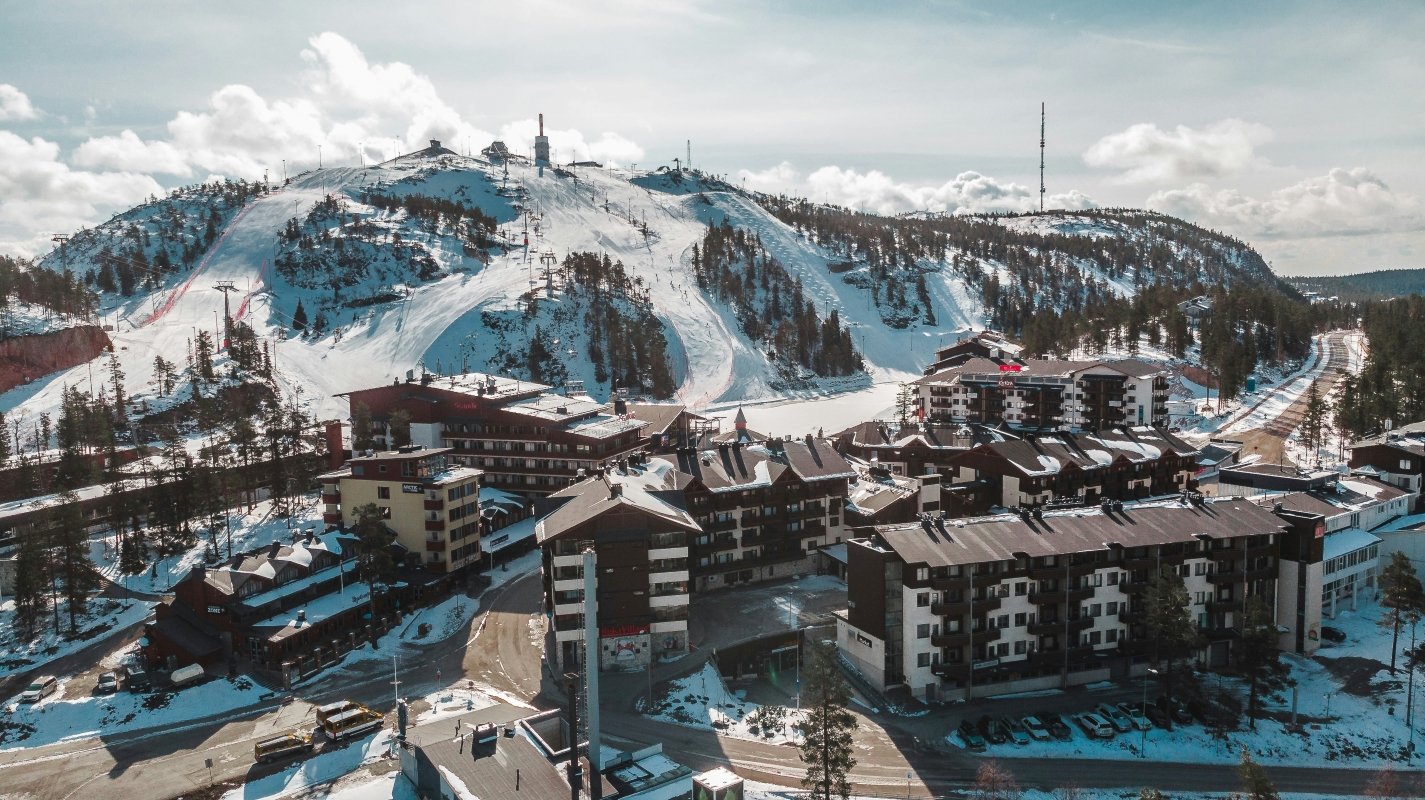
While everyone’s heard of Rovaniemi and its Santa connections, Ruka Village in Finnish Lapland offers something even more magical – authentic Arctic experiences without the tourist crowds. Situated in the Rukatunturi hills of northern Finland, this village delivers the full Lapland experience with genuine warmth and hospitality.
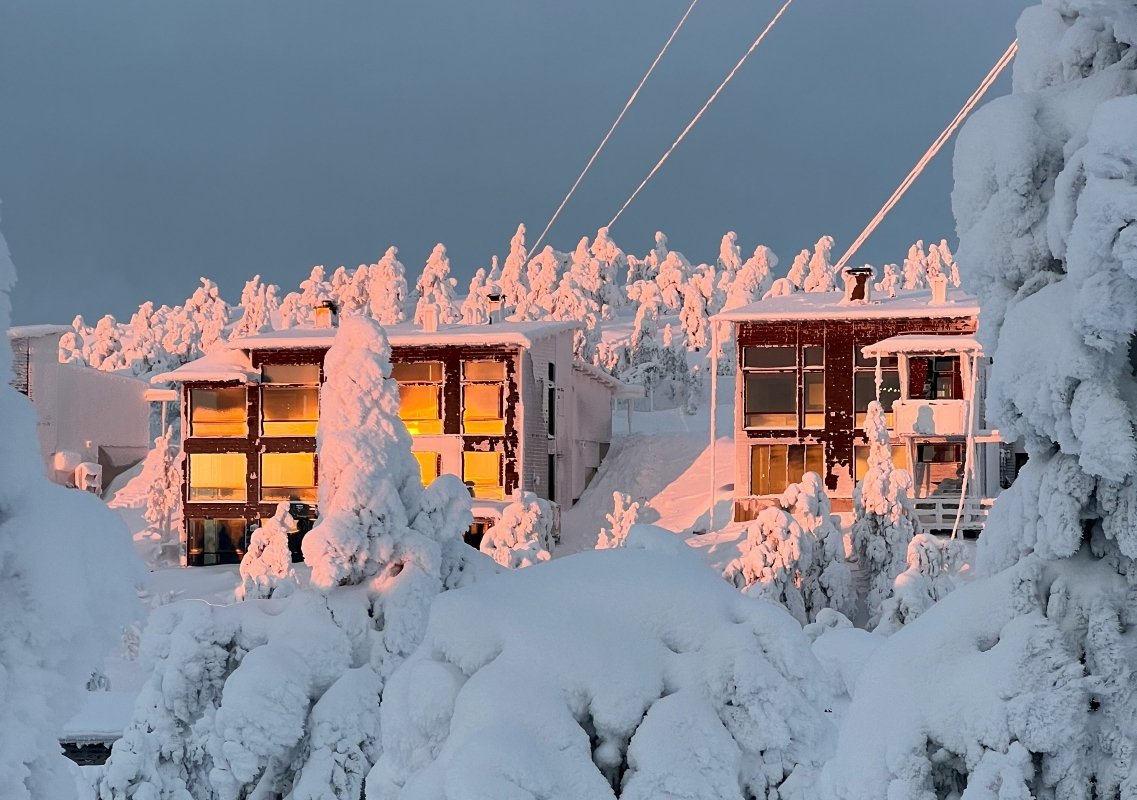
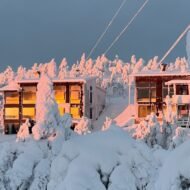
Ruka transforms completely with the seasons, offering two entirely different but equally spectacular experiences. Winter brings the full Arctic magic – snow-covered forests, the dancing Northern Lights painting the sky in impossible colors, and the silence that only exists in truly remote places. The village becomes a wonderland for cross-country skiing, snowshoeing, and husky sledding adventures that’ll make you feel like a modern-day Arctic explorer.
Summer reveals Ruka’s hidden personality as hiking trails wind through pristine wilderness where reindeer roam freely and the midnight sun extends daylight well into what should be night. The surrounding Oulanka National Park offers some of Europe’s most pristine wilderness, with trails suitable for everyone from casual walkers to serious trekkers.
Local accommodations range from traditional log cabins where you can experience authentic Finnish sauna culture to modern lodges with all the amenities. The village maintains its connection to Sami culture, offering opportunities to learn about traditional reindeer herding and Arctic survival techniques from people who’ve lived this lifestyle for generations.
6. Undredal, Norway: The Fjord Village That Perfected Goat Cheese and Tranquility
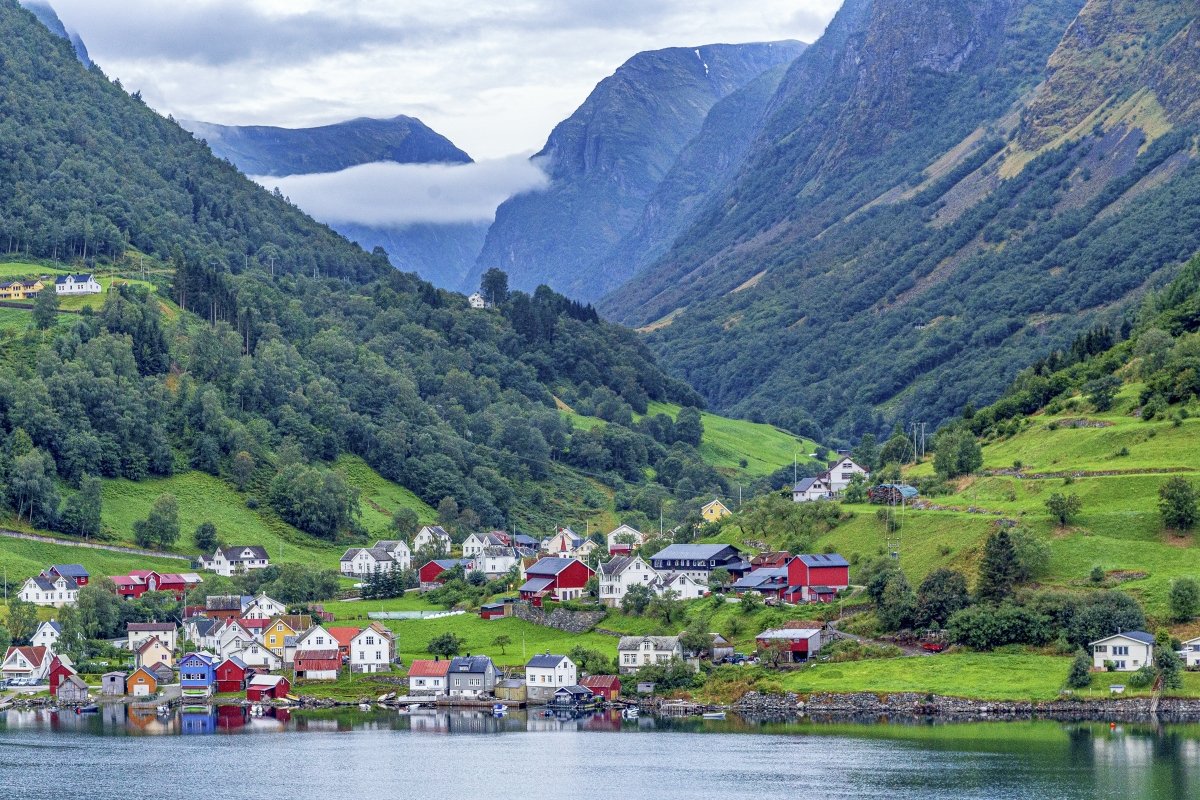
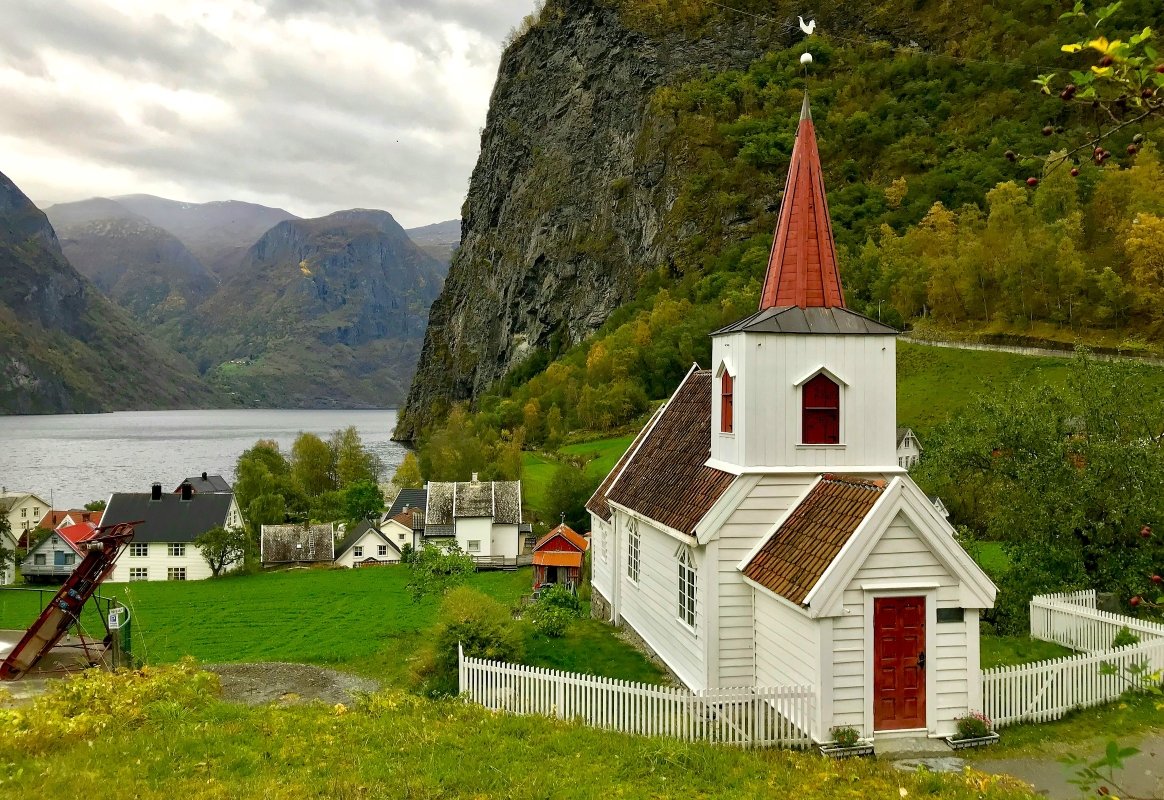
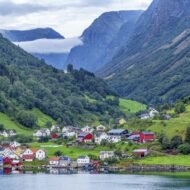
Tucked away along the Aurlandsfjord, Undredal proves that sometimes the smallest places leave the biggest impressions. With just 80 residents, this Norwegian village has mastered the art of simple living while producing some of the world’s finest goat cheese in one of Europe’s most spectacular settings.
Undredal’s claim to fame is its geitost (goat cheese), produced using traditional methods that have remained unchanged for centuries. The local cheese factory, run by the same families for generations, creates varieties that range from mild and creamy to sharp and complex. Tasting this cheese while surrounded by towering fjord walls isn’t just a culinary experience – it’s a connection to Norwegian traditions that predate the tourist industry by centuries.
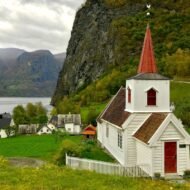
The village itself consists of traditional wooden houses painted in cheerful colors that create perfect reflections in the fjord’s still waters. The tiny stave church, one of Norway’s smallest, dates back to 1147 and hosts concerts during summer months where music echoes off the surrounding mountains in ways that’ll give you chills.
Getting to Undredal requires commitment – the winding road along the fjord isn’t for nervous drivers – but that journey becomes part of the experience. Each turn reveals new perspectives of waterfalls cascading from impossible heights and mountain peaks that seem to touch the clouds.
7. Szentendre, Hungary: The Artists’ Haven That Captures Hearts Along the Danube
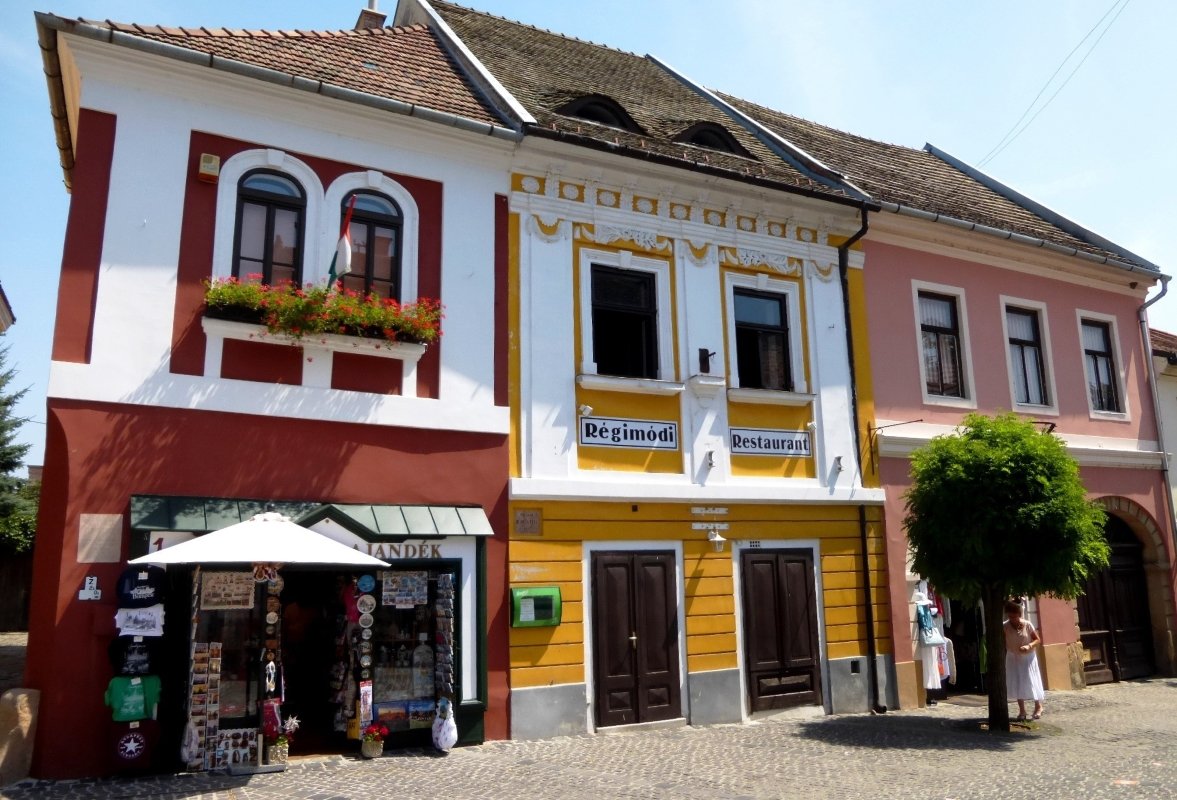
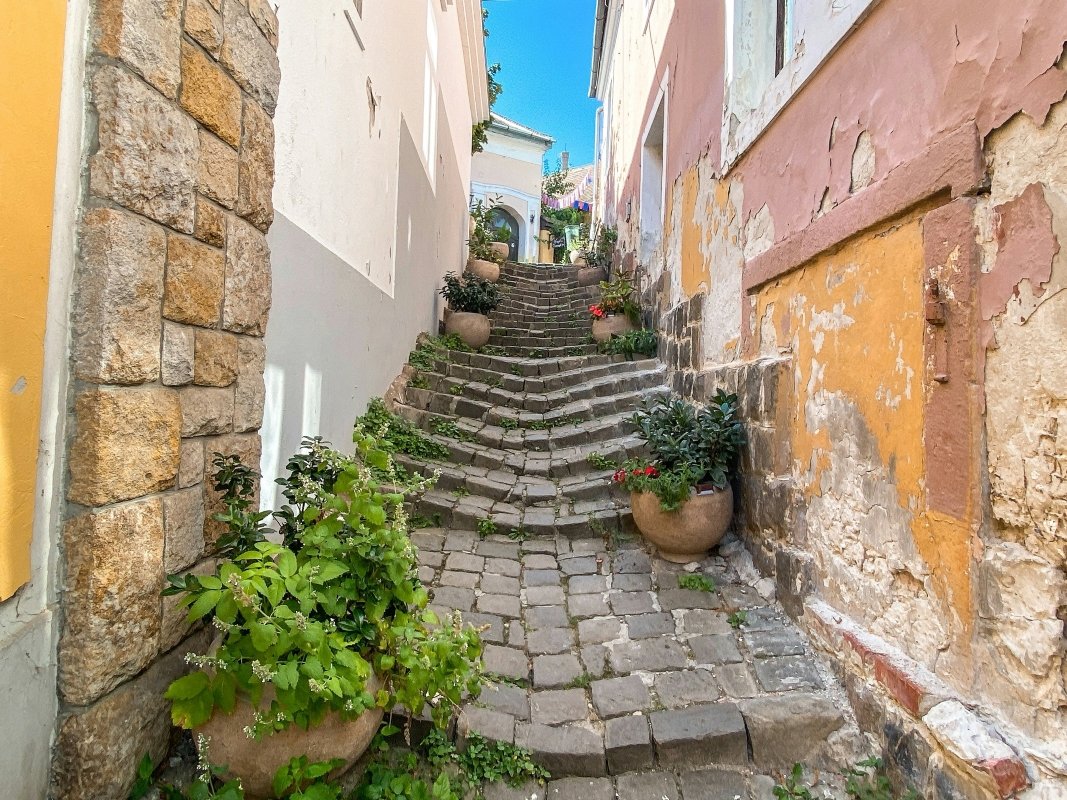
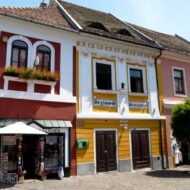
Just a short train ride from Budapest, Szentendre feels like stepping into a different century where artists’ studios line cobblestone streets and every corner reveals another gallery or craft workshop. This Hungarian gem along the Danube has been attracting artists for decades, creating a creative energy that’s infectious and inspiring.
The town’s Mediterranean feel comes from its Serbian Orthodox heritage – ornate churches with distinctive onion domes dot the landscape, their interiors filled with stunning iconography and centuries of history. The narrow, winding streets were designed for horses and carts, not cars, creating an intimate atmosphere perfect for wandering and discovering hidden treasures.
Szentendre’s art scene isn’t just for show – working artists maintain studios throughout the town, many offering workshops where visitors can try traditional Hungarian crafts like pottery, painting, or jewelry making. The local museums range from quirky (the Marzipan Museum features edible sculptures) to culturally significant (the Serbian Orthodox Collection showcases centuries of religious art).
The town’s location along the Danube provides beautiful riverside walks and boat connections to Budapest, making it perfect for day trips or longer stays. Local restaurants serve traditional Hungarian cuisine in settings that range from rustic taverns to elegant riverside terraces. The combination of artistic energy, historical significance, and natural beauty creates an atmosphere that’s both relaxing and stimulating.
8. Bukowina Tatrzańska, Poland: Where Mountain Culture Meets Modern Adventure
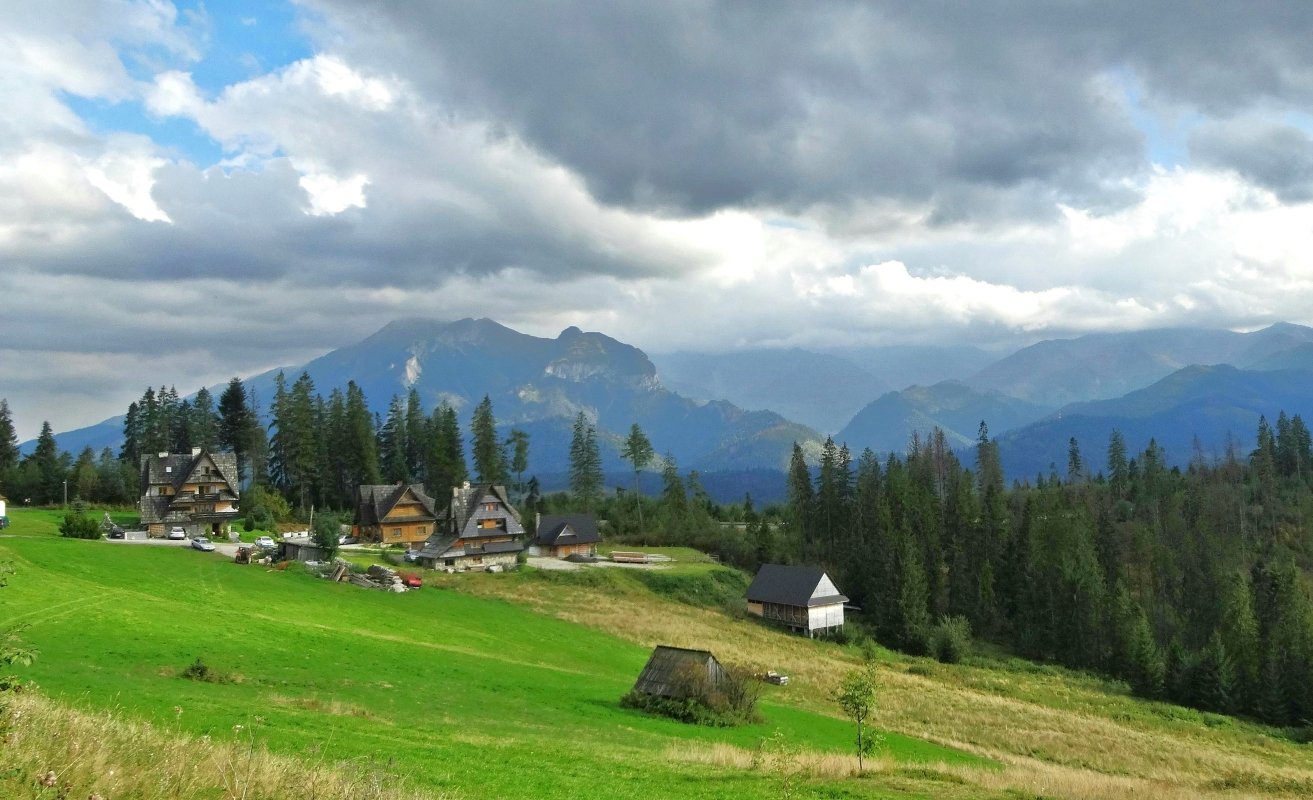
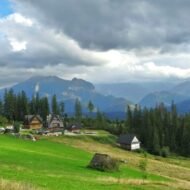
Situated in the shadow of the Tatra Mountains, Bukowina Tatrzańska represents the perfect blend of traditional Góral (mountain) culture and modern outdoor adventure opportunities. This Polish village has managed to embrace tourism while maintaining its authentic highland character and stunning natural setting.
The village showcases traditional wooden architecture that seems to grow from the mountainsides, with intricate carved details that tell stories of generations of skilled craftsmen. Local highlanders still wear traditional costumes for festivals and celebrations, and the distinctive Góral dialect can be heard in local restaurants and shops where hospitality isn’t just service – it’s a way of life.
Bukowina Tatrzańska serves as a gateway to the Tatra National Park, offering hiking opportunities that range from gentle valley walks to challenging mountain ascents. The nearby thermal baths provide perfect relaxation after days of exploration, with natural hot springs that have been warming visitors for decades. Winter transforms the area into a skiing paradise with slopes suitable for all skill levels.
The local culinary scene celebrates mountain traditions with hearty dishes like oscypek (smoked sheep cheese) and zurek (sour rye soup) that provide perfect fuel for outdoor adventures. Traditional wooden churches dot the landscape, their unique architecture reflecting the region’s distinct cultural identity that blends Polish, Slovak, and highland influences.
9. Braemar, Aberdeenshire, Scotland: Highland Games and Royal Connections in the Cairngorms
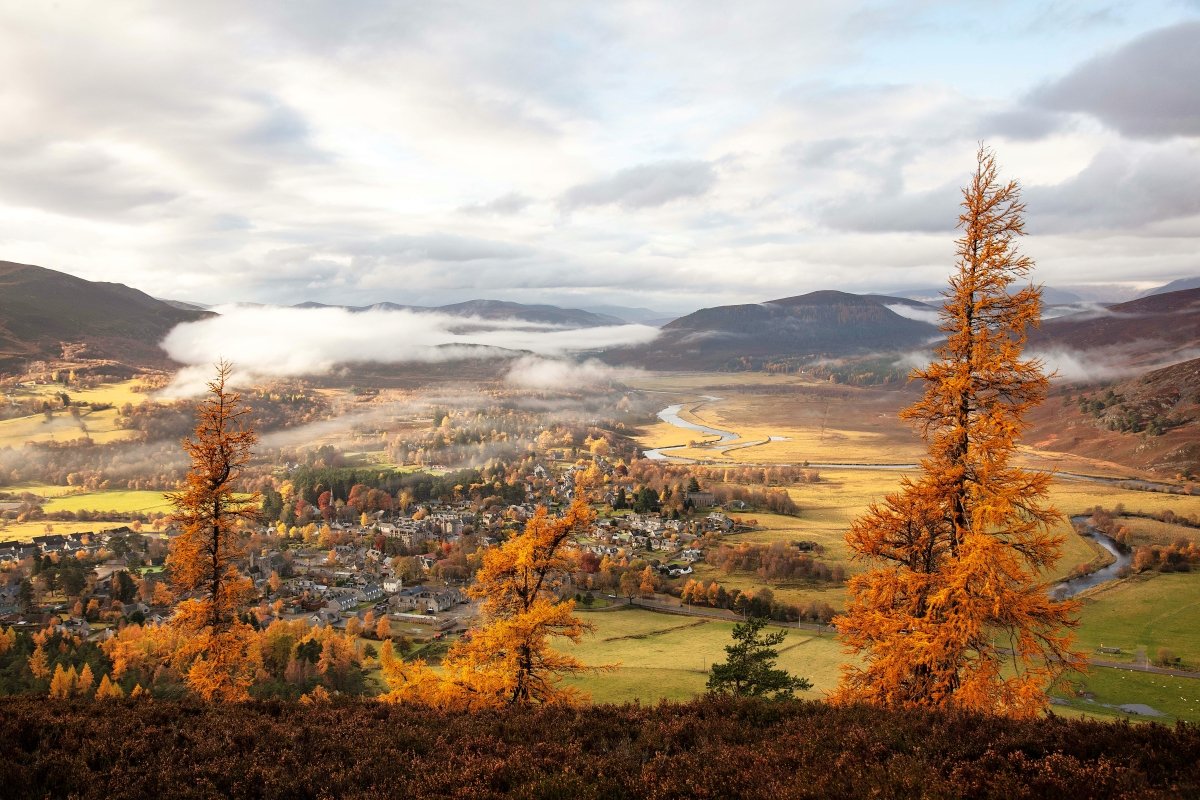
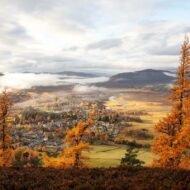
Set in the heart of the Cairngorms National Park, Braemar combines Scottish Highland traditions with some of Scotland’s most spectacular mountain scenery. This Royal Deeside village has been hosting the famous Braemar Gathering (Highland Games) since 1832, creating traditions that continue to attract visitors from around the world, including members of the British Royal Family.
The village sits at 339 meters above sea level, surrounded by mountains that offer hiking opportunities ranging from gentle riverside walks to challenging Munro bagging expeditions. The River Dee flows through the village, providing excellent salmon fishing and peaceful spots for reflection. Braemar Castle, dating from 1628, offers insights into Scottish history and stunning views of the surrounding Highlands.
Local pubs and restaurants serve traditional Scottish fare with modern twists – think haggis, neeps, and tatties alongside locally sourced venison and fresh salmon. The village maintains strong connections to Scottish culture through traditional music sessions, Highland dancing, and the Gaelic language that’s still spoken by some locals.
Winter brings snow-covered landscapes perfect for cross-country skiing and winter hiking, while summer offers the famous Highland Games, whisky tastings, and endless outdoor adventures. The combination of cultural authenticity, natural beauty, and royal connections creates an atmosphere that’s uniquely Scottish and utterly memorable.
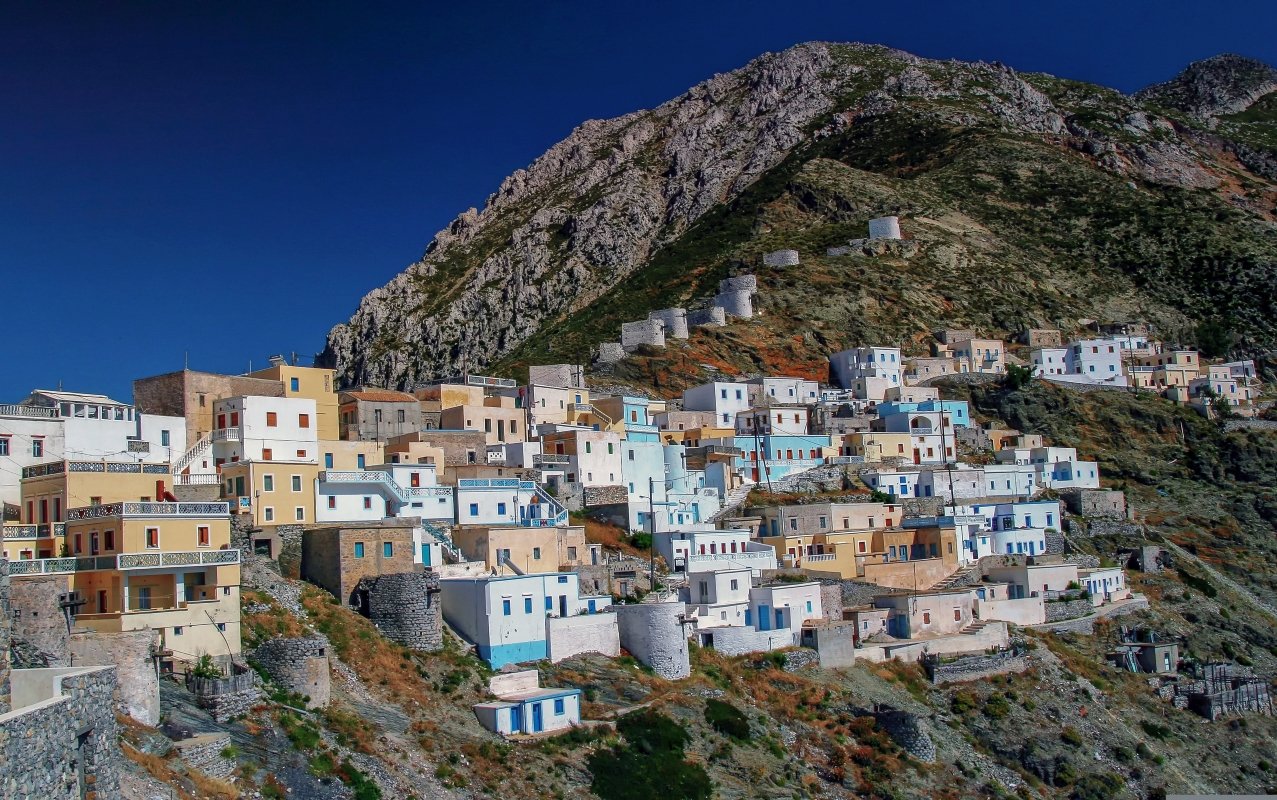
10. Olympos, Karpathos, Greece: The Medieval Village That Time Forgot
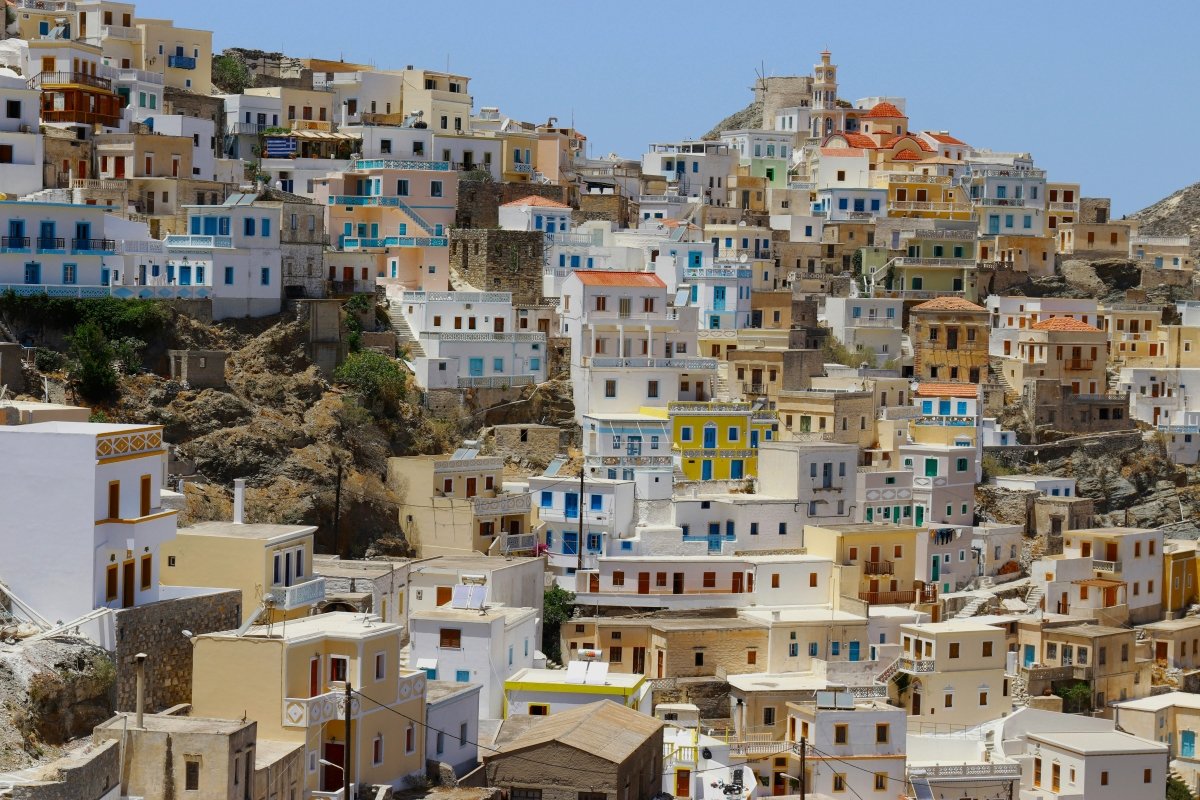
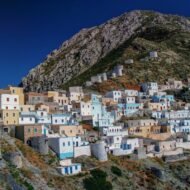
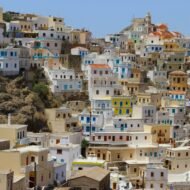
Perched high in the mountains of Karpathos island, Olympos represents one of Europe’s last authentic medieval communities where traditions have remained virtually unchanged for centuries. This isolated Greek village offers a glimpse into a way of life that has disappeared from most of the modern world.
The village’s remote location has preserved customs, dialect, and traditions that date back to Byzantine times. Women still wear traditional colorful costumes daily (not just for tourists), complete with intricate embroidery and distinctive headwear that indicates marital status and family connections. The local dialect contains words and pronunciations that have vanished from modern Greek, making conversations feel like stepping back in time.
Olympos clings to the mountainside with traditional stone houses that seem to grow from the rocky landscape. The village windmills, still in working condition, grind grain using methods unchanged for generations. Local bakeries produce bread in wood-fired ovens, and traditional music fills the air during evening gatherings in the village square.
The journey to Olympos requires commitment – winding mountain roads test your driving skills while offering spectacular views of the Aegean Sea. The isolation that has preserved the village’s character also means modern amenities are limited, but that’s part of the authentic experience. Visiting Olympos isn’t just tourism – it’s time travel to a Greece that existed long before beach resorts and tourist buses.
Ready to trade your typical European city break for something extraordinary? These villages prove that Europe’s real treasures aren’t always found in guidebooks. Each offers unique experiences that’ll create memories lasting far longer than any museum visit or monument photo. Pack light, bring curiosity, and prepare for adventures that’ll redefine what European travel can be.




)