







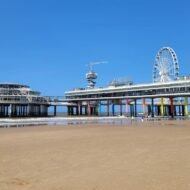
Europe’s coastlines offer some of the most family-friendly beach destinations in the world, combining natural beauty with excellent facilities and attractions that keep everyone from toddlers to teens (and parents!) entertained. Whether you’re looking for the perfect spot for your little ones to paddle safely, adventure-filled coastal activities for your energetic youngsters, or beaches with nearby attractions to keep the whole family engaged, Europe has it all. From the sun-drenched shores of the Mediterranean to the charming coves of the Atlantic coast, this guide will take you through the best European beaches that cater specifically to families. We’ll explore hidden gems and popular hotspots, share insider tips on when to visit, what to pack, and how to make the most of your family beach vacation without breaking the bank. So grab your sunscreen, pack your bucket and spade, and join us as we discover Europe’s most family-friendly coastal paradises!
- History of Europe’s Beach Culture
- Where Can European Family Beaches Be Found?
- Fun Facts About European Beaches
- Reasons to Choose European Beaches for Family Vacations
- Most Popular European Beaches for Families
- Playa de Muro, Mallorca, Spain
- Falesia Beach, Algarve, Portugal
- Spiaggia dei Conigli (Rabbit Beach), Lampedusa, Italy
- Elafonisi Beach, Crete, Greece
- Salou Beaches, Costa Dorada, Spain
- Pärnu Beach, Estonia
- La Grande Plage, Biarritz, France
- Fig Tree Bay, Protaras, Cyprus
- Other Notable European Beaches for Families
- Praia da Marinha, Algarve, Portugal
- Plage de Palombaggia, Corsica, France
- Balos Lagoon, Crete, Greece
- West Wittering, West Sussex, UK
- Cala Galdana, Menorca, Spain
- Mellieha Bay, Malta
- Spiaggia di San Vito Lo Capo, Sicily, Italy
- Ploumanac’h, Brittany, France
- Things To Do Beyond Sunbathing
- Events Not to Miss
- Cycling and Hiking Near European Beaches
- Family-Friendly Coastal Cycling Routes
- Coastal Hiking Paths for All Ages
- Combined Beach and Nature Experiences
- Travel Tips and Practical Information
- When to Go
- Beach Safety Essentials
- Family-Specific Accommodations
- Transportation Insights
- Packing Essentials
- Money-Saving Strategies
- Cultural Considerations
- Special Needs Considerations
- Final Thoughts
History of Europe’s Beach Culture
Europe’s love affair with beaches hasn’t always been about sunbathing and sandcastles. In fact, until the 18th century, coastlines were primarily viewed as dangerous working environments for fishermen or strategic military positions. The concept of the beach as a leisure destination began to emerge in the late 1700s when British doctors started prescribing “sea bathing” as a cure for various ailments, believing that immersion in cold seawater had medicinal benefits.
By the Victorian era, seaside resorts began popping up across Britain – places like Brighton, Blackpool, and Scarborough – where the aristocracy and later the middle classes would “take the waters” for their health. As railways expanded across Europe in the 19th century, coastal destinations became more accessible, and the concept of the beach holiday was born.
The Mediterranean coast experienced its own beach revolution in the early 20th century when the French Riviera transformed from a winter health retreat for wealthy British and Russian visitors to a summer playground. Coco Chanel famously helped popularize the suntan in the 1920s, dramatically changing beach culture from one of modest bathing costumes and sun avoidance to sun worship and increasingly casual beachwear.
The post-WWII economic boom and the rise of commercial air travel in the 1960s democratized European beach holidays further, making destinations like Spain’s Costa del Sol and the Greek islands accessible to average families. Coastal tourism became a major economic driver for Southern European countries, with resorts and facilities specifically designed for family enjoyment.
Today’s European beach culture reflects this rich history while embracing modern amenities, environmental awareness, and diverse activities that cater to family needs – from Blue Flag certification for clean waters to kid-friendly attractions that make beach holidays memorable for all generations.
Where Can European Family Beaches Be Found?
Family-friendly beaches can be found throughout Europe’s extensive coastline, which stretches over 68,000 kilometers across multiple seas. Here’s a breakdown of the main regions:
Mediterranean Coast: This sun-drenched region includes the coastlines of Spain, France, Italy, Croatia, Greece, and Turkey. Known for warm, calm waters perfect for children, long summer seasons, and well-developed tourism infrastructure. The Mediterranean boasts some of Europe’s most family-friendly beaches with gentle slopes into the sea and fine sand ideal for castle building.
Atlantic Coast: The western shores of Portugal, Spain, France, and Ireland offer a different beach experience with more dramatic landscapes, stronger waves (great for older kids interested in surfing), and often less crowded conditions. The Atlantic beaches typically have cooler water but many feature excellent facilities for families.
Adriatic Sea: The eastern coast of Italy and western shores of Croatia, Montenegro, and Albania are home to countless family-friendly beaches. Croatia in particular has become a family favorite with its clear waters and many pebbly coves that offer excellent snorkeling opportunities.
North Sea Northern European beaches in countries like Denmark, Germany, Poland, and the Baltic states may surprise visitors with their white sands and family-oriented facilities. While water temperatures are cooler, these beaches are often less crowded and offer unique natural environments.
Island Destinations: Europe’s islands deserve special mention – from the Balearics and Canaries (Spain), to Sardinia and Sicily (Italy), to the Greek islands and Cyprus – these destinations often provide the perfect combination of safety, beauty, and activities for family beach holidays.
What makes European beaches particularly suitable for families is their diversity – you can choose between developed resorts with all amenities at hand or more natural settings for a back-to-basics experience. Many regions have invested specifically in family-friendly certifications and facilities, ensuring that beaches across the continent can accommodate visitors of all ages.
Fun Facts About European Beaches
Did you know that Europe is home to over 22,000 beaches, with more than 5,000 of them holding the prestigious Blue Flag certification for environmental quality and safety? Here are some more fascinating facts about European beaches that might surprise you:
- Pink Sand Paradise: Not all European beaches are golden or white. Elafonisi Beach in Crete, Greece, features stunning pink-tinted sand created by crushed red shells mixed with the white sand.
- Midnight Sun Swimming: In northern European countries like Finland and Sweden, you can enjoy beach time at midnight during summer months when the sun barely sets – imagine your kids playing on the beach at 11 PM in broad daylight!
- Beach Libraries: Several European beaches, particularly in France and Spain, have introduced “beach libraries” where families can borrow books for free while relaxing on the sand.
- Ancient History Beneath Your Beach Towel: Many Mediterranean beaches sit atop ancient ruins. In some areas of Greece, Turkey, and Italy, you might spot archaeological remains visible just offshore while swimming.
- The World’s Smallest Beach: Gulpiyuri Beach in Asturias, Spain, is possibly the world’s smallest beach – a tiny inland cove of golden sand with seawater that comes through underground tunnels from the nearby Bay of Biscay.
- Beach-Going Dogs: Croatia hosts an annual dog beach Olympics on Rabac Beach, where four-legged family members compete in swimming and fetching competitions.
- Singing Sands: Some beaches in Scotland and Wales feature “singing sands” that produce squeaking sounds when you walk on them due to the uniform size and shape of the sand grains.
- Pop-Up Beaches: Paris, Berlin, and other European cities create artificial urban beaches each summer along riverbanks, complete with imported sand and beach chairs, for families who can’t make it to the coast.
- Seashell Currency: Until the early 20th century, certain cowrie shells found on Mediterranean beaches were used as currency in some European trading networks.
- Healing Beaches: Several European beaches are known for their therapeutic properties – the mineral-rich black sands of Santorini are believed to help with arthritis, while the sulfur-containing sands near some Italian volcanoes are used in natural spa treatments.
These fun facts add extra dimensions to your family beach experience, turning a simple day on the sand into an educational adventure that kids will remember long after their tans fade!
Reasons to Choose European Beaches for Family Vacations
European beaches offer unique advantages that make them perfect destinations for family vacations. Here’s why you should consider them for your next family getaway:
Safety First: Many European beaches feature gentle slopes into the sea, minimal tides, and vigilant lifeguard services. The Mediterranean Sea in particular is known for its calm, wave-free waters ideal for young swimmers. The extensive Blue Flag certification system across Europe ensures that certified beaches maintain high standards for water quality, safety facilities, and environmental education.
Family-Friendly Infrastructure: European beach destinations typically offer excellent facilities designed specifically with families in mind – from clean restrooms and showers to dedicated children’s play areas on the sand. Many beaches have nearby accommodations within walking distance, eliminating the need for long car journeys with restless children.
Cultural Enrichment: Unlike some global beach destinations that offer only sun and sand, European beaches are often located near historical sites, charming villages, and cultural attractions. This means parents can easily combine beach relaxation with educational experiences, creating more meaningful family memories.
Diverse Experiences: Europe’s varied coastline means families can choose the perfect beach environment for their specific needs – from action-packed resort beaches with watersports and entertainment to peaceful, natural coves for quiet family time.
Exceptional Food Options: European beach towns pride themselves on fresh, local cuisine that goes well beyond typical “beach food.” Even the pickiest young eaters will find something to enjoy, while parents can sample regional specialties and world-class dining options.
Value for Money: While some European beach destinations are undeniably premium experiences, the continent offers beaches for every budget. Southern and Eastern European countries often provide excellent family beach facilities at lower prices than Western European equivalents.
Ease of Beach-Hopping: Europe’s compact geography and excellent transportation systems make it possible to experience several different beaches in one vacation. Families can easily explore multiple coastal areas, even across different countries, within a single trip.
Environmental Consciousness: European beaches often lead the way in sustainable practices, teaching children about environmental protection through beach clean-up initiatives, marine life protection programs, and eco-friendly facilities.
Healthcare Peace of Mind: European countries typically offer excellent healthcare systems with good English-language services in tourist areas, providing peace of mind for parents traveling with children.
Multigenerational Appeal: European beaches excel at catering to all age groups simultaneously, making them ideal for trips that include grandparents or extended family, with activities and amenities suitable for everyone from babies to seniors.
These compelling reasons make European beaches not just a vacation choice, but an investment in quality family time and memorable experiences that will benefit children’s development while keeping adults thoroughly entertained too.
Most Popular European Beaches for Families
Playa de Muro, Mallorca, Spain
This 6km stretch of white sand with shallow, turquoise waters is perfect for families with young children. The gradual slope into the sea creates safe swimming conditions, while the Blue Flag status ensures cleanliness and good facilities. Nearby restaurants cater well to children, and the adjacent Albufera Nature Park offers nature walks when kids need a break from the beach.
Falesia Beach, Algarve, Portugal
Stretching nearly 6km beneath stunning red cliffs, Falesia Beach combines natural beauty with practical family amenities. The calm waters and soft sand make it ideal for children of all ages, while the beachside restaurants serve child-friendly meals. The dramatic backdrop provides natural shade in the afternoon—perfect for protecting young skin from the midday sun.
Spiaggia dei Conigli (Rabbit Beach), Lampedusa, Italy
Often rated among the world’s best beaches, this protected nature reserve offers crystal-clear waters and fine white sand. The sheltered bay creates perfect swimming conditions for children, and the opportunity to spot loggerhead turtles (during appropriate seasons) adds an educational element. Note that facilities are limited to preserve the natural environment, so come prepared.
Elafonisi Beach, Crete, Greece
Famous for its pink-tinted sand and turquoise lagoon, Elafonisi offers a magical setting for family beach days. The shallow, warm waters between the mainland and Elafonisi islet create natural paddling pools perfect for toddlers. While popular in high season, the beach is large enough to find quieter spots for family relaxation.
Salou Beaches, Costa Dorada, Spain
Llevant and Ponent beaches in Salou offer the perfect combination of convenience and quality. With excellent facilities, gentle slopes into the Mediterranean, and numerous family-friendly restaurants along the promenade, these beaches make family logistics easy. The proximity to PortAventura theme park creates opportunities for split days between beach relaxation and thrill-seeking.
Pärnu Beach, Estonia
Northern Europe’s best-kept secret for family beach vacations, Pärnu features surprisingly warm, shallow waters in summer and extraordinarily fine sand. The children’s playground on the beach, dedicated family areas, and the charming town within walking distance make this Baltic gem perfect for families seeking something different from Mediterranean options.
La Grande Plage, Biarritz, France
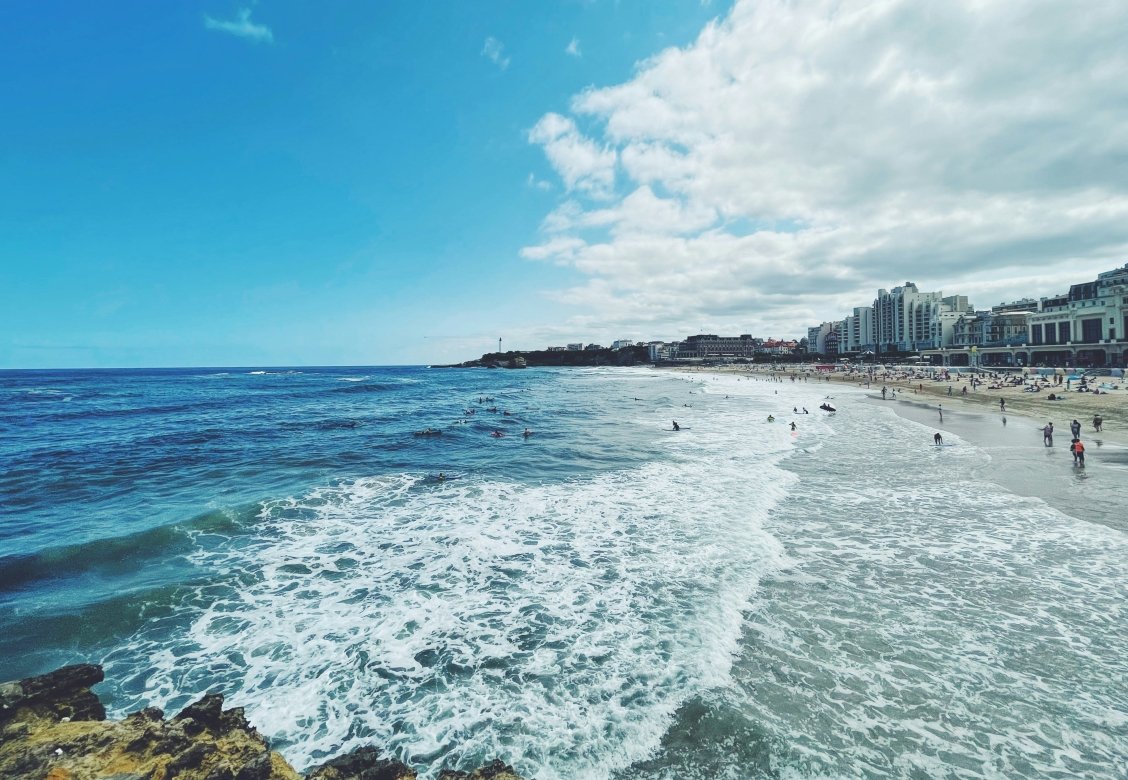
This classic French Atlantic beach offers a different experience with its surfing culture and dramatic scenery. Perfect for families with older children who might enjoy surf lessons, it also features exceptional facilities including family changing rooms and excellent beachfront dining options. The elegant town provides cultural experiences beyond beach time.
Fig Tree Bay, Protaras, Cyprus
Named after an ancient fig tree on its shore, this Blue Flag beach offers some of the clearest waters in Europe. The sheltered position creates calm swimming conditions, while water sports facilities cater to more adventurous family members. The well-maintained promenade connects to family-friendly restaurants and accommodation options.
What makes these beaches stand out is their combination of natural beauty, safety features, convenient facilities, and nearby attractions that prevent children from getting bored. Each offers a distinct cultural experience while maintaining the essential elements that families need for stress-free beach days.
Other Notable European Beaches for Families
Beyond the most famous family beaches, Europe hides numerous coastal gems that offer unique experiences while still catering wonderfully to families with children. These destinations may be less crowded while providing exceptional family-friendly environments:
Praia da Marinha, Algarve, Portugal
Nestled between limestone cliffs and accessible via a series of steps, this beach rewards families with older children with breathtaking scenery, natural rock arches, and excellent snorkeling opportunities. The small size creates a cozy atmosphere where parents can easily keep track of children.
Plage de Palombaggia, Corsica, France
This stunning beach combines fine white sand with shallow turquoise waters and a backdrop of pine trees that provide natural shade. The gentle slope into the sea makes it perfect for young swimmers, while the striking red granite rocks create natural exploration areas for curious kids.
Balos Lagoon, Crete, Greece
Accessible by boat or a moderate hike (better for families with older children), this spectacular lagoon beach offers warm, knee-deep waters extending hundreds of meters from shore. The pinkish sand and turquoise water create a magical setting that feels like a natural swimming pool designed specifically for families.
West Wittering, West Sussex, UK
Proving that northern European beaches can rival their Mediterranean counterparts, this expansive sandy beach features excellent water quality and facilities. The large tidal flats create safe paddling areas at low tide, and the grassy picnic areas behind the beach offer alternative play spaces.
Cala Galdana, Menorca, Spain
This horseshoe-shaped bay with calm, shallow waters is surrounded by pine-clad cliffs, creating a natural playground for families. The soft white sand is perfect for castle building, while the boardwalk accessibility makes it stroller-friendly for families with babies.
Mellieha Bay, Malta
Malta’s largest sandy beach offers gentle slopes into crystal clear waters, making it perfect for gradual swimming progression as children build confidence. The excellent facilities include chair rentals, water sports for older kids, and numerous family-friendly restaurants within walking distance.
Spiaggia di San Vito Lo Capo, Sicily, Italy
This 3km stretch of fine white sand between dramatic mountains offers a perfect combination of natural beauty and practical amenities. The town’s family-friendly atmosphere, excellent gelaterias, and annual Couscous Festival provide cultural experiences alongside beach relaxation.
Ploumanac’h, Brittany, France
For families seeking something different, this Pink Granite Coast beach offers fascinating rock formations that children can safely climb and explore, creating natural playgrounds that stimulate imagination. The sheltered position ensures calm swimming conditions in the clear waters.
What makes these beaches particularly suitable for families is their combination of natural beauty with practical considerations like shallow waters, nearby facilities, and opportunities for children to explore safely. They represent perfect alternatives for families seeking to avoid the most crowded destinations without sacrificing quality or safety.
Things To Do Beyond Sunbathing
European beach destinations offer far more than just sand and sea for families looking to keep active children entertained. Here are engaging activities that complement your beach experience:
Snorkeling Adventures: Many Mediterranean and Adriatic beaches feature crystal-clear waters perfect for young snorkelers. Beaches like El Portet in Spain or Ölüdeniz in Turkey offer shallow, protected areas where children can safely observe colorful fish and marine life. Consider investing in full-face snorkel masks for younger children, which are easier to use than traditional models.
Water Parks and Aqua Fun: Coastal regions across Europe have invested in impressive water parks near popular beaches. Water World in Lloret de Mar (Spain), Aqualand in Corfu (Greece), and Aquafollie in Caorle (Italy) offer slides, wave pools, and splash zones suitable for different age groups, providing a chlorinated alternative to saltwater play.
Boat Excursions: Family-oriented boat trips from beach destinations can transform a beach vacation. Glass-bottom boat tours in Portugal’s Algarve, pirate-themed cruises along Croatia’s coast, or dolphin-watching expeditions from the Canary Islands create memorable experiences that combine education with entertainment.
Beachfront Sports: Many European beaches have designated areas for family-friendly sports. Beach volleyball courts, soccer pitches on the sand, and equipment rental stations encourage active play. The wide beaches of Northern Europe particularly excel at providing space for beach games without disturbing other beachgoers.
Rock Pool Exploration: Atlantic and Northern European beaches often feature fascinating tidal pools where children can safely discover coastal ecosystems. Armed with a simple bucket and identification guide, kids can spend hours discovering crabs, tiny fish, and colorful anemones in these natural aquariums.
Sand Sculpture Lessons: Several beach destinations, including those in Denmark and the Netherlands, offer organized sand sculpture workshops where families learn techniques from experts to create impressive structures beyond basic sandcastles.
Junior Watersports: Many European beaches offer age-appropriate introductions to watersports. Banana boat rides for the whole family, pedal boats with slides, supervised junior kayaking, or beginner’s windsurfing lessons in shallow lagoons provide exciting alternatives to swimming.
Coastal Nature Reserves: Many European beaches adjoin protected natural areas. The Camargue near France’s Mediterranean coast, Doñana National Park near Spain’s Costa de la Luz, or Italy’s Circeo National Park offer opportunities to combine beach time with nature walks, bird watching, or guided ecological tours.
Beach Playgrounds: Innovative playground design has reached European beaches, with many destinations installing wooden play structures, climbing frames, or water play areas directly on or adjacent to the beach. These provide welcome alternatives when children need a break from sand and sea.
Cultural Side Trips: European beach regions often have rich cultural heritage within short distances. Ancient ruins near Greek and Italian beaches, historic fishing villages along the Atlantic coast, or local markets in Mediterranean towns provide educational excursions that balance beach recreation with cultural enrichment.
These diverse activities ensure that family beach vacations in Europe can accommodate different interests, weather conditions, and attention spans while creating varied experiences that children will remember long after returning home.
Events Not to Miss
European beach destinations come alive with family-friendly events and festivals throughout the beach season. Timing your visit to coincide with these celebrations can add an extra dimension to your family beach vacation:
Sand Sculpture Festivals (May-September): Impressive sand art events take place across European beaches each summer. The International Sand Sculpture Festival in Algarve, Portugal (May-October) transforms tons of sand into elaborate themed sculptures, while similar events in Denmark, Germany, and Bulgaria combine artistic appreciation with hands-on workshops where children can learn basic techniques.
Beach Cinema Nights (July-August): Many Mediterranean resorts set up open-air cinema screens directly on the beach during peak summer weeks. Families can enjoy family-friendly films under the stars on beaches in France, Italy, and Spain, often with multilingual subtitles and typically starting after sunset when younger children have had their beach fill for the day.
Midsummer Celebrations (June): Northern European beaches, particularly in Scandinavian countries, host magical midsummer festivities around June 21st. Expect bonfires on the beach, traditional dancing, flower crown making for children, and the unique experience of twilight that barely turns to darkness in these northern latitudes.
Water Sport Competitions (Various dates): Coastal communities often schedule family-friendly water sport demonstrations and junior competitions during summer months. From the colorful optimist sailing regattas in Greece to surfing festivals along Portugal’s coast, these events often include “try it out” sessions for children and make for exciting spectator opportunities.
Fishermen’s Festivals (Primarily June-September): Traditional fishing communities from Spain’s Costa Brava to Croatia’s Dalmatian islands celebrate their maritime heritage with family-oriented festivals featuring boat parades, seafood feasts with child-friendly options, and often historical reenactments that bring coastal history to life.
Sardine Festivals (June-July): Portugal and Spain host lively sardine grilling festivals, particularly around Saint Anthony’s Day (June 13th). The aroma of grilling fish fills the air near beaches, with street entertainment, music, and activities specifically designed for children accompanying the culinary celebrations.
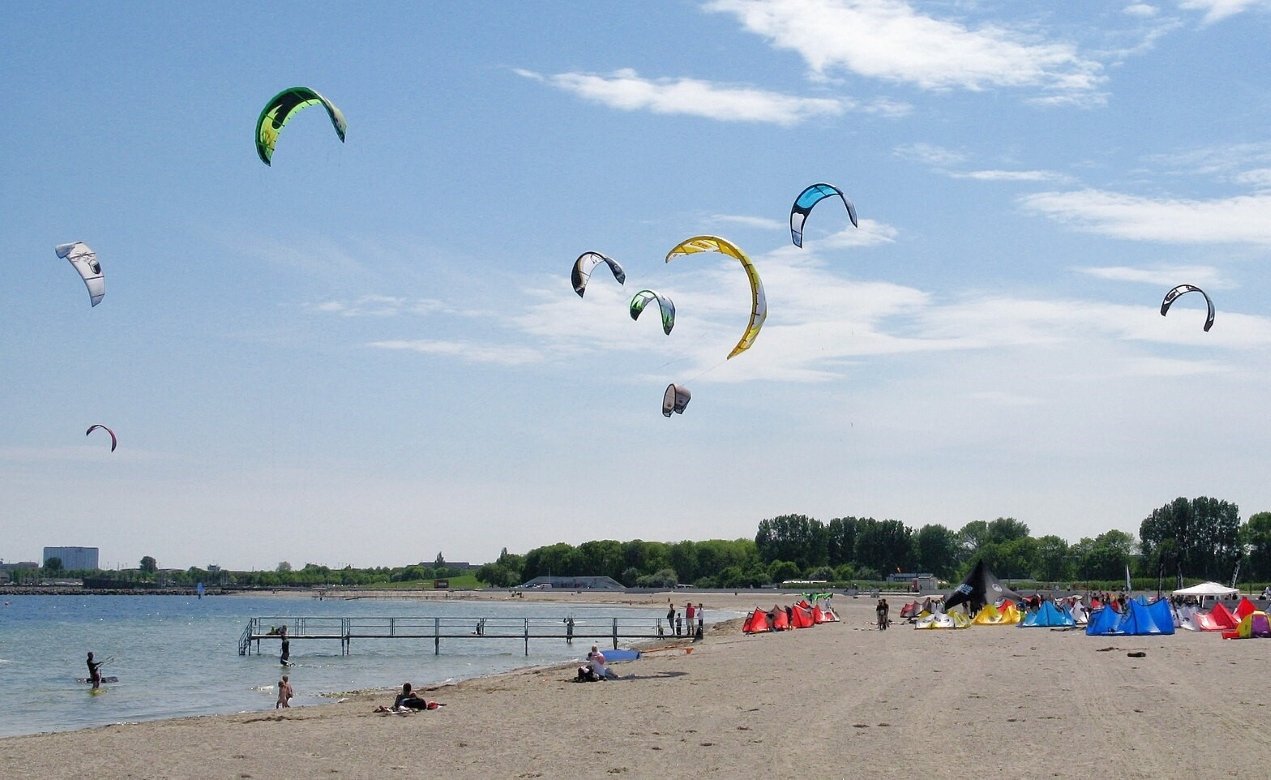
Kite Festivals (April-September): Professional and amateur kite enthusiasts gather for spectacular displays at beaches with reliable winds. The International Kite Festival in Berck-sur-Mer, France, and similar events in Italy and the Netherlands feature workshops where children can make and fly their own creations.
Sea Turtle Releases (July-September): Several Mediterranean conservation programs, particularly in Greece and Turkey, organize public releases of hatched sea turtles. These educational events allow families to learn about marine conservation while witnessing these tiny creatures make their first journey to the sea – a magical experience for children.
Medieval Maritime Festivals (Various dates): Historic coastal towns like Antibes (France) and Kotor (Montenegro) host living history events that transform harbor areas into medieval ports with ship replicas, costume parades, and interactive demonstrations of traditional navigational techniques and crafts.
End-of-Season Water Carnivals (Late August-September): Many Mediterranean resorts mark the end of peak season with spectacular water-based parades, floating concerts, and firework displays over the sea. These events often feature family-friendly scheduling with early evening components suitable for younger children.
When planning your family beach vacation, check local tourist information for exact dates of these events, as they can significantly enhance your experience while providing cultural insights and entertainment beyond typical beach activities.
Cycling and Hiking Near European Beaches
European coastal regions offer outstanding opportunities to combine beach relaxation with active exploration through well-maintained cycling and hiking networks. These pathways allow families to discover hidden coves, dramatic viewpoints, and coastal ecosystems that remain invisible to those who never venture beyond the main beaches.
Family-Friendly Coastal Cycling Routes
EuroVelo 8 – Mediterranean Route: Sections of this long-distance cycling route are perfect for family day trips, particularly the flat segments along the Costa Brava in Spain and parts of the Italian Riviera. Many sections feature separate bike paths away from traffic, connecting multiple beach towns and offering convenient stopping points for swims.
La Vélodyssée, France: This well-signposted route follows France’s Atlantic coast, with the section between La Rochelle and Royan particularly suitable for families with older children. Bike rental services often offer child seats, trailers, and tagalongs for younger riders.
Parenzana Trail, Croatia/Slovenia: This former railway line has been converted into a mostly flat cycling path connecting coastal towns along the Istrian peninsula, with multiple beach access points and shade from the summer heat provided by tunnels and forested sections.
Öresund Coastal Cycling Route, Denmark/Sweden: Connecting Copenhagen with Helsingør, this family-friendly route combines beach stops with cultural attractions and offers excellent facilities including dedicated picnic areas and clearly marked swimming spots safe for children.
Tips for Family Beach Cycling:
- Rent bikes with appropriate child seats or tag-alongs for younger children
- Plan routes with regular beach stops for swimming breaks
- Carry extra water and sun protection
- Consider e-bikes for families with varied cycling abilities or when tackling hillier coastal regions
Coastal Hiking Paths for All Ages
Cinque Terre Coastal Path, Italy: While some sections of this famous trail are challenging, the lower pathway between Riomaggiore and Manarola (when open) is manageable for families and rewards with spectacular views and access to small beaches perfect for cooling off.
Lycian Way Coastal Sections, Turkey: The full route is demanding, but day sections near Ölüdeniz and Patara offer family-friendly hiking with ancient ruins, stunning viewpoints, and access to beaches largely unreachable by car.
Seven Hanging Valleys Trail, Algarve, Portugal: This 6km coastal path connects some of Europe’s most beautiful beaches and coves, with options to shorten the route for families with younger children. The sea caves and natural arches visible along the way create a scavenger-hunt atmosphere that keeps children engaged.
South West Coast Path, England: The sections around Cornwall offer family-appropriate segments with coves, rock pools, and wildlife spotting opportunities. The path frequently dips down to beach level, allowing for combined hiking and beach days.
Tips for Family Coastal Hiking:
- Choose loop routes rather than point-to-point trails to avoid transportation logistics
- Research trails with beach access points for swimming breaks
- Carry appropriate footwear as coastal paths often alternate between sandy sections and rockier terrain
- Download interactive trail maps that highlight child-friendly points of interest
Combined Beach and Nature Experiences
Many European coastal regions have developed specialized nature trails designed specifically for families with interactive elements that engage children:
- Dune Ecology Trails in the Netherlands and Denmark feature boardwalks protecting fragile ecosystems while educating visitors about coastal formation processes
- Wetland Observation Routes near beaches in the Camargue (France) and Doñana (Spain) offer opportunities to spot flamingos and other water birds
- Tidal Education Paths along the Atlantic coast provide information about marine life adapted to changing water levels, with best visiting times coordinated with low tide for optimal exploration
These active options not only provide alternatives to full days on the sand but also help children appreciate the diverse environments that make European coastal regions so special. Many visitor centers at these locations offer family activity packs, nature bingo cards, or scavenger hunt lists that transform walks into adventures.
Travel Tips and Practical Information
Planning a successful family beach vacation in Europe requires attention to details that can make or break your experience. Here’s practical advice to ensure smooth sailing:
When to Go
Peak Season (July-August): Guarantees warm water and lively atmosphere but means larger crowds and higher prices. If visiting during this period, book accommodations at least 6 months ahead.
Shoulder Seasons (May-June and September): Offer excellent value with pleasant temperatures and fewer crowds. Southern European beaches remain warm enough for swimming, while northern beaches may require wetsuits for extended water play.
Regional Timing: School holidays vary across Europe, creating opportunities to visit popular destinations when local children are still in school. For example, British families can enjoy French beaches in late June/early July before French school holidays begin.
Beach Safety Essentials
- Blue Flag Beaches: Prioritize beaches with this international certification indicating water quality, safety services, and environmental management.
- Lifeguard Services: Check operating hours as many beaches have limited coverage outside peak season or specific daily hours.
- Sun Protection: European sun can be deceptively strong. The UV index in Mediterranean destinations regularly reaches dangerous levels. Apply SPF50 to children every 2 hours and schedule indoor activities during midday peak UV hours (11am-3pm).
- Flag Systems: Learn the local beach flag system indicating safe swimming conditions – red typically means no swimming, yellow indicates caution, and green signals safe conditions.
Family-Specific Accommodations
- Apartment Rentals: Often more practical than hotels for families, providing kitchen facilities and separate sleeping areas.
- Family-Oriented Resorts: Look for those offering kids’ clubs, children’s pools, and family entertainment programs.
- Location Priority: Beachfront accommodations eliminate transportation hassles with young children and allow easy returns to rooms for naps or forgotten items.
Transportation Insights
- Car Rentals: Request child seats in advance; availability cannot be guaranteed during peak season without reservation.
- Public Transport: Many European beach destinations have excellent seasonal shuttle services connecting major beaches and attractions. Research family day passes for cost savings.
- Water Taxis: Coastal cities like Venice, Split, and Barcelona offer water transportation options that become exciting activities in themselves for children.
Packing Essentials
- Beach Tent/Umbrella: Not all European beaches provide shade options; portable shelters are essential for young children.
- Water Shoes: Rocky or pebbly beaches in Croatia, parts of Greece, and Italy require appropriate footwear, especially for children.
- Reef-Safe Sunscreen: Many European marine reserves and protected beaches now require eco-friendly sun protection products.
Money-Saving Strategies
- Beach Equipment: Many accommodations provide beach gear – confirm before packing bulky items or consider pre-booking rental packages.
- Meal Planning: European beach culture embraces picnics; local markets offer fresh ingredients at fraction of restaurant costs.
- City Cards: Major coastal cities offer tourist passes including beach shuttle access and discounted attraction entry.
Cultural Considerations
- Beach Etiquette: Familiarize yourself with local customs – topless sunbathing is common in many European countries but typically confined to adult areas.
- Siesta Culture: In Southern Europe, many facilities close during afternoon hours (typically 2-5pm). Plan accordingly with self-sufficient beach supplies during these periods.
- Language Basics: Learning a few child-related phrases in the local language can be invaluable for bathroom emergencies or safety situations.
Special Needs Considerations
- Accessible Beaches: European countries increasingly provide beaches with wheelchair access, specialized equipment for water entry, and trained staff. Research destinations with “accessible beach” certification.
- Allergy Awareness: Coastal restaurants may be less familiar with severe allergies than in urban centers. Bring translation cards clearly explaining your child’s dietary restrictions.
Planning with these practical considerations in mind will help create a stress-free family beach experience that allows everyone to enjoy Europe’s coastal treasures fully.
Final Thoughts
Europe’s family-friendly beaches offer more than just sun, sea, and sand – they provide transformative experiences that build lasting memories while subtly teaching children about different cultures, ecosystems, and ways of life. The perfect family beach vacation balances structured activities with free play, educational moments with pure fun, and parent relaxation with child entertainment.
What makes European beaches truly special for families is their diversity – within a relatively compact continent, you can experience the vibrant energy of Mediterranean resorts, the wild natural beauty of Atlantic coastlines, the historical richness of Adriatic shores, or the pristine tranquility of northern beaches. This variety allows families to find perfect matches for their specific preferences and children’s ages, returning year after year to discover new coastal treasures as their children grow and interests evolve.
Remember that sometimes the most memorable beach moments come from unplanned discoveries – the tiny hermit crab your toddler spots in a rock pool, the local fisherman who shows your curious eight-year-old how to mend nets, or the spectacular sunset that momentarily silences even your chatty teenagers. European beaches excel at facilitating these serendipitous experiences through their blend of natural beauty, cultural richness, and family-friendly infrastructure.
As climate change and tourism pressure impact coastal environments worldwide, European beach destinations are increasingly leading conservation efforts that protect these precious resources for future generations. By choosing destinations with strong environmental credentials and teaching your children respectful beach behavior, your family vacation contributes to sustainable tourism that preserves these special places.
Whether you’re building sandcastles on Portugal’s golden shores, snorkeling in Croatia’s crystal waters, cycling along Denmark’s dune-backed coastlines, or enjoying seafood feasts after a day on Greek beaches, Europe offers ideal settings for quality family time away from digital distractions and hectic schedules. These shared experiences strengthen family bonds while broadening horizons – perhaps the most valuable souvenirs you can bring home from any vacation.
So pack your beach bags, gather the children, and set off to discover Europe’s spectacular coastlines. The continent’s family-friendly beaches await with open arms, gentle waves, and endless possibilities for adventure, relaxation, and connection. Your perfect family beach may be on a famous Mediterranean coast or a hidden Atlantic cove – but somewhere among Europe’s 68,000 kilometers of coastline, it’s certainly waiting for you.