



Forget everything you think you know about Baltic escapes. While Tallinn’s Old Town is undoubtedly charming, there’s a wilder, more serene side to Estonia waiting to be explored, and it goes by the name of Saaremaa. This isn’t just Estonia’s largest island; it’s a place where ancient myths whisper on the wind, where nature runs rampant, and where you can truly disconnect from the hustle and bustle. Think windswept coastlines, dense juniper forests, and a pace of life that feels refreshingly slow. If you’re looking for an authentic, off-the-beaten-path adventure with a touch of magic, Saaremaa is calling your name. Get ready to fall in love with this unique corner of the world – it’s a paradise just waiting to be uncovered!
- Guided Tours: Your Gateway to Hidden Treasures
- Visual Aspect: A Photographer’s Paradise
- Visitor Rankings: Where Saaremaa Stands
- Unique Features and Attractions: What You Won’t Find Anywhere Else
- Accessibility: Getting There and Getting Around
- Things to Do: Beyond the Obvious
- Travel Tips and Practical Information
- Accommodation Options: Where to Rest Your Head
- Essential Amenities: Everything You Need
- Nearby Attractions and Points of Interest
- Final Thoughts
Guided Tours: Your Gateway to Hidden Treasures
Getting the most out of Saaremaa means going beyond the obvious attractions, and that’s where guided tours become your secret weapon. Local guides don’t just show you the sights – they unlock stories that transform ordinary landscapes into extraordinary experiences.
The most popular option is the full-day castle and countryside tour, which typically runs around €45-60 per person. These tours combine Kuressaare Castle with visits to traditional windmills, ancient burial sites, and local craft workshops. What makes them special? Your guide will likely be a local who grew up hearing legends about these places from their grandparents.
For something more adventurous, consider the geological tours that focus on Saaremaa’s meteorite craters and unique limestone formations. The Kaali meteorite crater tour is particularly fascinating – imagine standing in a crater formed by a space rock 4,000 years ago while learning how it shaped local mythology.
Wine and food tours are gaining popularity too, especially the ones that include visits to Saaremaa’s emerging vineyards and traditional smokehouses. These typically cost €35-50 and include tastings of local specialties like smoked fish and juniper beer.
Visual Aspect: A Photographer’s Paradise
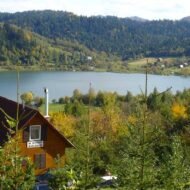
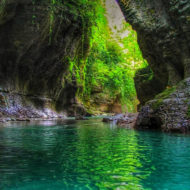
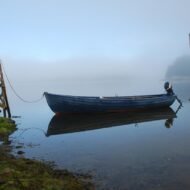
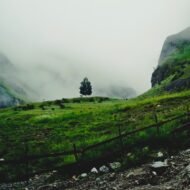
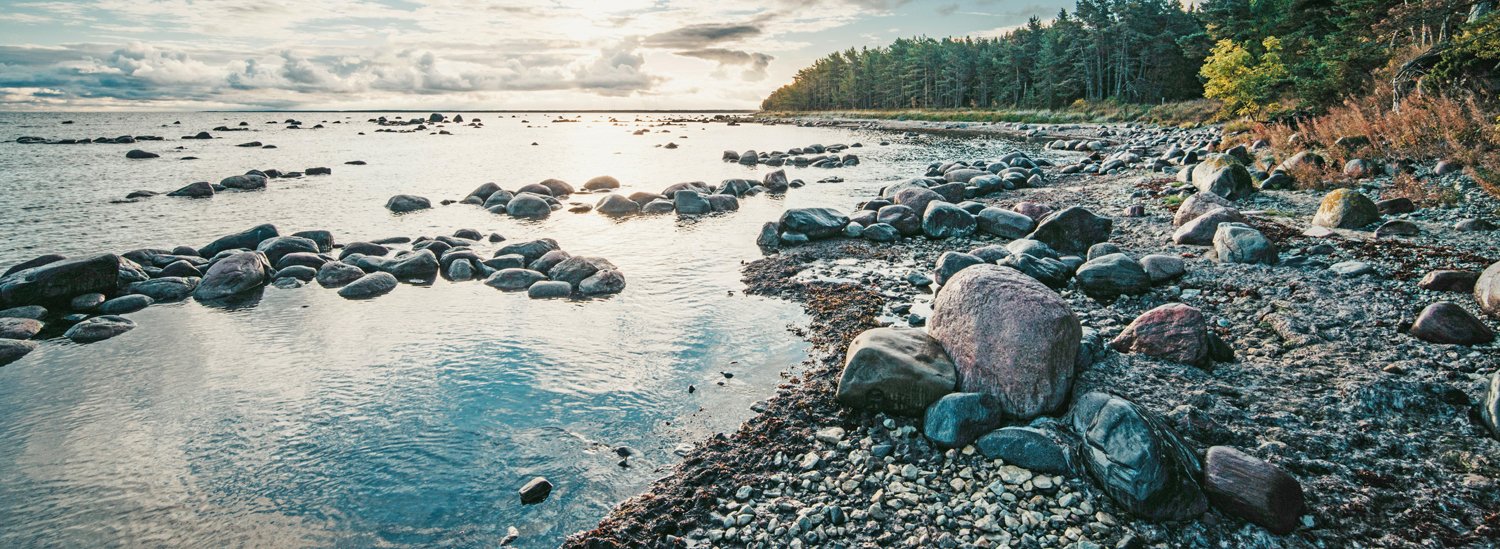
Saaremaa’s visual appeal hits you immediately and doesn’t let go. The island’s landscape is a masterclass in understated beauty – think rolling green meadows punctuated by ancient stone walls, dramatic limestone cliffs meeting pristine beaches, and forests so dense and mysterious they could hide entire kingdoms.
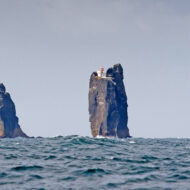
The coastline alone offers endless photo opportunities. Panga Cliff provides sweeping panoramic views where limestone meets the Baltic Sea in dramatic fashion, while Kiipsaare Lighthouse leans at an impossible angle thanks to coastal erosion – creating one of the most Instagram-worthy spots in the Baltics.
What really sets Saaremaa apart visually is its authentic, lived-in quality. Unlike some tourist destinations that feel preserved in amber, Saaremaa pulses with real life. You’ll see traditional thatched-roof farmhouses still in use, ancient windmills that actually grind grain, and medieval streets where locals still live and work.
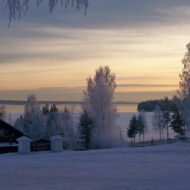
The seasonal changes here are particularly striking. Spring brings fields of wildflowers that stretch to the horizon, summer offers endless white nights and festivals, autumn paints the landscape in brilliant golds and reds, while winter transforms the island into a Nordic wonderland complete with ice roads to neighboring islands.
Visitor Rankings: Where Saaremaa Stands
Saaremaa consistently ranks as one of Estonia’s top three destinations, often competing with Tallinn and Tartu for visitor attention. What’s impressive is how it achieves this with relatively modest numbers – the island sees around 300,000 visitors annually, but visitor satisfaction rates consistently hover around 95%.
TripAdvisor reviewers regularly rank Saaremaa experiences in their top Baltic travel memories, with Kuressaare Castle earning a 4.5/5 rating and the island’s spa experiences averaging 4.3/5. European travel magazines have been catching on too – Lonely Planet named Saaremaa one of Europe’s “best-kept secrets” in 2023, while Conde Nast Traveler included it in their “undiscovered islands” feature.
What’s particularly telling is the repeat visitor rate. Nearly 40% of tourists return to Saaremaa within three years, which is remarkably high for a destination of this size. This suggests that the island doesn’t just meet expectations – it creates the kind of deep connection that makes people want to come back.
International visitors rank their Saaremaa experience an average of 8.7/10, with many citing the authentic, unhurried atmosphere as the main draw. Unlike some destinations that feel overcrowded or touristy, Saaremaa maintains that perfect balance of accessibility and authenticity.
Unique Features and Attractions: What You Won’t Find Anywhere Else
Saaremaa’s attraction list reads like a fantasy novel, and the best part? It’s all real.
- Kuressaare Castle & Saaremaa Museum: This 14th-century episcopal castle is one of the best-preserved medieval fortresses in the Baltics and houses a fascinating museum detailing the island’s history.
- Kaali Meteorite Crater: Europe’s first scientifically proven meteorite crater field – it’s an awe-inspiring natural wonder that feels like stepping onto another planet.
- Angla Windmill Park: A picturesque collection of traditional wooden windmills, offering a glimpse into Saaremaa’s agricultural heritage. You can even see a miller at work!
- Panga Cliff: The highest bedrock outcrop in western Estonia, offering stunning panoramic views of the Baltic Sea, especially at sunset.
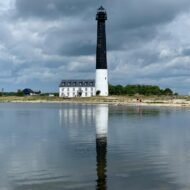
- Sõrve Lighthouse: Located at the tip of the Sõrve peninsula, this lighthouse offers incredible views from its top.
- Vilsandi National Park – A pristine archipelago perfect for birdwatching, seal spotting, and experiencing unspoiled Baltic nature.
- Mihkli Farm Museum: A traditional Saaremaa farm that provides an authentic look at rural island life.
- Suur Tõll and Piret Sculpture: A charming sculpture in Kuressaare depicting Saaremaa’s mythical giant hero and his wife.
- Kiipsaare Lighthouse: Known as the “Leaning Tower of Saaremaa,” this lighthouse has been slowly consumed by the sea, now standing dramatically out in the water.
- Salme Ship Burials: The site where two ancient Viking ships were discovered, changing the course of naval history.
- Traditional Smoke Saunas – Saaremaa’s smoke saunas represent an ancient tradition recognized by UNESCO, offering a wellness experience you can’t get anywhere else.
- Muhu Island Connection – Technically separate but connected by a causeway, Muhu Island extends your Saaremaa experience with additional traditional villages and craft workshops.
Accessibility: Getting There and Getting Around
Getting to Saaremaa is easier than you might think, though it does require a bit of planning. The island is connected to mainland Estonia by a ferry system that’s efficient, affordable, and part of the experience itself.
The most common route is driving or taking a bus to Virtsu on the mainland, then catching the ferry to Kuivastu on Muhu Island (which connects to Saaremaa via causeway). The ferry runs every 30-45 minutes during peak season and takes about 25 minutes. Tickets cost around €8 for foot passengers, €15-25 for cars depending on size.
Alternatively, you can fly directly to Kuressaare Airport from Tallinn (about 45 minutes) on small aircraft, though this is more expensive and weather-dependent. During summer, there are sometimes direct flights from Helsinki and Stockholm.
Once on the island, having a car gives you the most freedom, but it’s not essential. Kuressaare, the main town, is easily walkable, and local bus services connect major attractions. Bike rental is popular and practical – the island’s flat terrain and scenic roads make cycling a joy rather than a chore.
For those with mobility concerns, most major attractions are wheelchair accessible, including Kuressaare Castle (which has ramps and elevators) and many of the spas. However, some natural sites like Panga Cliff require walking on uneven terrain.
The island is also very English-friendly. Most tourism-related businesses have English-speaking staff, and signs at major attractions include English translations.
Things to Do: Beyond the Obvious
Saaremaa rewards active travelers, but it also caters to those who prefer a more relaxed pace.
Hiking and Cycling Adventures The island’s flat terrain and well-marked trails make it perfect for both activities. The Saaremaa cycling route (route 1) circles the entire island over 300km, but you can easily do sections. Popular shorter routes include the Kuressaare to Angla windmills ride (about 40km) and the coastal path from Kuressaare to Järve.
For hikers, the Vilsandi National Park offers pristine trails through diverse ecosystems, while the Panga Cliff coastal walk provides dramatic sea views. The Kaali crater area also has several walking trails that combine natural beauty with historical significance.
Water Activities The Baltic Sea around Saaremaa is surprisingly swimmable in summer (water temperatures reach 18-20°C), and several beaches offer safe swimming. Järve Beach is the most popular, while Mändjala offers a more secluded experience.
Kayaking around the coastal islands is increasingly popular, with several operators offering guided tours that include seal watching and visits to uninhabited islands.
Cultural Immersion Visit working farms where you can participate in traditional activities like bread making or sheep shearing. The island also has several craft workshops where you can learn traditional Estonian techniques for textile work, pottery, or woodcarving.
Wellness and Relaxation Saaremaa’s spa culture goes back centuries, thanks to local healing mud and mineral springs. Modern spa hotels like Georg Ots Spa Hotel combine traditional treatments with contemporary luxury, while smaller establishments offer authentic Estonian sauna experiences.
Travel Tips and Practical Information
Best Time to Visit: May through September offers the warmest weather and longest days, but each season has its charm. July and August are busiest but also offer the most festivals and events. April and October can be beautiful for those who don’t mind cooler weather and smaller crowds.
What to Pack: Weather can change quickly, so layers are essential. Even in summer, bring a warm jacket for evenings. Comfortable walking shoes are a must, and if you plan to explore nature areas, waterproof footwear is advisable.
Money Matters: Estonia uses the Euro. Most places accept cards, but having some cash is useful for small vendors and traditional craft shops. Prices are generally reasonable – a good meal costs €12-20, accommodation ranges from €30-150 per night depending on your preferences.
Language: Estonian is the official language, but Russian and English are widely understood in tourist areas. German is also common among older residents.
Local Customs: Estonians can seem reserved initially but are genuinely helpful once you engage them. Don’t be surprised if people seem quiet on public transport – it’s cultural, not unfriendly.
Connectivity: WiFi is excellent throughout the island, and mobile coverage is reliable. EU citizens can use their regular mobile plans thanks to roaming agreements.
Safety: Saaremaa is extremely safe. The biggest risks are natural ones – coastal areas can have strong currents, and forests can be easy to get lost in without proper preparation.
Accommodation Options: Where to Rest Your Head
Saaremaa offers accommodation options for every budget and travel style, from luxury spa hotels to cozy guesthouses that feel like staying with friends.
Luxury and Spa Hotels Georg Ots Spa Hotel in Kuressaare is the island’s flagship accommodation, offering modern spa facilities, comfortable rooms (€80-150/night), and an excellent location near the castle. For a more intimate luxury experience, Villa Ammende provides boutique elegance in a beautifully restored Art Nouveau mansion.
Mid-Range Comfort Hotel Saaremaa and Arensburg Boutique Hotel & Spa offer excellent value in Kuressaare’s center, typically ranging €50-90 per night. These properties provide modern amenities while maintaining Estonian charm.
Budget-Friendly Options Hostels and guesthouses scattered across the island offer beds from €20-40 per night. Loona Manor offers a unique experience staying in a restored 19th-century manor house, while various farm stays let you experience authentic island life.
Alternative Accommodations Holiday homes and apartments are increasingly popular, especially for longer stays or families. Platforms like Airbnb offer everything from traditional farmhouses to modern seaside cottages (€40-120/night). Camping is also possible at designated sites, with some offering cabin rentals.
Essential Amenities: Everything You Need
Don’t worry about being stranded on a remote island – Saaremaa has all the modern conveniences you’d expect, particularly in Kuressaare.
Supermarkets and Shopping Kuressaare has several well-stocked supermarkets including Maxima, Rimi, and Selver, offering everything from international brands to local specialties. These stores are comparable to what you’d find in any European city, with good selections of fresh produce, international foods, and travel essentials.
Smaller villages have local shops (called “pood”) that stock basics, though with limited hours and selection. Many also sell local crafts and regional specialties.
Dining Scene Beyond traditional Estonian cuisine, you’ll find pizza places, Asian restaurants, and modern European bistros. Kuressaare’s restaurant scene punches above its weight, with several establishments earning national recognition. Most restaurants cater to international tastes while maintaining local character.
Healthcare and Pharmacies Kuressaare Hospital provides comprehensive medical services, and several smaller clinics serve other parts of the island. Pharmacies (called “apteek”) are well-distributed, with at least one in each larger village. Most pharmacists speak English and can help with common travel health issues.
Banking and Services ATMs are readily available in Kuressaare and larger villages. Banks offer currency exchange, though this is rarely needed since Estonia uses the Euro. Post offices provide standard services plus tourist information.
Transportation Services Car rental agencies operate from the airport and Kuressaare center. Taxi services are available, though they may need to be called in advance outside the main town. Bike rental shops are numerous, especially during summer season.
Nearby Attractions and Points of Interest
Saaremaa’s location makes it an excellent base for exploring other Estonian gems.
Hiiumaa Island – Saaremaa’s northern neighbor, accessible by ferry, offers even more remote landscapes and the tallest lighthouse in the Baltics. It’s perfect for a day trip or longer stay if you want to experience authentic island life.
Muhu Island – Connected to Saaremaa by causeway, Muhu is famous for its traditional crafts, especially textiles. The island hosts several craft fairs throughout the summer where you can buy authentic Estonian handicrafts directly from artisans.
Matsalu National Park – On the mainland, this wetland park is one of Europe’s most important bird migration stops. It’s about a 2-hour drive from Kuressaare, making it feasible as a day trip for nature enthusiasts.
Haapsalu – This charming coastal town on the mainland is known for its wooden architecture, historic castle, and spa traditions. It’s easily accessible via the ferry route and makes a great overnight stop.
Vormsi Island – The fourth-largest Estonian island, once home to a Swedish-speaking community, offers unique cultural history and pristine nature. It’s accessible by ferry from the mainland.
Pärnu – Estonia’s summer capital, known for its beaches and vibrant nightlife, is about 2.5 hours drive from Kuressaare via ferry. It’s a popular combination for visitors wanting both island tranquility and beach resort amenities.
Final Thoughts
Saaremaa isn’t trying to be the next big thing – it’s content being exactly what it is: an authentic, beautiful, and welcoming destination that rewards curious travelers. In an age of overtourism and Instagram-driven travel, Saaremaa offers something increasingly rare: the chance to discover a place that feels both timeless and undiscovered.
Whether you’re drawn by the medieval history, the unique geology, the wellness traditions, or simply the promise of a place where you can slow down and breathe, Saaremaa delivers. It’s the kind of destination that doesn’t just give you great photos and memories – it gives you stories you’ll be telling for years.
The island proves that sometimes the best travel experiences come not from checking boxes on a must-see list, but from stumbling onto places that capture your imagination and refuse to let go. Saaremaa is one of those places, and the sooner you visit, the sooner you’ll understand why those 40% of visitors keep coming back.
Pack your sense of adventure, leave your expectations at home, and prepare to fall in love with Estonia’s best-kept secret. Saaremaa is waiting, and trust me – it’s worth the ferry ride.
Disclaimer: All prices and general information mentioned in this article are approximate and subject to change. Please verify current rates, opening hours, and availability before traveling, as conditions may vary seasonally or due to local circumstances.