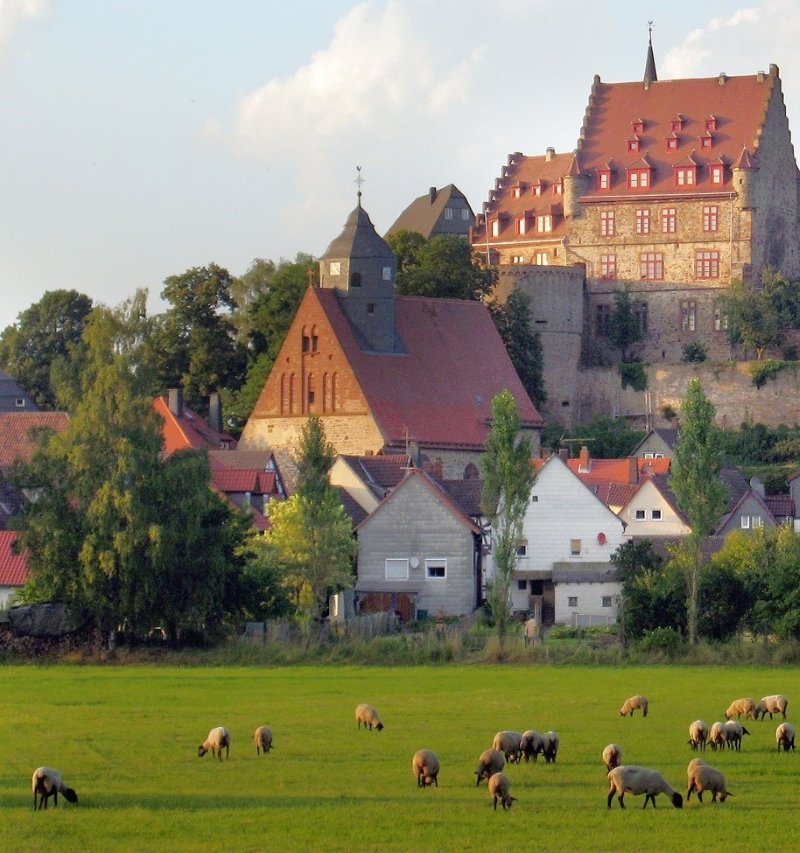


Situated in the rolling hills of central Hesse, Schweinsberg isn’t your typical tourist trap – and that’s exactly what makes it special. This charming district of Stadtallendorf offers something rare in today’s world: authentic medieval atmosphere without the crowds, stunning natural landscapes that few have discovered, and stories that’ll make your Instagram followers seriously jealous. Whether you’re a castle enthusiast, nature lover, or someone seeking those off-the-beaten-path adventures that create the best travel memories, Schweinsberg delivers in spades.
Picture this: you’re exploring a 13th-century castle that survived wars and centuries of change, then wandering through one of Central Europe’s last primeval landscapes – all in a single afternoon. That’s Schweinsberg for you: compact, captivating, and completely underrated. The best part? You’ll have most of it to yourself.
History at a Glance
Schweinsberg’s story reads like a medieval thriller with plot twists that would make Game of Thrones writers jealous. The village takes its name from the imposing Schweinsberg Castle, built in the 13th century by the noble Schenck family – who’ve managed to stick around for over 780 years (talk about staying power!). Originally constructed as a fortress to guard important trade routes, the castle quickly became the power center for the region.
The real drama kicked off during the Thirty Years’ War when the castle was partially destroyed, only to rise from the ashes stronger than before. The resourceful locals rebuilt it, adding the mysterious Hexenturm (Witches’ Tower) that still sparks legends today. Through centuries of changing rulers, political upheavals, and two world wars, Schweinsberg has maintained its medieval character while embracing modernity. The Schenck family descendants still call the castle home today, making it one of Germany’s longest continuously inhabited noble residences.
Location & Coordinates:
Schweinsberg is located at approximately 50.8° N, 8.9° E in the Marburg-Biedenkopf district of Hesse, Germany. The village sits in the Ohm river valley, part of the scenic Amöneburg Basin.
Fun Facts & Legends
Ready for some conversation starters that’ll impress even the most jaded travelers?
The Witches’ Tower Mystery: The castle’s Hexenturm isn’t just a cool name – local legend claims it was used to hold accused witches during the dark days of witch trials. Some say on misty nights, you can still see strange lights flickering in the tower windows.
Europe’s Last Primeval Landscape: The Schweinsberger Moor is one of Central Europe’s last remaining primeval wetlands, virtually unchanged since the last Ice Age 10,000 years ago. Its peat layer grows just one millimeter per year – meaning you’re literally walking through millennia.
The Indestructible Family: The Schenck family has held Schweinsberg Castle for over 780 years, making them one of Germany’s most enduring noble dynasties. They’ve survived plagues, wars, and revolutions while keeping their ancestral home intact.
Medieval Time Capsule: Unlike many German castles that were rebuilt as romantic ruins, Schweinsberg maintains its authentic medieval layout with working residential quarters, making it a genuine living piece of history.
Reasons to Go
Escape the Tourist Hordes: While Neuschwanstein gets 1.5 million visitors annually, you might have Schweinsberg Castle entirely to yourself on a Tuesday afternoon.
Perfect Photo Opportunities: That golden hour shot of the castle reflected in the moor’s waters? Chef’s kiss.
Authentic Medieval Experience: No Disney-fied reconstructions here – this is the real deal, with centuries of genuine history layering every stone.
Nature Lover’s Paradise: From rare bird watching in the moor to hiking through ancient forests, outdoor enthusiasts will find their happy place.
Easy Day Trip Base: Close enough to Frankfurt (90 minutes) and Marburg (30 minutes) for easy access, remote enough to feel like a true discovery.
Main Attractions
Schweinsberg Castle (Burg Schweinsberg)
- 13th-century medieval fortress with authentic residential quarters
- Historic Hexenturm (Witches’ Tower)
- Stunning panoramic views over the Ohm valley
- Still inhabited by descendants of original builders
Schweinsberger Moor Nature Reserve
- 43.2-hectare primeval wetland landscape
- One of Central Europe’s last unchanged post-Ice Age environments
- Prime bird watching location with rare waterfowl species
- Guided tours available by appointment
St. Antonius der Einsiedler Church
- Historic village church with traditional architecture
- Peaceful setting for reflection and photography
Traditional Half-Timbered Village Center
- Authentic medieval street layout
- Charming traditional German architecture
- Local cafés and authentic atmosphere
Things To Do
Castle Exploration: Take a self-guided tour around the castle grounds (exterior viewing). The architecture tells the story of nearly eight centuries of continuous habitation. Best photography light occurs during golden hour – arrive around 5 PM in summer for magical shots.
Moor Walking: Follow the designated paths through the Schweinsberger Moor. The boardwalks allow close encounters with wetland wildlife without disturbing the delicate ecosystem. Early morning visits offer the best chances for bird spotting and photography.
Village Wandering: Stroll through the medieval streets, admiring half-timbered houses and traditional German architecture. The village maintains its authentic character with working farms and local businesses.
Photography Tours: Capture the interplay between medieval castle architecture and pristine natural landscapes. The contrast creates stunning visual narratives.
Hiking & Cycling
Geotour Kreuz Trail: This geological hiking trail passes directly by Schweinsberg Castle and continues through the moor landscape. The route combines cultural heritage with natural education, featuring information boards about local geology and ecology.
Ohm Valley Cycling Route: Gentle cycling paths follow the Ohm river valley, connecting Schweinsberg with neighboring villages. The flat terrain makes it perfect for families and casual cyclists.
Moor Perimeter Trail: A circular walking path around the Schweinsberger Moor provides excellent wildlife viewing opportunities. The 2-kilometer trail includes elevated boardwalk sections for optimal photography.
Connection to Larger Trails: Schweinsberg serves as a perfect starting point for longer hikes connecting to the broader Hessian trail network, including routes toward Marburg and the Lahntal region.
Events Not to Miss
Tag des Wanderns (Hiking Day): Usually held in September, this nationwide German hiking celebration often includes special guided tours of the Schweinsberg area.
Medieval Castle Tours: During summer months, special historical tours of the castle area provide insights into medieval life and architecture.
Moor Conservation Days: Annual events focusing on wetland preservation often include educational programs and guided nature walks.
Autumn Bird Migration: September through October offers spectacular bird watching opportunities as migrating species stop at the moor.
Travel Tips & Practical Information
Getting There: From Frankfurt Airport: Take A5 toward Kassel, exit at Homberg/Ohm, follow signs to Stadtallendorf, then Schweinsberg (approximately 1.5 hours). Public transport: Train to Stadtallendorf station, then local bus or taxi to Schweinsberg.
Best Time to Visit: May through October for optimal weather and moor accessibility. September offers spectacular bird migration viewing.
What to Bring: Comfortable walking shoes, camera with good zoom lens for wildlife photography, light rain jacket (weather can change quickly), and binoculars for bird watching.
Local Etiquette: The castle remains a private residence – respect private property boundaries. In the moor, stay on designated paths to protect the delicate ecosystem.
Language: German is primary, but basic English is often understood. Download a translation app for easier communication with locals.
Accommodation: Limited options in Schweinsberg itself – consider staying in nearby Stadtallendorf or Marburg for more choices.
Nearby Attractions & Points of Interest
Marburg (15 km): Historic university town with stunning Elisabethkirche and medieval castle. Perfect for extending your trip with more substantial dining and accommodation options.
Amöneburg (8 km): Hilltop town with panoramic views and well-preserved medieval fortifications.
Stadtallendorf Documentation Center: Learn about the area’s complex 20th-century history, including its role during WWII.
Ohm Valley Villages: Charming traditional German villages dot the valley, each with unique character and local hiking trails.
Vogelsberg Region: One of Germany’s largest volcanic regions, offering extensive hiking opportunities and geological interests within 30 minutes’ drive.
Final Thoughts
Schweinsberg represents everything that makes small-town German travel magical: authentic history that hasn’t been sanitized for tourists, natural beauty that remains largely undiscovered, and that perfect combination of accessibility and adventure. This isn’t a destination where you’ll spend three days; it’s a place where you’ll spend a perfect afternoon that stays with you for years.
Whether you’re photographing the castle silhouetted against storm clouds, watching rare birds wade through ancient wetlands, or simply sitting in a village café wondering why more people don’t know about this place – Schweinsberg delivers those authentic travel moments that remind us why we explore beyond the guidebook recommendations.
Pack your sense of adventure, charge your camera, and prepare to discover one of Central Germany’s best-kept secrets. Just don’t tell everyone – some places are worth keeping special. / Photo credit: Schweinsberg