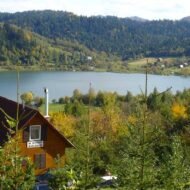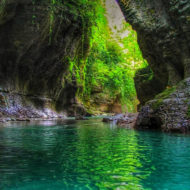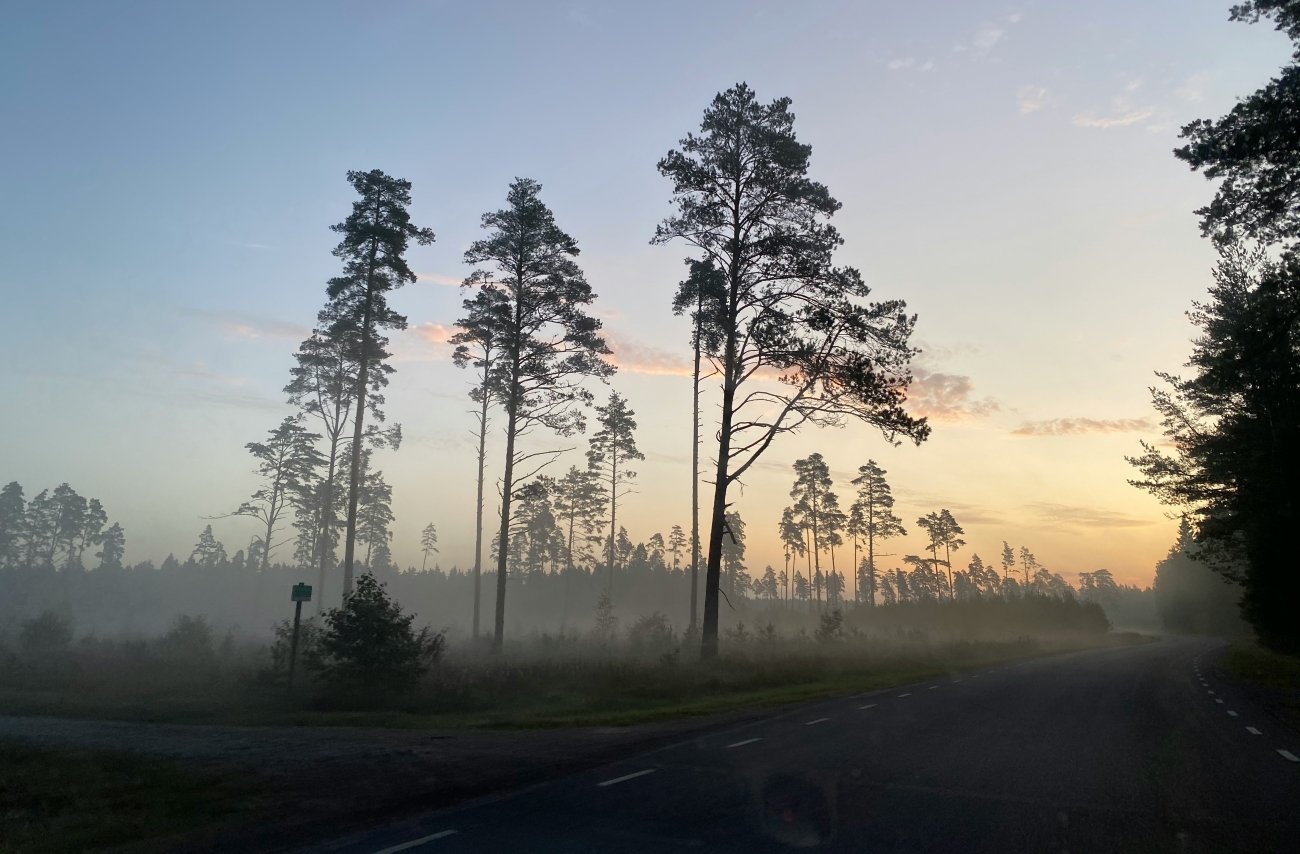


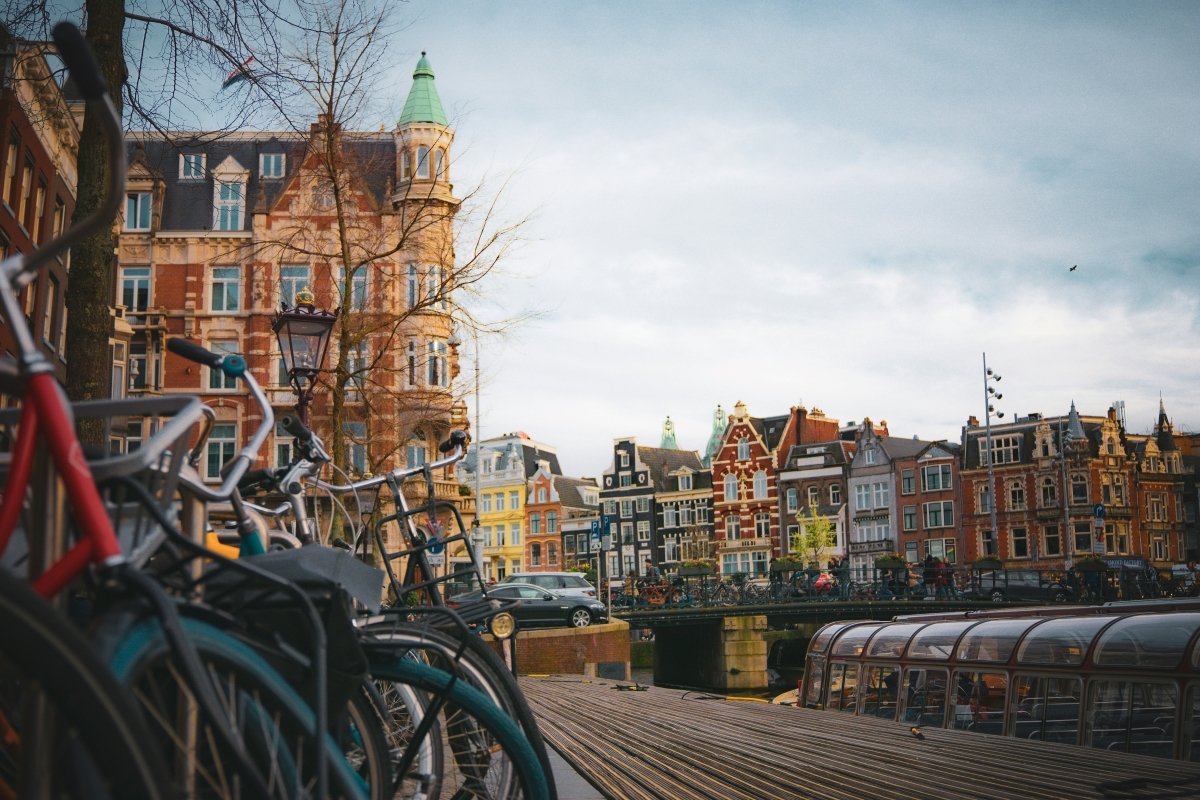
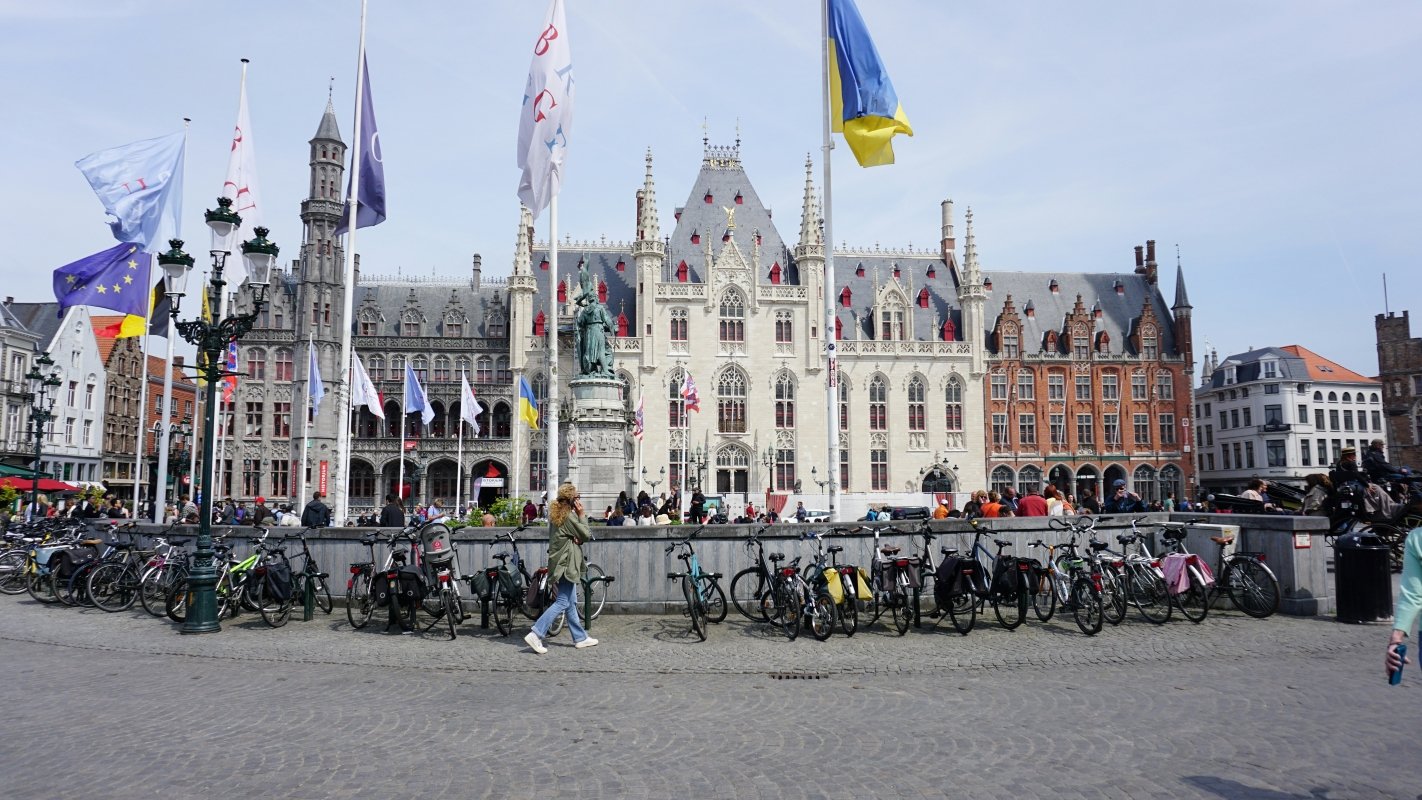
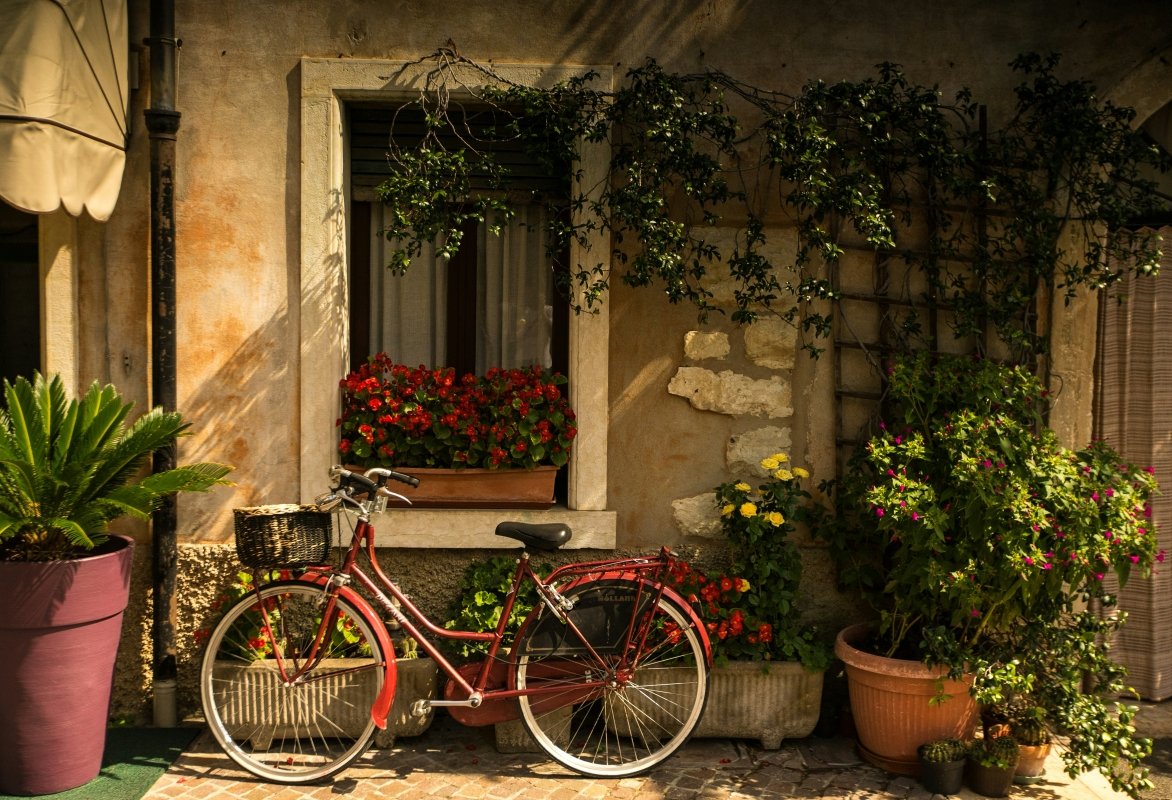
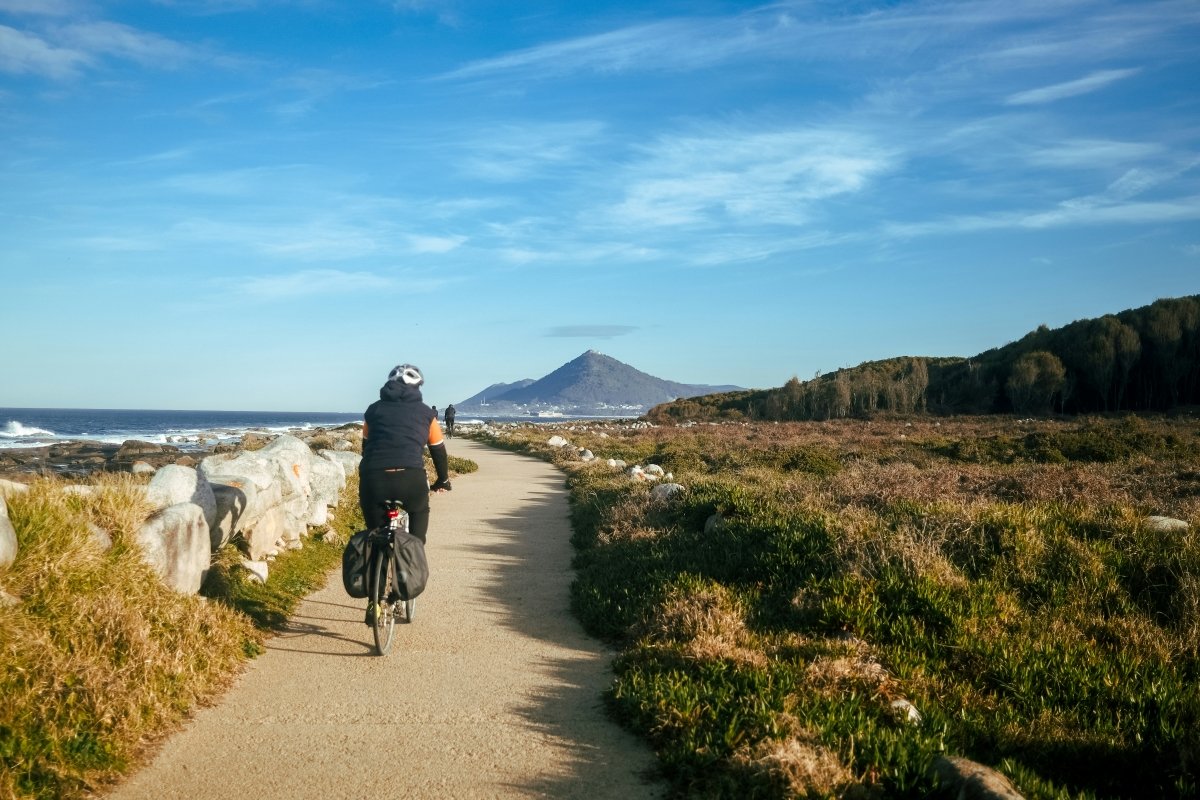
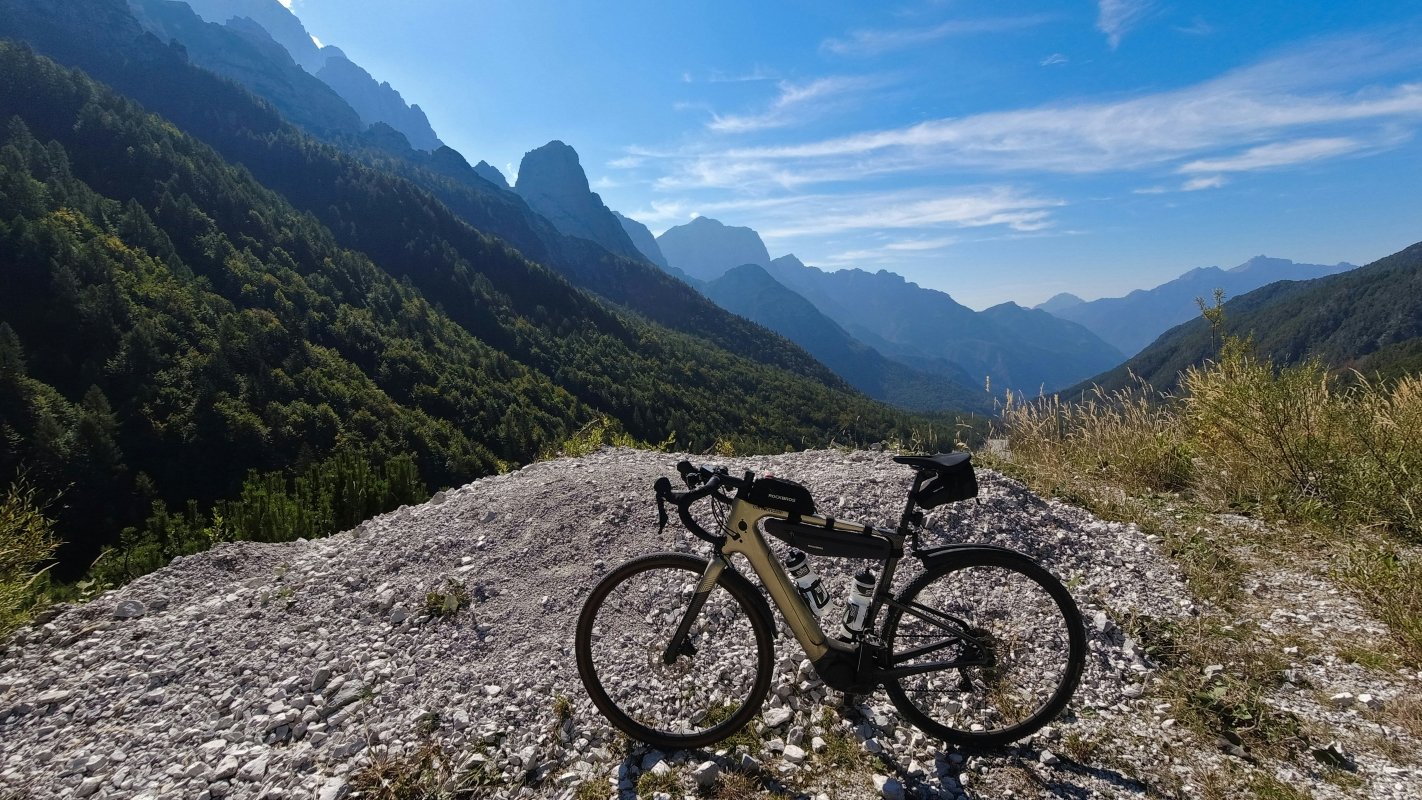
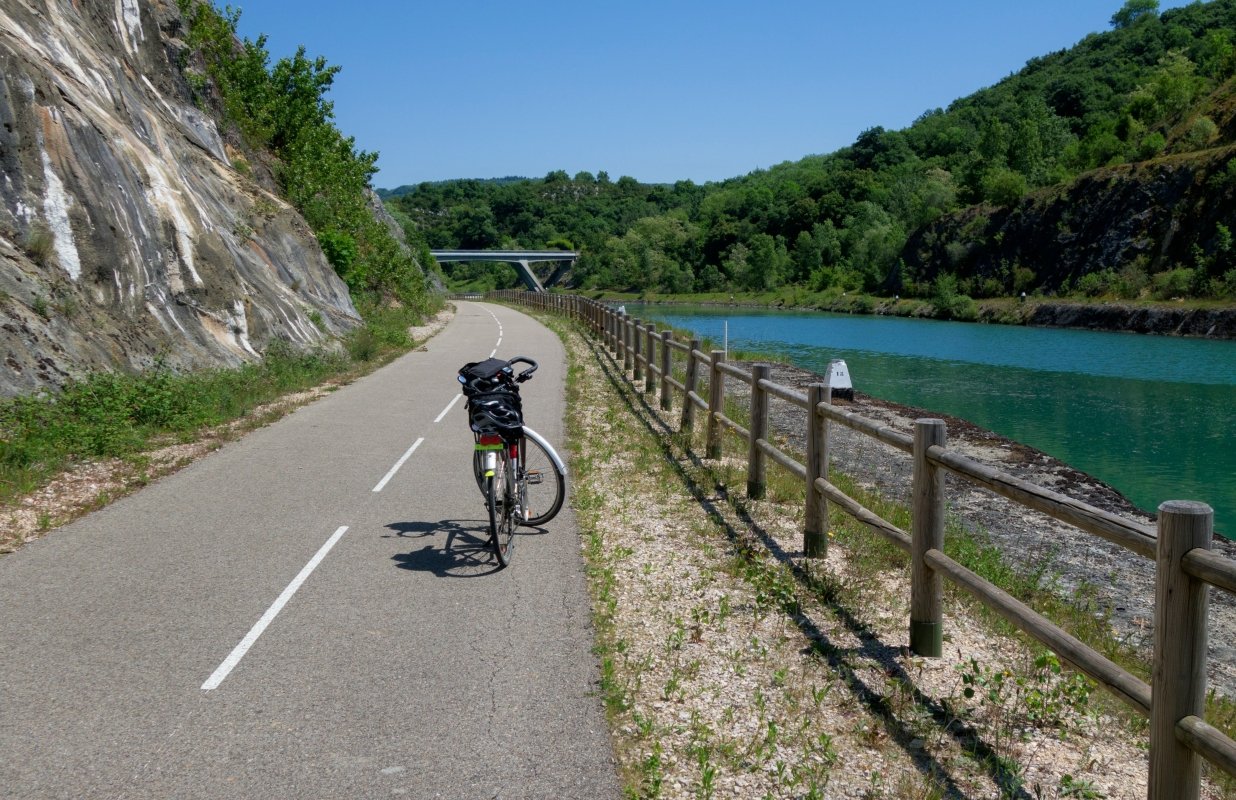
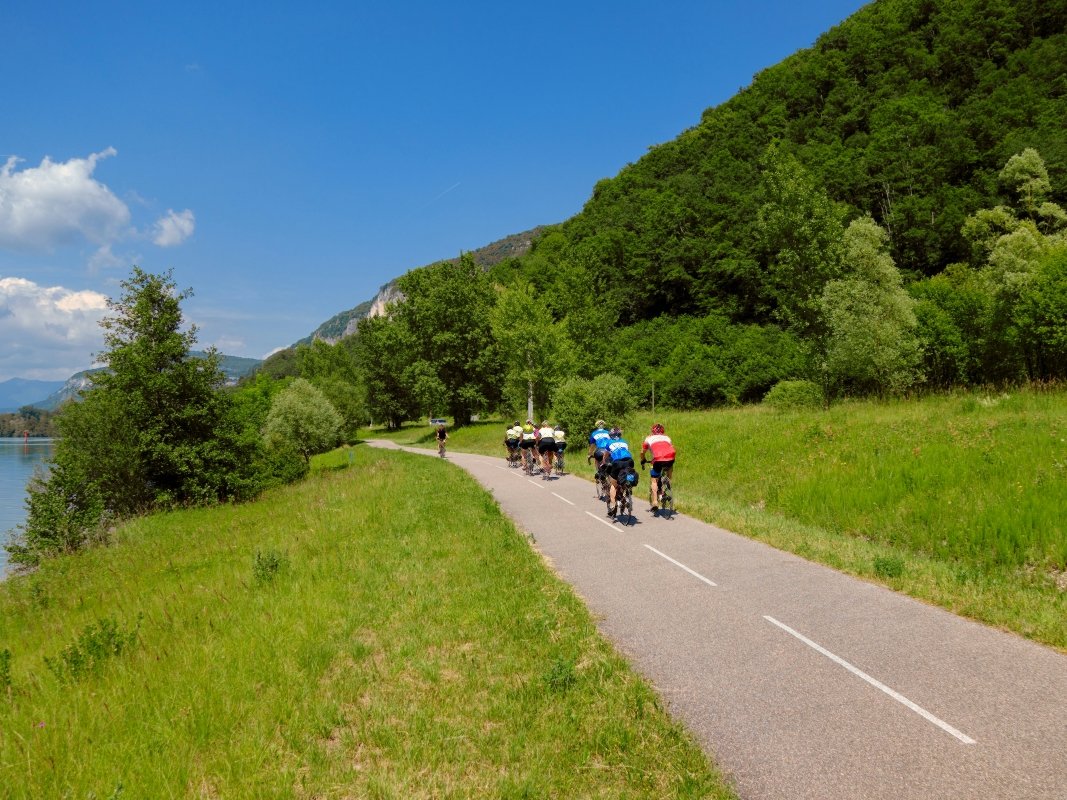
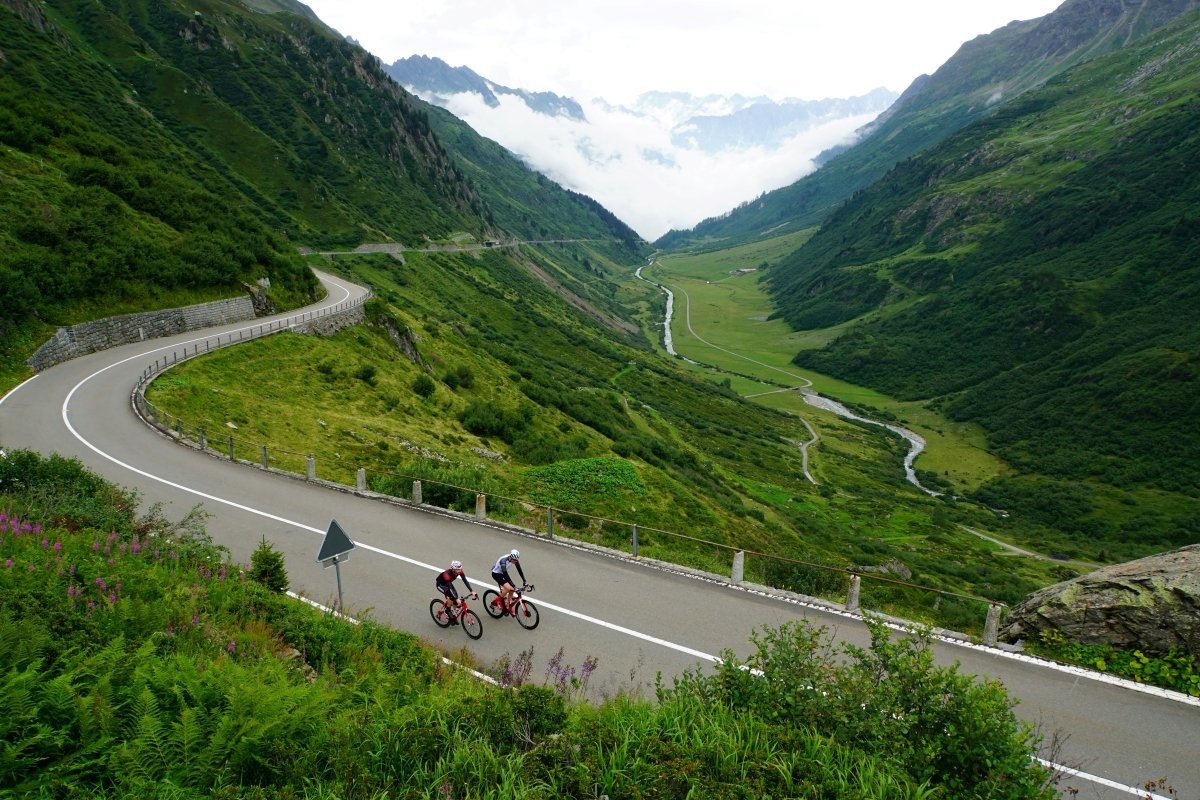
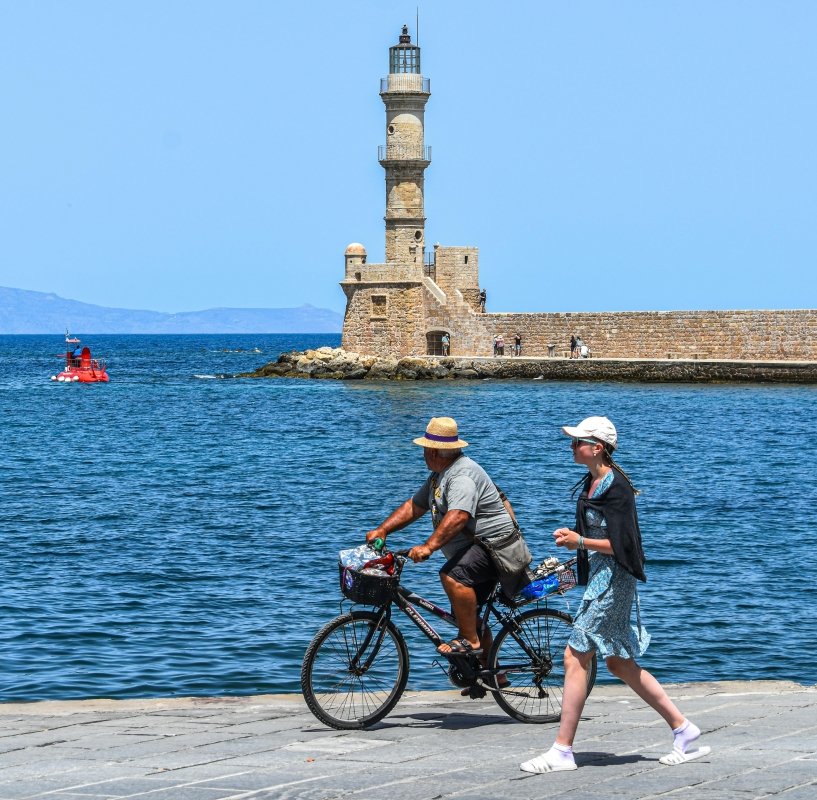
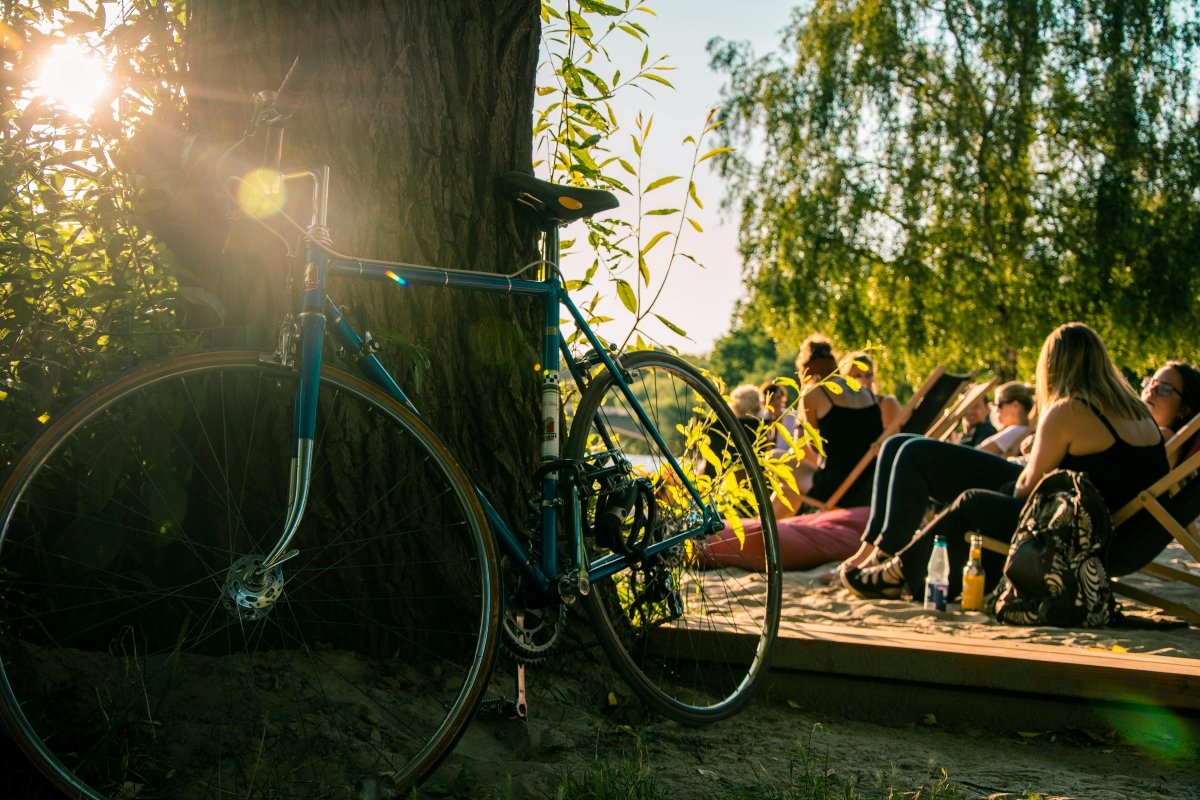
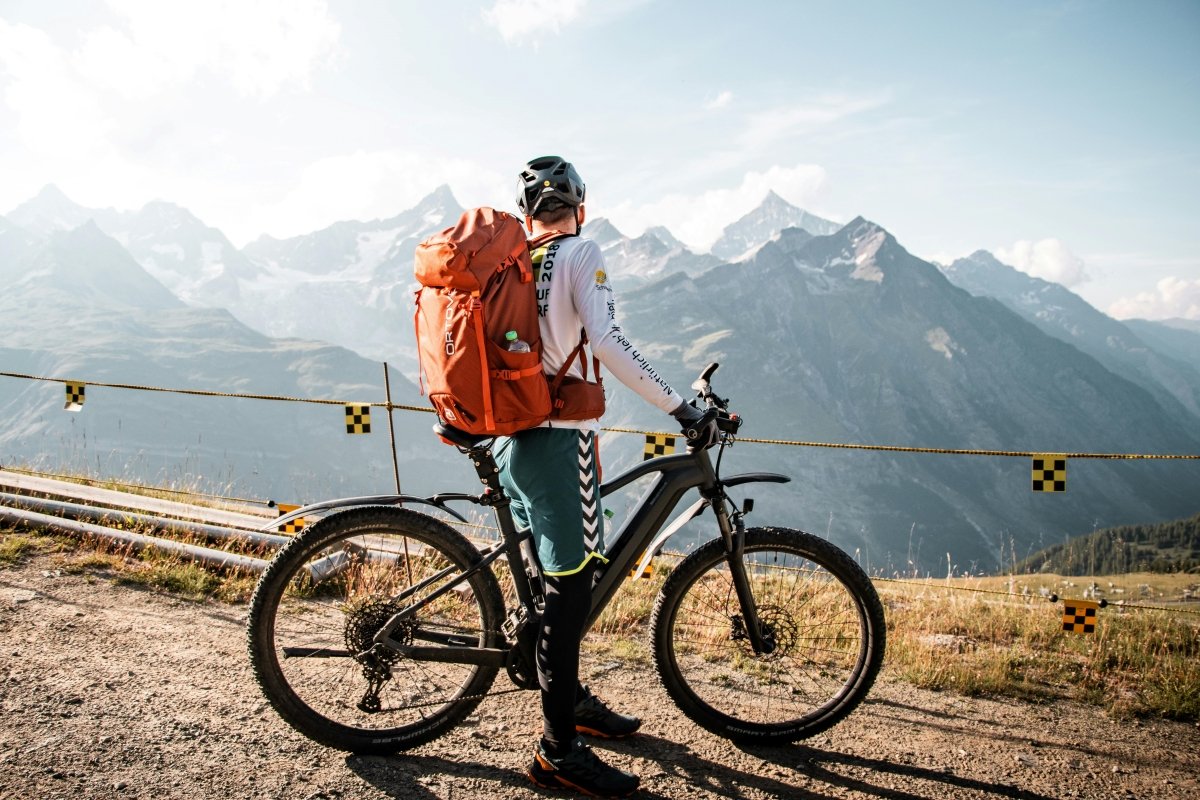
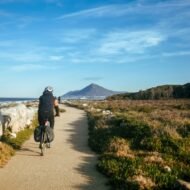
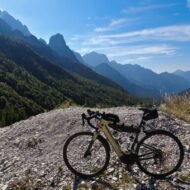
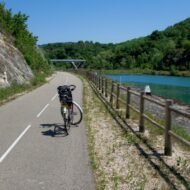
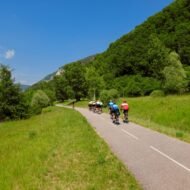


Picture this: you’re cruising through lavender fields in Provence, the Mediterranean breeze in your hair, with nothing but endless cycling paths ahead. Or maybe you’re pedaling alongside the Rhine River, stopping at medieval castles and cozy beer gardens whenever the mood strikes. This isn’t just a dream – it’s exactly what awaits you when you discover Europe by bike.
- The Best of Cycling Tourism: Why Europe Rules the Road
- Most Popular Bike Routes in Europe: Top-Rated by Cyclists
- #1 Danube Cycle Path (Passau to Vienna)
- #2 Amsterdam to Copenhagen (North Sea Cycle Route section)
- #3 Loire Valley Circuit (Tours to Orleans)
- #4 Lake Bled to Ljubljana (Slovenia)
- #5 Romantic Road (Rothenburg to Füssen, Germany)
- Easy Cycling Routes in Europe: Perfect for Beginners
- The Danube Cycle Path (Austria to Hungary)
- Loire Valley, France
- Lake Constance Circuit (Germany, Austria, Switzerland)
- Amsterdam to Bruges (Netherlands to Belgium)
- Long-Distance Cycling Routes in Europe: Epic Adventures Await
- EuroVelo Network: Europe’s Cycling Superhighways
- The Via Claudia Augusta (Germany to Italy)
- Camino de Santiago by Bike (Various routes across Spain)
- Guided Bike Tours: Let Someone Else Handle the Details
- Legal Documents Required for Cycling Across Europe
- Essential Documents for EU/Schengen Area Travel
- Country-Specific Cycling Regulations
- Border Crossings and Customs
- Insurance Considerations
- Bike Transportation Documents
- Emergency Preparedness
- Special Considerations
- Brexit Considerations (For UK Citizens)
- Bicycle-Friendly EU Countries: Where Cycling is King
- Netherlands: The Gold Standard
- Denmark: Hygge on Wheels
- Germany: Engineering Meets Adventure
- Austria: Alpine Beauty Made Accessible
- Switzerland: Premium Cycling Experience
- Belgium: Compact and Cyclist-Friendly
- Bicycle Touring in Europe on a Budget: Adventures Don’t Have to Break the Bank
- Accommodation Strategies
- Food and Drinks on a Budget
- Transportation Savings
- Money-Saving Route Planning
- Culture, Adventure & Luxury: Crafting Your Perfect European Cycling Vacation
- Final Thoughts
- Disclaimer
Europe is hands-down the world’s ultimate cycling paradise. With over 70,000 kilometers of dedicated bike routes, bicycle superhighways connecting major cities, and a culture that genuinely celebrates two-wheeled adventures, there’s never been a better time to explore the continent on your bike.
Whether you’re a weekend warrior looking for scenic day trips, a seasoned cyclist ready to tackle epic multi-country routes, or someone who just wants to experience Europe at a human pace, this guide has everything you need to plan the cycling adventure of a lifetime.
The Best of Cycling Tourism: Why Europe Rules the Road
Infrastructure That Actually Works
Europe’s cycling infrastructure puts most of the world to shame. We’re talking about dedicated bike lanes that stretch across multiple countries, real-time bike traffic updates, and cities where bikes get priority over cars. Countries like Netherlands, Denmark, and Germany have turned cycling from a hobby into a legitimate way to travel.
Bike-Friendly Everything
European hotels, restaurants, and even train stations are designed with cyclists in mind. Many accommodations offer secure bike storage, repair stations, and cyclist-specific services. Trains across Europe have dedicated bike compartments, making it easy to mix cycling with other forms of transport.
Cultural Immersion at 15 mph
There’s something magical about experiencing Europe at cycling speed. You’re fast enough to cover real distance but slow enough to stop for that perfect photo, chat with locals, or discover hidden gems that car travelers completely miss. Plus, you’ll actually earn those incredible European meals!
Most Popular Bike Routes in Europe: Top-Rated by Cyclists
Based on thousands of cyclist reviews and ratings from platforms like Komoot, Strava, and cycling forums, these routes consistently rank as Europe’s absolute favorites:
#1 Danube Cycle Path (Passau to Vienna)
User Rating: 4.8/5 ⭐ | Distance: 340km | Why Cyclists Love It: “Perfect infrastructure, stunning scenery, impossible to get lost”
This section of the Danube consistently tops every “best of” list. Cyclists rave about the dedicated bike paths, regular rest stops, and the fact that it’s downhill most of the way. Over 15,000 annual reviews on cycling platforms with 98% positive feedback.
Top User Comments:
- “Even my non-cyclist partner loved every minute”
- “Infrastructure is so good you forget you’re cycle touring”
- “Wachau Valley wine stops made this trip unforgettable”
#2 Amsterdam to Copenhagen (North Sea Cycle Route section)
User Rating: 4.7/5 ⭐ | Distance: 960km | Why Cyclists Love It: “Two cycling capitals connected by perfect infrastructure”
This route connects Europe’s two most bike-friendly cities through Netherlands, Germany, and Denmark. Cyclists consistently praise the seamless border crossings and consistent quality of bike infrastructure across three countries.
#3 Loire Valley Circuit (Tours to Orleans)
User Rating: 4.6/5 ⭐ | Distance: 200km | Why Cyclists Love It: “Châteaux, wine, and zero traffic stress”
The official Loire à Vélo route gets consistently high marks for combining culture, gastronomy, and cycling in perfect harmony. Users particularly love the dedicated bike paths that connect major attractions.
#4 Lake Bled to Ljubljana (Slovenia)
User Rating: 4.8/5 ⭐ | Distance: 85km | Why Cyclists Love It: “Alpine beauty without Alpine prices”
This shorter route through Slovenia has become a social media sensation. Cyclists praise the dramatic scenery, affordable prices, and surprisingly excellent infrastructure in this often-overlooked cycling destination.
#5 Romantic Road (Rothenburg to Füssen, Germany)
User Rating: 4.5/5 ⭐ | Distance: 220km | Why Cyclists Love It: “Fairy-tale Germany brought to life”
Germany’s most famous scenic route adapted for cyclists. Users consistently mention the medieval towns, castle views, and well-marked cycling alternatives to the busy main road.
Easy Cycling Routes in Europe: Perfect for Beginners
The Danube Cycle Path (Austria to Hungary)
Distance: 350km | Difficulty: Easy | Best Time: April-October
This is cycling tourism gold. The Danube Cycle Path is mostly flat, well-signposted, and takes you through some of Europe’s most stunning scenery. Start in Vienna, cycle through the romantic Wachau Valley (hello, wine tastings!), and end up in Budapest. The route follows the river closely, so you’re never lost, and there are towns every 15-20km for food and accommodation.
Pro tip: Book accommodations in advance during summer – this route is popular for good reason.
Loire Valley, France
Distance: Various routes, 50-200km | Difficulty: Easy to Moderate | Best Time: May-September
Château-hopping by bike? Yes, please! The Loire Valley offers gentle terrain, world-class wine, and more castles than you can shake a stick at. The official Loire à Vélo route connects over 40 châteaux with well-maintained paths and excellent signage.
Don’t miss: Château de Chambord and the wine caves of Vouvray.
Lake Constance Circuit (Germany, Austria, Switzerland)
Distance: 270km | Difficulty: Easy | Best Time: May-October
This international loop around one of Europe’s largest lakes is perfect for families and casual cyclists. The route is almost entirely flat, with stunning Alpine views, charming lakeside towns, and the unique experience of cycling through three countries in a few days.
Amsterdam to Bruges (Netherlands to Belgium)
Distance: 350km | Difficulty: Easy | Best Time: April-October
Experience the best of Dutch and Belgian cycling culture on this flat, scenic route. You’ll pedal through quintessential Dutch countryside, charming Belgian towns, and end up in medieval Bruges – arguably one of Europe’s most beautiful cities.
Long-Distance Cycling Routes in Europe: Epic Adventures Await
EuroVelo Network: Europe’s Cycling Superhighways
The EuroVelo network includes 17 long-distance cycling routes covering over 90,000km across the continent. These aren’t just bike paths – they’re properly planned adventures with accommodation networks, route planning resources, and incredible variety.
EuroVelo 6: Atlantic-Black Sea Route
Distance: 4,450km total | Countries: 10 | Difficulty: Easy to Moderate
This beast stretches from the Atlantic coast of France all the way to the Black Sea in Romania. The beauty is you can tackle any section that interests you. The Loire Valley and Danube sections are particularly spectacular.
EuroVelo 15: Rhine Cycle Route
Distance: 1,320km | Countries: 4 | Difficulty: Easy
Follow one of Europe’s most important rivers from its source in the Swiss Alps to the North Sea. This route takes you through four countries, countless vineyards, historic cities like Strasbourg and Cologne, and some seriously impressive engineering.
The Via Claudia Augusta (Germany to Italy)
Distance: 700km | Difficulty: Challenging | Best Time: June-September
This ancient Roman trade route is now one of Europe’s most spectacular cycling adventures. You’ll start in Bavaria, cross the Alps (yes, really!), and end up on the shores of the Adriatic Sea. It’s challenging but absolutely magical.
Camino de Santiago by Bike (Various routes across Spain)
Distance: 500-800km depending on route | Difficulty: Moderate to Challenging
The famous pilgrimage route isn’t just for walkers. The Camino Francés is the most popular cycling route, taking you across northern Spain to Santiago de Compostela. It’s spiritually rewarding, physically challenging, and culturally incredible.
Guided Bike Tours: Let Someone Else Handle the Details
Sometimes you want the adventure without the planning stress. European bike tour companies have this figured out, offering everything from luxury wine-focused tours to hardcore mountain challenges.
Luxury Options
- Butterfield & Robinson: Premium tours with 5-star accommodations and gourmet meals
- Backroads: Well-organized tours with excellent support vehicles and local guides
- Ciclismo Classico: Specializes in Italy with incredible food and wine experiences
Budget-Friendly Guided Tours
- Top Bike Tours: Great value European tours with good group dynamics
- Bike Tours Direct: No-frills but well-organized tours across multiple countries
- Local operators: Many regions have excellent local tour companies at fraction of international prices
Self-Guided Tours with Support
Perfect middle ground – you get route planning, accommodation bookings, and luggage transport, but you cycle at your own pace. Companies like Macs Adventure and Pure Adventures specialize in this model.
Legal Documents Required for Cycling Across Europe
Essential Documents for EU/Schengen Area Travel
For EU Citizens:
- National ID Card or Passport: Valid for the entire trip duration
- European Health Insurance Card (EHIC): Free healthcare coverage across EU countries
- Driver’s License: Not required for cycling, but useful for ID and potential car rentals
For Non-EU Citizens:
- Passport: Must be valid for at least 3 months beyond intended departure
- Visa (if required): US, Canadian, Australian, and many other citizens get 90-day tourist visas on arrival
- Travel Insurance: Highly recommended, some countries require proof of coverage
Country-Specific Cycling Regulations
Helmet Requirements:
- Mandatory for all ages: Spain (under 16), Czech Republic (under 18), Austria (under 12)
- Recommended but not mandatory: Germany, Netherlands, France, Belgium
- Mandatory on cycle paths outside urban areas: Some regions in Germany
Bike Equipment Requirements:
- Lights: Front white light and rear red light mandatory after dark in all EU countries
- Reflectors: Required in Germany, Austria, Netherlands (specific positions mandated)
- Bell: Mandatory in Germany, Netherlands, Denmark, recommended elsewhere
Border Crossings and Customs
Within Schengen Area:
- No passport checks between most EU countries
- Carry ID anyway – random checks do occur
- No customs declarations for personal bikes and gear
Non-Schengen Countries:
- Switzerland, UK: Passport required, possible customs checks
- Eastern Europe (outside EU): Check specific visa requirements
Insurance Considerations
Travel Insurance Must Cover:
- Medical emergencies and evacuation
- Bike theft or damage (often requires separate sports equipment coverage)
- Personal liability (especially important for cycling accidents)
- Trip cancellation/interruption
Recommended Providers for Cyclists:
- World Nomads: Excellent adventure sports coverage
- IMG Global: Good cycling-specific policies
- European cycling organizations often offer member insurance
Bike Transportation Documents
Flying with Your Bike:
- Airline-specific bike policies vary dramatically
- Some require advance booking and bike boxes
- Keep receipts for bike value (customs/insurance)
Train Travel:
- Bike reservations often required (€5-15 fee typical)
- Some high-speed trains don’t accept bikes
- Eurail passes include bike transport discounts
Emergency Preparedness
Essential Contacts to Carry:
- Embassy/consulate numbers for your home country
- European emergency number: 112 (works in all EU countries)
- Travel insurance emergency contacts
- Emergency contact back home
Recommended Apps:
- Google Translate with offline download
- Emergency SOS (built into most smartphones)
- Local emergency services apps where available
Special Considerations
Cycling with Children:
- Child seat/trailer regulations vary by country
- Always check local helmet requirements for minors
- Some countries require reflective clothing for children
E-bike Regulations:
- Speed-limited e-bikes (25km/h) generally treated as regular bikes
- Faster e-bikes may require registration/insurance in some countries
- Battery transport regulations for flights
Pro Tip: Download the “Travel Safe” app by your government’s foreign ministry – it provides real-time safety updates and emergency contact information for every country you’ll visit.
Brexit Considerations (For UK Citizens)
Additional Requirements:
- Passport mandatory (ID cards no longer accepted)
- 90-day limit in any 180-day period for tourist visits
- Travel insurance more important (no EHIC coverage)
- Possible roaming charges for mobile phones
Bicycle-Friendly EU Countries: Where Cycling is King
Netherlands: The Gold Standard
Cycling Culture Score: 10/10
With 35,000km of bike paths and more bikes than residents in many cities, the Netherlands is cycling nirvana. Every piece of infrastructure considers cyclists first. The country is flat, distances are manageable, and the cycling culture is unmatched.
Best for: First-time cycle tourists, families, anyone who wants cycling to feel effortless
Denmark: Hygge on Wheels
Cycling Culture Score: 10/10
Copenhagen alone has 390km of bike lanes, and 40% of residents cycle to work daily. Denmark combines excellent infrastructure with beautiful scenery and that famous Danish hygge lifestyle.
Best for: Urban cycling, combining cities with countryside, experiencing Scandinavian culture
Germany: Engineering Meets Adventure
Cycling Culture Score: 9/10
German cycling infrastructure is incredibly well-planned and maintained. The country offers everything from flat river routes to challenging mountain paths, plus excellent bike-train integration for longer journeys.
Best for: Long-distance touring, combining different terrains, beer garden stops
Austria: Alpine Beauty Made Accessible
Cycling Culture Score: 9/10
Austria has made mountain cycling accessible to everyone with incredible valley routes, well-maintained paths, and stunning Alpine scenery. Plus, the coffee and cake culture is perfect for cycling breaks.
Best for: Scenic mountain valleys, combining cycling with cultural attractions
Switzerland: Premium Cycling Experience
Cycling Culture Score: 8/10
More challenging terrain but absolutely worth it for the views. Switzerland’s cycling infrastructure is pristine, and the experience of cycling through Alpine valleys is unforgettable.
Best for: Experienced cyclists, bucket-list scenery, premium travel experiences
Belgium: Compact and Cyclist-Friendly
Cycling Culture Score: 8/10
Small country, huge cycling culture. Belgium offers excellent infrastructure, incredible beer and chocolate, and the chance to experience both Flemish and French cultures in a single trip.
Best for: Short trips, combining urban and rural cycling, food and beer tours
Bicycle Touring in Europe on a Budget: Adventures Don’t Have to Break the Bank
Accommodation Strategies
Camping: Europe has incredible camping infrastructure. Many campgrounds cater specifically to cyclists with special rates, secure bike storage, and cyclist-friendly amenities. Budget: €10-20/night.
Hostels: Youth hostels across Europe welcome cycle tourists and often provide secure bike storage. Budget: €20-35/night.
Guesthouses and B&Bs: Often offer better value than hotels and more personal service. Many owners are cyclists themselves. Budget: €40-80/night.
Warmshowers.org: The cycling equivalent of Couchsurfing. Stay with local cycling enthusiasts for free while getting insider knowledge about the best routes and attractions.
Food and Drinks on a Budget
Supermarket Strategy: European supermarkets have incredible fresh food sections perfect for cycling picnics. Budget: €10-15/day.
Local Markets: Weekly markets in European towns offer fresh, local produce at great prices plus cultural experiences.
Happy Hour Culture: Many European countries have strong happy hour traditions. Time your rest stops accordingly.
Cyclist Cafés: Look for cafés that specifically welcome cyclists – they often have better prices and cyclist-friendly amenities.
Transportation Savings
Bike + Train Combinations: European trains have excellent bike policies. You can often buy bike tickets for €5-15, allowing you to skip less interesting sections or handle weather issues.
Budget Airlines: Some budget airlines accept bikes for reasonable fees (€30-60), perfect for getting to/from your cycling destination.
Ferry Combinations: Ferries often have great bike policies and can be more affordable than flights for certain routes.
Money-Saving Route Planning
Avoid Peak Season: Shoulder seasons (April-May, September-October) offer better prices and fewer crowds while maintaining good weather.
Eastern Europe: Countries like Czech Republic, Poland, and Slovenia offer incredible cycling at fraction of Western European costs.
Free Camping Areas: Many European countries allow wild camping or have free camping areas specifically for cycle tourists.
Culture, Adventure & Luxury: Crafting Your Perfect European Cycling Vacation
Cultural Immersion Cycling
Art and History Routes Combine cycling with cultural education by following routes that connect museums, historical sites, and cultural attractions. The Rhine route hits multiple UNESCO World Heritage sites, while cycling through Tuscany connects Renaissance cities with incredible art collections.
Culinary Cycling Adventures Plan routes around food experiences. Cycle through Burgundy for wine tastings, explore Belgian beer routes, or follow the pasta trail through northern Italy. Many regions offer specific culinary cycling maps and restaurant recommendations.
Festival and Event Cycling Time your cycling adventure with local festivals. Cycle to Oktoberfest in Munich, plan around harvest festivals in wine regions, or experience local music festivals across Europe.
Adventure Cycling Options
Mountain Biking in the Alps Countries like Switzerland, Austria, and northern Italy offer incredible mountain biking infrastructure with lift-assisted climbs and purpose-built trails.
Multi-Sport Adventures Combine cycling with hiking (hut-to-hut tours), kayaking (many cycle routes follow rivers), or even skiing (some routes are accessible year-round in different forms).
Challenge Events Participate in organized cycling events like L’Étape du Tour (ride actual Tour de France stages) or various gran fondos across Europe.
Luxury Cycling Experiences
Premium Accommodations Stay in converted castles, luxury spas, or boutique hotels that specifically cater to cycling tourists. Many offer services like bike maintenance, massage therapy, and gourmet cyclist nutrition.
Concierge Cycling Services Luxury tour operators provide fully supported experiences with professional guides, support vehicles, premium equipment, and exclusive access to attractions.
Private Tours and Experiences Hire local cycling guides for exclusive experiences, private wine tastings, or access to areas not available to general tourists.
Final Thoughts
Biking through Europe isn’t just a vacation – it’s a complete shift in how you experience travel. You’ll cover more ground than walking but move slowly enough to truly absorb the incredible diversity, history, and culture that makes Europe special.
The beauty of European cycle tourism is that there’s literally something for everyone. Whether you want to challenge yourself on Alpine passes, cruise through tulip fields, wine-taste your way across France, or experience the urban cycling culture of Copenhagen, Europe delivers.
Start planning your cycling adventure now, but remember – the hardest part isn’t the cycling, it’s choosing which incredible route to tackle first. The good news? Europe’s cycling infrastructure is so good that your first trip definitely won’t be your last.
Ready to start pedaling? Begin with easier routes if you’re new to cycle touring, invest in quality gear (especially a comfortable saddle), and don’t try to cover too much ground too quickly. The best cycling adventures happen when you give yourself permission to stop, explore, and truly experience everything Europe has to offer.
Disclaimer
Safety First: Always wear appropriate safety equipment, follow local traffic laws, and check weather conditions before cycling. Cycling routes and conditions can change – verify current information with local tourism offices or cycling organizations.
Health Considerations: Consult with healthcare providers before undertaking long-distance cycling, especially if you have pre-existing health conditions. Ensure you have appropriate travel insurance that covers cycling activities.
Route Information: While every effort has been made to provide accurate information, cycling routes, accommodations, and services can change. Always verify current information and conditions before traveling.
Budget Estimates: Costs mentioned are approximate and can vary significantly based on season, exchange rates, and personal choices. Budget accordingly and plan for unexpected expenses.
Local Regulations: Cycling laws and regulations vary by country and region. Research and follow all applicable laws, including helmet requirements, lighting regulations, and traffic rules.
This guide is for informational purposes only. Travelers are responsible for their own safety and for verifying all information before making travel decisions.