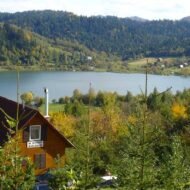



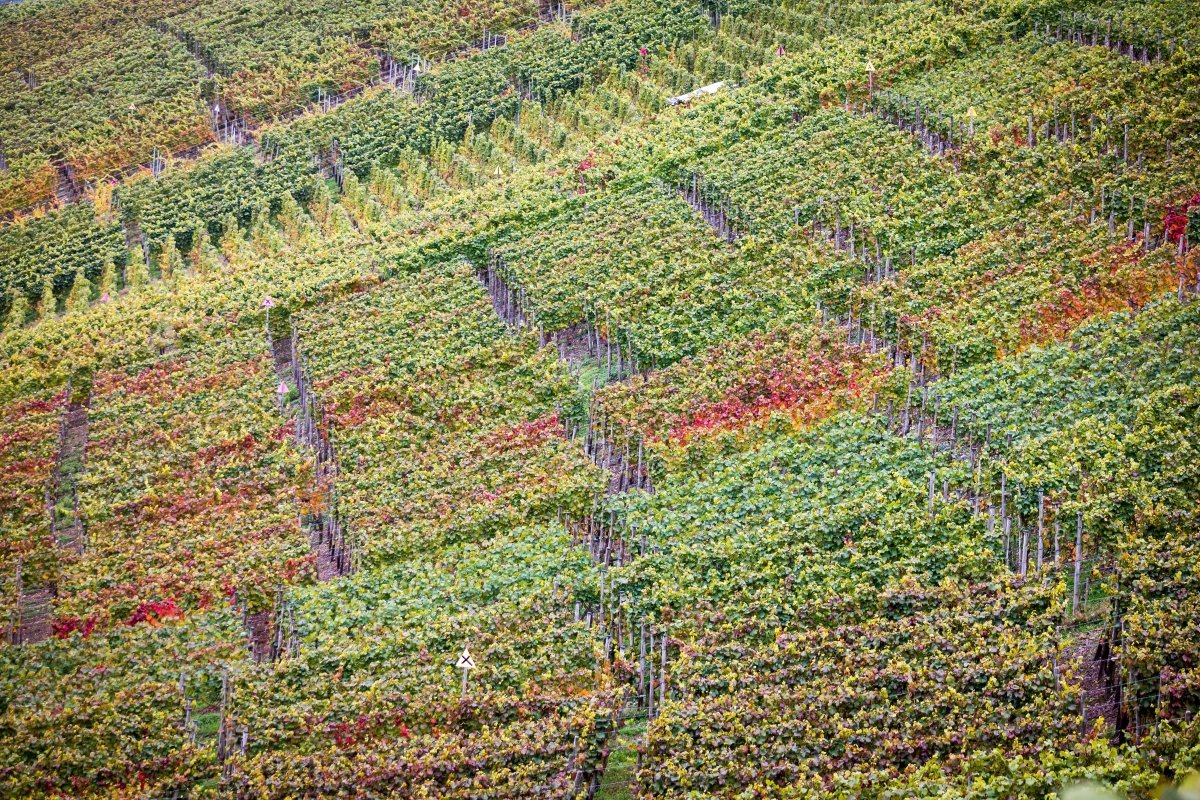
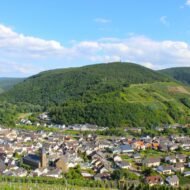
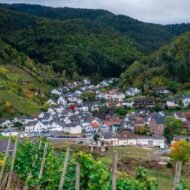
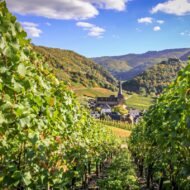
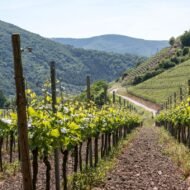
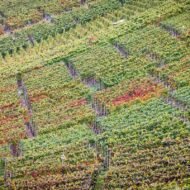
TL;DR: The Ahr Valley is Germany’s hidden gem for wine lovers, outdoor enthusiasts, and anyone seeking a perfect blend of natural beauty and cozy village vibes. Think rolling vineyards, medieval castles, and some of the country’s best Pinot Noir – all just an hour from Cologne.
- What Makes the Ahr Valley Special?
- Best Time to Visit
- Getting There and Around
- Must-Visit Towns and Villages
- Wine Experiences You Can’t Miss
- Outdoor Adventures
- Food Scene
- Accommodation Options
- Day Trip Itineraries
- Insider Tips
- What to Pack
- Beyond Wine: Other Attractions
- Sustainable Travel Tips
- Planning Your Budget
- Final Thoughts
Ready to discover Germany’s best-kept secret? Let’s dive into everything you need to know about the enchanting Ahr Valley.
What Makes the Ahr Valley Special?
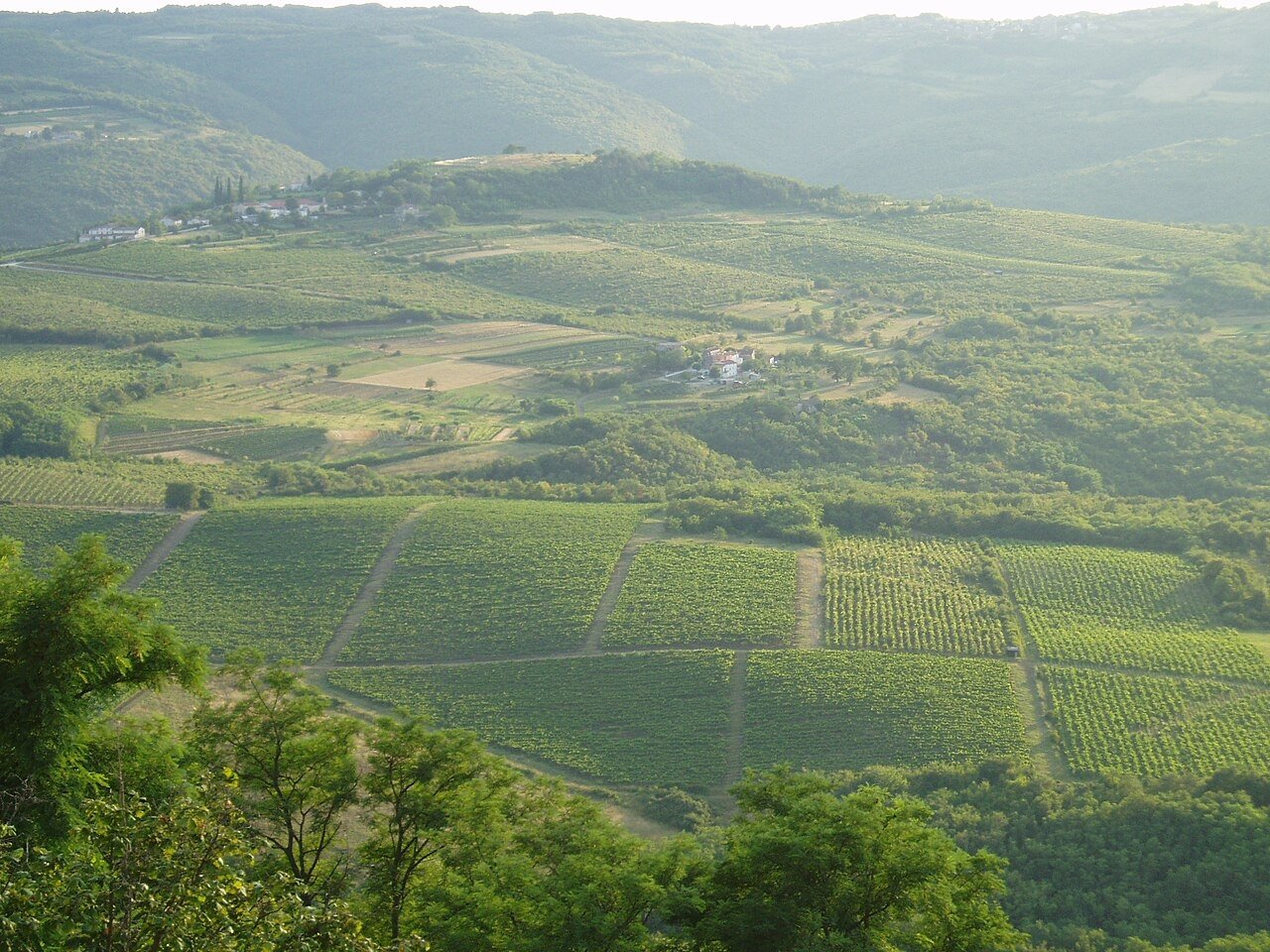
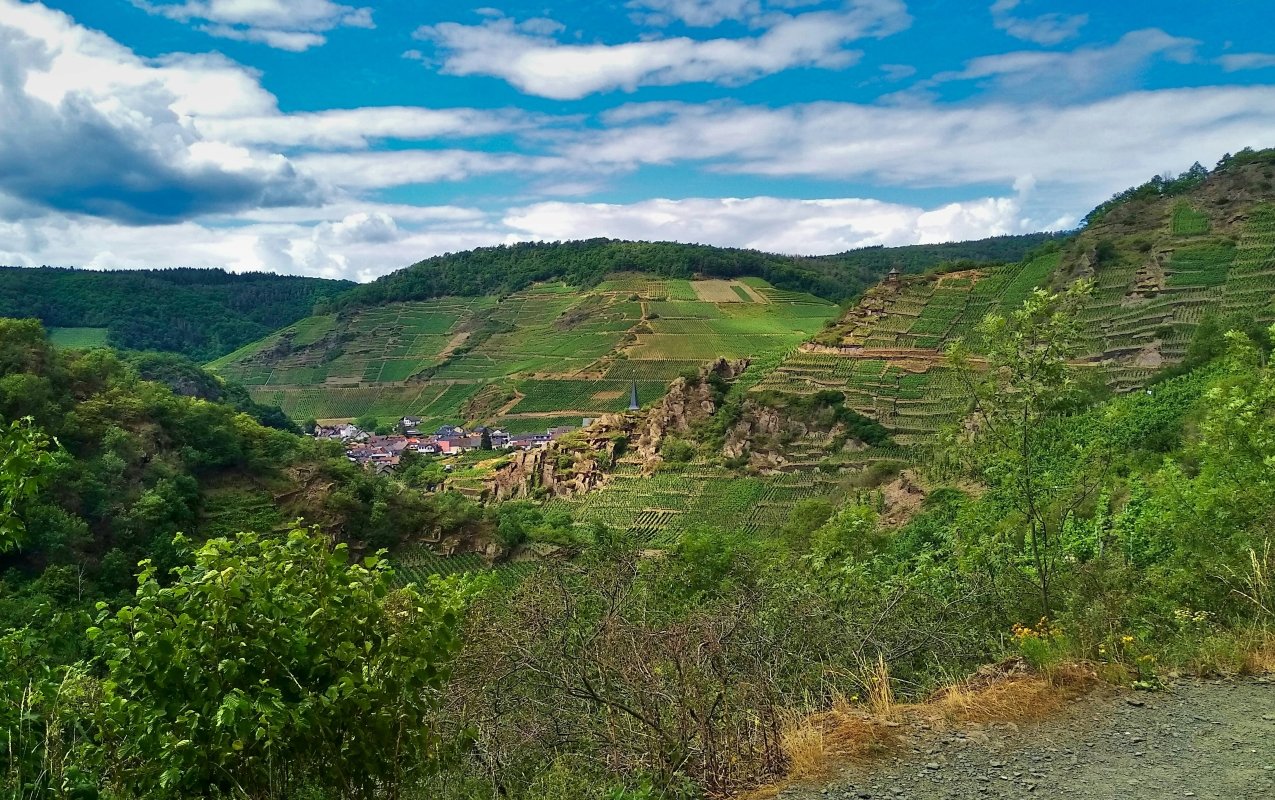
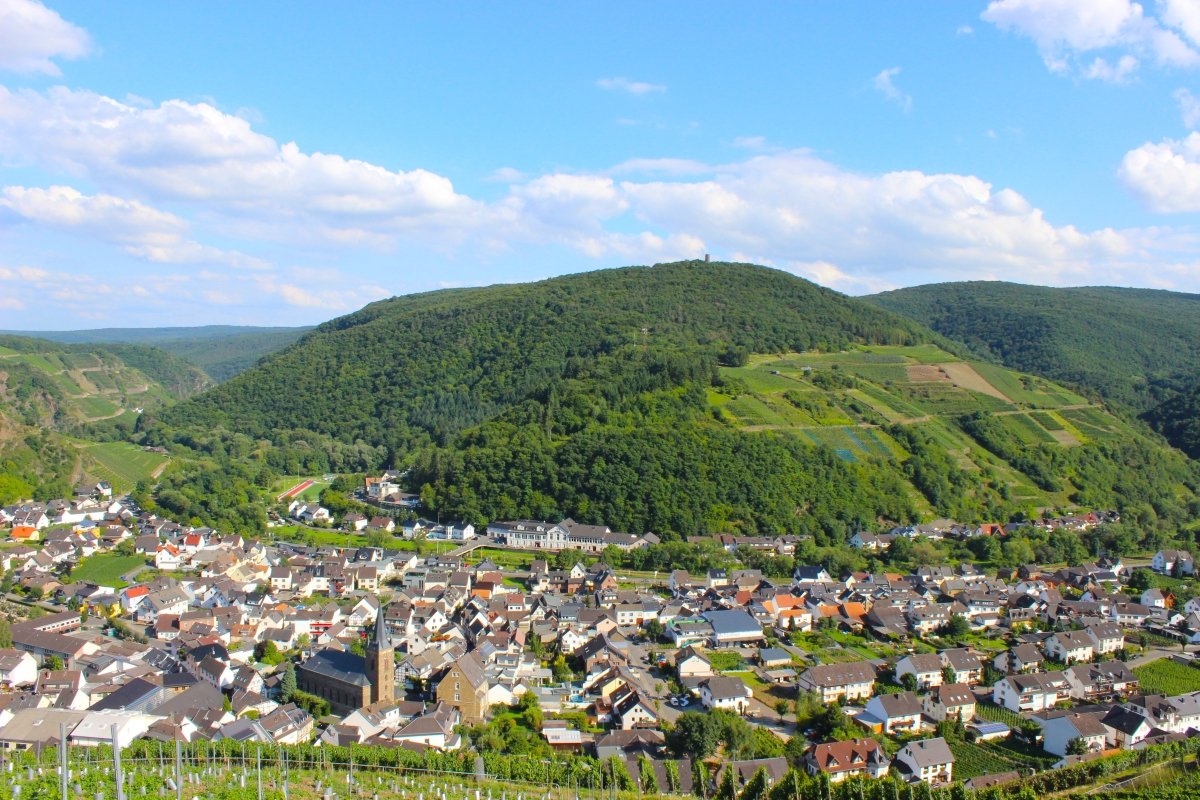
Situated in the heart of western Germany, the Ahr Valley (Ahrtal) is like stepping into a fairy tale. This narrow river valley stretches for about 35 kilometers through Rhineland-Palatinate and North Rhine-Westphalia, creating a microclimate perfect for growing exceptional wines – especially the region’s famous red varieties.
What sets this place apart? It’s Germany’s largest red wine region, producing world-class Pinot Noir (called Spätburgunder here) that’ll make any wine enthusiast weak in the knees. But even if you’re not into wine, the valley offers hiking trails, historic towns, and scenery that looks like it was painted by the tourism board’s dreams.
Best Time to Visit
Spring (April-May): Perfect weather, fewer crowds, and blooming vineyards. You’ll get that Instagram-worthy shot without fighting for elbow room.
Summer (June-August): Peak season means busier trails and higher prices, but also long days, warm weather, and outdoor festivals that go late into the night.
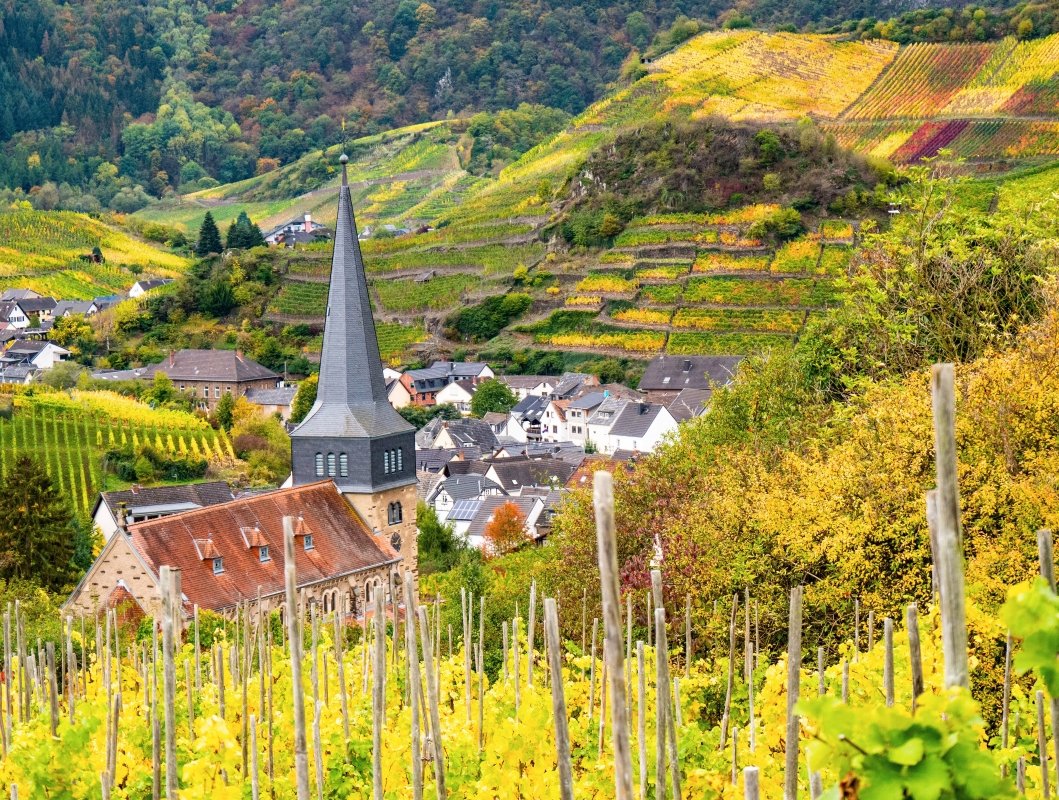
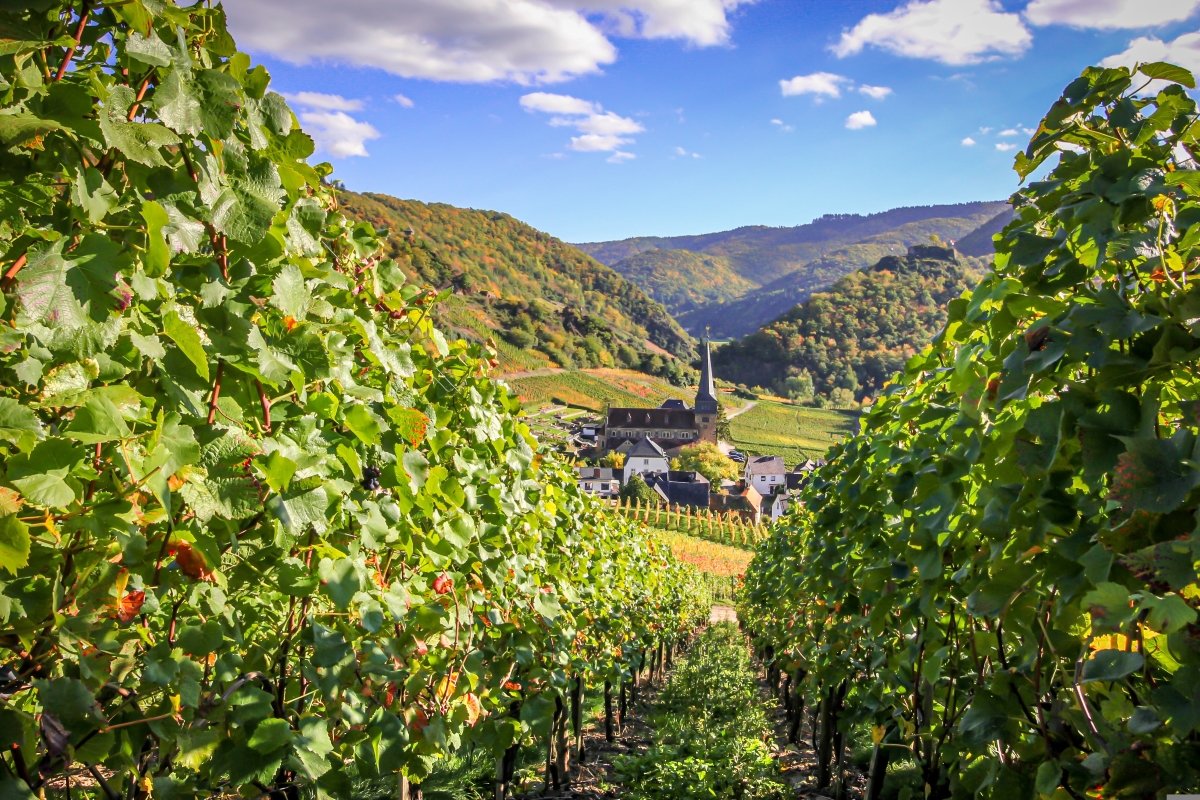
Fall (September-October): This is wine harvest season – absolute magic if you’re into that scene. The leaves turn gorgeous colors, and there’s nothing quite like watching the grape harvest while sipping last year’s vintage.
Winter (November-March): Quieter and more affordable, but some attractions close. Great for cozy wine cellar visits and winter hiking if you’re properly bundled up.
Getting There and Around
By Train
The easiest route from major cities:
- From Cologne: Regional trains to Ahrweiler (about 1 hour)
- From Bonn: Direct trains to Bad Neuenahr-Ahrweiler (30-45 minutes)
- From Frankfurt: Connect through Koblenz (about 2 hours total)
By Car
Having a car gives you flexibility to explore smaller villages, but be prepared for narrow, winding roads through the valley. Parking can be tricky in popular spots during peak season.
Getting Around Locally
The valley has decent regional train connections between major towns, but renting a bike or having a car opens up way more possibilities. Many visitors love cycling the Ahr Valley Cycle Path – it’s relatively flat and follows the river.
Must-Visit Towns and Villages
Bad Neuenahr-Ahrweiler
This is your base camp – a charming spa town that’s actually two communities rolled into one. The Bad Neuenahr side has thermal spas and elegant hotels, while Ahrweiler boasts a perfectly preserved medieval old town with original city walls you can still walk along.
Don’t miss: The medieval city walls, the marketplace with half-timbered houses, and a relaxing thermal bath session.
Altenahr
Perched dramatically where the valley narrows, this tiny village is dominated by the ruins of Burg Are castle. It’s postcard-perfect and offers some of the best hiking in the region.
Don’t miss: Climbing up to the castle ruins for panoramic valley views – especially stunning at sunset.
Dernau
A wine village that takes itself seriously (in the best way). This is where you’ll find some of the valley’s most respected wineries and traditional wine taverns.
Don’t miss: Wine tasting at family-run estates that have been perfecting their craft for generations.
Mayschoss
Home to Germany’s oldest wine cooperative (founded in 1868), this village is serious about its wine heritage. The architecture is gorgeous, and the wine is even better.
Don’t miss: The wine museum and cooperative tasting room – perfect for understanding the region’s wine-making history.
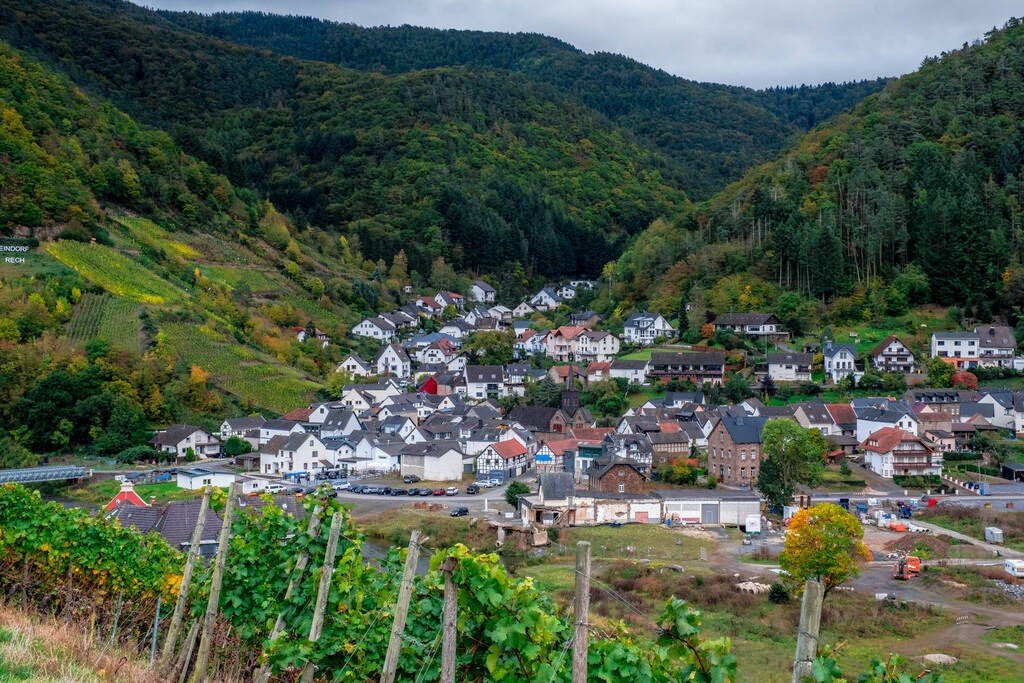
Rech on the Rotweinwanderweg
Rech is a village located on the Rotweinwanderweg (Red Wine Trail) in Germany’s Ahr Valley.
Don’t miss: The Rotweinwanderweg/Red Wine Trail: The trail passes through Rech, linking the wine villages along the Ahr River.
Wine Experiences You Can’t Miss
Winery Tours and Tastings
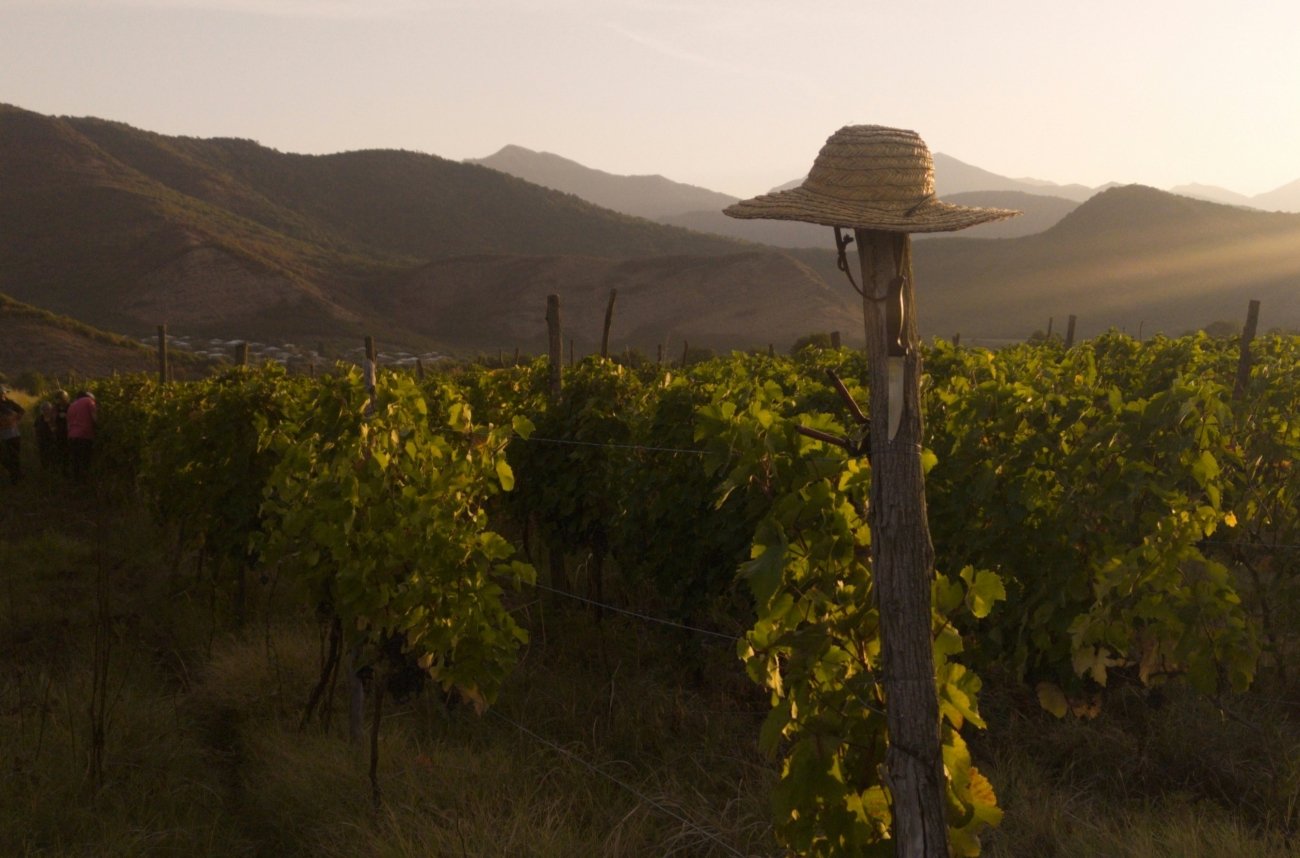
The Ahr Valley produces about 85% red wines, with Spätburgunder (Pinot Noir) being the star. Many family-run wineries offer intimate tastings where you’ll learn why this northern region produces such exceptional reds.
Pro tip: Book ahead during harvest season (September-October) for the full experience, including picking grapes if you’re lucky.
Wine Festivals
- Ahrweinfest (August/September): The biggest celebration with multiple villages participating
- Rotweinwanderung (Red Wine Hike): Usually in October, combining hiking with wine stops
- Local village festivals: Almost every weekend in summer has some kind of wine celebration
Wine Hiking Trails
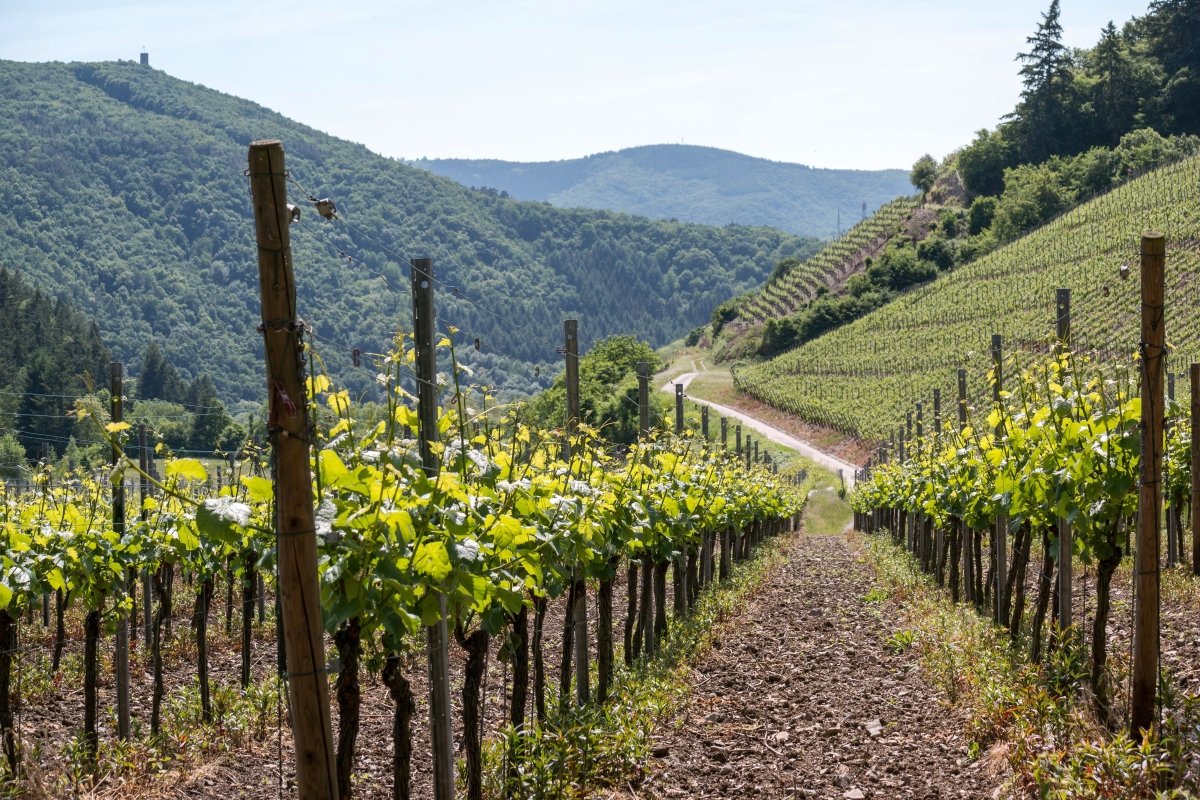
The Rotweinwanderweg (Red Wine Trail) is a 35-kilometer hiking route connecting the major wine villages. You don’t have to do it all at once – the trail is broken into manageable sections, each ending at wineries or wine taverns.
Outdoor Adventures
Hiking
The valley offers trails for every fitness level:
Easy: The riverside path following the Ahr River – flat, family-friendly, and scenic.
Moderate: Sections of the Rheinsteig trail offer rolling hills and forest paths with great valley views.
Challenging: Climb to the various castle ruins for panoramic views that’ll make your Instagram followers jealous.
Cycling
The Ahr Valley Cycle Path runs about 80 kilometers from the river’s source to where it meets the Rhine. Most visitors tackle shorter sections, stopping at wineries and cafés along the way.
Rock Climbing
The valley has several climbing areas, particularly around Altenahr, with routes suitable for different skill levels.
Food Scene
The Ahr Valley does comfort food really well, with hearty German cuisine that pairs perfectly with local wines.
Traditional Dishes to Try
- Himmel un Ääd: Heaven and earth – mashed potatoes with apples and black pudding
- Rheinischer Sauerbraten: Marinated roast beef that’s been elevated to an art form
- Wild game: Especially in fall, when local venison appears on most menus
- Reibekuchen: Crispy potato pancakes that are basically German hash browns done right
Where to Eat
Look for Straußwirtschaften – temporary taverns that wineries open in their own spaces during certain months. These offer the most authentic experience, with simple food and wines directly from the producer.
Accommodation Options
Luxury Hotels
Steigenberger Bad Neuenahr: Full-service luxury with spa facilities and Michelin-starred dining.
Boutique Wine Hotels
Several family-run establishments combine comfortable rooms with on-site wineries. Weinhotel Ahr-Rotweinstraße in Dernau is a standout.
Budget-Friendly Options
- Youth hostels in Bad Neuenahr-Ahrweiler
- Pension guesthouses in smaller villages
- Camping options along the river (popular with cyclists)
Unique Stays
Some wineries offer rooms above their cellars – you’ll literally sleep where the wine is made. Book these well in advance.
Day Trip Itineraries
Classic Wine Lover’s Day
Morning: Start in Ahrweiler’s old town, then train to Dernau for winery visits. Afternoon: Wine tasting and lunch at a traditional Straußwirtschaft. Evening: Return to Bad Neuenahr for dinner and thermal baths.
Active Adventure Day
Morning: Hike from Altenahr to the castle ruins. Afternoon: Cycle the riverside path to Dernau. Evening: Reward yourself with local wine and hearty German food.
Cultural Heritage Day
Morning: Explore Ahrweiler’s medieval walls and museums. Afternoon: Visit Mayschoss wine museum and cooperative. Evening: Attend a local cultural event or concert (check seasonal schedules).
Insider Tips
Book accommodations early if visiting during harvest season or major wine festivals – this place gets busy fast when word gets out.
Learn basic German wine terms – while many younger winemakers speak English, knowing words like “trocken” (dry) and “lieblich” (off-dry) helps a lot.
Bring comfortable walking shoes – these village streets weren’t designed for modern footwear, and vineyard visits often involve uneven terrain.
Download offline maps – cell service can be spotty in some parts of the valley, especially on hiking trails.
Pack layers – the valley microclimate can change quickly, especially if you’re moving between riverside areas and higher elevations.
What to Pack
- Comfortable hiking boots (essential for any trail exploration)
- Weather-appropriate clothing (the valley can be unpredictable)
- Camera with extra batteries (you’ll be taking more photos than planned)
- Reusable water bottle (staying hydrated between wine tastings is key)
- Small daypack for hiking and wine purchases
- Cash (some smaller establishments don’t accept cards)
Beyond Wine: Other Attractions
Historical Sites
The region has Roman roots, medieval castles, and well-preserved old towns. History buffs will find plenty to explore beyond the wine culture.
Thermal Spas
Bad Neuenahr’s thermal baths offer relaxation after active days. The mineral-rich waters have been drawing visitors since Roman times.
Art and Culture
Local galleries showcase regional artists, and several villages host music festivals throughout the summer months.
Sustainable Travel Tips
The Ahr Valley is working hard to balance tourism with environmental protection. Here’s how you can help:
- Use public transportation when possible – the regional train network is quite good
- Support local businesses and family-run wineries
- Stick to marked trails when hiking
- Bring reusable bags for wine purchases
- Choose accommodations with environmental certifications
Planning Your Budget
Budget travelers: €50-80 per day (including accommodation, meals, and local transport) Mid-range: €100-150 per day (comfortable hotels, restaurant meals, wine tastings) Luxury: €200+ per day (top hotels, fine dining, private wine experiences)
Wine tastings typically range from €5-15 per person, while full winery tours with food pairings can cost €25-50.
Final Thoughts
The Ahr Valley proves that Germany’s wine regions can compete with anywhere in the world, but what makes it truly special is how unpretentious and welcoming it feels. Whether you’re a serious wine enthusiast, an outdoor adventurer, or someone who just wants to escape to somewhere beautiful for a few days, this valley delivers.
The region has shown incredible resilience – particularly after the devastating 2021 floods – and visiting now means supporting communities that are rebuilding while maintaining their wine-making traditions. You’re not just getting a great vacation; you’re participating in the valley’s ongoing story.
So pack your hiking boots, bring your appetite for good wine and food, and prepare to discover why locals have been keeping this place somewhat secret. The Ahr Valley isn’t just a destination – it’s an experience that changes how you think about German wine country forever.