

TL;DR: Experience authentic nomadic culture through yurt stays in Kyrgyzstan’s stunning Tien Shan mountains. From Jyrgalan Valley trekking to off-the-grid adventures with traditional shepherds, discover Central Asia’s best-kept secret for cultural immersion and unforgettable mountain experiences.
- Why Kyrgyzstan Should Be Your Next Adventure Destination
- The Magic of Authentic Yurt Stays
- Cultural Immersion: Living the Nomadic Way
- Off-the-Grid Kyrgyzstan Adventures: Beyond the Beaten Path
- Planning Your Yurt Stay Adventure
- Making the Most of Your Cultural Exchange
- Beyond Yurt Stays: Expanding Your Kyrgyzstan Experience
- Final Thoughts
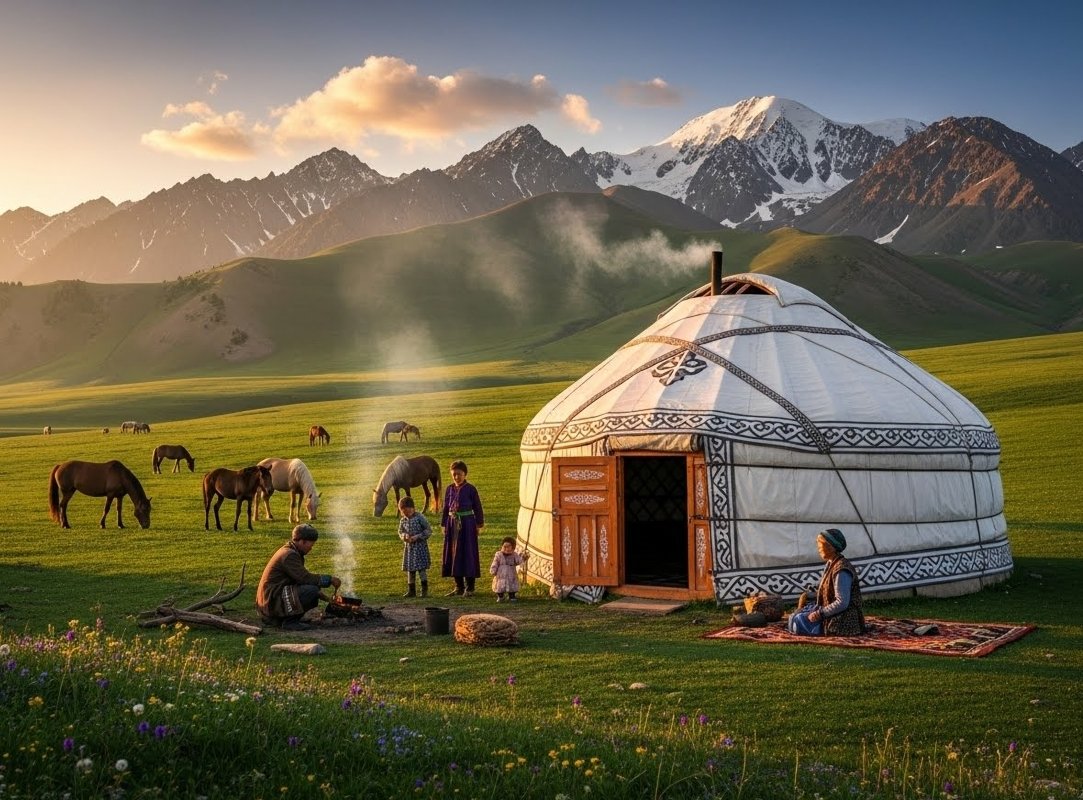
Ever dreamed of falling asleep to the sound of horses grazing outside your door, waking up to snow-capped peaks stretching endlessly in every direction, and sharing meals with families who’ve lived the same nomadic lifestyle for centuries? Welcome to Kyrgyzstan – where authentic yurt stays aren’t just accommodation, they’re your gateway to one of the world’s last remaining nomadic cultures.
Why Kyrgyzstan Should Be Your Next Adventure Destination
Forget overcrowded tourist hotspots. Kyrgyzstan offers something increasingly rare in our hyper-connected world: genuine, off-the-grid experiences that haven’t been diluted by mass tourism. This Central Asian gem, nestled between Kazakhstan, China, Tajikistan, and Uzbekistan, is home to the majestic Tien Shan mountain range and communities of nomadic shepherds who still practice traditions passed down through generations.
The country’s tourism infrastructure is refreshingly authentic – you won’t find cookie-cutter resorts here. Instead, you’ll discover family-run yurt camps, community-based tourism initiatives, and adventures that directly support local communities while giving you stories you’ll tell for decades.
The Magic of Authentic Yurt Stays
More Than Just Unique Accommodation
A yurt stay in Kyrgyzstan isn’t camping – it’s cultural immersion at its finest. These traditional felt dwellings, called “boz ui” in Kyrgyz, have sheltered nomadic families for over 2,500 years. Each yurt tells a story through its intricate decorations, from hand-woven carpets to ornate woodwork passed down through families.
Modern yurt stays blend comfort with authenticity. Expect cozy felt walls that naturally regulate temperature, comfortable bedding, and often solar-powered lighting. Many camps offer shared bathroom facilities with hot showers – a welcome luxury after days of trekking in the Tien Shan.
Jyrgalan Valley: Your Base for Epic Adventures
The Jyrgalan Valley has emerged as Kyrgyzstan’s premier destination for combining yurt stays with world-class trekking. This former Soviet military town has transformed into an eco-tourism success story, with local families offering authentic yurt accommodations and guiding services.
Jyrgalan Valley trekking routes cater to all fitness levels. Day hikers can explore alpine meadows dotted with wildflowers, while serious trekkers can attempt multi-day routes to glacial lakes and 4,000-meter passes. The valley serves as your launching point for accessing some of the Tien Shan’s most spectacular but less-traveled peaks.
Cultural Immersion: Living the Nomadic Way
Daily Life with Shepherd Families
The real magic happens when you’re invited to participate in daily nomadic life. Wake before dawn to help with morning milking, learn to make traditional kumys (fermented mare’s milk), or try your hand at felt-making – skills that have sustained nomadic communities for millennia.
Your hosts aren’t just accommodation providers; they’re cultural ambassadors eager to share their heritage. Many shepherds speak basic English or Russian, but communication transcends language barriers when you’re sharing meals around the fire or learning to play traditional games.
Traditional Food Experiences
Nomadic cuisine reflects the practical needs of mobile communities – hearty, warming, and incredibly flavorful. Expect to share communal meals featuring freshly made bread, dairy products from the family’s animals, and meat dishes prepared using centuries-old techniques.
Don’t miss trying beshbarmak (Kyrgyzstan’s national dish), fresh kurut (dried cheese balls perfect for trekking snacks), and the unforgettable experience of watching your dinner being prepared from scratch using ingredients sourced entirely from the surrounding landscape.
Off-the-Grid Kyrgyzstan Adventures: Beyond the Beaten Path
Tien Shan Trekking Routes
The Tien Shan mountains offer some of Central Asia’s most spectacular trekking, with routes that see a fraction of the crowds found in more famous mountain ranges. Popular treks include:
Ala-Kul Lake Trek: A challenging 3-day route leading to one of Kyrgyzstan’s most photographed alpine lakes, surrounded by dramatic glaciated peaks.
Altyn Arashan Hot Springs: Combine cultural immersion with natural relaxation on this moderate trek ending at therapeutic hot springs.
Peak Lenin Base Camp: For serious mountaineers, this route offers access to one of Central Asia’s most accessible 7,000-meter peaks.
Seasonal Considerations
Summer (June-August): Peak season for yurt stays and trekking, with warmest weather and full access to high-altitude routes. Expect vibrant wildflower displays and the most active nomadic camps.
Spring/Fall (May, September): Shoulder seasons offer fewer crowds, dramatic weather, and unique cultural experiences as families prepare for or conclude their summer migrations.
Winter: Limited but incredibly authentic experiences available, with some families maintaining winter camps at lower elevations.
Planning Your Yurt Stay Adventure
Getting There and Around
Bishkek, Kyrgyzstan’s capital, serves as your entry point, with the modern Manas International Airport connecting to major cities across Central Asia and beyond. From Bishkek, shared taxis, marshrutkas (minibuses), or rental cars can get you to most yurt stay locations.
Many yurt camp operators offer pickup services from Bishkek or regional centers, often combined with sightseeing stops at Soviet-era monuments, traditional markets, or scenic viewpoints.
What to Pack
Essential Items:
- Warm layers for mountain weather
- Sturdy hiking boots
- Rain gear and sun protection
- Personal toiletries and medications
- Portable battery pack for devices
- Cash (US dollars or som) for local purchases
Cultural Considerations:
- Modest clothing that covers shoulders and knees
- Small gifts from your home country (appreciated but not expected)
- Patience and openness for cultural exchange
Booking and Costs
Yurt stay prices vary significantly based on location, season, and included services. Budget approximately $20-50 per person per night for basic yurt accommodation, with higher-end experiences including meals, activities, and guide services ranging from $80-150 per person per day.
Book through reputable community-based tourism organizations to ensure your money directly supports local families and sustainable practices.
Making the Most of Your Cultural Exchange
Language and Communication
While English is increasingly common among younger Kyrgyz people involved in tourism, learning basic Russian or Kyrgyz phrases enhances your experience dramatically. Simple greetings, “thank you” (rahmat), and “delicious” (damdi) go a long way in building connections.
Many meaningful exchanges happen through universal languages – sharing photos, drawing pictures, or participating in daily activities alongside your hosts.
Sustainable Tourism Practices
Responsible travelers help preserve both the pristine environment and traditional cultures that make Kyrgyzstan special. Choose community-based tourism operators, minimize waste, respect photography boundaries, and engage with local customs respectfully.
Consider extending your impact by purchasing handicrafts directly from artisans, tipping guides and drivers appropriately, and sharing your experiences responsibly on social media to promote sustainable tourism growth.
Beyond Yurt Stays: Expanding Your Kyrgyzstan Experience
Additional Cultural Experiences
Felt-Making Workshops: Learn this ancient craft from master artisans, creating your own small felt items to take home.
Horseback Riding: Experience the landscape as nomads have for centuries, with guided rides across alpine meadows and mountain passes.
Eagle Hunting Demonstrations: In certain regions and seasons, witness the ancient partnership between nomadic hunters and golden eagles.
Traditional Games and Competitions: During festivals or special occasions, participate in or observe traditional games like kokpar (horseback tug-of-war) or archery competitions.
Connecting Different Regions
Many travelers combine yurt stays with visits to Kyrgyzstan’s other highlights: the ancient Silk Road city of Osh, the stunning Issyk-Kul Lake, or the dramatic red rock formations of Jeti-Oguz. Each region offers unique cultural variations and natural beauty.
Final Thoughts
A yurt stay in Kyrgyzstan offers something increasingly rare in modern travel: authentic cultural exchange combined with spectacular natural beauty, all while directly supporting traditional communities adapting to the modern world.
Whether you’re seeking off-the-grid adventures in the Tien Shan, meaningful cultural immersion with nomadic families, or simply an escape from the ordinary, Kyrgyzstan’s yurt stays deliver experiences that transform travelers into storytellers and create connections that transcend borders.
The memories you’ll create – sharing meals under star-filled skies, learning traditional crafts from master artisans, and exploring some of Central Asia’s most pristine wilderness – represent travel at its most meaningful. In a world where authentic experiences are increasingly difficult to find, Kyrgyzstan’s nomadic communities offer something genuine, transformative, and utterly unforgettable.
Disclaimer: Travel conditions, availability, and local situations can change rapidly. Always verify current conditions with local operators, check government travel advisories, and ensure you have appropriate travel insurance before departure. Weather in mountain regions can be unpredictable – pack accordingly and inform someone of your travel plans. Respect local customs and environmental guidelines to help preserve these incredible destinations for future travelers.