








TL;DR: European winter festivals: Krampus, fondue, and folklore , Europe’s winter isn’t just about Christmas markets. From demon-chasing traditions in the Alps to fire festivals in Scotland, discover how to experience authentic folklore celebrations—complete with travel logistics, festival dates, and the best mountain cheese fondue you’ll ever taste.
- Why Europe’s Dark Winter Traditions Beat Any Christmas Market
- The Folklore: Meet Your Winter Demons (They’re Actually Pretty Cool)
- Krampus: The Christmas Devil You Need to Meet
- Perchten: The Shape-Shifting Spirit Parade
- Other Creatures Worth Chasing
- The Cozy Part: What You’ll Actually Want to Eat
- Mountain Cheese Fondue: The Real Deal
- Spiced Wines That’ll Save Your Soul
- Open-Hearth Cooking You Can’t Miss
- The Adventure Guide: How to Actually Do This
- Top 5 Can’t-Miss Festivals (With Exact Dates & Logistics)
- 1. Krampuslauf in Salzburg, Austria
- 2. Perchtenlauf in Bad Gastein, Austria
- 3. Samichlaus-Umzug in Küssnacht, Switzerland
- 4. Sternsinger in German Alpine Villages
- 5. Up Helly Aa in Shetland, Scotland
- Money-Saving Tips
- What to Pack
- Festival Etiquette 101
- Language Tips
- Regional Deep Dives: Where to Go Month by Month
- The Sustainable Traveler’s Approach
- Real Talk: Is This Trip For You?
- The Bottom Line
- Quick Reference: Essential Bookmarks
Why Europe’s Dark Winter Traditions Beat Any Christmas Market
Forget overcrowded Christmas markets selling the same mass-produced ornaments. The real magic of European winter lives in centuries-old traditions where costumed creatures roam snowy streets, locals gather around open fires, and ancient folklore comes roaring to life.
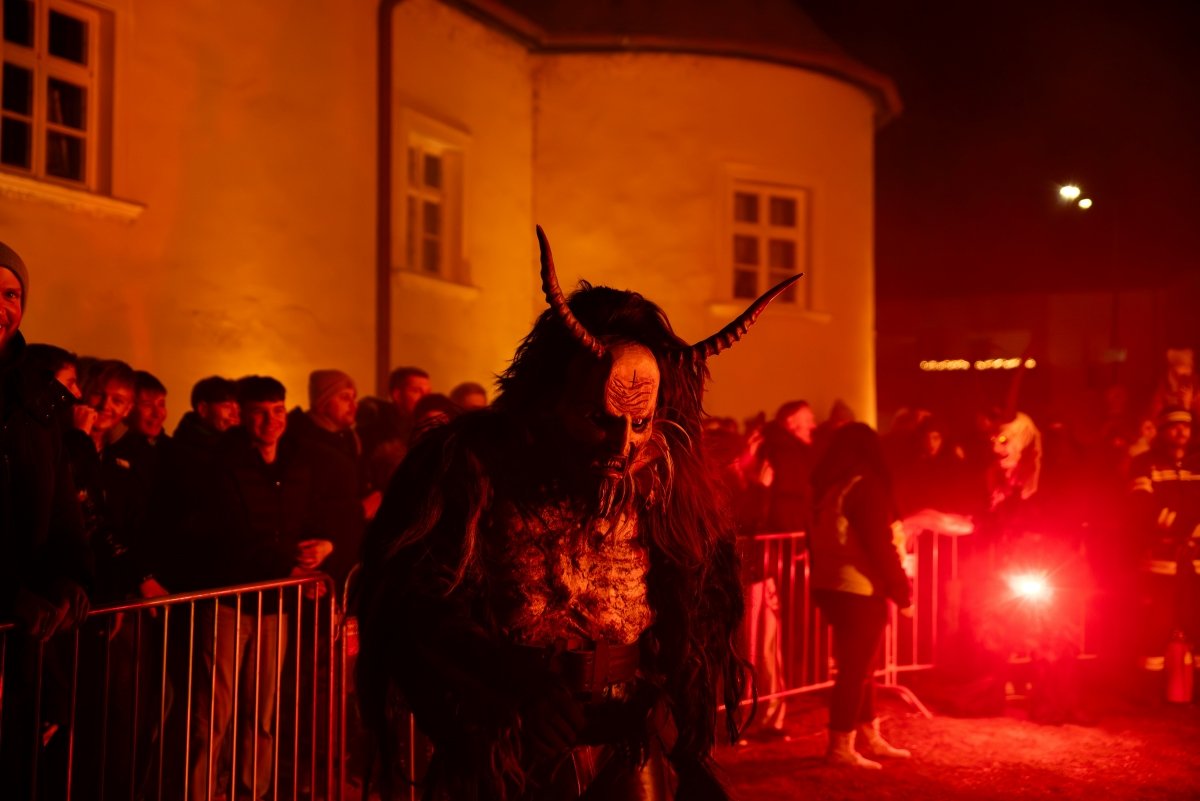
Picture this: You’re standing in a medieval Austrian village as the sun sets. Church bells ring. Then you hear it—chains rattling, bells clanging, and suddenly horned demons emerge from the darkness, chasing screaming (but delighted) crowds through cobblestone streets. Welcome to Krampusnacht.
These aren’t tourist traps. These are living traditions where entire communities come together to honor their heritage, and travelers who show up respectfully are welcomed with open arms and steaming mugs of Glühwein.
The Folklore: Meet Your Winter Demons (They’re Actually Pretty Cool)
Krampus: The Christmas Devil You Need to Meet
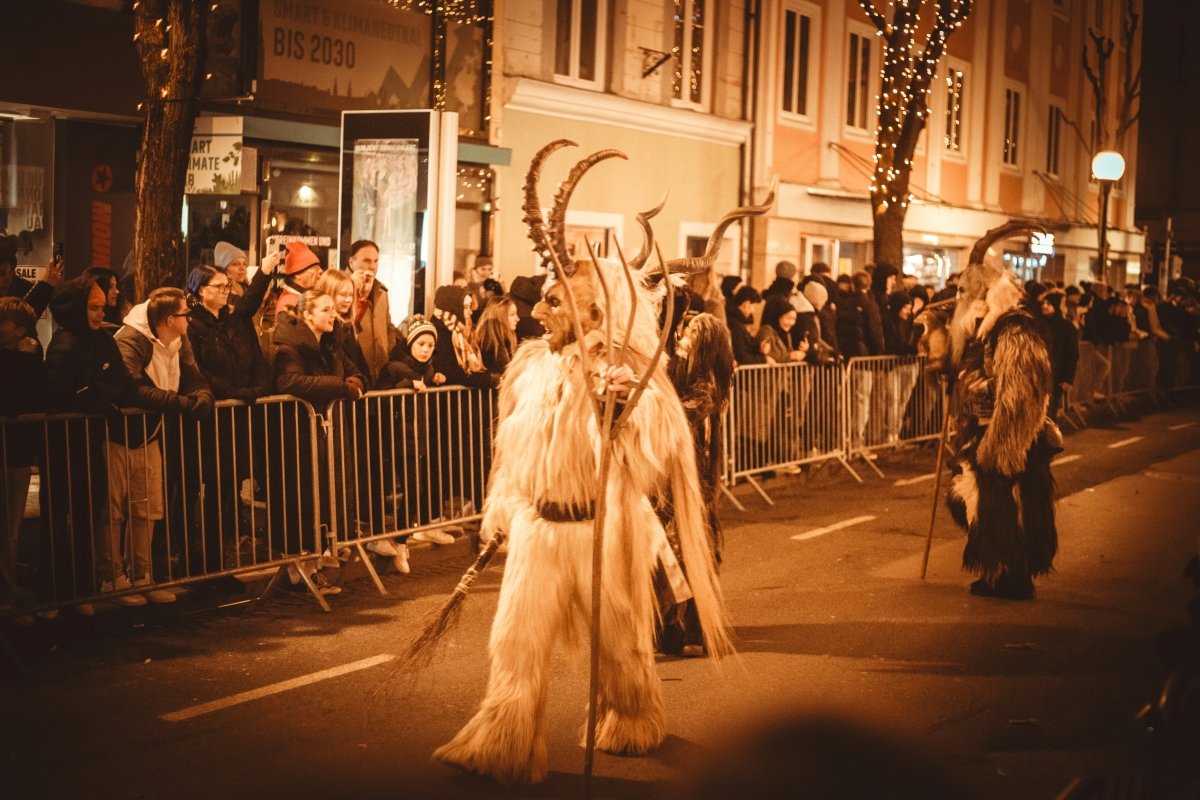
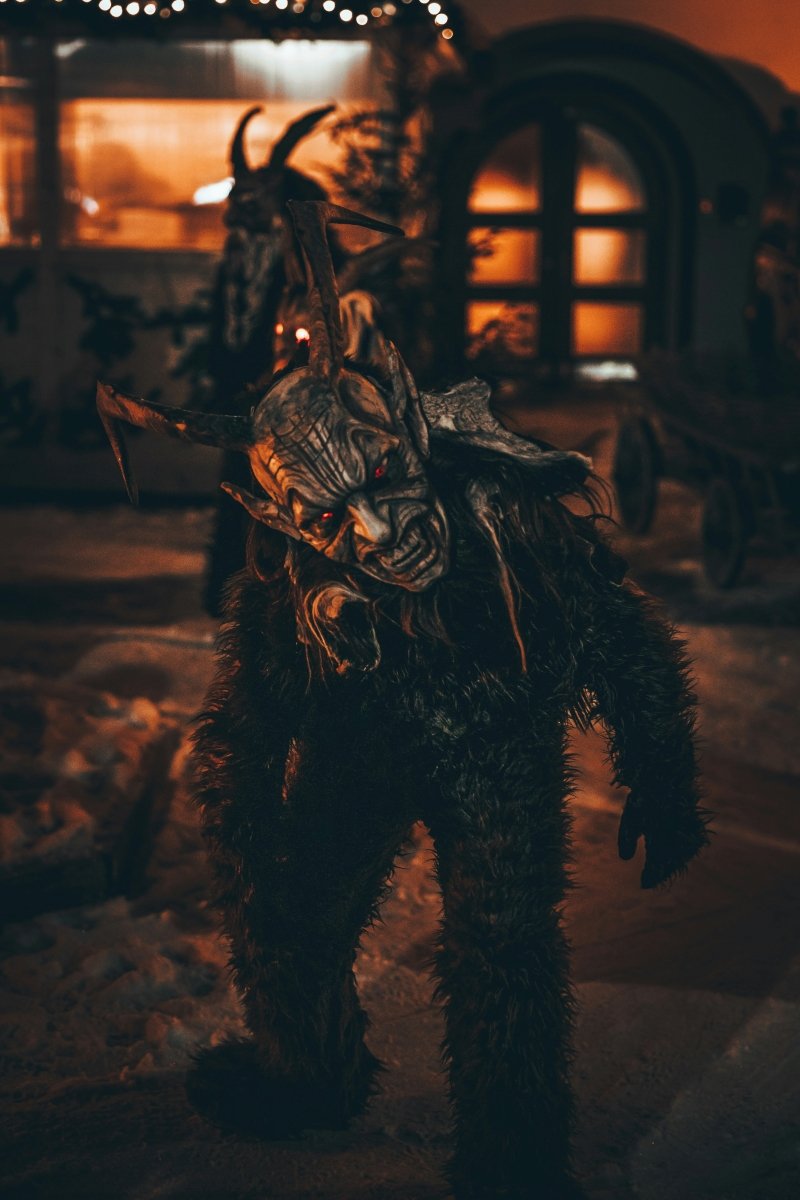
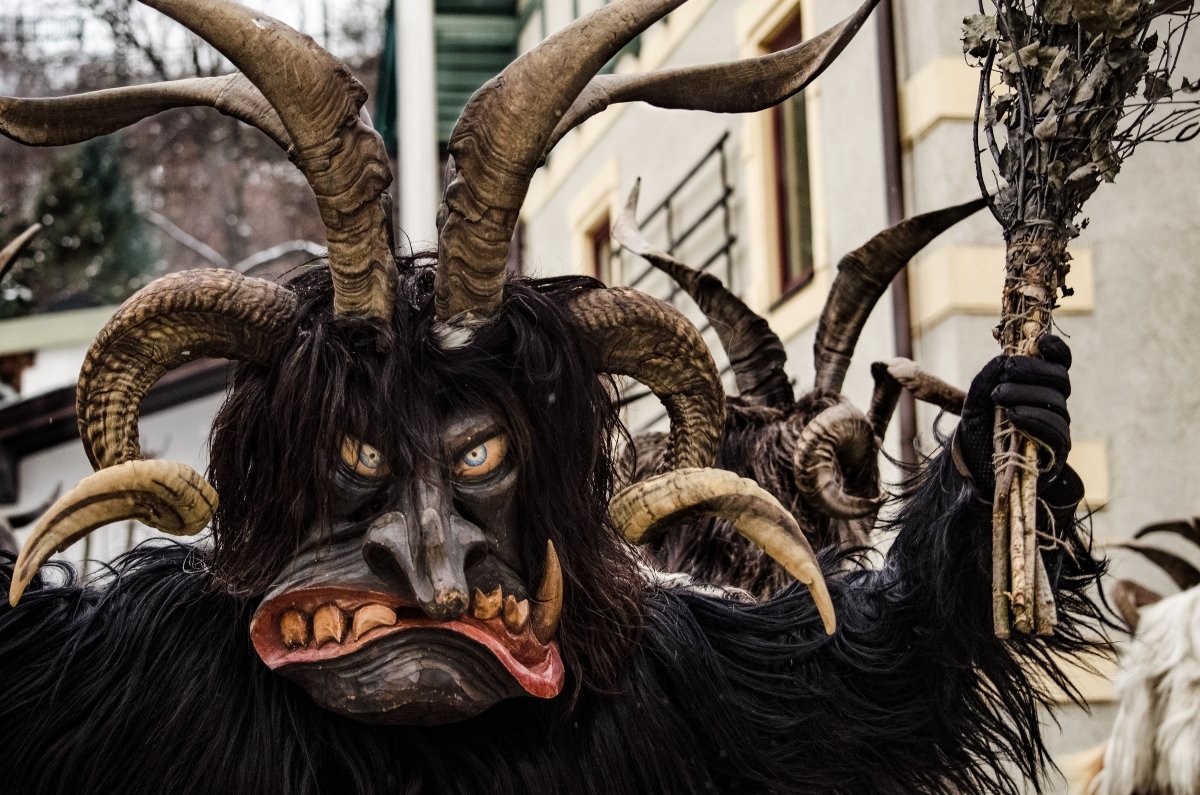
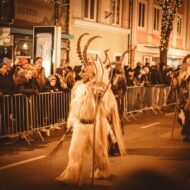
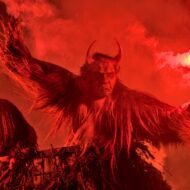
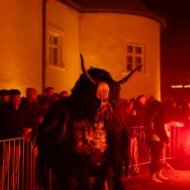
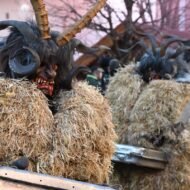
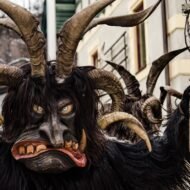
Krampus is St. Nicholas’s dark companion—a horned, furry beast who punishes naughty children while Saint Nick rewards the good ones. But here’s the thing: Krampus runs aren’t scary horror shows. They’re exhilarating community celebrations.
Where: Austria, Bavaria (Germany), South Tyrol (Italy), Switzerland When: December 5-6 (Krampusnacht) What to expect: Elaborate handcrafted costumes (some masks take months to carve), theatrical performances, and yes—you might get swatted with birch branches if you’re not careful
Perchten: The Shape-Shifting Spirit Parade
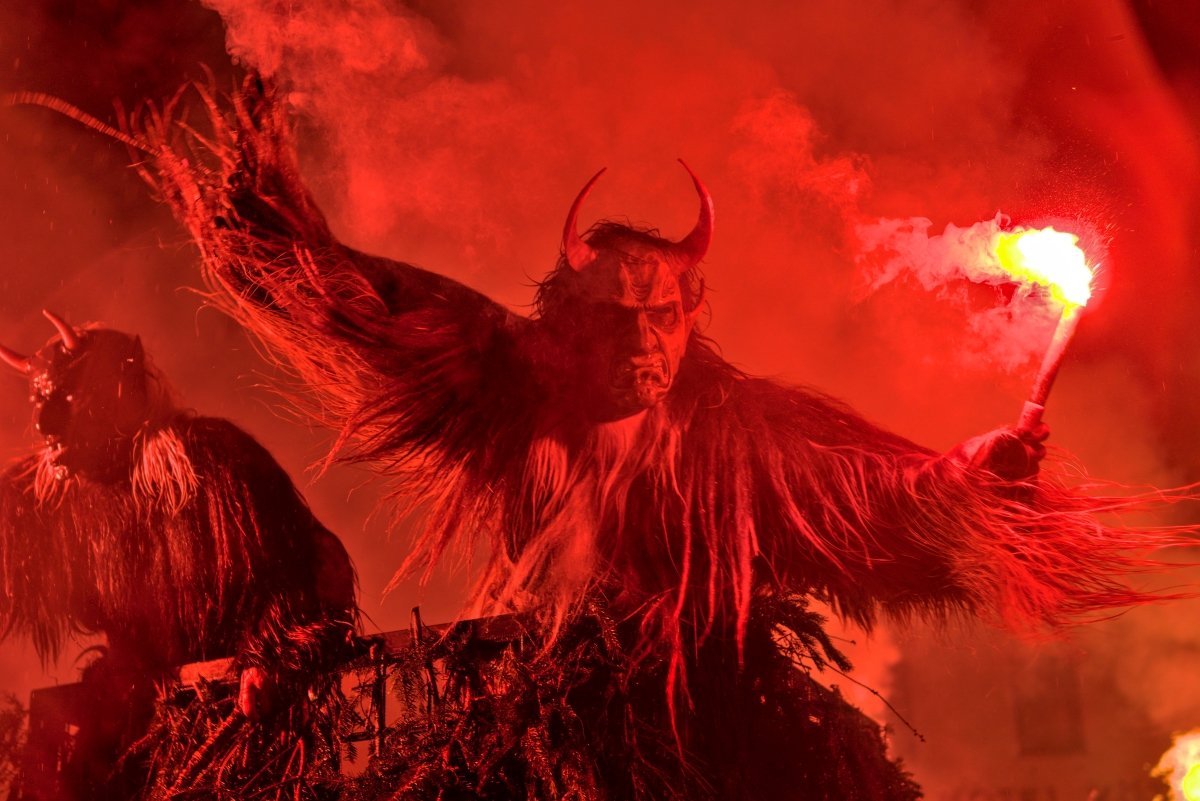
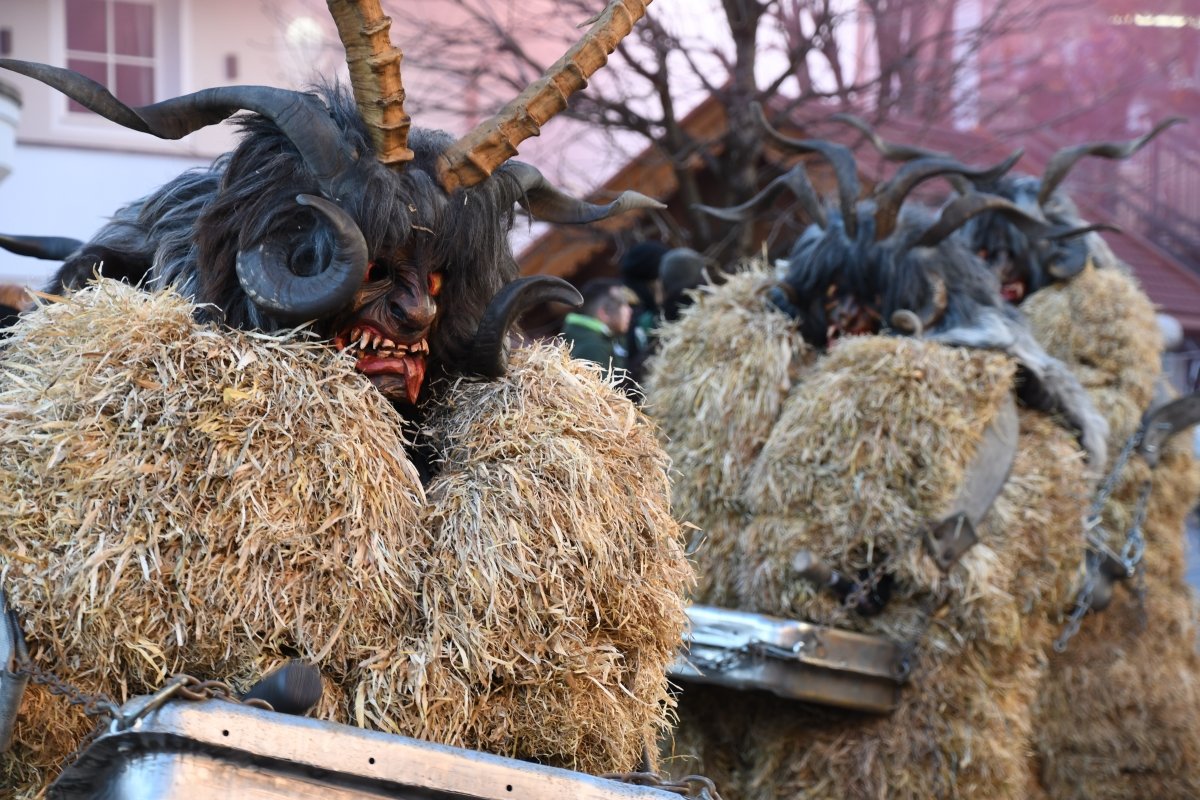
Perchten are pre-Christian nature spirits that come in two flavors: beautiful Perchten (Schönperchten) who bring good fortune, and scary Perchten (Schiachperchten) who drive away winter demons. The contrast is wild.
Where: Alpine regions of Austria, Germany, Switzerland When: December through early January (varies by region) What to expect: Massive cowbells (some weigh 30+ pounds), acrobatic performances, and costumes that look like they walked out of a fantasy film
Other Creatures Worth Chasing
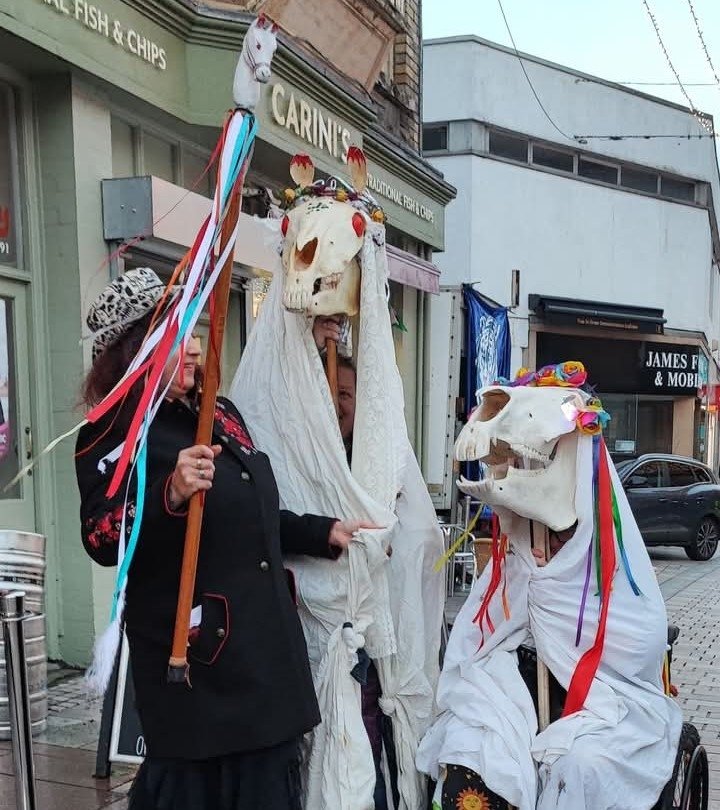
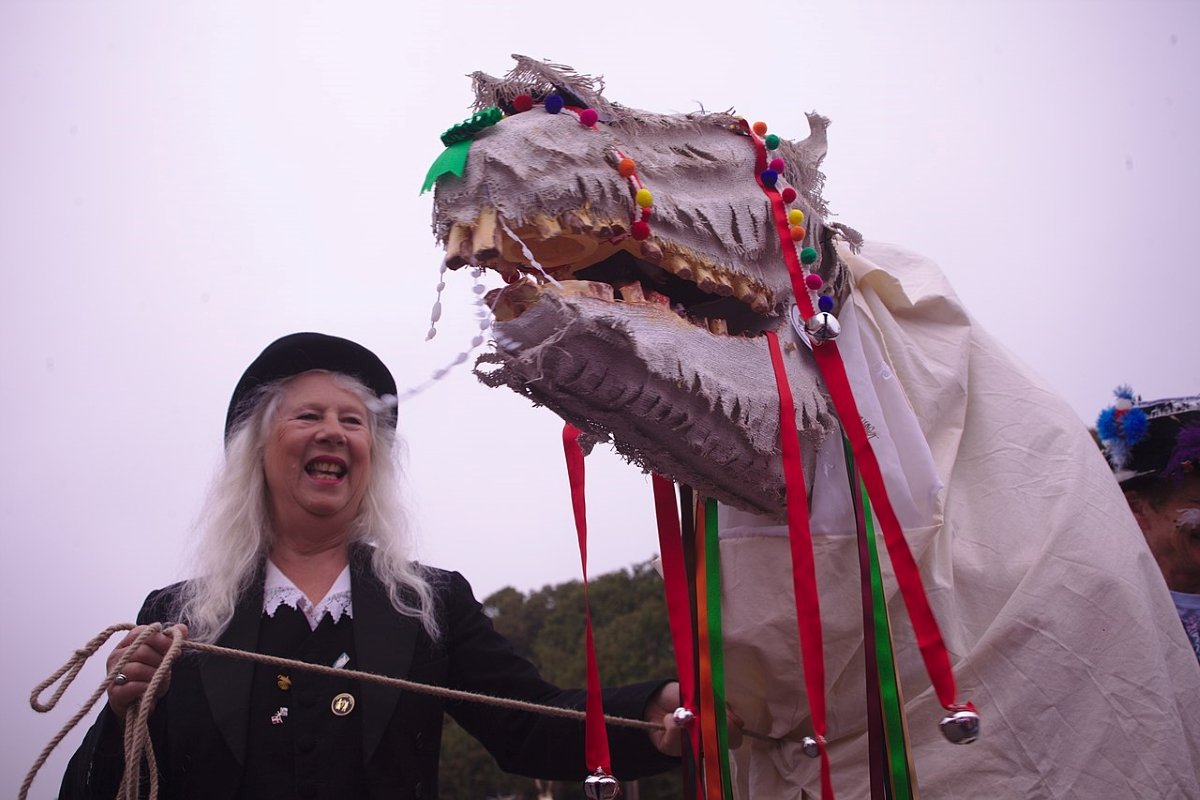
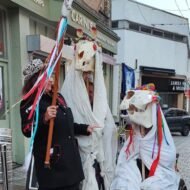
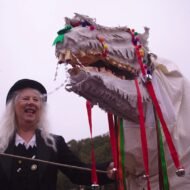
- Mari Lwyd (Wales): A horse skull puppet that challenges you to rap battles for alcohol
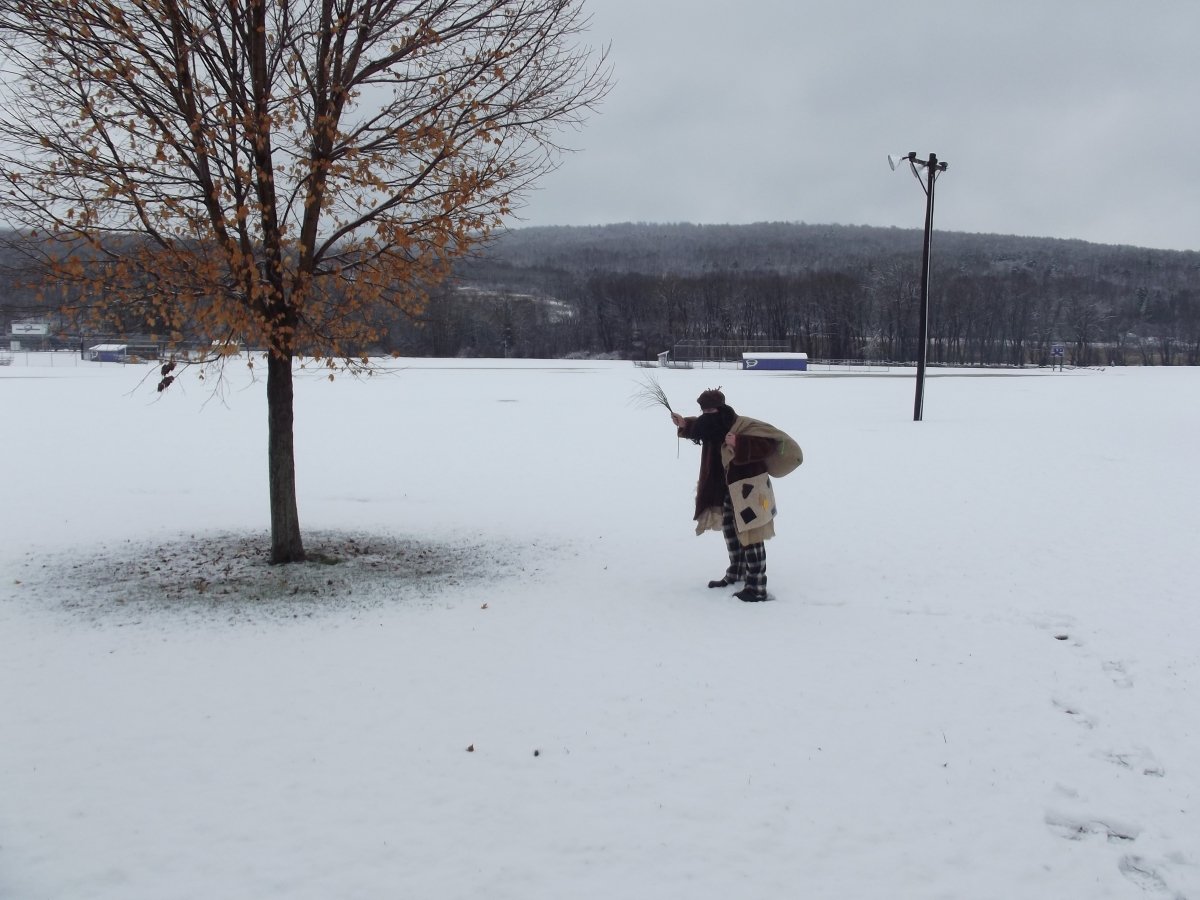
- Belsnickel (Germany): A ragged, fur-clad figure who throws candy and nuts at children
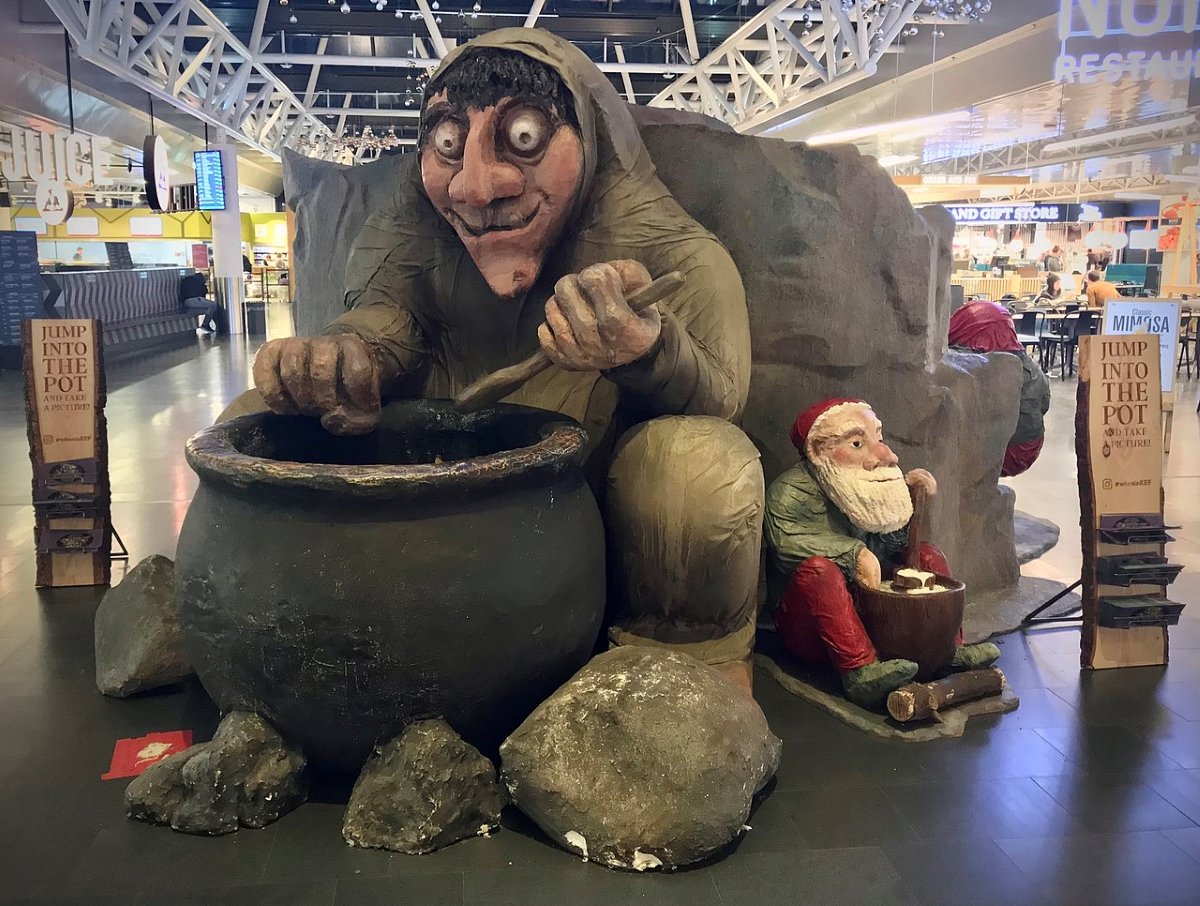
- Grýla and the Yule Lads (Iceland): A child-eating troll and her 13 mischievous sons
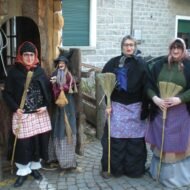
- La Befana (Italy): A kind witch who delivers gifts on Epiphany Eve
The Cozy Part: What You’ll Actually Want to Eat
After chasing demons through freezing streets, you’ll understand why Alpine winter food is designed for maximum warmth and comfort.
Mountain Cheese Fondue: The Real Deal
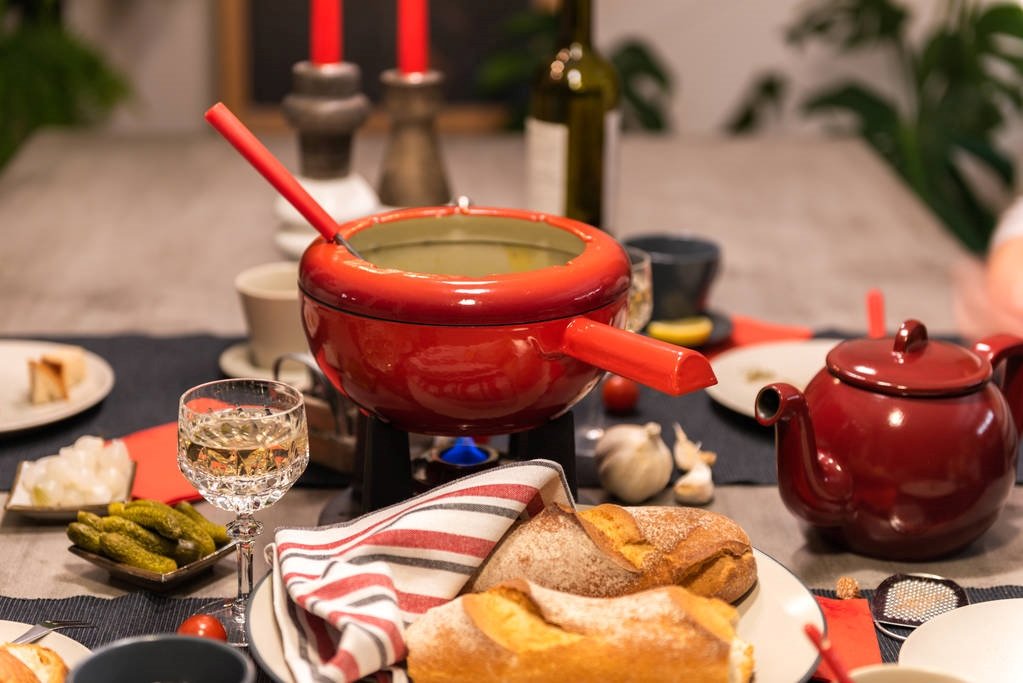
Forget bland hotel versions. Authentic Alpine fondue is an art form:
Classic Swiss Fondue (Fribourg-style)
- Mix of Gruyère and Vacherin cheese
- White wine and kirsch (cherry brandy)
- Served in earthenware pot over wood fire
- Dip crusty bread, never let it touch the bottom
Where to find it: Mountain huts (Almhütten) in Switzerland, Austria, and Bavaria. Look for places where locals gather after skiing.
Pro tip: If you drop your bread in the pot, tradition says you buy the next round of drinks. Or kiss the person next to you. Rules vary.
Spiced Wines That’ll Save Your Soul
Glühwein isn’t just “mulled wine”—each region guards its recipe:
- Austrian Glühwein: Heavy on cloves and star anise
- German Feuerzangenbowle: Rum-soaked sugarloaf set on fire over wine
- Swiss Vin Chaud: Often includes orange and cinnamon
Insider secret: The best Glühwein isn’t at the main market—it’s at the tiny wooden hut at the edge, run by a grandmother who’s been making it for 40 years.
Open-Hearth Cooking You Can’t Miss
Alpine regions still practice traditional hearth cooking at festivals and mountain restaurants:
- Raclette: Half-wheel of cheese melted over open flame, scraped onto potatoes
- Chestnuts roasted over wood fires
- Whole pigs or lambs slow-roasted for festival crowds
- Bauernkrapfen: Fried dough pastries made in cast iron over flames
Where: Look for festivals advertising “traditional cooking” or visit designated heritage restaurants (Slow Food certified spots are reliable).
The Adventure Guide: How to Actually Do This
Top 5 Can’t-Miss Festivals (With Exact Dates & Logistics)
1. Krampuslauf in Salzburg, Austria
When: December 5, 2026 Why go: One of Europe’s largest Krampus runs with 400+ participants Getting there: Salzburg Airport (direct flights from most European cities); festival in historic Altstadt Where to stay: Book by September—hotels fill fast. Consider Airbnb in nearby towns with train access Etiquette: Stay behind barriers, don’t touch performers, expect to get “scared” Cost factor: Free to watch; budget €80-120/night accommodation
2. Perchtenlauf in Bad Gastein, Austria
When: January 5, 2027 (Epiphany weekend) Why go: Dramatic mountain backdrop, smaller crowds, authentic local vibe Getting there: Train from Salzburg (90 min); incredibly scenic route Where to stay: Thermal spa hotels (splurge-worthy after standing in snow) Etiquette: Applaud performers, buy a souvenir cowbell, eat with locals afterward Cost factor: Free event; accommodation €60-150/night
3. Samichlaus-Umzug in Küssnacht, Switzerland
When: December 6, 2026 Why go: Giant illuminated bishop’s mitres parade, unique to Switzerland Getting there: 30 min from Zurich by train Where to stay: Day trip from Zurich or Lucerne Etiquette: Very family-friendly, arrive early for good viewing spots Cost factor: Free event; excellent public transit
4. Sternsinger in German Alpine Villages
When: January 2-6 annually Why go: See the Three Kings tradition where children go door-to-door blessing homes Getting there: Rent a car to explore multiple villages (Garmisch-Partenkirchen area) Where to stay: Traditional Gasthäuser (country inns) Etiquette: If invited into a home, bring a small gift; tipping the children is customary Cost factor: Free to observe; accommodation €50-100/night
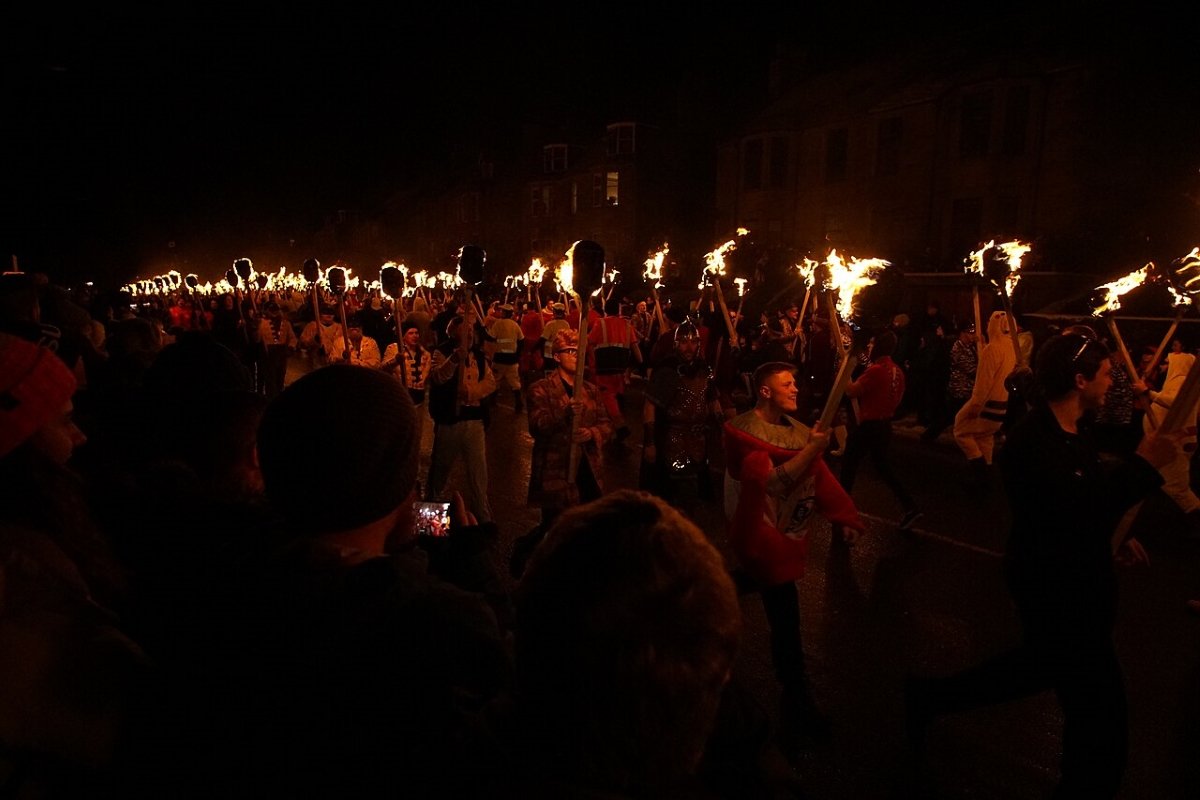
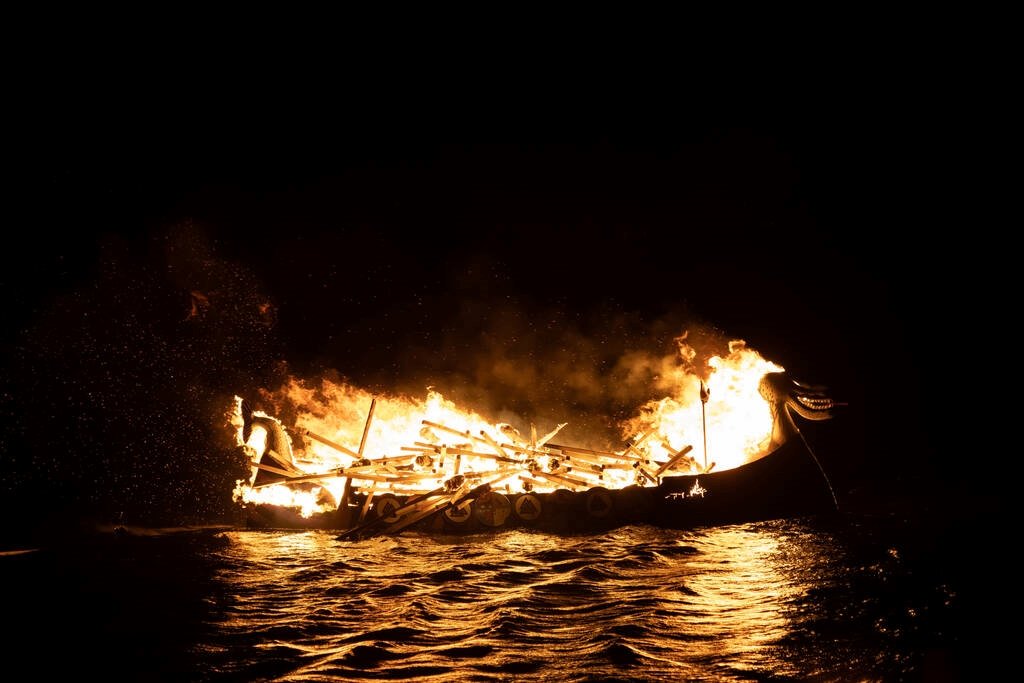
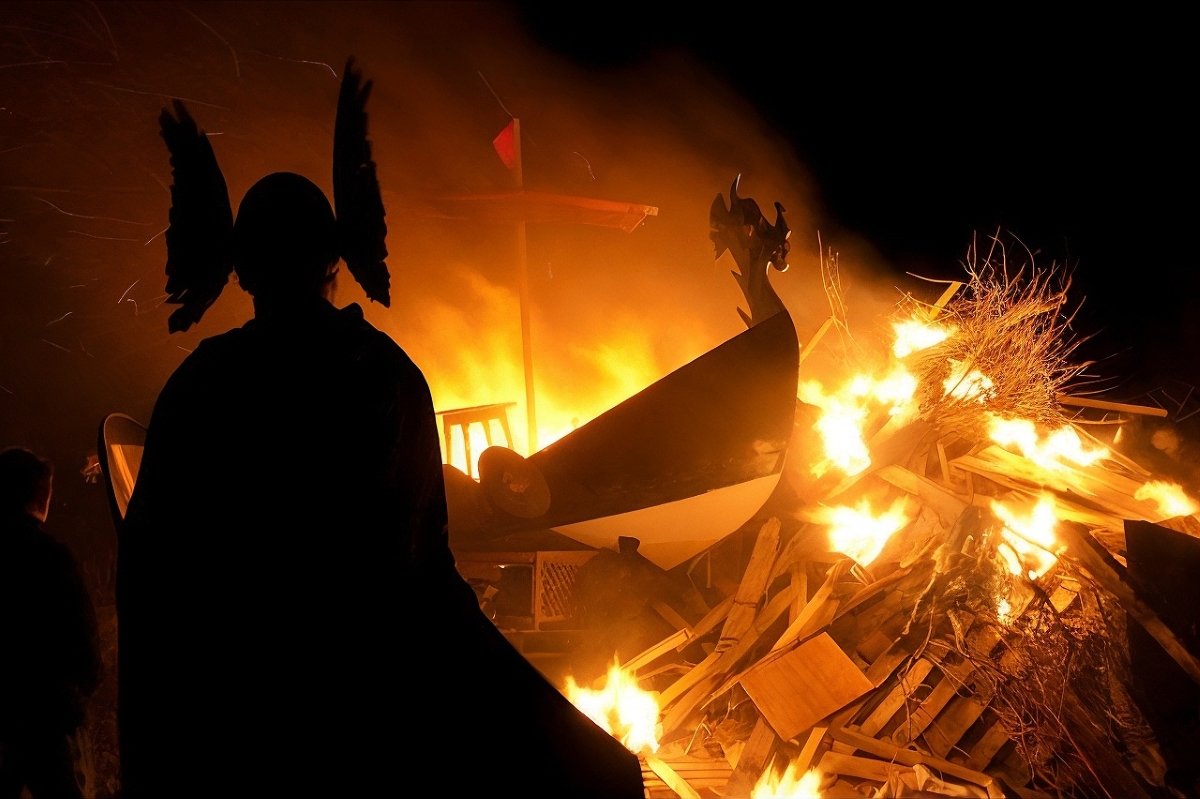
5. Up Helly Aa in Shetland, Scotland
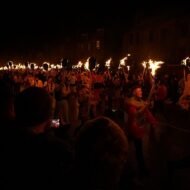
When: Last Tuesday of January (January 25, 2027) Why go: Viking fire festival with a burning longship—completely wild Getting there: Fly to Shetland from Edinburgh or Aberdeen Where to stay: Book a year in advance (seriously) Etiquette: Dress WARM, respect the procession route, join the community halls after Cost factor: Free event; limited accommodation (£80-200/night)
Money-Saving Tips
- Travel mid-week for Krampus events (weekends are packed)
- Use rail passes like the Swiss Travel Pass or Austrian Euregio Ticket
- Eat lunch at mountain huts (3-course menus often under €15)
- Stay in hostels or family pensions in nearby towns
- Free experiences: Most parades and processions are completely free
What to Pack
- Layers: Thermal base, fleece, waterproof shell
- Footwear: Insulated, waterproof boots with good grip
- Accessories: Wool socks, hand warmers, insulated gloves
- Extras: Power bank (phones die in cold), reusable mug for Glühwein (many festivals offer discounts)
Festival Etiquette 101
DO:
- Arrive early for good viewing spots
- Bring cash (many vendors don’t take cards)
- Applaud performers enthusiastically
- Try local food and drink
- Ask before photographing costumed participants up close
- Learn basic local greetings
DON’T:
- Touch performers or costumes (masks are sacred and fragile)
- Block paths during processions
- Bring young children to intense Krampus runs (unless they’re comfortable with scary performances)
- Get aggressively drunk (locals appreciate respectful visitors)
- Litter (Alpine communities take cleanliness seriously)
Language Tips
Most festival areas speak German, but here’s what you need:
- Grüß Gott (Hello in Bavaria/Austria)
- Danke (Thank you)
- Prost! (Cheers!)
- Das war toll! (That was great!)
- Wo ist die Toilette? (Where’s the bathroom?)
In Switzerland, it’s often Swiss German—just smile and try.
Regional Deep Dives: Where to Go Month by Month
December: Peak Demon Season
Austria’s Krampus Triangle (Salzburg-Innsbruck-Graz)
- 200+ Krampus runs across the country
- Combine with Advent markets for full experience
- Best fondue in mountain huts after events
Bavaria’s Perchten Country (Berchtesgaden region)
- Spectacular alpine scenery
- Smaller, more intimate celebrations
- Incredible Christkindlmarkts
January: Epiphany Traditions
Swiss Vogel Gryff Festival (Basel, Jan 13, 15, 20)
- Wild men parade with drums and floats
- Incredibly photogenic
- Excellent food scene
Italian Befana Festivals (Throughout Italy, Jan 5-6)
- Witches on broomsticks, not demons
- Sweet treats and children’s parades
- Warm up with espresso and pastries
February: Late Winter Wildness
Carnival (Fasching/Fastnacht) across German-speaking regions
- Continues the monster tradition with new characters
- Huge parades in Mainz, Cologne, Basel
- Last chance before Lent
The Sustainable Traveler’s Approach
These traditions survived centuries because communities protected them. Here’s how to visit responsibly:
- Support local businesses: Stay in family-run pensions, eat at traditional restaurants
- Buy authentic crafts: Handcarved masks and ornaments from festival vendors
- Use public transit: Excellent trains and buses serve most festival towns
- Visit off-peak: Weekday events are less crowded, more authentic
- Learn the history: Understanding the traditions enriches your experience and shows respect
Real Talk: Is This Trip For You?
You’ll love this if:
- You prefer authentic cultural experiences over tourist attractions
- You don’t mind cold weather (seriously, it’s freezing)
- You enjoy street performances and community celebrations
- You’re curious about pre-Christian European traditions
- You want incredible food and drink experiences
- You like small-town Europe better than big cities
Skip it if:
- You need luxury accommodations and fine dining
- Loud bells and crowds stress you out
- You’re not comfortable with theatrical “scary” performances
- You prefer warm beach vacations
- You need everything explained in English
The Bottom Line
European winter folklore festivals offer something you can’t find anywhere else: the chance to step into living history where communities still honor ancient traditions with genuine passion. The demons might be fierce, the temperatures freezing, and the logistics sometimes challenging—but the memories of chasing Krampus through snowy streets while warming up with world-class fondue? Absolutely priceless.
These aren’t Instagram moments manufactured for tourists. These are real celebrations where you’re invited to witness something special. Show up with respect, an open mind, and an empty stomach.
The Krampus is waiting.
Quick Reference: Essential Bookmarks
- Austrian Tourism Board: austria.info (festival calendars)
- Swiss Tourism: myswitzerland.com (event listings)
- German National Tourist Board: germany.travel (folklore festivals)
- Transport: www.oebb.at (Austria), www.sbb.ch (Switzerland), www.bahn.de (Germany)
- Accommodation: booking.com, airbnb.com, hostelworld.com
- Weather: bergfex.com (mountain weather forecasts)
Travel seasons book fast—start planning your winter folklore adventure at least 6 months ahead.