










TL;DR: Mértola is a jaw-droppingly beautiful medieval town perched above the Guadiana River in Portugal’s Alentejo region. It’s essentially an open-air museum where you can walk through 3,000 years of history, enjoy authentic Portuguese cuisine without tourist traps, explore castle ruins with epic views, and experience genuine local life. Best visited in spring or fall, it’s perfect for history buffs, nature lovers, and anyone tired of Instagram-crowded destinations.
- Why You Should Actually Care About Mértola
- Getting There (It’s Part of the Adventure)
- When to Visit (Timing Is Everything)
- What to See and Do (The Good Stuff)
- The Castle (Castelo de Mértola)
- The Church-Mosque (Igreja Matriz)
- The Museum Network
- The Old Town Wander
- Parque Natural do Vale do Guadiana
- Mina de São Domingos
- Where to Eat (The Important Part)
- Where to Stay
- Practical Information
- Day Trip Options
- Sample Itinerary (3 Days)
- Shopping and Souvenirs
- Final Tips (The Stuff Nobody Tells You)
- Why Mértola Matters
- The Bottom Line
Look, I’m going to be straight with you: Mértola is the kind of place travel influencers will “discover” in about five years, prices will triple, and everyone will be like “remember when we could visit without crowds?” This is your chance to see it now.
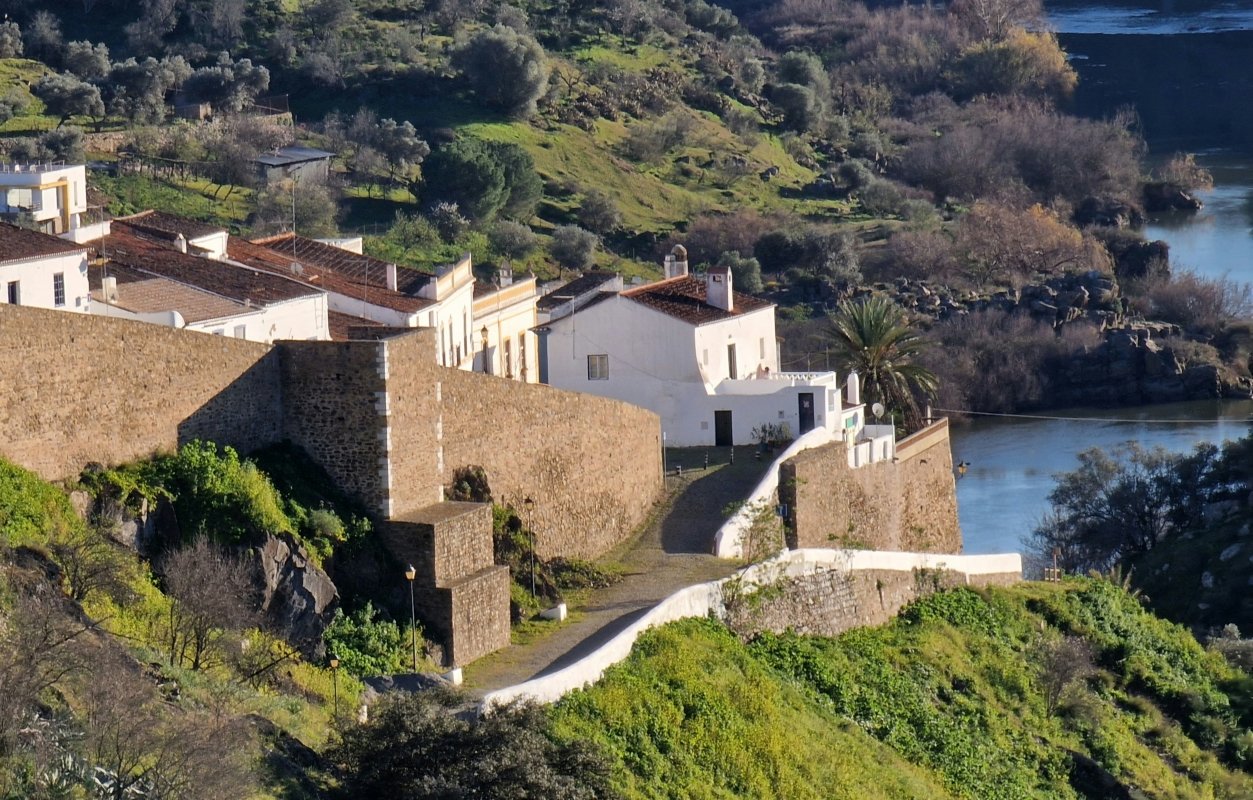
Tucked away in southeastern Alentejo, about 60km from the Spanish border, Mértola sits at the confluence of the Ribeira de Oeiras and the Guadiana River. It’s one of those rare places where you can literally touch history—Roman foundations, Islamic architecture, medieval fortifications—all layered together like the world’s most interesting archaeological lasagna.
Why You Should Actually Care About Mértola
Here’s the thing: Portugal has been “discovered.” Lisbon’s packed, the Algarve’s expensive, and even Porto feels crowded these days. But Mértola? This place is still refreshingly real.
What makes it special:
- It’s an officially designated Vila Museu (Museum Village)—the entire town is a living historical site
- You’ll find one of Portugal’s best-preserved medieval quarters
- The Islamic heritage here is unmatched anywhere else in Portugal
- It’s surrounded by the stunning Parque Natural do Vale do Guadiana
- Locals actually outnumber tourists (for now)
The town has been continuously inhabited for over 3,000 years—Phoenicians, Romans, Visigoths, Moors, and Portuguese Christians all left their mark. Walking these narrow streets feels like time-traveling, minus the awkward historical inaccuracies.
Getting There (It’s Part of the Adventure)
Let’s be real: Mértola isn’t easy to reach, and that’s exactly why it’s still authentic.
By Car (recommended): From Lisbon, it’s about 2.5-3 hours (250km) via the A2 and IP8. From Faro, roughly 2 hours (130km). From Seville, Spain, it’s about 2.5 hours. The drive through Alentejo is gorgeous—rolling hills, cork oak forests, and barely any traffic.
By Bus: Rede Expressos runs services from Lisbon (4-5 hours) and Beja (1 hour). Check schedules in advance because they’re not super frequent.
By Train: The nearest station is in Beja, then you’ll need a bus or taxi.
Pro tip: Rent a car. You’ll want the freedom to explore the surrounding natural park and nearby archaeological sites.
When to Visit (Timing Is Everything)
Best months: April-May and September-October. The weather’s perfect (20-25°C/68-77°F), wildflowers are blooming in spring, and you’ll avoid the scorching Alentejo summer.
Summer (June-August): It gets HOT. We’re talking 35-40°C (95-104°F). If you can’t handle heat, skip it. If you can, prices drop and it’s even quieter.
Winter (November-March): Mild but can be rainy. Some restaurants and accommodations close, but you’ll have the place almost to yourself.
Special events: The Islamic Festival (April/May, biennially) transforms the town with markets, music, and reenactments. Worth planning around if you’re into cultural events.
What to See and Do (The Good Stuff)
The Castle (Castelo de Mértola)
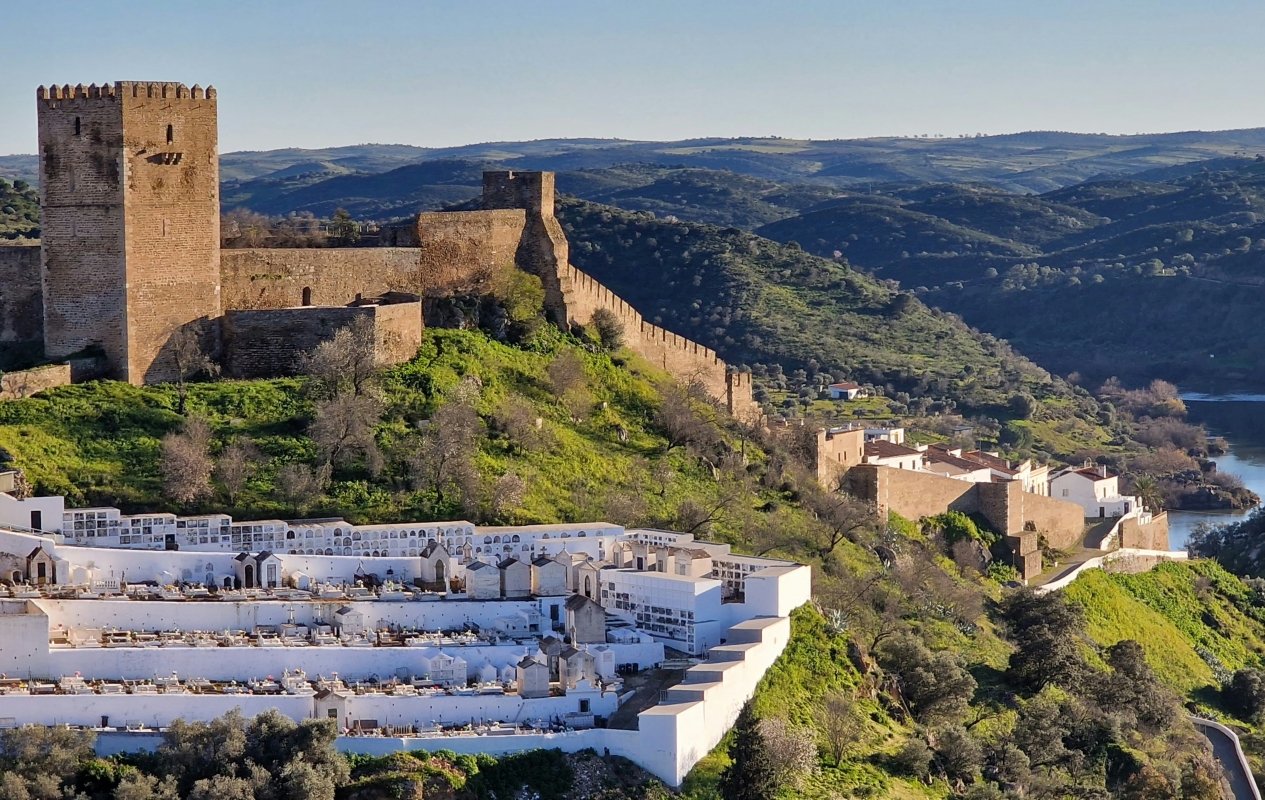
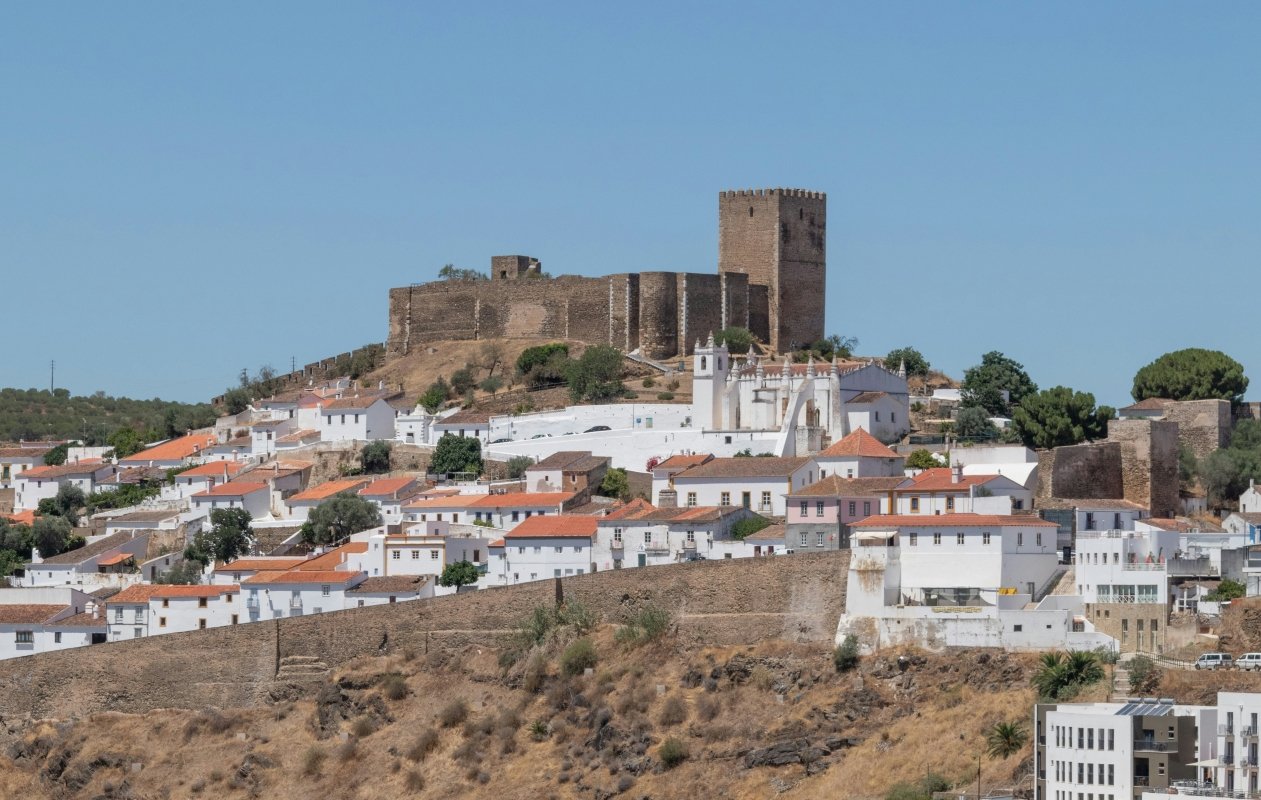
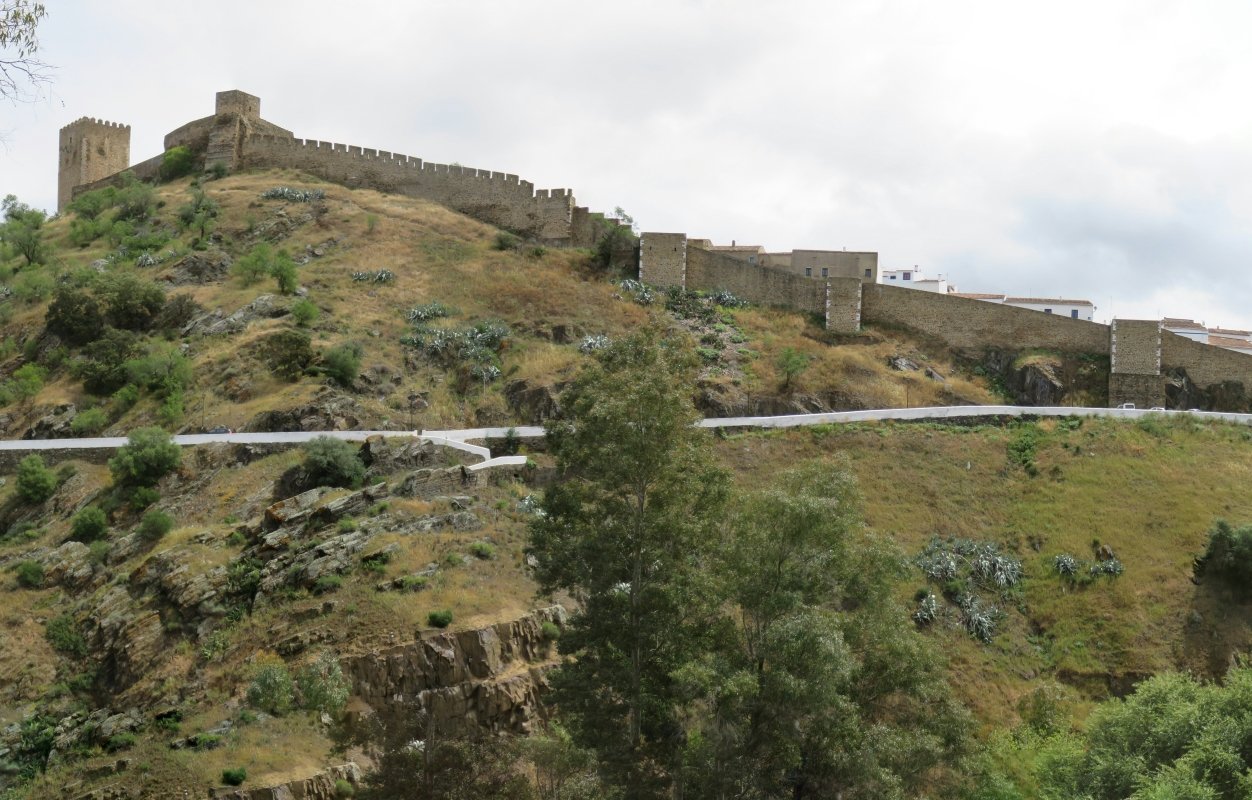
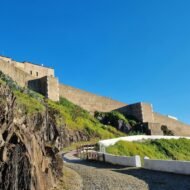
Perched at the highest point, this medieval fortress offers 360-degree views that’ll make your camera cry tears of joy. Originally Roman, rebuilt by the Moors, then reinforced by Portuguese kings—it’s history in stone form.
The keep (torre de menagem) is the star attraction. Climb to the top for views across the Guadiana River valley that stretch into Spain on clear days. Entry is typically free or minimal, and you can explore at your own pace.
Don’t miss: The sunset from the castle walls. Bring wine. You’re welcome.
The Church-Mosque (Igreja Matriz)
This is where Mértola gets really interesting. The main church started as a mosque—one of the few in Portugal that still clearly shows its Islamic origins. The horseshoe arches, the orientation toward Mecca, the overall layout—it’s all still visible despite centuries as a Christian church.
The Gothic portal was added later, creating this fascinating architectural mashup that tells the story of the Reconquista better than any textbook.
The Museum Network
Mértola takes the “Museum Village” designation seriously. There are multiple small museums throughout town, most included in a combined ticket (around €5):
Islamic Museum – Incredible collection of ceramics, jewelry, and everyday objects from the Moorish period. The quality and preservation are exceptional.
Roman Museum – Built around an actual Roman house with preserved mosaics and heating systems.
Sacred Art Museum – Religious artifacts spanning centuries, housed in a former church.
Weaver’s Museum – Traditional Alentejo textiles and weaving demonstrations.
You can easily spend a full day museum-hopping without feeling overwhelmed. They’re small, focused, and genuinely interesting.
The Old Town Wander
Forget your map (but keep Google Maps open, let’s be practical). The medieval quarter is a maze of whitewashed houses with colorful trim, cobblestone alleys, and unexpected viewpoints. You’ll stumble upon:
- Ancient wells still in use
- Hidden gardens bursting with bougainvillea
- Workshops where artisans practice traditional crafts
- Cats. So many cats. Portugal really loves its street cats.
The Arrabalde neighborhood, the old Islamic quarter below the castle, is particularly atmospheric.
Parque Natural do Vale do Guadiana
The surrounding natural park is criminally underrated. Options for everyone:
Hiking: Multiple trails ranging from easy riverside walks to challenging hill climbs. The Guadiana River Trail follows the water through stunning landscapes.
Birdwatching: This is a major birding destination—black storks, Egyptian vultures, Bonelli’s eagles. Bring binoculars.
Boat Tours: Take a traditional river boat up the Guadiana. Some tours include stops at abandoned riverside villages—hauntingly beautiful and totally photogenic.
Wildlife: Wild boar, otters, wildcats, and Iberian lynx (if you’re incredibly lucky) call this area home.
Mina de São Domingos
About 15km east, this abandoned mining village is like stepping onto a dystopian movie set. Once a thriving British-run copper mine, it’s now a haunting ghost town with industrial ruins, an eerie blue acidic lake, and a small museum explaining the brutal mining history.
It’s sobering, fascinating, and unlike anything else you’ll see. The contrast between the natural beauty and industrial decay is striking.
Where to Eat (The Important Part)
Alentejo cuisine is hearty, generous, and seriously underrated. Mértola’s food scene is authentic—no tourist menus here.
Local Specialties
Açorda de Sável: A thick bread soup with shad fish (a local river fish), garlic, coriander, and egg. It sounds weird, tastes amazing.
Migas: Fried breadcrumbs mixed with pork, garlic, and olive oil. Comfort food perfection.
Wild Boar: Served stewed or roasted. The local javali is incredibly tender.
River Fish: Especially during shad season (March-April), you’ll find fresh-caught fish on every menu.
Encharcada: The local dessert—a sweet egg custard that’ll ruin you for other desserts.
Restaurant Recommendations
Alengarve: Family-run spot with consistently excellent traditional dishes. The lamb stew is legendary. Expect to spend €15-20 per person.
Casa Amarela: Cozy atmosphere, creative takes on Alentejo classics. Great wine selection. Budget €20-30.
Tamuje: River views, fresh fish, and generous portions. Perfect for lunch. Around €15-20.
Restaurante O Alentejano: No-frills traditional cooking. Where locals actually eat. Budget €10-15.
Pro tips:
- Lunch is the main meal (1-3pm). Many restaurants close for dinner or open late.
- Portions are HUGE. Consider sharing.
- House wine is always good and ridiculously cheap (€5-8/bottle).
Where to Stay
Options range from budget-friendly to boutique, all reasonably priced compared to coastal Portugal.
Casa de Mértola: Beautiful traditional house converted into comfortable rooms. Central location, friendly hosts. €60-80/night.
Beira Rio: Modern hotel right on the river. Pool, restaurant, parking. €70-100/night.
Museu Apartamentos: Apartments in restored historic buildings. Full kitchens, perfect for longer stays. €50-90/night.
Casa d’Além: Upscale option with gorgeous views and design details. €100-150/night.
Budget option: There are several rural guesthouses just outside town (€40-60/night) if you have a car.
Practical Information
Money: Bring cash. Many small shops and restaurants don’t take cards. There are ATMs in town.
Language: Portuguese, obviously. English isn’t widely spoken, especially by older residents. Learn basic phrases—locals appreciate the effort.
Getting Around: Everything in the old town is walkable. Steep hills mean good shoes are essential (seriously, no flip-flops).
Tourist Office: Located in the town center, actually helpful with maps and current information.
Accessibility: The old town’s cobblestones and steep streets are challenging for people with mobility issues. The modern lower town is more accessible.
Wi-Fi: Available in accommodations and cafes, but often slow. Embrace the digital detox.
Day Trip Options
Monsaraz: Medieval hilltop village about 90km north. Stunning views, castle, and less touristy than Évora.
Serpa: Charming walled town 30km northwest. Famous for cheese and castle ruins.
Castro Verde: See the great bustard (Europe’s heaviest flying bird) and explore the stunning plains ecosystem.
Spanish Border Towns: Rosal de la Frontera and Aroche are easy drives across the border.
Sample Itinerary (3 Days)
Day 1: Arrive, settle in, explore the old town on foot. Visit the castle at sunset. Dinner in town.
Day 2: Morning museum tour (hit 2-3 of your choice). Lunch with river views. Afternoon boat trip on the Guadiana. Evening stroll through the Arrabalde.
Day 3: Morning hike in the natural park or visit Mina de São Domingos. Afternoon relaxation and shopping for local crafts. Final dinner featuring regional specialties.
If you have more time: Add day trips to Monsaraz or Serpa, or simply slow down and live like a local.
Shopping and Souvenirs
Skip the mass-produced souvenirs. Mértola offers genuinely local products:
Textiles: Traditional Alentejo blankets and rugs from local weavers.
Pottery: Simple, functional ceramics made using traditional methods.
Honey: Local eucalyptus and wildflower honey is exceptional.
Cork Products: You’re in cork country—bags, wallets, and accessories are everywhere.
Local Wine and Olive Oil: Hit up the small shops for regional producers.
The Saturday morning market (when it happens) is great for produce, cheese, and local goods.
Final Tips (The Stuff Nobody Tells You)
- Siesta is real: Most shops close 1-3pm. Plan accordingly.
- Driving: Streets in the old town are NARROW. Park in designated areas and walk.
- Heat: Summer afternoons are brutal. Plan morning and late afternoon activities.
- Bugs: Mosquitoes near the river can be intense. Bring repellent.
- Reservations: Not usually necessary except during festivals or peak summer.
- Photography: The morning and evening light is magical. Plan your castle visit accordingly.
Why Mértola Matters
In an age of over-tourism and Instagram sameness, Mértola represents something increasingly rare: authenticity. It’s not performing for tourists. It’s not trying to be cute or trendy. It simply exists, layered with history, surrounded by natural beauty, and populated by people living normal lives.
You won’t find boutique hotels on every corner or trendy craft beer bars. You will find genuine hospitality, incredible value, historical significance, and landscapes that’ll make you question why anyone bothers with overcrowded destinations.
This is slow travel at its finest—a place to actually experience rather than just photograph and move on.
The Bottom Line
Budget: €60-100/day per person (accommodation, food, activities) if you’re reasonable. €120+ for comfort.
Best for: History enthusiasts, nature lovers, photographers, people seeking authentic experiences, travelers who don’t need constant entertainment.
Skip if: You need nightlife, shopping, or beach access. Or if you can’t handle heat and don’t visit in the cooler months.
The real question: Can you visit somewhere amazing before everyone else discovers it, experience it authentically, and resist the urge to blast it all over social media so it stays this way? If yes, Mértola is calling your name.
Pack light, bring curiosity, and prepare for one of Portugal’s most underrated destinations to completely exceed your expectations. You can thank me later.
Getting Started: Check accommodation availability first (limited options), plan around weather, book a rental car, and prepare for slow internet speeds. The Mértola tourism website has updated event information. Consider combining with visits to Évora or the Algarve coast for a diverse Portuguese experience.
Now go—before the secret’s out.