

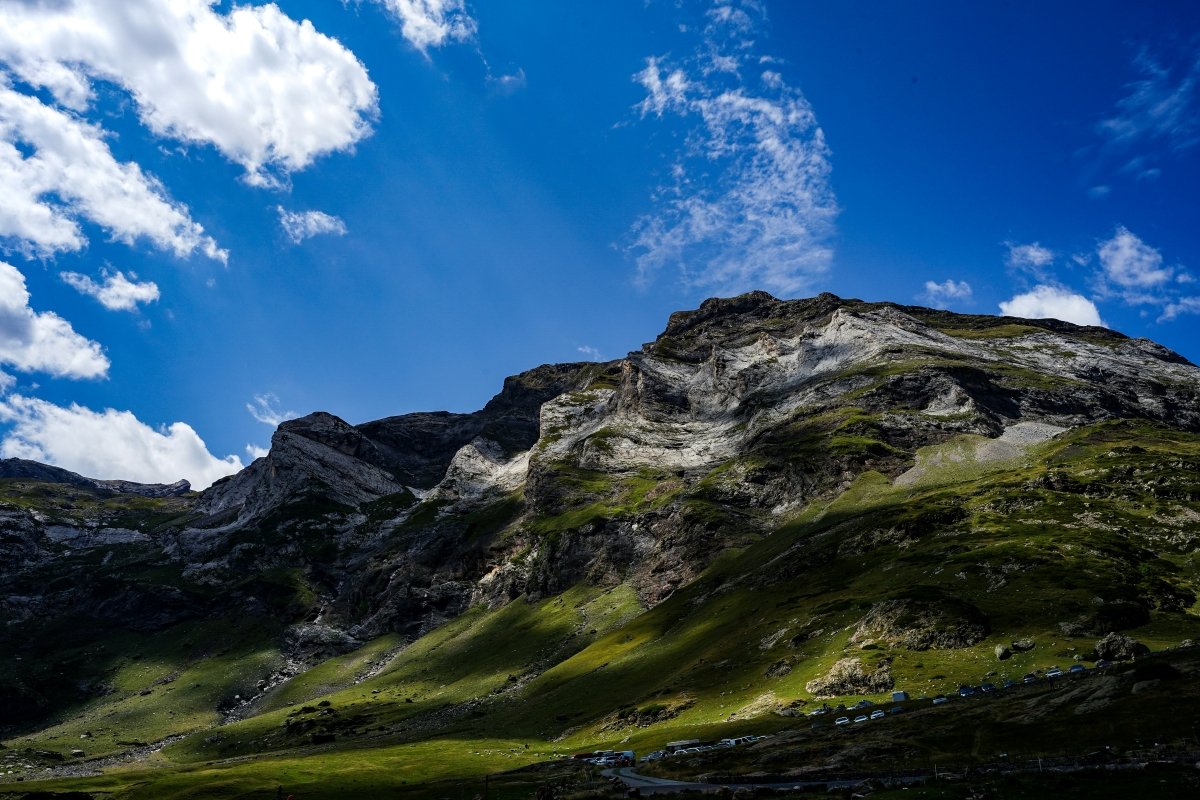

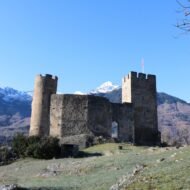
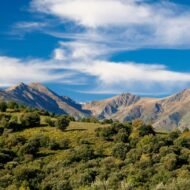
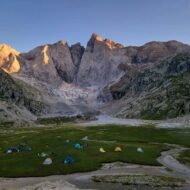
The French Pyrenees offer stunning mountain scenery, world-class skiing, charming medieval villages, and authentic Basque and Catalan culture. Perfect for outdoor enthusiasts, families, and anyone seeking an alternative to the crowded Alps. Budget-friendly compared to other French mountain regions, with incredible hiking, thermal spas, and year-round activities stretching from the Atlantic to the Mediterranean.
Why the French Pyrenees Should Be on Your Radar
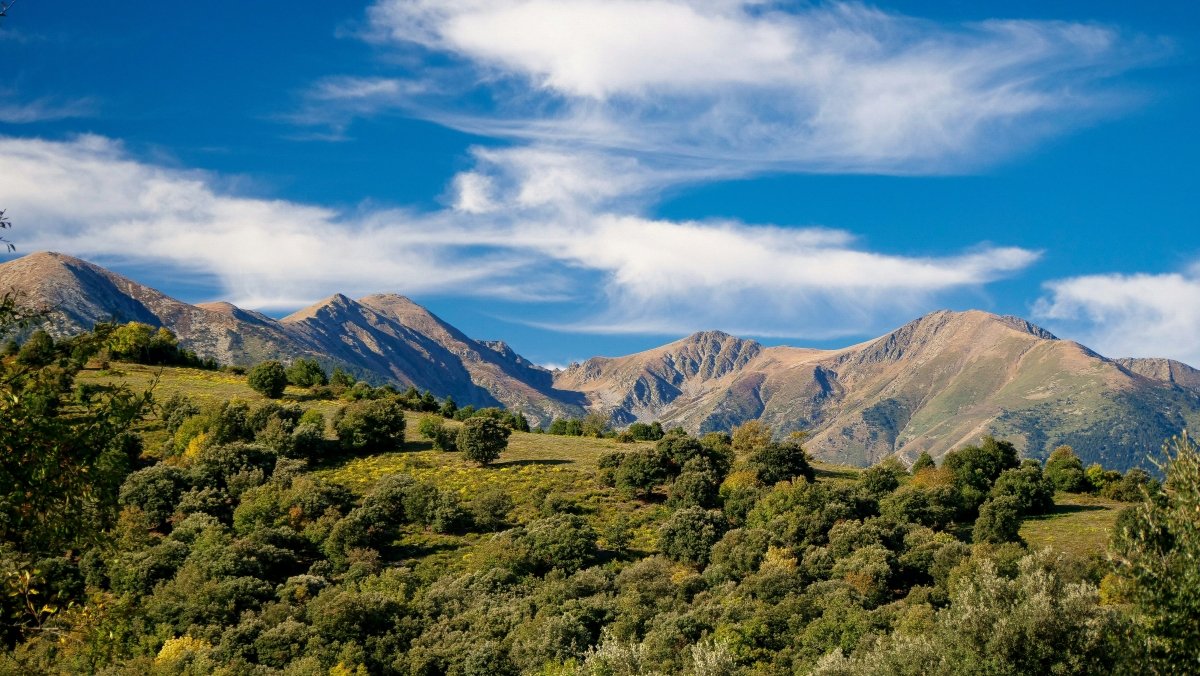
Let’s be honest—when most people think French mountains, they think Alps. But here’s what they’re missing: the Pyrenees offer everything the Alps do (dramatic peaks, excellent skiing, adorable villages) without the tourist hordes and inflated prices. Stretching 430 kilometers along the Spanish border from the Atlantic Ocean to the Mediterranean Sea, this mountain range is where authentic French mountain culture still thrives.
You’ll find yourself in landscapes that shift from lush Basque valleys to snow-capped peaks to sun-soaked Catalan foothills, often within a single day’s drive. Whether you’re into hardcore mountaineering, gentle family hikes, thermal spa sessions, or discovering medieval villages that time forgot, the Pyrenees deliver—and they won’t completely drain your travel budget doing it.
Essential Highlights at a Glance
Natural Wonders: Cirque de Gavarnie (UNESCO-listed natural amphitheater), Pic du Midi observatory (panoramic mountain views), Pont d’Espagne waterfalls, and countless pristine alpine lakes
Adventure Central: 400+ kilometers of hiking trails including the legendary GR10, world-class skiing across 38 resorts, rafting, canyoning, and paragliding
Cultural Gems: Basque traditions in the west, Catalan heritage in the east, medieval pilgrimage routes, prehistoric cave art, and mountain villages where locals still speak regional languages
Unexpected Perks: Natural hot springs, Europe’s highest observatory you can actually visit, wild brown bears (from a safe distance!), and cheese so good you’ll want to pack extra luggage space
The 10 Most Popular Attractions
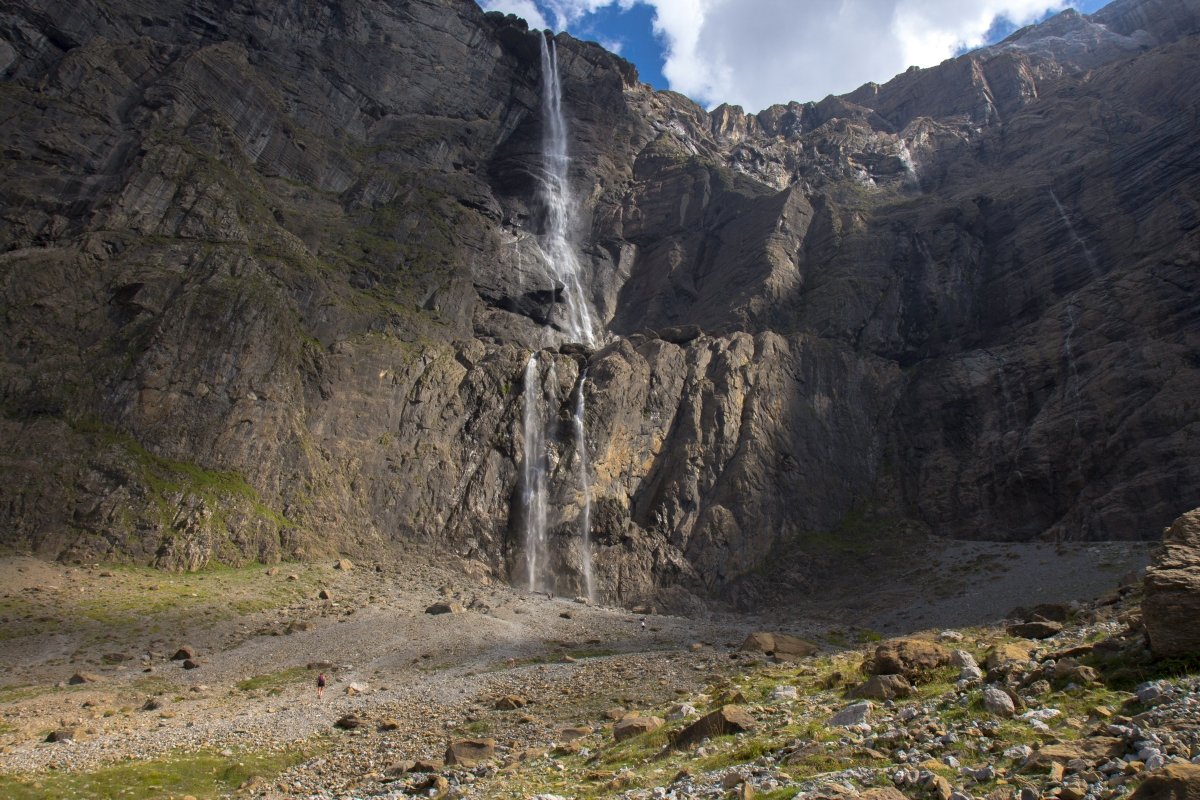
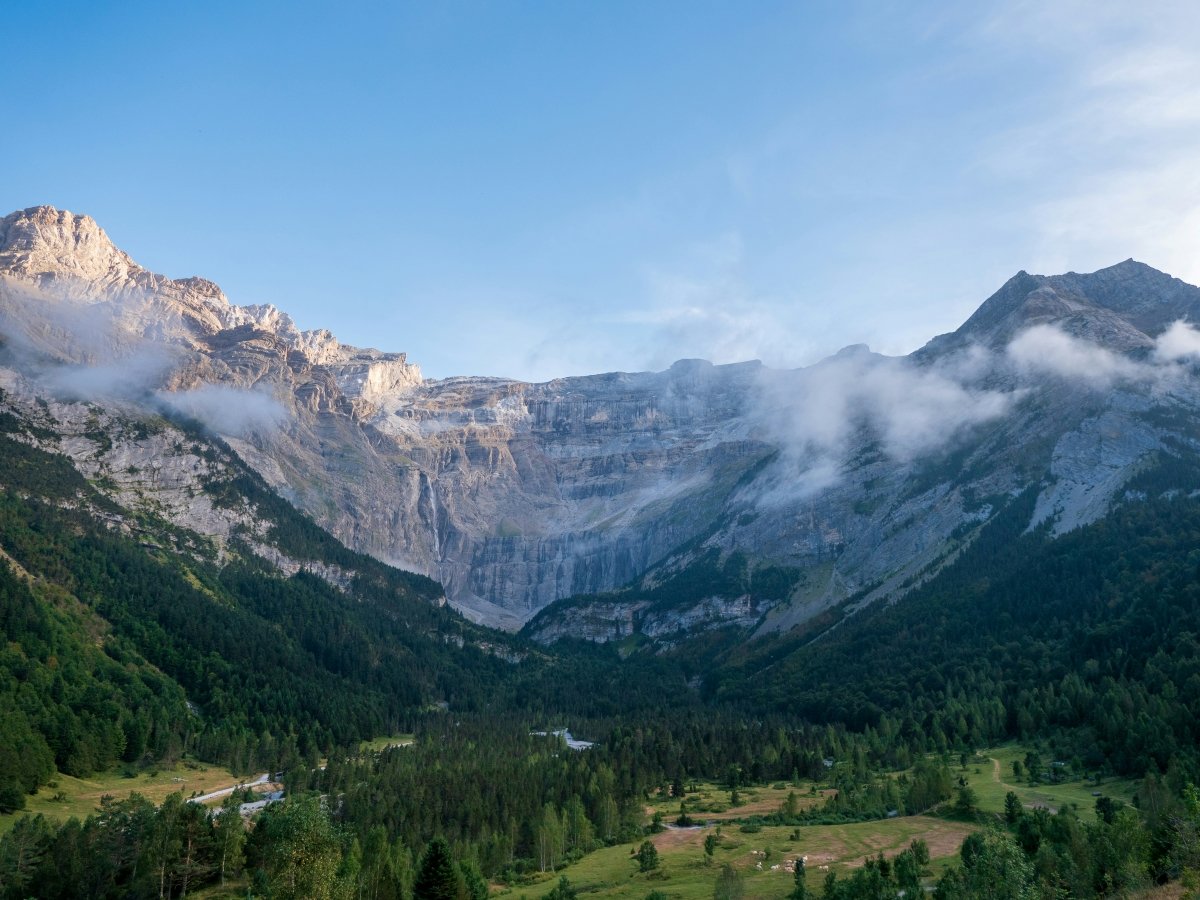
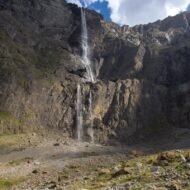
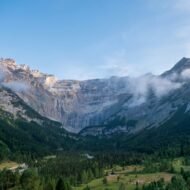
1. Cirque de Gavarnie This horseshoe-shaped rock formation stands 1,400 meters tall with Europe’s highest waterfall (422 meters) cascading down its face. The 3-hour round-trip hike is manageable for most fitness levels. UNESCO World Heritage status means it’s well-maintained but can get busy in summer—go early or late in the day.
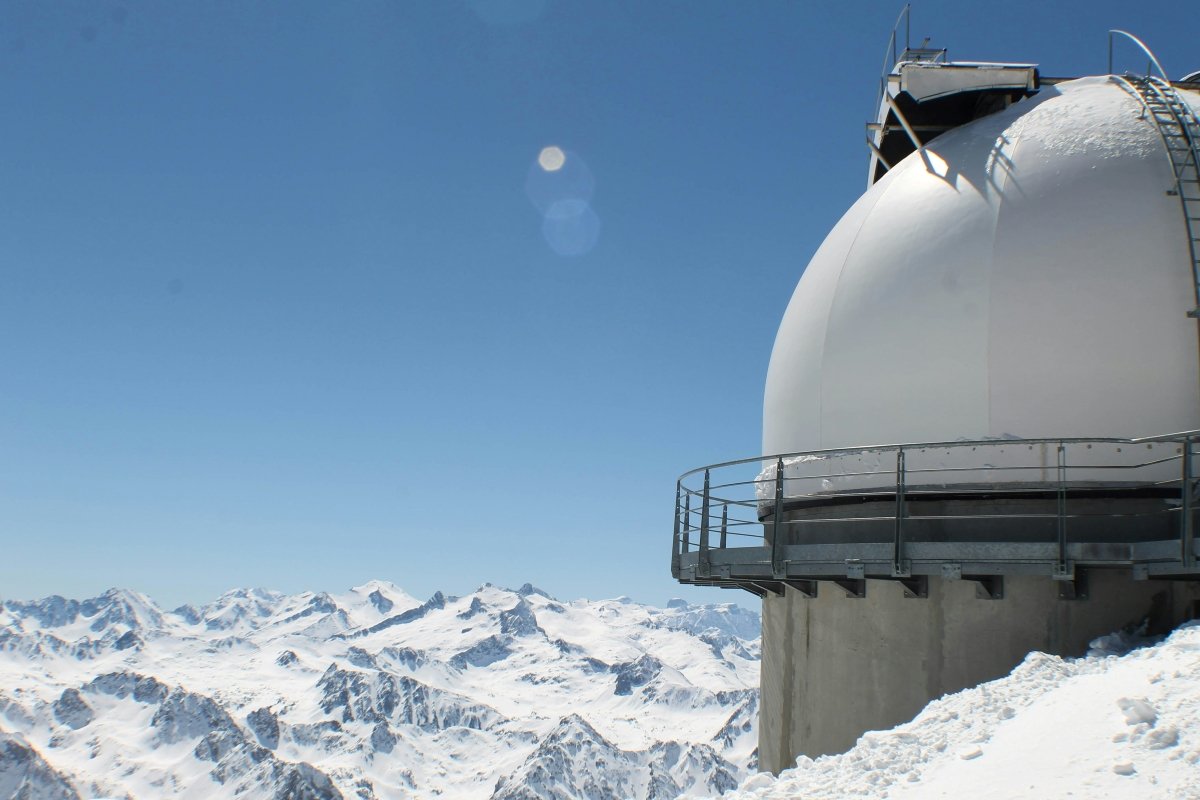
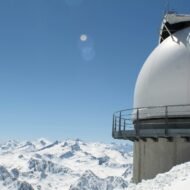
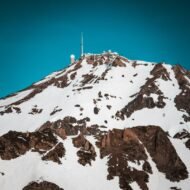
2. Pic du Midi de Bigorre Take a cable car to 2,877 meters where astronomers have been studying the cosmos since 1878. The 360-degree views are absolutely bonkers—you can see 300 kilometers on clear days. Book the sunset visit or (even better) stay overnight in the observatory hotel. Worth every euro.
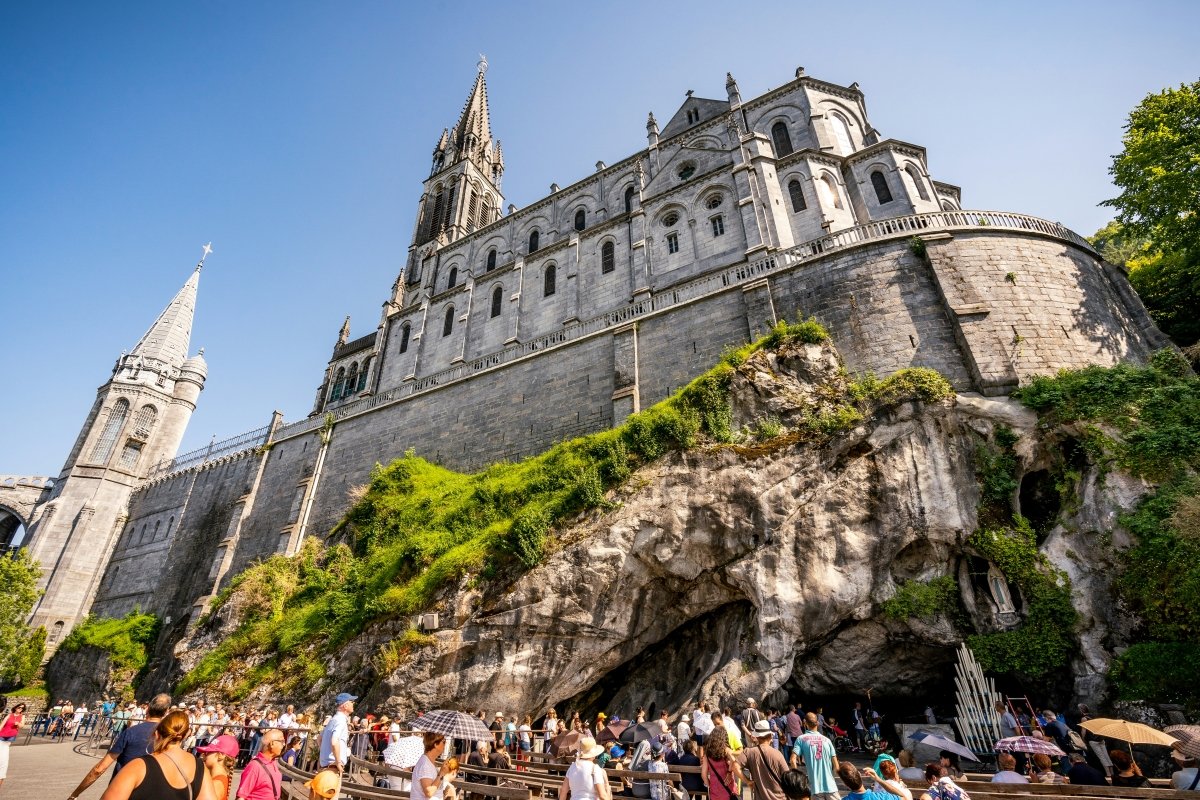
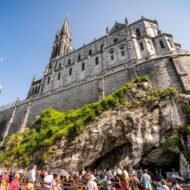
3. Lourdes Love it or find it overwhelming, this pilgrimage site draws 6 million visitors annually. The story of Bernadette’s visions and the supposed healing waters make this a significant spiritual destination. Even if you’re not religious, the evening torchlight processions and the mountain backdrop are genuinely moving.
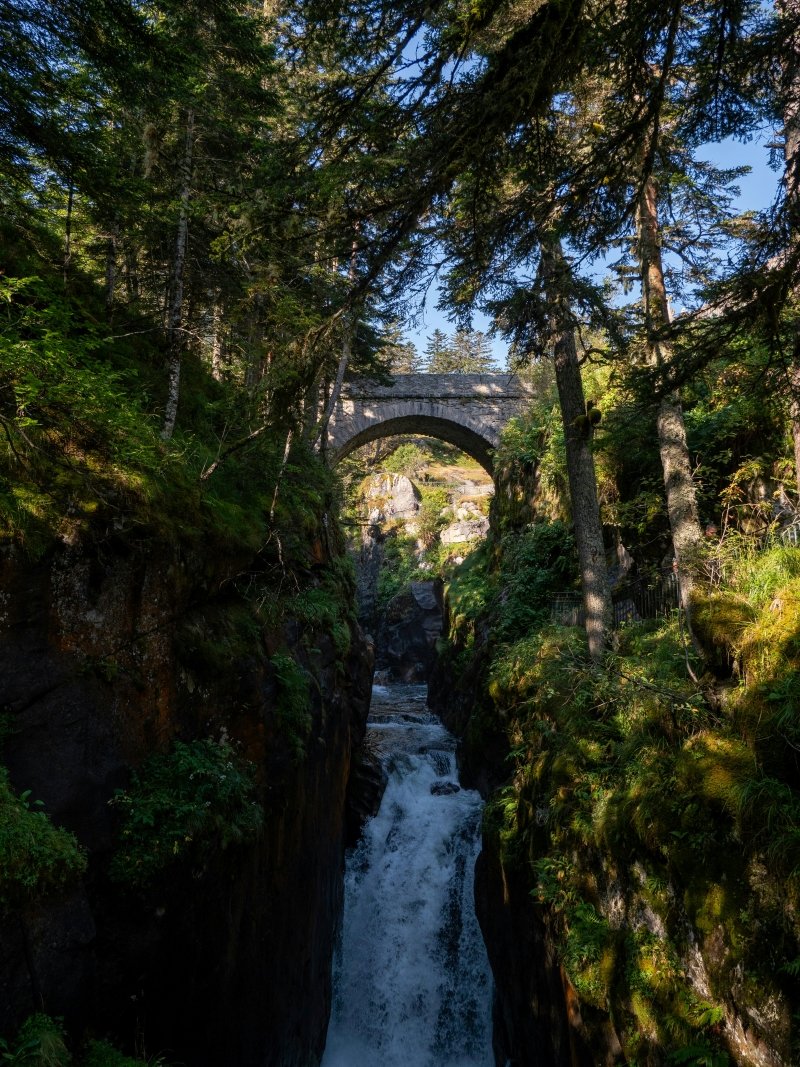
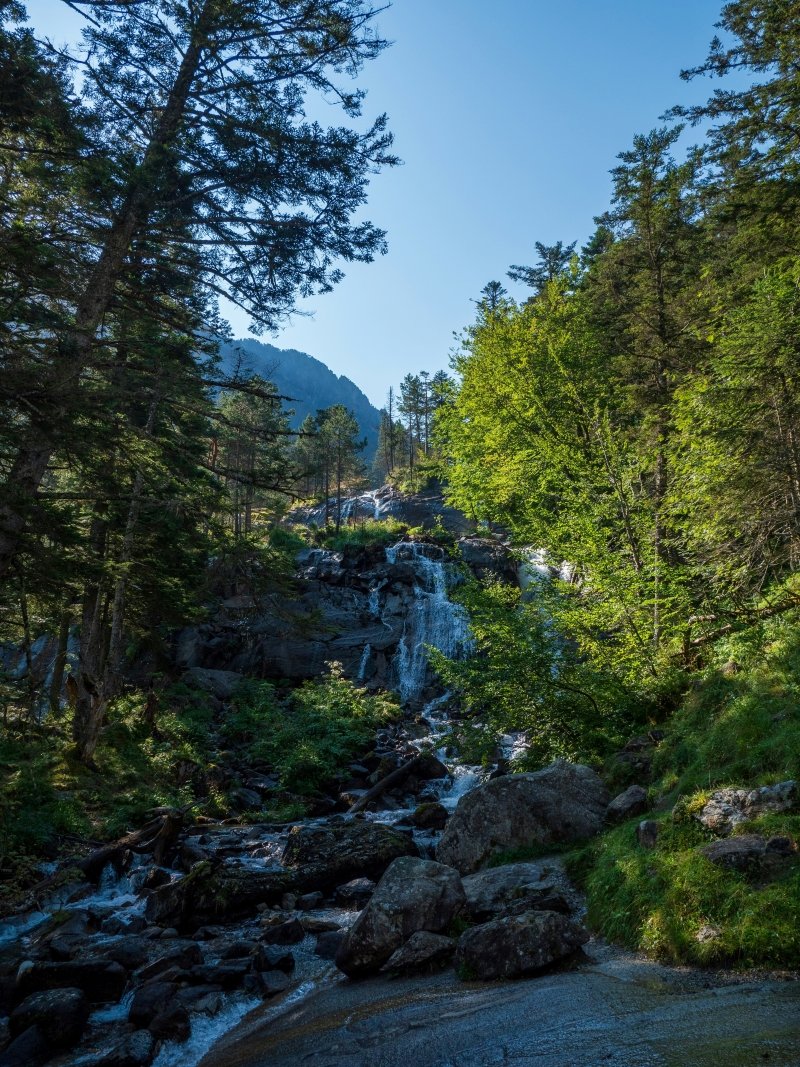
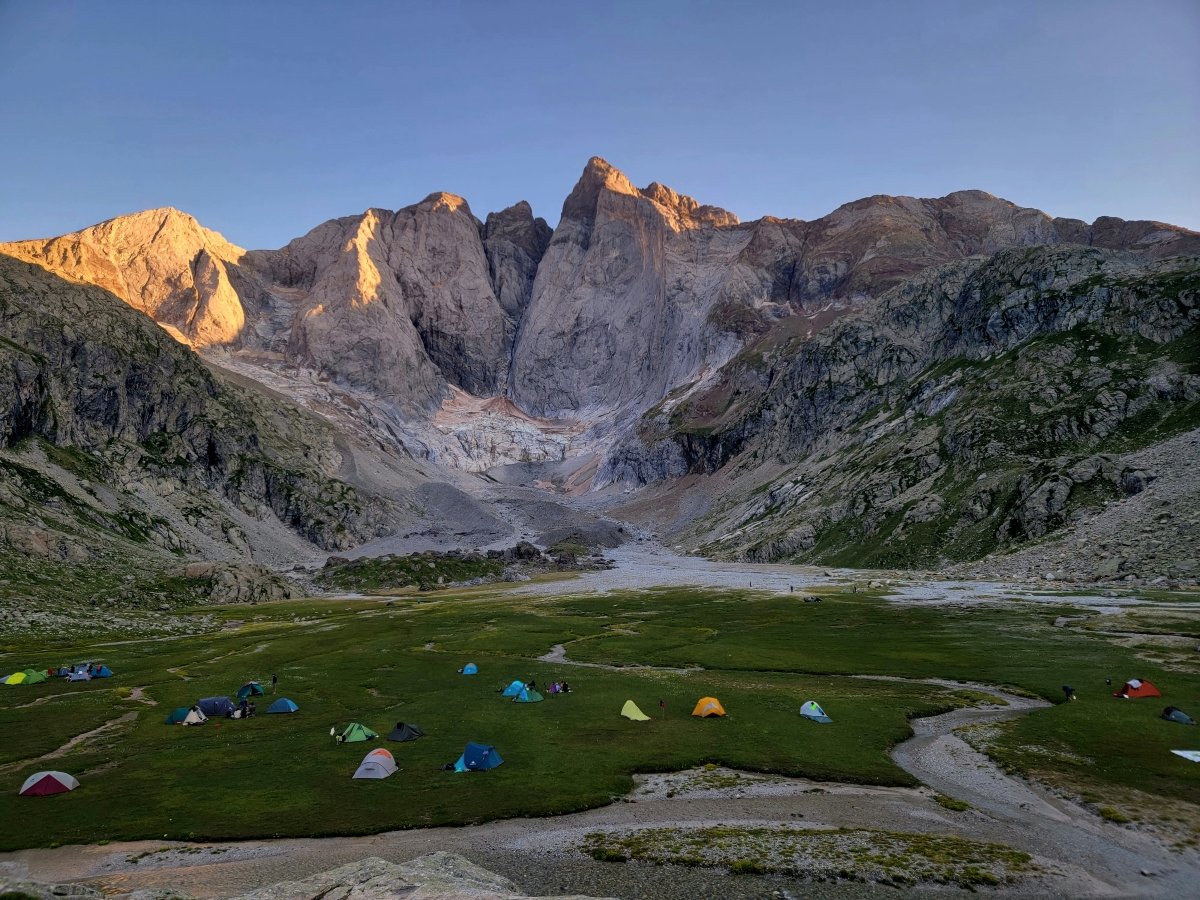
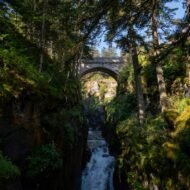
4. Pont d’Espagne and Lac de Gaube Just outside Cauterets, this beautiful bridge leads to a stunning glacial lake with Vignemale peak reflected in its waters. You can hike (1.5 hours up) or take a chairlift partway. The area has multiple hiking options from easy walks to serious mountain routes.
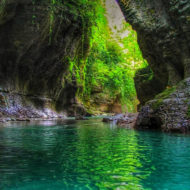
5. Gorges de Kakuetta A 2-kilometer canyon walk through 200-meter-high walls with a spectacular waterfall at the end. The narrow gorge stays cool even in summer—bring a jacket. Only open May through October. The Basque countryside around here is gorgeous for driving.
6. Niaux Cave (Grotte de Niaux) Some of Europe’s best-preserved prehistoric cave paintings, dating back 14,000 years. Unlike Lascaux, this is the real deal—you’re actually in the original cave. Book tours weeks ahead (limited daily visitors to protect the art). Bring warm clothes; it’s 12°C inside year-round.
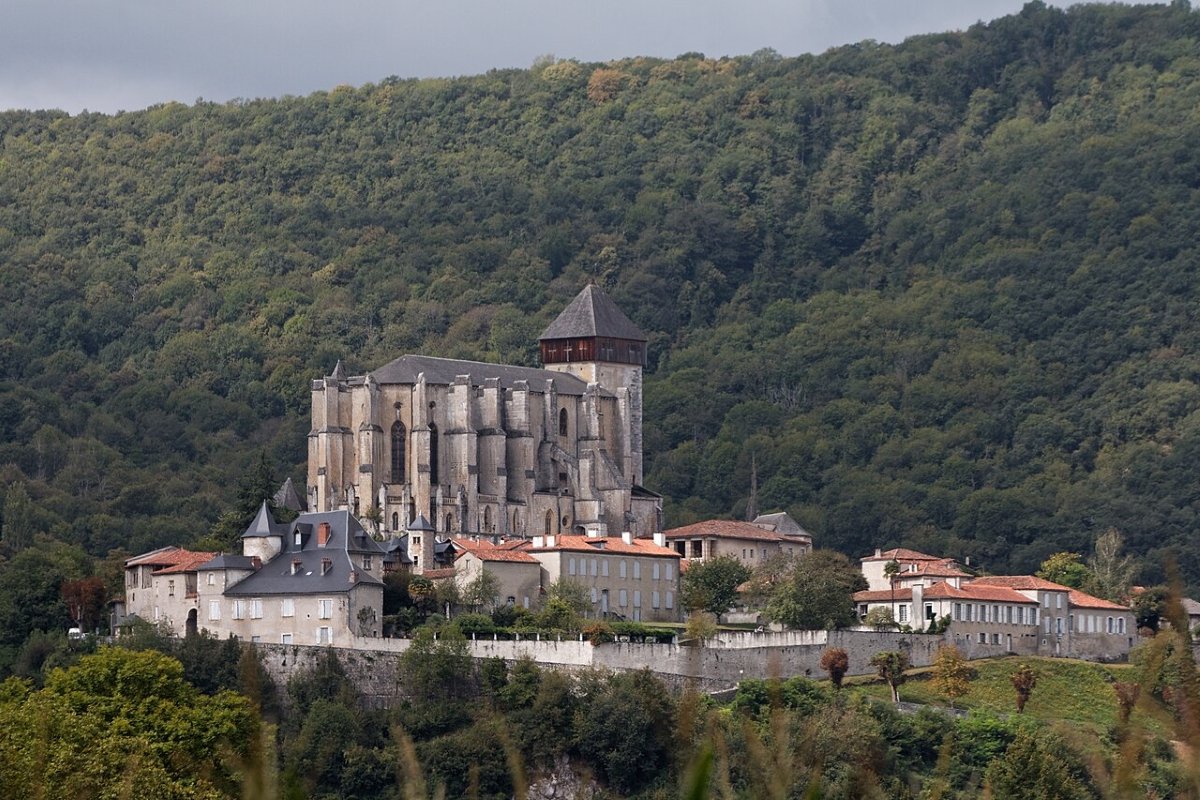
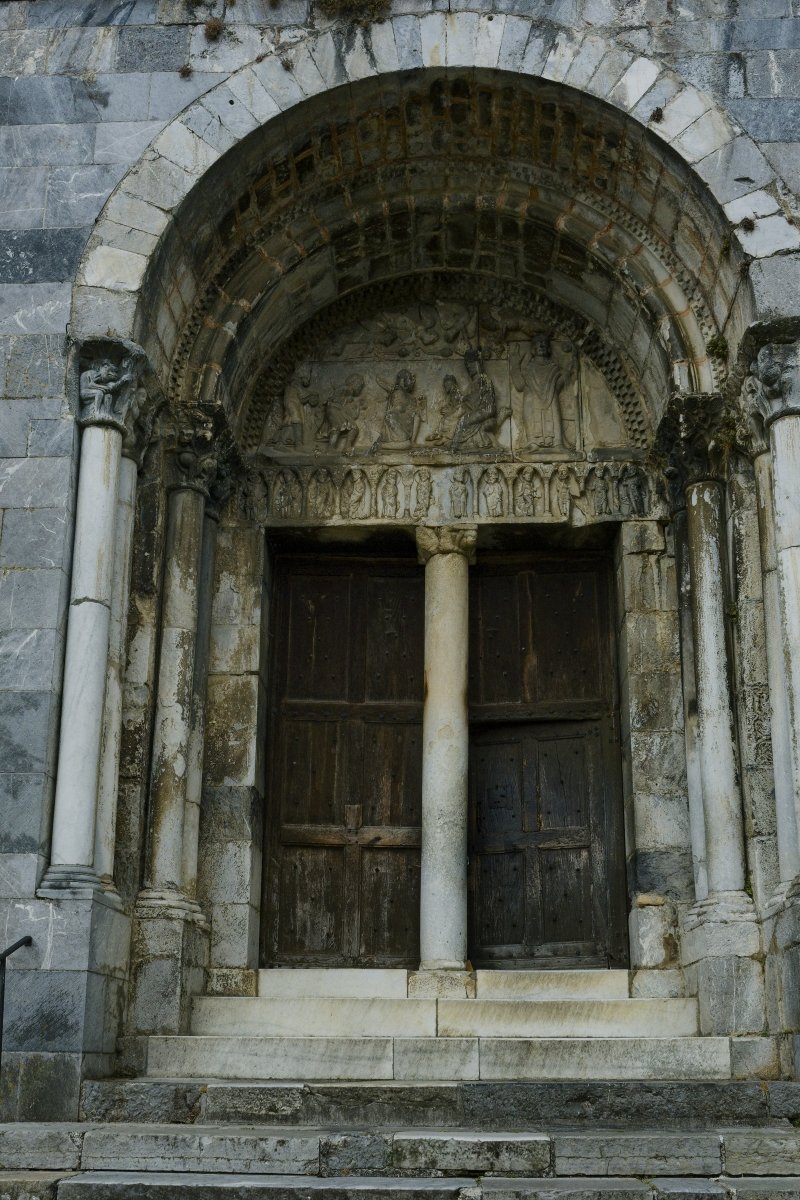
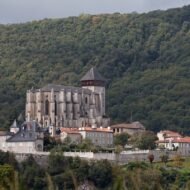
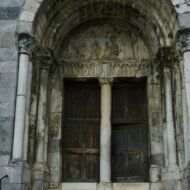
7. Saint-Bertrand-de-Comminges A ridiculously photogenic medieval village crowned with a stunning cathedral. The views across the valleys are spectacular, and you can explore Roman ruins at the base. Far fewer tourists than similar villages in Provence, which means you can actually enjoy it.
8. Col du Tourmalet The most famous mountain pass in the Tour de France. Cycling enthusiasts make the pilgrimage, but even if you’re driving, the scenery is incredible. The road reaches 2,115 meters—Europe’s highest paved mountain pass. Stop at the monument to Tour riders at the summit.
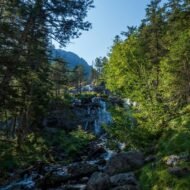
9. Lac d’Oô and Cascade d’Enfer A turquoise alpine lake fed by the “Waterfall of Hell”—much more impressive than the name suggests. The 2-hour hike up rewards you with mountain scenery that feels utterly remote. Continue to Lac d’Espingo if you want more adventure.
10. Little Yellow Train (Train Jaune) This engineering marvel winds 63 kilometers through the eastern Pyrenees from Villefranche-de-Conflent to Latour-de-Carol. Open-air carriages in summer let you soak up the mountain air. It’s touristy, sure, but also genuinely spectacular and a great option for those who can’t hike.
Hidden Gems: Off the Beaten Path
Vallée d’Aspe: While everyone flocks to the Vallée d’Ossau, this western valley offers equally stunning scenery with a fraction of the visitors. The Col du Somport connects to Spain, and the hiking here is phenomenal.
Grotte de la Vache: Niaux’s less-famous sister cave. Guided tours through impressive stalactite formations, and you can actually touch things here (unlike at Niaux).
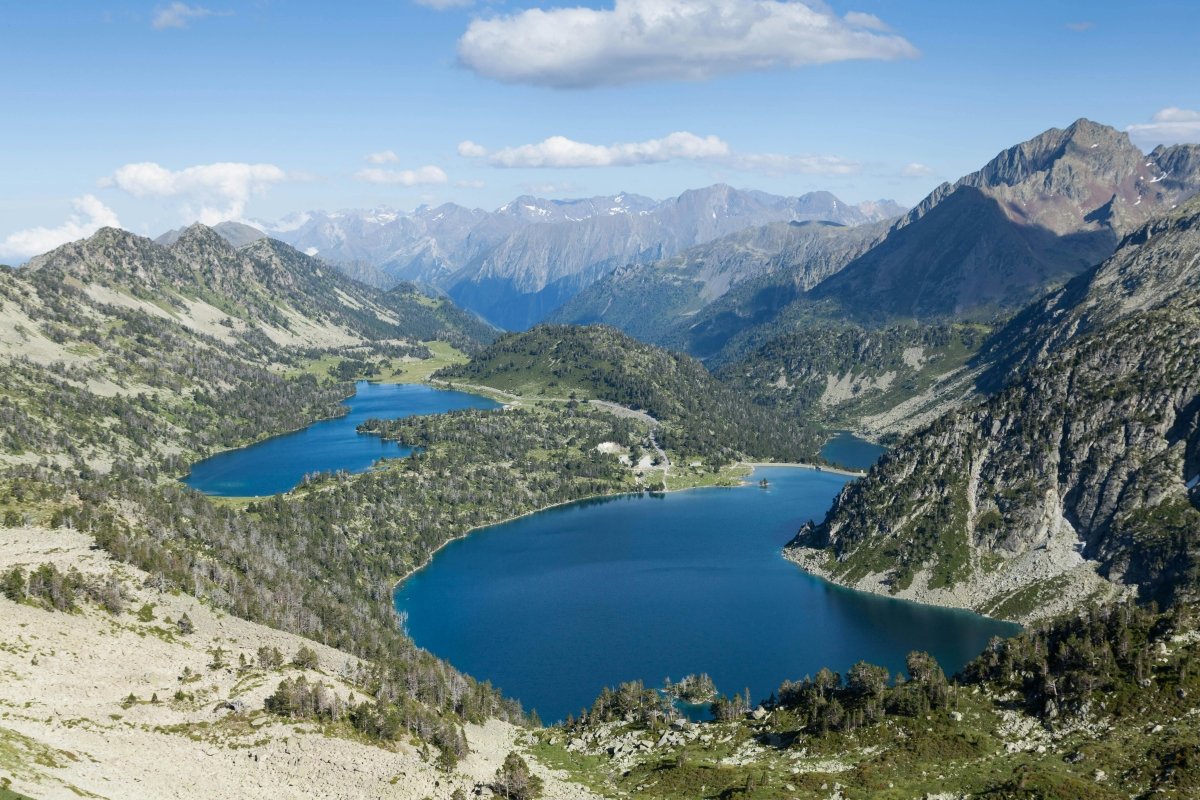
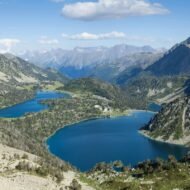
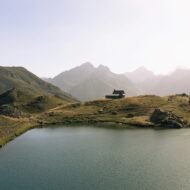
Réserve Naturelle de Néouvielle: A protected area with over 70 alpine lakes. The hiking trails take you past crystal-clear mountain tarns without the crowds you’d find around Gavarnie. Bring fishing gear if you’re into that.
Vallée du Louron: Tiny valley with excellent hiking and the charming villages of Loudenvielle and Génos with their thermal baths. The lack of major ski resorts means summer tourism is way more chill.
Chapel of Saint-Michel de Brasparts: Not technically in the Pyrenees proper, but if you’re in the eastern section near Fontpédrouse, this remote chapel has stunning views and barely anyone visits.
Orgeix: Microscopic village near Ax-les-Thermes where you can still see traditional Catalan architecture and practically have mountain trails to yourself.
Major Towns and Villages Worth Your Time
Pau: The elegant gateway city with royal connections—Henry IV was born here. The boulevard des Pyrénées offers killer mountain views. Good base for accessing the western Pyrenees with proper city amenities.
Luchon (Bagnères-de-Luchon): Once the playground of French aristocracy, this spa town maintains its Belle Époque charm. Excellent central base for exploring, with natural hot springs and good restaurants.
Cauterets: Charming Belle Époque spa town that’s managed to avoid becoming too touristy. Great access to Pont d’Espagne and the Cirque du Lys ski area. The thermal baths here are perfect after a day’s hiking.
Saint-Lary-Soulan: Purpose-built ski resort that actually has character, unlike some Alpine equivalents. The old village is lovely, and the position is perfect for accessing multiple valleys.
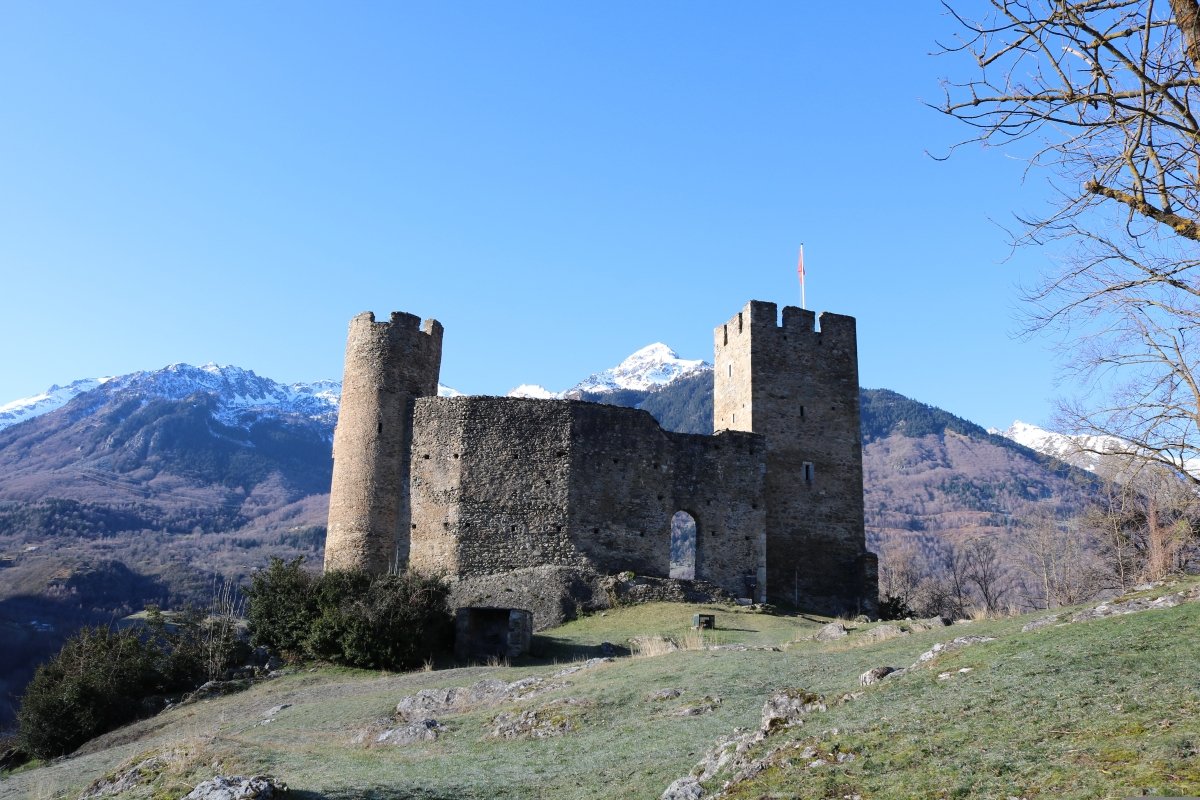
Foix: Medieval town dominated by its three-towered castle. Excellent base for exploring the Ariège region and the painted caves. Has actual local life beyond tourism.
Ax-les-Thermes: Relaxed spa town in the eastern Pyrenees with public hot springs you can use for free (seriously—right in the town center). Less polished than Cauterets but more authentic.
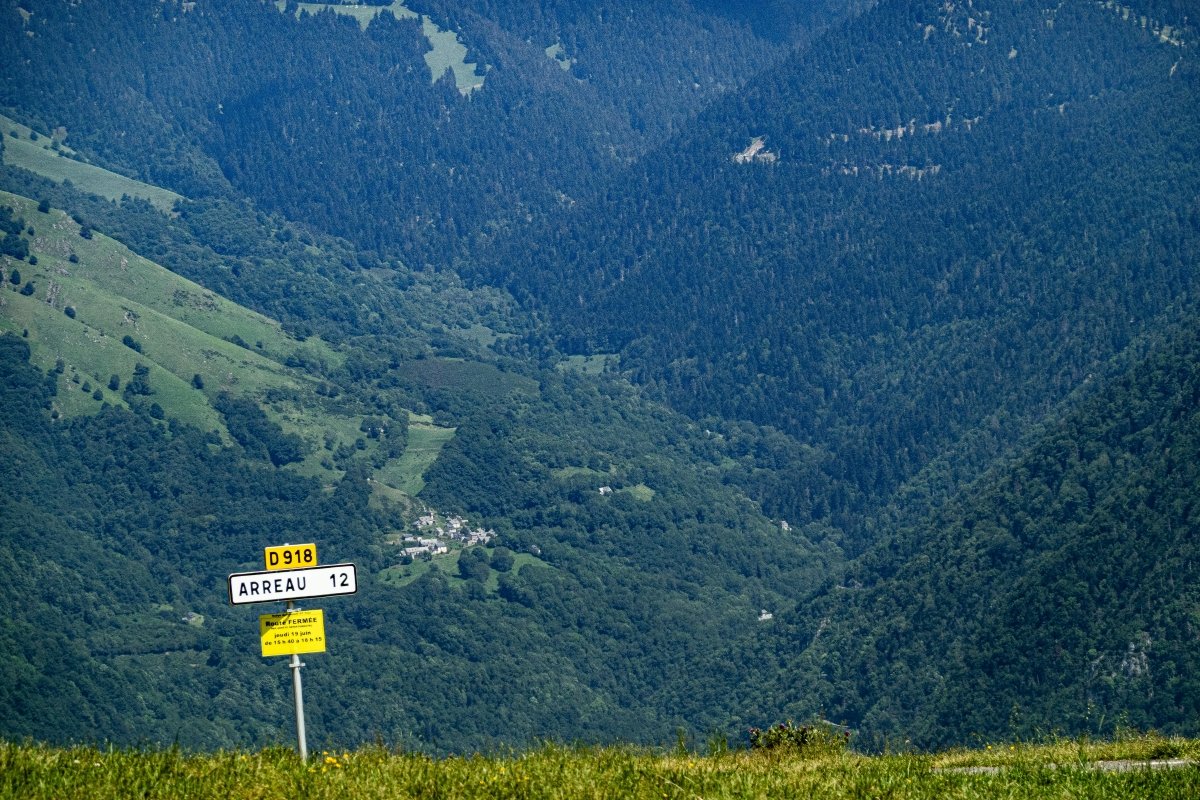
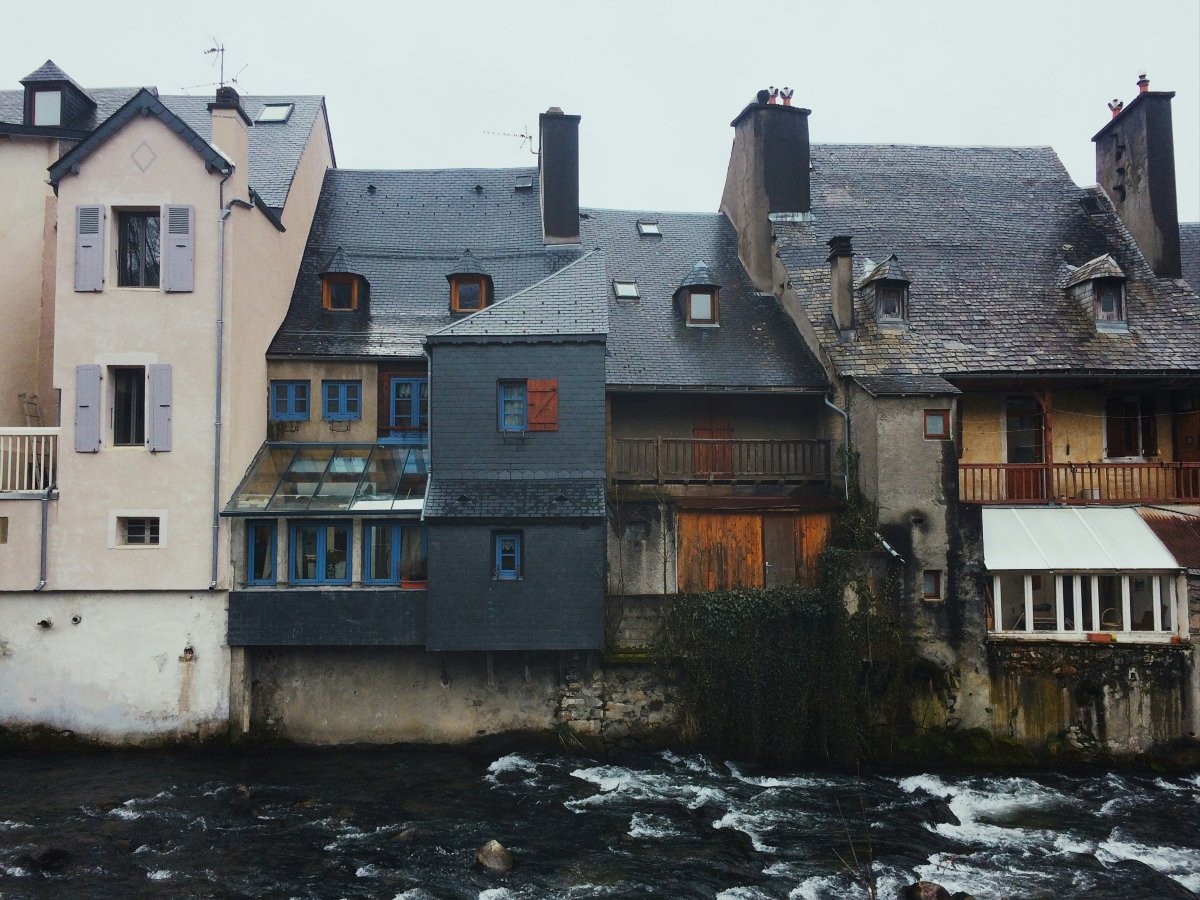
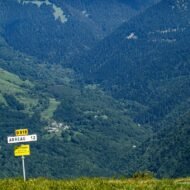
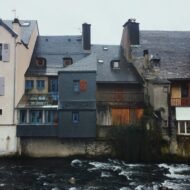
Arreau: Absolutely gorgeous small town where two valleys meet. Classic Pyrenean architecture, great restaurants, and surrounded by hiking trails. Perfect photo-op material.
Sare: One of “Les Plus Beaux Villages de France” (officially beautiful villages) in Basque country. White-walled houses with red or green shutters, pelota courts, and stunning countryside. Visit the nearby Rhune mountain by vintage cog railway.
Ainhoa: Another official “beautiful village” with a single main street of perfect Basque houses. The whole village is a protected historic monument. Gets busy but worth it.
Saint-Jean-Pied-de-Port: Starting point for pilgrims walking the Camino de Santiago. The fortified old town is picture-perfect, with excellent Basque restaurants and shops.
Local Traditions and Cultural Aspects
The Pyrenees sit at a cultural crossroads where French, Basque, and Catalan identities intersect, creating traditions you won’t find anywhere else in France.
Basque Country (Western Pyrenees): The Basque people maintain a distinct cultural identity with their own language (Euskara), which predates all European languages and isn’t related to any other known tongue. You’ll see pelota (Basque handball) courts in every village—catch a game if you can. Traditional Basque choir singing and folk dancing happen at village festivals. The red or green shutters on white houses aren’t just cute; they represent family heritage and regional identity.
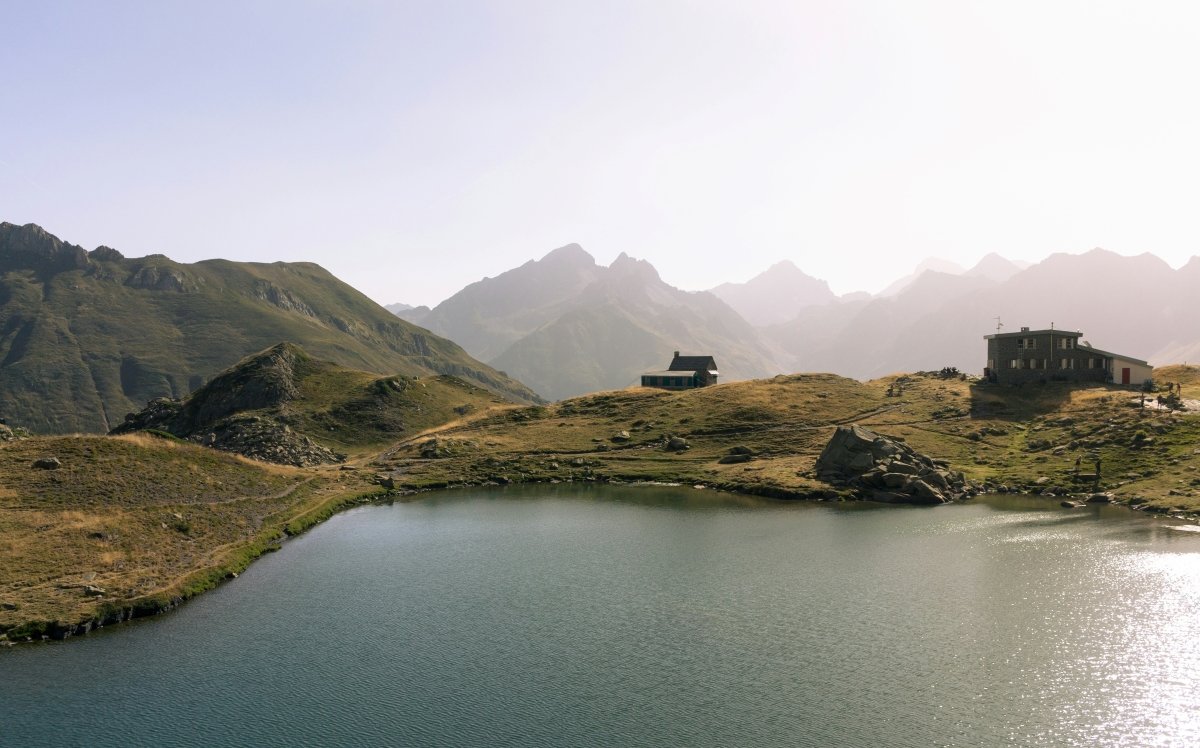
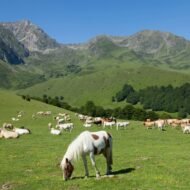
Gascon and Bigorre Traditions (Central Pyrenees): This area maintains strong pastoral traditions. You’ll still see shepherds moving flocks to high summer pastures. The shepherds’ huts (cabanes) dot the mountains, many centuries old. Local festivals often feature traditional Pyrenean dances and folk music with distinctive instruments like the bouha (bagpipes).
Catalan Culture (Eastern Pyrenees): The eastern section speaks its own Catalan dialect. Look for sardana dancing (circular folk dance) at festivals, and traditional crafts like espadrille-making. The Easter week processions are deeply rooted in Catalan Catholic traditions.
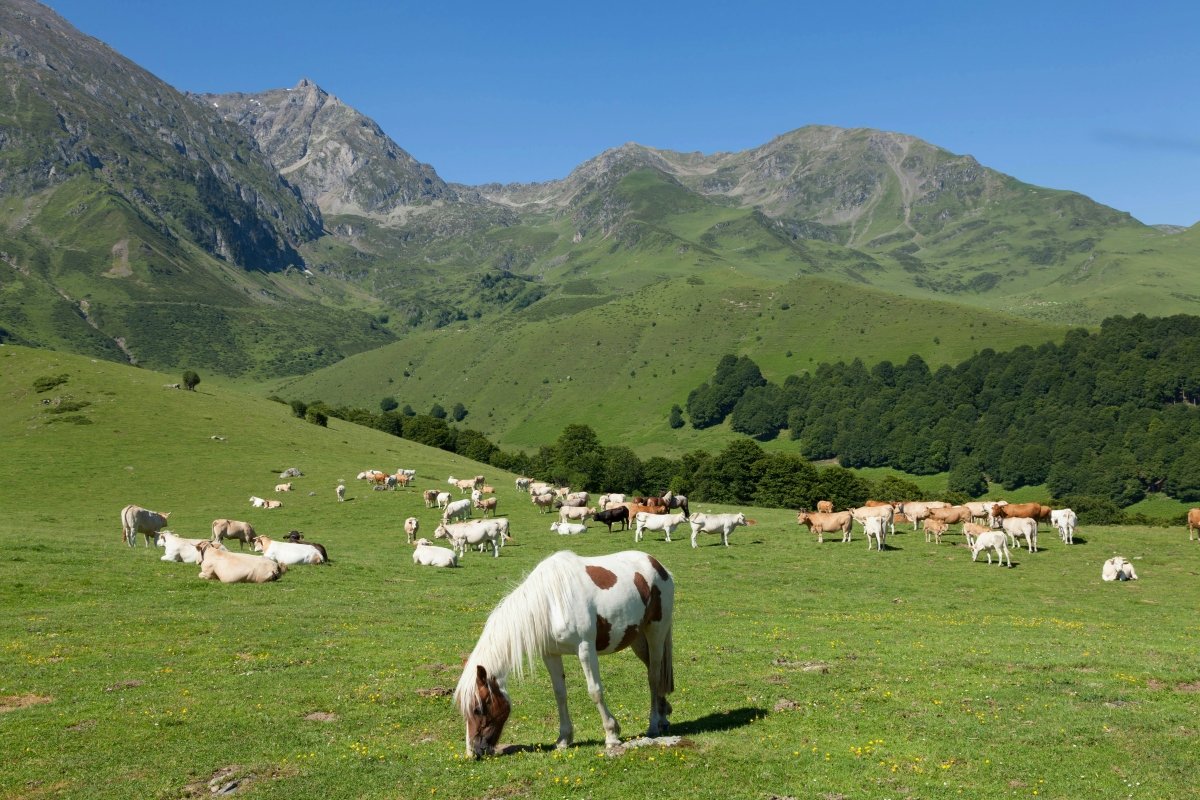
Mountain Transhumance: In June, you might witness the transhumance—the ceremonial movement of sheep and cattle to high mountain pastures. It’s a centuries-old tradition with decorated animals and traditional costumes. Some valleys organize festivals around it.
Shepherding Heritage: Pyrenean shepherds developed sophisticated cheese-making traditions during long summers in mountain pastures. Many valleys have their own cheese varieties with Protected Designation of Origin status.