


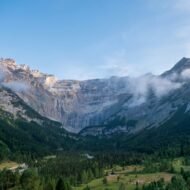
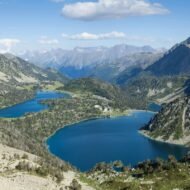
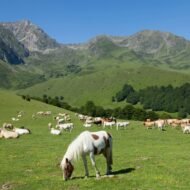
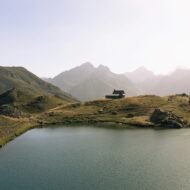
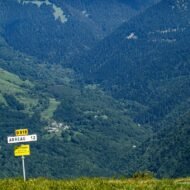
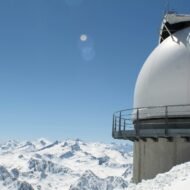
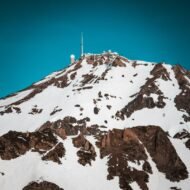
Skiing in the French Pyrenees
The Pyrenees offer 38 ski resorts ranging from family-friendly beginner hills to challenging expert terrain—all significantly cheaper than the Alps and way less crowded.
Season: December through March/April depending on altitude and snowfall. Best snow typically January-February.
Top Resorts:
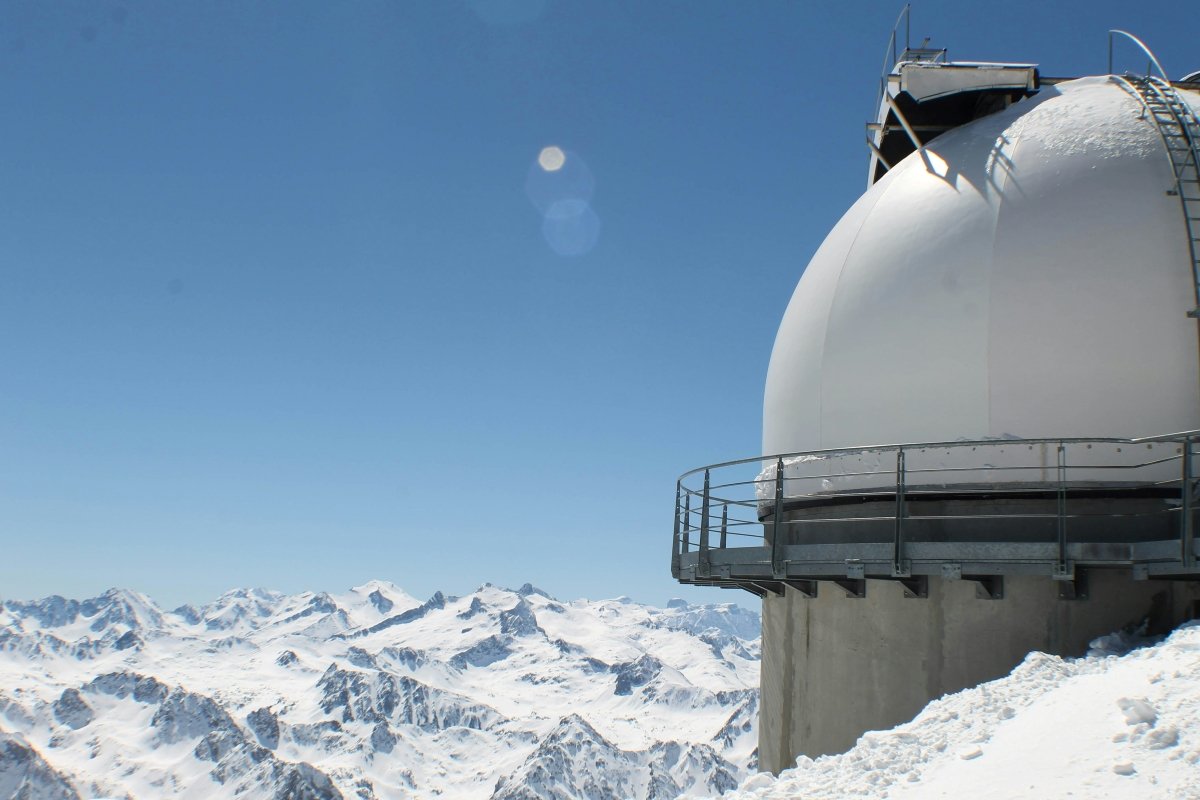
- Grand Tourmalet (La Mongie + Barèges): The biggest with 100 kilometers of runs and the highest lift in the Pyrenees (2,500m). Good mix of terrain, and you can ski past the Pic du Midi.
- Saint-Lary: Second-largest resort with 100 kilometers across multiple sectors. Great snow record, good tree skiing, and excellent for intermediates.
- Peyragudes: Modern resort with reliable snow and quiet runs. Good for families and intermediates who don’t need massive terrain.
- Ax 3 Domaines: Eastern Pyrenees’ biggest resort. Sunny, good views, and close to Andorra if you want to ski there too.
- Font-Romeu: The sunniest resort in France with 43 kilometers of runs. Less snow than western resorts but gorgeous in spring.
- Gourette: Compact but excellent resort in a stunning cirque. Great for families and intermediates. Very scenic.
- Cauterets (Cirque du Lys + Pont d’Espagne): Two ski areas accessed from this charming spa town. Not huge but good variety and beautiful setting.
Budget Tips: Pyrenees lift tickets run €30-45/day versus €60+ in the Alps. Accommodation and food also cost 30-40% less. Book apartments in valley towns and drive up (10-20 minutes) rather than staying at resort bases.
Cross-Country: The Pyrenees excel at Nordic skiing. Haute-Vallée de l’Aude, Plateau de Beille, and Cap de Puymorens offer extensive groomed trails through stunning scenery.
Hiking: 10 Must-Do Trails
The GR10 long-distance trail runs the entire length of the Pyrenees (coast to coast), but these day hikes showcase the range’s diversity:
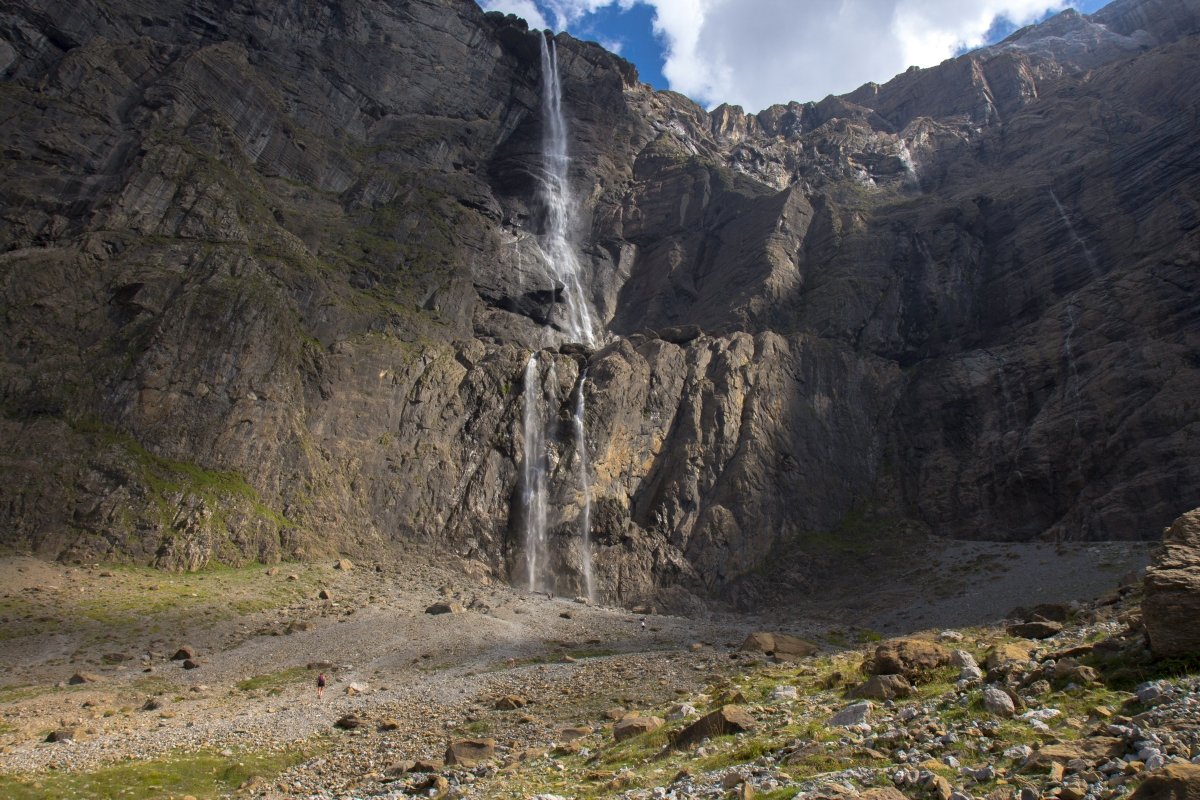
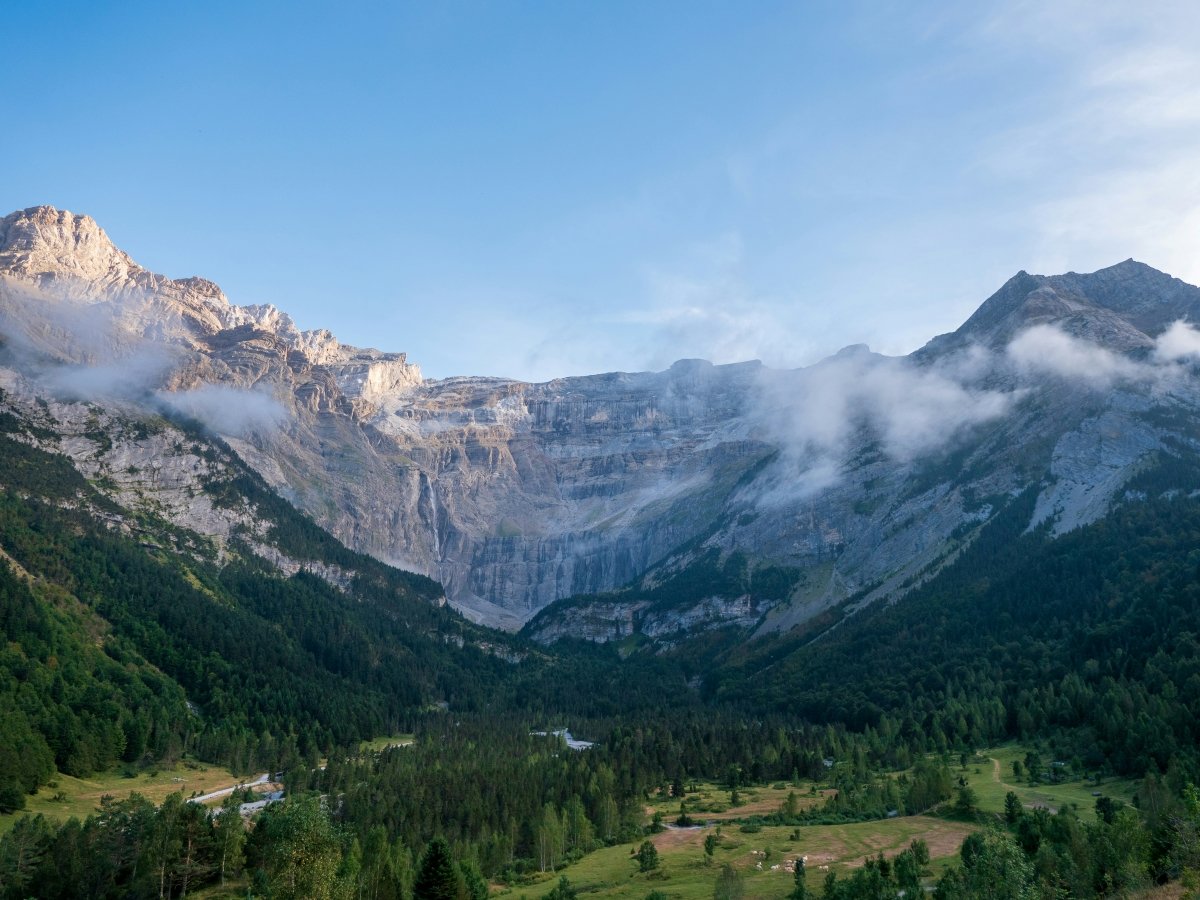
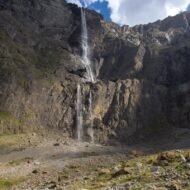
1. Cirque de Gavarnie Trail (5km, 3 hours return, easy): The classic Pyrenees walk to the base of Europe’s highest waterfall. Well-maintained path suitable for families.
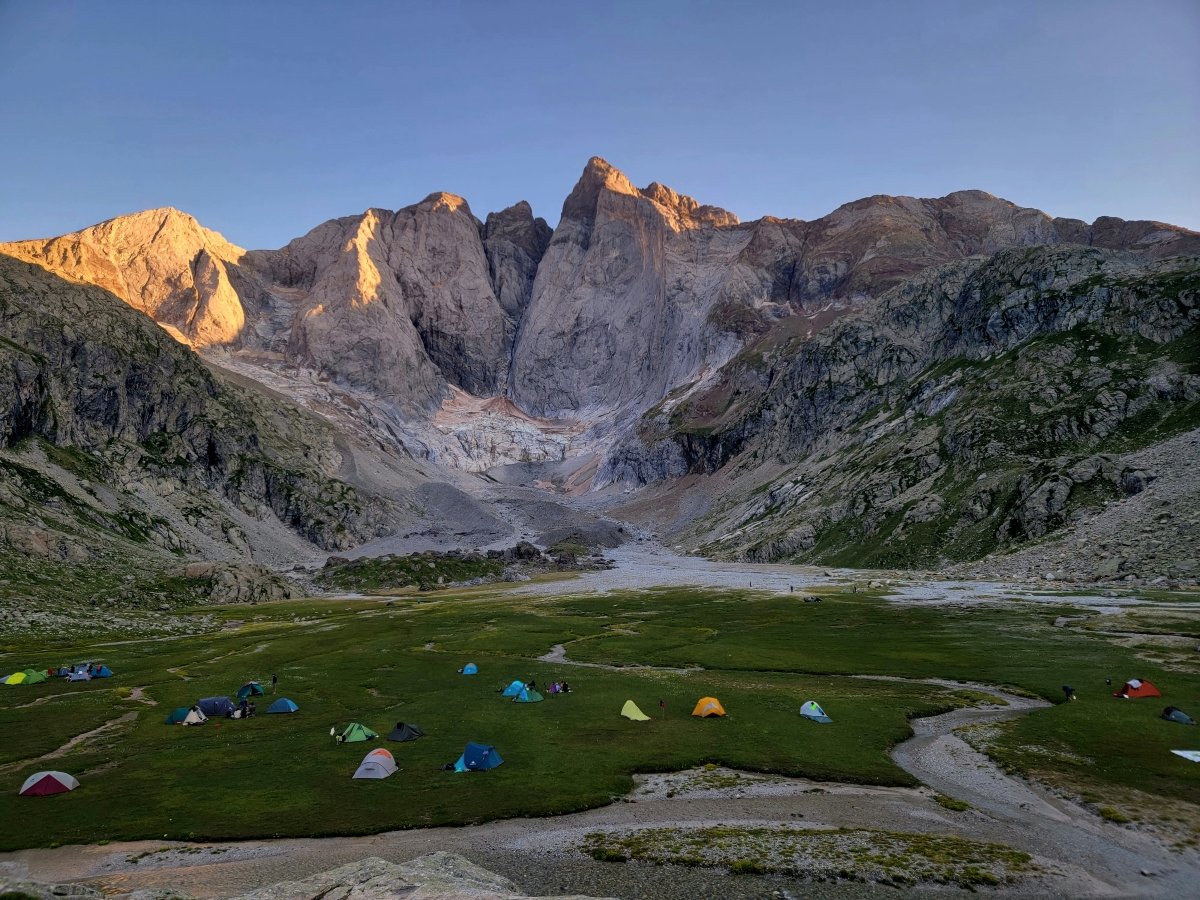
2. Vignemale via Oulettes de Gaube (20km, 10-12 hours, difficult): The Pyrenees’ third-highest peak (3,298m). Serious mountain route requiring glacier travel experience and equipment. Stunning but demanding.
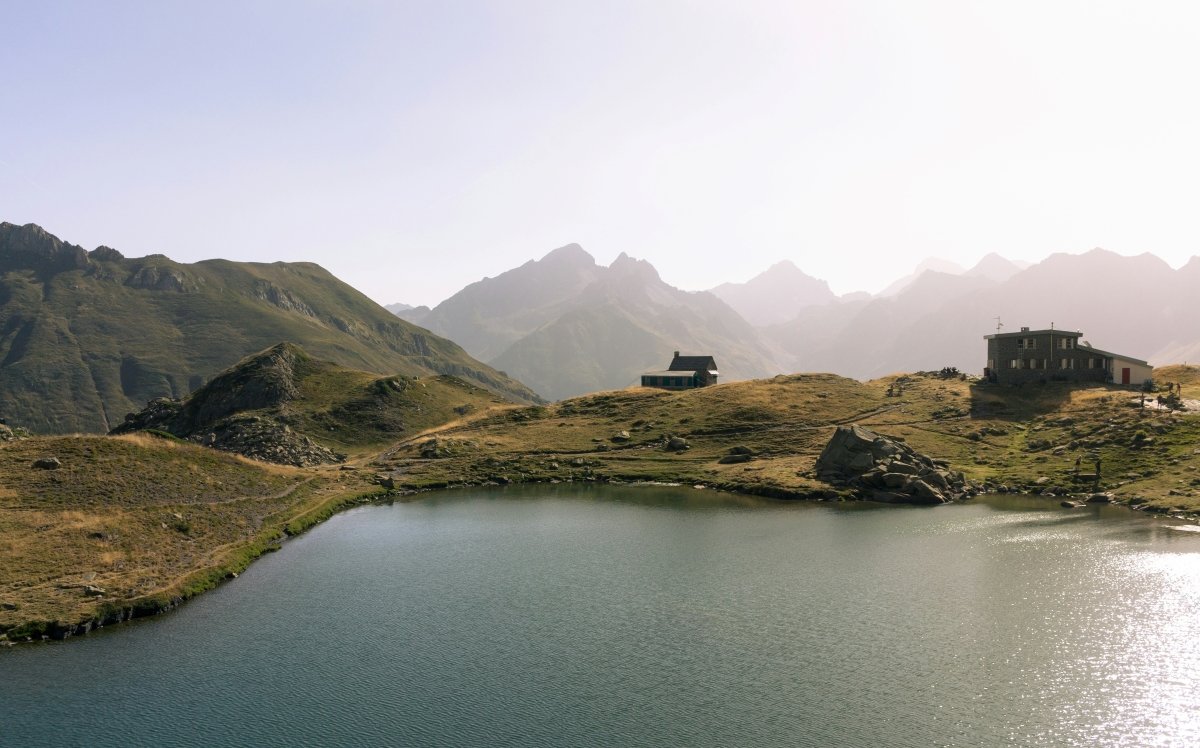
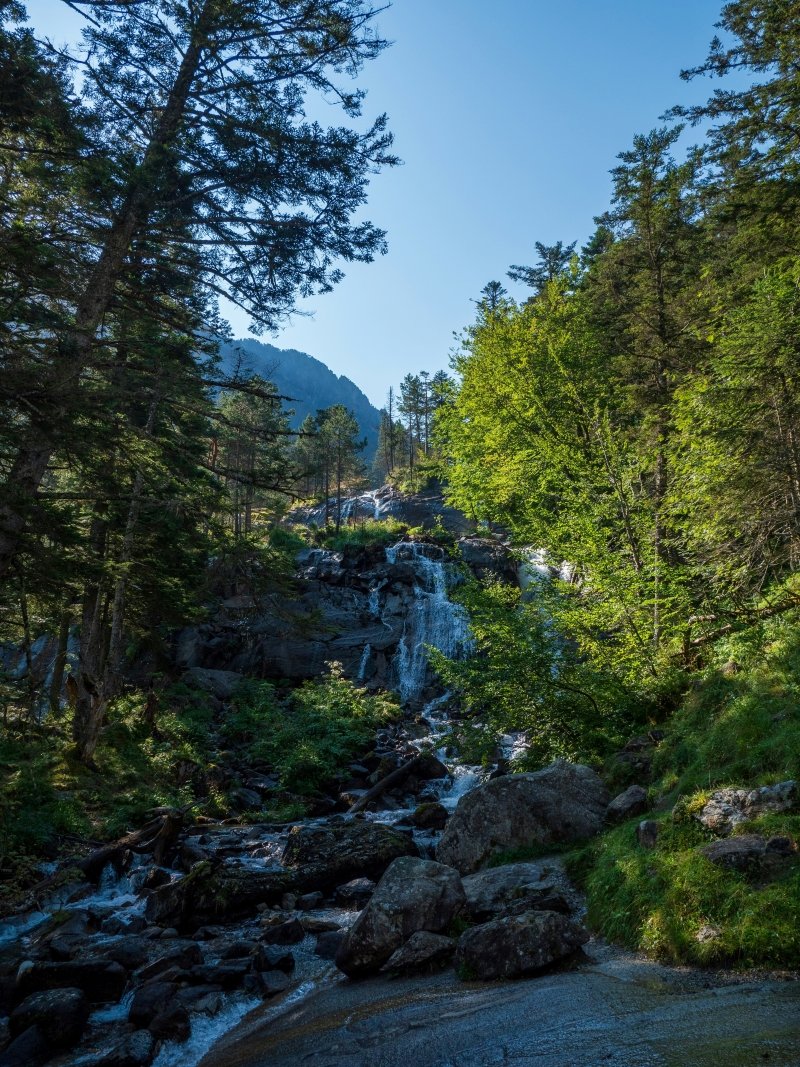
3. Lac de Gaube to Refuge des Oulettes (10km, 5 hours, moderate): Beautiful high-altitude hike past waterfalls and alpine scenery without Vignemale’s technical challenges.
4. Pic du Midi d’Ossau (12km, 6-7 hours, moderate-difficult): Iconic shark-fin peak visible throughout the western Pyrenees. The standard route requires scrambling but no climbing.
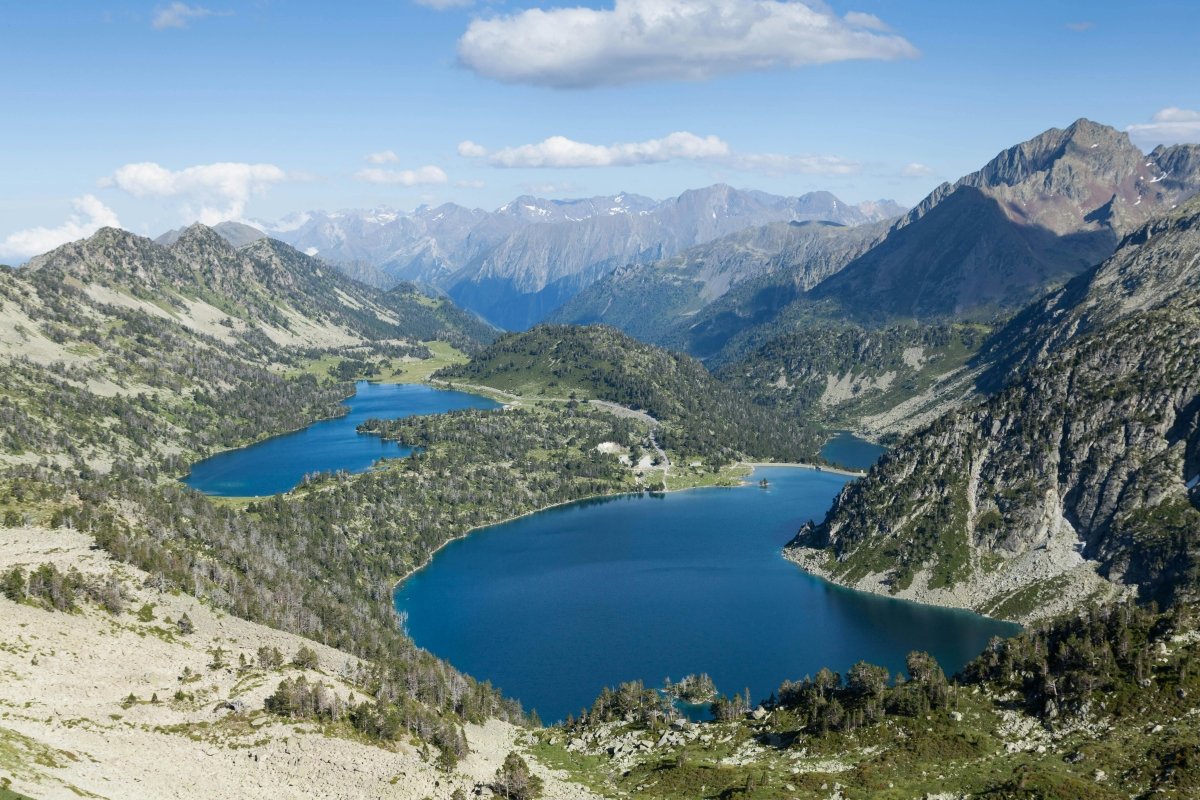
5. Lacs de Carnau Circuit (12km, 5-6 hours, moderate): Loop past multiple turquoise mountain lakes in the Néouvielle reserve. Absolutely gorgeous and relatively quiet.
6. Cirque de Troumouse (8km, 3-4 hours, easy-moderate): Europe’s largest glacial cirque. Drive to the high parking area and hike the rim for spectacular views.
7. Pic Carlit (14km, 6-7 hours, moderate): Eastern Pyrenees’ highest summit outside Andorra. Great views, less crowded than western peaks.
8. Hourquette d’Ossoue from Gavarnie (15km, 7-8 hours, difficult): Challenging route to a high pass with incredible views of both French and Spanish sides. Alternative route past Gavarnie.
9. Lac d’Estaing Circuit (10km, 4-5 hours, moderate): Beautiful mid-altitude hike through forests and past a pristine lake. Wildlife spotting opportunities.
10. GR10 Lescun to Lhers Section (12km, 5-6 hours, moderate): One of the most scenic day sections of the GR10 through the Vallée d’Aspe with dramatic peak views.
Safety Notes: Weather changes rapidly in mountains. Bring layers, rain gear, and check forecasts. Many huts require booking ahead in summer. Download offline maps—phone coverage is patchy. Bear spray isn’t necessary (attacks are virtually unknown) but make noise on trails and don’t surprise wildlife.
Water Activities
Rafting and Kayaking: The Gave rivers (Gave de Pau, Gave d’Oussouet) offer excellent whitewater from May through September when snow melts fill the rivers. Operators in Lourdes, Cauterets, and Laruns run half-day and full-day trips suitable for beginners and experienced paddlers.
Canyoning: Jumping, sliding, and rappelling through mountain gorges is huge in the Pyrenees. Popular spots include the Ossoue Canyon near Cauterets, Pont de l’Enfer near Bagnères-de-Luchon, and numerous canyons around Saint-Lary. Most require guides (€50-70/person).
Swimming Lakes: Natural lakes like Lac de Payolle, Lac d’Estaing, and Lac de Génos-Loudenvielle offer refreshing swimming with mountain views. The water is crisp (refreshing is putting it kindly), but beautiful on hot days.
Thermal Spas: Not technically water sports, but the Pyrenees’ natural hot springs feed spas throughout the region. Top options include Balnéa (Loudenvielle), Luzéa (Luz-Saint-Sauveur), Les Bains du Rocher (Cauterets), and the free public baths in Ax-les-Thermes.
Hydrospeed: For the slightly unhinged, this involves floating down whitewater rapids on a foam board. Operators in Laruns and other locations offer trips.
Family-Friendly Options
The Pyrenees are fantastic for families, with activities suitable for various ages and more space than crowded Alpine resorts.
Easy Wins:
- Animal Parks: Parc Animalier des Pyrénées (Argelès-Gazost) has bears, wolves, and lynx in semi-natural habitats. Kids love it.
- Little Yellow Train: The open-air carriages are exciting for children while parents enjoy the scenery.
- Pic du Midi Cable Car: Dramatic but easy access to high mountains without hiking. The restaurant does kids’ menus.
- Cave Visits: Grotte de Bétharram (underground river with boat ride) and Grottes de Médous (cave tour with sound and light) are both kid-friendly.
Active Families:
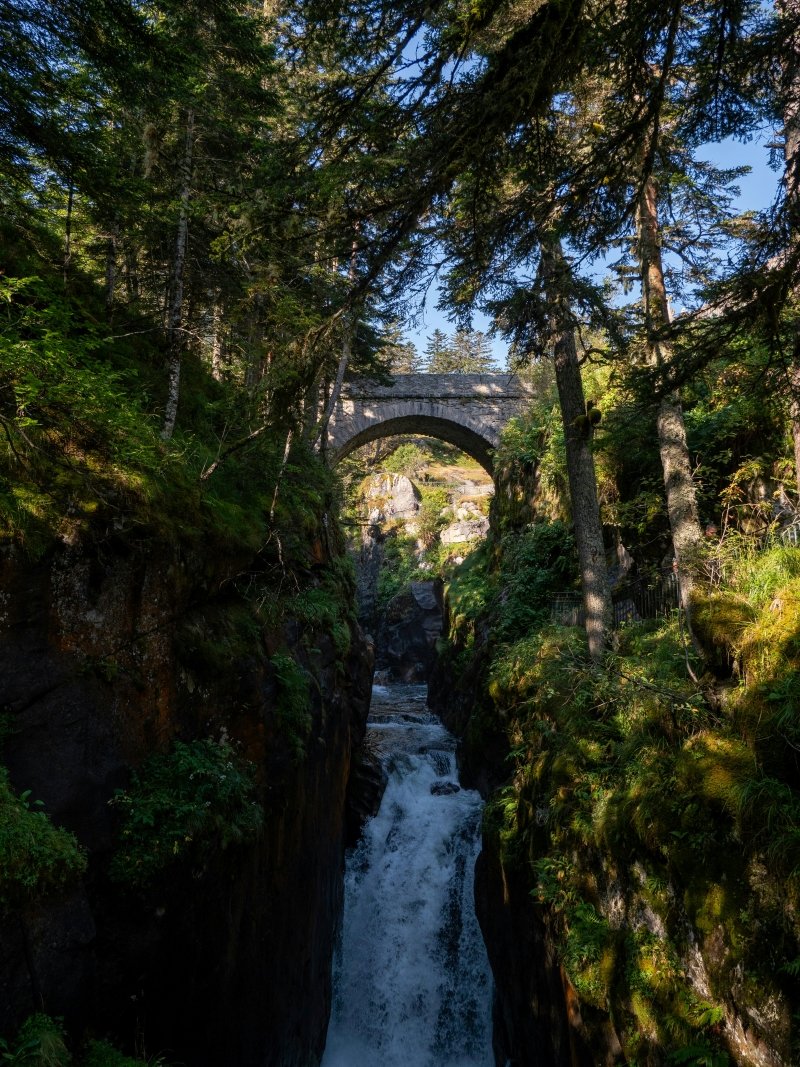
- Via Ferrata: Secured climbing routes suitable for children 8+ at Pont d’Espagne, Gavarnie, and elsewhere. Properly exciting but safe.
- Accrobranche (Tree Climbing Parks): Multiple locations offer high-rope courses through forests. Different difficulty levels for various ages.
- Easy Hikes: Trails around Lac de Gaube, Pont d’Espagne lower loop, and Cirque de Gavarnie work well with children who can walk a few hours.
Rainy Day Options:
- Aquarium de Biarritz: If you’re near the coast, one of France’s best.
- Château de Foix: Medieval castle with interactive exhibits about castle life.
- Aqualud (Saint-Cyprien): Water park for full-on fun when mountain weather doesn’t cooperate.
Family-Friendly Bases: Cauterets, Luchon, and Argelès-Gazost offer good accommodation options, activities within easy reach, and amenities (playgrounds, supermarkets, restaurants with kids’ menus).
Campervan Travel & Overland Routes
The Pyrenees are campervan paradise with excellent roads, stunning parking spots, and a camping culture that welcomes vans.
Best Overland Routes:
Route des Cols (Road of Passes): String together mountain passes like Col du Tourmalet, Col d’Aspin, Col de Peyresourde, and Col du Soulor. Each offers spectacular views and parking areas. Allow 2-3 days to do this properly.
Atlantic to Mediterranean Traverse: Follow the entire range from Hendaye to Collioure. Take 7-10 days minimum, stopping in valleys and villages along the way. The landscapes shift dramatically from lush and green to Mediterranean scrub.
Vallée d’Ossau Loop: Circuit through one of the most beautiful valleys via Laruns, Lac de Bious-Artigues, and Col du Pourtalet. Smaller roads but stunning and manageable in most campervans.
Ariège Circuit: Explore the eastern central Pyrenees through Foix, Tarascon-sur-Ariège, and Ax-les-Thermes. Great caves, cathar castles, and quieter roads.
Wild Camping Rules: France technically prohibits wild camping but tolerates respectful overnight parking. Follow these guidelines:
- Arrive late, leave early
- Don’t extend awnings/set up camp furniture
- No grey water discharge (use proper facilities)
- Many towns have designated “aire de camping-car” (camper parking) for €5-10/night with services
- Popular spots get monitored—rangers may move you on
Recommended Aires:
- Cauterets: Dedicated aire near town center with facilities
- Gavarnie: Official parking allows overnight stays
- Luz-Saint-Sauveur: Good aire with views
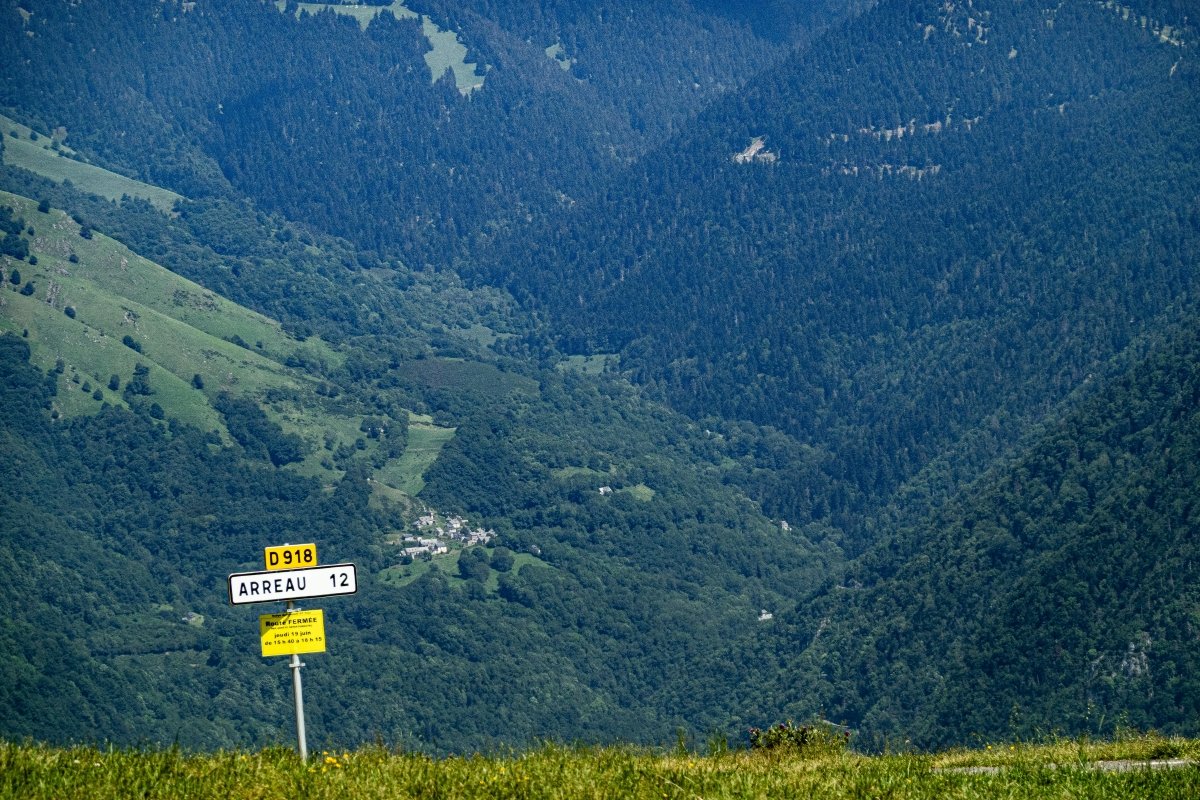
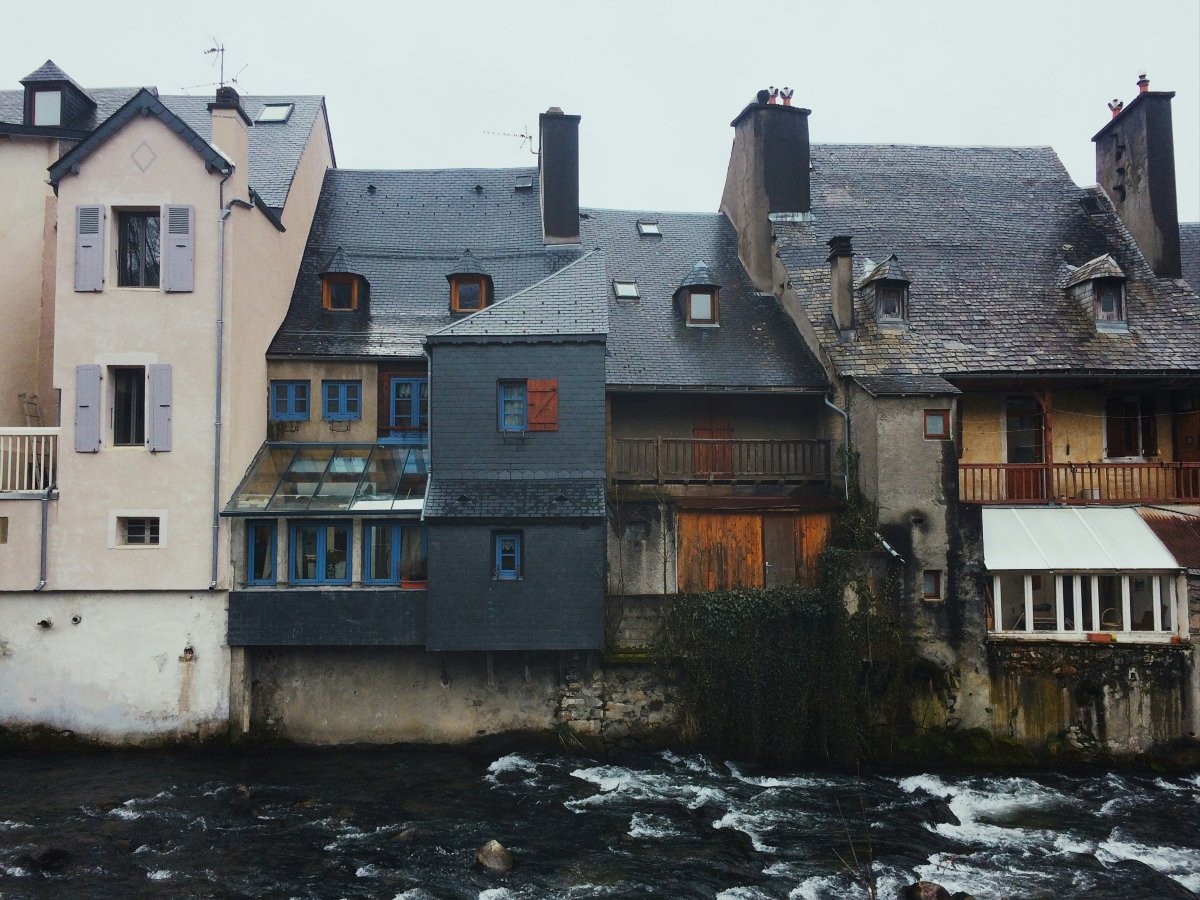
- Arreau: Town allows overnight parking
- Wild spots: Look for parking areas near trailheads, but don’t block access
Road Considerations: Mountain passes close November through May (depends on snow). Roads are generally excellent but narrow in places. Some villages have tight turns—check clearances if you’re in a large van. Diesel is widely available; petrol slightly less common in smaller villages.
- MORE READ : European Campervan Travel Regulations Guide
- MORE READ : Complete Europe Campervan Travel Guide 2025
Budget Considerations
The Pyrenees offer excellent value compared to other French mountain regions or the Alps.
Accommodation:
- Budget: €40-60/night (gîtes, basic hotels, campgrounds)
- Mid-range: €70-100/night (comfortable hotels, nice apartments)
- Splurge: €120-200/night (boutique hotels, chalets)
- Refuges (mountain huts): €20-35/person for bunks, meals €15-20
Food:
- Supermarket self-catering: €10-15/person/day
- Casual restaurant meal: €15-25
- Nice dinner with wine: €35-50/person
- Mountain refuge meals: €15-20
Activities:
- Ski day (lift ticket + equipment): €45-70
- Guided hike: €40-60/person
- Canyoning/rafting: €50-70/person
- Cable cars: €15-30 return
- Cave tours: €10-15
- Museum entry: €5-12
Money-Saving Tips:
- Stay in valley towns and drive to activities rather than resort bases
- Buy picnic supplies from supermarkets (excellent selection of local products)
- Many hikes and natural attractions are free
- Visit in shoulder seasons (May-June, September-October) for 30-40% lower accommodation costs
- Camping or campervan travel dramatically cuts costs
- Lunch menus (menu du jour) at restaurants offer better value than dinner
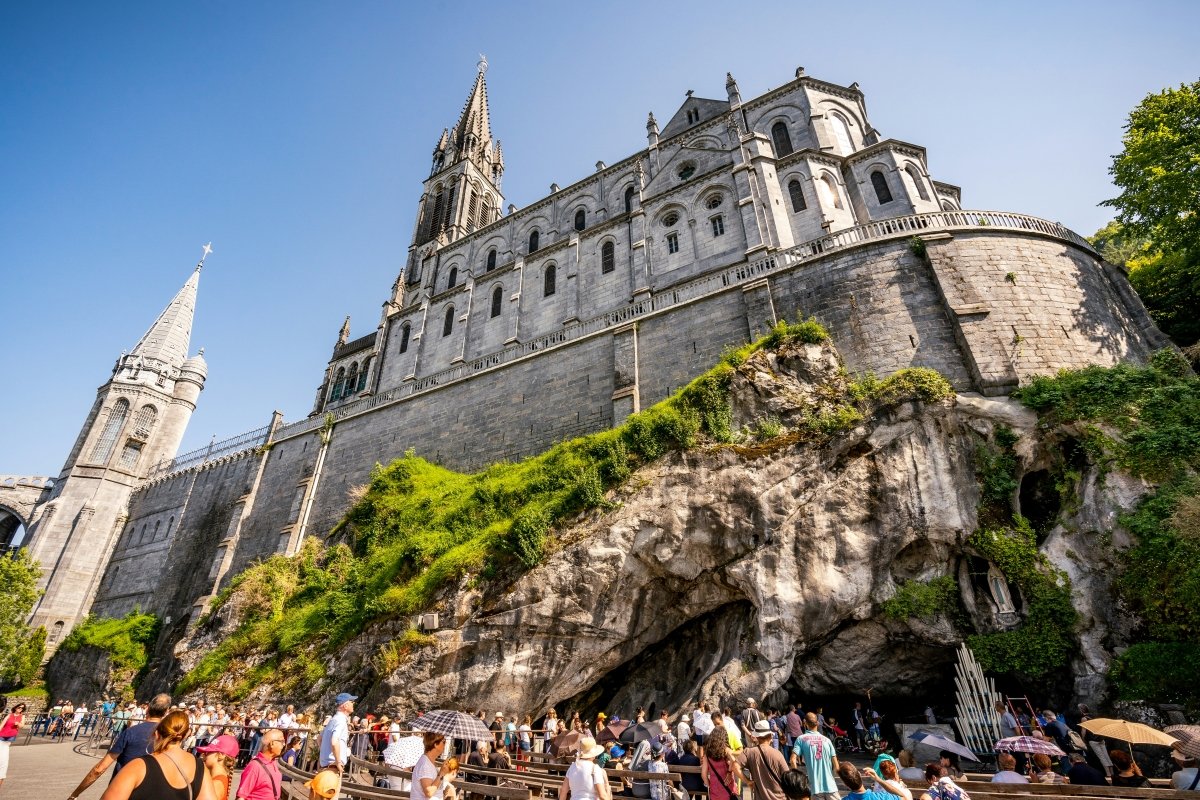
- Skip Lourdes if on tight budget—it’s expensive due to pilgrimage tourism
Seasonal Costs: August is peak pricing (French summer holidays). December-February sees increased costs around ski resorts but valley towns stay reasonable. Spring and fall offer the best value with excellent weather and low season pricing.
Food and Drink
Pyrenean cuisine centers on hearty mountain food, cheese, and the intersection of French, Basque, and Catalan traditions.
Must-Try Dishes:
- Garbure: Thick vegetable and meat soup/stew traditional to Pyrenean shepherds. Each valley has slight variations.
- Trinxat: Catalan dish of cabbage, potato, and bacon mashed together and fried. Comfort food at its finest.
- Piperade: Basque scrambled eggs with peppers and tomatoes. Simple and delicious.
- Ttoro: Basque fish soup if you’re near the coast.
- Axoa: Shredded veal stew with peppers and piment d’Espelette (Basque pepper).
- Duck and Foie Gras: Southwest France specialties available throughout the region.
Cheese:
- Ossau-Iraty: Firm sheep’s milk cheese with PDO status. Nutty and delicious.
- Tomme de Brebis: Various sheep’s milk cheeses from different valleys.
- Barousse: Raw cow’s milk cheese from the Barousse valley.
- Bethmale: One of France’s oldest cheeses, made in Ariège.
Charcuterie:
- Jambon de Bayonne: Famous air-cured ham from the Basque region.
- Saucisson: Every valley makes their own dried sausages.
- Pâté and Terrines: Often featuring local duck or game.
Sweets:
- Gâteau à la Broche: Spit-cake made over open fire, traditional at celebrations.
- Touron: Nougat-like confection with almonds and honey.
- Croustade: Apple pastry with Armagnac.
Drinks:
- Jurançon Wine: Local white wine, both dry and sweet versions.
- Irouléguy: Basque wine region producing excellent reds.
- Izarra: Basque liqueur (yellow or green).
- Genepi: Alpine liqueur also made in the Pyrenees.
- Local Beers: Small breweries throughout the region.
Where to Eat: Look for restaurants advertising “produits du terroir” (local products). Weekly markets in every town offer incredible local cheese, charcuterie, and produce. Farm shops (fermes auberges) selling directly offer excellent quality and value.
Events and Christmas Markets
Major Events:
Summer Festivals:
- Festival de Gavarnie (July-August): Outdoor theater performances in the stunning natural amphitheater.
- Fêtes de Bayonne (Late July): Massive five-day festival with traditional Basque celebrations, running of bulls, and all-night parties. Book accommodation months ahead.
- Cerdanya Festival (August): Classical music in the eastern Pyrenees.
Traditional Celebrations:
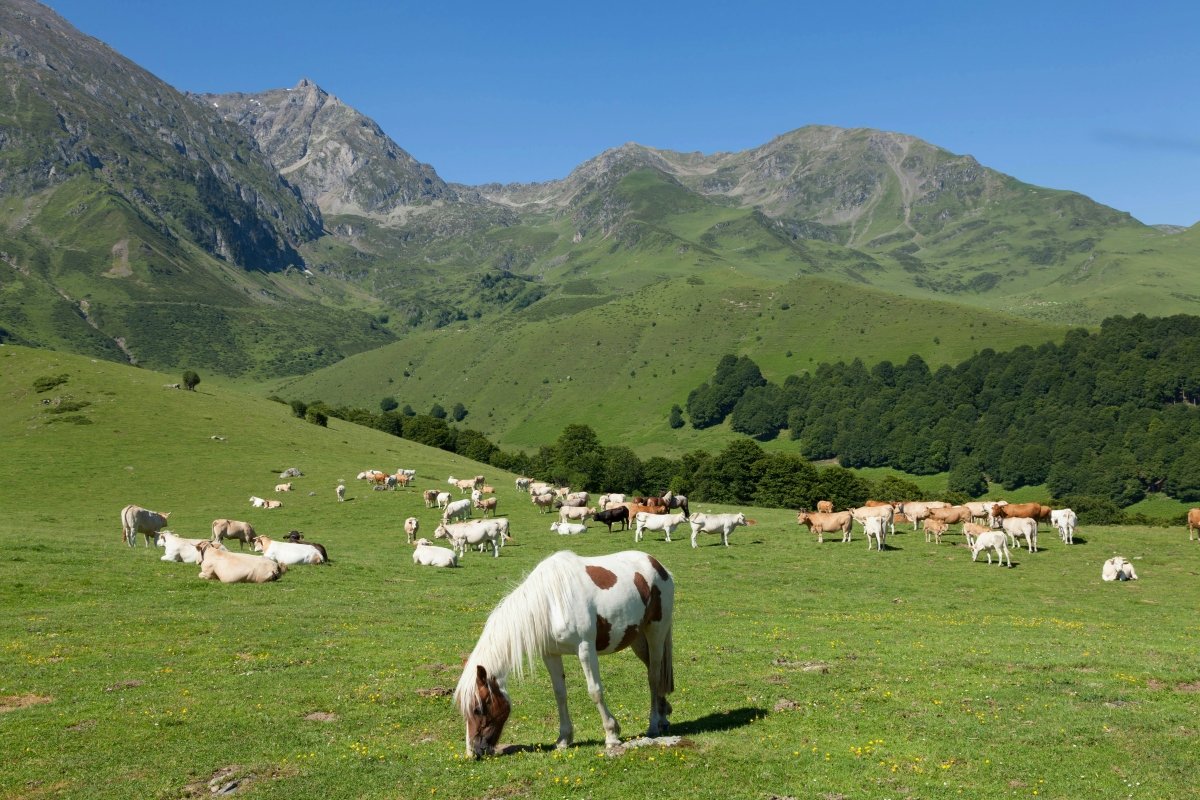
- Fête de la Transhumance (Various valleys, June): Celebrates moving livestock to high pastures with decorated animals and traditional music.
- Fêtes des Bergers (Shepherd festivals, various locations, summer): Celebrate pastoral traditions with demonstrations, food, and folk dancing.
Christmas Markets (late November through December):
- Argelès-Gazost: Charming mountain town market with Pyrenean crafts.
- Pau: Larger market in an elegant city setting.
- Cauterets: Small but atmospheric in a beautiful Belle Époque spa town.
- Bagnères-de-Luchon: Traditional market with mountain backdrop.
- Foix: Medieval setting adds character to Christmas stalls.
These markets are smaller and more authentic than big city markets, featuring local artisans selling Pyrenean crafts, regional food products, and handmade gifts. Mulled wine (vin chaud) and roasted chestnuts warm you up while browsing.
Sports Events:
- Tour de France (July): Stages regularly include Pyrenean mountain passes. Check the route if you want to see it.
- Madone du Tourmalet (October): Major cycling sportive up the famous col.
Useful Information
Getting There:
- By Air: Toulouse (90km from mountains), Pau (40km), Tarbes-Lourdes-Pyrénées (20km), Biarritz (80km), Carcassonne (eastern access). Budget airlines serve most from UK and Northern Europe.
- By Train: TGV to Toulouse or Bayonne, then regional trains into the mountains. The rail network isn’t extensive but serviceable.
- By Car: A64 motorway runs along the northern foothills providing good access. From UK, ferry to Bilbao (Spain) or northern France, then drive south.
Getting Around:
- Car Essential: Public transport exists but is limited. Renting a car makes everything vastly easier.
- Roads: Excellent condition. Mountain passes have amazing views but require confident driving. Some narrow sections in villages.
- Parking: Generally easy and often free outside major tourist spots. Pay attention to market days when streets close.
When to Visit:
- Summer (June-September): Best hiking weather, all activities available, warmest. August is crowded and expensive.
- Winter (December-March): Ski season, snow-covered landscapes, fewer crowds in non-ski areas. Some passes closed.
- Spring (April-May): Waterfalls at their most powerful, flowers blooming, few tourists. Some higher trails still snowed in.
- Fall (October-November): Beautiful colors, excellent hiking, quiet. Weather can be unpredictable.
What to Pack:
- Layers: Weather changes fast in mountains
- Rain gear: Even in summer
- Good hiking boots: Essential for trails
- Sunscreen: High altitude means strong sun
- Insect repellent: Summer meadows have biting flies
- Offline maps: Phone coverage spotty in mountains
Language: French is dominant. Basque spoken in western areas, Catalan in eastern regions. English is hit-or-miss—better in tourist areas, limited in remote villages. Basic French phrases go a long way.
Connectivity: Good phone coverage in valleys and towns, patchy in mountains. WiFi available in most accommodations. Consider downloading offline maps.
Safety: The Pyrenees are very safe. Crime is minimal. Main risks are mountain-related:
- Check weather before hiking
- Tell someone your route
- Brown bears exist but attacks are virtually unknown (about 70 bears in the entire French Pyrenees)
- Afternoon thunderstorms common in summer—avoid ridges and summits
Accessibility: Valley towns and major attractions have reasonable accessibility. Mountain trails and refuges have limited accessibility for those with mobility challenges. Contact specific sites ahead.
Final Thoughts
The French Pyrenees remain one of Europe’s best-kept secrets for mountain lovers. You get stunning scenery, excellent outdoor activities, rich cultural traditions, and authentic experiences without the crowds and costs that plague the Alps. Whether you’re skiing powder in January, hiking past alpine lakes in July, or exploring medieval villages in October, these mountains deliver.
The range is big enough that you could visit repeatedly and discover new valleys, different trails, and more hidden villages each time. Yet it’s manageable enough for a week-long trip to feel satisfying rather than rushed. The mix of French sophistication, Basque distinctiveness, and Catalan flavor creates a cultural richness that adds depth beyond just the landscapes.
Go before everyone else figures this out. The Pyrenees won’t stay under the radar forever.