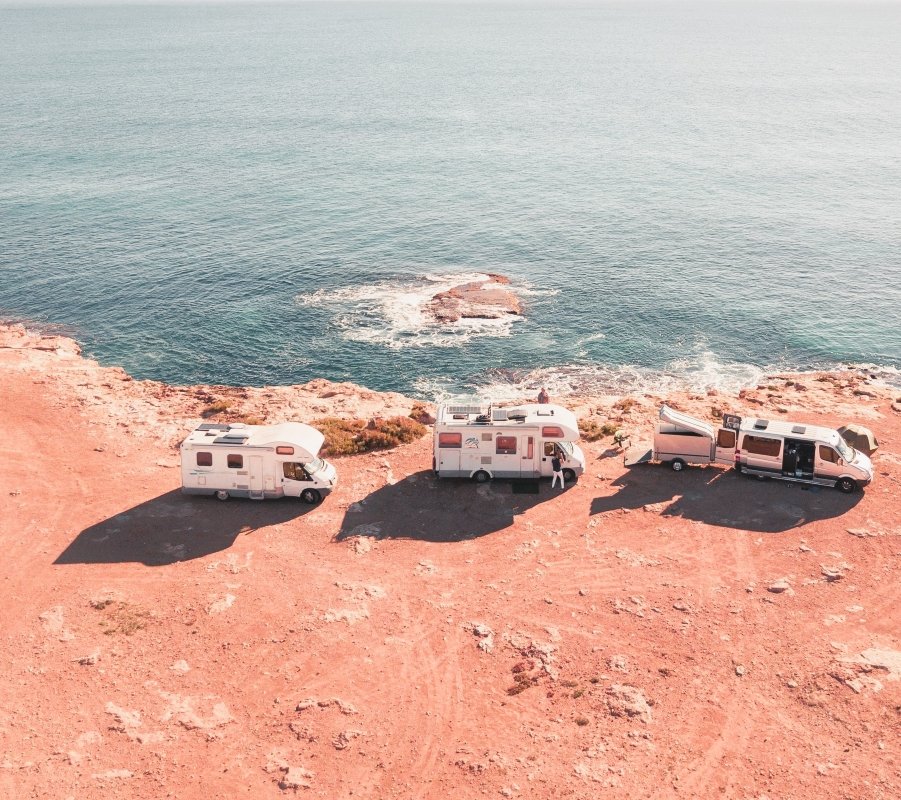


The Ultimate Guide to Campervan & Motorhome Regulations Across Europe: Everything You Need to Know Before You Hit the Road
Planning an epic European road trip with your home on wheels? You’re in for the adventure of a lifetime! But before you start dreaming about sunset views from your campervan door, let’s talk about the not-so-glamorous (but absolutely essential) stuff: regulations, rules, and where you can actually park that beautiful beast of yours.
- Why European Campervan Regulations Matter More Than You Think
- The Big Picture: General European Camping Regulations
- Country-by-Country Breakdown: What You Need to Know
- Germany: The Land of Rules (But Campervan-Friendly Ones!)
- France: Liberté, Égalité, Camping Regulations
- Spain: Siesta-Friendly Camping
- Portugal: The Hidden Gem for Campervan Travel
- Italy: Beauty Comes with Complexity
- Netherlands: Compact but Campervan-Smart
- Scandinavia: Right to Roam (With Respect)
- Greece: The 2025 Game-Changer (Major Updates!)
- Eastern Europe: Emerging Campervan Destinations
- Official Camper Van Spots: Your Best Friends on the Road
- Aires de Camping-Car (France)
- Stellplätze (Germany)
- Camper Stops (Portugal)
- Official Camper Van Spots in Greece
- Sostas (Spain)
- Apps and Resources for Finding Official Spots
- Emergency Situations: When Things Go Wrong
- Money-Saving Tips That Actually Work
- Cultural Considerations: Being a Good Campervan Ambassador
- Staying Updated: Regulations Change (Especially in Greece!)
- Official Resources and Support: Your Digital Lifeline
- Official EU and Government Resources
- Industry Organizations and Advocacy Groups
- When You Need Help: Emergency Contacts and Support
- Important Legal Disclaimer About Official Sources
- Technology That Makes Life Easier
- The Future of European Campervan Travel
- Disclaimer
Trust me, nothing kills the vacation vibe faster than getting slapped with a hefty fine or having local authorities knock on your door at 2 AM. Been there, done that, got the expensive ticket to prove it! So grab a coffee, settle in, and let’s navigate the maze of European campervan regulations together.
Why European Campervan Regulations Matter More Than You Think
Here’s the thing about Europe: it might feel like one big, connected continent when you’re cruising down those scenic highways, but each country has its own personality when it comes to camping laws. What’s perfectly legal in Germany might land you in hot water in France, and that “hidden gem” parking spot you found on Instagram could be completely off-limits.
The good news? Most European countries are incredibly campervan-friendly – they just want you to play by their rules. And honestly, these rules exist for good reasons: protecting the environment, respecting local communities, and keeping everyone safe.
The Big Picture: General European Camping Regulations
Before we dive into country-specific quirks, let’s cover the universal truths that apply pretty much everywhere in Europe:
Wild Camping vs. Overnight Parking: This is the golden rule that trips up most first-timers. There’s a massive difference between “wild camping” (setting up chairs, awnings, leveling blocks – basically making yourself at home) and “overnight parking” (just sleeping in your vehicle without any external setup). Most countries that ban wild camping will still allow overnight parking, as long as you’re discrete about it.
The 24-Hour Rule: Many countries operate on an unwritten 24-hour courtesy rule. You can park overnight, but don’t overstay your welcome. One night is usually fine, three nights starts looking like you’re setting up permanent residence.
Environmental Protection: Europe takes its green spaces seriously. National parks, nature reserves, and protected areas are generally no-go zones for overnight stays. Stick to designated areas or risk some seriously hefty fines.
Waste Management: This should be obvious, but you’d be surprised how many people mess this up. Always use proper disposal facilities for grey and black water. Dumping waste in nature isn’t just illegal – it’s incredibly harmful to the environment.
Country-by-Country Breakdown: What You Need to Know
Germany: The Land of Rules (But Campervan-Friendly Ones!)
Germany might have a reputation for being strict, but they’re actually one of the most welcoming countries for campervan travelers – as long as you follow their well-organized system.
Wild Camping: Technically prohibited, but overnight parking is generally tolerated for one night if you’re not causing problems. The key is being respectful and discreet.
What’s Allowed: Parking on public roads and car parks for rest purposes (including overnight stays) is typically fine. Just avoid residential areas and make sure you’re not blocking traffic or access.
Special Notes: Germany has fantastic rest areas (Rastplätze) along highways that are perfect for overnight stops. Many include facilities and are specifically designed for travelers.
Fines: Penalties for illegal camping range from €50-500, depending on the location and circumstances.
France: Liberté, Égalité, Camping Regulations
France has a love-hate relationship with campervans. They adore the tourism revenue but are increasingly strict about where you can park.
Wild Camping: Officially prohibited, especially near coasts and in national parks. However, overnight parking is often tolerated in designated areas.
Municipal Variations: Here’s where it gets tricky – each commune (local municipality) can set its own rules. Some coastal towns have banned overnight parking entirely during summer months due to overcrowding.
Aires de Camping-Car: France’s saving grace! These are official motorhome service areas found in most towns. They range from basic (just a parking spot) to elaborate (with electricity, water, and Wi-Fi).
Fines: Can range from €68 for minor infractions to €1,500 for camping in protected areas.
Spain: Siesta-Friendly Camping
Spain is generally welcoming to campervan travelers, but regional differences can be significant.
Wild Camping: Not permitted, but overnight parking is widely tolerated, especially inland. Coastal areas and popular tourist destinations are much stricter.
Regional Differences: Catalonia and the Balearic Islands have some of the strictest rules, while rural areas in central Spain are more relaxed.
What to Watch For: Many Spanish beaches prohibit overnight parking from June to September. Always check local signage.
Fines: Typically range from €30-600, with higher penalties in protected areas or during peak season.
Portugal: The Hidden Gem for Campervan Travel
Portugal is incredibly welcoming to responsible campervan travelers and has been investing heavily in campervan infrastructure.
Wild Camping: Not officially allowed, but overnight parking is generally tolerated, especially outside peak tourist season.
Coastal Considerations: Some popular surf spots have restrictions, but Portugal has been creating more official parking areas to accommodate demand.
Innovation: Portugal has been pioneering “Camper Stops” – low-cost overnight parking areas with basic facilities.
Italy: Beauty Comes with Complexity
Italy’s camping regulations vary dramatically by region, and enforcement can be inconsistent.
Wild Camping: Prohibited, with particularly strict enforcement in tourist hotspots like the Amalfi Coast and Cinque Terre.
Regional Variations: Northern regions tend to be more campervan-friendly, while southern regions and islands can be stricter.
ZTL Zones: Be extremely careful about Limited Traffic Zones in historic city centers – these can result in automatic fines even if you’re just passing through.
Fines: Range from €100-500, with some tourist areas imposing much higher penalties.
Netherlands: Compact but Campervan-Smart
The Netherlands has limited space but makes the most of it with efficient campervan facilities.
Wild Camping: Not permitted, but the country has an excellent network of official camping spots.
Camperplaats: These are the Dutch equivalent of aires – usually affordable and well-maintained.
Special Considerations: Many cities have size restrictions for vehicles in urban areas. Amsterdam, in particular, has strict rules about where large vehicles can park.
Scandinavia: Right to Roam (With Respect)
Sweden, Norway, and Denmark have unique approaches thanks to traditional “Right to Roam” laws.
Sweden: Wild camping is permitted under allemansrätten (right to roam), but this traditionally applies to tent camping. Motorhomes are generally restricted to designated areas.
Norway: Similar to Sweden, with overnight parking typically allowed for one night unless specifically prohibited.
Denmark: More restrictive than its neighbors, with wild camping generally prohibited.
Universal Rule: Even where wild camping is allowed, you must be at least 150 meters from houses and not on cultivated land.
Greece: The 2025 Game-Changer (Major Updates!)
BREAKING: Greece just dropped a bombshell in 2025 that’s completely reshaping campervan travel in the country. Law 5170/2025, which came into effect on January 20, 2025, has imposed some of the strictest campervan regulations in Europe.
What’s Changed: The legislation explicitly bans overnight parking on beaches, forests, archaeological sites, and other public areas, as well as in public or municipal parking lots. This isn’t just about wild camping anymore – even sleeping inside your vehicle without any external setup is now prohibited outside designated camping areas.
The Reality Check: Recent incidents where campervan owners were fined €300 each for parking at beaches in Achaia, Peloponnese, and arrests of a German couple at Kalo Nero beach show that enforcement is real and happening now.
Current Situation: Greece’s Tourism Ministry has reportedly taken a step back on the legislation following strong reactions in Greece and outrage across Europe. After meeting with the Hellenic Motorhome Club, there’s been agreement that stopping and parking of motorhomes is allowed where and as prescribed by the Highway Code, but the situation remains fluid.
What’s Still Prohibited:
- Any overnight stays outside official campsites
- Parking on beaches, forests, archaeological sites
- Even private landowners are now prohibited from hosting more than one motorhome without a formal business license
- Extended parking (over 24 hours) in residential areas
Fines: €300 per person initially, but if disputed and taken to court, penalties can rise to €3,000 and even up to three months in prison.
The Infrastructure Problem: Greece lacks a comprehensive network of camper stops, with none officially registered in international directories. This creates a challenging situation where demand exists but legal options are limited.
What This Means for You: Greece is still beautiful and worth visiting, but you absolutely must plan ahead and budget for official campsites. The days of spontaneous beach parking are over.
Eastern Europe: Emerging Campervan Destinations
Countries like Croatia, Slovenia, and Poland are rapidly developing campervan infrastructure.
Croatia: Particularly strict along the Adriatic coast due to environmental protection. Inland areas are more relaxed.
Slovenia: Generally accommodating, with growing numbers of official camping spots.
Poland: Very welcoming to campervans, with relatively relaxed enforcement and growing infrastructure.
Official Camper Van Spots: Your Best Friends on the Road
Here’s where European countries really shine – the infrastructure for campervan travel has exploded in recent years. Let me break down the different types of official spots you’ll encounter:
Aires de Camping-Car (France)
These are the gold standard for campervan stops. Most French towns have at least one aire, ranging from basic parking spots to full-service areas with:
- Fresh water supply
- Waste disposal (grey and black water)
- Electricity hookups
- Wi-Fi
- Sometimes even laundry facilities
Cost: Usually €3-15 per night Booking: Most are first-come, first-served, but some popular areas now require reservations
Stellplätze (Germany)
Germany’s version of aires, typically very well-maintained and often located in scenic spots. They usually include:
- Designated parking bays
- Service facilities
- Often near hiking trails or attractions
Cost: €8-20 per night Quality: Generally excellent, with clear signage and good facilities
Camper Stops (Portugal)
Portugal’s innovative approach, often located in partnership with local businesses like restaurants or wineries:
- Usually very affordable
- Often include discounts at partner businesses
- Growing network across the country
Official Camper Van Spots in Greece
Current State: Greece currently lacks a comprehensive network of camper stops, with none officially registered in international directories. However, the country does have licensed campsites that meet health, safety, and environmental standards.
Available Options:
- Licensed Campsites: The primary legal option for campervan stays
- Municipal Designated Areas: Some municipalities are starting to create designated parking areas
- Private Campgrounds: Range from basic to full-service facilities
Popular Regions with Better Infrastructure:
- Sithonia/Halkidiki: Several campsites like Armenistis and Thalatta Kalamitsi Village Camp
- Northern Greece: Generally more campervan-friendly infrastructure
- Coastal Areas: More options but also stricter enforcement
Planning Tip: Always book ahead, especially during July and August, as Greece doesn’t have the extensive aires network found in France or Germany.
Sostas (Spain)
Spain’s official campervan areas, though not as widespread as in France or Germany:
- Often located near town centers
- Basic facilities but usually well-maintained
- Some regions are investing heavily in expanding networks
Apps and Resources for Finding Official Spots
Essential Campervan Apps:
- Park4Night: The holy grail of campervan apps. User-generated database with photos, reviews, and GPS coordinates
- Campercontact: Comprehensive database of official camping spots across Europe
- iOverlander: Great for off-the-beaten-path destinations
- Country-Specific Apps: Many countries have their own official apps (like France’s “Camping-Car Park” app)
Official Booking Platforms:
- Pitchup.com: Compare and book motorhome sites across Europe with trusted reviews
- Camping.info: Comprehensive campsite database with real-time availability
- ACSI (camping.eu): European camping guide with over 8,400 campsites
Government and Tourism Resources:
- Europa.eu/youreurope: Official EU website for citizen travel information
- National tourism websites: Each country’s official tourism portal for current regulations
- Municipal tourism offices: Local government websites often list official campervan areas
Emergency Situations: When Things Go Wrong
Even the best-planned trips can hit snags. Here’s what you need to know about handling emergencies:
Breakdown and Recovery
- European Breakdown Cover: Absolutely essential – standard UK breakdown cover often doesn’t extend to Europe
- Green Card: Required for some countries, proves your insurance is valid
- Reflective Vests: Legally required in most countries and must be accessible from inside the vehicle
Medical Emergencies
- European Health Insurance Card (EHIC): Still valid post-Brexit for emergencies
- Travel Insurance: Essential for comprehensive coverage
- Emergency Numbers: 112 works across all EU countries
Legal Issues
- Embassy Contacts: Keep a list of your country’s embassies in each country you’re visiting
- Local Police: In most cases, local police are helpful to tourists facing minor issues
- Documentation: Always carry copies of your driving license, insurance, and vehicle registration
What to Do If You’re Fined
- Don’t Panic: Most fines for camping violations are administrative, not criminal
- Pay Promptly: Delays often result in increased penalties
- Language Barriers: Many countries have English-speaking tourist helplines
- Appeal Process: If you believe a fine is unjust, most countries have appeal procedures
Money-Saving Tips That Actually Work
Budget-Friendly Strategies
- Off-Season Travel: Regulations are often more relaxed, and official sites are cheaper
- Inland Routes: Coastal areas are typically more expensive and restrictive
- Service Stations: Many have overnight parking policies for customers
- Municipal Campsites: Often cheaper than private sites and centrally located
Free Alternatives (When Legal)
- Industrial Areas: Often allow overnight parking (check for signage)
- 24-Hour Shops: Some supermarkets allow customer overnight parking
- Rest Areas: Particularly in Germany and France
- Ski Resort Car Parks: Often free outside ski season
Cultural Considerations: Being a Good Campervan Ambassador
Remember, you’re representing all campervan travelers. Here’s how to keep the reputation positive:
Respect Local Communities
- Noise Levels: Generator use is often restricted or prohibited in many areas
- Waste Disposal: Never dump waste in storm drains or natural areas
- Local Economy: Buy local products and use local services when possible
Environmental Responsibility
- Leave No Trace: Pack out everything you bring in
- Water Usage: Be mindful in drought-prone areas
- Wildlife: Don’t feed animals or disturb nesting areas
Social Etiquette
- Parking Courtesy: Don’t block views, access, or take up multiple spaces
- Generator Hours: Usually restricted to daylight hours in most countries
- Leveling Blocks: Use them to avoid damaging surfaces
Staying Updated: Regulations Change (Especially in Greece!)
Here’s the reality check: camping regulations across Europe are evolving rapidly, and Greece’s 2025 Law 5170/2025 is a perfect example of how quickly things can change. The pandemic increased campervan popularity dramatically, and many destinations are still adjusting their policies. Some areas that were previously tolerant are now implementing restrictions, while others are embracing campervan tourism by improving infrastructure.
The Greek Situation: Greece’s Tourism Ministry has reportedly taken a step back on the legislation following strong reactions in Greece and outrage across Europe. The situation remains fluid, with authorities working to clarify enforcement details. This shows just how quickly regulations can shift based on public pressure and practical considerations.
How to Stay Informed
Official EU and Government Resources:
- Your Europe (europa.eu/youreurope): The EU’s official citizens’ information website covering travel rights and transport regulations
- European Consumer Centre Network: Helps with cross-border issues and consumer rights related to travel
- National Tourism Boards: Each country’s official tourism website
- Greece: visitgreece.gr
- France: france.fr
- Germany: germany.travel
- Spain: spain.travel
- Portugal: visitportugal.com
- Italy: italia.it
- Government Transport/Interior Ministry websites: For official traffic and parking regulations
- Municipal websites: Many cities now have dedicated campervan information pages
Industry and Community Resources:
- FICM (International Federation of Camping and Caravanning): Represents camping interests across Europe with regulatory updates
- European Camping Group: Industry association providing policy updates
- Country-Specific Motorhome Clubs:
- Germany: ADAC (adac.de)
- France: FFCC (ffcc.fr)
- UK: Camping and Caravanning Club (campingandcaravanningclub.co.uk)
- Netherlands: ANWB (anwb.nl)
- Campervan Forums: Communities like Motorhome Fun or Wild Camping groups on Facebook
- Local Tourist Information: Always worth a quick stop when entering a new region
- Recent Reviews: Check recent reviews on apps like Park4Night for current enforcement levels
Important Note: The EU doesn’t have a unified camping policy – each member state sets its own rules, which is why checking multiple official sources is essential.
Greece-Specific Resources:
- Hellenic Motorhome Club: Official updates on Law 5170/2025 developments
- Greek Tourism Ministry: Official government statements and clarifications
- Visit Greece (visitgreece.gr): Official tourism website with updated camping regulations
- Local Greek travel forums and Facebook groups: Real-time enforcement updates
Official Resources and Support: Your Digital Lifeline
The Reality Check: Unlike some regions of the world, Europe doesn’t have a single, centralized campervan information hub. The EU doesn’t mandate unified camping policies, so each member state creates its own rules. This means you’ll need to become a bit of a detective, but here are the best official resources to help you navigate the complexity:
Official EU and Government Resources
Your Europe (europa.eu/youreurope): This is the EU’s official citizens’ information website. While it doesn’t have a dedicated campervan section, it covers travel rights, transport regulations, and can help you understand your rights as an EU visitor. It’s particularly useful for understanding what to do if things go wrong.
European Consumer Centre Network (ec.europa.eu/consumers/ecc): If you encounter problems with campsite bookings, unfair treatment, or need help resolving cross-border issues, this network can provide free advice and assistance.
National Tourism Boards: These are your gold standard for official, current information:
- Greece: visitgreece.gr (essential given the 2025 law changes)
- France: france.fr
- Germany: germany.travel
- Spain: spain.travel
- Portugal: visitportugal.com
- Italy: italia.it
- Netherlands: holland.com
Government Transport/Interior Ministry Websites: For the nitty-gritty details about traffic laws, parking regulations, and fines. These sites are usually more technical but contain the actual legal text of regulations.
Industry Organizations and Advocacy Groups
FICM (International Federation of Camping and Caravanning): This organization represents camping interests across Europe and often has early information about regulatory changes. They work directly with governments on policy issues.
European Camping Group: An industry association that provides updates on camping regulations and advocates for campervan-friendly policies across Europe.
Country-Specific Motorhome Clubs (These are invaluable for local knowledge):
- Germany: ADAC (adac.de) – Not just breakdown cover, they have excellent travel information
- France: FFCC (ffcc.fr) – Federation Française de Camping et de Caravaning
- UK: Camping and Caravanning Club (campingandcaravanningclub.co.uk)
- Netherlands: ANWB (anwb.nl)
- Greece: Hellenic Motorhome Club – Currently very active due to Law 5170/2025
When You Need Help: Emergency Contacts and Support
Your Country’s Embassy/Consulate: Keep a list of embassy contacts for each country you’re visiting. They can’t get you out of parking tickets, but they can help with serious legal issues or emergencies.
European Emergency Number: 112 works across all EU countries for police, fire, and medical emergencies.
Tourist Police: Many countries have specialized tourist police who speak multiple languages and understand the unique challenges travelers face.
Travel Insurance Providers: Many offer 24/7 helplines that can assist with legal issues, translation services, and emergency support.
Important Legal Disclaimer About Official Sources
Here’s something most travel guides won’t tell you: even official government websites can sometimes be outdated or unclear. Local enforcement can vary significantly from written policy, and regulations change frequently. Always cross-reference multiple official sources, and when in doubt, contact local authorities directly or visit tourist information centers for the most current, locally-applicable information.
The fragmented nature of European campervan regulations means there’s no single source of truth – but armed with these official resources, you’ll be as prepared as possible for whatever the road throws your way.
Technology That Makes Life Easier
- Offline Maps: Don’t rely solely on mobile data
- Translation Apps: Google Translate’s camera function is a lifesaver for signs
- Weather Apps: Crucial for route planning and safety
- Currency Converters: Especially helpful in non-Euro countries
Useful Gadgets
- Portable Wi-Fi Hotspot: Essential for accessing current information
- Solar Panels: Reduce reliance on hookups and extend your wild camping capabilities
- Backup Camera: Invaluable for tight European streets and parking spots
The Future of European Campervan Travel
The campervan scene in Europe is booming, and countries are responding in different ways. Some are restricting access to protect overtourism hotspots, while others are investing in infrastructure to capture the economic benefits. The trend seems to be toward more organized, official camping areas rather than completely free wild camping.
Emerging Trends:
- Digital Integration: More aires accepting app-based payments
- Environmental Focus: Increasing restrictions in sensitive areas
- Local Partnerships: Camper stops partnering with local businesses
- Seasonal Pricing: More dynamic pricing based on demand
Disclaimer
This article provides general guidance on campervan and motorhome regulations across Europe based on information available as of 2025. Camping laws and regulations can change frequently and vary significantly by local municipality, season, and enforcement policies. Always check current local regulations before traveling, as this information should not be considered definitive legal advice.
The author and publisher are not responsible for any fines, penalties, or legal issues that may arise from following this guidance. Local laws always take precedence, and when in doubt, seek official clarification from local authorities or tourist information centers.
Enforcement of camping regulations can vary widely even within the same country or region. What may be tolerated in one area might be strictly prohibited in another. Always err on the side of caution and respect local communities and environments.
This information is provided for educational purposes only and should be supplemented with current, official sources before making travel decisions.
Ready to start planning your European campervan adventure? Remember, the key to successful campervan travel in Europe isn’t about finding loopholes or pushing boundaries – it’s about being prepared, respectful, and flexible. The continent offers incredible experiences for those willing to play by the rules, and trust me, those sunset views from your campervan door are worth every bit of preparation you put in.
Safe travels, and may your journey be filled with incredible memories and trouble-free parking!