





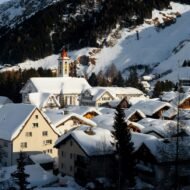

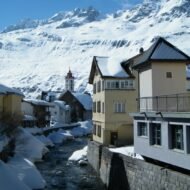
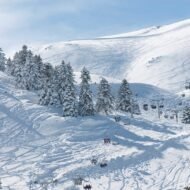
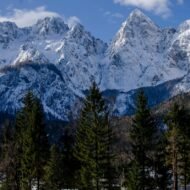
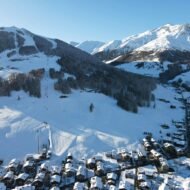


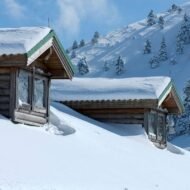

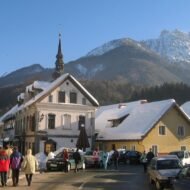
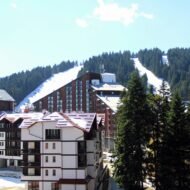
Tired of crowded slopes and overpriced chalets in the Alps? Europe’s lesser-known ski resorts offer authentic experiences, stunning scenery, and exceptional value. Here are five unseen destinations that deliver world-class winter sports without the tourist stampede.
- 1. Livigno, Italy – The Tax‑Free Alpine Secret
- Interesting Facts
- Weather & Winter Conditions
- Accommodation Options
- Shopping
- Local Traditions
- Outdoor Activities
- Budget Considerations
- Food & Dining
- Cultural Aspects
- Events
- Useful Information
- 2. Borovets, Bulgaria – Eastern Europe’s Affordable Alpine
- Interesting Facts
- Weather & Winter Conditions
- Accommodation Options
- Shopping
- Local Traditions
- Outdoor Activities
- Budget Considerations
- Food & Dining
- Cultural Aspects
- Events
- Useful Information
- 3. Andermatt, Switzerland – Luxury Without the Hype
- Interesting Facts
- Weather & Winter Conditions
- Accommodation Options
- Shopping
- Local Traditions
- Outdoor Activities
- Budget Considerations
- Food & Dining
- Cultural Aspects
- Events
- Useful Information
- 4. Kalavryta, Greece – Ski Slopes with Sea-Level Soul
- Interesting Facts
- Weather & Winter Conditions
- Accommodation Options
- Shopping
- Local Traditions
- Outdoor Activities
- Budget Considerations
- Food & Dining
- Cultural Aspects
- Events
- Useful Information
- 5. Kranjska Gora, Slovenia – Small, Scenic & Sustainable
- Interesting Facts
- Weather & Winter Conditions
- Accommodation Options
- Shopping
- Local Traditions
- Outdoor Activities
- Budget Considerations
- Food & Dining
- Cultural Aspects
- Events
- Useful Information
- Recap: Choosing Your Hidden Gem
- Disclaimer
1. Livigno, Italy – The Tax‑Free Alpine Secret
Interesting Facts
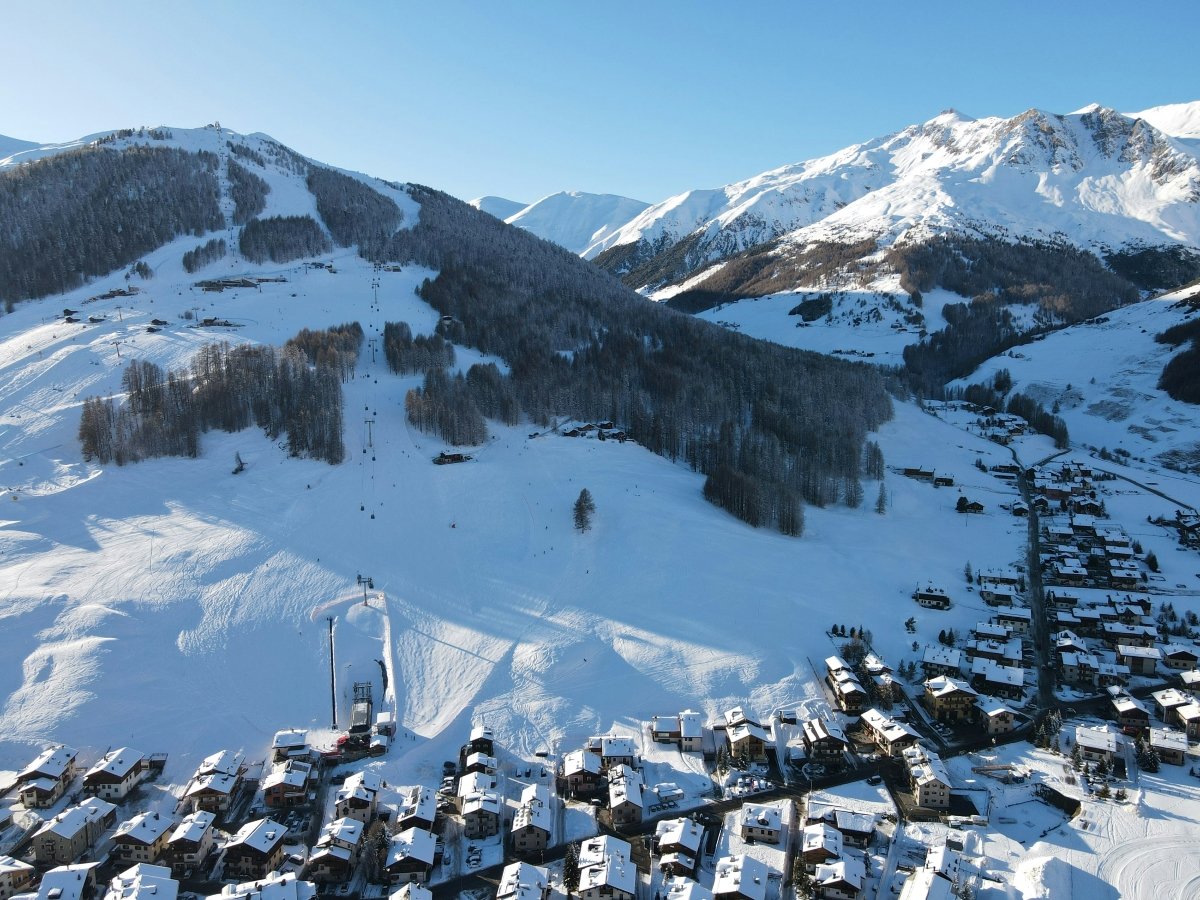
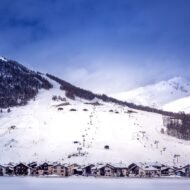
Situated at 1,816 meters in the Italian Alps near the Swiss border, Livigno holds a unique status as a duty-free zone dating back to Napoleon’s era. This “Little Tibet” offers 115 kilometers of slopes and has hosted numerous World Cup events. The town’s tax-free status means significant savings on everything from ski equipment to luxury goods.
Weather & Winter Conditions
Expect reliable snow from December through April thanks to the high altitude. Winter temperatures range from -10°C to 0°C, with January being the coldest month. The resort averages 300 sunny days annually, and snowfall is consistent—artificial snow systems supplement natural coverage when needed. Peak season runs from Christmas through February.
Accommodation Options
Livigno offers diverse lodging from €40-€300 per night. Budget travelers find comfortable B&Bs and apartments starting at €50-€80 per night. Mid-range hotels (€100-€150) often include wellness centers with saunas. Luxury options like Hotel Lac Salin SPA & Mountain Resort offer five-star amenities around €250-€300. Many properties include ski-in/ski-out access.
Shopping
The duty-free advantage makes Livigno a shopper’s paradise. Via Fontana, the main pedestrian street, features designer outlets, electronics stores, and sporting goods shops with prices 20-30% below standard European rates. Purchase ski gear, watches, perfumes, and alcohol without VAT. Shops typically open 9am-7:30pm.
Local Traditions
Livigno celebrates its farming heritage through events like the Latteria Festival (celebrating local cheese production). Traditional specialties include sciatt (fried buckwheat fritters filled with cheese), pizzoccheri (buckwheat pasta), and bresaola (air-dried beef). The dialect blends Italian, Romansh, and German influences reflecting centuries of alpine isolation.
Outdoor Activities
Beyond 115km of pistes across Mottolino and Carosello 3000, activities include snowshoeing through Livigno Valley, ice climbing at frozen waterfalls, dog sledding, fat biking on groomed trails, and snowmobiling. The Livigno Park offers cross-country skiing with 30km of trails. Night skiing operates on select evenings.
Budget Considerations
Expect to spend €150-€250 per day including accommodation, lift passes (€50-€55 daily), meals (€30-€50), and activities. Six-day lift passes cost around €265-€285. Equipment rental runs €25-€40 daily. Dining is surprisingly affordable—pizzas cost €10-€15, three-course meals €25-€35. The duty-free status offsets accommodation costs if you shop strategically.
Food & Dining
Authentic mountain cuisine dominates. Try Chalet Mattias for traditional pizzoccheri, Camana Veglia for fine dining in a 500-year-old barn, or Stalet for casual après-ski fare. Local wines from Valtellina pair perfectly with bresaola. Polenta dishes, venison, and hearty stews feature prominently. Budget €15-€20 for lunch, €30-€50 for dinner.
Cultural Aspects
The community maintains strong agricultural roots despite tourism growth. Visit the Church of Santa Maria Nascente (built 1655) with its distinctive bell tower. Local artisans craft wooden sculptures and traditional textiles. The population speaks Livignasco dialect, though Italian and English are widely understood. Summer farming traditions influence winter hospitality—expect genuine warmth.
Events
Livigno hosts the Sfida nella Neve (winter sports festival) in January, Alp Cheese Festival celebrating local production, and regular FIS Snowboard and Freestyle Ski World Cup events. March features the Sgambeda Run, a charity ski race. Live music fills après-ski venues throughout winter. Check the schedule for car-racing events on the frozen lake.
Useful Information
- Access: Milan Malpensa Airport (3.5 hours by bus/car); Zürich Airport (3 hours)
- Best months: January-March for optimal snow
- Lift system: Carosello 3000 and Mottolino linked by free ski buses
- Language: Italian, English widely spoken in tourist areas
- Currency: Euro (but enjoy duty-free pricing)
- Beginner-friendly: 40% of slopes are blue runs
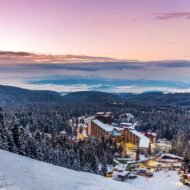
2. Borovets, Bulgaria – Eastern Europe’s Affordable Alpine
Interesting Facts
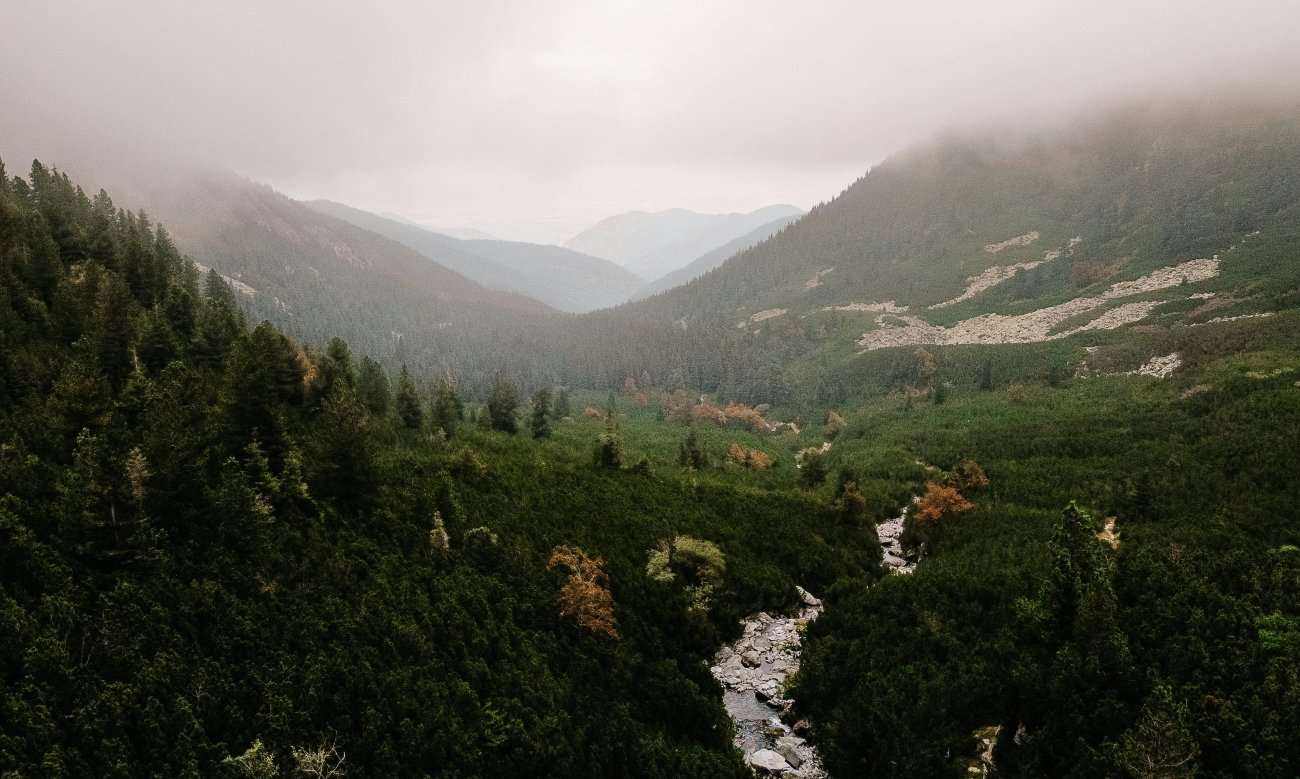
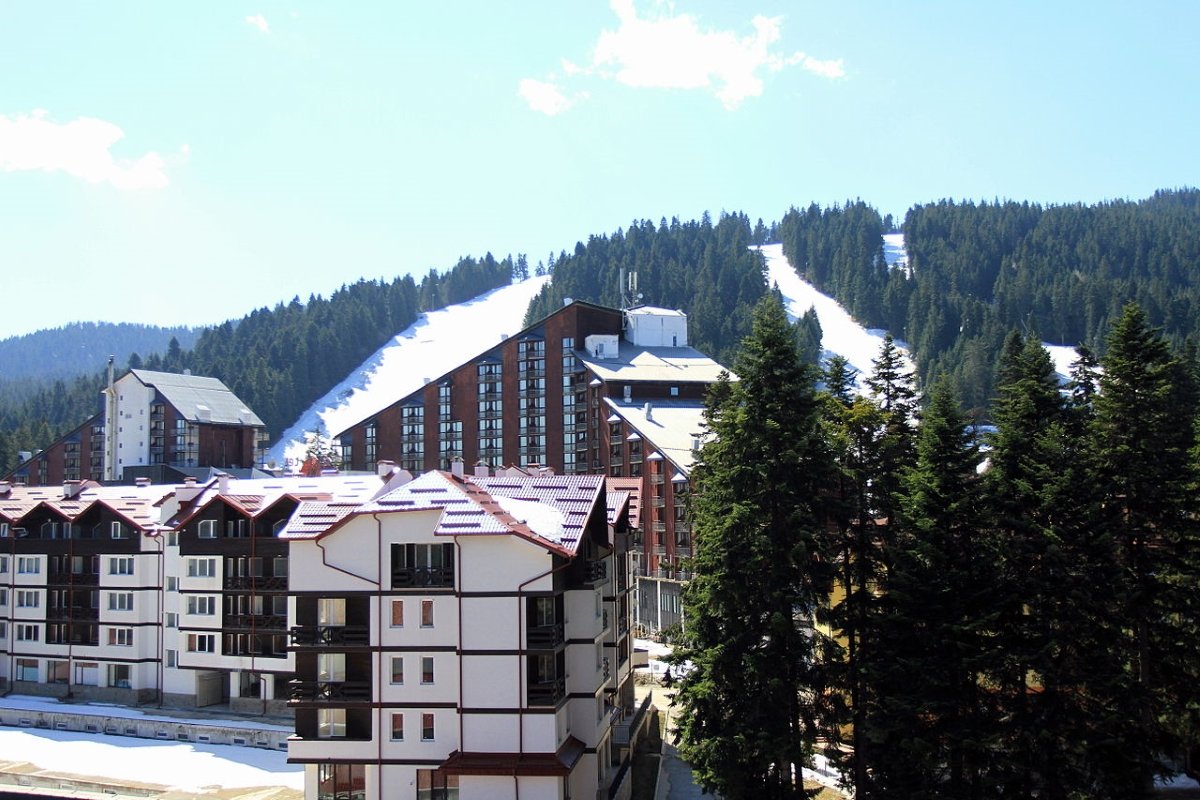
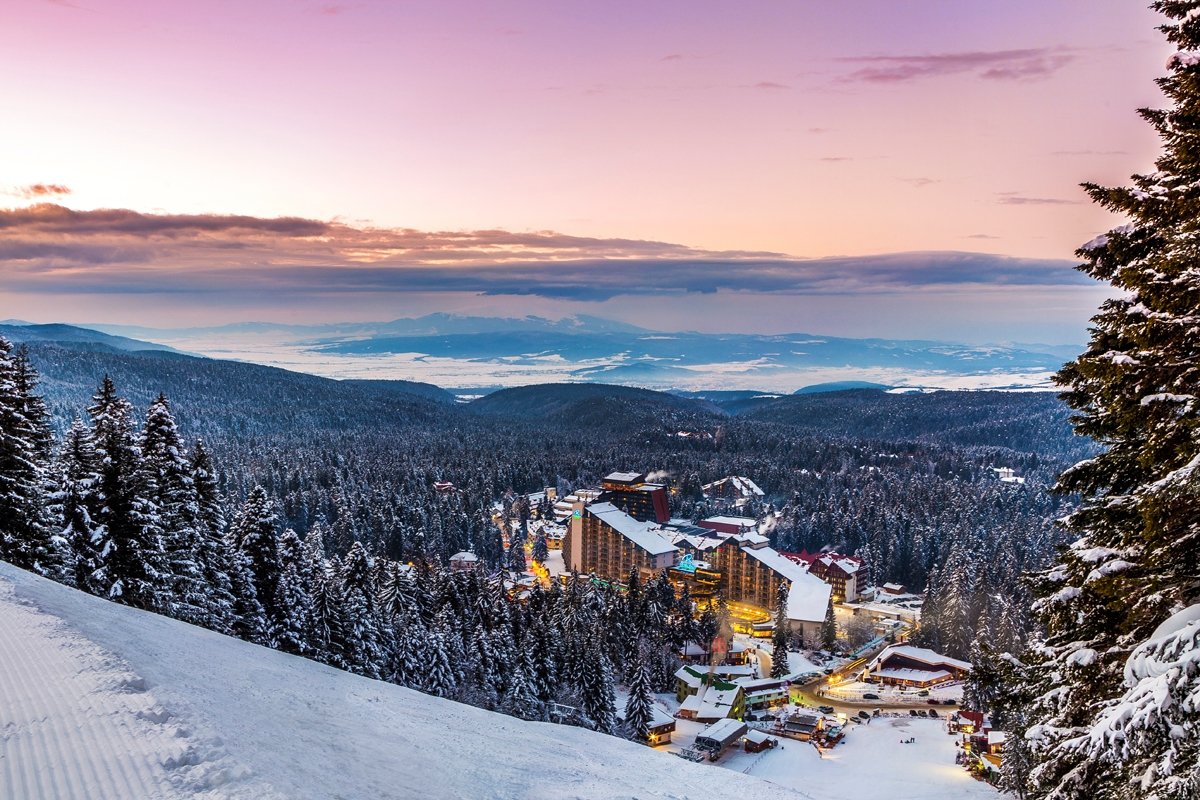
Bulgaria’s oldest ski resort, established in 1896 as a hunting retreat for Bulgarian royalty, sits at 1,350 meters on Mount Musala’s northern slopes in the Rila Mountains. At 2,925 meters, Musala is the Balkans’ highest peak. Borovets has evolved from communist-era skiing center to modern resort while maintaining remarkably low prices—typically 60-70% cheaper than Western European equivalents.
Weather & Winter Conditions
Borovets experiences cold, snowy winters from mid-December through early April. Temperatures range from -10°C to 5°C, with January averaging -5°C. The resort receives substantial snowfall (averaging 150cm base depth) supplemented by extensive snowmaking across 58 kilometers of slopes. Expect crisp, clear days and cold nights. The skiing season peaks from January through March.
Accommodation Options
Extraordinary value defines Borovets lodging. Budget hotels and apartments start at €25-€40 per night for basic but clean rooms. Mid-range three-star hotels (€50-€80) offer comfortable amenities, pools, and spa facilities. Luxury options like Rila Hotel or Ela provide four-star service for €100-€150—prices unthinkable in the Alps. Many properties offer all-inclusive packages including meals and lift passes.
Shopping
Shopping centers in the resort base offer ski equipment, sportswear, and souvenirs. Prices are notably lower than Western Europe—ski gear costs 40-50% less than Alpine resorts. The nearby town of Samokov (25km) features traditional markets selling rose oil products, wines, handcrafted items, and leather goods. Don’t expect luxury brands, but practical purchases offer excellent value.
Local Traditions
Bulgarian mountain culture emphasizes hospitality and communal celebration. Traditional mehanas (taverns) feature live folk music with distinctive gaida (bagpipe) and tupan (drum) performances. The region celebrates Trifon Zarezan (wine festival) in February with vineyard blessing rituals. Locals maintain orthodox Christian traditions—churches feature stunning icon paintings and the Christmas season follows the Julian calendar.
Outdoor Activities
The 58km of slopes suit all levels across three interconnected zones: Sitnyakovo, Yastrebets, and Markudjik. Beyond downhill skiing, activities include snowshoeing to Musala Peak hut, snowmobiling through pine forests, ice skating at the resort center, and sledding. Summer hiking trails become winter wonderlands. The nearby Rila Monastery (UNESCO site, 20km away) makes an excellent cultural day trip.
Budget Considerations
Borovets stands out for affordability. Daily budgets run €60-€120 including accommodation, lift passes (€35-€40 daily, €170-€200 for six days), meals, and entertainment. Equipment rental costs €15-€25 daily. Three-course restaurant meals run €12-€20. Après-ski drinks cost €2-€4. A week’s skiing holiday for two can cost under €1,000 including flights from many European cities.
Food & Dining
Bulgarian cuisine offers hearty, flavorful mountain fare. Must-try dishes include shopska salad (tomatoes, cucumbers, peppers, cheese), kavarma (slow-cooked meat stew), banitsa (cheese-filled pastry), and tarator (cold cucumber soup). Rakia (fruit brandy) warms après-ski hours. Restaurants like Hunters Mehana and Stragata serve authentic meals for €8-€15. Pizza and international options are widely available.
Cultural Aspects
Bulgarian hospitality shines through genuine warmth and curiosity about visitors. The country’s Cyrillic alphabet adds exotic appeal—though English is increasingly common among younger staff and tourist areas. Locals nod for “no” and shake for “yes” (though they’ve adapted to international gestures). The blend of Slavic, Balkan, and Orthodox traditions creates distinctive cultural texture.
Events
The resort hosts international ski competitions including FIS events. Traditional Bulgarian folklore evenings with fire dancing occur weekly in various hotels. February features Kukeri festivals in nearby villages where costumed dancers perform ancient rituals to scare away evil spirits. New Year celebrations blend orthodox Christmas (January 7) with secular festivities creating extended celebration periods.
Useful Information
- Access: Sofia Airport (1.5 hours, transfers readily available)
- Best months: January-March for snow quality
- Lift system: Modern gondolas and chairlifts, minimal queues
- Language: Bulgarian (Cyrillic), English in tourist areas
- Currency: Bulgarian Lev (BGN), approx 2 BGN = 1 EUR
- Skill level: 35% beginner, 40% intermediate, 25% advanced slopes
3. Andermatt, Switzerland – Luxury Without the Hype
Interesting Facts
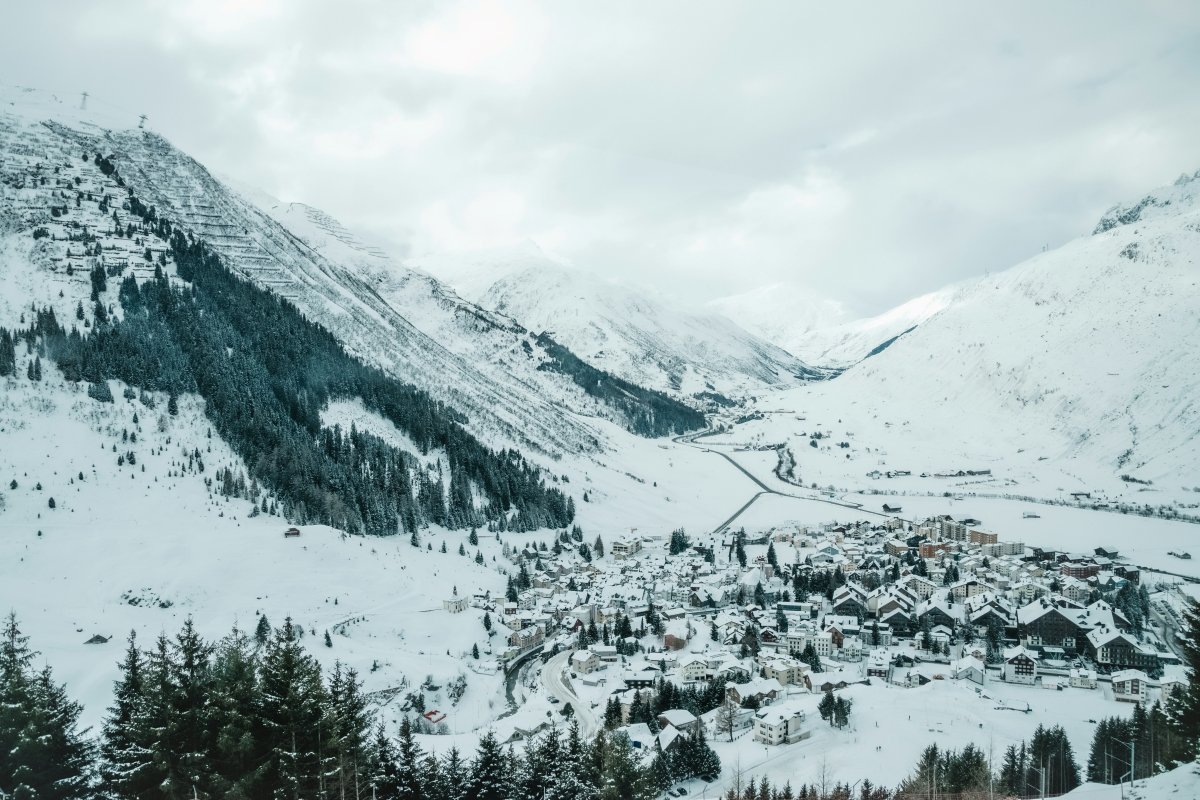
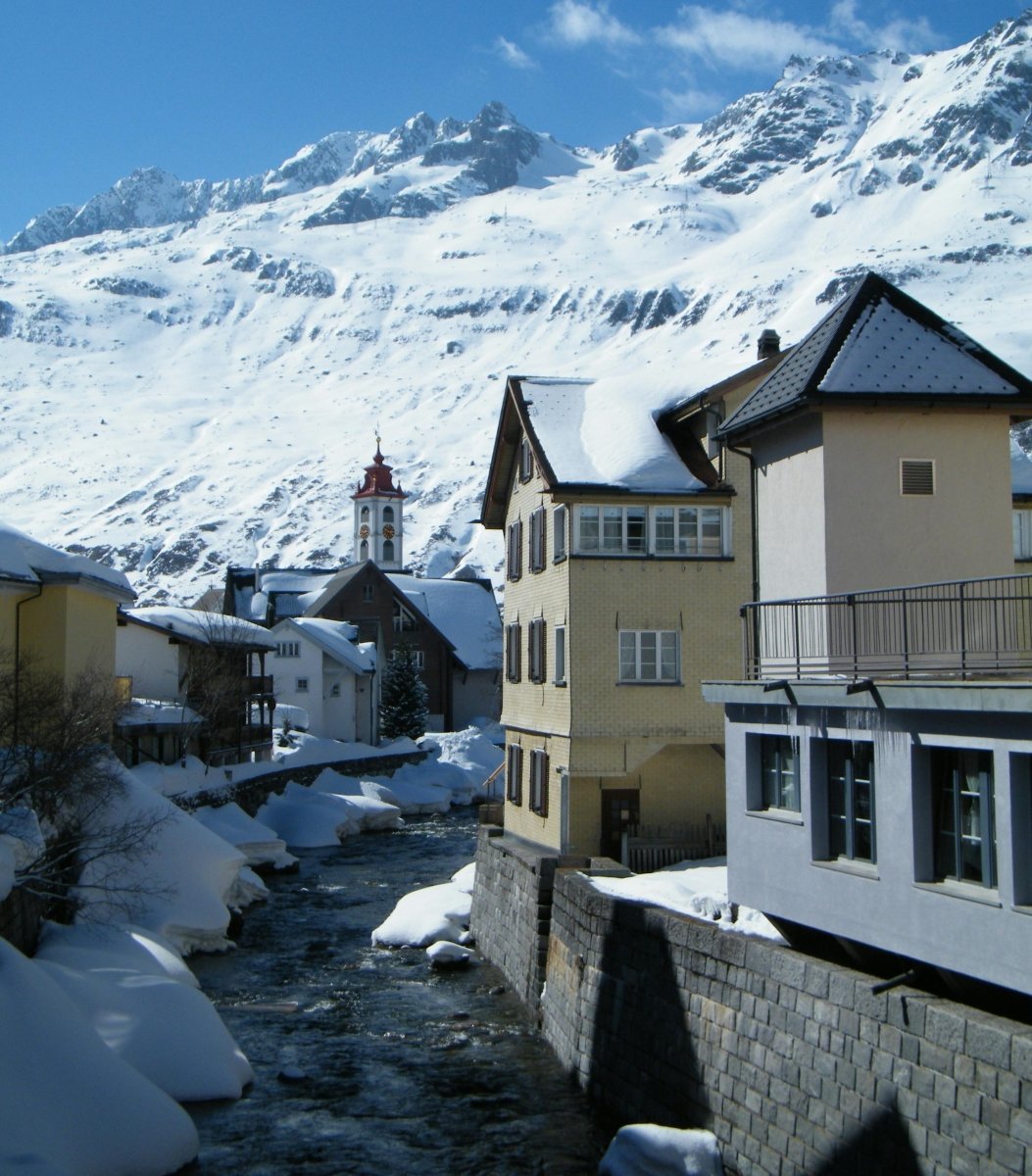
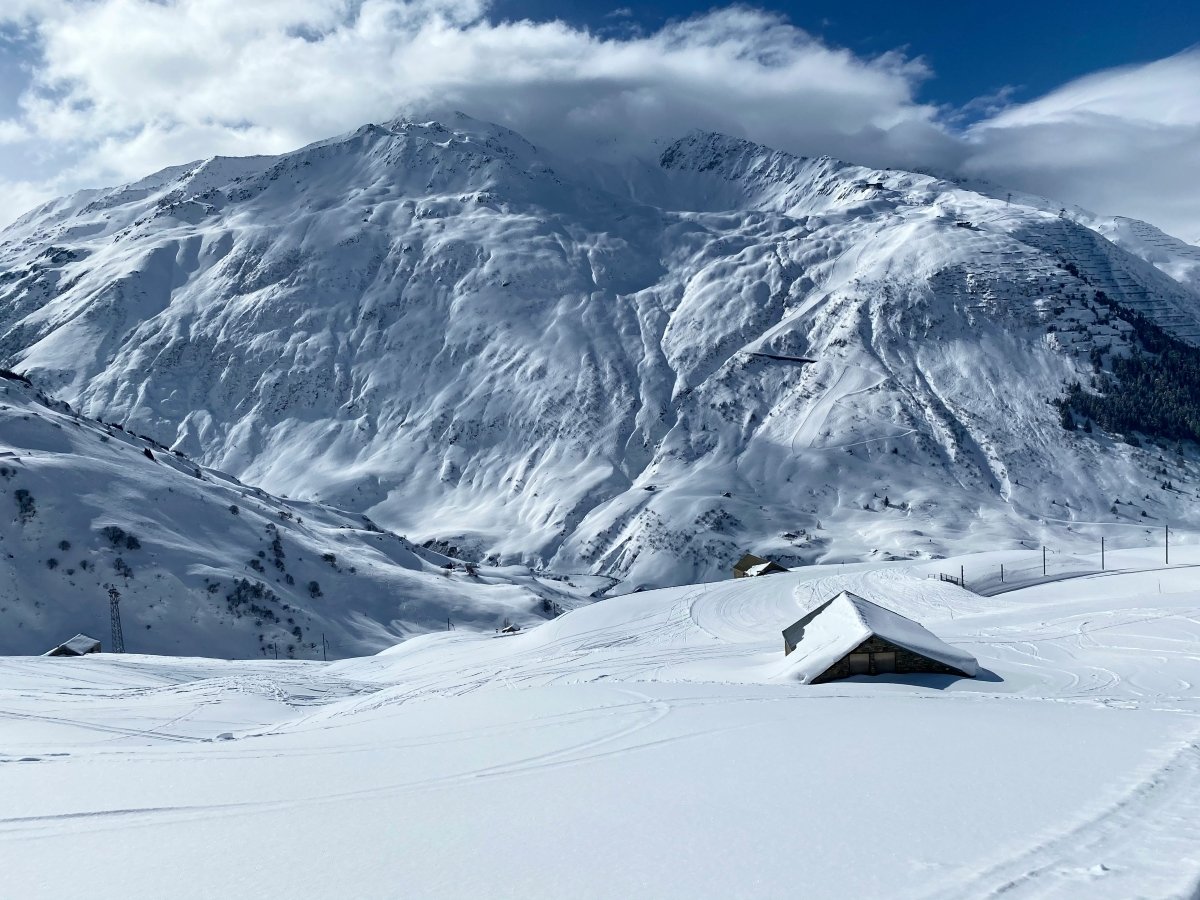
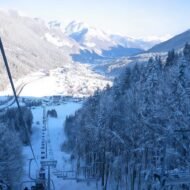
This historic alpine village at 1,444 meters in central Switzerland was transformed by Egyptian investor Samih Sawiris’s multi-billion-franc development project beginning in 2009. Despite modernization, Andermatt retains authentic character as a military garrison town and Gotthard Pass crossroads. The SkiArena connects to Sedrun-Oberalp, creating Switzerland’s largest ski area with 120 kilometers of slopes. Unlike Zermatt or St. Moritz, it remains refreshingly uncrowded.
Weather & Winter Conditions
Andermatt’s central alpine location guarantees reliable snow from November through May—one of Switzerland’s longest seasons. Winter temperatures range from -8°C to 3°C, with frequent fresh snowfall. The resort receives over 8 meters of annual snowfall, enhanced by comprehensive snowmaking. January and February offer peak conditions. Expect variable weather including foggy days due to the altitude and geography, but powder days are legendary.
Accommodation Options
Despite “luxury” status, Andermatt offers range. Budget options are limited but hostel beds and simple guesthouses start around €60-€90 per night. Mid-range hotels (€150-€250) provide comfortable Swiss quality. Luxury choices include The Chedi Andermatt (€600-€1,200), Radisson Blu (€200-€400), and new Fairmont (€300-€600). Apartments for families run €150-€300 nightly. Book early as capacity remains smaller than mega-resorts.
Shopping
The village center features high-end boutiques, sporting goods shops, and Swiss specialty stores selling watches, chocolate, and army knives. Prices reflect Swiss standards (high), but quality is impeccable. The modern resort development includes designer shops and galleries. Practical ski equipment rentals are available, though purchasing here costs premium prices. Nearby towns offer better shopping value.
Local Traditions
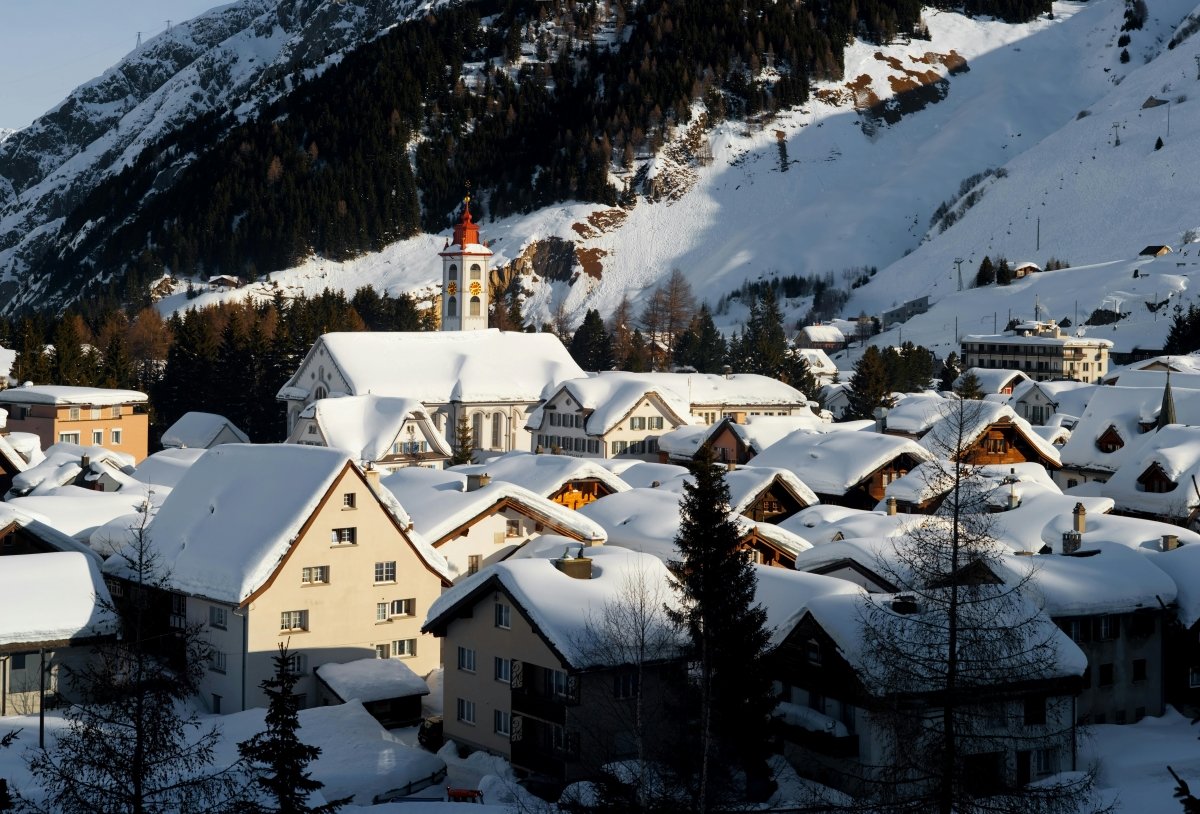
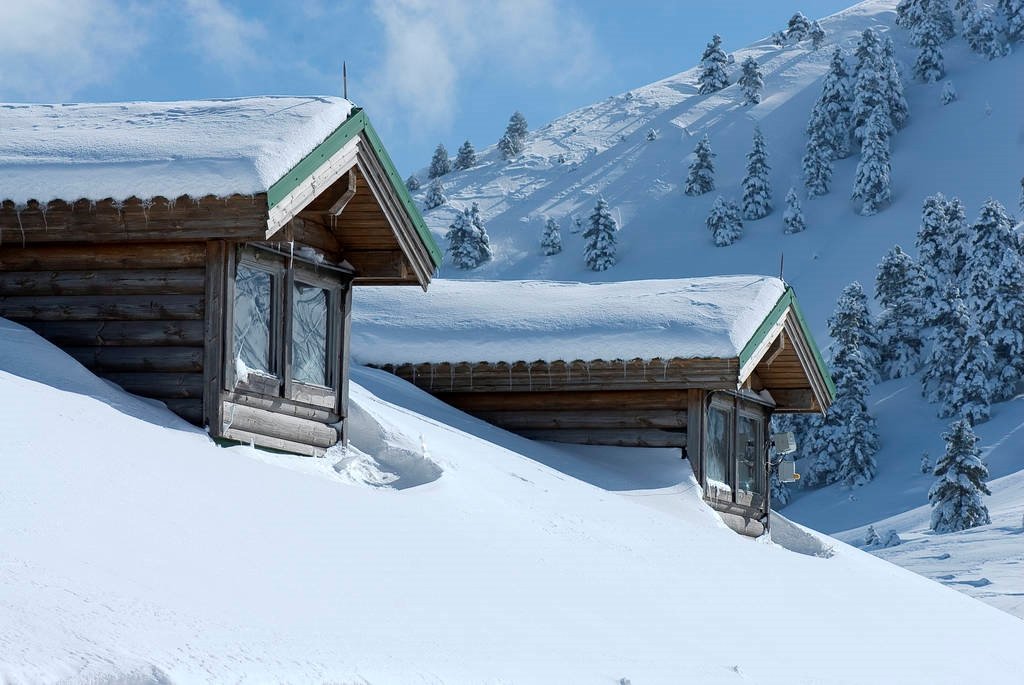
The Urseren Valley maintains centuries-old alpine farming traditions. The community celebrates Chilbi (harvest festival), Fasnacht (carnival) with elaborate masks, and Alpabzug (cattle descent) in autumn. Swiss-German dialect prevails among locals. Military presence (Andermatt served as strategic fortress) influences local identity. Traditional chalets use larch wood construction, and hospitality emphasizes precision and punctuality—quintessentially Swiss characteristics.
Outdoor Activities
Beyond 120km of skiing across Gemsstock (challenging), Nätschen (family-friendly), and Sedrun sectors, activities include the Gotthard panorama trail for snowshoeing, ice climbing on frozen waterfalls, winter hiking on prepared paths, and tobogganing on natural tracks. Heli-skiing operates on 30+ peaks. The Furka and Oberalp passes offer spectacular winter scenery. Nordic skiing trails wind through pristine valleys.
Budget Considerations
Switzerland’s expense is unavoidable but Andermatt remains cheaper than St. Moritz or Verbier. Expect €250-€400 daily for accommodation, lift passes (€70-€80 daily, €370-€420 for six days), meals, and extras. Equipment rental costs €40-€60 daily. Restaurant meals run €25-€40 for lunch, €50-€100 for dinner. Coffee costs €4-€6. A week’s trip for two typically costs €3,500-€6,000 including flights and activities.
Food & Dining
Swiss mountain cuisine showcases cheese and quality meats. Raclette and fondue are winter staples. Try The River House for innovative alpine cuisine, Biselli for Italian fine dining, or Spycher for traditional Swiss fare. Bärenmatte at mid-mountain serves excellent lunch. Expect rösti (potato pancake), geschnetzeltes (veal in cream sauce), and Ursener Bier (local brew). Michelin-quality dining exists without pretension.
Cultural Aspects
Despite development, Andermatt avoids St. Moritz’s ostentation. The community values environmental stewardship—the resort emphasizes sustainability. Architecture blends contemporary design with traditional materials. Cultural offerings include classical music concerts, art exhibitions, and lectures at The Chedi. The population remains small (under 1,500 residents), fostering intimate atmosphere. Respect for nature and precision in service define local ethos.
Events
Annual highlights include the Andermatt Music festival featuring chamber music in January, classic car ice racing on the frozen lake, freeriding competitions on Gemsstock’s legendary steeps, and yoga retreats at luxury hotels. The Japanese Weeks celebrate Swiss-Japanese cultural exchange. Regular guided powder safaris and avalanche safety courses cater to advanced skiers. Summer jazz festival attracts international artists.
Useful Information
- Access: Zürich Airport (1.5 hours by train/car); Milan (2.5 hours via Gotthard tunnel)
- Best months: January-April for deep snow, March for sunshine
- Lift system: Modern gondolas, minimal wait times
- Language: Swiss-German, English widely spoken
- Currency: Swiss Franc (CHF), credit cards universally accepted
- Expert-friendly: Gemsstock offers Switzerland’s steepest groomed runs and extensive off-piste
4. Kalavryta, Greece – Ski Slopes with Sea-Level Soul
Interesting Facts
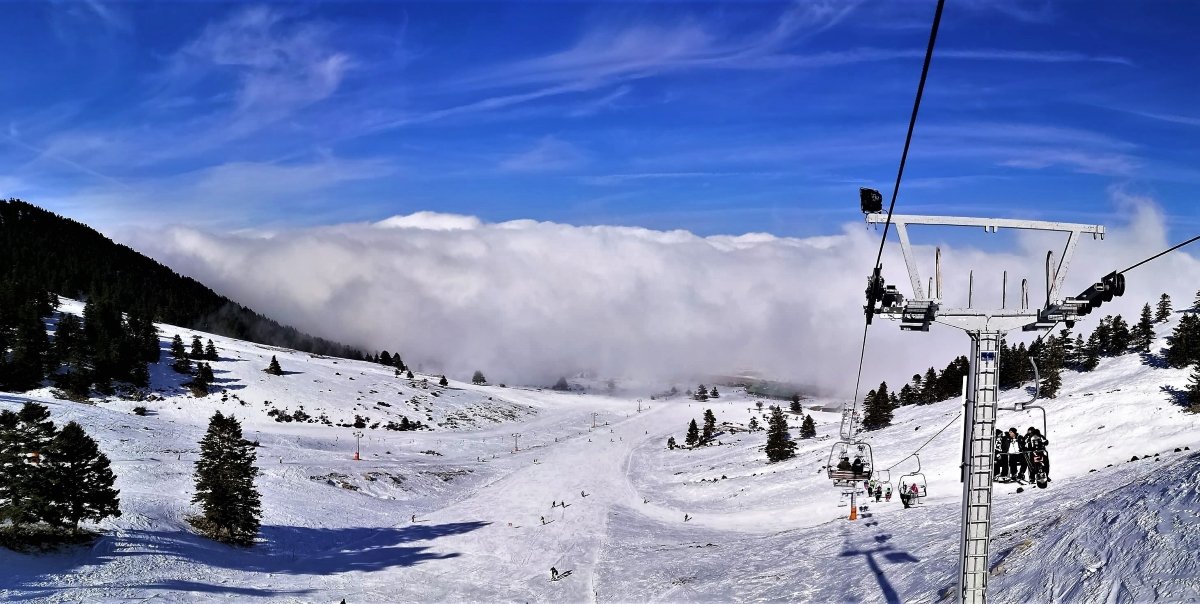
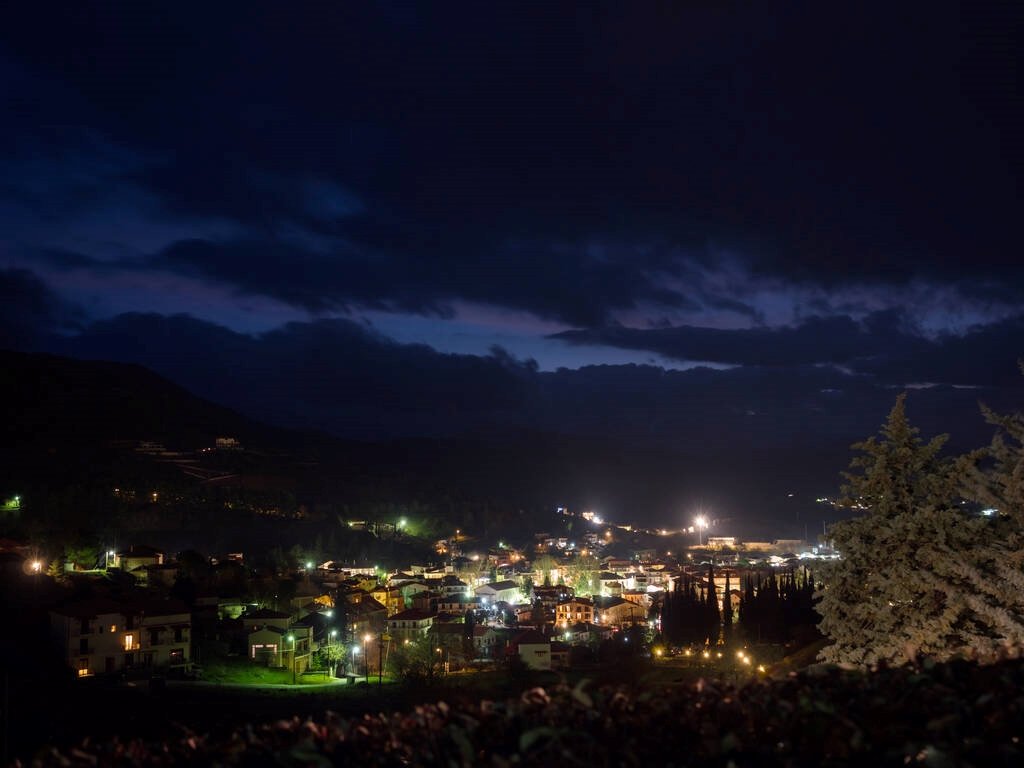
Europe’s southernmost ski resort sits at 1,700-2,340 meters on Mount Helmos in the Peloponnese, just 78 kilometers from the Gulf of Corinth. The improbable combination of Mediterranean climate, ancient history, and winter sports makes Kalavryta utterly unique. The resort opened in 1988 and offers 12 kilometers of slopes—modest by alpine standards but extraordinary considering you can ski in the morning and swim in the sea by afternoon (in early/late season).
Weather & Winter Conditions
Kalavryta experiences unpredictable Mediterranean mountain weather. The ski season typically runs December through March, though heavy snowfall years extend into April. Temperatures range from -5°C to 8°C, considerably milder than northern resorts. Snowfall can be sporadic—some seasons bring abundant powder, others require extensive snowmaking. January and February offer most reliable conditions. Sunny days predominate, making spring skiing particularly pleasant.
Accommodation Options
Limited on-mountain lodging means most visitors stay in Kalavryta town (15 minutes away). Options include budget guesthouses (€40-€60), family-run hotels (€60-€90), and boutique properties like Kalavryta Canyon Hotel & Spa (€100-€150). Charming stone houses converted to boutique hotels offer authentic character. The coastal city of Patras (70km) provides additional options. Book ahead during Greek holidays and weekends when Athens residents flock here.
Shopping
Kalavryta town features small shops selling local products: olive oil, honey, wines, handwoven textiles, and religious icons. The famous Agia Lavra Monastery shop sells monk-made products. Ski equipment rentals are available but limited—consider bringing gear if you’re particular. The town’s modest size means shopping focuses on essentials and local specialties rather than luxury goods or extensive retail.
Local Traditions
This region carries profound historical weight. The Agia Lavra monastery sparked the Greek War of Independence in 1821. The Nazis massacred all male residents over 13 years old in 1943—a memorial and stopped clock tower (at 2:34 PM) commemorate this tragedy. Locals maintain Greek Orthodox traditions, strong family bonds, and legendary hospitality (philoxenia). Easter celebrations here are particularly moving, blending resurrection joy with historical remembrance.
Outdoor Activities
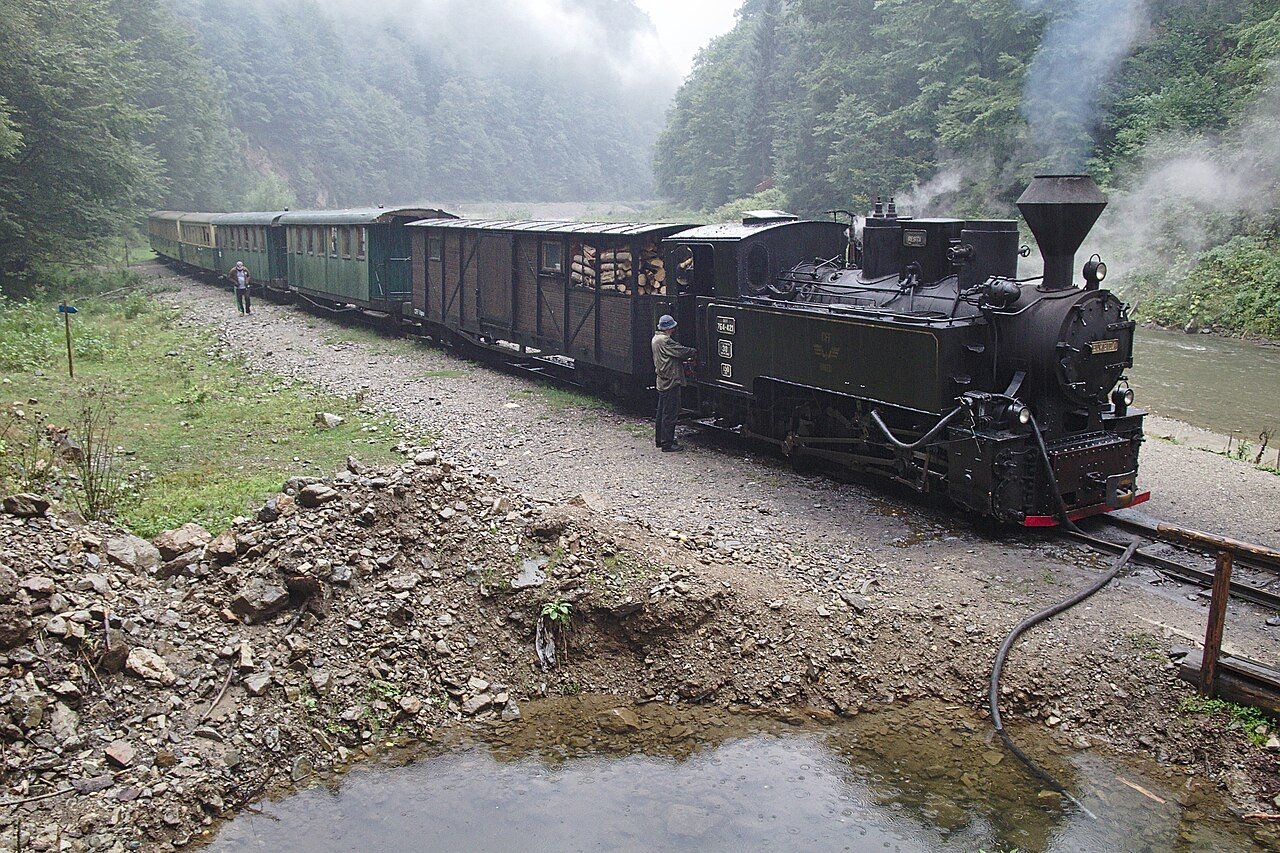
Beyond 12km of slopes (7 runs suitable for beginners and intermediates), activities include touring the stunning Mega Spilaio monastery (cliffside marvel), hiking in Chelmos-Vouraikos National Park, riding the historic narrow-gauge rack railway through Vouraikos Gorge (spectacular), exploring caves including the Cave of the Lakes with underground lakes, and visiting ancient sites. Spring allows combining skiing with hiking lower elevations’ wildflower meadows.
Budget Considerations
Kalavryta offers exceptional value compared to Alps or even Eastern Europe. Daily budgets run €80-€150 including accommodation, lift passes (€22-€28 daily, €100-€130 for six days—remarkably cheap), meals, and activities. Equipment rental costs €20-€30 daily. Taverna meals run €12-€20. A week’s skiing holiday costs €600-€1,200 per person including domestic travel from Athens. International visitors find it extremely affordable.
Food & Dining
Authentic Greek mountain cuisine dominates. Traditional dishes include hilopites (square pasta with meat), lamb kleftiko (slow-cooked), marathopita (fennel pie), and local cheeses. Tavernas in town serve generous portions for €10-€18. Try Taverna To Koutouki or Pirinea for authentic fare. Local wines from Achaia region pair beautifully. Mountain honey, walnuts, and fresh trout feature prominently. Après-ski means coffee and tsikoudia (Greek firewater), not champagne.
Cultural Aspects
Greek warmth and spontaneity create refreshingly different ski culture—think music, conversation, and extended meals rather than efficiency and early nights. Locals treat visitors as guests, often sharing stories over coffee. The resort lacks alpine formality; families picnic on slopes, and social atmosphere trumps athletic performance. Orthodox Christianity infuses daily life—churches dot the landscape and feast days are observed. Many Athenians maintain weekend homes here, creating blend of urban sophistication and mountain authenticity.
Events
Greek Independence Day (March 25) features celebrations at Agia Lavra monastery where the revolution began. The Kalavryta Carnival includes parades and traditional dancing. Religious festivals throughout winter bring communities together. The ski resort hosts occasional races, but events emphasize family participation over competition. Summer’s Vouraikos Gorge Festival celebrates regional culture with music, dance, and local food—though winter remains quieter and more traditional.
Useful Information
- Access: Athens Airport (2.5-3 hours by car); Patras port for ferry connections
- Best months: January-February for reliable snow
- Lift system: Basic but functional, minimal queues
- Language: Greek, English in tourist areas
- Currency: Euro
- Unique advantage: Combine skiing with cultural tourism—ancient Olympia, Delphi, and coastal areas all within day-trip distance
5. Kranjska Gora, Slovenia – Small, Scenic & Sustainable
Interesting Facts
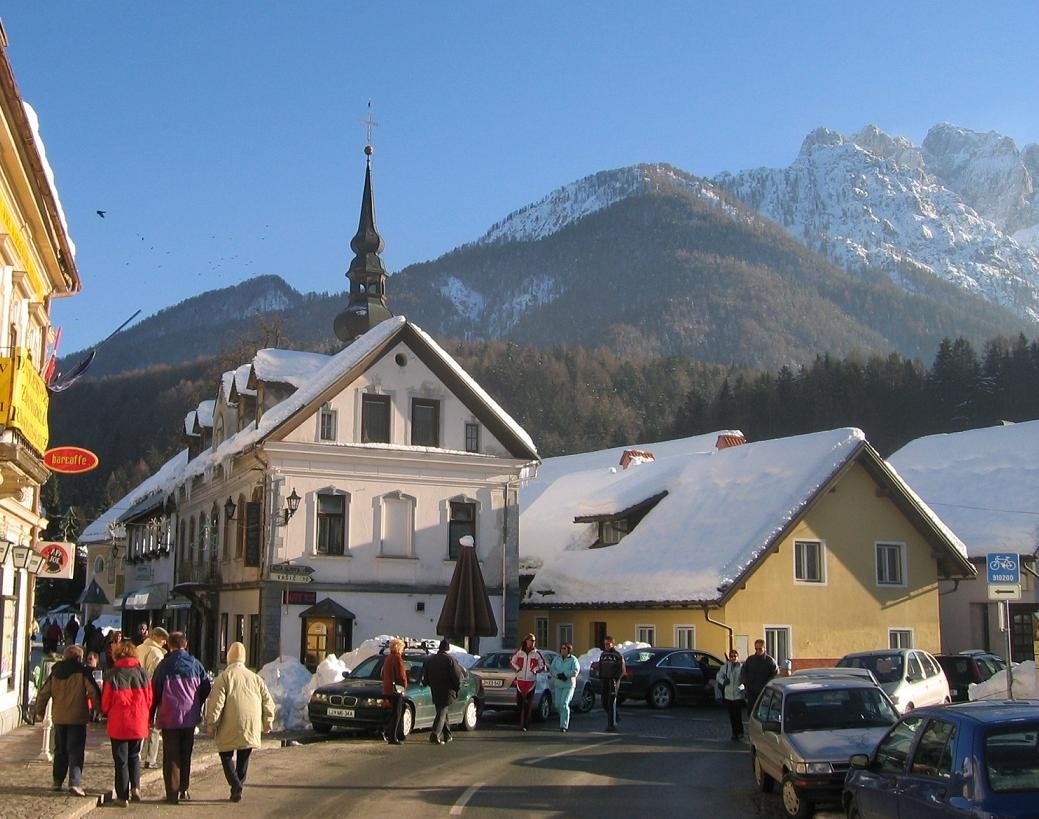
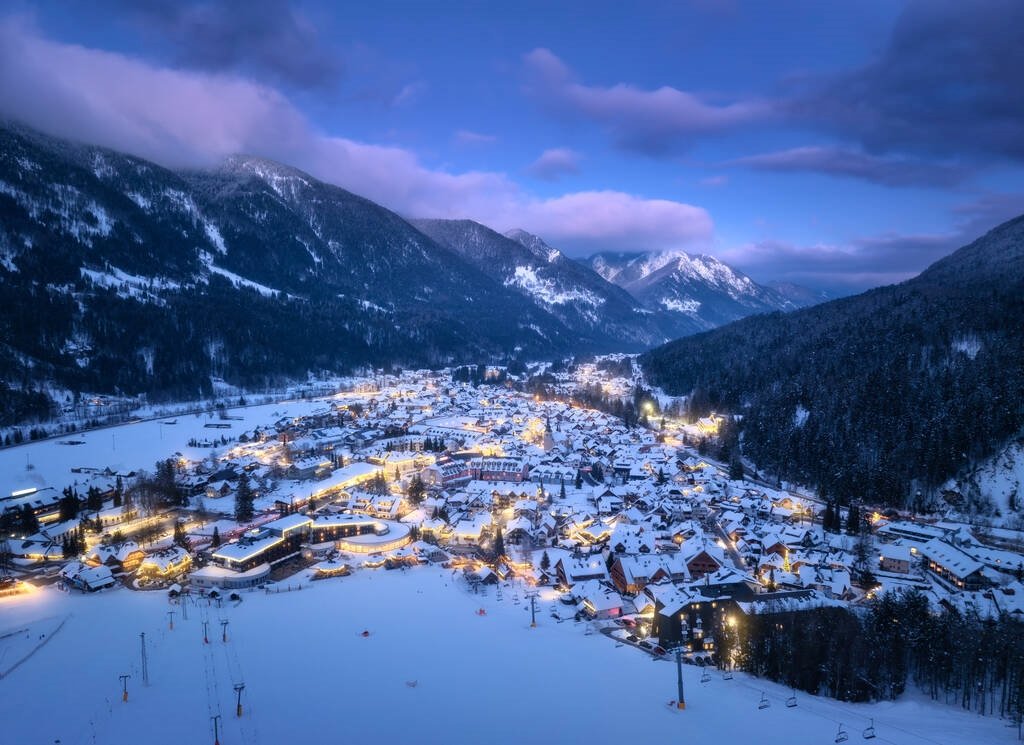
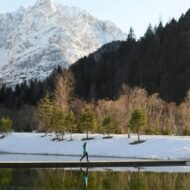
This picture-perfect village in the Julian Alps, population 1,500, sits at 810 meters near the convergence of Slovenia, Austria, and Italy. Despite hosting FIS Alpine Ski World Cup slalom and giant slalom races since 1961 (the Vitranc Cup), Kranjska Gora maintains intimate scale and authenticity. Triglav National Park surrounds the resort, and Slovenia’s commitment to sustainability (Green Slovenia initiative) means eco-conscious operations and pristine nature.
Weather & Winter Conditions
Kranjska Gora experiences typical alpine climate with reliable snow from December through March. Temperatures range from -8°C to 4°C, with January being coldest. The resort’s relatively low base elevation (741m) means temperatures can hover near freezing, but slopes extend to 1,215 meters where conditions remain excellent. Snowmaking covers 95% of the 20 kilometers of pistes. Expect occasional foggy days but generally stable winter conditions.
Accommodation Options
The resort offers excellent mid-range value. Budget travelers find guesthouses and apartments from €40-€70 nightly. Three-star hotels (€80-€120) provide comfortable Slovenian hospitality with wellness facilities. Boutique options like Hotel Ramada (€120-€180) and luxury Rikli Balance Hotel (€150-€250) offer spa services and gourmet dining. Private apartments near the slopes provide family-friendly alternatives at €80-€150. Overall costs sit between Bulgarian affordability and Swiss luxury.
Shopping
The compact village center features ski shops, sporting goods stores, and boutiques selling Slovenian products: honey, pumpkin seed oil, carved wood items, and textiles. Prices are reasonable—ski equipment rental costs €20-€35 daily, less than Austrian neighbors. The town lacks luxury shopping but delivers practical necessities and authentic souvenirs. Nearby Bled (20km) offers more extensive shopping including lakeside galleries and craft workshops.
Local Traditions
Slovenian alpine culture emphasizes community, environmental stewardship, and folk heritage. The region celebrates Kurentovanje (carnival) with traditional masks and costumes, Prešeren Day (February 8) honoring Slovenia’s greatest poet, and various harvest festivals. Beekeeping traditions run deep—locals call Slovenia “the land of bee-keepers.” Architecture features distinctive wooden houses with painted facades. Slovenian language reflects Slavic roots, though multilingual locals speak German, Italian, and English fluently.
Outdoor Activities
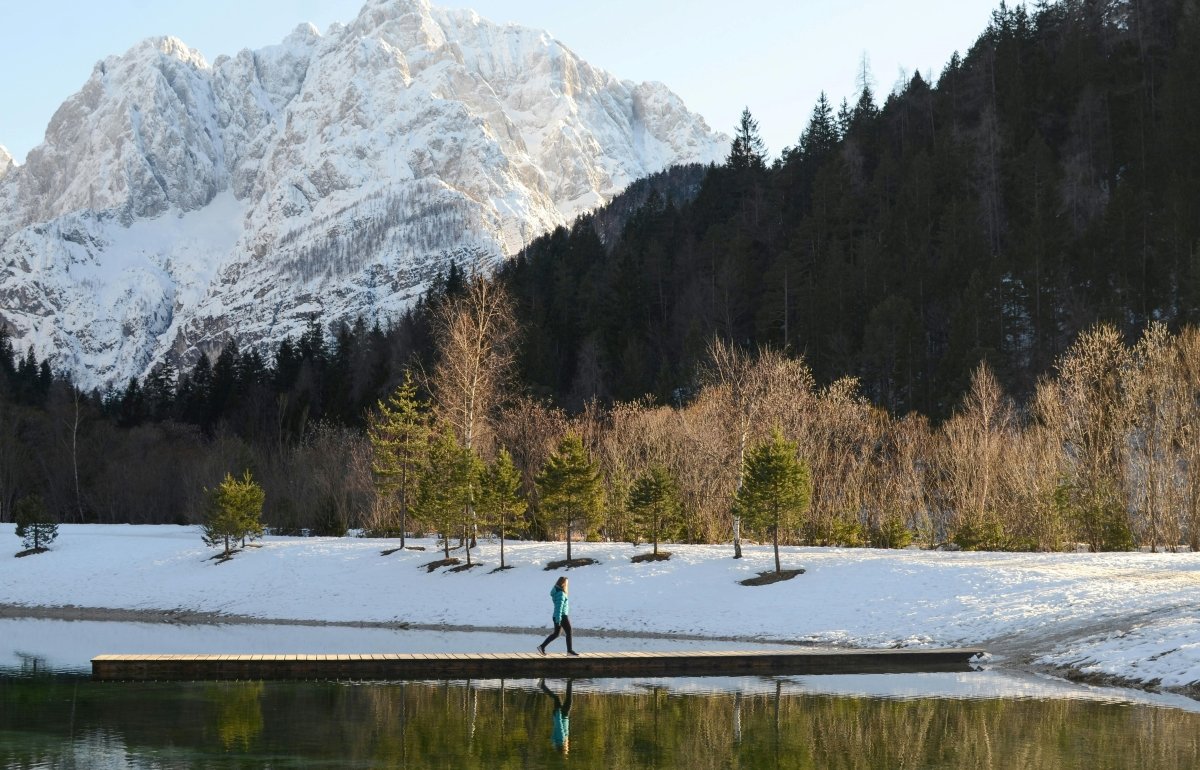
Beyond 20km of slopes (and access to nearby Planica with Nordic facilities), winter activities include snowshoeing in Triglav National Park, cross-country skiing on 40km of groomed trails through pristine forests, ice climbing at frozen waterfalls, winter hiking to Jasna Lake (stunning emerald waters even frozen), sledding on natural tracks, and fat biking. The legendary Planica Nordic Center (15km away) hosts ski jumping and biathlon. Summer hiking trails become winter wonderlands.
Budget Considerations
Slovenia offers sweet spot pricing—higher than Bulgaria, significantly lower than Switzerland or Austria. Daily budgets run €100-€180 including accommodation, lift passes (€42-€48 daily, €210-€240 for six days), meals, and activities. Multi-day passes and ski+stay packages improve value. Restaurant meals cost €15-€25, local wines €3-€5 per glass. A week’s skiing for two costs approximately €1,400-€2,500 including reasonable flights to Ljubljana. Equipment rental runs €25-€35 daily.
Food & Dining
Slovenian mountain cuisine blends alpine, Mediterranean, and Balkan influences. Must-try dishes include žganci (buckwheat spoonbread), jota (sauerkraut and bean stew), kranjska klobasa (Carniolan sausage), štruklji (dumplings), and potica (nut roll dessert). Restaurants like Kotnik 1906 and Lačni Kekec serve traditional fare for €12-€22. Local wines from Primorska region are exceptional. Kremsnita cream cake from nearby Bled makes perfect après-ski indulgence. Dining emphasizes local, seasonal, organic ingredients.
Cultural Aspects
Slovenia’s recent independence (1991) fostered strong national identity combining Central European sophistication with Balkan warmth. Environmental consciousness permeates culture—Slovenia was the first country designated entirely “green destination.” Locals balance pride in traditions with forward-thinking sustainability. The resort maintains family-friendly atmosphere without the party scene of some Austrian neighbors. Literature, poetry, and music are highly valued; even small villages host cultural events.
Events
The FIS Vitranc Cup (slalom and giant slalom) World Cup races in March draw international attention—watching world-class racers on the challenging Podkoren slope is thrilling and free. The Snow Queen Trophy opens the season. Summer brings the Planica Ski Flying World Cup. Traditional celebrations include Pustovanje carnival with Kurent figures, St. Nicholas Day processions in December, and New Year’s Eve celebrations. Regular live music and cultural programs occur throughout winter.
Useful Information
- Access: Ljubljana Airport (90km, 1 hour); Munich, Venice, Zagreb all within 3 hours
- Best months: January-March for optimal conditions
- Lift system: Modern, efficient, rarely crowded
- Language: Slovenian, English and German widely spoken
- Currency: Euro
- Eco-credentials: Green Resort certification, extensive environmental programs
- Bonus: Central location perfect for exploring three countries—Austria’s Villach, Italy’s Tarvisio, Slovenia’s Bled all nearby
Recap: Choosing Your Hidden Gem
These five unseen ski destinations offer alternatives to crowded, expensive mainstream resorts while delivering authentic experiences:
Livigno excels for duty-free shopping, extensive slopes, and reliable snow conditions—ideal for those wanting alpine quality with tax-free benefits.
Borovets provides unbeatable value and authentic Bulgarian culture—perfect for budget-conscious travelers seeking genuine Eastern European character.
Andermatt delivers Swiss quality and emerging luxury without St. Moritz pretension—suited to discerning skiers wanting less crowded, longer-season skiing.
Kalavryta offers the exotic: Mediterranean skiing combined with ancient history and cultural depth impossible elsewhere—for adventurous travelers wanting unique experiences.
Kranjska Gora balances affordability, sustainability, and charm—ideal for families and eco-conscious travelers seeking authentic alpine culture.
Each destination proves you don’t need famous names for exceptional winter holidays. These hidden gems combine quality skiing, cultural richness, authentic experiences, and often superior value compared to their celebrated neighbors.
Disclaimer
Information accuracy: Details regarding prices, accommodation, lift passes, operating hours, and facilities were accurate as of publication but are subject to change. Always verify current information directly with resorts, hotels, and service providers before booking.
Weather conditions: Historical weather patterns and snow conditions described represent typical expectations but cannot be guaranteed. Climate change affects snowfall unpredictability—consider travel insurance covering insufficient snow conditions.
Personal experience: Skiing and winter sports carry inherent risks. Ensure appropriate insurance coverage, follow safety guidelines, ski within your ability level, and respect avalanche warnings and closed areas.
Budget estimates: Costs provided are approximate ranges in Euros based on typical spending patterns. Individual expenses vary significantly based on travel style, exchange rates, booking timing, and personal preferences.
Medical and travel advice: This guide does not constitute medical or legal advice. Consult healthcare providers regarding altitude, physical activity, and vaccinations. Review entry requirements, visa regulations, and travel advisories for your nationality before booking.
Accessibility: Not all facilities described are accessible to individuals with mobility challenges. Contact specific properties and resorts directly to discuss accessibility needs.
Currency: Exchange rates fluctuate. Budget calculations used approximate rates current at publication.
The author and publisher disclaim liability for any inconvenience, injury, or financial loss resulting from use of this information. Travelers assume full responsibility for their safety, decision-making, and financial commitments.