








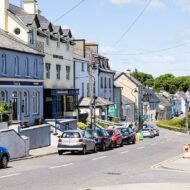
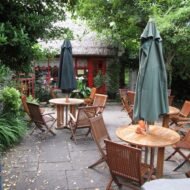

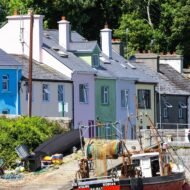
Discover Ireland’s five most stunning villages—from Adare’s thatched cottages to Doolin’s legendary music sessions. This guide covers what to see, where to eat, when to visit, and insider tips for experiencing authentic Irish village life. Perfect for travelers seeking charm beyond Dublin and the Wild Atlantic Way highlights you won’t find anywhere else.
- 1. Adare, County Limerick: The Prettiest Village in Ireland
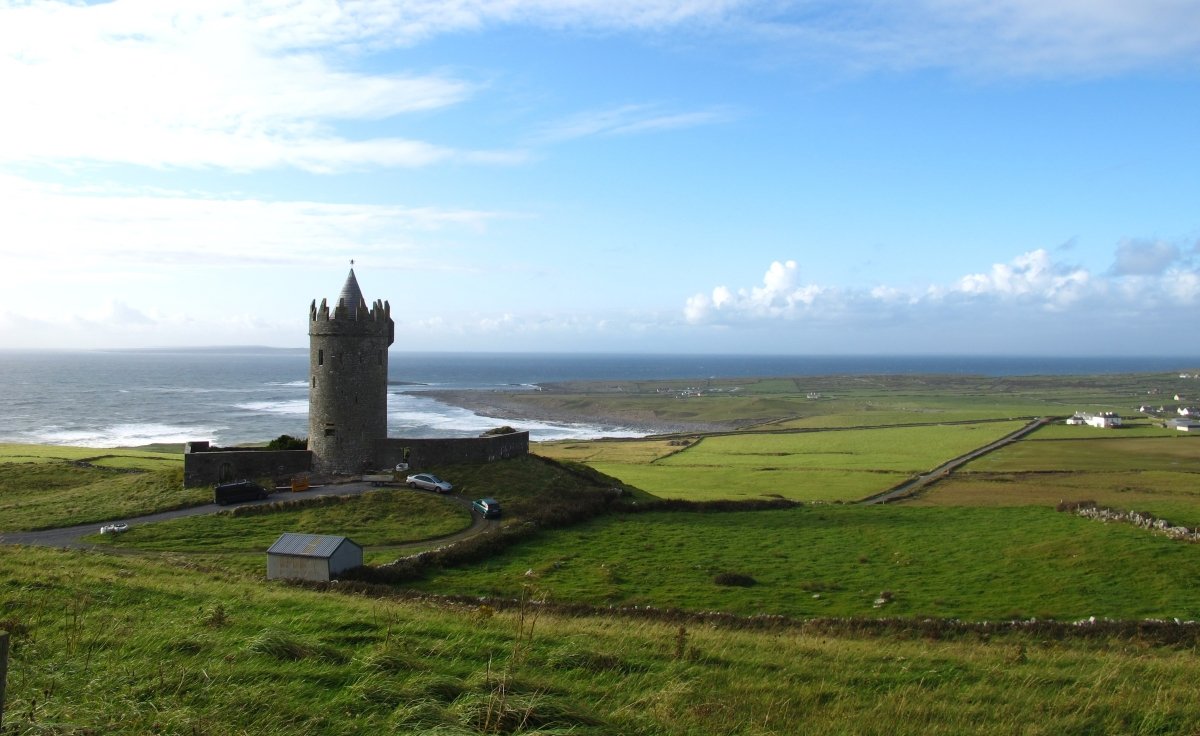
- 2. Doolin, County Clare: Where Music Meets the Atlantic
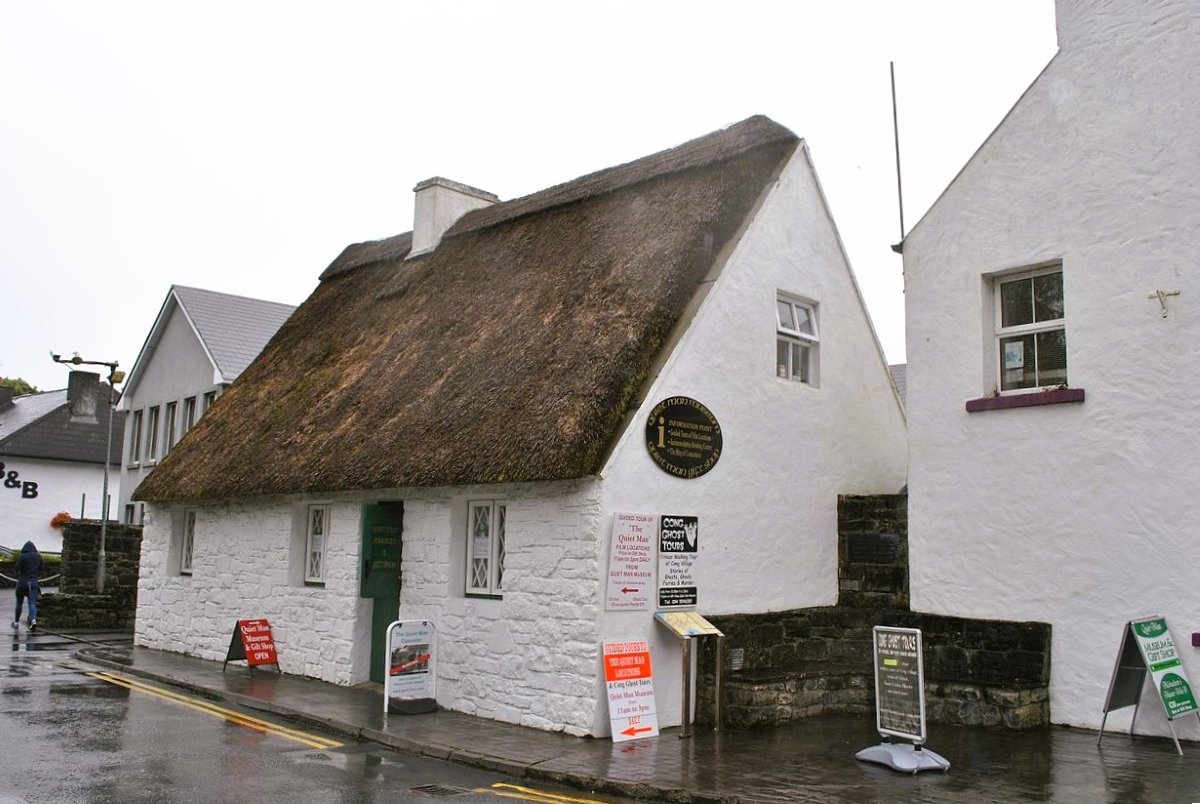
- 3. Cong, County Mayo: Where Hollywood Met Medieval Ireland
- 4. Kinsale, County Cork: The Gourmet Capital
- 5. Roundstone, County Galway: Connemara’s Hidden Gem
- Recap: Choosing Your Irish Village Adventure
Planning a trip to Ireland and wondering where to escape the tourist crowds? While Dublin and the Cliffs of Moher grab most of the attention, Ireland’s villages offer something even more magical—authentic experiences, postcard-perfect scenery, and the kind of warm hospitality that’ll have you planning your next visit before you’ve even left.
Let’s explore five villages that capture everything we love about the Emerald Isle, from medieval castles to wild coastal beauty.
1. Adare, County Limerick: The Prettiest Village in Ireland
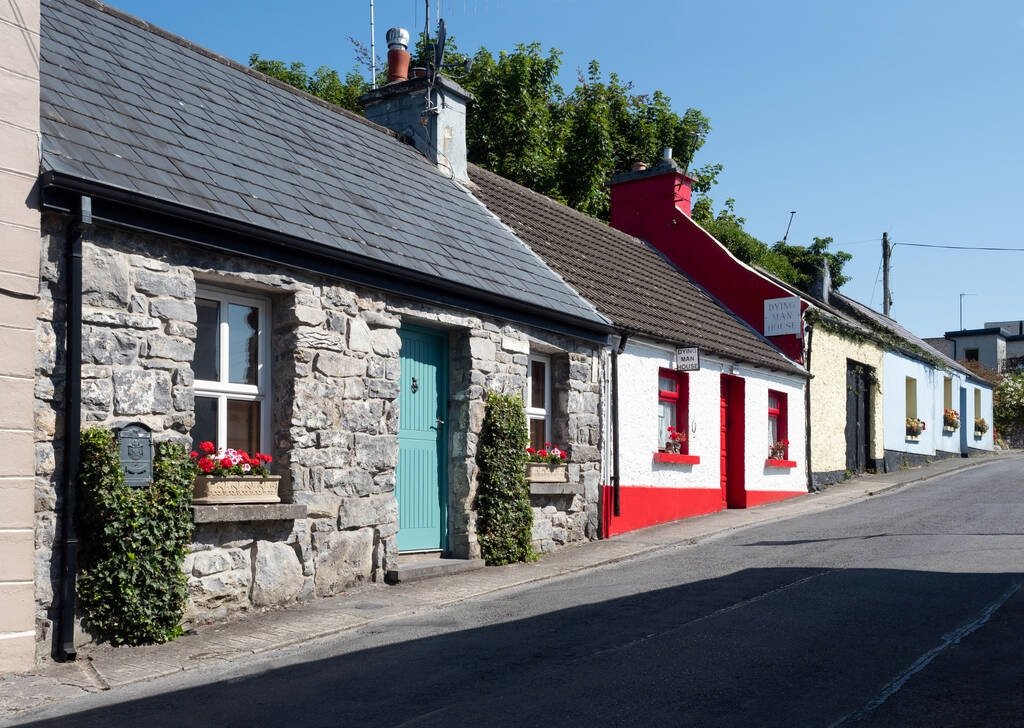
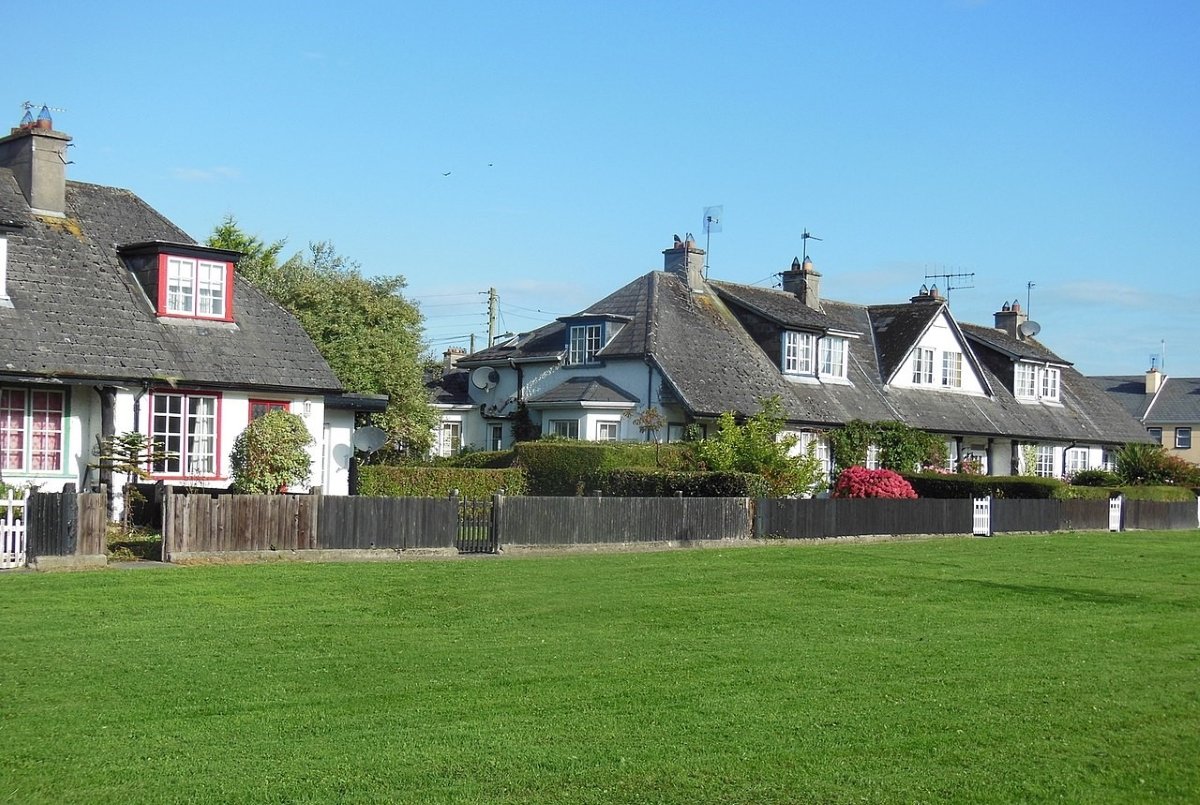
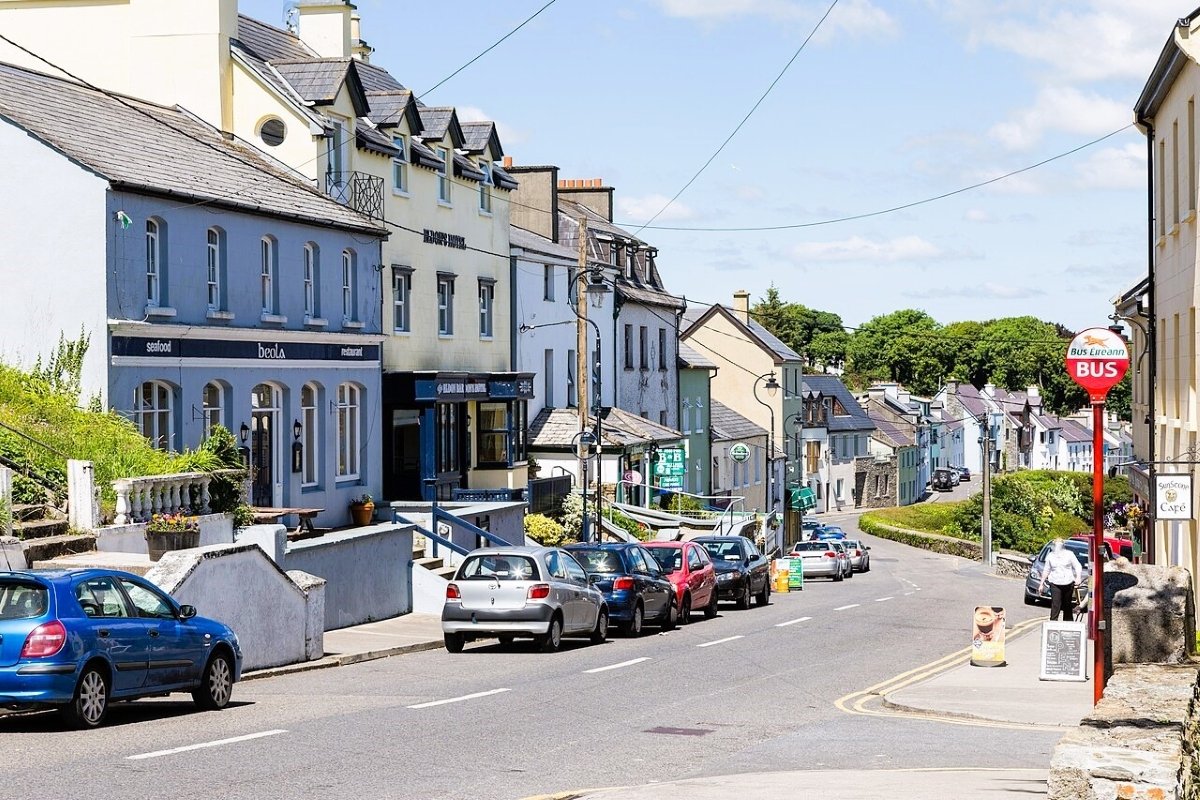
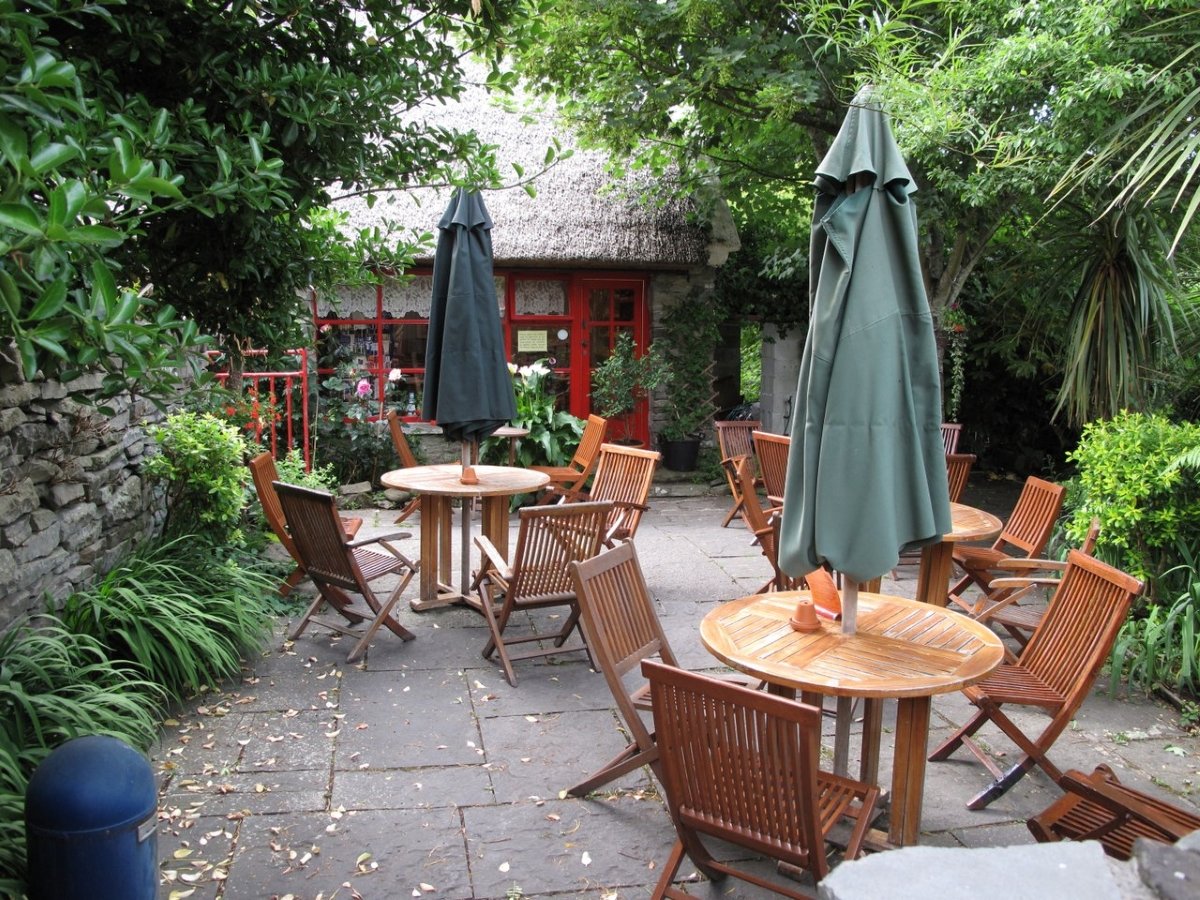
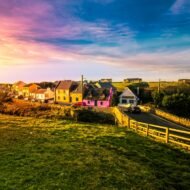
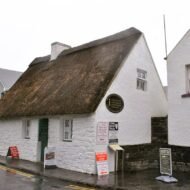
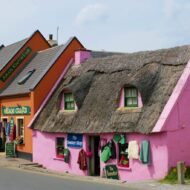
If there’s one village that looks like it jumped straight out of a fairy tale, it’s Adare. With its thatched-roof cottages lining the main street and flowers spilling from every window box, it’s no wonder this place consistently tops “most beautiful village” lists.
What Makes Adare Special
The whole village feels like a living museum, but in the best possible way. Those chocolate-box cottages you’ll photograph endlessly? They date back to the 1820s when the Earl of Dunraven decided to beautify his estate. Today, many house boutique shops, cozy cafés, and artisan galleries.
Must-See Spots
Adare Manor is the showstopper—a neo-Gothic castle that’s now a luxury hotel and golf resort. Even if you’re not staying there (rooms start around €800/night), you can book afternoon tea or take a stroll around the grounds. The 13th-century Desmond Castle ruins sit right in the village center and are free to explore.
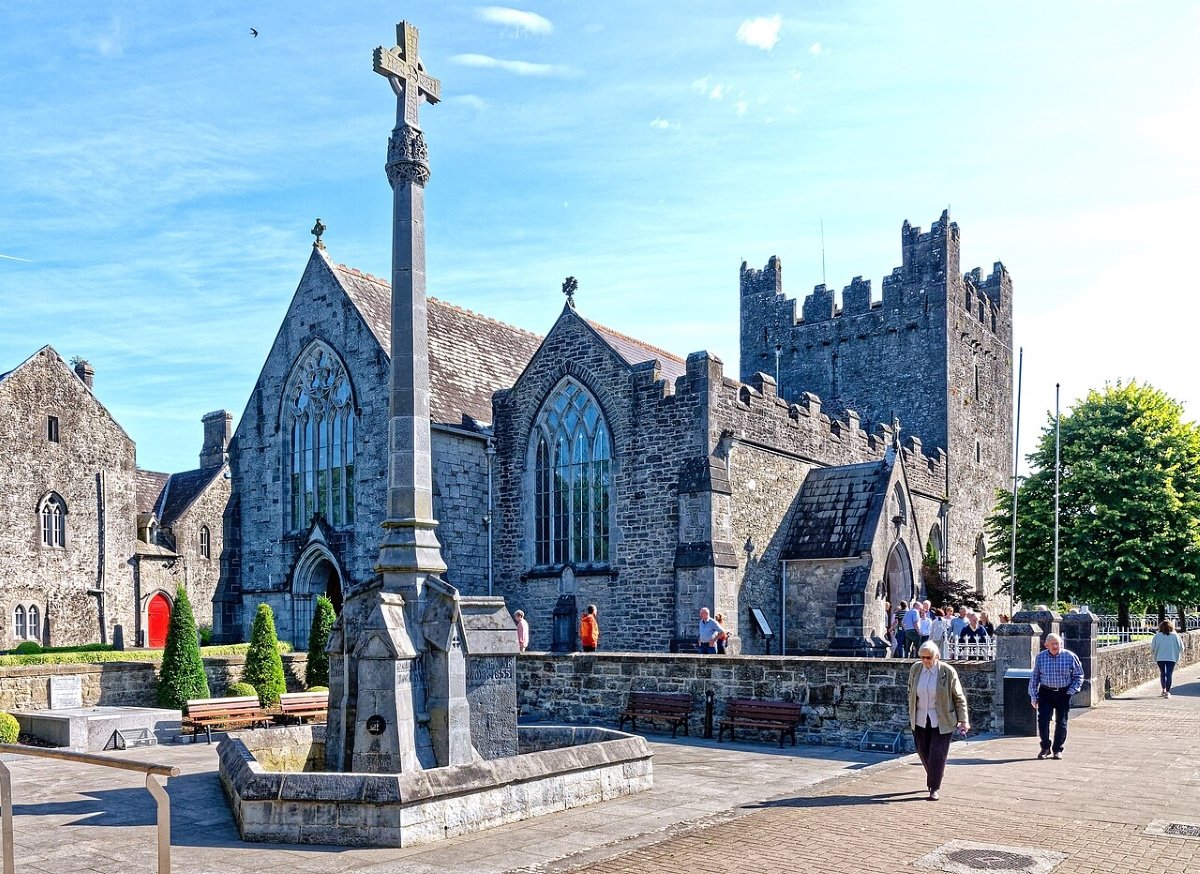
Don’t miss the three medieval monasteries: Trinitarian Abbey, Franciscan Friary, and Augustinian Friary. The Trinitarian Abbey, now the Catholic parish church, still holds services—imagine attending mass in a building from 1230!
Where to Eat
The Wild Geese Restaurant serves modern Irish cuisine that’s worth the splurge (mains €28-38), while The Oakroom at Adare Manor offers Michelin-starred dining. For something more casual, grab a pint and fish and chips at Sean Collins Bar, a proper local pub since 1840.
Best Time to Visit
May through September brings the best weather, but Adare shines during Christmas when the village goes all-out with decorations. July can get packed with tour buses, so consider visiting on a weekday morning for that peaceful village vibe.
Getting There
Adare sits just 16km from Limerick City—about 20 minutes by car. Buses run from Limerick (Bus Éireann Route 14), but having your own wheels gives you freedom to explore the surrounding countryside.
2. Doolin, County Clare: Where Music Meets the Atlantic
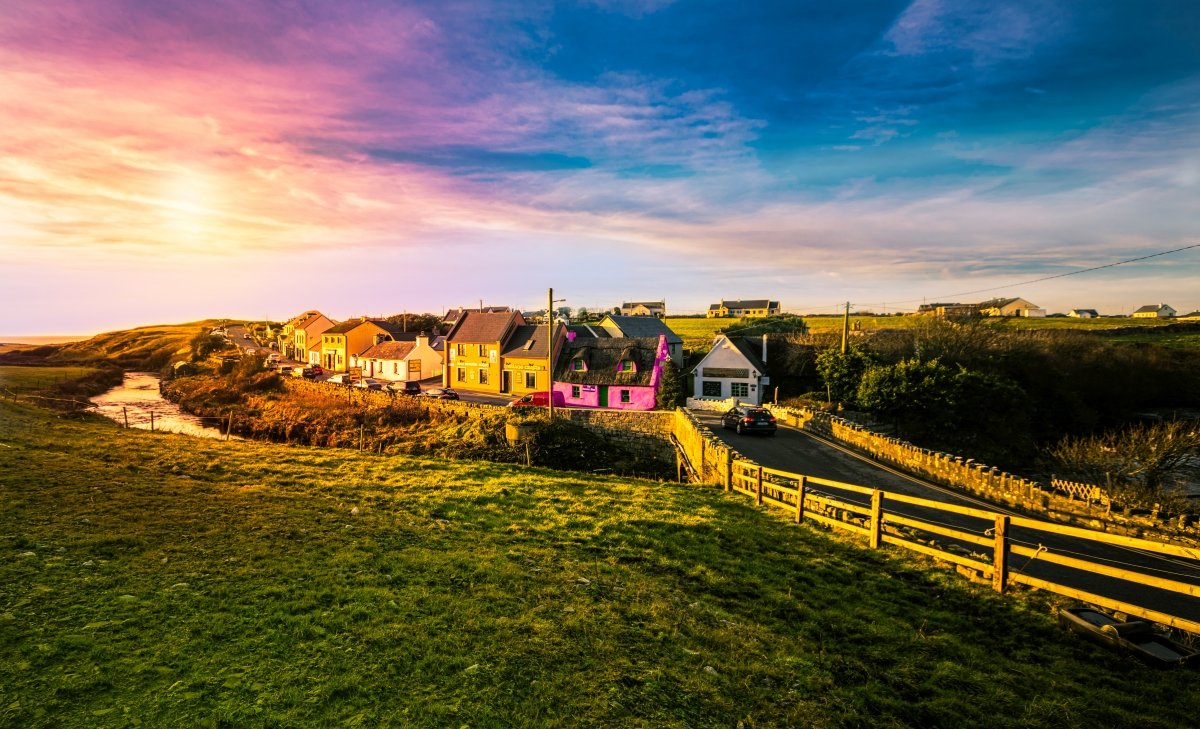
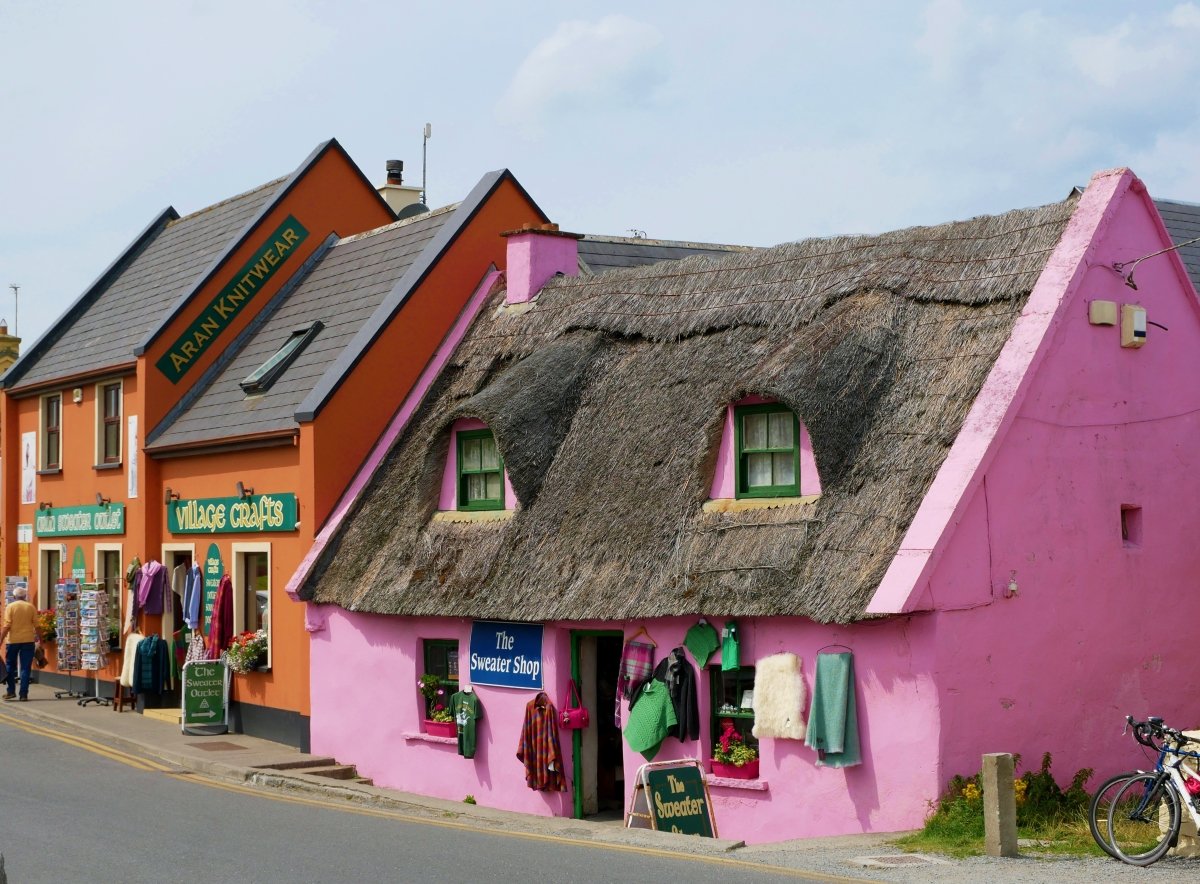
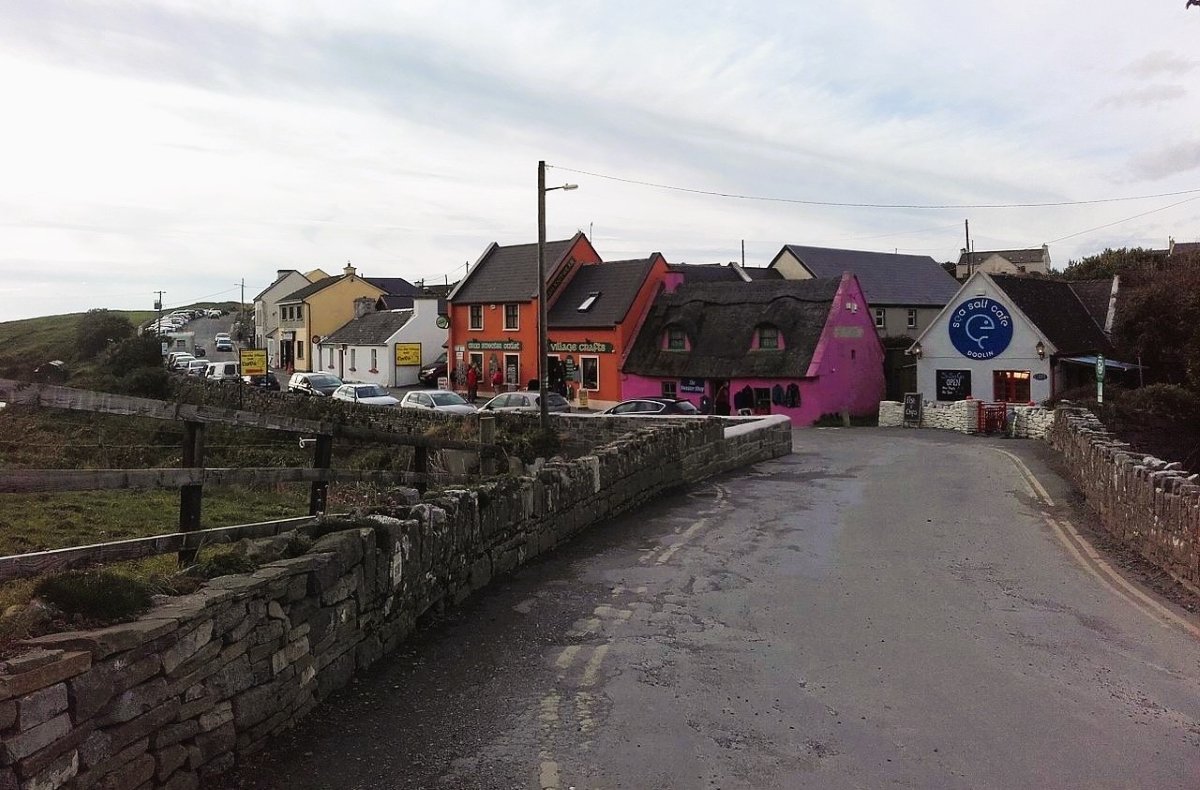
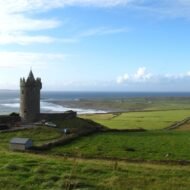
Doolin isn’t about picture-perfect streets—it’s about raw coastal beauty, world-class traditional music, and using it as your base camp for exploring some of Ireland’s most dramatic landscapes.
Why Doolin Wins Hearts
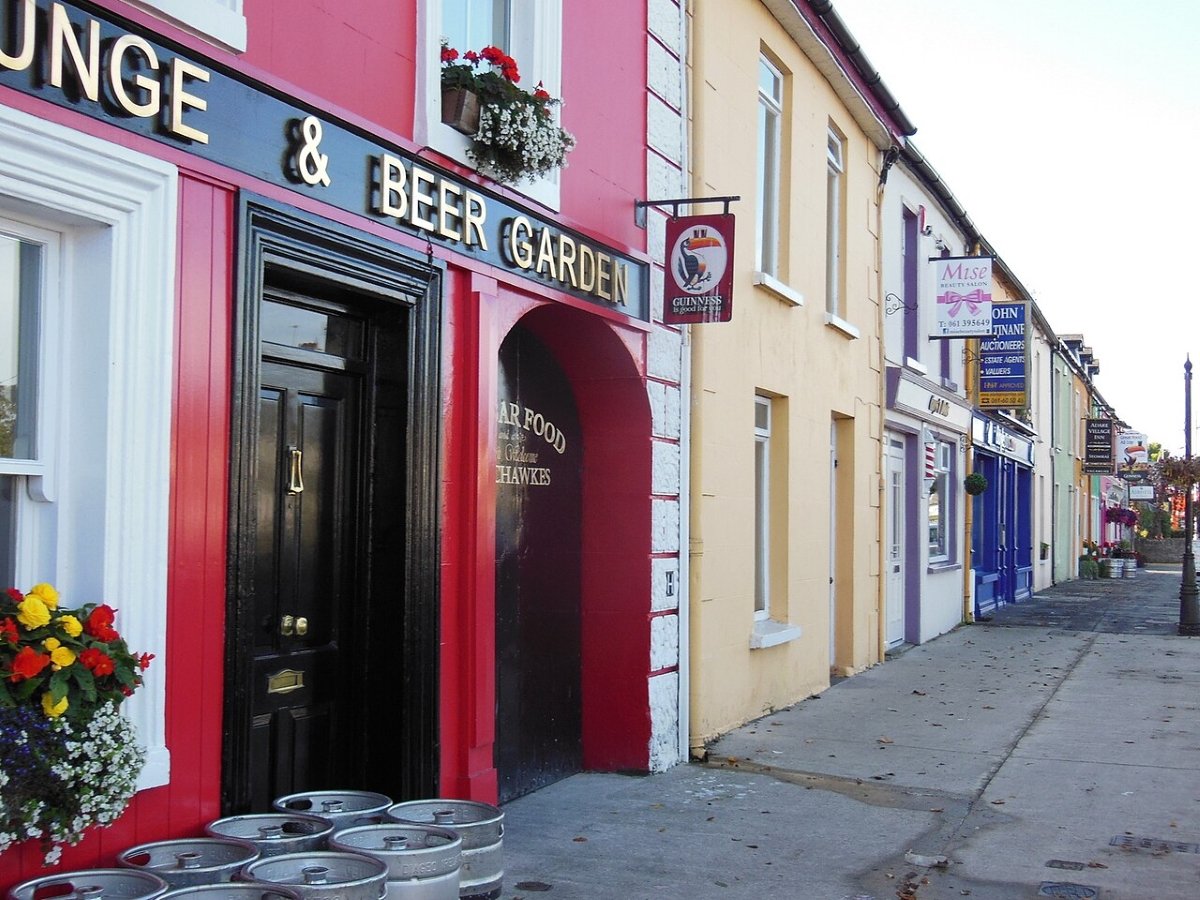
This tiny village (population around 300) has somehow become Ireland’s unofficial capital of traditional Irish music. On any given night, you’ll find three pubs—McDermott’s, O’Connor’s, and McGann’s—hosting impromptu sessions where locals and traveling musicians swap tunes. No stage, no microphones, just fiddles, bodhráns, and voices carrying centuries-old melodies.
Adventure Awaits
The Cliffs of Moher are just 6km away (skip the crowded main viewing area and hike the coastal trail from Doolin for incredible views without the tour buses). Catch the ferry to the Aran Islands—Inisheer, the smallest island, makes a perfect day trip with its shipwreck, lighthouse, and stone fort.
The Burren, that otherworldly limestone landscape, starts right at Doolin’s doorstep. Walk the Green Road, an ancient path that winds through this karst terrain where Arctic and Mediterranean plants somehow grow side by side.
Local Experiences
Book a cave tour at Doolin Cave to see the Great Stalactite—at 7.3 meters, it’s the longest free-hanging stalactite in Europe. The guides share local folklore that’ll give you goosebumps.
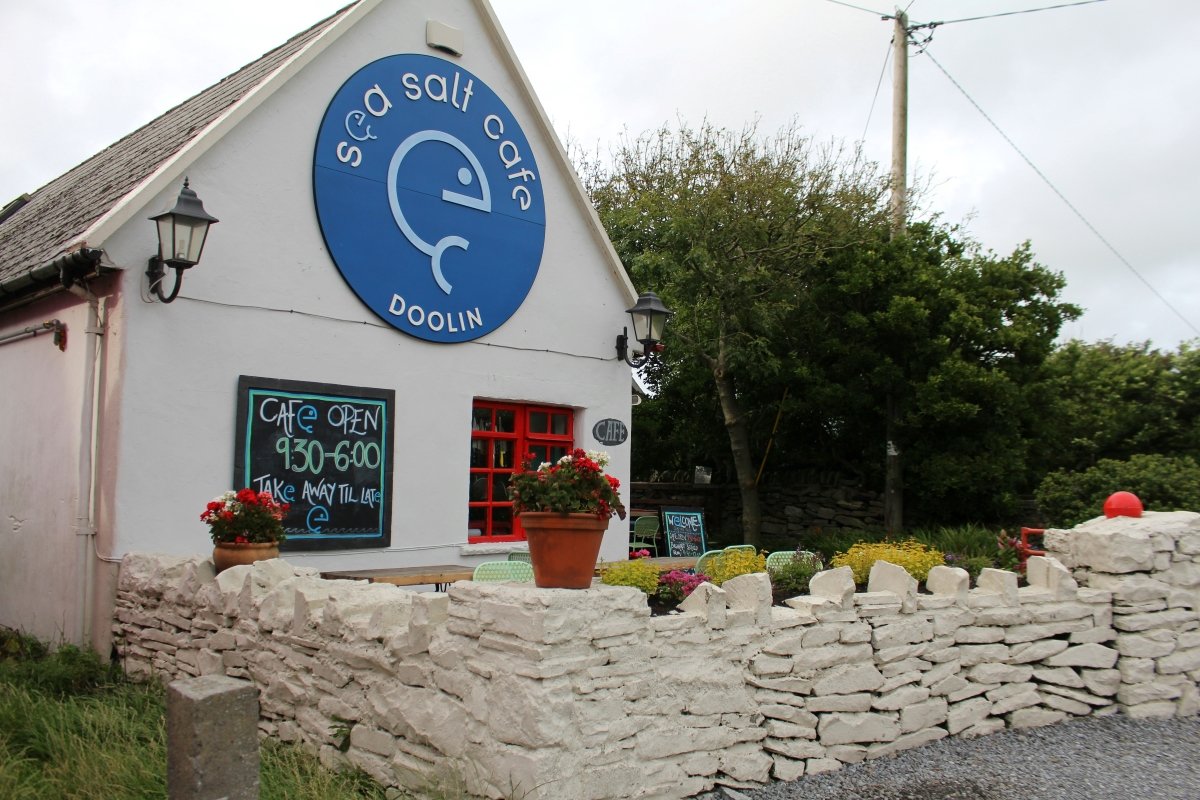
For foodies, the Doolin Chocolate Shop is dangerously good (the Irish whiskey truffles are addictive), and the Doolin Market Gardens Café serves farm-to-table lunches that showcase County Clare’s incredible produce.
Where to Stay
Ballinalacken Castle Country House offers castle accommodations without the castle prices (from €120/night). For budget travelers, the Rainbow Hostel has been welcoming backpackers for decades with clean dorms and a friendly vibe.
Pro Tips
Music sessions typically start around 9:30 PM and can go until midnight or later. Arrive early to snag a seat, and remember—it’s about listening, not requesting “Danny Boy.”
Weather changes fast here, so layer up even in summer. That Atlantic wind doesn’t mess around.
3. Cong, County Mayo: Where Hollywood Met Medieval Ireland
Cong pulls off a neat trick—it’s simultaneously a perfectly preserved medieval village and the setting for one of Hollywood’s most beloved films. The Quiet Man, John Ford’s 1952 romance starring John Wayne and Maureen O’Hara, was filmed here, and the village hasn’t forgotten.
The Main Attractions
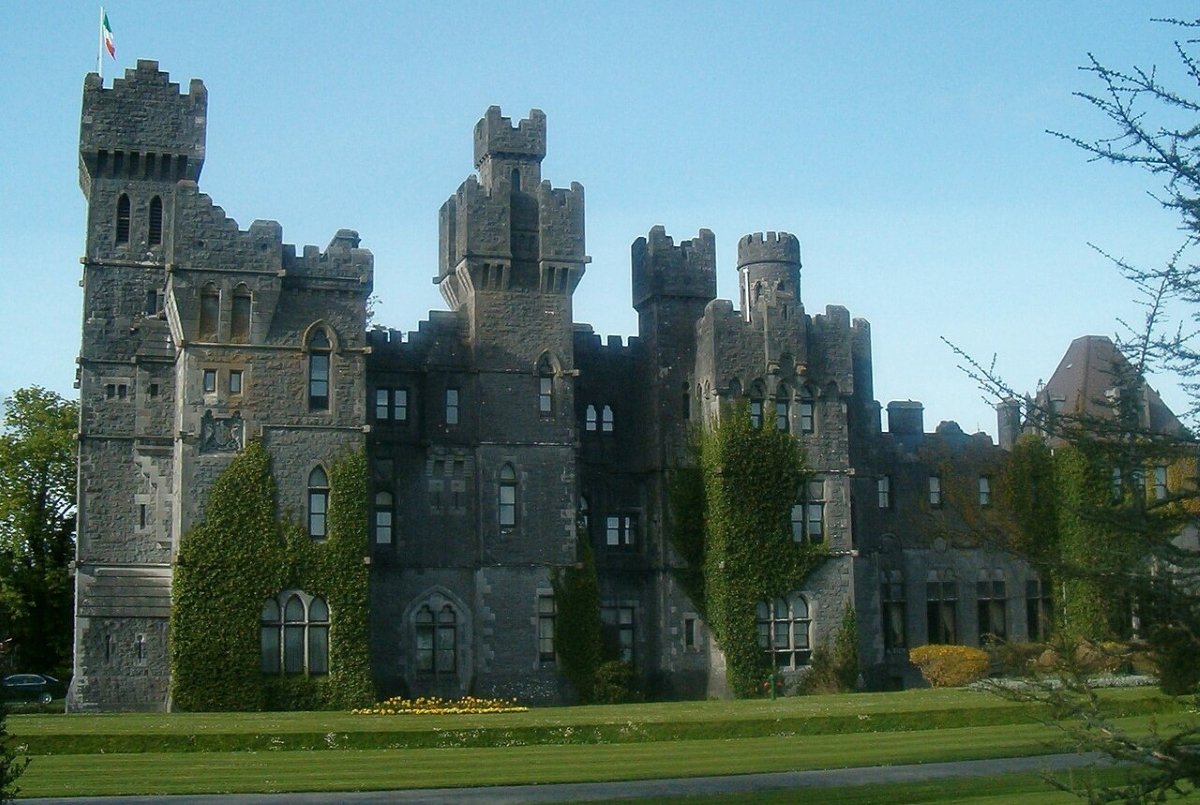
Ashford Castle dominates the landscape—an 800-year-old castle turned five-star hotel where rooms start at €600/night. But here’s the secret: you don’t need to stay to enjoy it. Book afternoon tea (€65), try your hand at falconry (€195 for a private lesson), or simply wander the 350-acre estate. The gardens alone are worth the visit.
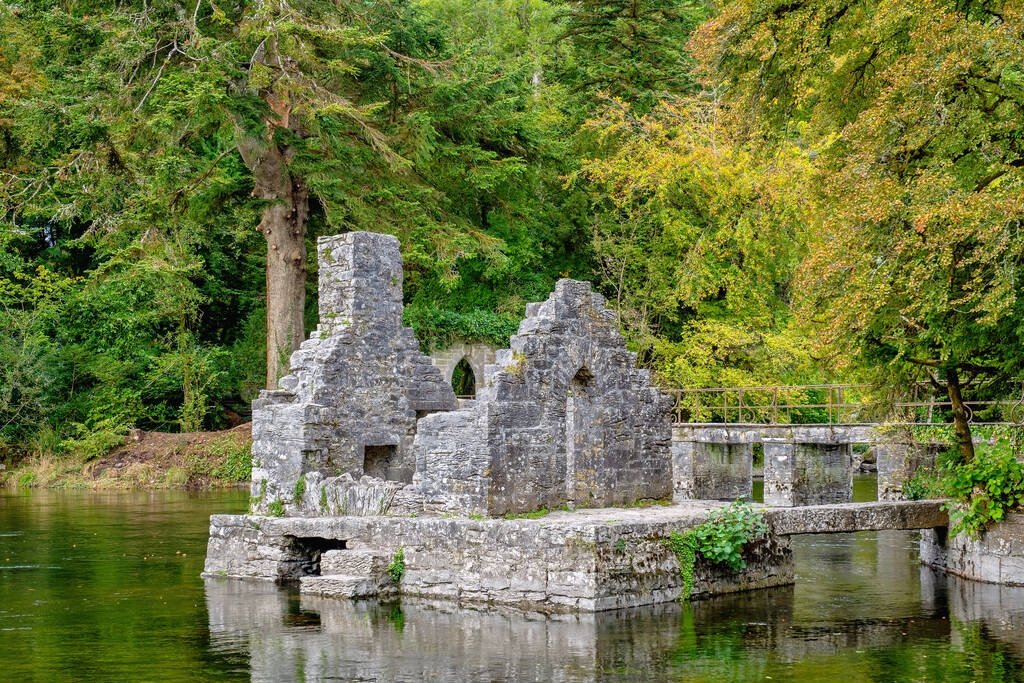
The 12th-century Cong Abbey ruins sit in the village center, free to explore. Walk through the cloisters, peek into the monks’ fishing house built over the river (they had a clever trap door system), and imagine medieval monastery life.
Quiet Man Tourism
The Quiet Man Museum recreates the cottage from the film with authentic props and period furnishings. Die-hard fans can take guided tours hitting all the filming locations, though honestly, just wandering the village streets will have you recognizing scenes.
Natural Beauty
Cong sits between Lough Corrib and Lough Mask, making it perfect for fishing, kayaking, or just lakeside walks. The Pigeon Hole—a natural phenomenon where Lough Mask’s water disappears underground and resurfaces in Lough Corrib—is a quirky five-minute walk from town.
Practical Info
Ryan’s Hotel offers comfortable rooms (from €150/night) and serves excellent pub food. For budget eats, Pat Cohan’s Bar (named after the pub in The Quiet Man) does solid Irish fare.
Cong works brilliantly as a day trip from Galway (46km away) or as a peaceful overnight between Galway and Westport.
When to Go
The Quiet Man Festival in July brings fans from around the world for screenings, tours, and celebrations. Otherwise, September and October offer gorgeous autumn colors and smaller crowds.MORE READ..
4. Kinsale, County Cork: The Gourmet Capital
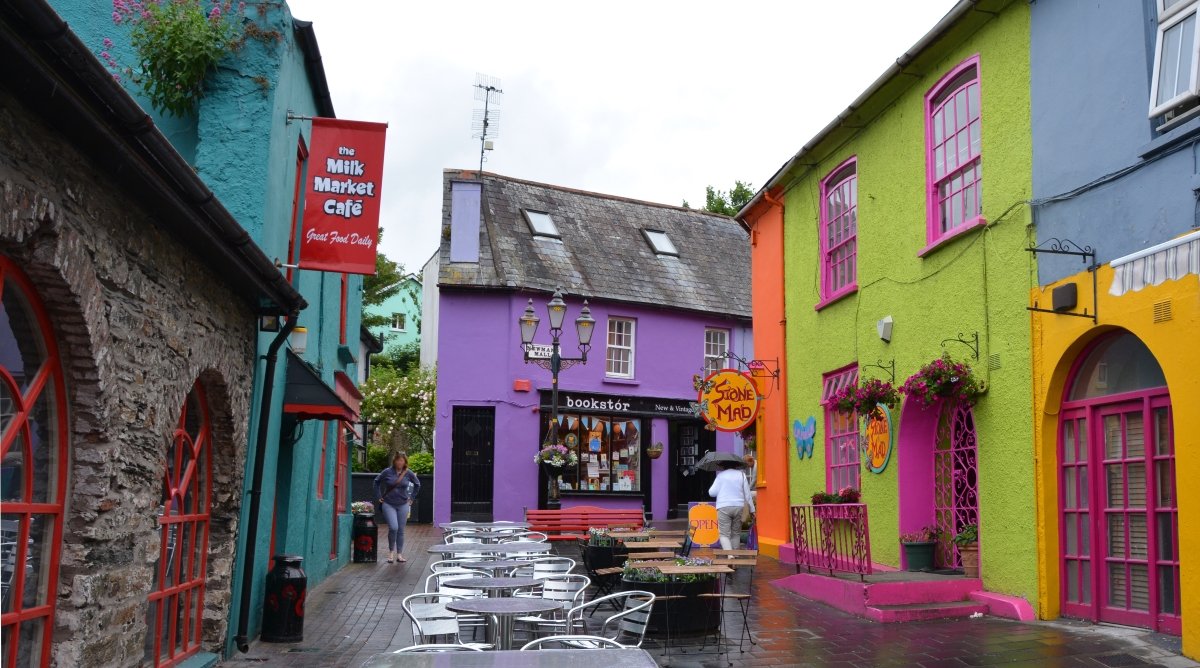
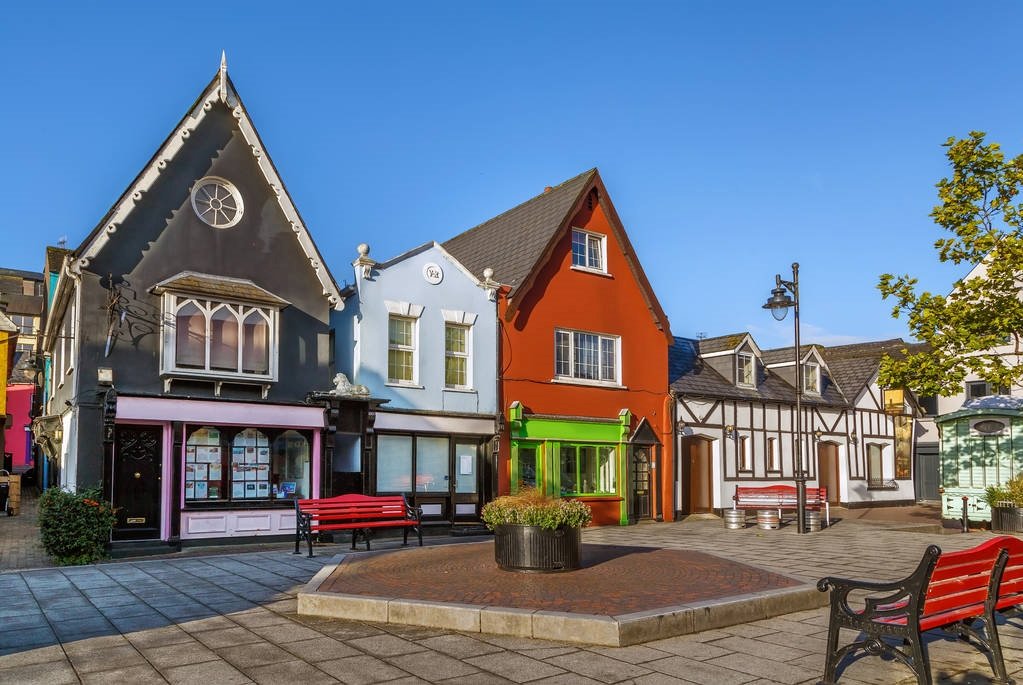
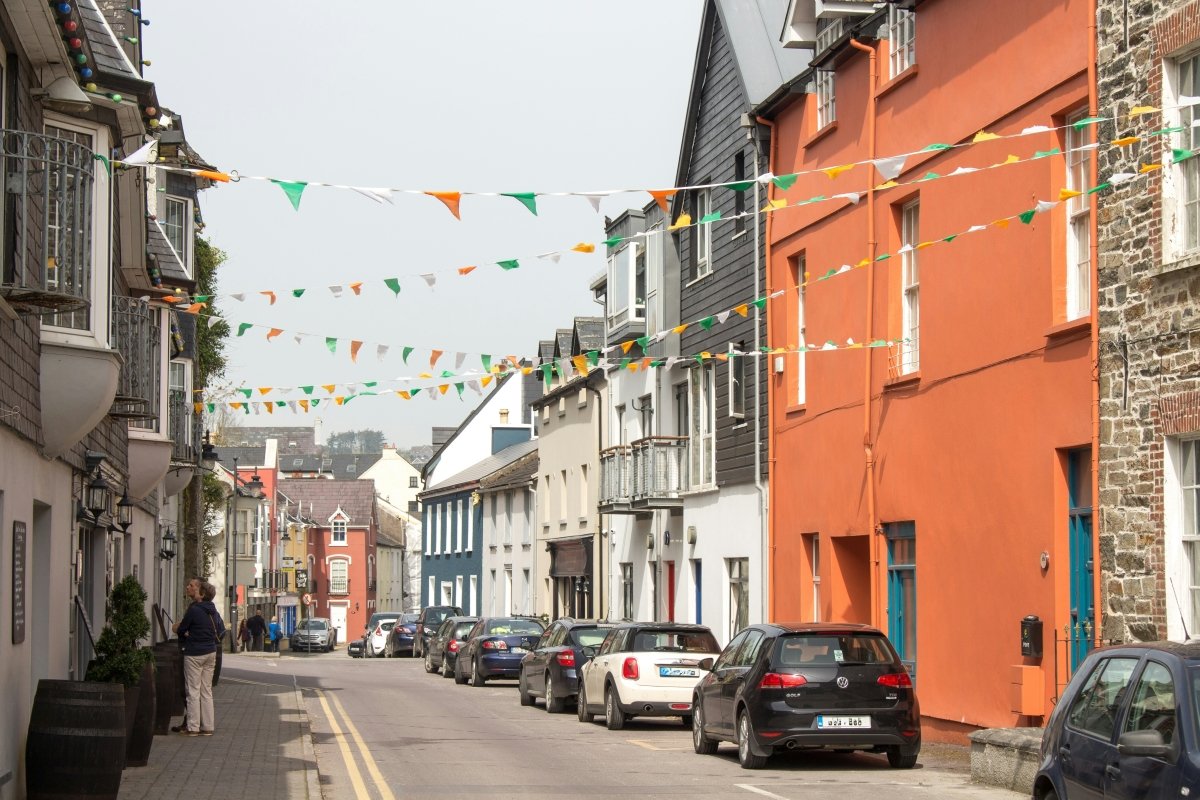
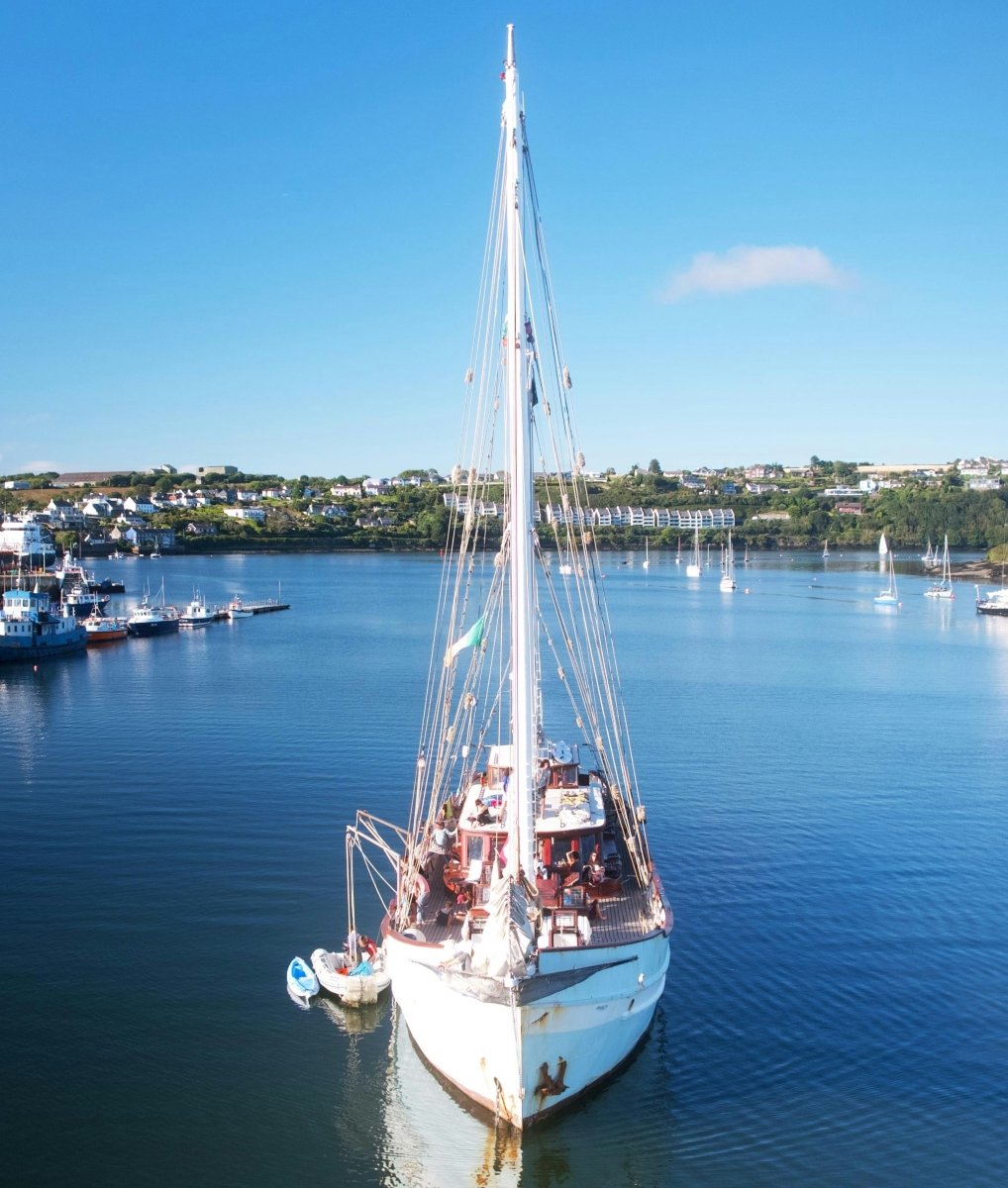
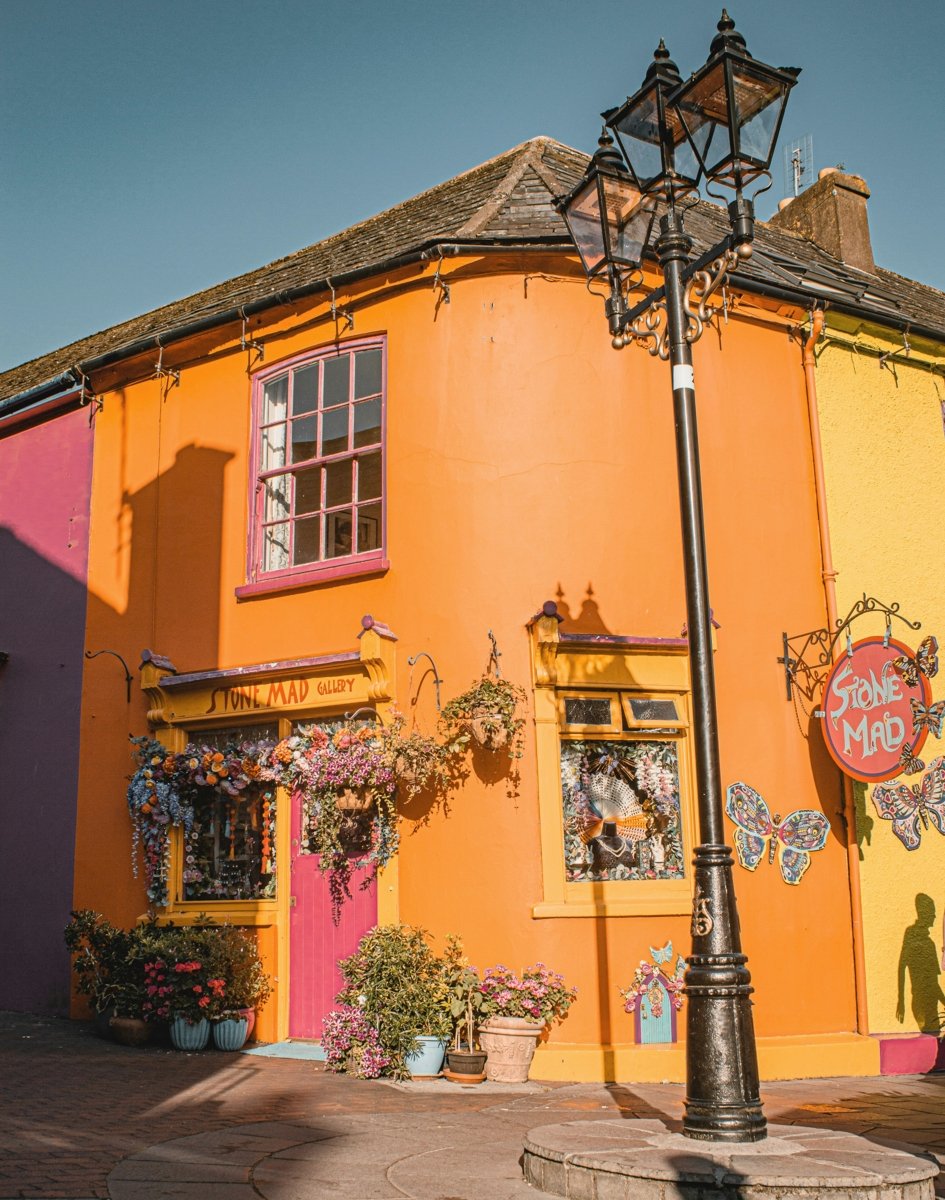
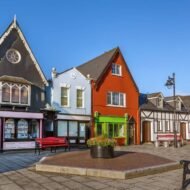
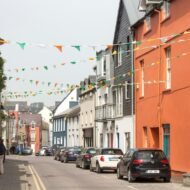
Call Kinsale a village and locals might correct you—it’s technically a town with about 5,000 residents. But it has that intimate village feel, especially in the colorful old town where narrow streets wind down to the harbor.
Food, Glorious Food
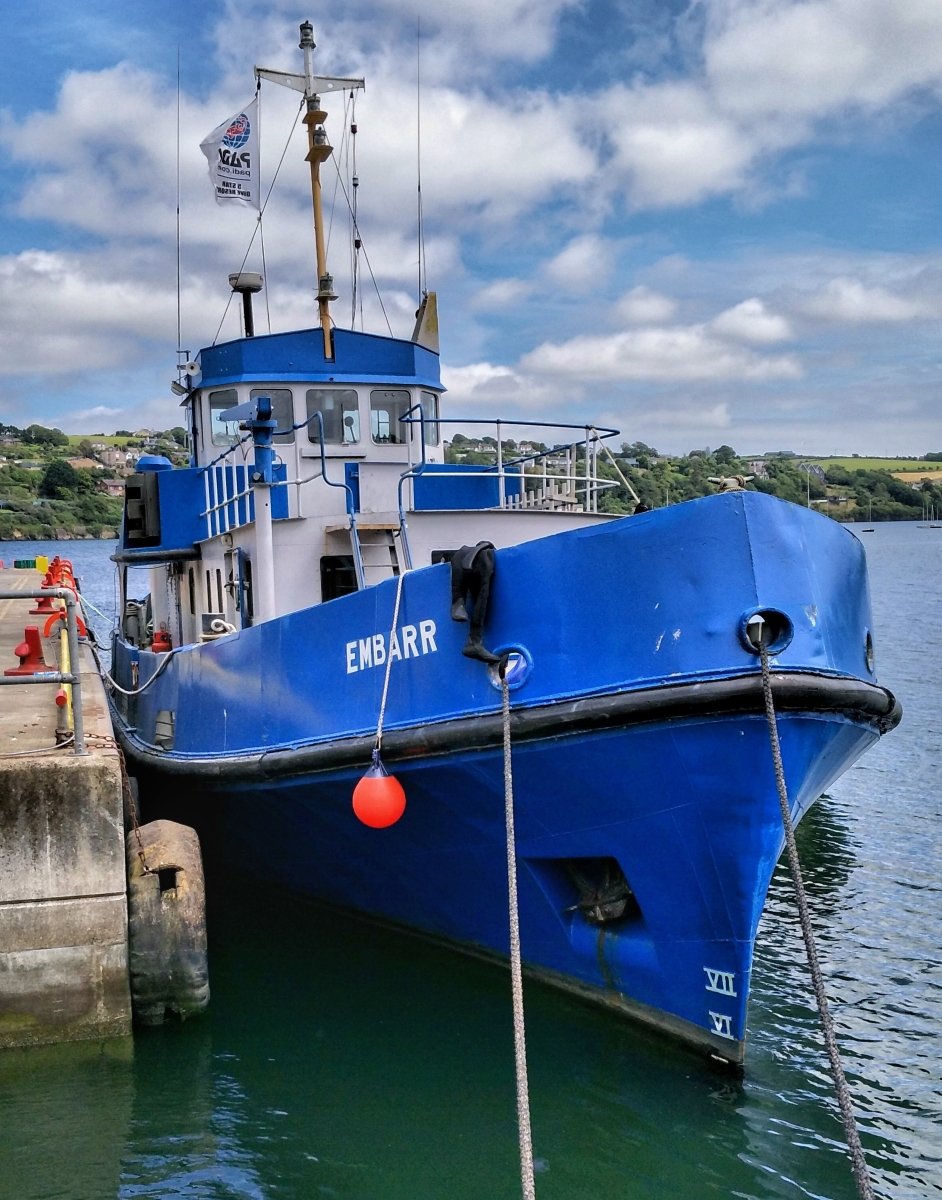
Kinsale takes its food seriously. This place has more Michelin-recommended restaurants per capita than anywhere else in Ireland. Fishy Fishy does the best seafood you’ll find anywhere (the chowder is legendary), while Bastion serves inventive small plates that showcase local ingredients.
The annual Gourmet Festival in October draws food lovers from across Europe. Even if you miss the festival, the Good Food Circle—a collective of local restaurants—maintains sky-high standards year-round.
Beyond the Plate
Charles Fort, a 17th-century star fort overlooking the harbor, offers spectacular views and a fascinating peek into military history (€5 entry, totally worth it). The walk from town along the waterfront takes about 30 minutes.
Sailing is huge here—you can charter boats, take lessons, or join a harbor cruise. Whale and dolphin watching tours run from June through September with decent sighting rates.
Colorful Streets and History
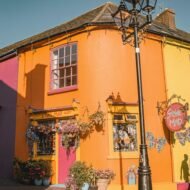
The painted buildings lining the harbor aren’t just Instagram bait—this is a working fishing port with real character. Wander up to St. Multose Church (built in 1190) or browse the independent shops selling Irish crafts, not tourist tat.
Kinsale played a key role in Irish history as the site of the 1601 Battle of Kinsale, which ended in defeat for the Irish forces and marked a turning point in English control of Ireland. The walking tours dig into this complex history.
Getting Around
Kinsale sits 25km south of Cork City—about 30 minutes by car or 45 minutes by bus. Having a car lets you explore the stunning coastal drives and nearby beaches like Garrettstown.
Best Time
June through September for weather, but expect higher prices and crowds. May and October hit the sweet spot—decent weather, fewer visitors, and good restaurant availability.MORE READ..
5. Roundstone, County Galway: Connemara’s Hidden Gem
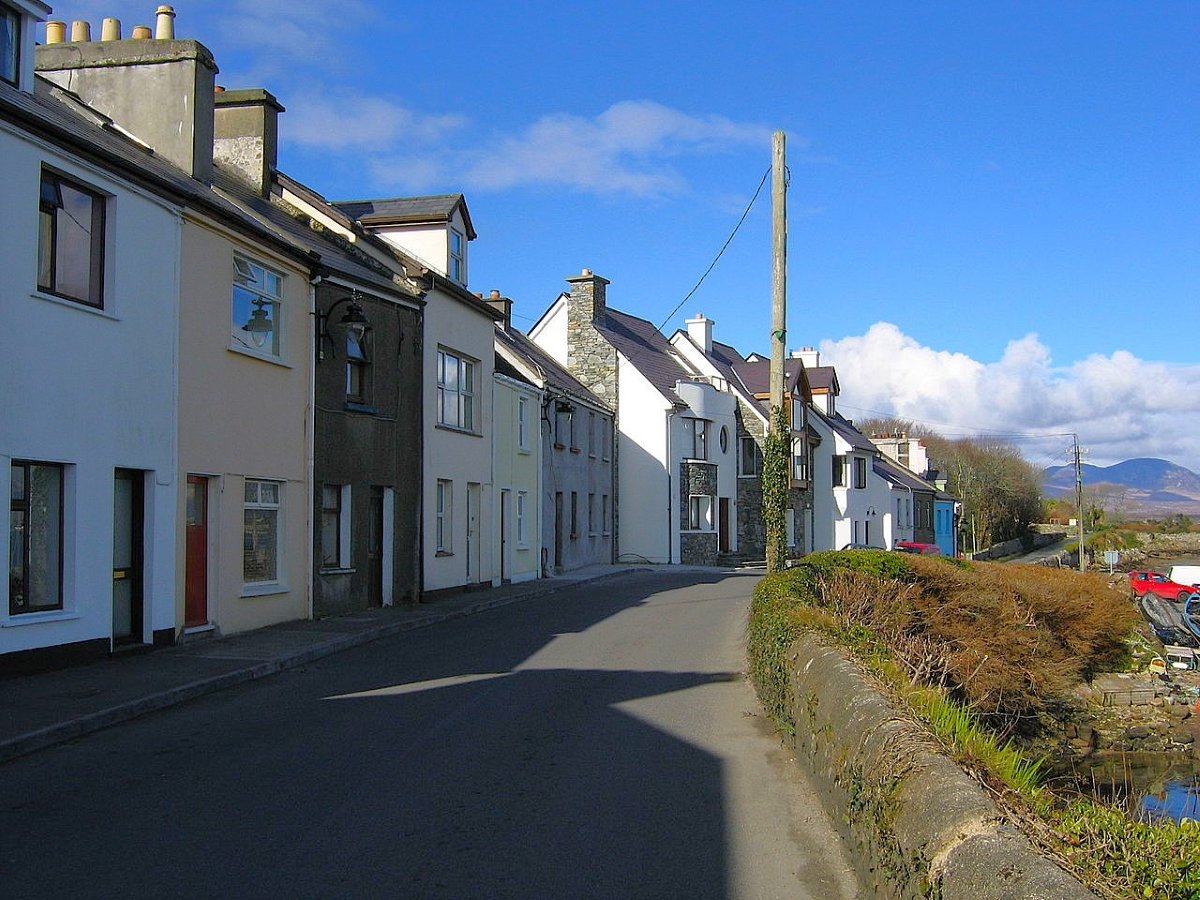
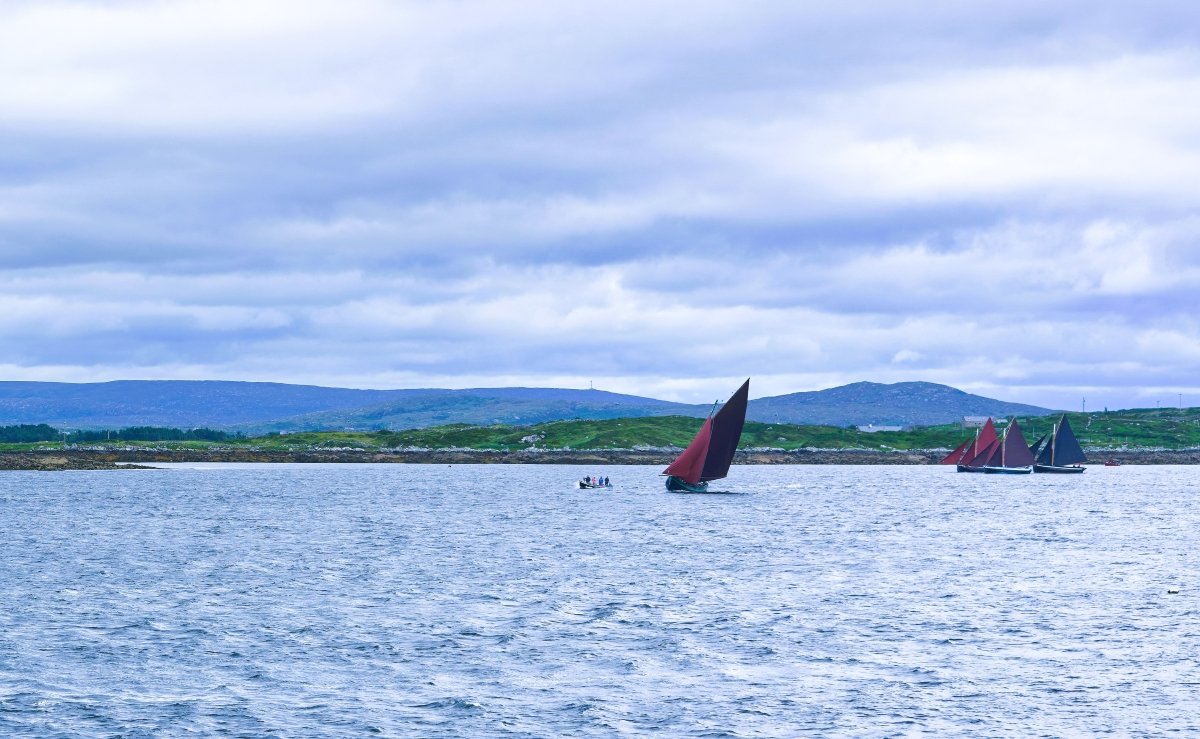
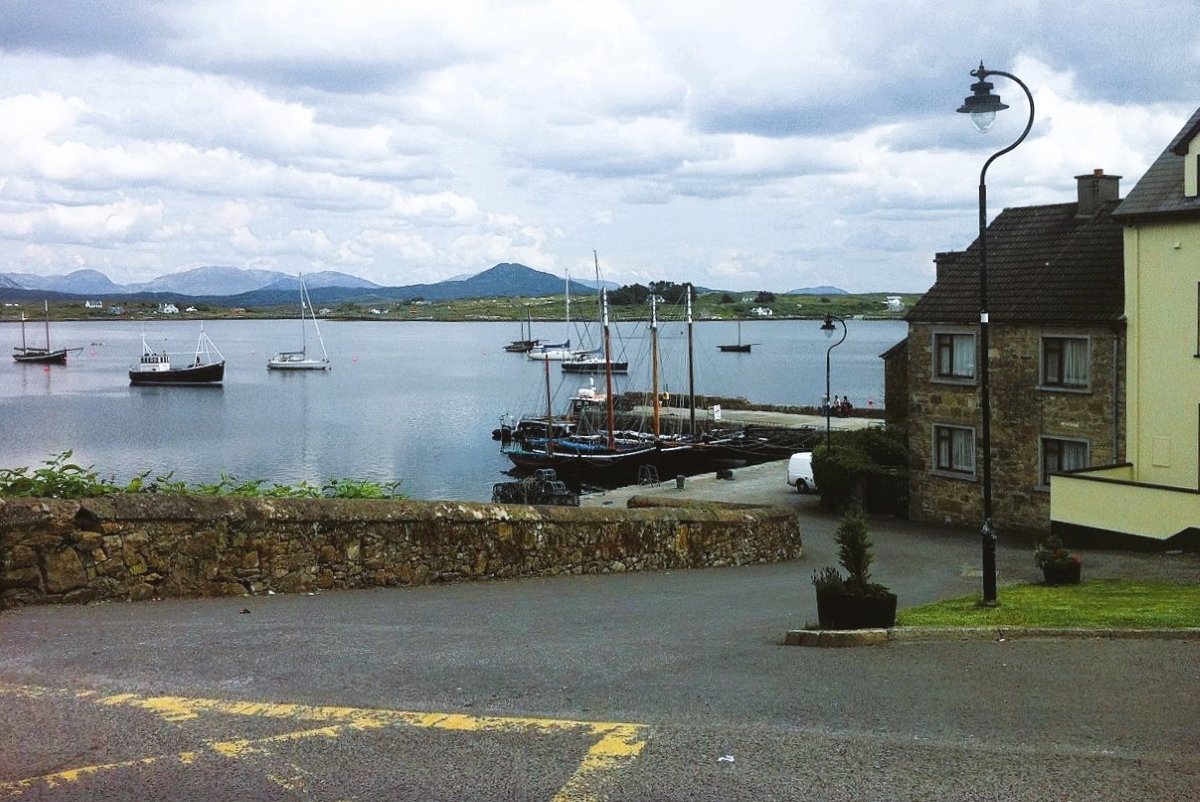
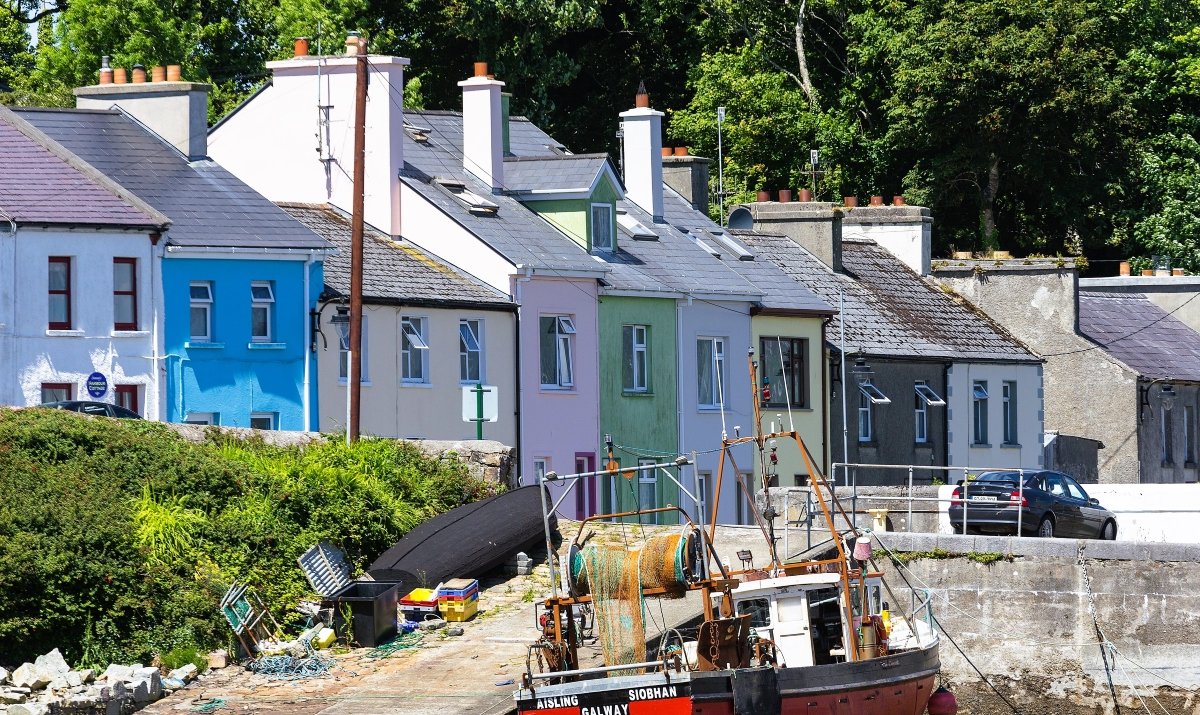
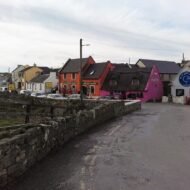
Located into Connemara’s rugged coastline, Roundstone feels genuinely off the beaten path. This fishing village of fewer than 200 permanent residents offers the Ireland you’ve been dreaming about—wild landscapes, traditional culture, and nobody rushing you along.
The Landscape
The Twelve Bens mountain range rises dramatically behind the village while the Atlantic crashes against rocky shores out front. Walk up Errisbeg Hill (just 300m high but the views punch way above its weight) for panoramas of Connemara’s bogs, mountains, and islands.
Authentic Experiences
Visit Malachy Kearns’ Bodhráns workshop where you can watch traditional Irish drums being handcrafted using techniques passed down through generations. Malachy or his sons will happily explain the process and the instrument’s role in Irish music.
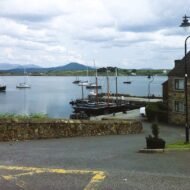
The harbor still hosts working fishing boats—you might see the day’s catch being unloaded in the afternoon. This isn’t a museum piece; it’s a living village.
Where to Eat and Stay
O’Dowd’s Seafood Bar & Restaurant serves whatever the boats brought in that day (the crab claws in garlic butter are addictive). The Roundstone House Hotel offers comfortable rooms with harbor views (from €130/night).
For self-catering, several cottages around the village provide a home base for exploring Connemara National Park, Sky Road, and the wild beaches.
Day Trips
Roundstone works perfectly as a base for exploring Connemara. The Sky Road loop near Clifden (25km away) is one of Ireland’s most scenic drives. Connemara National Park’s Diamond Hill walk offers incredible vistas, and the beaches at Dog’s Bay and Gurteen Bay have sand so white you’d think you were in the Caribbean (just, you know, colder).
Travel Tips
Roundstone is remote—the nearest big town is Clifden (20km). You’ll need a car to really explore. Mobile signal can be spotty, which honestly feels like part of the charm.
Visit in summer for the Roundstone Arts Festival (July) or the Connemara Pony Show (August). Winter brings dramatic storms that batter the coast—atmospheric if you like moody landscapes, but pack your waterproofs.
Recap: Choosing Your Irish Village Adventure
Each of these villages offers something different:
- Adare if you want fairy-tale pretty and luxury touches
- Doolin for music lovers and Cliffs of Moher access
- Cong when you want castles and film history
- Kinsale for foodies and harbor town vibes
- Roundstone when you crave authentic, rugged Connemara
Realistically, you could visit 2-3 of these in a week-long trip. Doolin and Roundstone pair well (both on the Wild Atlantic Way), while Adare and Kinsale work together in the south. Cong stands somewhat apart but fits nicely between Galway and Westport.
General Ireland Village Tips:
Book accommodation ahead, especially May-September. These small places fill up fast, and you don’t want to be driving around at 10 PM looking for a room.
Rent a car if you can—public transport exists but schedules can be limited, and half the magic is taking random turns down country roads when something catches your eye.
Bring layers and rain gear no matter when you visit. Irish weather changes by the hour.
Talk to locals in the pubs. They’ll point you to secret beaches, better viewpoints, and sessions you’d never find on your own.
Don’t over-schedule. The beauty of village life is slowing down, lingering over pints, and letting conversations unfold naturally.