

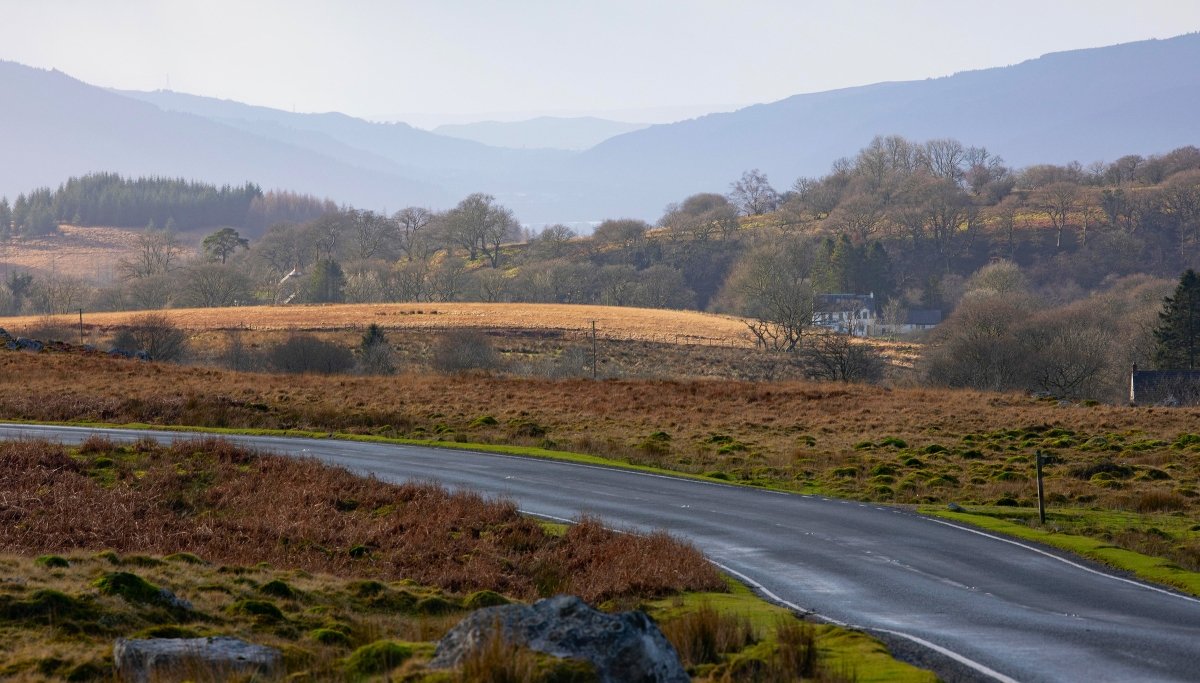
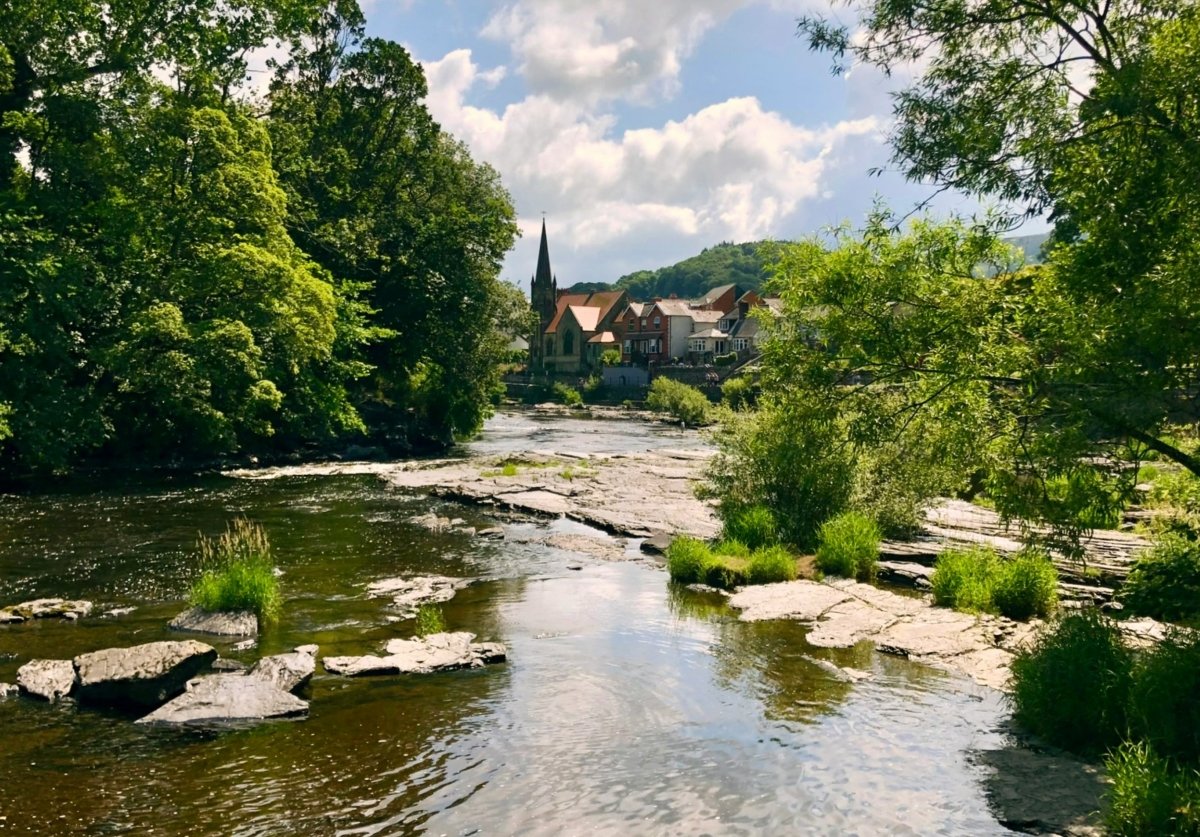

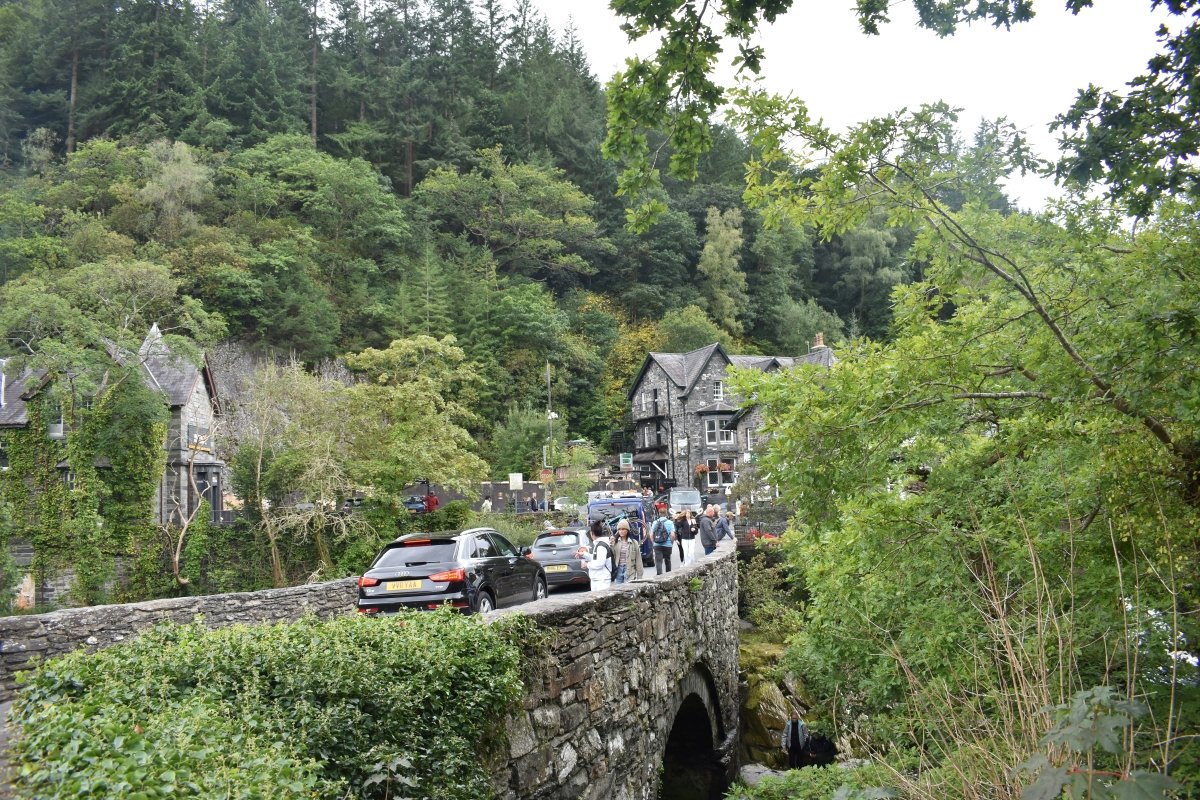


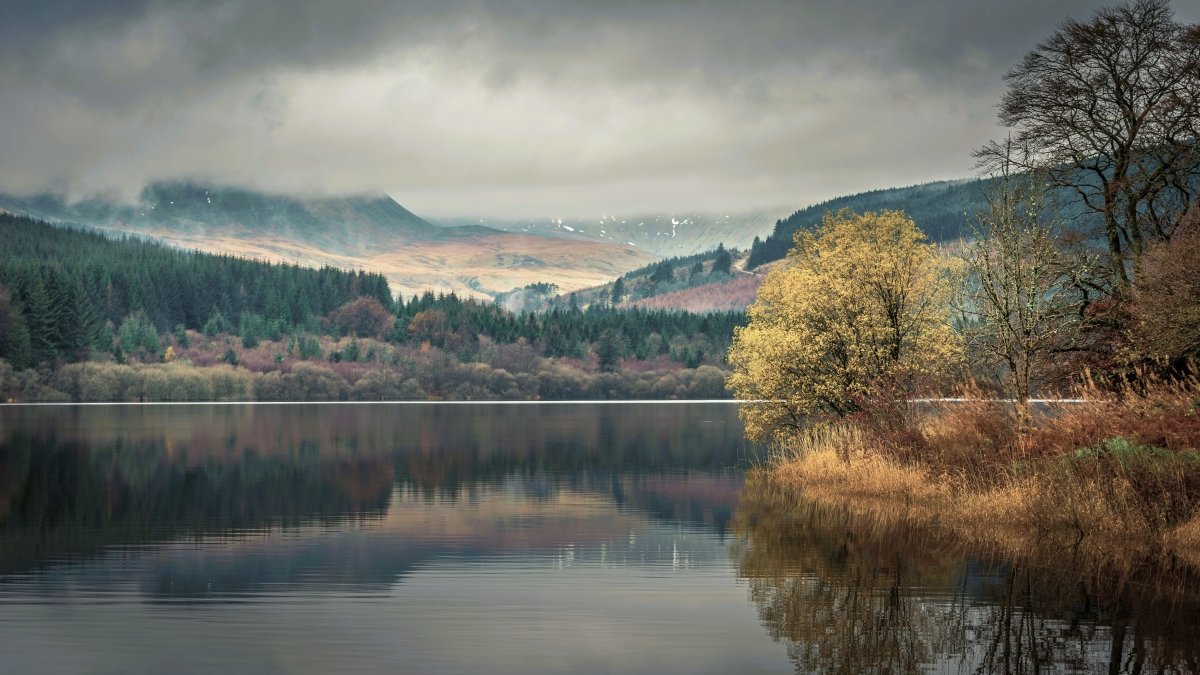
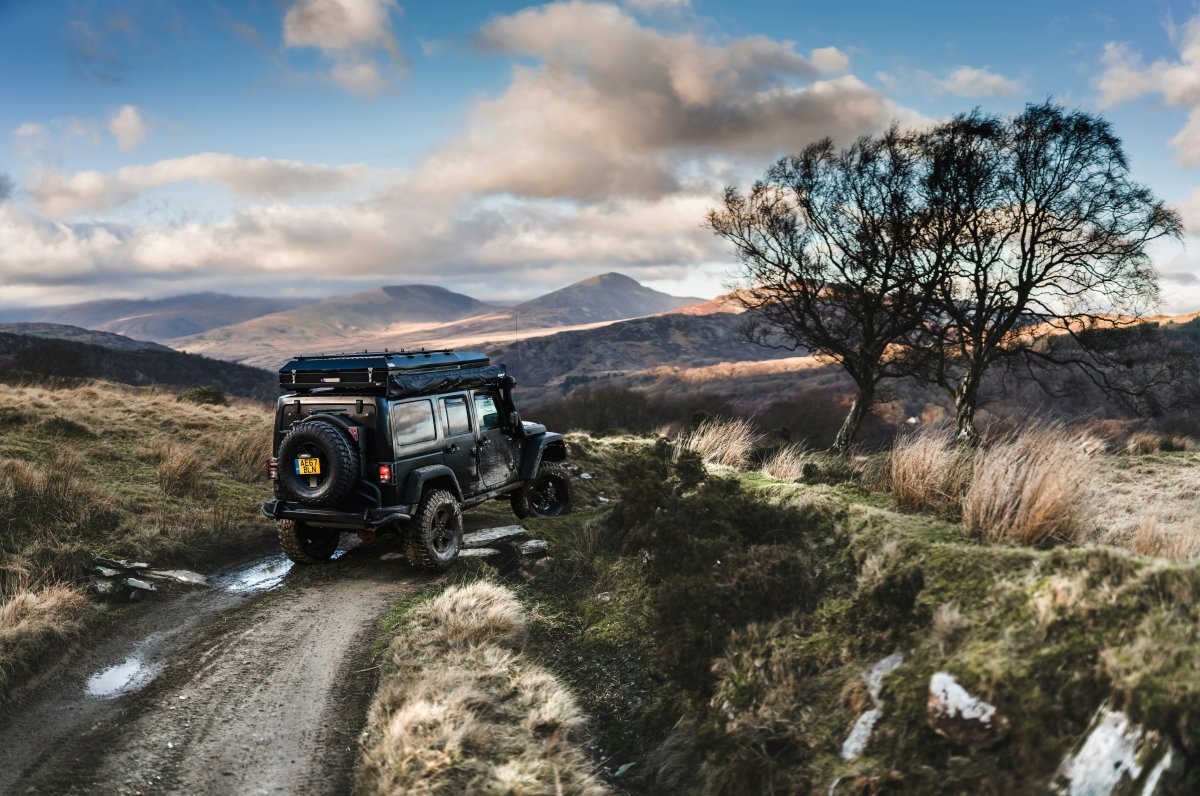
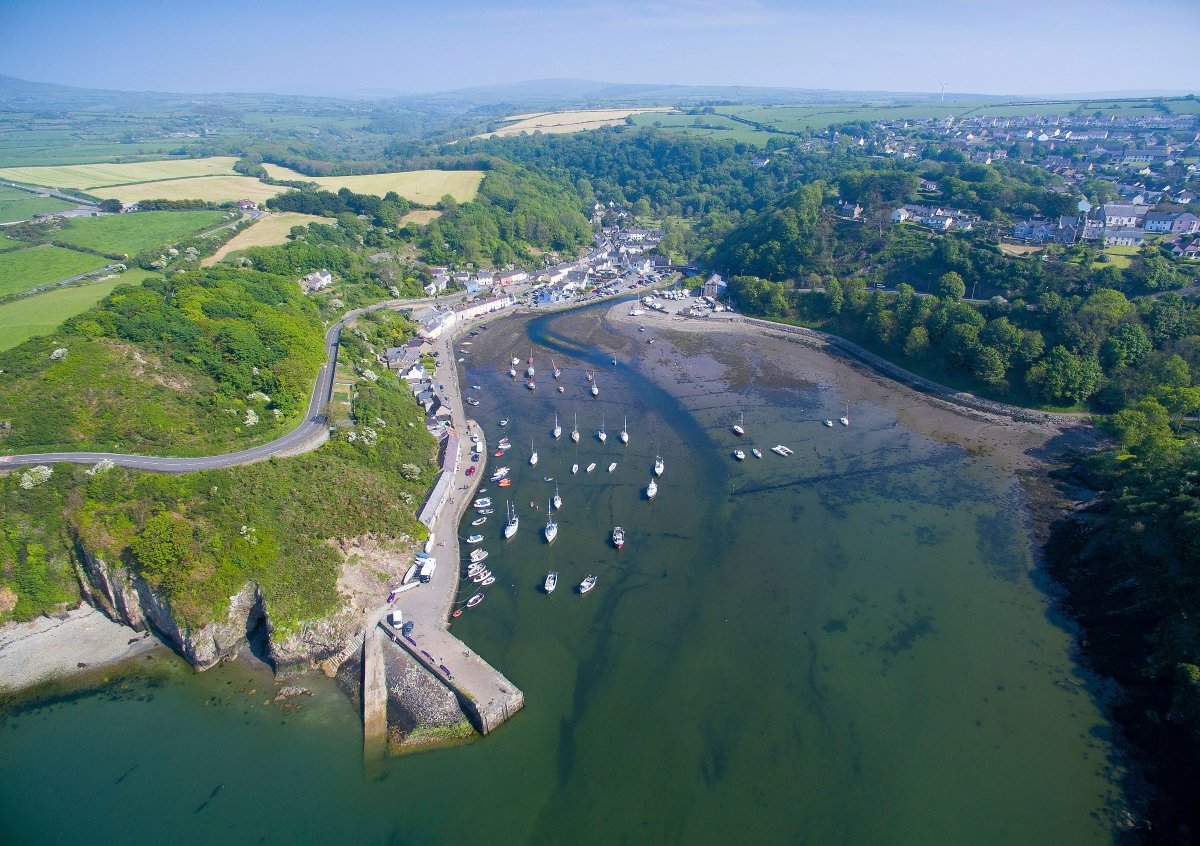
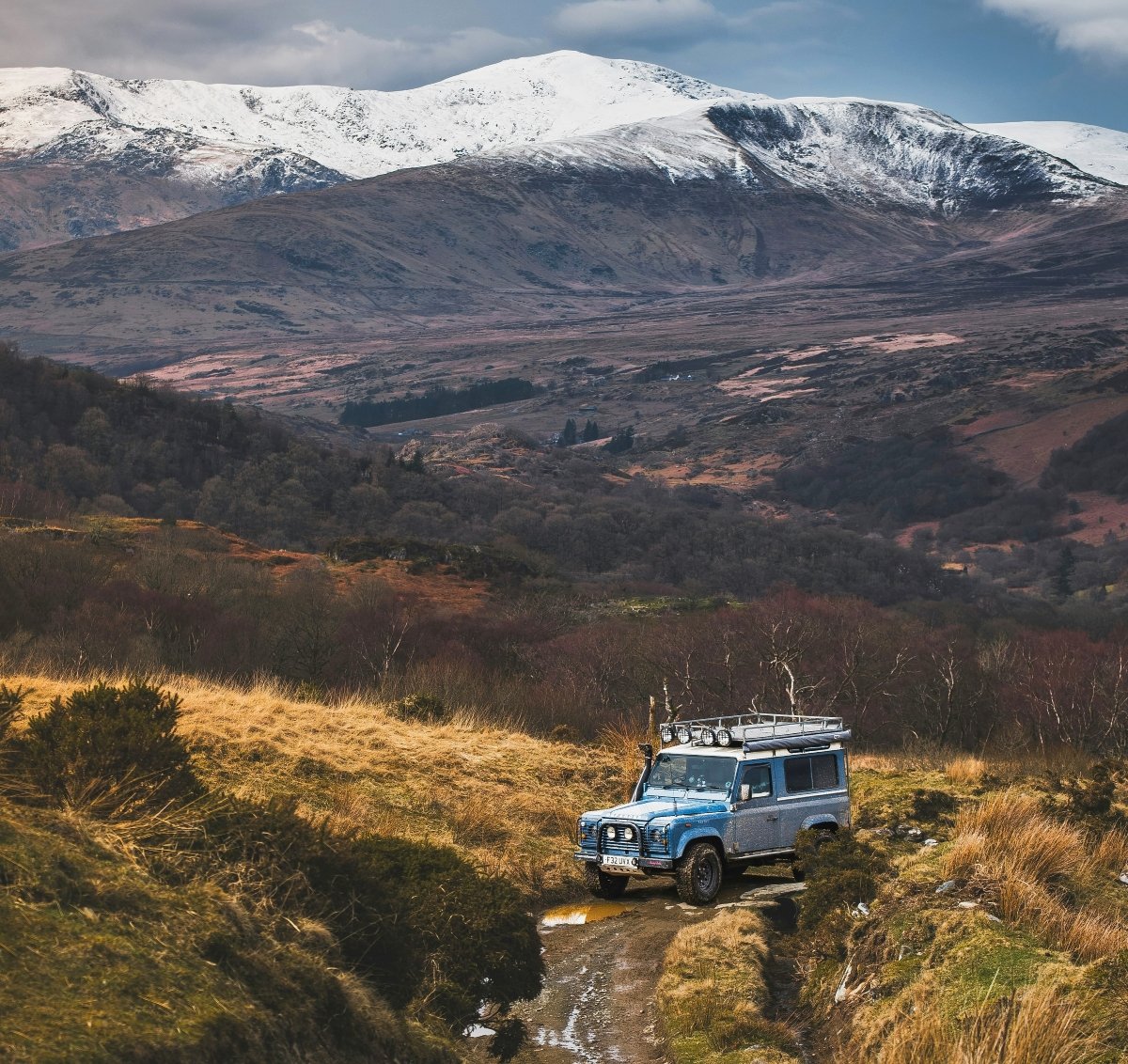











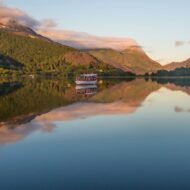

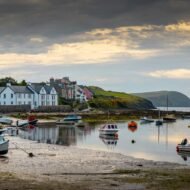
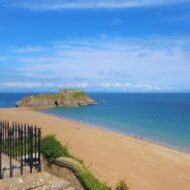
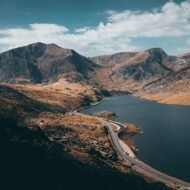




TL;DR: The Most Scenic Road Trips in Wales , Wales packs some of Britain’s most spectacular drives into a compact package. From Snowdonia’s dramatic peaks to Pembrokeshire’s clifftop routes, these five road trips showcase ancient castles, turquoise coastlines, and mountain passes that’ll have you pulling over every five minutes for photos. Whether you’re planning a weekend escape or a week-long adventure, this guide covers everything you need to know about Wales’ most scenic routes—including the best stops, hidden gems, and practical tips for your journey.
Look, I’m going to level with you: Wales doesn’t always get the attention it deserves. While everyone’s Instagramming the Scottish Highlands or crowding into the Lake District, Wales quietly sits there with some of the most jaw-dropping scenery in the UK—and roads that were practically designed for epic road trips.
I’ve driven these routes more times than I can count, and they never get old. There’s something about winding through a Welsh valley with dramatic mountains on either side, or hugging a coastal road with the Irish Sea crashing below, that just hits differently.
So grab your camera, download some offline maps (trust me on this—Welsh signal can be spotty), and let’s dive into the five most spectacular road trips Wales has to offer.
1. The Snowdonia Scenic Loop (North Wales)
Distance: 55 miles | Time: 3-4 hours (but give yourself a full day) | Best for: Mountain lovers and castle enthusiasts
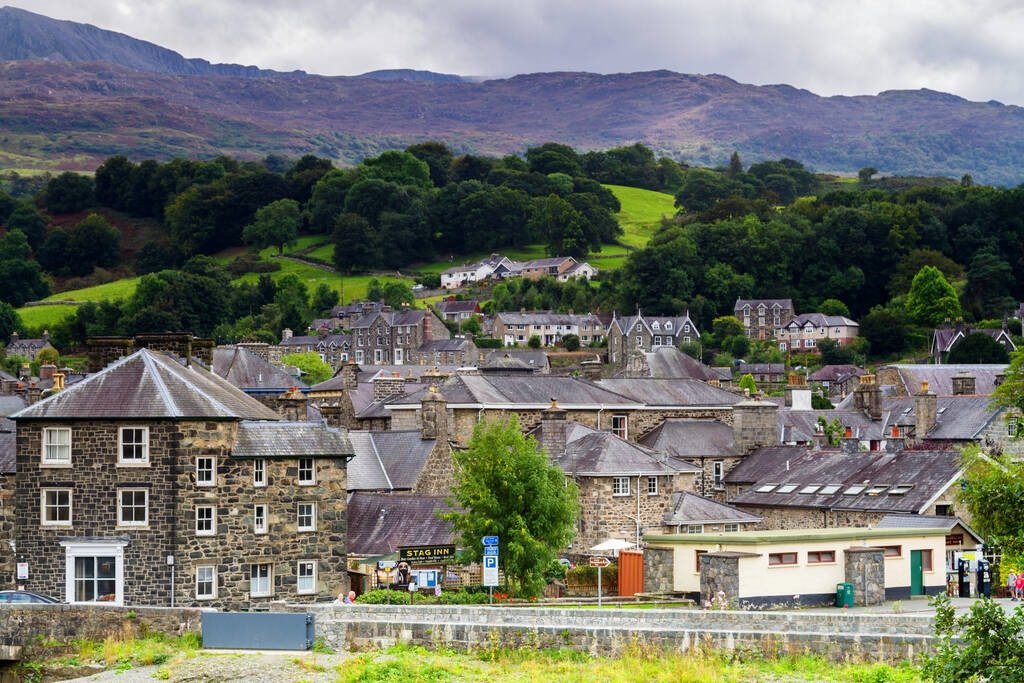
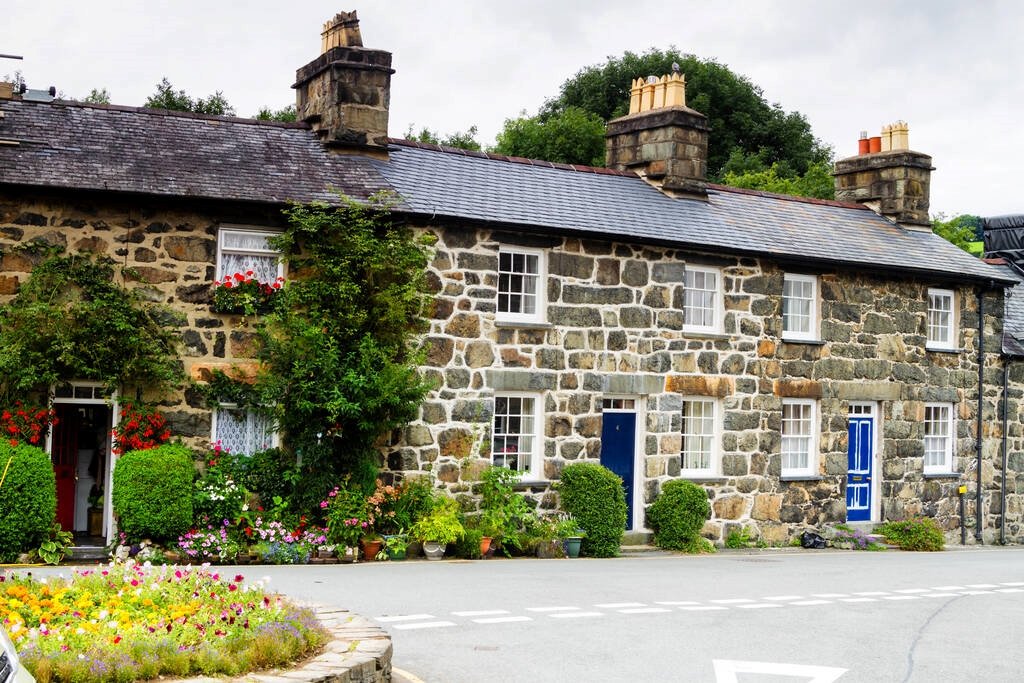
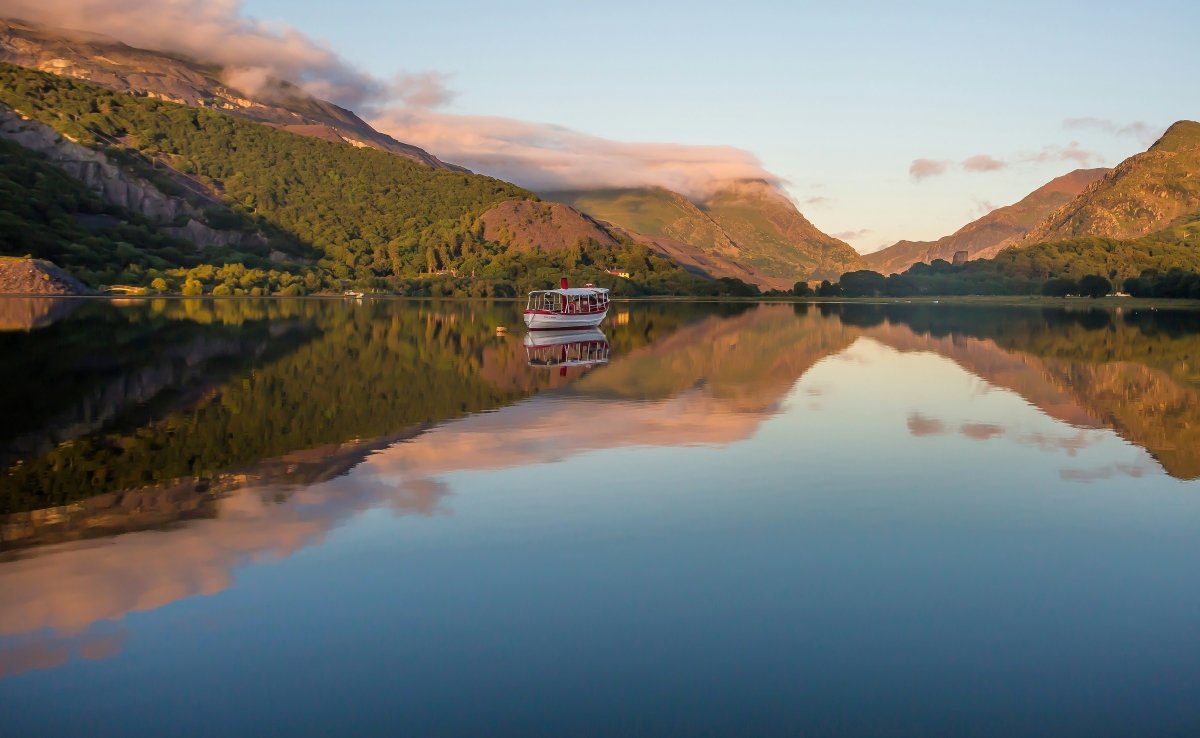
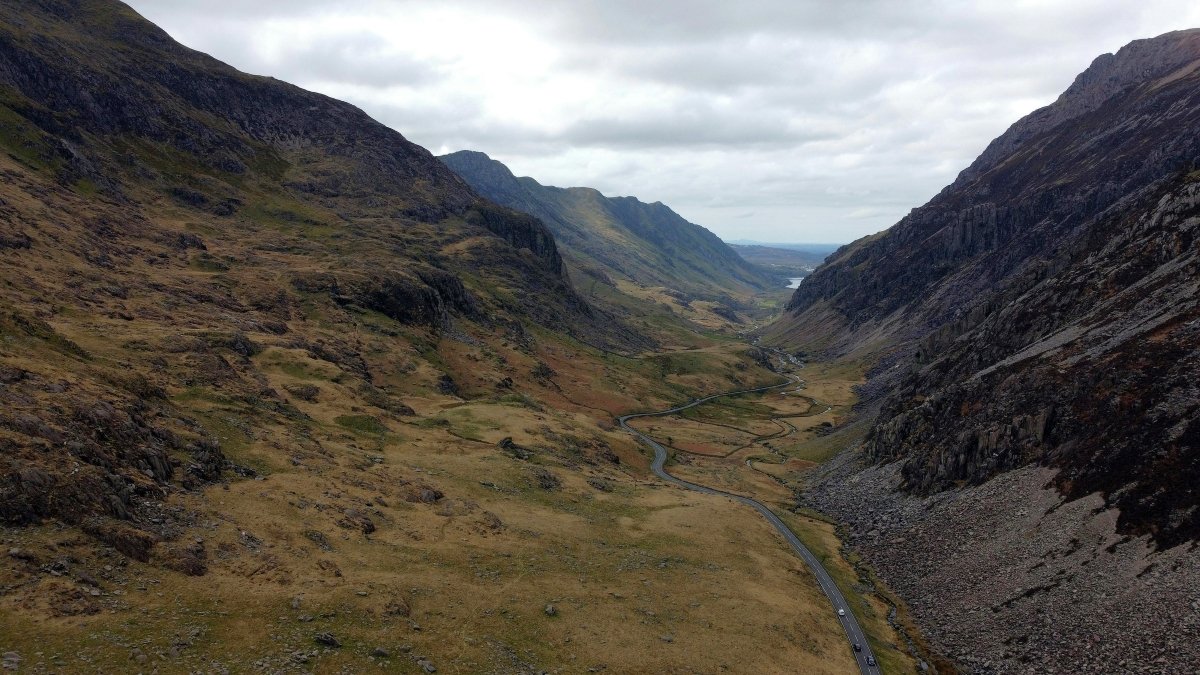
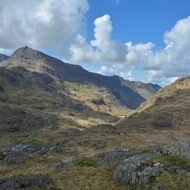
This is the heavyweight champion of Welsh road trips. The Snowdonia loop takes you through Eryri National Park (that’s Snowdonia’s Welsh name, by the way), past the tallest peaks in Wales, and through villages that look like they’ve been frozen in time.
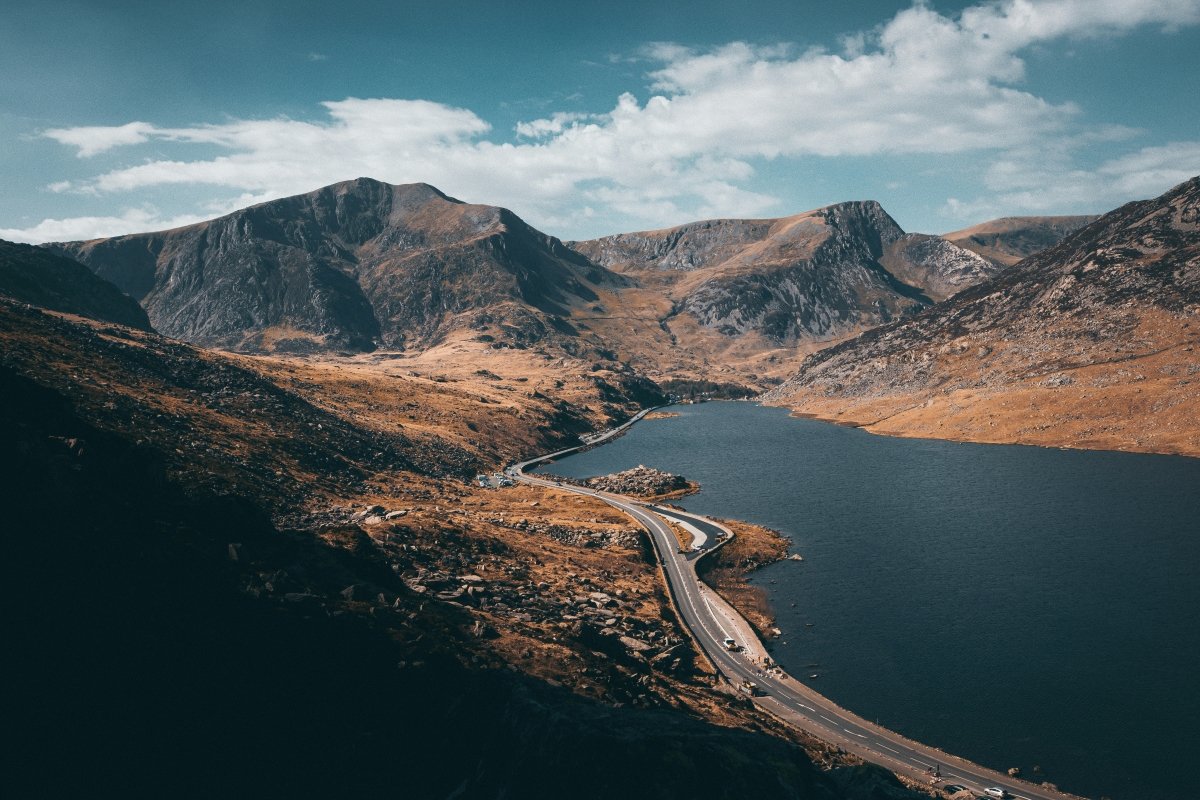
The Route: Start in Betws-y-Coed (try saying that three times fast), head south on the A5 through the Ogwen Valley, swing around to Llanberis, then loop back via the A4086 and A498 through Beddgelert. Each section offers completely different vibes, from the brooding drama of the Ogwen Valley to the lakeside serenity around Llanberis.
Can’t-Miss Stops:
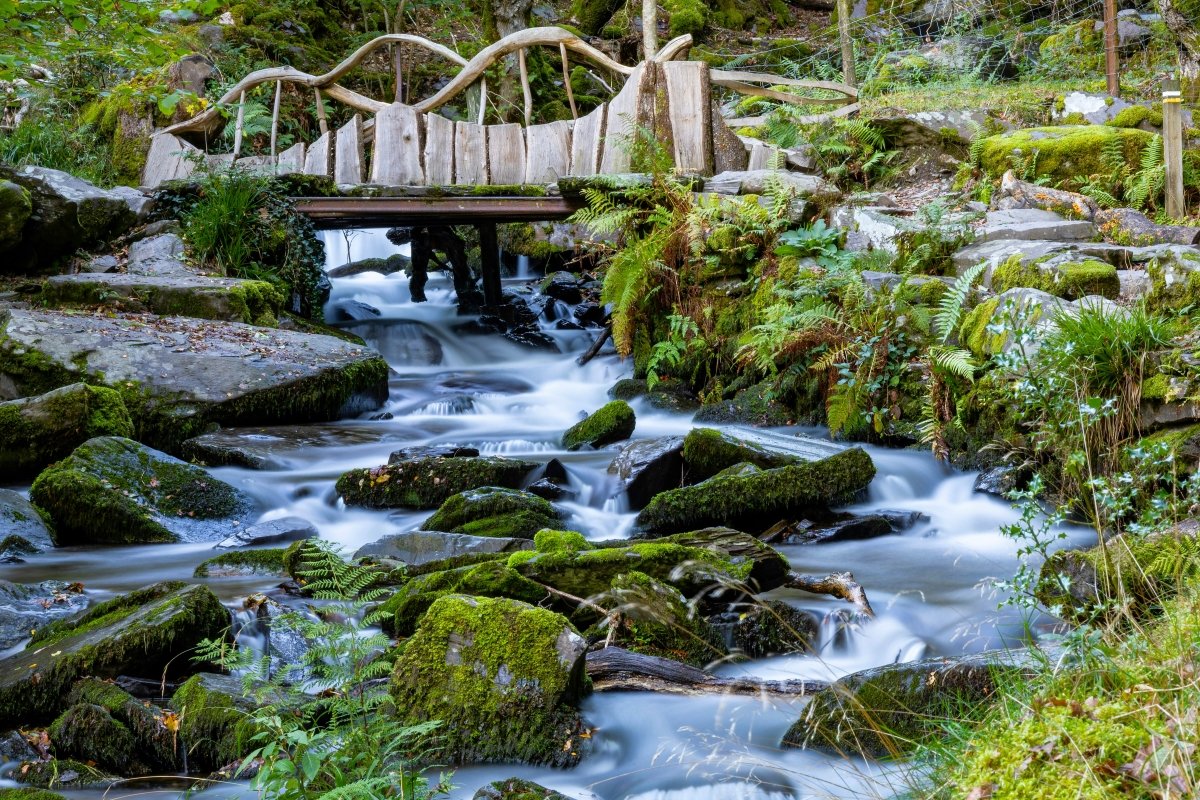
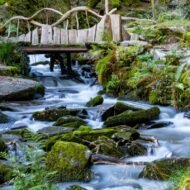
- Swallow Falls: Just outside Betws-y-Coed, these cascading waterfalls are worth the small admission fee. Get there early before the tour buses arrive.
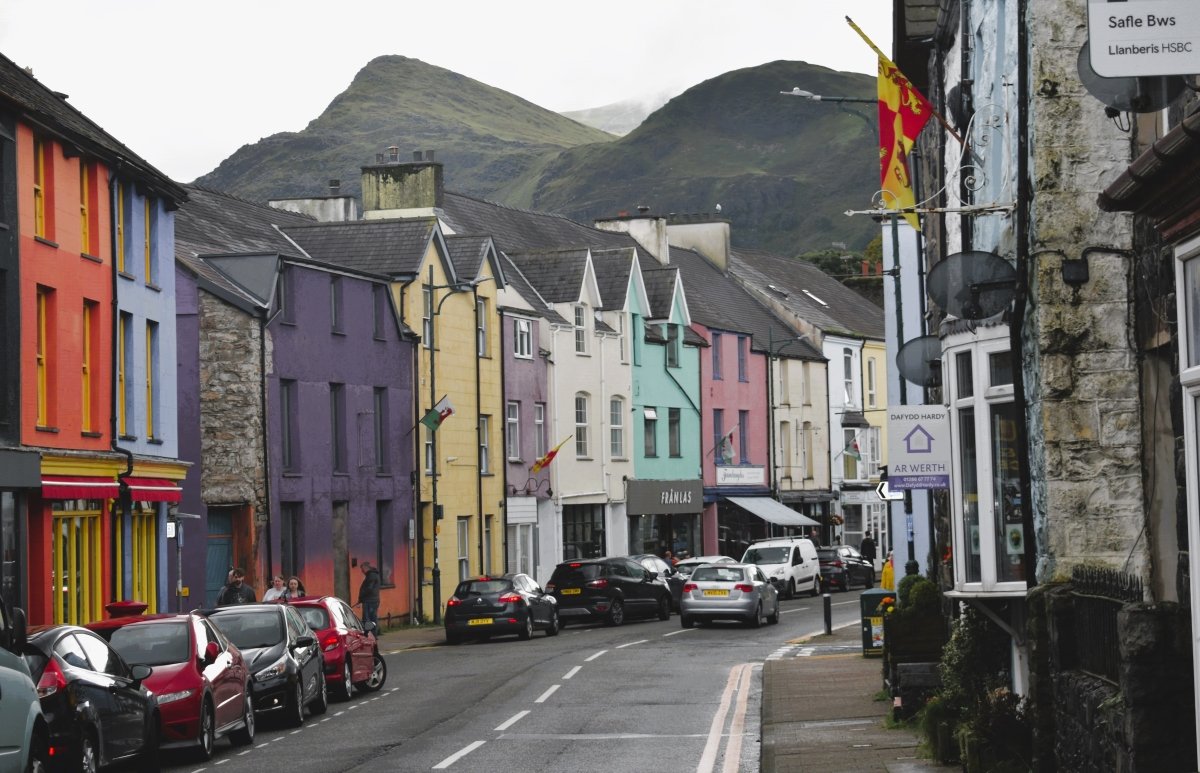
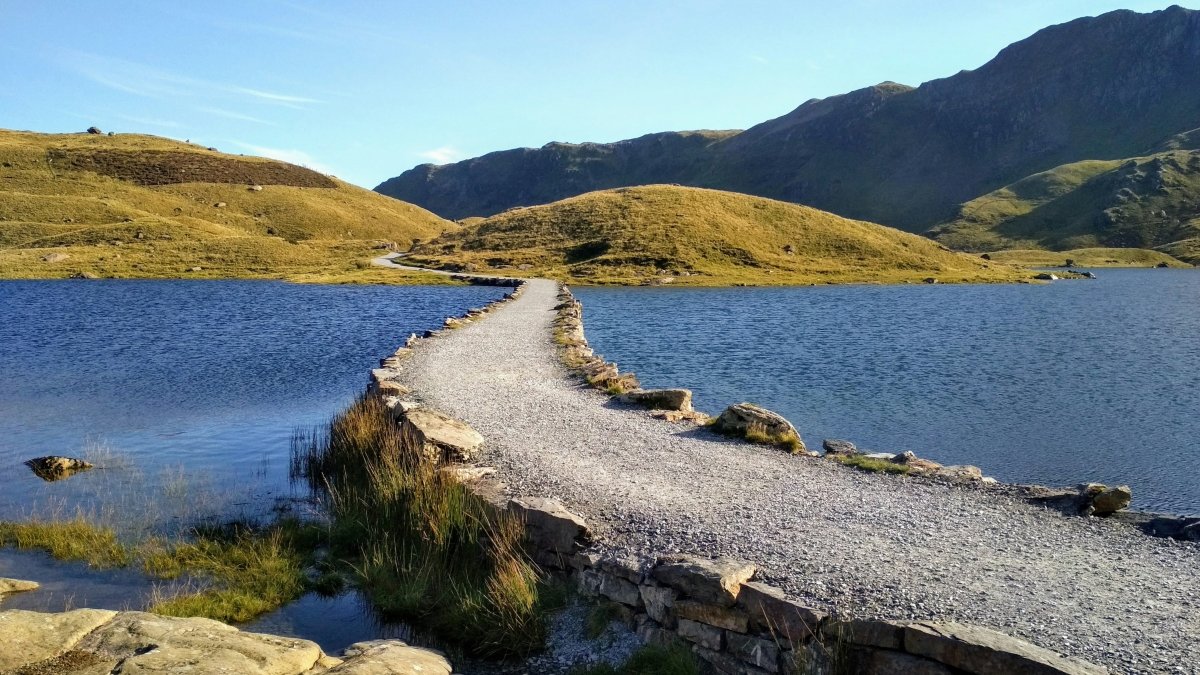
- Llanberis: Home to Mount Snowdon’s most popular walking route (and the Snowdon Mountain Railway if hiking isn’t your thing). The town’s packed with outdoor shops, cozy cafes, and the fascinating National Slate Museum.
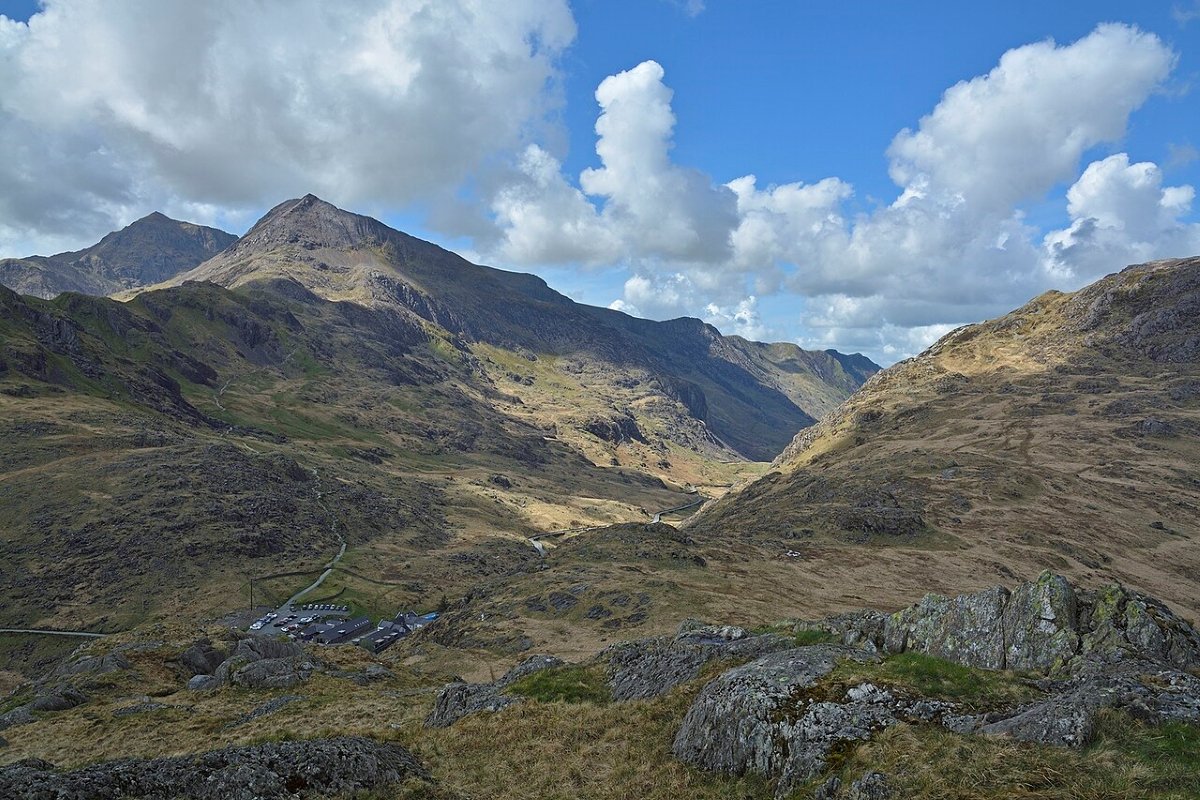
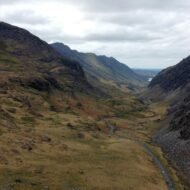
- Pen-y-Pass: This mountain pass reaches 1,178 feet and offers absolutely bonkers views. There’s a reason it’s one of the most photographed spots in Wales.
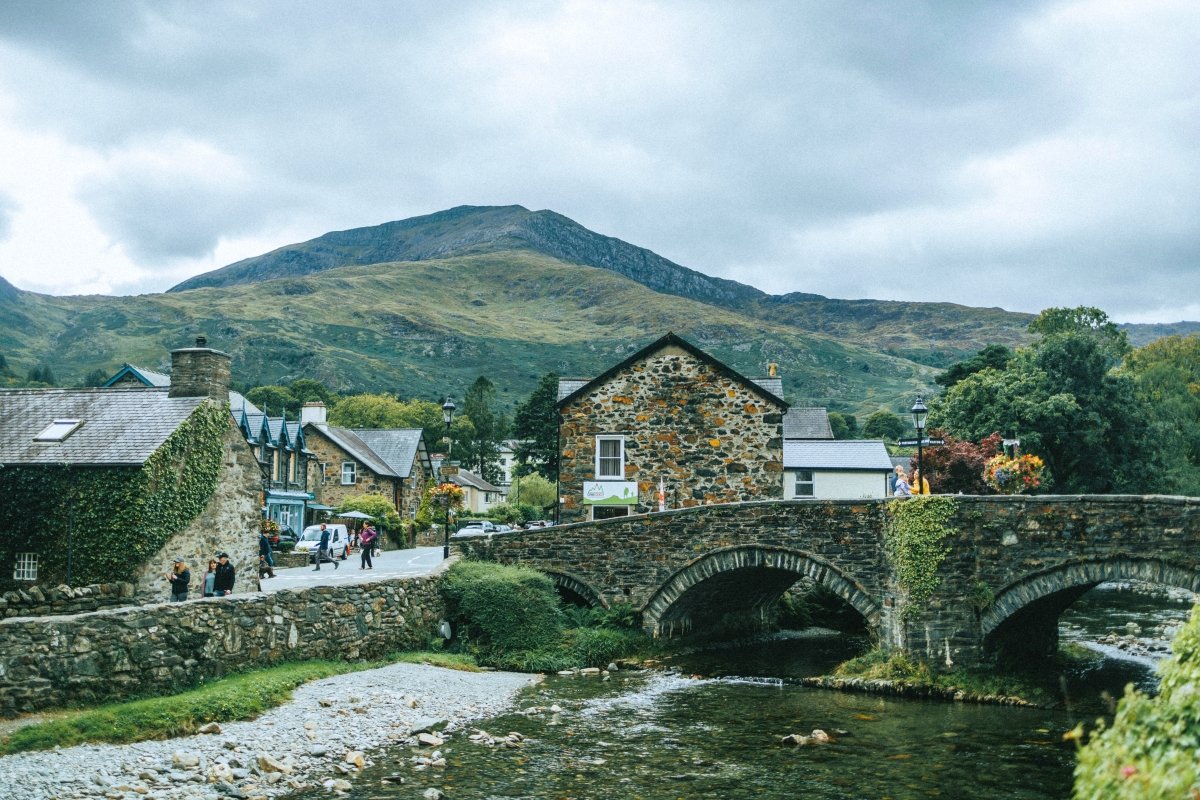
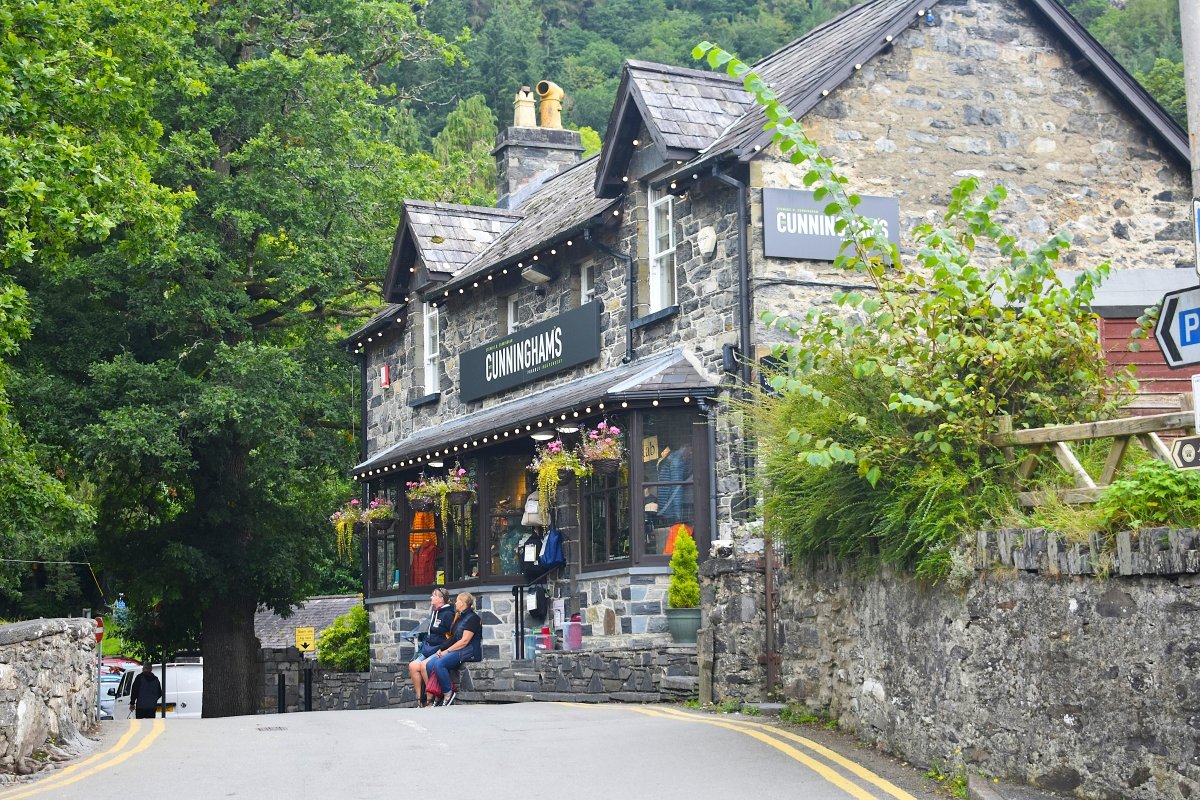
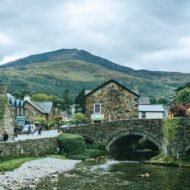
- Beddgelert: This picture-perfect village is ideal for lunch. The gelato shop near the bridge does incredible Welsh honey ice cream—don’t skip it.
Insider Tips: Spring (April-May) brings carpets of bluebells and fewer crowds. Avoid summer weekends if possible—the narrow roads can get congested. Many of the mountain passes close in severe winter weather, so check conditions before setting out between November and March.
The loop works brilliantly as a day trip from Chester, Manchester, or Liverpool, but honestly? Stay overnight in Betws-y-Coed or Llanberis. Watching sunset hit the mountains from a local pub garden with a pint of Purple Moose ale is an experience you won’t forget.
2. The Pembrokeshire Coastal Drive
Distance: 60 miles | Time: 4-5 hours minimum | Best for: Beach lovers, wildlife watchers, and photographers
If Snowdonia is Wales’ mountain masterpiece, Pembrokeshire is its coastal crown jewel. This drive along Wales’ southwestern tip serves up some of the most pristine beaches, dramatic cliffs, and charming harbor towns you’ll find anywhere in Britain.
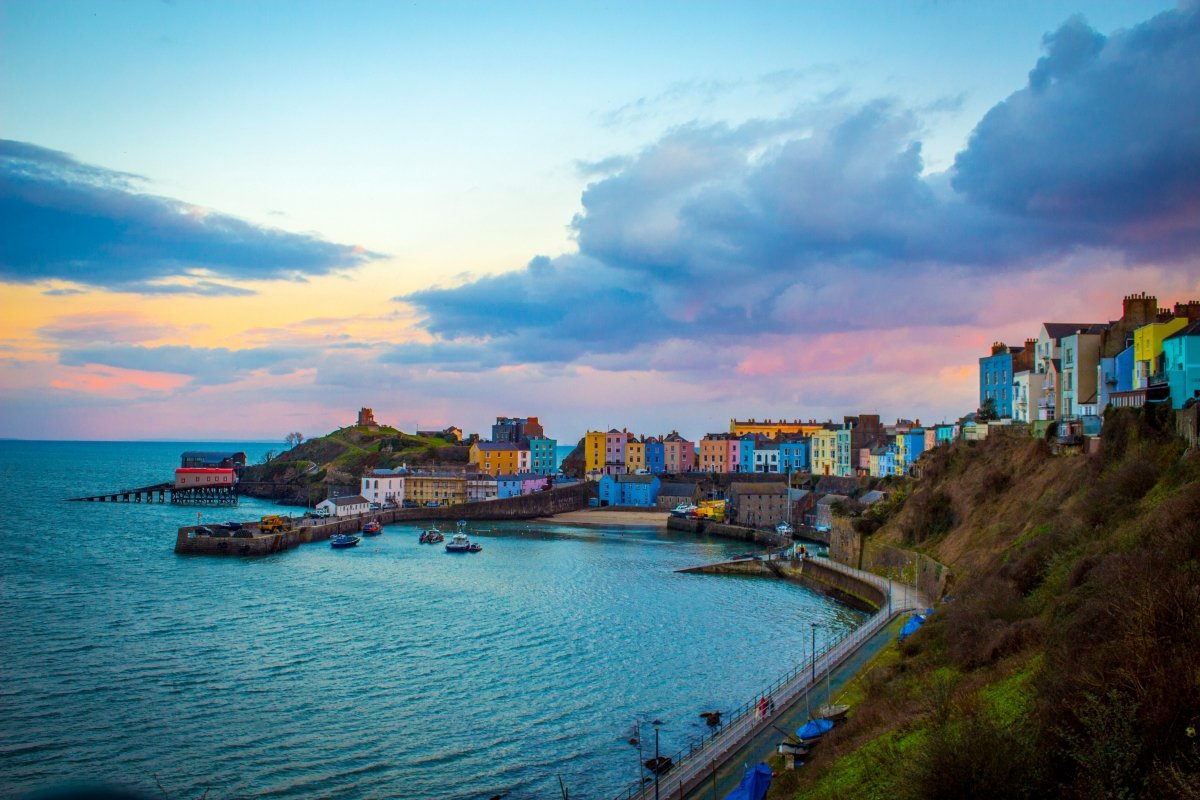
The Route: Start in Tenby (seriously one of the prettiest towns in Wales), head west along the B4585 and A4139 to St. Davids, then loop back via the coastal roads through Solva and Newgale. You’re basically tracing the edge of the Pembrokeshire Coast National Park—Britain’s only coastal national park.
Can’t-Miss Stops:
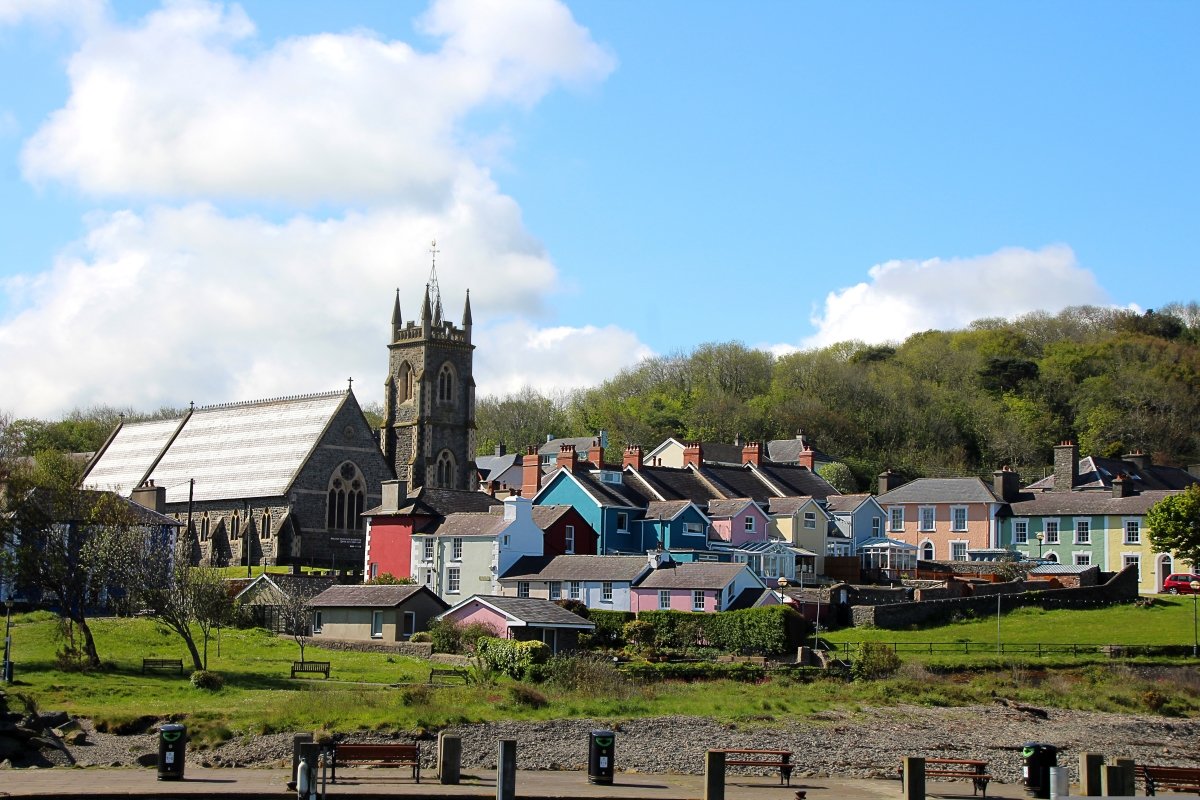
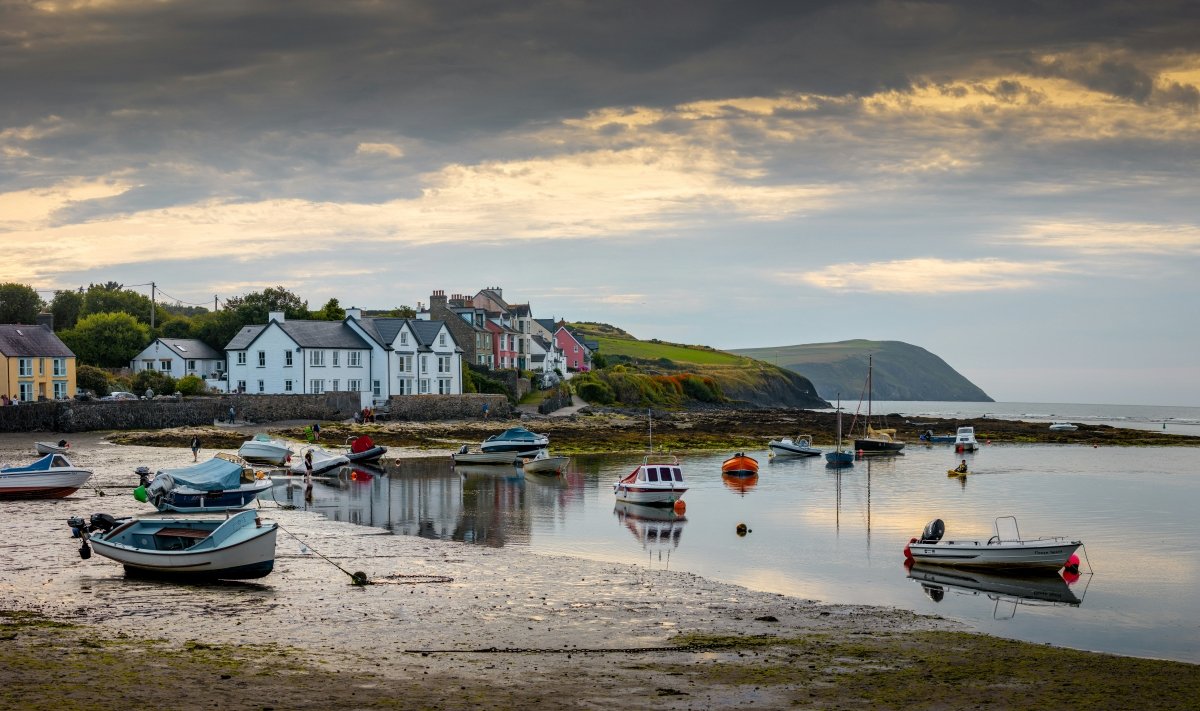
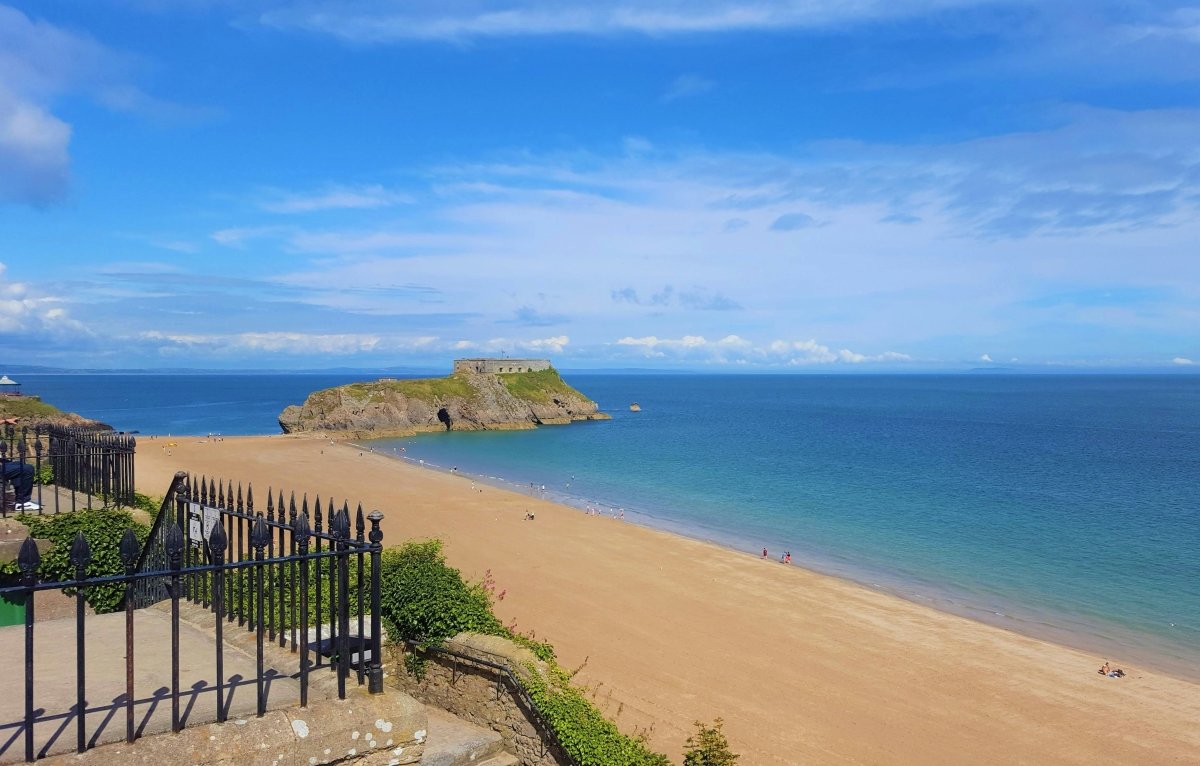
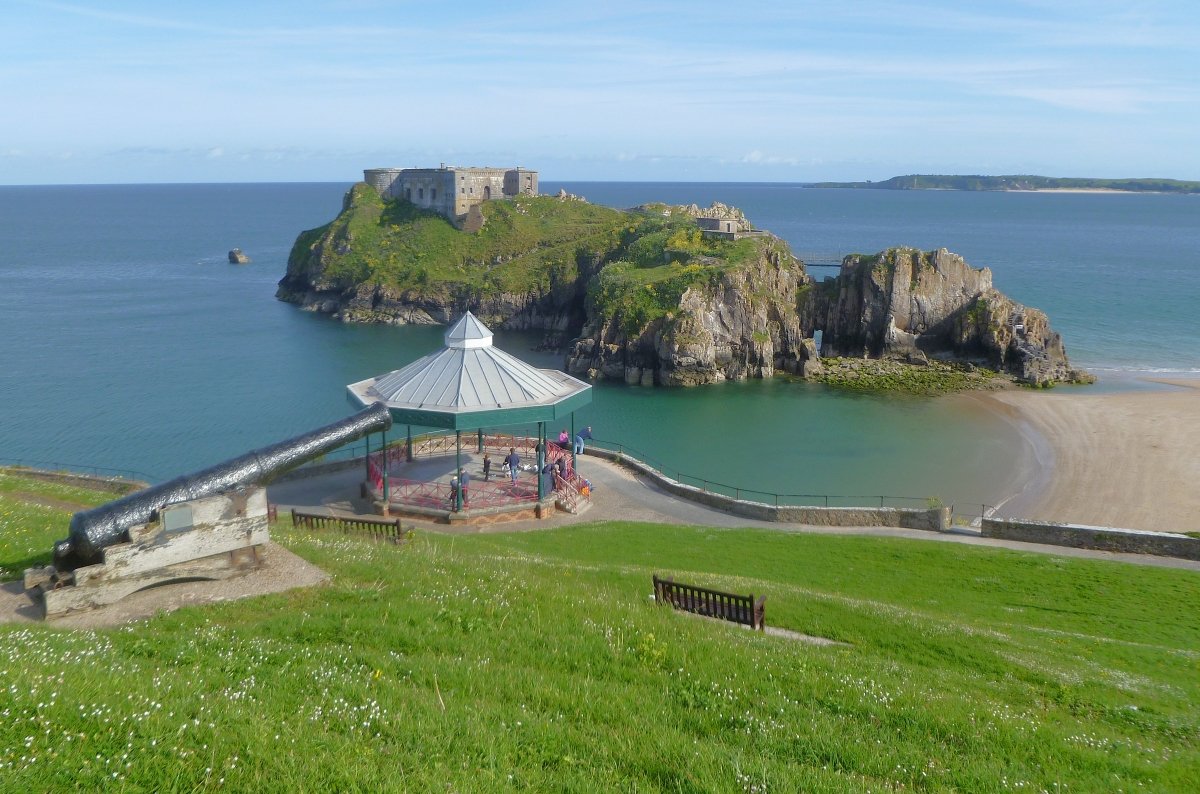
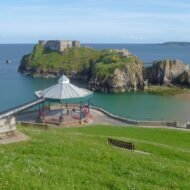
- Tenby: Those pastel-colored Georgian houses overlooking the harbor? Pure Instagram gold. Wander the medieval town walls, hit the beaches (North Beach and South Beach are both gorgeous), and grab fish and chips to eat on the harbor.
- Barafundle Bay: Often rated among Britain’s best beaches, this secluded gem requires a 20-minute walk from the nearest car park. The turquoise water and golden sand make it look more Caribbean than Welsh—I’m not even exaggerating.
- St. Davids: Britain’s smallest city (population: under 2,000) packs a mighty punch. The cathedral is stunning, and the nearby St. Davids Head offers incredible coastal walks with views that stretch to Ireland on clear days.
- The Green Bridge of Wales: This natural limestone arch near Castlemartin is one of Wales’ most impressive geological features. The clifftop walk offers spectacular views.
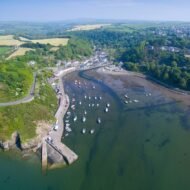
- Porth Clais: This tiny harbor near St. Davids is ridiculously photogenic and perfect for a peaceful moment away from the main tourist spots.
Insider Tips: Puffins nest on Skomer Island (accessible by boat from Martin’s Haven) between April and July—book boat tickets well in advance because they sell out fast. The coastal path is part of the 186-mile Pembrokeshire Coast Path, so even short sections make for incredible walks.
Summer brings warmer water (relatively speaking—it’s still Wales) and better beach weather, but spring offers wildflower-covered cliffs and baby seal spotting opportunities. Accommodation in Tenby and St. Davids books up months ahead for summer weekends, so plan accordingly.
3. The Elan Valley Dam Road (Mid Wales)
Distance: 30 miles | Time: 2-3 hours | Best for: Photography enthusiasts, cyclists, and anyone seeking serious tranquility
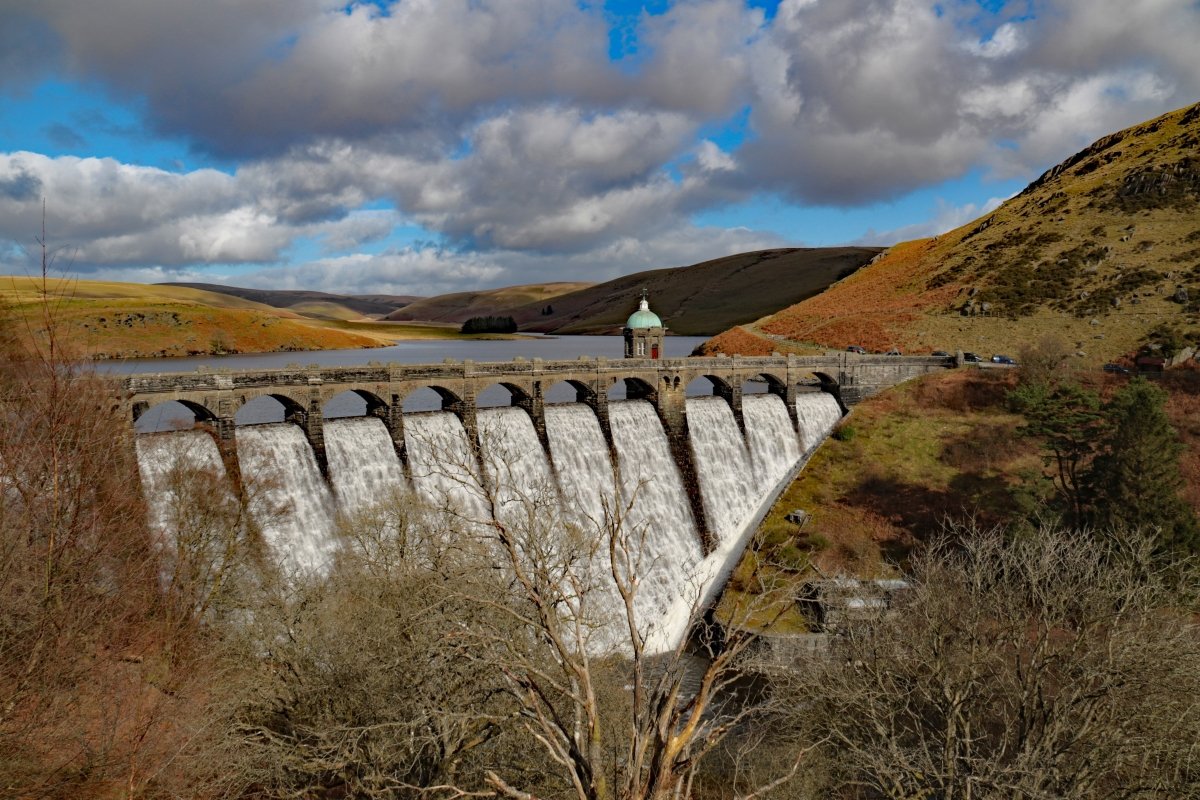
Here’s Wales’ best-kept secret: a scenic drive through a valley that looks like it belongs in the Scottish Highlands, complete with Victorian dams, moorland plateaus, and red kites circling overhead. The Elan Valley doesn’t get the crowds of Snowdonia, which honestly makes it even better.
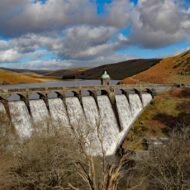
The Route: Start at the Elan Valley Visitor Centre (just outside Rhayader) and follow the scenic route past Craig Goch, Garreg-ddu, and Caban Coch dams. The narrow road winds through the valley, crossing several of the dams and offering constantly changing views of reservoirs, mountains, and moorland.
Can’t-Miss Stops:
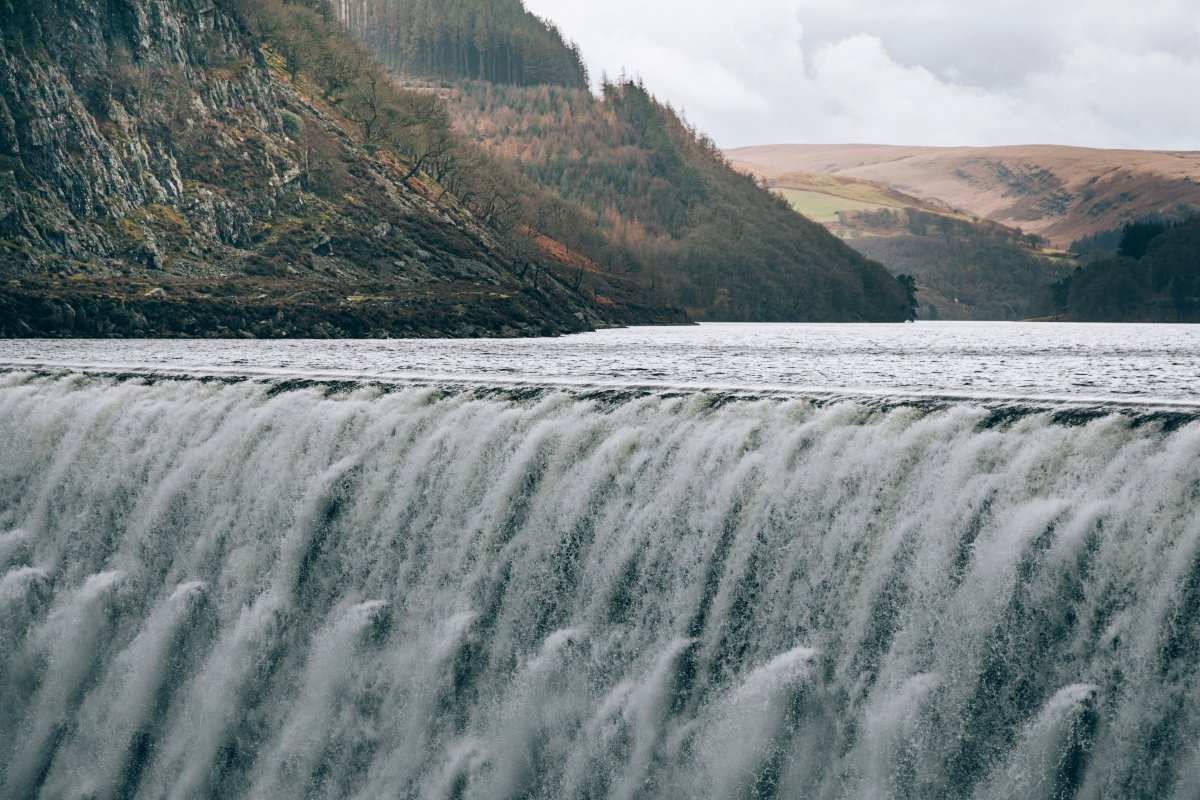
- Caban Coch Dam: The first dam you’ll encounter and one of the most impressive. The Victorian stonework is beautiful, and when they release water, the spectacle is incredible.
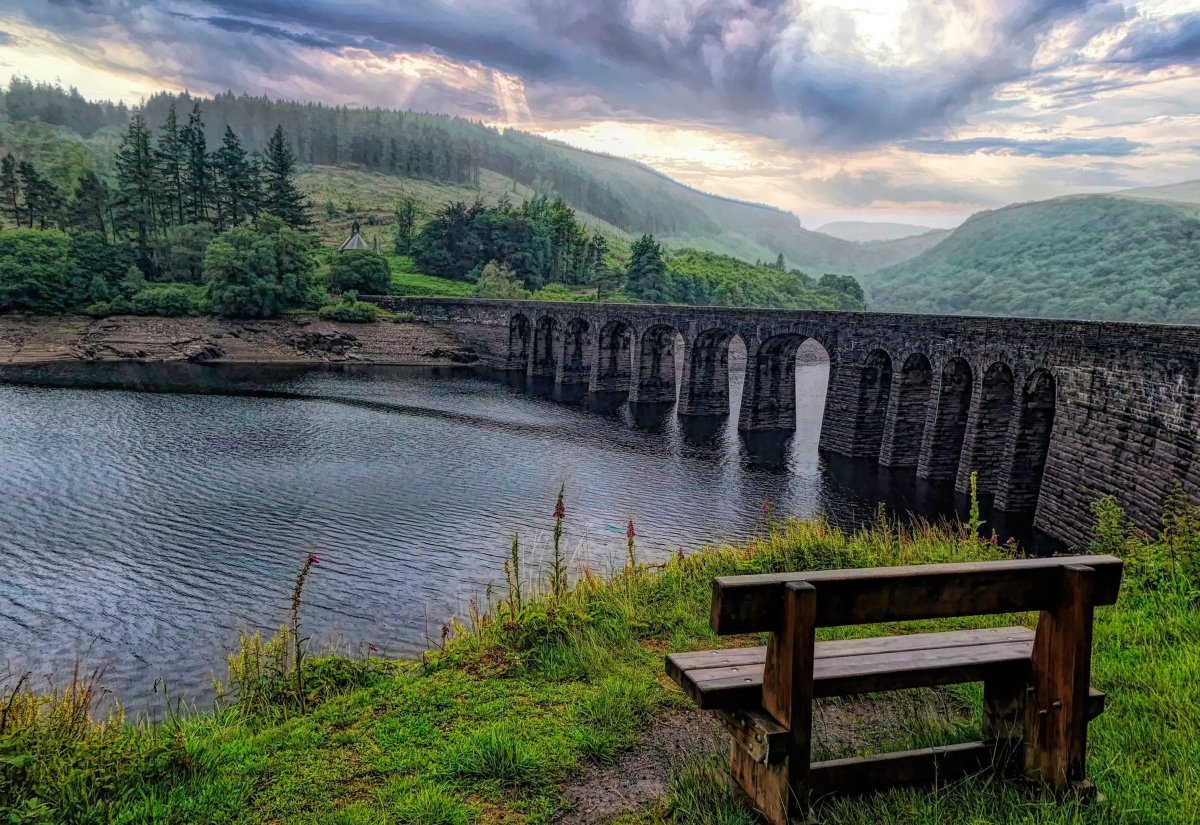
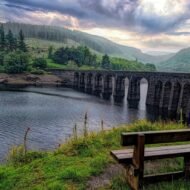
- Garreg-ddu Viaduct: This stunning arched structure over the reservoir is peak Victorian engineering. Park up and walk across for amazing views.
- Craig Goch Dam: At the top of the valley, this curved dam offers panoramic views back down the valley. The submerged dam at low water levels reveals fascinating glimpses of the old valley floor.
- Red Kite Feeding Station: At the Gigrin Farm near Rhayader, you can watch hundreds of red kites descend for daily feeding (2pm in winter, 3pm in summer). It’s genuinely breathtaking—these birds nearly went extinct in Britain, and now they’re thriving in Mid Wales.
Insider Tips: The road is single-track in sections with passing places, so take it slow and be courteous. Cyclists love this route because traffic is light and the scenery is knockout—if you’re driving, give them plenty of space.
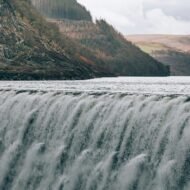
Autumn (September-October) transforms the valley into a riot of reds, golds, and purples. The dams occasionally overflow after heavy rain, creating spectacular waterfalls—check the Elan Valley website for “spilling” updates.
Pack a picnic—there aren’t many facilities once you leave the visitor center, and eating lunch beside one of these stunning reservoirs beats any restaurant. The entire route is free to drive, though parking at the visitor center has a small charge.
4. The Brecon Beacons Mountain Drive
Distance: 50 miles | Time: 3-4 hours | Best for: Mountain scenery, waterfall chasers, and dark sky enthusiasts
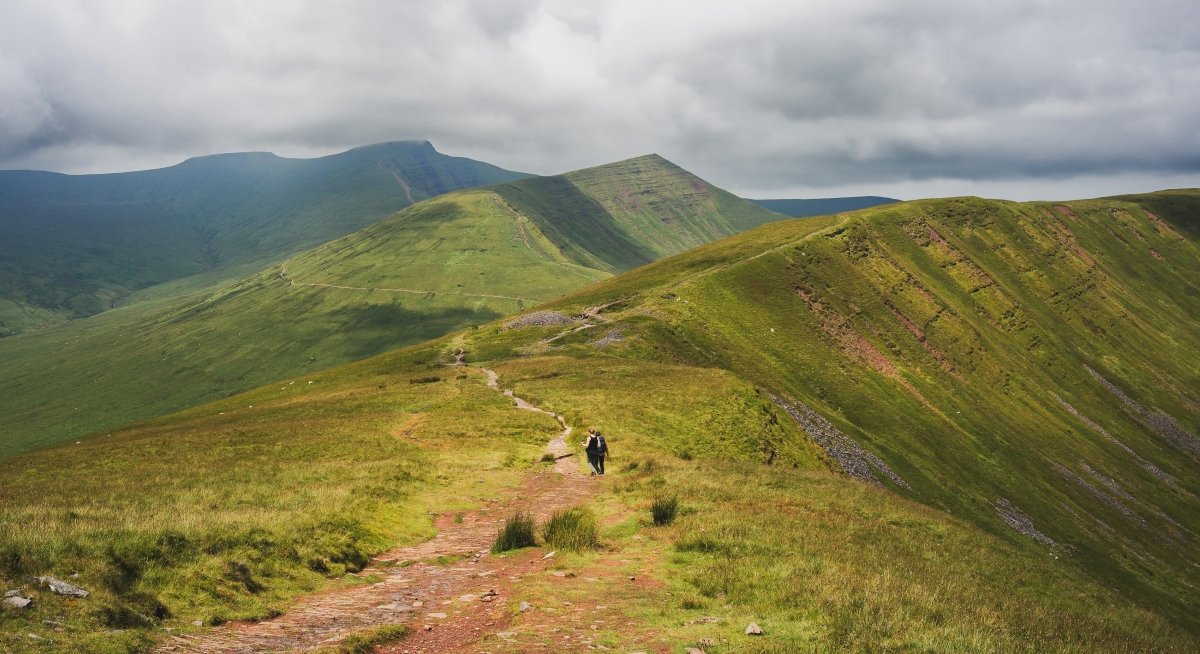
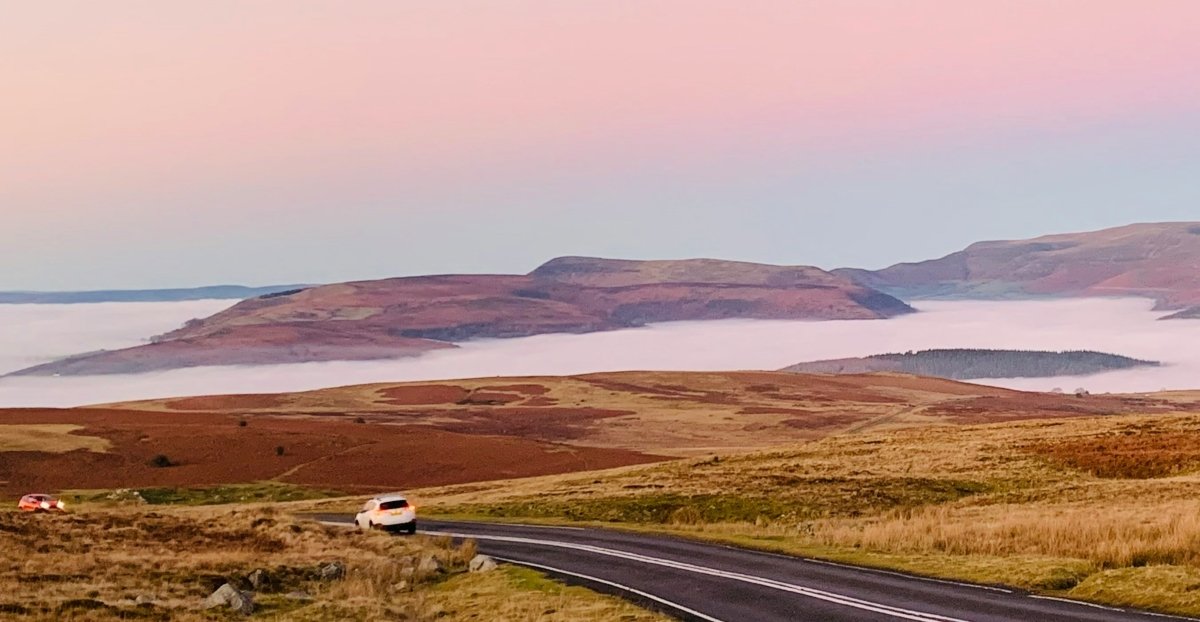
The Brecon Beacons (Bannau Brycheiniog in Welsh) offer some of South Wales’ most dramatic landscapes. This route takes you through the heart of the national park, past Iron Age hillforts, along mountain ridges with views for miles, and through valleys dotted with waterfalls.
The Route: Start in Brecon, head west on the A40 to Sennybridge, then take the mountain road (the single-track route over the Beacons via the A4067) through the upper Swansea Valley. Loop back via the A4069 through the Black Mountain, then return to Brecon via Llandovery and the A40.
Can’t-Miss Stops:
- Pen y Fan: Wales’ highest peak (2,907 feet) isn’t part of the drive itself, but it’s visible from multiple points along the route. If you’re up for it, the hike from Storey Arms car park takes about 3-4 hours round trip.
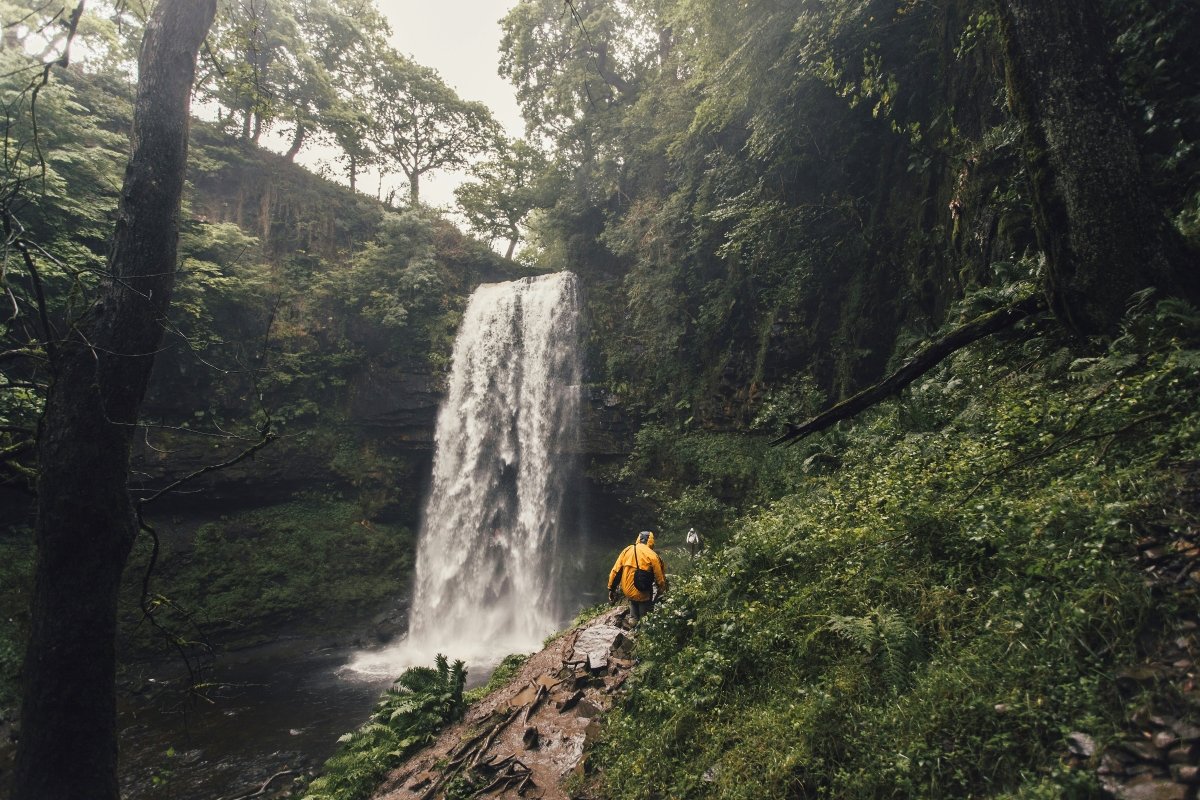
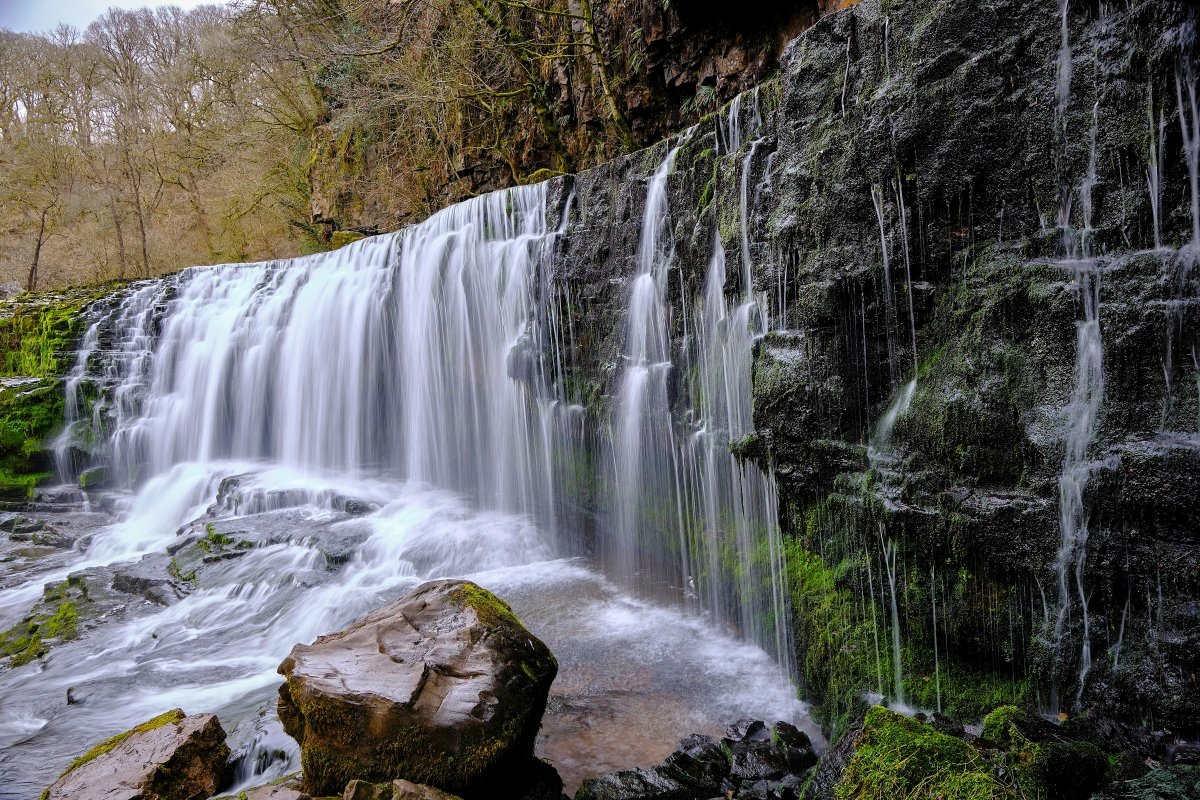
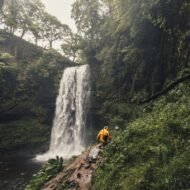
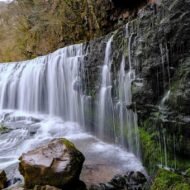
- Waterfalls Country (Pontneddfechan): Slightly off the main loop but absolutely worth it. The “Four Waterfalls Walk” takes you past Sgwd Clun-Gwyn, Sgwd Isaf Clun-Gwyn, Sgwd y Pannwr, and the stunning Sgwd yr Eira—where you can actually walk behind the waterfall.
- Llangorse Lake: Wales’ second-largest natural lake is perfect for a peaceful stop. There’s a crannog (ancient artificial island) visible from the shore, and in summer you can rent kayaks or paddleboards.
- Carreg Cennen Castle: Perched on a dramatic limestone crag near Llandeilo, this ruined castle offers phenomenal views across the Black Mountain. The climb up is steep but totally worth it.
Insider Tips: The Brecon Beacons is an International Dark Sky Reserve—one of only a few in the world. If you’re visiting on a clear night, the stargazing is absolutely incredible. Download a stargazing app and find a safe pull-off spot away from Brecon’s lights.
The mountain roads can be challenging in winter—they’re often closed due to snow and ice between December and March. Summer offers the most reliable driving conditions, but spring and autumn provide stunning colors and fewer visitors.
Pack layers. Seriously. The weather in the Beacons can change in minutes, and it’s always cooler at higher elevations than down in the valleys. And if you’re planning any walks, proper hiking boots and waterproofs are essential—this is Wales, after all.
5. The Llŷn Peninsula Coastal Loop
Distance: 70 miles | Time: Full day minimum | Best for: Uncrowded beaches, Welsh culture, and epic sunsets
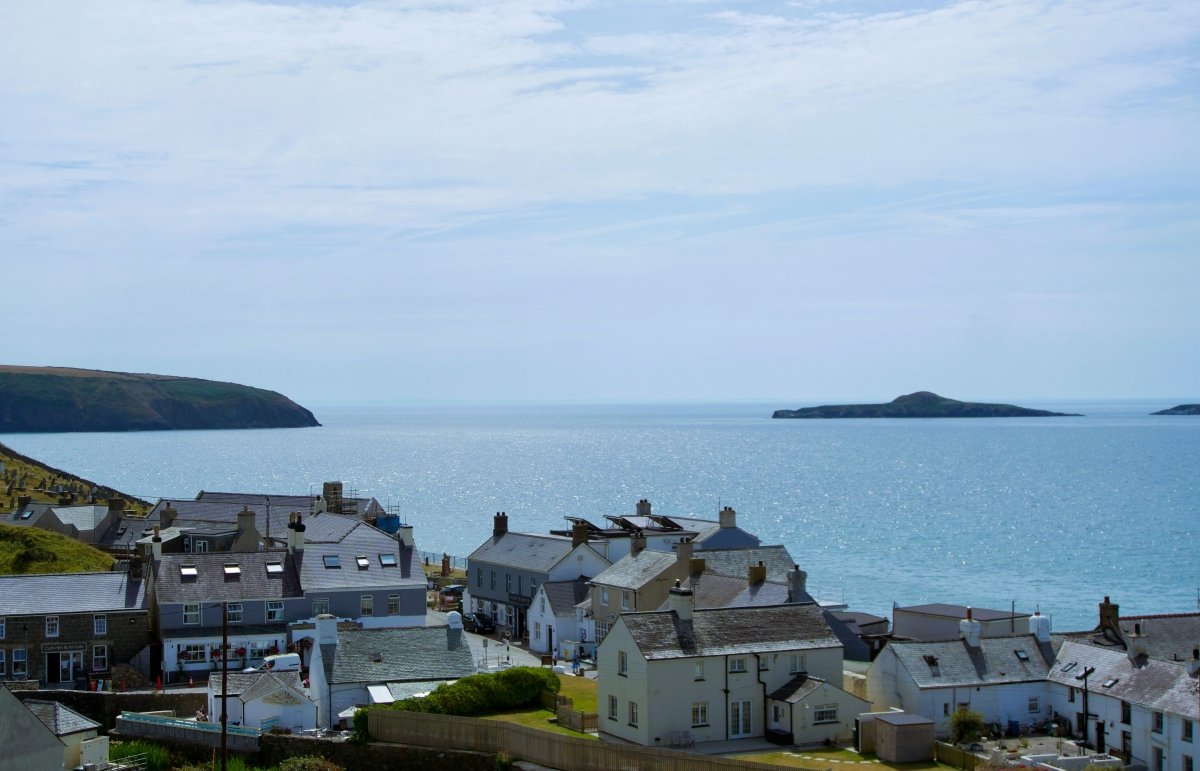
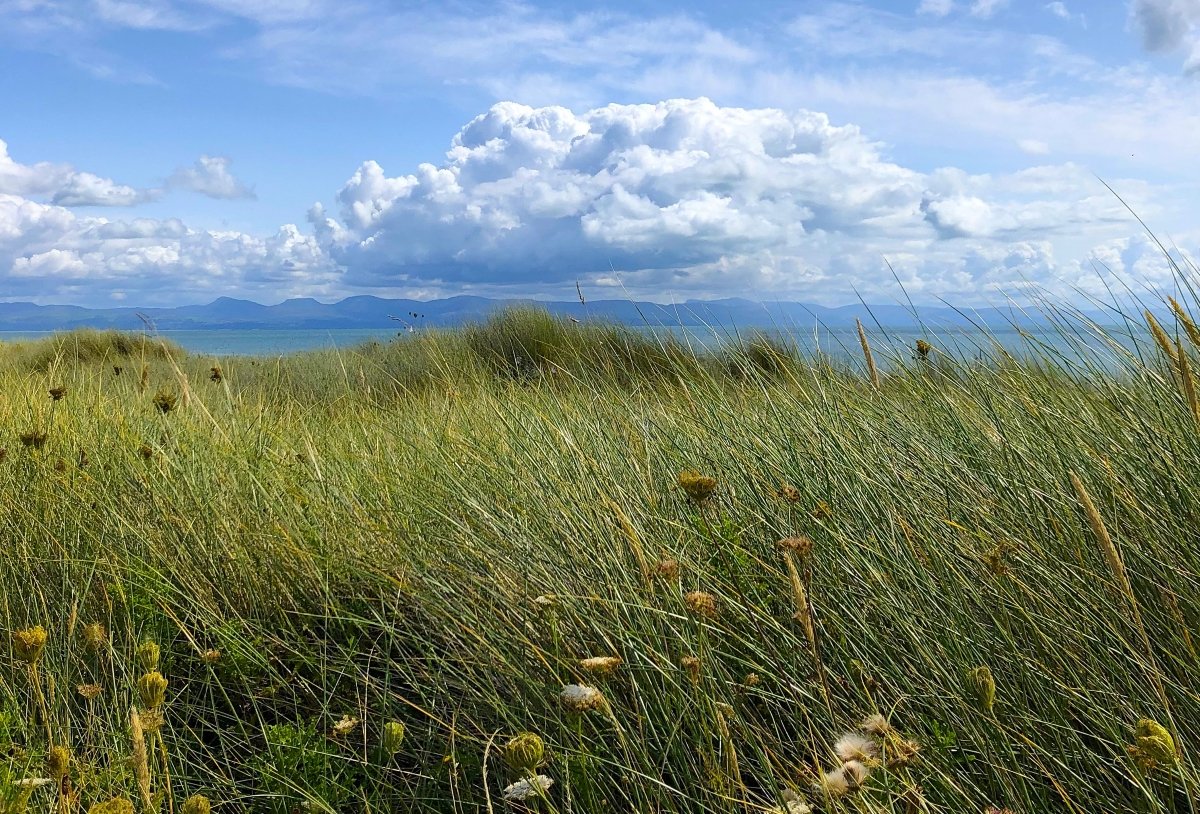
The Llŷn Peninsula juts out into the Irish Sea like Wales’ finger pointing toward Ireland. It’s often overlooked by visitors rushing to Snowdonia, which means you’ll have stunning beaches, traditional Welsh villages, and spectacular coastal scenery largely to yourself.
The Route: Start in Caernarfon (where the stunning Edward I castle is worth a visit), follow the coast road west through Clynnog Fawr, around the peninsula tip at Aberdaron, then return via Abersoch and Pwllheli. The entire loop offers constantly changing coastal views, from sandy bays to rugged cliffs.
Can’t-Miss Stops:
- Caernarfon Castle: One of Edward I’s “Iron Ring” castles and a UNESCO World Heritage Site. The polygonal towers and medieval town walls are incredibly well-preserved.
- Porth Dinllaen: This National Trust beach near Morfa Nefyn features a pub (the Ty Coch Inn) literally on the sand. Park in the village and walk down—it’s about 20 minutes but gorgeous.
- Aberdaron: This remote village at the peninsula’s tip was the last stop for medieval pilgrims heading to Bardsey Island. The beach is lovely, and the village has several good cafes and pubs.
- Whistling Sands (Porth Oer): The sand here genuinely whistles (or squeaks) when you walk on it due to its unique composition. It’s a beautiful, sheltered cove that’s perfect for families.
- Plas yn Rhiw: This partially restored manor house and gardens offer stunning views over Hell’s Mouth Bay. The gardens are gorgeous in spring and summer.
Insider Tips: The Llŷn is one of Wales’ Welsh language heartlands—you’ll hear more Welsh spoken here than English in many villages, which adds to the authentic cultural experience. Many signs are Welsh-first or Welsh-only, so having Google Translate handy can help.
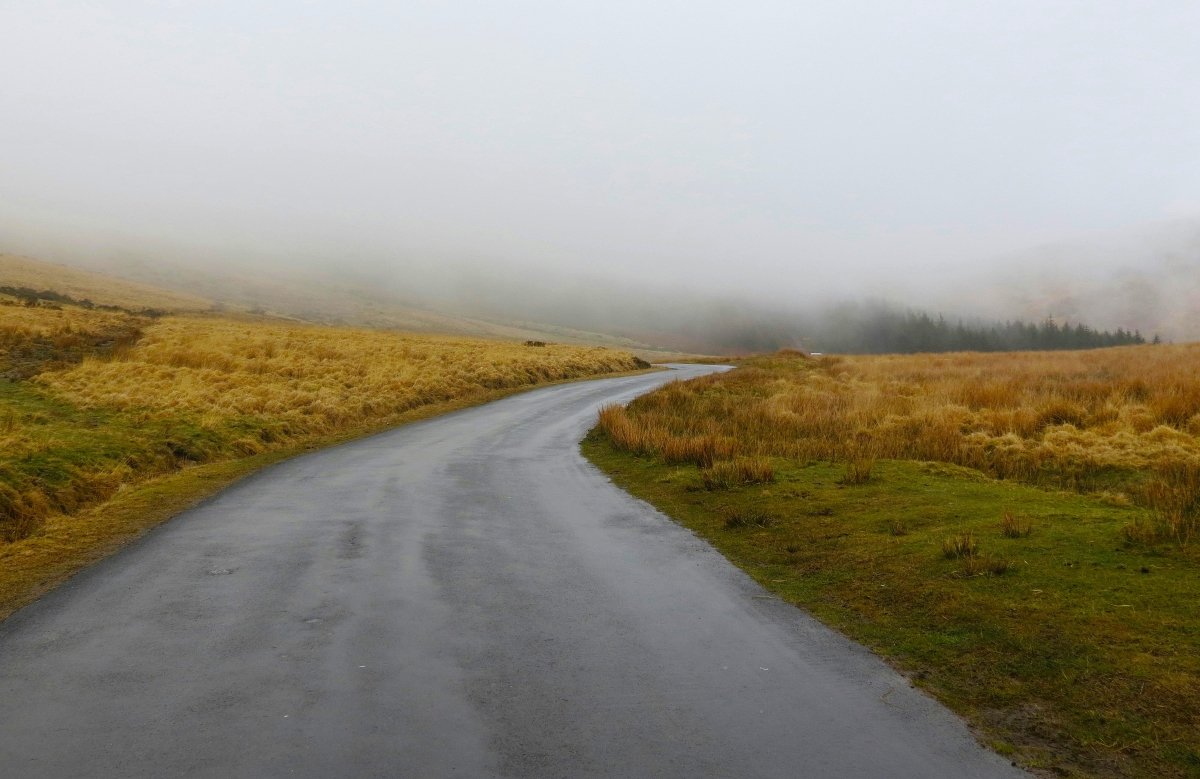
Traffic moves slowly on the narrow coastal roads—embrace it. This isn’t a road trip to rush. The journey is absolutely the destination here. Many of the best beaches require short walks from car parks, which keeps them pleasantly uncrowded even in summer.
Sunset on the western coast of the Llŷn is magical. Find a clifftop spot near Aberdaron or Braich y Pwll and watch the sun sink into the Irish Sea. On clear evenings, you can sometimes see the Wicklow Mountains in Ireland across the water.
Recap: Planning Your Welsh Road Trip Adventure
Right, let’s bring this all together. Wales might be small (you could drive from north to south in about three hours), but these five routes prove that size definitely isn’t everything.
Quick comparison to help you choose:
- Best for dramatic mountains: Snowdonia Scenic Loop
- Best for beaches: Pembrokeshire Coastal Drive (with Llŷn Peninsula as a close second)
- Best for escaping crowds: Elan Valley Dam Road
- Best for waterfall enthusiasts: Brecon Beacons Mountain Drive
- Best for authentic Welsh culture: Llŷn Peninsula Coastal Loop
Practical Tips for Any Welsh Road Trip:
When to Go: May-June offers long days, blooming landscapes, and fewer crowds than July-August. September-October brings stunning autumn colors and still-decent weather. Winter (November-March) can be magical but expect road closures, limited daylight, and challenging conditions on mountain routes.
What to Pack: Waterproof jacket (non-negotiable—Welsh weather is unpredictable), good walking shoes, reusable water bottle, snacks (some routes have limited facilities), offline maps (phone signal can be patchy in rural areas), and a camera with plenty of storage.
Driving Considerations: Many Welsh roads are narrow, winding, and single-track with passing places. Take your time, be courteous to other drivers, and pull over frequently to let faster traffic pass. Sheep often wander onto roads—drive cautiously, especially near farms. Fuel stations can be sparse in rural areas, so fill up in larger towns.
Accommodation: Book ahead, especially for summer weekends and holidays. Wales offers everything from luxury hotels to cozy B&Bs, farm stays, and campsites. Staying in smaller villages rather than tourist hotspots often provides better value and more authentic experiences.
Combining Routes: With smart planning, you can combine several routes into one epic Welsh adventure. Snowdonia and the Llŷn Peninsula pair perfectly for a North Wales week. Pembrokeshire and the Brecon Beacons work well together for exploring South Wales.
The beauty of these road trips is that they’re genuinely accessible. You don’t need specialist driving skills, expensive 4x4s, or weeks of vacation time. A decent car, a few days, and a sense of adventure are all you really need.
Wales rewards slow travel. Stop at that random farm shop selling local cheese. Pull over when you see an incredible view. Chat with locals in village pubs. Have a proper Welsh breakfast (laverbread and cockles included). Take the detour to that castle you spot from the road.
These routes aren’t just about ticking off viewpoints—they’re about experiencing a different pace of life, connecting with stunning landscapes, and discovering why Wales has inspired poets, artists, and travelers for centuries.
So whether you’re planning a weekend escape from London, a week-long Welsh odyssey, or you’re traveling from further afield, these five road trips showcase the very best of what Wales offers. Stunning scenery, fascinating history, warm welcomes, and roads that remind you why driving can still be an adventure in our overly connected world.
Disclaimer
Travel Information Accuracy: All route information, distances, and recommendations in this guide were accurate as of February 2026. Road conditions, opening hours, admission fees, and accessibility can change. Always check official websites and local sources for the most current information before traveling.
Safety First: Driving conditions in Wales can be challenging, particularly on mountain roads, single-track routes, and during winter months. Always drive according to conditions, weather, and your skill level. Some roads mentioned may be temporarily closed due to weather, maintenance, or other factors—check local road condition reports before setting out.
Weather Considerations: Welsh weather is notoriously changeable. Mountain conditions can deteriorate rapidly regardless of season. If planning walks or outdoor activities, check weather forecasts, carry appropriate gear, and don’t hesitate to change plans if conditions become unsafe.
Outdoor Activities: If you’re planning to hike, wild swim, or engage in other outdoor activities along these routes, ensure you have appropriate equipment, experience, and safety knowledge. Mountain rescue services in Wales are volunteer-run—don’t put yourself in situations requiring rescue due to inadequate preparation.
Accommodation and Bookings: Popular areas book up well in advance, especially during school holidays and summer months. Prices mentioned reflect general ranges at time of writing but may vary significantly based on season, availability, and specific providers.
Affiliate Disclosure: This guide may contain recommendations for businesses, attractions, and services. No compensation was received for any recommendations made. All opinions are based on personal experience and research.
Personal Responsibility: You are responsible for your own safety, planning, and decision-making while traveling. This guide provides suggestions and information but cannot account for every individual circumstance, ability level, or preference.
Conservation: Wales’ natural landscapes are precious. Follow the Countryside Code, take your litter home, respect wildlife, close gates, and leave no trace. Many areas mentioned are protected landscapes—help keep them beautiful for future visitors.
Happy travels, and enjoy discovering why Wales truly is one of Britain’s best-kept secrets for spectacular road trips!