




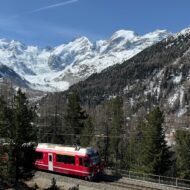

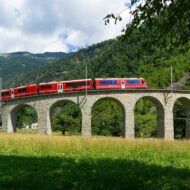
Exploring Swiss Alps by rail , Switzerland’s mountain railways offer some of the world’s most breathtaking train journeys. From the iconic Glacier Express to cogwheel trains climbing to 3,000+ meters, you’ll find routes for every budget and fitness level. Book Swiss Travel Passes early, travel May-October for best views, and don’t miss the UNESCO-listed Bernina Express. Budget €200-500 per person for a 3-day rail adventure.
- Why Train Travel Through the Swiss Alps is Worth Every Franc
- The Legendary Routes You Need to Know
- Glacier Express: The “Slowest Express Train in the World”
- Bernina Express: UNESCO World Heritage Route
- Jungfrau Railway: Top of Europe
- Gornergrat Railway: Matterhorn Face-Time
- Golden Pass Line: Three Trains, Three Languages
- Money Talk: What This Actually Costs
- Swiss Travel Pass (Your Best Friend)
- Half-Fare Card Alternative
- Budget Breakdown for a 5-Day Alps Rail Trip
- Planning Your Route: Sample Itineraries
- Booking Strategy: How to Score the Best Experience
- Seasonal Considerations
- What to Pack for Rail Travel in the Alps
- Accessibility & Family-Friendly Features
- Lesser-Known Routes Worth Your Time
- Food & Dining on Board
- Photography Tips from the Rails
- Common Mistakes to Avoid
- Sustainable Travel Notes
- Where to Base Yourself
- Final Thoughts
Why Train Travel Through the Swiss Alps is Worth Every Franc
Let’s cut to the chase: riding trains through the Swiss Alps isn’t just transportation—it’s the destination itself. You’re gliding past emerald valleys, through mountain tunnels that took decades to carve, and across viaducts that seem to defy gravity. The Swiss have turned mountain railways into an art form, and honestly? It’s one of those experiences that actually lives up to the hype.
Whether you’re planning your dream vacation, celebrating a milestone, or finally ticking Switzerland off your bucket list, these railway journeys work for solo travelers, couples, families with kids, and seniors alike. The trains are wheelchair accessible, and there’s no exhausting hiking required (unless you want it).
The Legendary Routes You Need to Know
Glacier Express: The “Slowest Express Train in the World”
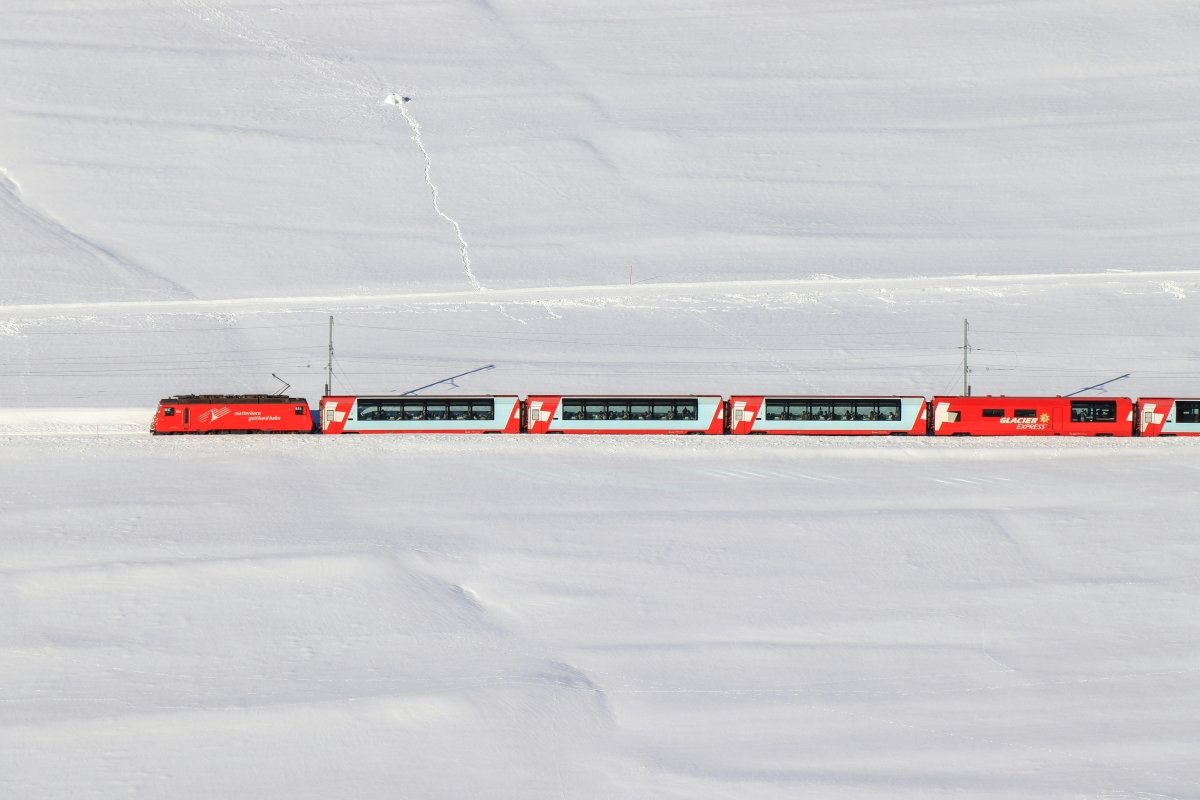
This 8-hour journey from Zermatt to St. Moritz covers 291 kilometers through 91 tunnels and across 291 bridges. Yeah, the Swiss counted every single one.
What makes it special: Panoramic windows that curve onto the ceiling, the dramatic Landwasser Viaduct, and the Rhine Gorge (Switzerland’s “Grand Canyon”). You’ll climb to 2,033 meters at Oberalp Pass.
Practical details:
- Cost: CHF 152 second class, CHF 268 first class (seat reservation mandatory: CHF 49 summer, CHF 39 winter)
- Best time: December-March for snow-covered peaks; June-September for green valleys
- Pro tip: Book window seats on the right side traveling east for optimal views MORE READ..
Bernina Express: UNESCO World Heritage Route
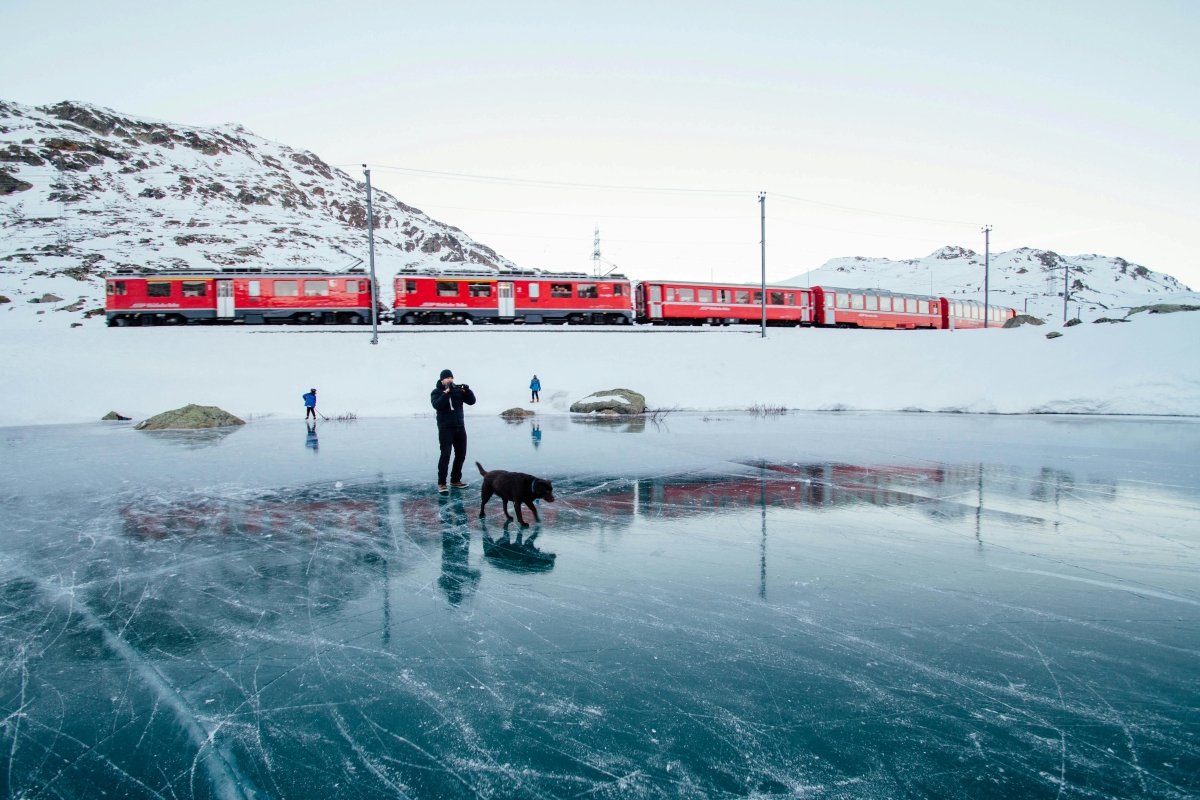
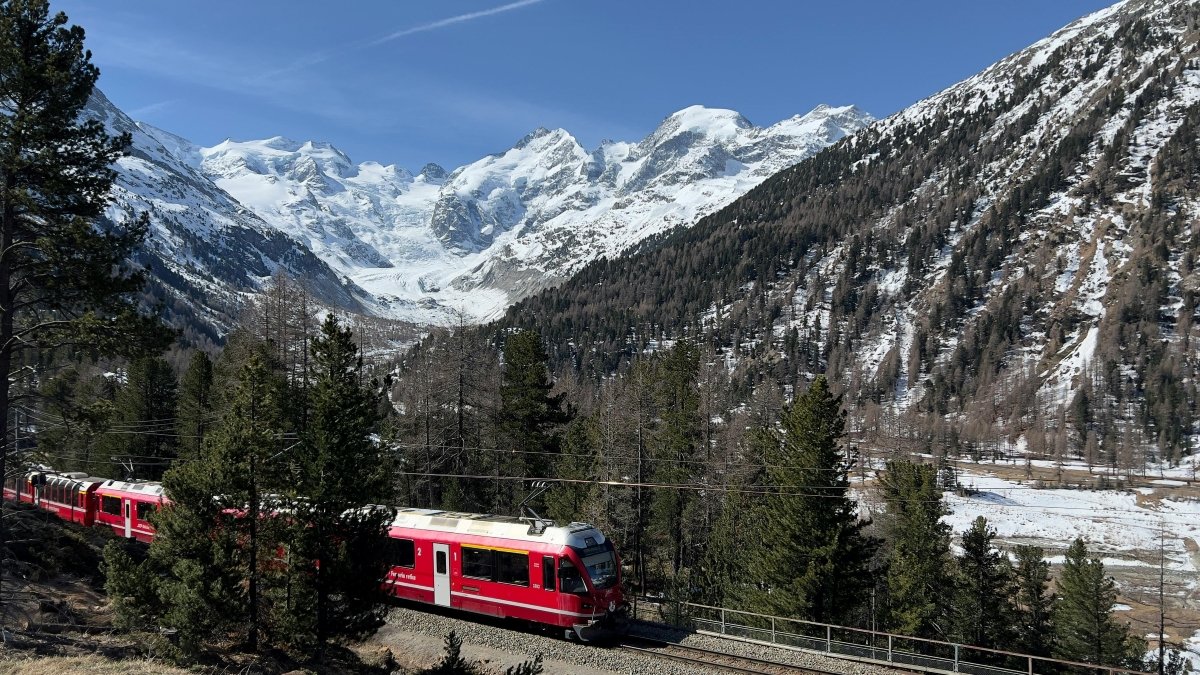
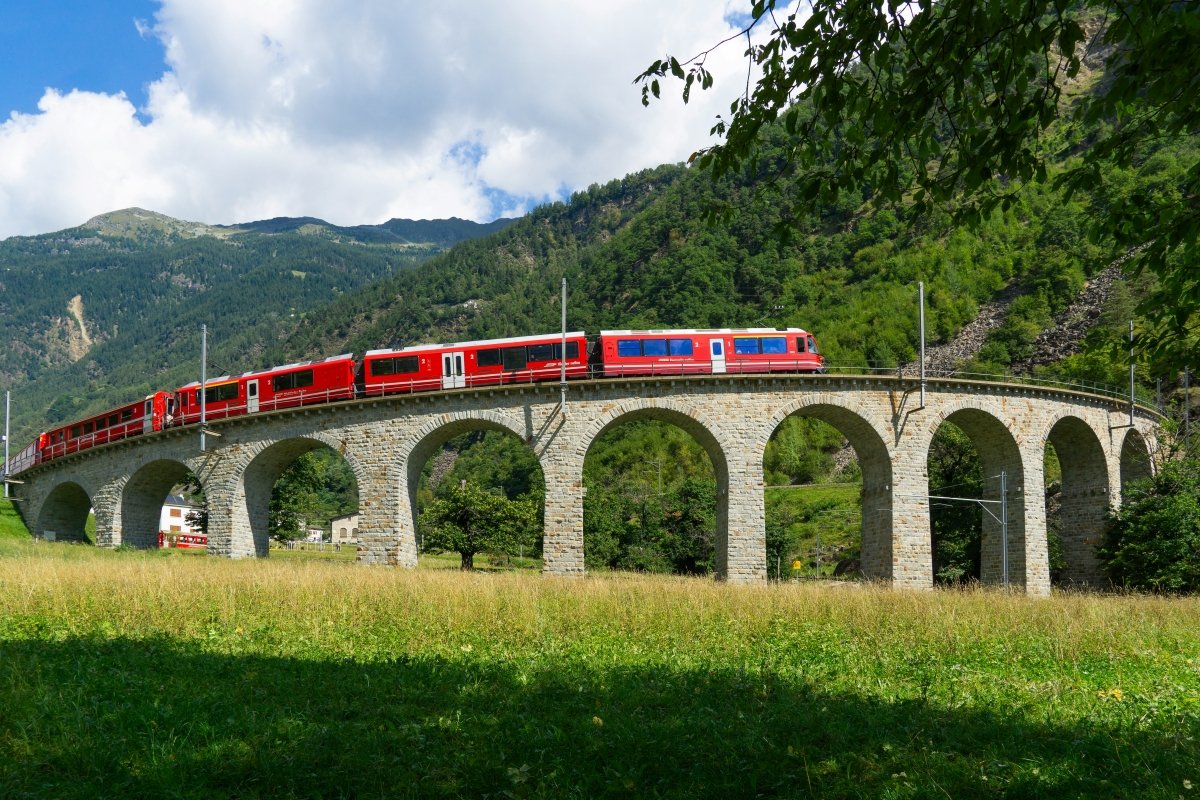
St. Moritz to Tirano (Italy) in 4 hours—this route crosses the Alps without a single tunnel at the summit. Wild, right?
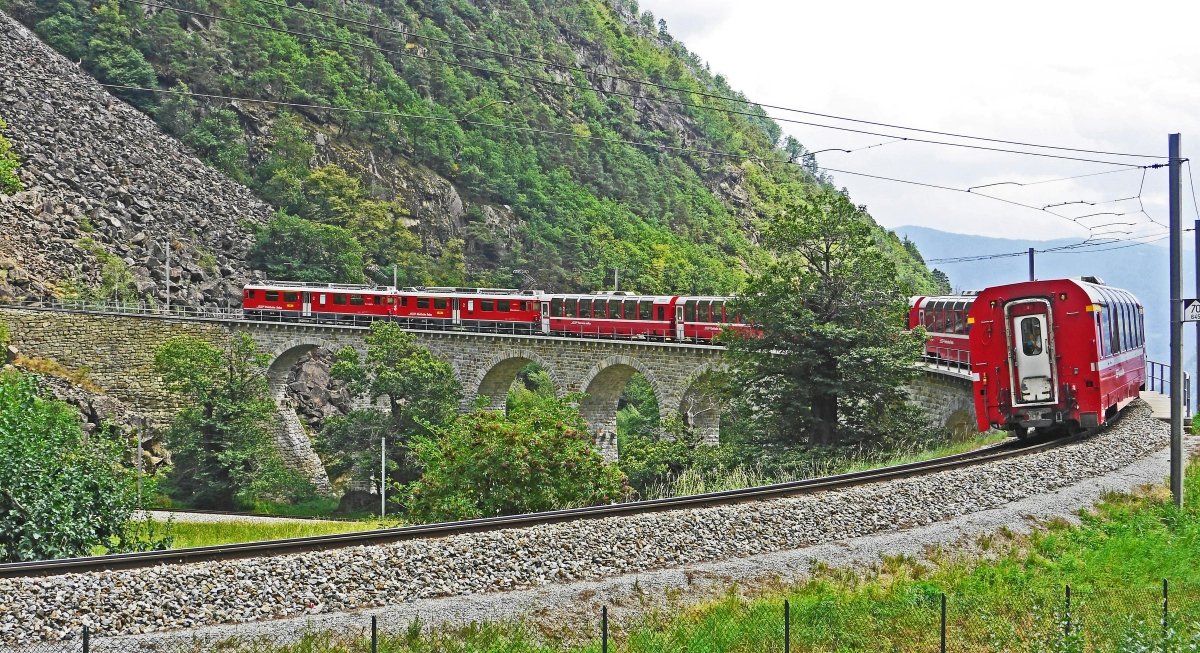
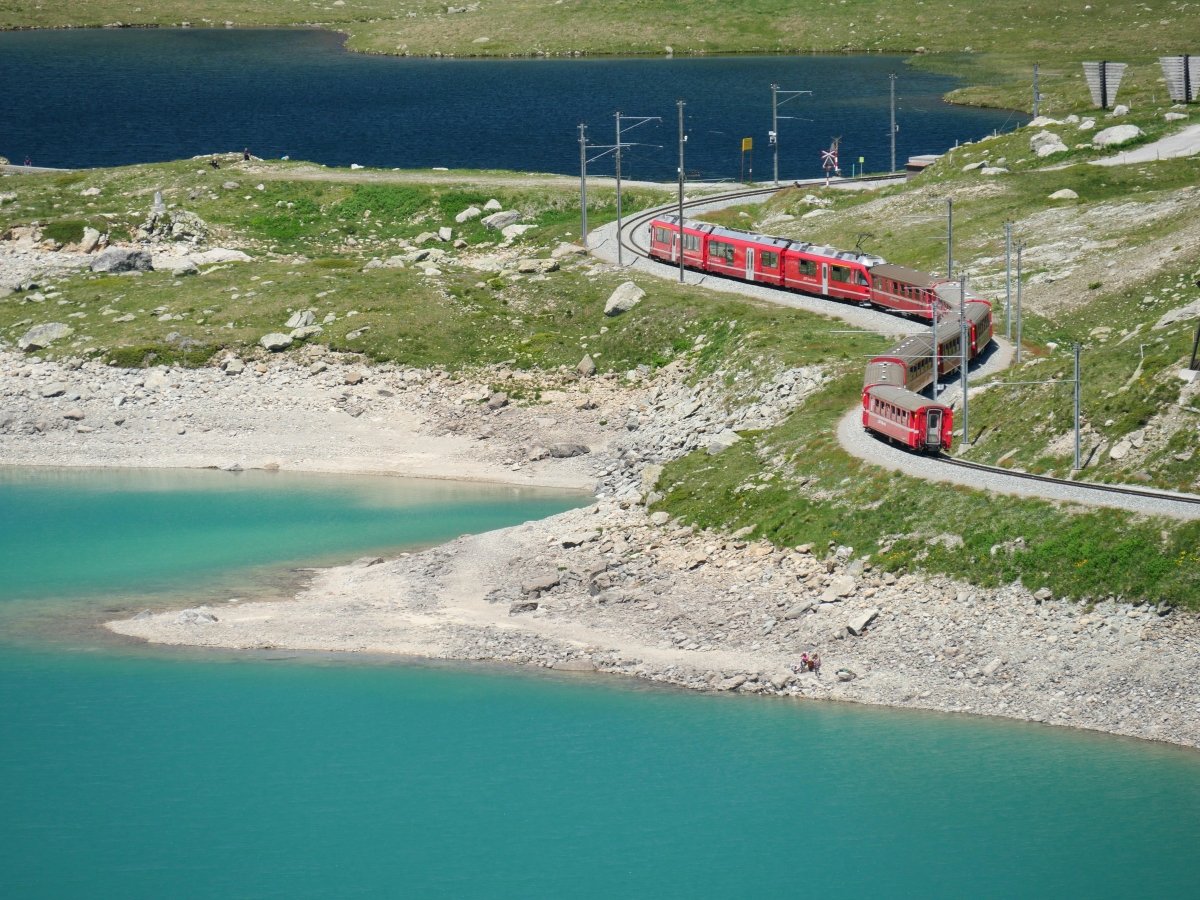
Highlights: The 360-degree Brusio spiral viaduct, Morteratsch Glacier views, and Lago Bianco’s turquoise waters at 2,253 meters.
Cost: From CHF 64 (included with Swiss Travel Pass + CHF 14 reservation)
Insider secret: Take the bus extension to Lugano for a complete Alps-to-palms experience in one day.MORE READ..
Jungfrau Railway: Top of Europe
This cogwheel railway climbs to Jungfraujoch station at 3,454 meters—the highest railway station in Europe. The final stretch tunnels straight through the Eiger mountain.
What awaits: Ice Palace, Sphinx Observatory terrace with views of Aletsch Glacier (the Alps’ longest), and incredibly thin air that’ll have you catching your breath.
Budget reality: CHF 240 round-trip from Interlaken (ouch, but worth it). Swiss Travel Pass gives 25% discount.
Altitude tip: Drink water, skip alcohol the night before, and take it slow at the summit.
Gornergrat Railway: Matterhorn Face-Time
From Zermatt to 3,089 meters in 33 minutes. This open-air cogwheel train offers unobstructed Matterhorn views and 28 other 4,000-meter peaks.
Why it’s awesome: Runs year-round, sunrise and sunset departures available (book these!), and the Gornergrat summit has restaurants and an observatory.
Cost: CHF 110 round-trip (50% off with Swiss Travel Pass)
Golden Pass Line: Three Trains, Three Languages
Montreux to Lucerne via Interlaken—this route transitions from French-speaking lakeside elegance to German-speaking alpine drama.
Unique feature: The GoldenPass Express (opened 2022) has VIP front-row panoramic seats where you can watch the driver navigate.
Time: Full route takes 5-7 hours depending on connections
Money Talk: What This Actually Costs
Let’s be real about pricing because Switzerland isn’t cheap—but the rail passes make it manageable.
Swiss Travel Pass (Your Best Friend)
- 3 days: CHF 280 (roughly €290)
- 4 days: CHF 338
- 8 days: CHF 459
- 15 days: CHF 504
What’s included: Unlimited train, bus, and boat travel; free admission to 500+ museums; 50% off most mountain railways.
Youth discount: Travelers 16-25 get 15% off. Kids under 16 travel free with parents using the Swiss Family Card.
Half-Fare Card Alternative
CHF 120 for one month—gives 50% off all journeys. Better if you’re making fewer trips but still want flexibility.
Budget Breakdown for a 5-Day Alps Rail Trip
- Swiss Travel Pass (4-day): €350
- Mountain railway supplements: €100-150
- Accommodation (mid-range): €400-600
- Meals: €200-300
- Total: €1,050-1,400 per person
Planning Your Route: Sample Itineraries
3-Day Greatest Hits
- Day 1: Lucerne → Interlaken → Jungfraujoch (sleep in Interlaken)
- Day 2: Interlaken → Zermatt → Gornergrat Railway (sleep in Zermatt)
- Day 3: Zermatt → Glacier Express → St. Moritz
5-Day Comprehensive Journey
Add the Bernina Express (Day 4) and Golden Pass route back to Montreux or Zurich (Day 5).
Weekend Express
- Saturday: Zurich → Lucerne → Interlaken, Jungfraujoch afternoon
- Sunday: Golden Pass to Montreux, return to Zurich
Booking Strategy: How to Score the Best Experience
Reserve 2-3 months ahead for summer travel (June-September). The panoramic cars fill fast.
Use the SBB Mobile app: Real-time schedules, platform changes, and digital tickets. Switzerland runs on punctuality—trains leave on the dot.
Early bird special: First trains of the day (around 7-8 AM) have fewer crowds and often catch better light for photography.
Weather gamble: Check mountain webcams before ascending. Clouds can completely obscure views. Many tickets allow flexible rebooking.
Seasonal Considerations
Summer (June-September)
- Pros: All routes operating, longest daylight, wildflowers, warm weather
- Cons: Peak pricing, crowded trains, some snow-capped views less dramatic
Winter (December-March)
- Pros: Magical snow-covered landscapes, fewer tourists, ski resort access
- Cons: Some passes closed, shorter days, weather delays possible
Shoulder seasons (April-May, October-November)
- Sweet spot: Moderate crowds, lower prices, dramatic weather contrasts
- Risk: Unpredictable weather, some mountain railways on reduced schedules
What to Pack for Rail Travel in the Alps
- Layers: Temperature drops 6°C per 1,000 meters elevation gain
- Sunglasses & sunscreen: UV radiation increases with altitude
- Water bottle: Altitude dehydration is real
- Power bank: You’ll be photographing nonstop
- Motion sickness meds: Some routes have serious curves
- Snacks: Onboard dining is pricey (CHF 20-40 for basic meals)
Accessibility & Family-Friendly Features
Switzerland’s commitment to accessibility is impressive. Most mountain trains have:
- Wheelchair-accessible carriages (book ahead)
- Stroller parking areas
- Family compartments with play areas
- Changing facilities at major stations
Traveling with little ones: Kids love the Gornergrat train’s open-air sections and Jungfraujoch’s Ice Palace. Consider half-day mountain trips to avoid meltdowns.
Lesser-Known Routes Worth Your Time
Pilatus Railway
World’s steepest cogwheel railway (48% gradient!) from Alpnachstad. Combine with boat trip on Lake Lucerne for a stunning loop.
Schynige Platte Railway
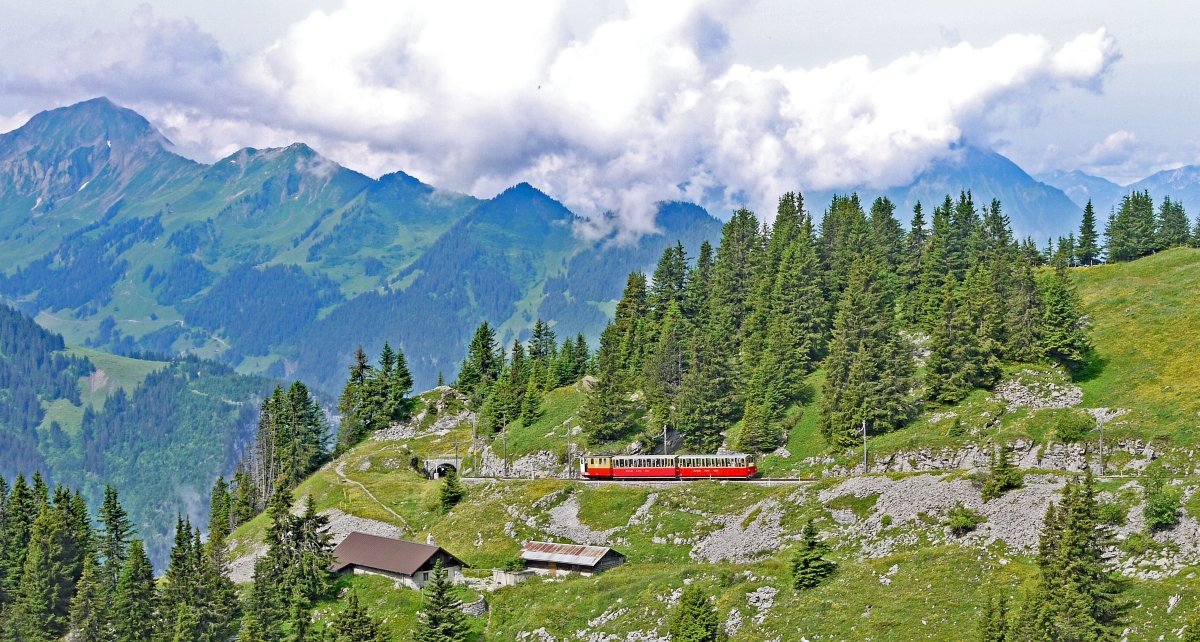
Historic steam-powered cog railway near Interlaken. Wildflower alpine garden at the summit.
Rochers-de-Naye Railway
From Montreux, this route features marmot colony encounters and views over Lake Geneva.
Food & Dining on Board
Reality check: Onboard dining is expensive but convenient. A basic sandwich costs CHF 12-15.
Glacier Express dining: Reserve the meal service (CHF 43 three-course lunch) or bring your own picnic. The wine glasses have angled stems to stay level on gradients—it’s adorable.
Station stops: Major stops have supermarkets (Coop, Migros) with fresh, affordable options.
Photography Tips from the Rails
- Window seats: Book early; request “Fensterplatz” when reserving
- Polarizing filter: Cuts window reflections and enhances sky contrast
- Video mode: Panoramic videos often capture the experience better than stills
- Clean your lens: Switching between cold outside and warm train creates condensation
- Golden hours: Early morning and late afternoon light make the mountains glow
Common Mistakes to Avoid
- Assuming all trains have panoramic cars: Standard carriages are comfortable but have normal windows
- Overpacking your daily itinerary: These journeys deserve your full attention—don’t rush
- Ignoring altitude effects: Jungfraujoch’s thin air affects everyone differently
- Skipping reservations: “I’ll just show up” doesn’t work in summer
- Forgetting chargers: You’ll drain your phone battery by noon
Sustainable Travel Notes
Swiss trains run on 90% hydroelectric power—these journeys have a remarkably low carbon footprint compared to driving or flying. The railways themselves are engineering marvels that work with (not against) the landscape.
Do your part: Use refillable water bottles (Swiss tap water is excellent), dispose of trash properly, and stay on marked paths during station stops.
Where to Base Yourself
Interlaken: Central hub for Jungfrau region, abundant accommodation Zermatt: Car-free village, direct Glacier Express access, romantic vibe St. Moritz: Luxury base, Bernina Express starting point, winter sports hub Lucerne: Gateway city, beautiful old town, easy day trips
Final Thoughts
Here’s the truth: Swiss Alps railway journeys are expensive, often crowded, and you’ll spend hours sitting on trains. And yet they’re absolutely worth it.
There’s something profound about watching the landscape transform from lakeside vineyards to jagged ice-covered peaks, all while sipping coffee (overpriced, admittedly) in a warm panoramic carriage. You’re crossing terrain that would take weeks to hike, passing through villages that seem frozen in time, and experiencing engineering that represents humanity at its most determined and creative.
Is it touristy? Sure. Will you take 500 photos that don’t quite capture the moment? Absolutely. But you’ll also have memories of sunrise hitting the Matterhorn, the sound of cowbells echoing through valleys, and that specific feeling of peaceful awe that mountains inspire.
Book the panoramic car. Spring for first class if your budget allows. Wake up for the sunrise departure. And put your phone down for at least part of the journey—some moments are worth experiencing without a screen.
The Alps have been here for millions of years. These railways have been running for over a century. They’ll still be here next year if you need more time to save. But if you can make it happen? Don’t wait.