









TL;DR: Hidden European Christmas gems for 2025 , Skip the overpriced crowds in Vienna and Prague. These five underrated European cities offer magical Christmas experiences with authentic charm, lower prices, and way fewer tourists. From Finland’s snow castles to Poland’s fairytale squares, here’s where smart travelers are booking for Christmas 2025.
- Why You Should Rethink Your Christmas Travel Plans
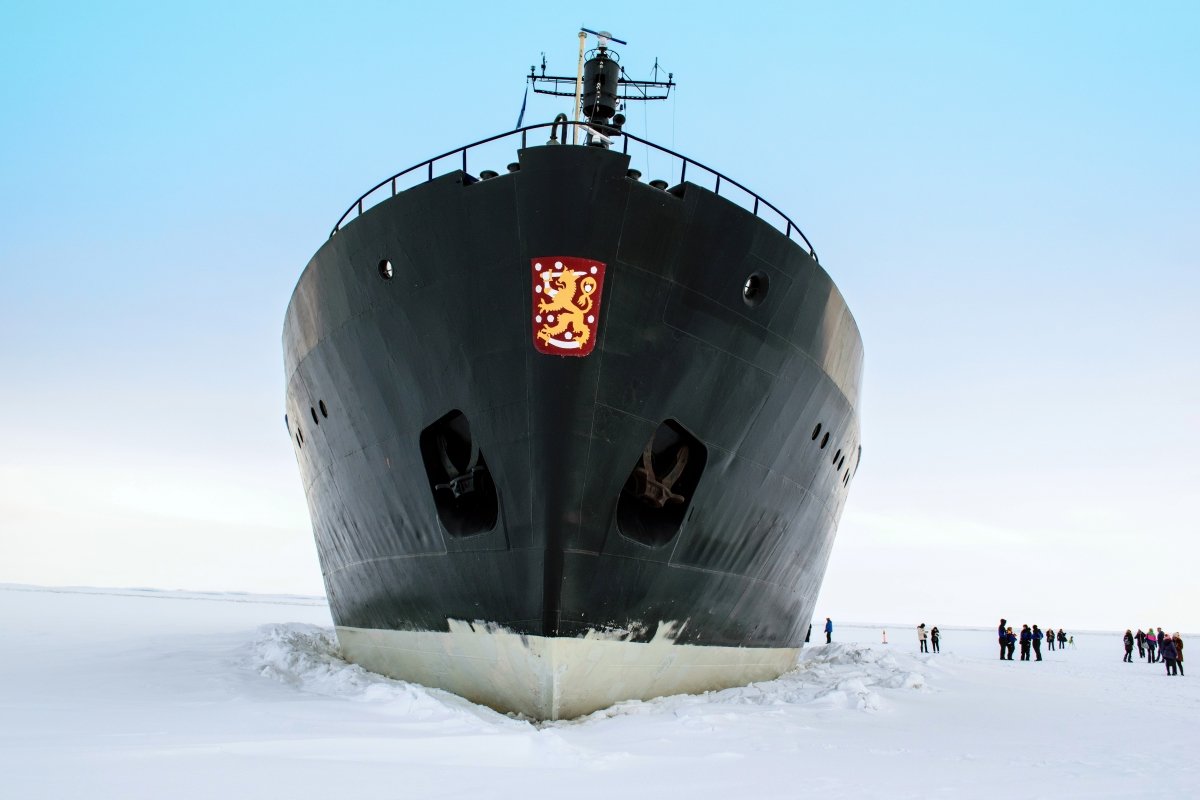
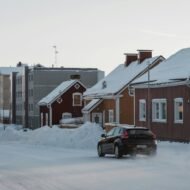
- 1. Kemi, Finland – Where Winter Dreams Actually Freeze Into Reality
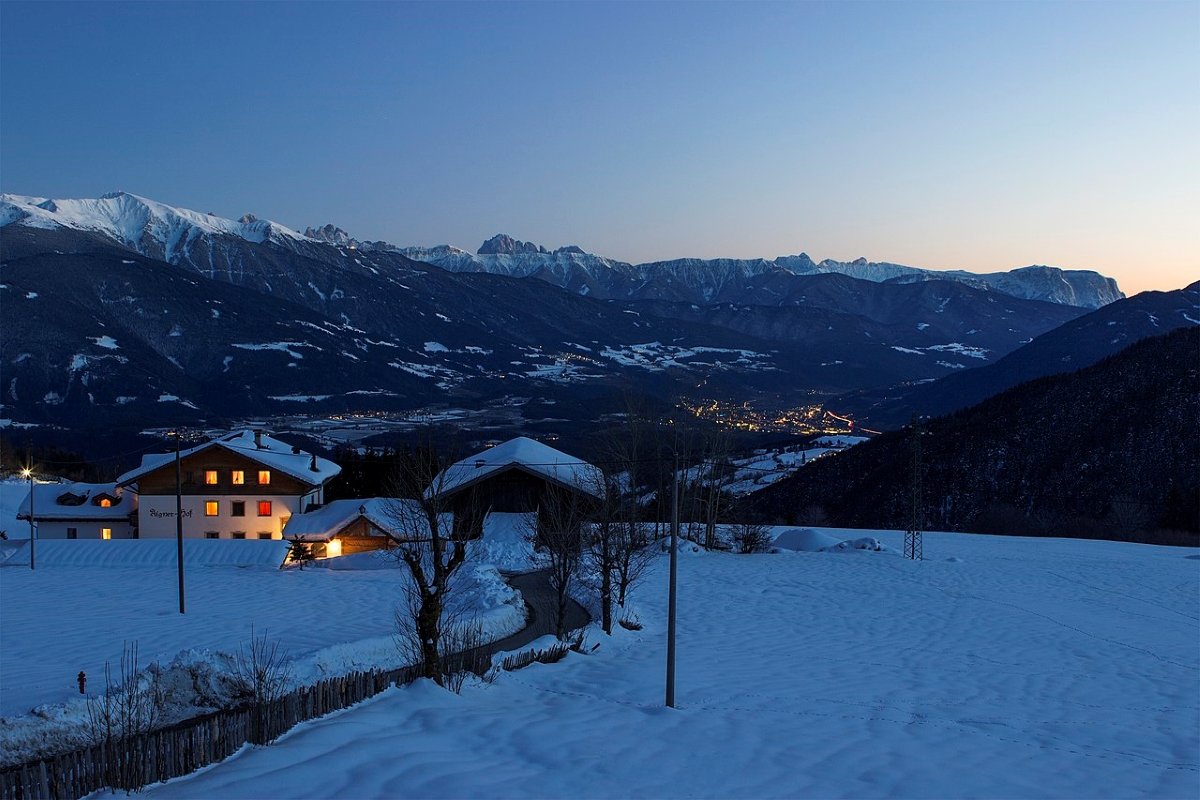
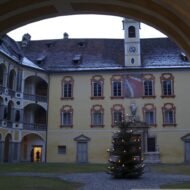
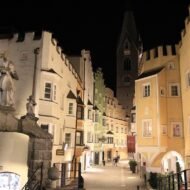
- 2. Brixen (Bressanone), Italy – Alpine Christmas Charm Without the Hype
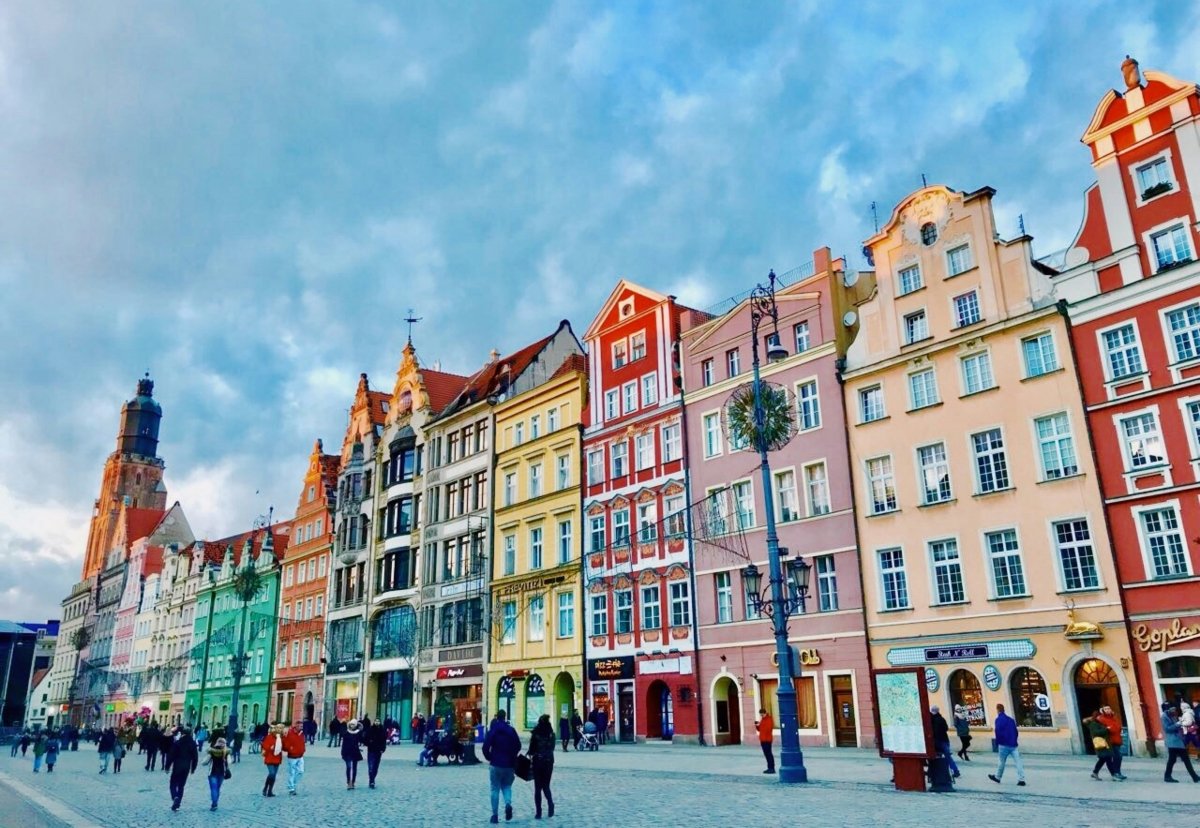
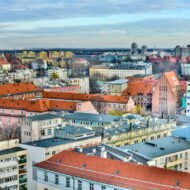
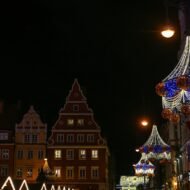
- 3. Wrocław, Poland – A Fairytale Without the Price Tag
- 4. Vilnius, Lithuania – Europe’s Most Underrated Christmas Tree
- 5. Tartu, Estonia – Cozy Nordic Christmas on a Budget
- Final Thoughts: Choose Adventure Over Instagram
- Disclaimer
Why You Should Rethink Your Christmas Travel Plans
Let’s be honest: the famous European Christmas markets have become victim to their own success. You’ve seen the Instagram posts from Prague, Vienna, and Munich—gorgeous twinkling lights, charming wooden stalls, and about 50,000 other people trying to get that same shot.
What if I told you there are cities across Europe where you can experience all that festive magic without the shoulder-to-shoulder crowds or paying €8 for a cup of mulled wine?
These five destinations deliver authentic Christmas vibes, incredible winter landscapes, and experiences you won’t find anywhere else. Best part? Your budget will actually survive the holidays.
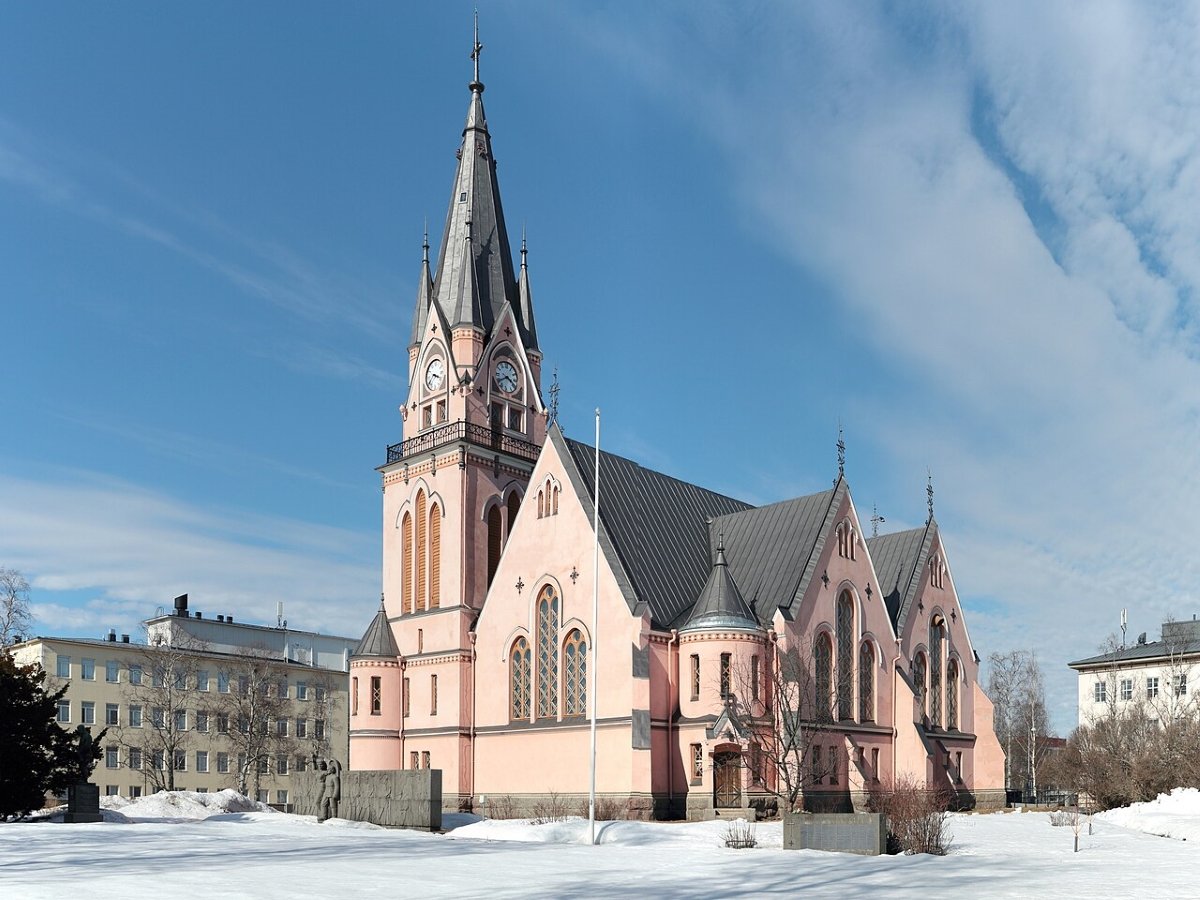
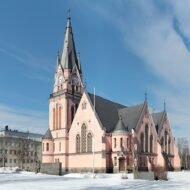
1. Kemi, Finland – Where Winter Dreams Actually Freeze Into Reality
If you’ve ever wanted to sleep in a literal snow castle, drink from ice glasses, or see the Northern Lights dance above frozen landscapes, Kemi needs to be on your radar.
What Makes It Special
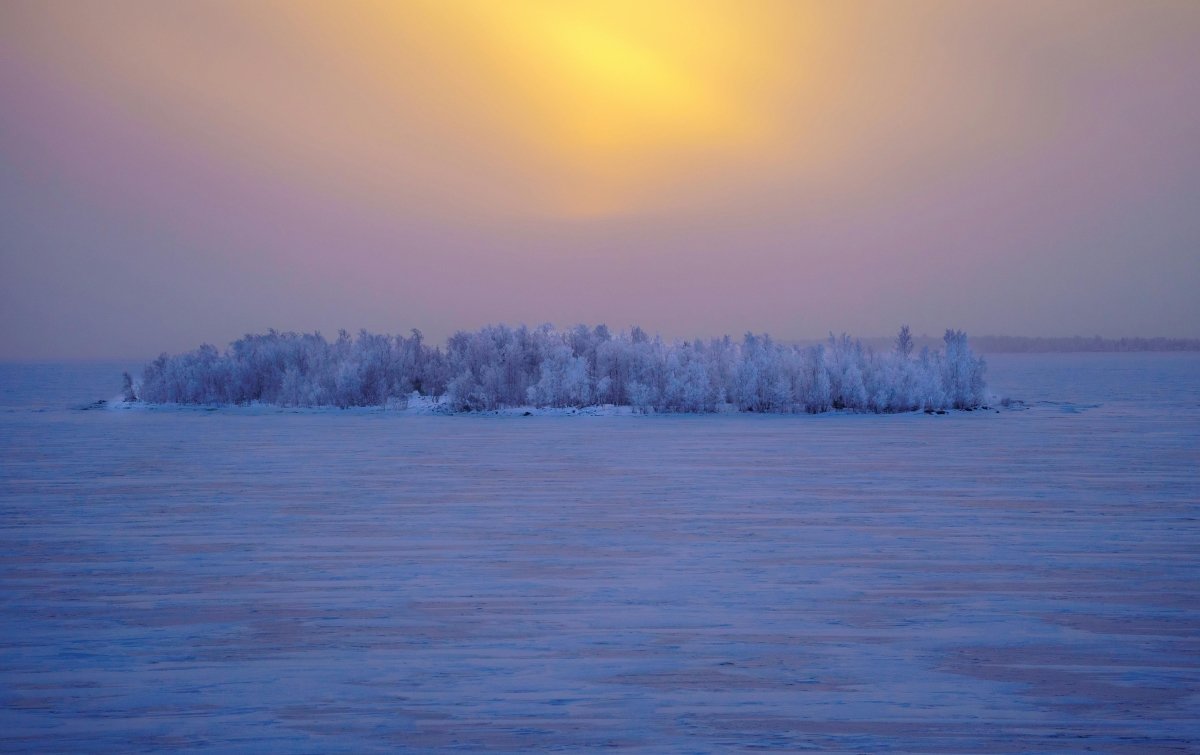
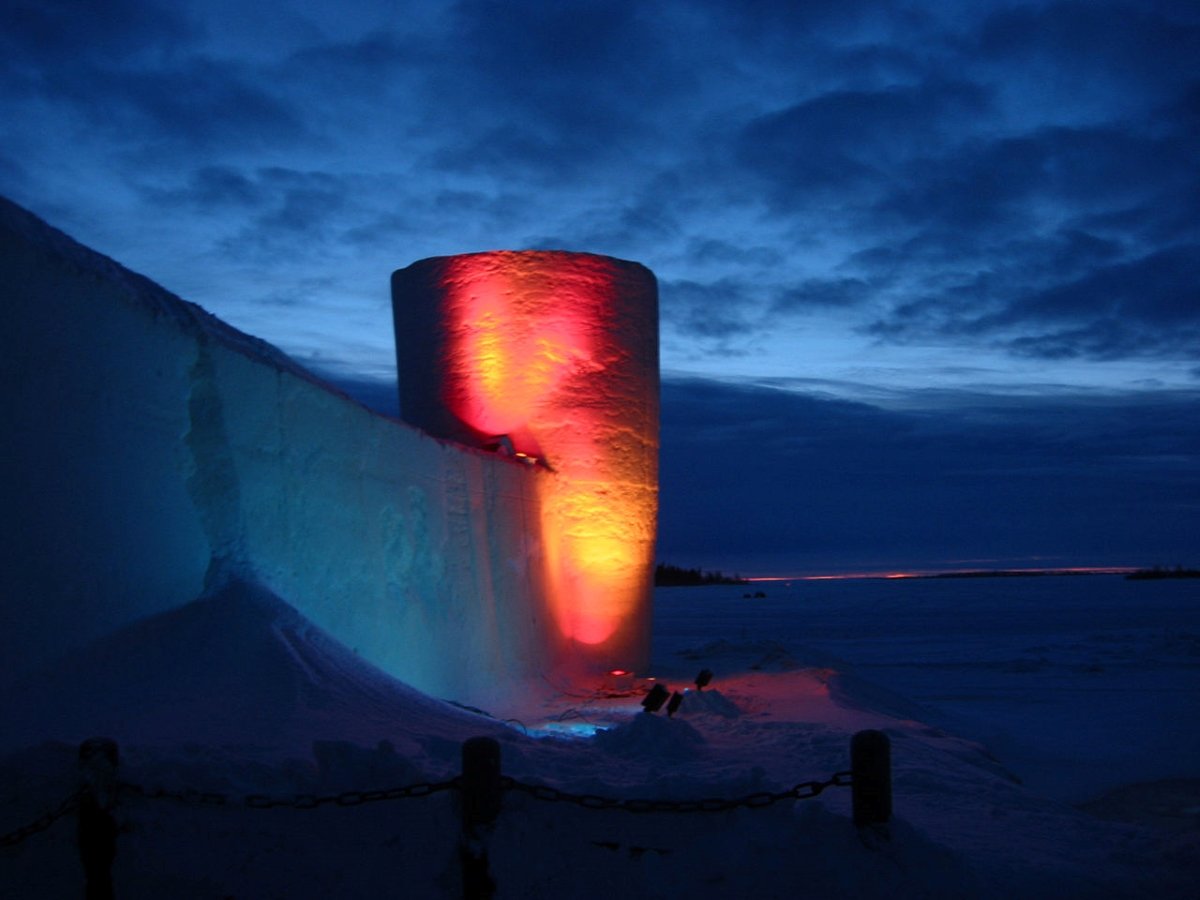
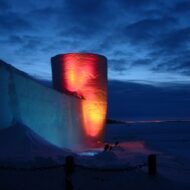
This small Finnish town on the Gulf of Bothnia transforms every winter into something straight out of a fantasy novel. The SnowCastle of Kemi is rebuilt from scratch each year with different themes—we’re talking hotel rooms carved from ice and snow, an ice restaurant, and even an ice chapel where couples actually get married.
But here’s what really sets Kemi apart: the Sampo icebreaker cruise. You’ll board a massive ship that literally crushes through thick sea ice, and then—wait for it—you get to put on a survival suit and float in the icy water between the ice chunks. It sounds wild because it is.
Christmas Experience
The Finnish don’t mess around with Christmas. Kemi’s market is intimate and genuinely local, where you’ll find handmade Sami crafts, smoked reindeer meat, and gingerbread that’ll ruin store-bought versions for you forever. The darkness (we’re talking only a few hours of twilight this far north in December) somehow makes everything feel more magical when those lights come on.
Practical Tips
- Best time to visit: Late November through early January
- Getting there: Fly into Rovaniemi or Oulu, then take a train or bus (about 1-2 hours)
- Budget: Mid-range. Accommodations run €80-150/night; the SnowCastle experience is around €40-60 for tours
- What to pack: Seriously warm clothes. We’re talking -10°C to -25°C (-4°F to -13°F). Layers are your best friend
- Northern Lights potential: High, especially if you stay outside town and the skies cooperate
Insider tip: Book the SnowCastle hotel room for one night (around €200-300), then switch to regular accommodation. You’ll get the experience without breaking the bank.
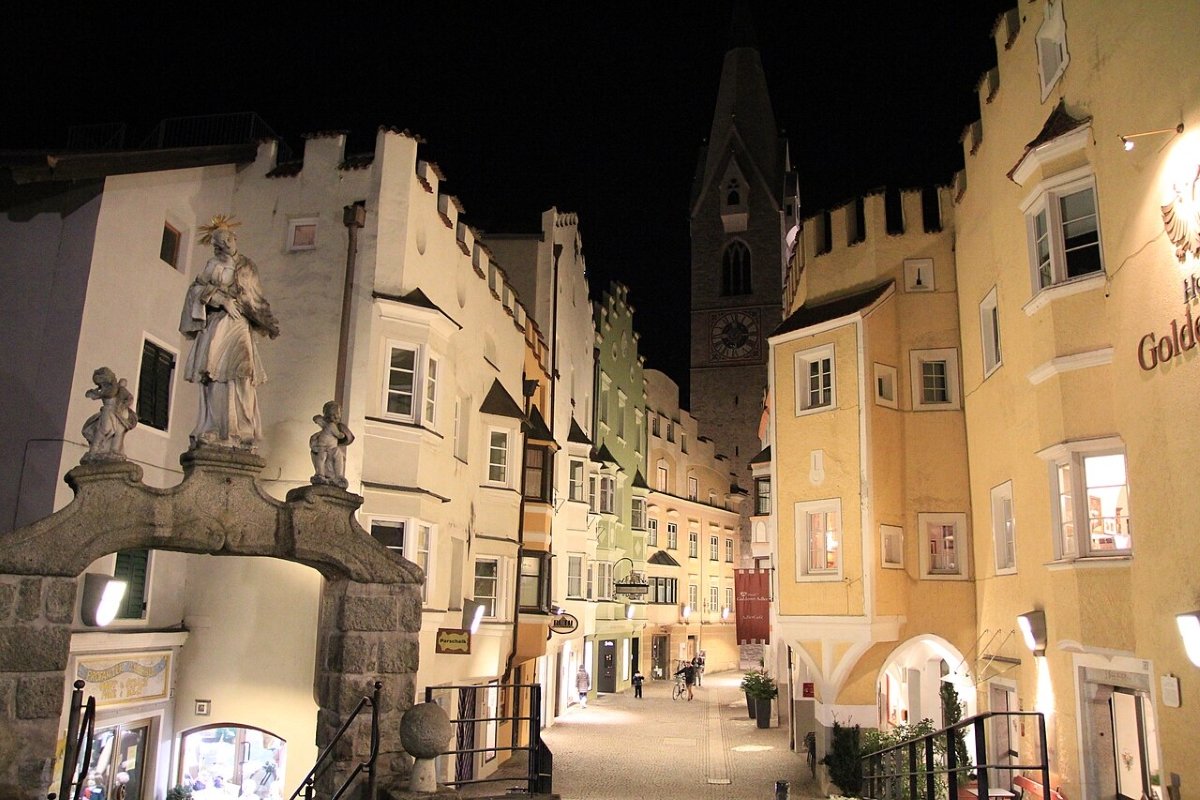
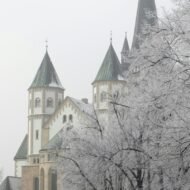
2. Brixen (Bressanone), Italy – Alpine Christmas Charm Without the Hype
Forget fighting crowds in Bolzano or Innsbruck. Brixen delivers that dreamy Italian-Austrian hybrid Christmas you’re imagining, just with actual breathing room.
What Makes It Special
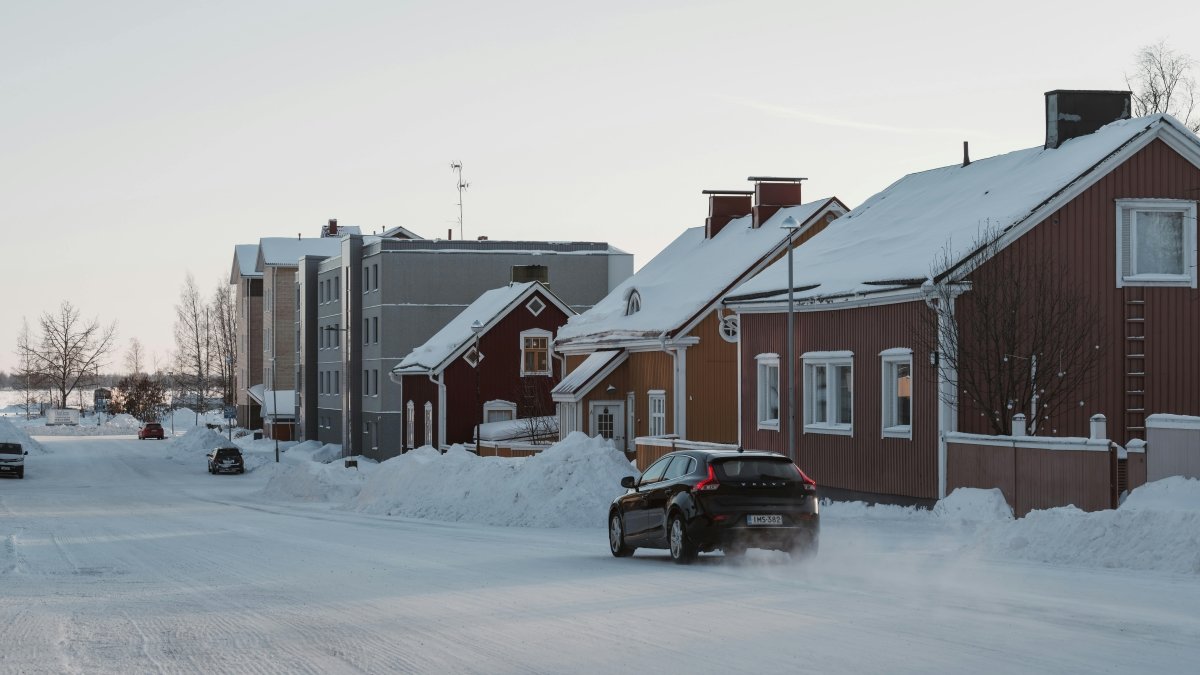
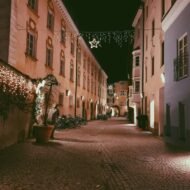
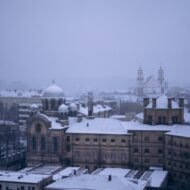
Nestled in South Tyrol, Brixen sits where Italian warmth meets Alpine efficiency. The medieval old town looks like someone’s Christmas card fever dream—narrow cobblestone streets, colorful buildings, the Alps hovering dramatically in the background, and three separate Christmas markets that each have their own vibe.
The town has been a bishops’ seat for over a thousand years, which means you’re getting serious historical architecture alongside your glühwein.
Christmas Experience
Brixen’s Water Light Worlds installation turns the town into an immersive light art experience from late November through early January. It’s creative, it’s beautiful, and it doesn’t feel touristy—which is rare for Christmas destinations.
The markets here sell actual quality items: hand-carved wooden decorations from local artisans, South Tyrolean speck (cured ham that’ll change your life), apple strudel made properly, and mulled wine that won’t make your wallet weep. Plus, you’ll hear a mix of Italian and German, which somehow makes everything feel more festive.
Practical Tips
- Best time to visit: Late November to early January
- Getting there: Fly into Innsbruck (1 hour drive) or Verona (2.5 hours); trains connect well to Brixen
- Budget: Moderate. Hotels €70-120/night, excellent meals €15-25
- Day trip potential: Dolomites skiing, Bolzano, Neustift Abbey
- Language: German and Italian both work; many locals speak English
Insider tip: Stay until January 6 for Epiphany celebrations when the Befana (Italian Christmas witch) delivers gifts. It’s a local tradition that tourists usually miss.
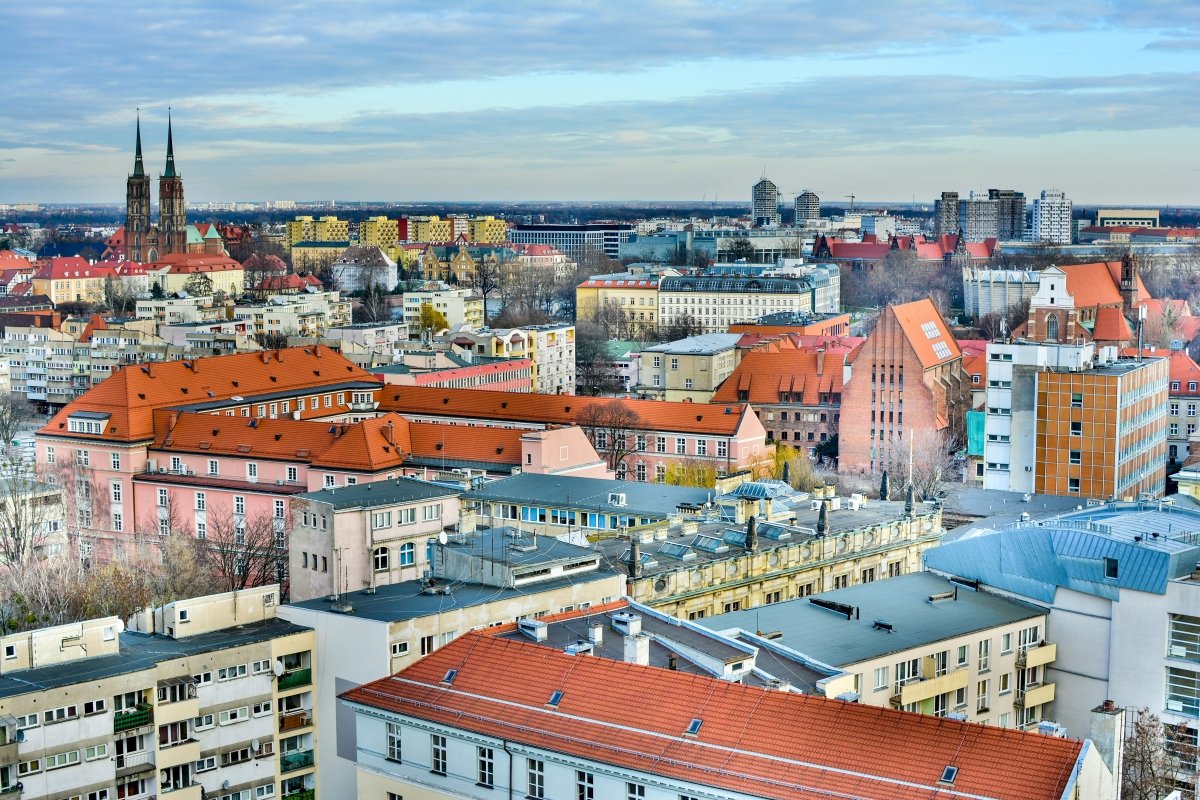
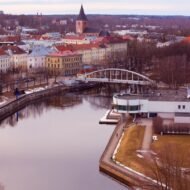
3. Wrocław, Poland – A Fairytale Without the Price Tag
Wrocław is Poland’s secret weapon, and honestly, it’s criminal how many travelers skip it for Krakow.
What Makes It Special
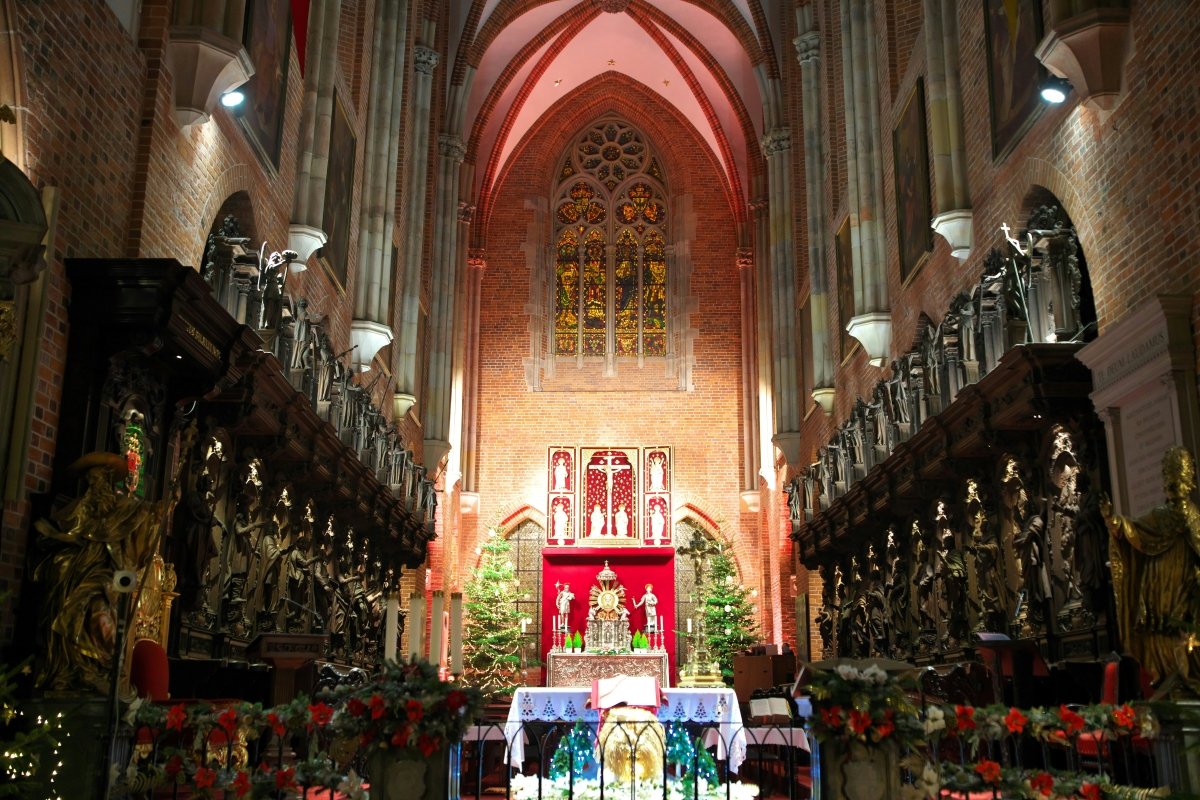
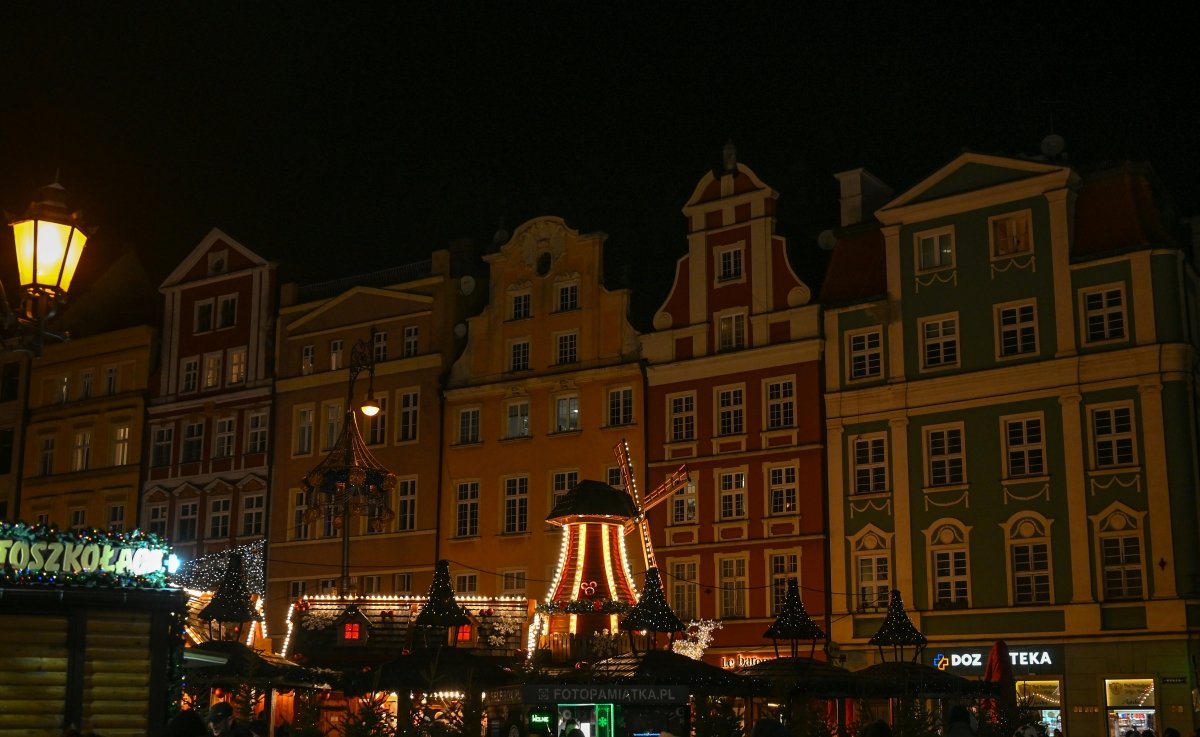
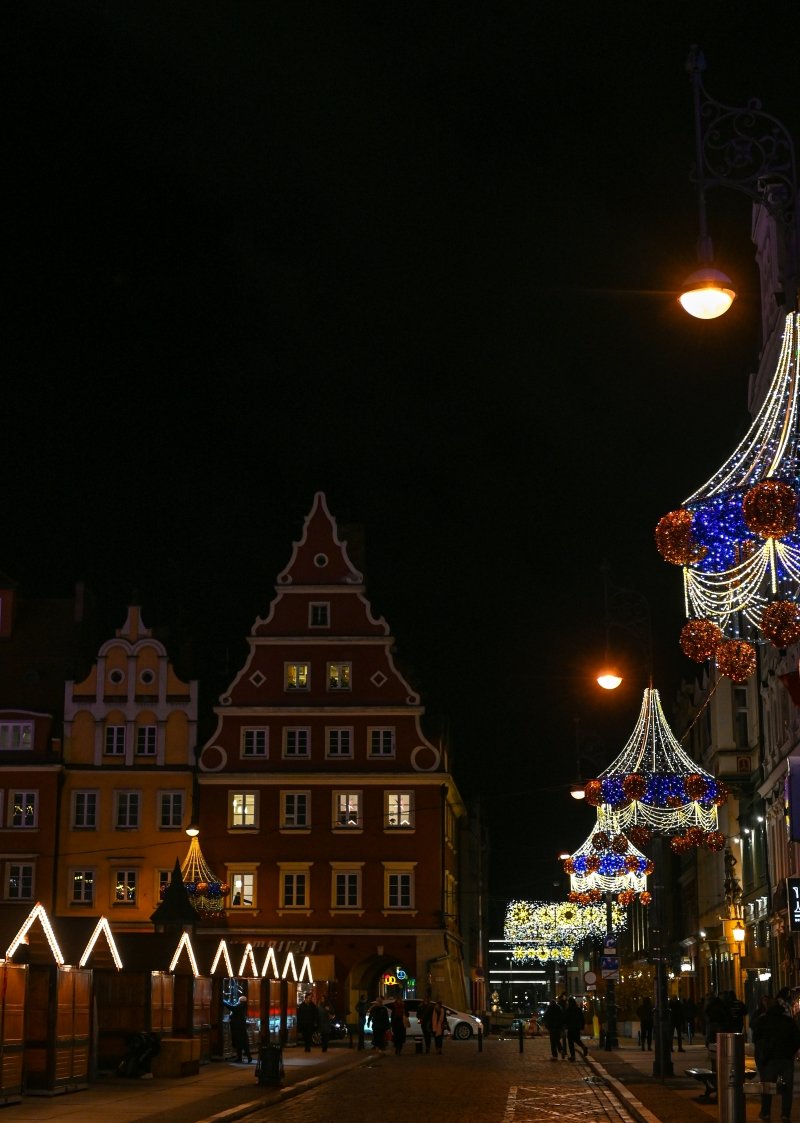
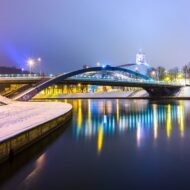
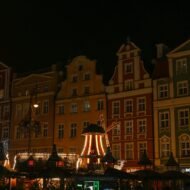
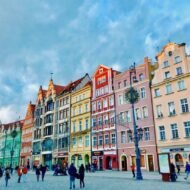
This city has over 120 bridges crossing the Oder River, a market square that rivals Prague’s (fight me on this), and Christmas decorations that lean hard into fairytale aesthetics. The entire old town becomes one giant Christmas installation, with projection mapping shows on the buildings and a market setup that feels less commercial, more community celebration.
Also, there are over 600 tiny bronze gnome statues hidden around the city. Yes, this is real. Yes, finding them is addictive.
Christmas Experience
Wrocław’s Christmas market spreads across multiple locations—Market Square, Świdnicka Street, and along the riverfront. The wooden chalets sell traditional Polish crafts, amber jewelry (Poland is famous for this), and food that’ll make you understand why Polish grandmas have such a fierce reputation.
Try the oscypek (smoked sheep cheese) with cranberry sauce, fresh pierogi from market stalls, and grzaniec (Polish mulled wine with less sugar than the German version). The Christmas tree in Market Square regularly wins “best Christmas tree in Europe” awards, and after seeing it lit up at night, you’ll understand why.
Practical Tips
- Best time to visit: Late November through January 6
- Getting there: Direct flights from many European cities; Wrocław Airport is 20 minutes from downtown
- Budget: Very affordable. Nice hotels €50-80/night, dinner for two with drinks €30-40
- Must-see: The light show projected on buildings starting around 5 PM daily
- Gnome hunting: Download the Wrocław gnome map app before you go
Insider tip: Climb the tower of St. Elizabeth’s Church (90 meters, 300+ steps) right before sunset. The views over the illuminated Christmas market are absolutely worth the leg burn.
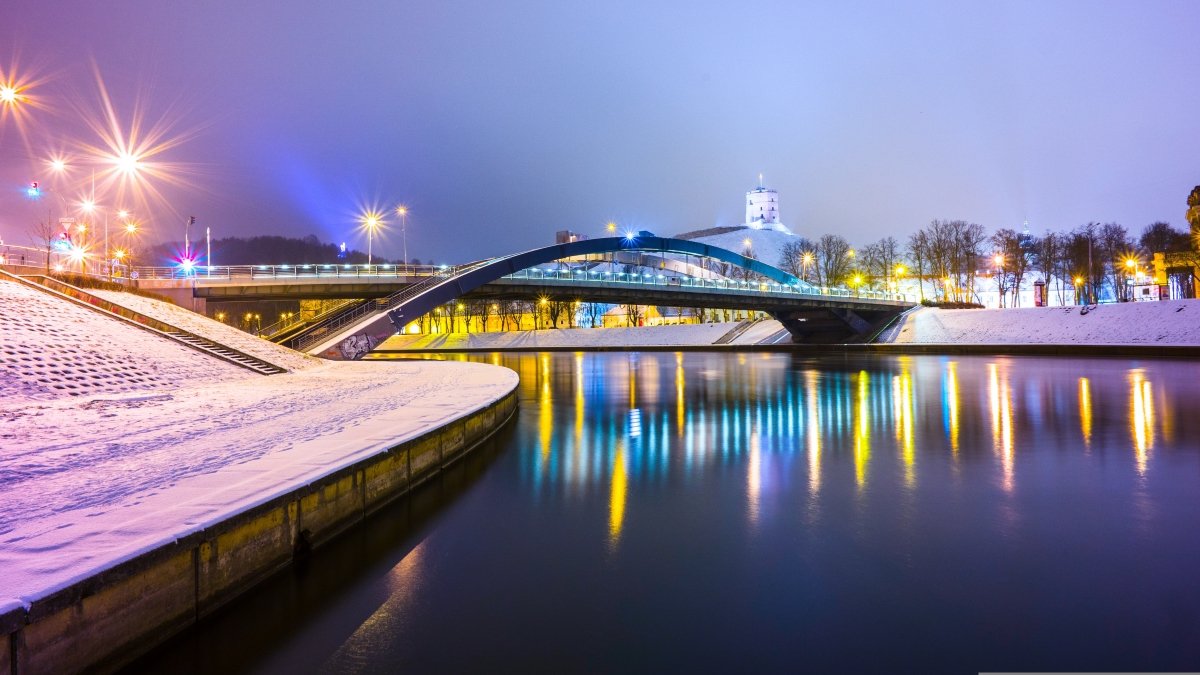
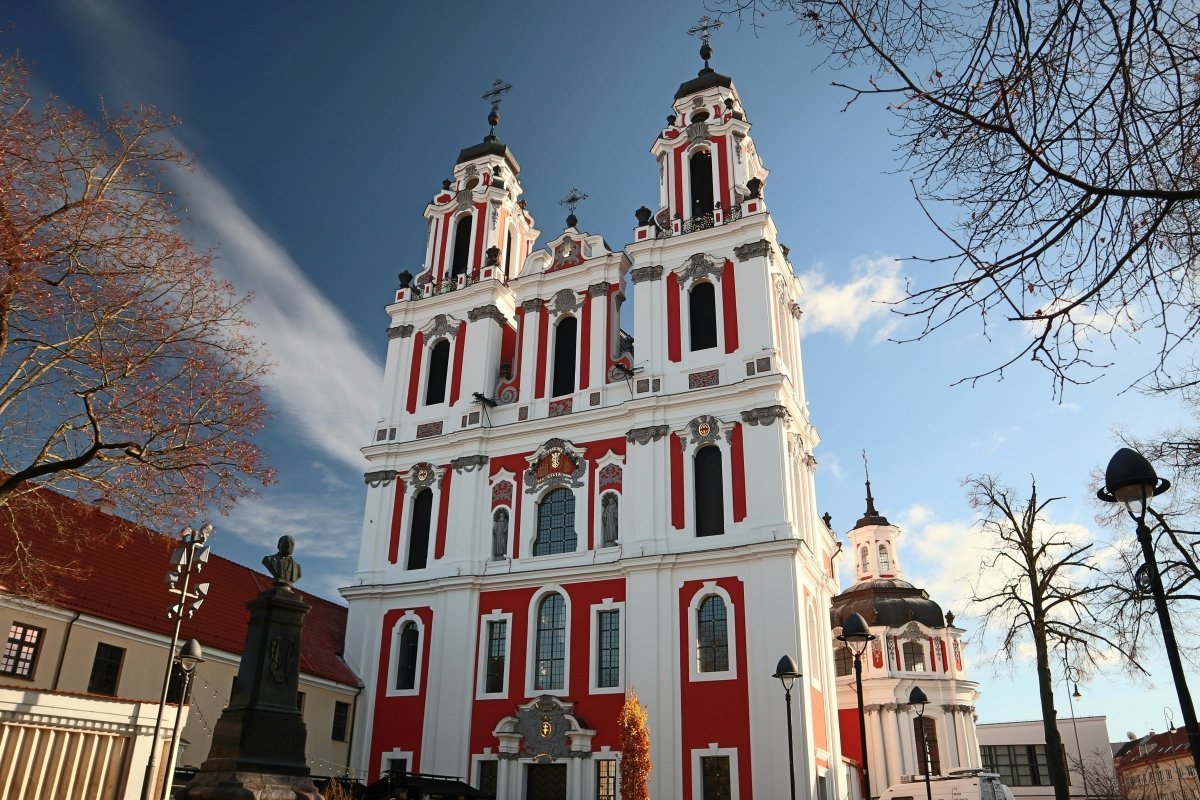
4. Vilnius, Lithuania – Europe’s Most Underrated Christmas Tree
Lithuania’s capital doesn’t get nearly enough credit for its Christmas game. This needs to change immediately.
What Makes It Special
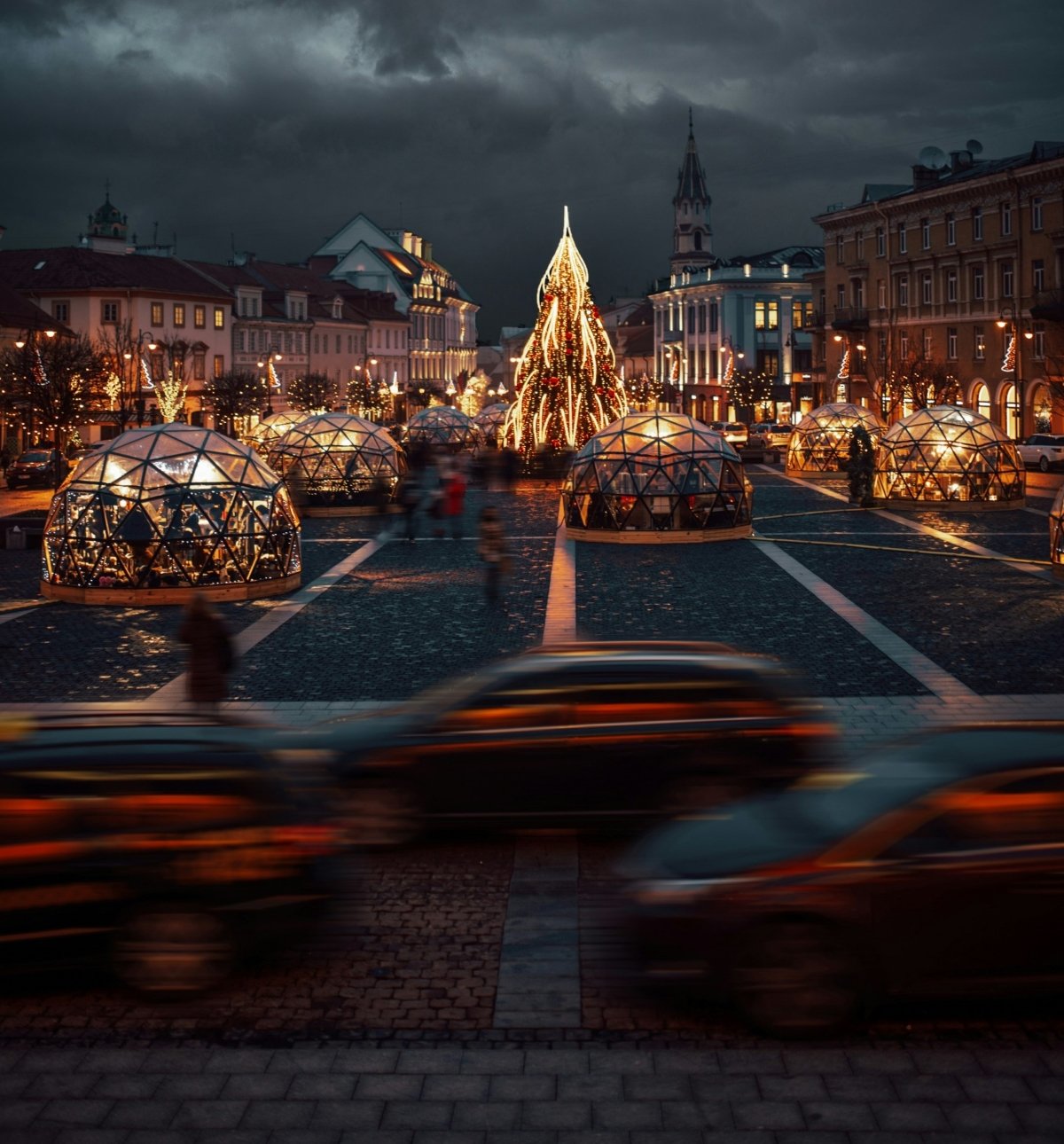
Vilnius has won the European Best Christmas Tree competition multiple times, and they take this very seriously. Each year’s tree in Cathedral Square is a spectacular installation—not just a tree with lights, but an artistic creation with themes, synchronized light shows, and design elements that make you realize most cities are phoning it in.
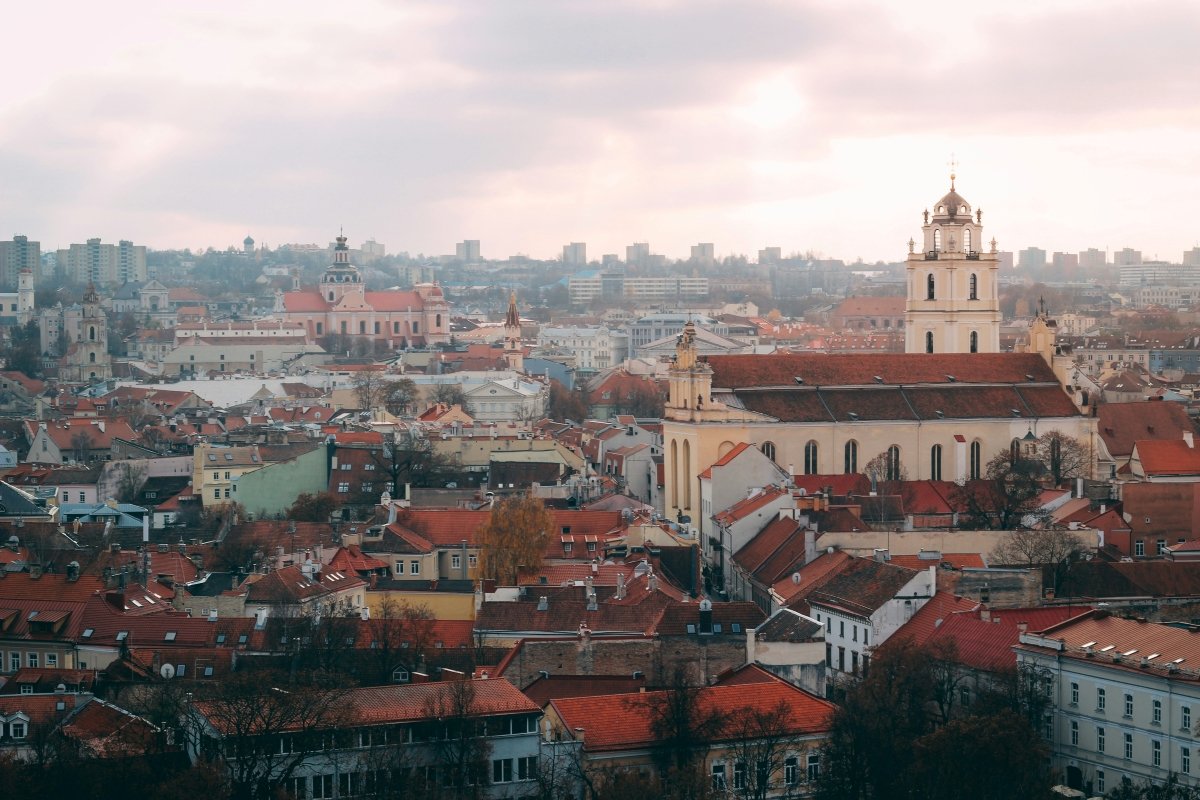
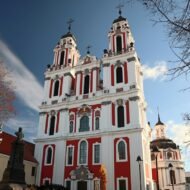
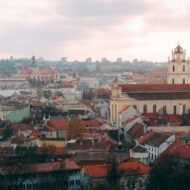
The old town (a UNESCO World Heritage site) is compact and walkable, which means you can explore medieval streets, baroque churches, and cozy cafes without freezing your face off between locations.
Christmas Experience
The Christmas market in Cathedral Square is lovely but not overwhelming. You’ll find traditional Lithuanian crafts, amber jewelry, and food vendors selling kibinai (meat-filled pastries), šakotis (the famous Lithuanian tree cake that looks like a spiky tower), and hot mead.
What really sets Vilnius apart is the creative approach to Christmas. Local designers and artists create installations throughout the old town, making the entire experience feel curated rather than commercial. The Christmas train that loops through the old town is adorable, affordable, and surprisingly popular with adults once they realize it goes past all the illuminated sites.
Practical Tips
- Best time to visit: Late November through January 6
- Getting there: Vilnius Airport has budget carrier connections across Europe
- Budget: Very affordable. Good hotels €40-70/night, excellent meals €12-20
- Day trip option: Trakai Castle (30 minutes away) looks incredible in winter
- Safety note: Vilnius is very safe; crime rates are low
Insider tip: Visit Užupis, the self-declared “republic” with its own constitution (nailed to a wall in multiple languages). In winter, it’s quieter and even more charming than usual.
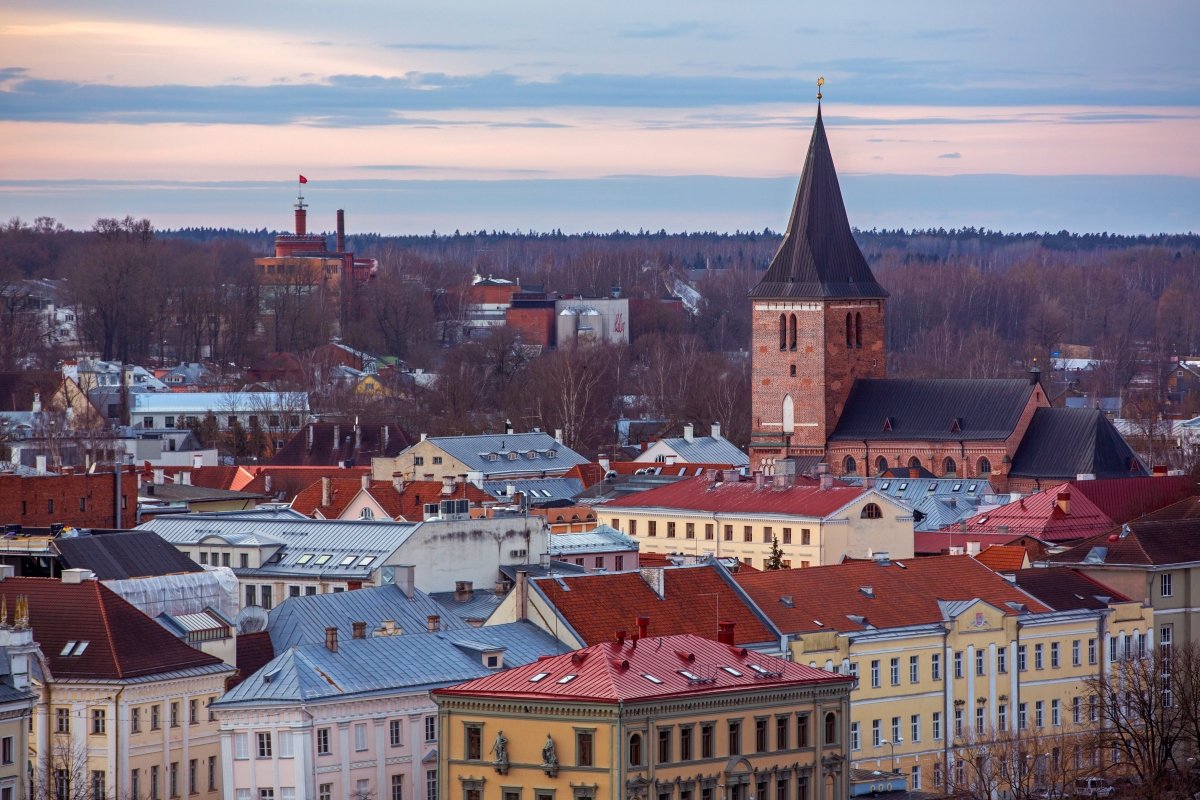
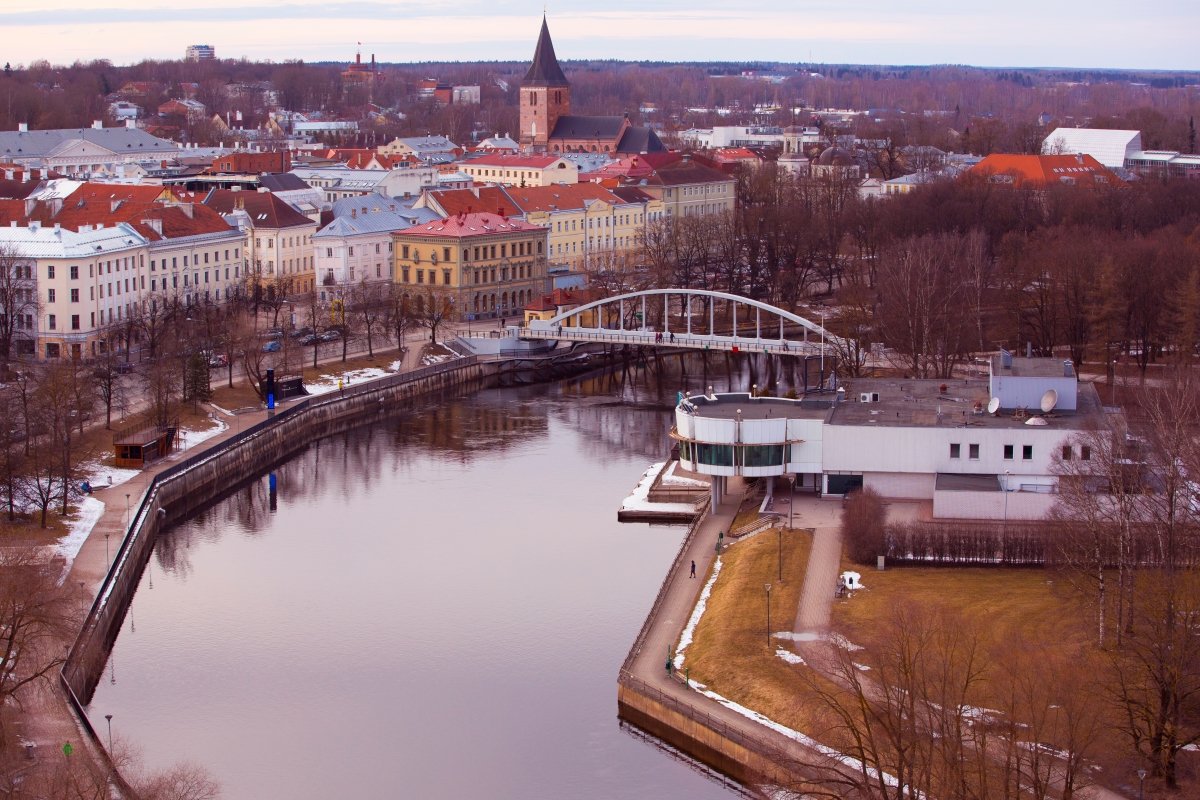
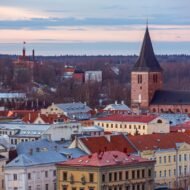
5. Tartu, Estonia – Cozy Nordic Christmas on a Budget
Estonia’s second city delivers pure Nordic Christmas coziness without the Copenhagen or Stockholm price tags.
What Makes It Special
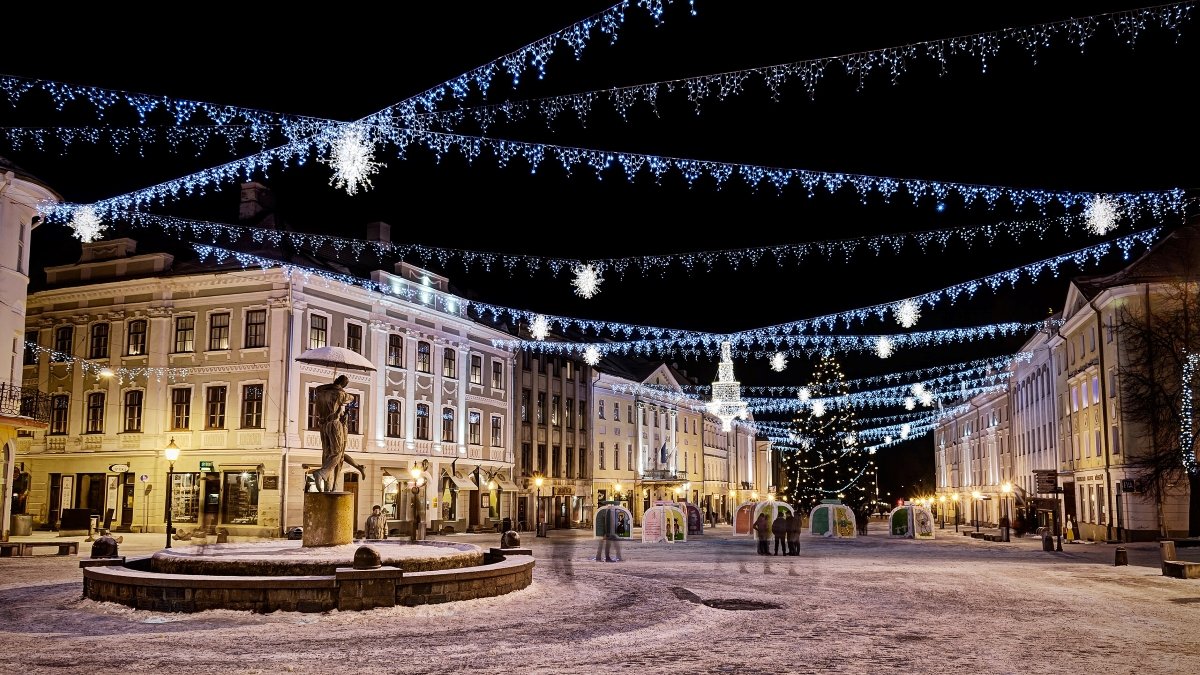
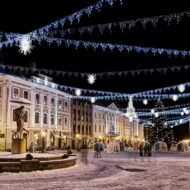
Tartu is a university town, which means it has that perfect energy—lively but not overwhelming, culturally rich, and young enough to keep things interesting. The Christmas market in Town Hall Square is scaled perfectly: big enough to feel festive, small enough that you’re not fighting crowds to move.
Estonian design is having a moment globally, and Tartu’s market showcases this beautifully. Think minimalist Nordic aesthetics mixed with cozy Christmas traditions, high-quality wool products, and innovative food takes on traditional recipes.
Christmas Experience
The Christmas tree lighting ceremony in late November kicks off the season with concerts and celebrations. Throughout December, the market operates daily with local vendors selling everything from hand-knitted goods to smoked fish to gingerbread cookies (piparkoogid) that Estonians take very seriously.
Tartu’s Christmas traditions lean heavily on light and warmth as antidotes to dark Nordic winters. Candles everywhere, fairy lights strung between buildings, and a general sense that creating coziness (called “hüge” in Estonian) is a community responsibility.
Practical Tips
- Best time to visit: Late November through January 6
- Getting there: Fly into Tallinn (2-2.5 hours by bus to Tartu) or direct flights via seasonal routes
- Budget: Very affordable. Hotels €45-75/night, meals €10-18
- Must-visit: Estonian National Museum (incredible modern architecture and exhibits)
- Weather: Cold (-5°C to +2°C / 23°F to 36°F), bring warm layers
Insider tip: The AHHAA Science Centre hosts special Christmas-themed shows that are surprisingly fun even for adults. Plus, it’s warm inside, which counts for a lot in Estonian December.
Final Thoughts: Choose Adventure Over Instagram
These five cities prove that the best European Christmas experiences aren’t the most famous ones. They’re the places where locals still outnumber tourists, where Christmas markets exist for community rather than just commerce, and where your travel budget stretches far enough to actually enjoy yourself.
Whether you’re watching the Northern Lights over a snow castle in Finland, sipping mulled wine in an Italian-Austrian Alpine town, hunting gnomes through a Polish fairytale city, admiring award-winning Christmas trees in Lithuania, or embracing Nordic coziness in Estonia—you’re creating memories that stand out from the standard Christmas market circuit.
The famous destinations will still be there whenever you want to fight those crowds. But for 2025, why not try something different?
Book early: Accommodations in smaller cities fill up faster than you’d think, especially during Christmas weeks.
Travel dates: Prices drop significantly after Christmas Day but markets usually run through early January, making post-Christmas travel a smart budget move.
Transportation: Book flights and trains early—December is peak season even for smaller cities.
Flexibility: If your dates are flexible, visiting in late November catches most Christmas markets while avoiding peak pricing and crowds.
Disclaimer
Travel information is current as of December 2025 but can change. Always verify:
- Entry requirements and visa regulations for your nationality
- COVID-19 or other health protocols if applicable
- Weather conditions and seasonal closures
- Market dates and operating hours (these vary by year)
- Accommodation availability for holiday periods
- Transportation schedules, especially around Christmas and New Year
Prices mentioned are estimates in EUR and vary by season, booking timing, and exchange rates. This guide provides general information and personal recommendations—not professional travel advice. Travel insurance is recommended for all international trips.
We receive no compensation from any destinations, hotels, or services mentioned. These recommendations come from genuine travel enthusiasm for underrated places that deserve more attention.
Safe travels, and may your mulled wine always be the perfect temperature!